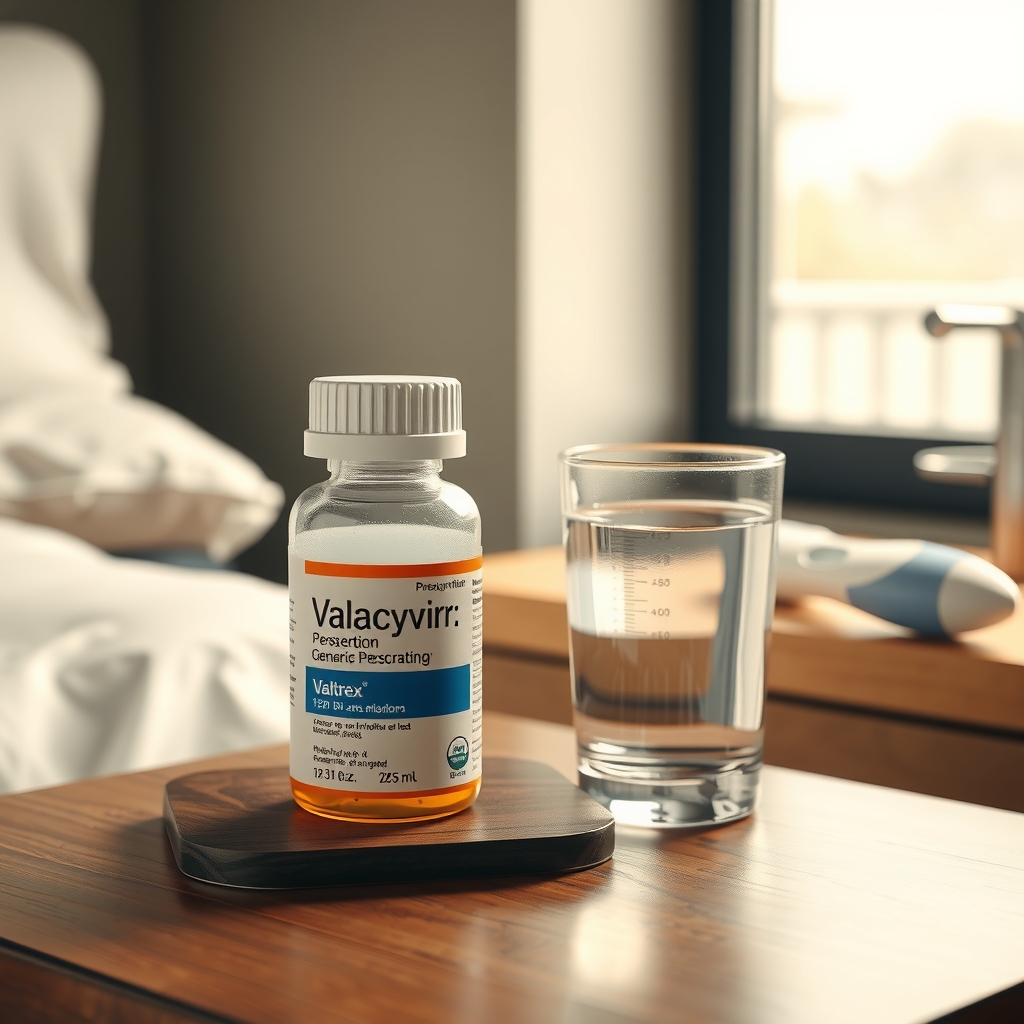
Valacyclovir is generally safe during pregnancy in recommended doses. Learn about first-trimester risks, dosage guidelines, and alternatives for herpes
By Shubhra Mishra — a mom of two who turned her own confusion during pregnancy into BumpBites, a global mission to make food choices clear, safe, and stress-free for every expecting mother. 💛
Check whether any food is safe during pregnancy with the BumpBites Food Safety Checker.
Quick verdict: ⚠️ Valacyclovir is generally considered safe during pregnancy when prescribed for necessary conditions like herpes or shingles, but it’s not without risk. The ACOG and NHS recommend using it only if the benefits outweigh potential risks, especially in the first trimester. Always follow your provider’s prescribed dose and timing. If you’ve already taken valacyclovir before knowing you were pregnant, discuss it with your provider to determine if additional monitoring is needed.
You’re scrolling through your phone at 2 a.m., rubbing your belly and wondering if the valacyclovir prescription your doctor just called in is safe. Maybe you already took a dose before realizing you were pregnant, or you’re now managing a herpes outbreak and need to know if this antiviral is the right choice. The truth is, valacyclovir—often prescribed for herpes, shingles, or cold sores—is a common concern for pregnant people, and the answer isn’t a simple yes or no. Some studies suggest it may be linked to a slightly higher risk of birth defects when used in the first trimester, while others highlight its necessity for managing active infections. So, what’s the real verdict? Can you safely take valacyclovir during pregnancy, or should you avoid it? We’ll break it down by trimester, dosage, risks, and safer alternatives so you can make an informed decision—without losing sleep over it.
If you’ve already taken valacyclovir before knowing you were pregnant, take a deep breath. Many moms-to-be have been in your shoes, and while it’s natural to worry, the key is understanding the current evidence and how your provider will monitor your situation. Below, you’ll find a clear safety snapshot, expert-backed guidance, and actionable alternatives to help you navigate this with confidence. We’ll also dive deeper into how valacyclovir interacts with other common pregnancy concerns, like managing stress or adjusting your diet, and explore the emotional toll of managing a chronic condition during pregnancy.
Trimester / Situation
Safety Verdict
Notes
First Trimester
⚠️ Safe with caution
ACOG and NHS recommend avoiding valacyclovir unless absolutely necessary due to potential risks of birth defects. If prescribed, monitor closely with additional prenatal testing.
Second Trimester
⚠️ Safe with caution
Safer than first trimester, but still only use if benefits outweigh risks. Monitor fetal development with ultrasounds.
Third Trimester
⚠️ Safe with caution
May be prescribed for active herpes outbreaks, but risks of neonatal herpes must be weighed carefully. Cesarean section may be recommended for active lesions.
Breastfeeding
⚠️ Safe with caution
Valacyclovir passes into breast milk in small amounts. ACOG considers it acceptable if medically necessary, but monitor infant for side effects like rash or irritability.
Herpes Suppression (Daily Dose)
⚠️ Safe with caution
Daily low-dose valacyclovir (500 mg) may be safer for long-term suppression than episodic treatment, but always consult your provider.
Valacyclovir is often prescribed as Valtrex, but generic versions are also available.
---
## What is valacyclovir?
Valacyclovir is an antiviral medication used to treat infections caused by the herpes simplex virus (HSV), which includes cold sores (oral herpes) and genital herpes. It’s also prescribed for shingles (herpes zoster) and, in some cases, chickenpox. The drug works by stopping the virus from multiplying in your body, helping your immune system fight the infection more effectively. Valacyclovir is a prodrug, meaning it’s converted into acyclovir—a more active form—once it enters your system. This makes it more easily absorbed and effective at lower doses compared to acyclovir.
Many people take valacyclovir when they experience outbreaks, but it can also be used for suppressive therapy (daily doses to prevent recurrent episodes). If you’re pregnant and dealing with an active herpes infection, your provider might prescribe it to manage symptoms and reduce the risk of spreading the virus to your baby. However, valacyclovir isn’t a cure; it only helps control the virus while your immune system works to contain it.
For those managing chronic conditions like herpes, pregnancy can add an extra layer of complexity. Stress, hormonal changes, and immune system shifts can all trigger outbreaks, making it crucial to have a clear plan with your provider. If you’ve been on valacyclovir for years, you might wonder how your pregnancy will affect your treatment plan. We’ll explore how to navigate these adjustments in the next section.
---
## Is valacyclovir safe during pregnancy?
The short answer is that valacyclovir is not considered completely safe during pregnancy, but it’s also not automatically off-limits. The decision to use it depends on several factors, including the severity of your infection, your trimester, and the potential risks versus benefits. According to the American College of Obstetricians and Gynecologists (ACOG), valacyclovir should only be used during pregnancy if the benefits clearly outweigh the risks, particularly in the first trimester when organs are developing.
The UK’s National Health Service (NHS) and the U.S. Food and Drug Administration (FDA) classify valacyclovir as a Category C drug during pregnancy. This means that while animal studies have shown some risk, there aren’t enough well-controlled studies in humans to determine safety definitively. However, the FDA also notes that valacyclovir has been used in pregnant women for years, and while rare, there have been reports of potential risks such as birth defects (particularly neural tube defects) when used in the first trimester.
One of the biggest concerns with valacyclovir during pregnancy is its potential link to neural tube defects, a type of birth defect affecting the brain and spinal cord. A 2018 study published in JAMA suggested a possible association between valacyclovir use in early pregnancy and an increased risk of these defects, though the evidence isn’t conclusive. Other studies have found no significant risk, highlighting the need for individualized decision-making. If you’re prescribed valacyclovir, your provider will likely monitor you closely, especially if you’re in your first trimester.
### **Managing anxiety around valacyclovir**
It’s completely normal to feel anxious about taking any medication during pregnancy. Many women worry about long-term effects on their baby, even when their provider assures them the risks are minimal. If you’re feeling overwhelmed, consider keeping a journal to track your symptoms, doses, and any concerns you have during your appointments. This can help you and your provider make more informed decisions together. Additionally, support groups for pregnant women with herpes or other chronic conditions can provide emotional relief and practical advice from others who’ve been through similar experiences.
---
## Is valacyclovir safe in the first trimester?
Valacyclovir is generally avoided in the first trimester unless absolutely necessary. This is because the first 12 weeks of pregnancy are critical for organ development, and any potential risks to the fetus are most concerning during this time. The ACOG recommends that valacyclovir be used only if the infection it’s treating poses a greater risk to you or your baby than the medication itself.
If you’ve already taken valacyclovir in your first trimester and didn’t know you were pregnant, don’t panic. Many women take medications unknowingly in early pregnancy, and the risk isn’t guaranteed. However, you should still discuss it with your provider. They may recommend additional testing, such as an ultrasound or blood work, to monitor your baby’s development. Some providers might also suggest a folic acid supplement to help mitigate any potential risks.
### **What if I’ve already taken valacyclovir in the first trimester?**
If you’ve taken valacyclovir before realizing you were pregnant, your first step is to schedule a follow-up appointment with your provider. They may recommend an ultrasound to check for any potential issues, particularly if you’re concerned about neural tube defects. While the risk may be low, it’s important to have peace of mind. Your provider can also discuss whether you need to adjust your folic acid intake or take any other preventive measures. Remember, the key is not to panic but to take proactive steps to ensure the health of your pregnancy.
---
## How much valacyclovir can a pregnant woman safely take?
The safe dosage of valacyclovir during pregnancy depends on the condition being treated and your provider’s recommendation. There isn’t a one-size-fits-all answer, but here’s a general guideline based on standard prescriptions:
- **For herpes outbreaks (oral or genital):** The typical dose is 500 mg taken twice daily for 7–10 days. For suppressive therapy (preventing outbreaks), the dose is usually 500 mg once daily.
- **For shingles:** The standard dose is 1 g taken three times daily for 7–10 days.
- **For chickenpox:** The dose is 20 mg per kilogram of body weight taken three times daily for 5 days (or 1 g three times daily for adults).
Never adjust your dosage without consulting your provider. If you’re pregnant, they may prescribe a lower dose or a different medication to minimize risks. Always follow their instructions carefully, and never stop or skip doses without advice.
### **Valacyclovir and weight management during pregnancy**
If you’re concerned about how valacyclovir might interact with your weight or diet during pregnancy, it’s important to note that valacyclovir itself doesn’t directly cause weight gain. However, some side effects like nausea or changes in appetite might influence your eating habits. If you’re experiencing these symptoms, your provider might recommend dietary adjustments or anti-nausea medications that are safe during pregnancy. Additionally, if you’re managing a chronic condition like herpes, stress can sometimes trigger outbreaks, so it’s important to prioritize self-care, including a balanced diet and gentle exercise, to support both your physical and emotional well-being.
---
## What are the risks of taking valacyclovir during pregnancy?
While valacyclovir is prescribed to manage serious infections, there are potential risks to consider:
1. **Neural tube defects:** As mentioned earlier, some studies suggest a possible link between valacyclovir use in the first trimester and neural tube defects, though this isn’t proven in all cases.
2. **Fetal growth restrictions:** Rarely, valacyclovir may contribute to slower fetal growth or other developmental issues, though this is uncommon.
3. **Herpes transmission:** If you have genital herpes, there’s a risk of passing the virus to your baby during delivery, especially if you have active outbreaks. Valacyclovir can help reduce this risk by suppressing the virus.
4. **Side effects in the mother:** Common side effects of valacyclovir include headache, nausea, diarrhea, and dizziness. While these are usually mild, they can be uncomfortable during pregnancy.
5. **Kidney strain:** Valacyclovir can sometimes cause dehydration, which may increase the risk of kidney stones. Staying hydrated is crucial if you’re taking this medication.
If you experience severe side effects—such as signs of an allergic reaction (rash, swelling, difficulty breathing), severe headaches, or vision changes—seek medical attention immediately.
### **How to manage side effects of valacyclovir**
If you’re experiencing side effects like nausea or headaches while taking valacyclovir, there are steps you can take to ease your discomfort. For nausea, sipping ginger tea or eating small, frequent meals can help. If headaches are persistent, your provider might recommend a safe over-the-counter option like acetaminophen (Tylenol). Always avoid ibuprofen or aspirin unless approved by your provider. Additionally, staying well-hydrated and getting plenty of rest can help your body adjust to the medication more comfortably.
---
## Are there safer alternatives to valacyclovir for pregnant patients?
If you’re looking for alternatives to valacyclovir during pregnancy, your provider may recommend other antiviral medications or non-pharmaceutical approaches, depending on the infection. Here are some options:
- **Acyclovir (Zovirax):** This is the active form of valacyclovir and is also considered safe during pregnancy, though it’s often used in lower doses. It’s typically prescribed for herpes outbreaks and may be a safer alternative if valacyclovir isn’t suitable.
- **Penciclovir (Denavir):** A topical cream used for cold sores, penciclovir is generally considered safe during pregnancy and is absorbed minimally into the bloodstream.
- **Docosanol (Abreva):** An over-the-counter cream for cold sores, generally considered safe during pregnancy.
- **Lysine supplements:** Some people find relief from outbreaks with lysine, though evidence is limited, and it should be used cautiously during pregnancy.
- **Supportive care for cold sores:** If your outbreak is mild, your provider might recommend over-the-counter remedies like petroleum jelly to help speed up healing.
- **Herbal and natural remedies:** While not a substitute for medication, some people find relief using tea tree oil (though the evidence is limited, and it should be used cautiously during pregnancy).
Always discuss alternatives with your provider before making changes to your treatment plan.
### **Non-pharmaceutical strategies for managing herpes outbreaks**
If you’re looking to reduce your reliance on medication, there are several non-pharmaceutical strategies you can try. Managing stress through techniques like meditation, yoga, or prenatal massage can help reduce the frequency of outbreaks. Additionally, maintaining a healthy diet rich in immune-boosting foods like leafy greens, fruits, and lean proteins can support your body’s natural defenses. Avoiding triggers like sun exposure and tight clothing can also help prevent flare-ups. If you’re interested in exploring these options, your provider can offer personalized advice tailored to your specific needs.
---
## Which brands of valacyclovir are recommended for pregnant women?
Most valacyclovir is sold under the brand name **Valtrex**, but generic versions are also available and equally effective. When it comes to pregnancy safety, the brand doesn’t matter—what’s important is the active ingredient and the dosage prescribed by your provider.
- **Valtrex:** The most well-known brand of valacyclovir. It’s widely prescribed and monitored for safety, but it’s not inherently safer or riskier than generics.
- **Generic valacyclovir:** These are just as safe and effective as Valtrex, often at a lower cost. Your provider will specify the exact dosage and formulation needed.
If you’re concerned about the safety of a specific brand, ask your pharmacist or provider for clarification. They can confirm whether the medication meets pregnancy safety standards.
### **Cost-saving tips for valacyclovir during pregnancy**
If you’re worried about the cost of valacyclovir, there are ways to make it more affordable. Many pharmacies offer patient assistance programs or discounts for generic versions. Additionally, some insurance plans cover the full cost of valacyclovir if it’s prescribed for a chronic condition like herpes. If you’re struggling to afford your medication, your provider can help you explore these options or connect you with resources in your community.
---
## Can valacyclovir cause birth defects?
The question of whether valacyclovir can cause birth defects is complex and still under study. While some research suggests a possible link—particularly to neural tube defects—other studies have not found a clear association. The ACOG and NHS emphasize that the decision to use valacyclovir should be made on a case-by-case basis, weighing the risks against the benefits of treating the infection.
If you’re prescribed valacyclovir and have concerns about birth defects, your provider may recommend additional prenatal testing, such as an ultrasound or amniocentesis, to monitor your baby’s development. They may also suggest taking a higher dose of folic acid to help mitigate any potential risks. Folic acid is particularly important during the first trimester, as it supports the development of your baby’s neural tube and can help reduce the risk of neural tube defects.
### **The role of folic acid in pregnancy**
If you’re taking valacyclovir, your provider might recommend increasing your folic acid intake to 400–800 mcg per day. Folic acid is a B vitamin that plays a crucial role in preventing neural tube defects and supporting overall fetal development. Many prenatal vitamins already contain folic acid, so make sure you’re taking your vitamin as prescribed. If you’re not already supplementing, your provider can help you determine the right dosage for your specific situation.
---
## Is valacyclovir safe for treating herpes during pregnancy?
Valacyclovir can be used to treat herpes during pregnancy, but it’s not without consideration. If you have genital herpes, an active outbreak during pregnancy can pose risks to your baby, particularly during delivery. The virus can be transmitted to the baby as they pass through the birth canal, leading to neonatal herpes—a serious condition that requires immediate medical attention.
Your provider may prescribe valacyclovir to suppress the virus and reduce the risk of transmission. If you’re in your third trimester, they might also recommend a cesarean section (C-section) if you have active herpes lesions to prevent infection. Always follow your provider’s advice on timing and dosage to ensure the best outcome for you and your baby.
### **Cesarean section and herpes: What you need to know**
If you have active genital herpes lesions during labor, your provider may recommend a C-section to reduce the risk of transmitting the virus to your baby. This decision is made on a case-by-case basis, considering the severity of your outbreak and the timing of delivery. If you’re concerned about the risks of a C-section, discuss your options with your provider. They can explain the benefits and potential complications of both vaginal birth and C-section in the context of your specific situation.
---
## What should pregnant patients know about valacyclovir dosage and timing?
Timing and dosage are critical when taking valacyclovir during pregnancy. Here’s what you need to know:
- **Start early:** If you’re prescribed valacyclovir for an outbreak, start taking it as soon as symptoms appear. Early treatment can help reduce the severity and duration of the outbreak.
- **Follow your provider’s instructions:** Never skip doses or stop taking the medication early unless directed to do so. Completing the full course is essential for controlling the infection.
- **Hydration:** Drink plenty of water while taking valacyclovir, as dehydration can increase the risk of kidney stones, a rare but possible side effect.
- **Monitor for side effects:** Keep track of any unusual symptoms, such as severe headaches, vision changes, or allergic reactions, and report them to your provider immediately.
- **Avoid overuse:** Valacyclovir should not be used for minor cold sores unless prescribed. Overuse can lead to antiviral resistance, making future infections harder to treat.
### **Managing stress and outbreaks during pregnancy**
Stress is a common trigger for herpes outbreaks, and pregnancy can be an emotionally challenging time. If you’re feeling overwhelmed, consider incorporating stress-reduction techniques into your daily routine. Practices like deep breathing, prenatal yoga, or even just taking short walks outside can help lower your stress levels and reduce the likelihood of outbreaks. If you’re struggling with anxiety or depression during pregnancy, don’t hesitate to reach out to your provider. They can connect you with resources or therapies that are safe for you and your baby.
---
## **How does valacyclovir interact with other common pregnancy medications?**
If you’re taking other medications during pregnancy, it’s important to understand how they might interact with valacyclovir. For example, valacyclovir can increase the levels of certain drugs in your blood, such as those used to treat HIV or epilepsy. Always inform your provider about all medications, supplements, and herbs you’re taking to avoid potential interactions. Some common pregnancy medications, like acetaminophen (Tylenol), are generally safe to take with valacyclovir, but others, such as ibuprofen or aspirin, should be avoided unless approved by your provider.
### **Managing multiple medications during pregnancy**
If you’re taking multiple medications, it can be overwhelming to keep track of their interactions. One way to stay organized is to create a list of all your medications, including dosages and reasons for taking them. Share this list with your provider at every appointment so they can monitor for any potential interactions. Additionally, consider using a medication reminder app to help you stay on track with your doses. If you ever feel unsure about a medication, don’t hesitate to ask your provider for clarification.
---
## **What if I’m allergic to valacyclovir?**
If you’ve had an allergic reaction to valacyclovir in the past, it’s important to discuss alternative treatments with your provider. Allergic reactions can range from mild rashes to severe symptoms like difficulty breathing, which require immediate medical attention. In such cases, your provider might recommend alternatives like acyclovir or topical treatments. Always carry an epinephrine auto-injector if you’ve had a severe allergic reaction in the past, and inform your provider and healthcare team about your allergy.
### **Understanding allergic reactions during pregnancy**
Allergic reactions can sometimes change during pregnancy due to hormonal shifts and immune system changes. If you’ve never had an allergy to valacyclovir before but develop symptoms like rash or itching while taking it during pregnancy, stop the medication immediately and contact your provider. They can help determine whether the reaction is due to valacyclovir or another factor and recommend safer alternatives.
---
## **Safer alternatives to valacyclovir**
If you’re looking for alternatives to valacyclovir during pregnancy, here are some options to discuss with your provider:
- **Acyclovir (Zovirax):** A safer alternative for herpes outbreaks, often prescribed in lower doses during pregnancy.
- **Penciclovir (Denavir):** A topical cream for cold sores with minimal systemic absorption.
- **Docosanol (Abreva):** An over-the-counter cream for cold sores, generally considered safe during pregnancy.
- **Lysine supplements:** Some people find relief from outbreaks with lysine, though evidence is limited.
- **Supportive care:** Soothing topical treatments like petroleum jelly can help speed up healing.
- **Avoiding triggers:** Managing stress, getting enough sleep, and avoiding sun exposure can reduce flare-ups.
Always discuss alternatives with your provider before making changes to your treatment plan.
### **Topical treatments for herpes and cold sores**
If you’re looking for non-systemic alternatives, topical treatments can be a great option. Penciclovir (Denavir) and docosanol (Abreva) are both applied directly to the affected area and absorbed minimally into the bloodstream. This makes them safer choices for pregnant women who want to avoid oral medications. Additionally, soothing creams like petroleum jelly can help reduce discomfort and speed up healing. Always follow the instructions on the label and consult your provider before starting any new treatment.
---
## Related items — safety at a glance
Here’s a quick comparison of similar medications and their safety during pregnancy:
Medication
Safety Verdict
Notes
Acyclovir
⚠️ Safe with caution
Generally considered safer than valacyclovir, but still avoid in first trimester unless necessary.
Famciclovir
❌ Best avoided
Not recommended during pregnancy due to limited safety data and potential risks.
Zovirax (acyclovir)
⚠️ Safe with caution
Topical or oral acyclovir is often preferred over valacyclovir for herpes outbreaks.
Famvir
❌ Best avoided
Contains famciclovir; avoid during pregnancy unless absolutely necessary.
Valtrex (valacyclovir)
⚠️ Safe with caution
Brand-name version of valacyclovir; safety depends on trimester and medical necessity.
Docosanol (Abreva)
✅ Generally safe
Over-the-counter cream for cold sores; minimal systemic absorption.
Penciclovir (Denavir)
✅ Generally safe
Topical cream for cold sores; safe for pregnant women with minimal absorption.
Lysine supplements
⚠️ Safe with caution
May help reduce outbreaks, but evidence is limited; use cautiously during pregnancy.
Probiotics
✅ Generally safe
May support immune health; choose pregnancy-safe strains like Lactobacillus.
---
## Myth vs. fact
Let’s clear up some common misconceptions about valacyclovir during pregnancy:
- **Myth:** "Valacyclovir is completely safe during pregnancy because it’s been used for years."
**Fact:** While it has been used, it’s classified as a Category C drug by the FDA, meaning there are potential risks that aren’t fully understood. Safety is always weighed against necessity.
- **Myth:** "If I’ve already taken valacyclovir in the first trimester, my baby is at high risk for birth defects."
**Fact:** While some studies suggest a possible link, not all cases of exposure lead to complications. Discuss your situation with your provider, who may recommend additional monitoring.
- **Myth:** "Valacyclovir will definitely cause miscarriage or stillbirth."
**Fact:** There’s no evidence to suggest valacyclovir directly causes miscarriage or stillbirth. However, untreated infections can sometimes lead to complications, so it’s important to manage them properly.
- **Myth:** "I can just wait out a herpes outbreak without medication during pregnancy."
**Fact:** While some outbreaks resolve on their own, untreated herpes—especially genital herpes—can pose risks to your baby during delivery. Your provider may recommend treatment to reduce transmission risks.
- **Myth:** "All antiviral medications are unsafe during pregnancy."
**Fact:** Not all antivirals carry the same risks. Some, like acyclovir and penciclovir, are considered safer alternatives to valacyclovir in pregnancy.
---
## Key takeaways
- Valacyclovir is not automatically safe during pregnancy, but it may be necessary for managing serious infections like herpes.
- The first trimester is the highest-risk period, so valacyclovir is generally avoided unless absolutely needed.
- Always follow your provider’s prescribed dose and timing—never adjust it on your own.
- Safer alternatives like acyclovir or topical treatments may be recommended depending on your situation.
- If you’ve already taken valacyclovir before knowing you were pregnant, discuss it with your provider to monitor your baby’s development.
- Valacyclovir can help reduce the risk of herpes transmission to your baby during delivery if used as directed.
- Managing stress, diet, and hydration can help reduce the frequency and severity of outbreaks.
- Always inform your provider about all medications, supplements, and allergies to avoid potential interactions.
---
## Frequently asked questions
###
Is valacyclovir safe during pregnancy?
Valacyclovir is not considered completely safe during pregnancy, but it may be prescribed if the benefits outweigh the risks, particularly for managing herpes or shingles. The ACOG recommends avoiding it in the first trimester unless necessary. Always discuss your specific situation with your provider.
###
Can valacyclovir cause birth defects?
Some studies suggest a possible link between valacyclovir use in the first trimester and an increased risk of neural tube defects, but this isn’t proven in all cases. The NHS and FDA classify it as a Category C drug, meaning risks aren’t fully understood. If prescribed, your provider will monitor you closely.
###
What is the recommended dosage of valacyclovir for pregnant women?
The dosage depends on the condition being treated. For herpes outbreaks, the typical dose is 500 mg taken twice daily for 7–10 days. For shingles, it’s 1 g taken three times daily for 7–10 days. Never change your dosage without consulting your provider. They may adjust it based on your trimester and medical needs.
###
Are there safer alternatives to valacyclovir for pregnant patients?
Yes! Alternatives include acyclovir (Zovirax), penciclovir (Denavir), or over-the-counter options like docosanol (Abreva). Your provider can help you choose the safest option based on your specific situation. Always avoid self-prescribing.
###
How does valacyclovir affect fetal development?
Valacyclovir primarily affects viral infections, not fetal development directly. However, some studies suggest a potential risk of neural tube defects if used in the first trimester. Your provider will weigh the risks and benefits and may recommend additional monitoring if you’re prescribed it.
###
Is valacyclovir safe in the first trimester?
Valacyclovir is generally avoided in the first trimester unless absolutely necessary. The first 12 weeks are critical for organ development, and potential risks are highest during this time. If you’ve already taken it, discuss it with your provider to determine next steps.
###
Can valacyclovir be taken during breastfeeding?
Valacyclovir passes into breast milk in small amounts, so it’s considered safe with caution during breastfeeding if medically necessary. The ACOG recommends monitoring your infant for side effects, such as rash or irritability. Always follow your provider’s advice.
###
What should I do if I’ve already taken valacyclovir before knowing I was pregnant?
If you’ve taken valacyclovir before realizing you were pregnant, schedule a follow-up with your provider. They may recommend additional prenatal testing, such as an ultrasound, to monitor your baby’s development. While the risk may be low, it’s important to have peace of mind and discuss any concerns with your provider.
###
How can I reduce the risk of herpes outbreaks during pregnancy?
To reduce the risk of outbreaks, manage stress through techniques like meditation or prenatal yoga, maintain a balanced diet rich in immune-boosting foods, and avoid triggers like sun exposure. If you’re prone to outbreaks, discuss suppressive therapy with your provider, as daily low-dose valacyclovir (500 mg) may be safer for long-term use.
###
Are there any dietary changes I should make while taking valacyclovir?
While valacyclovir itself doesn’t directly interact with diet, staying hydrated and eating a balanced diet can help support your overall health and reduce the risk of side effects like nausea. Focus on foods rich in vitamins and minerals, such as leafy greens, fruits, and lean proteins, and avoid excessive caffeine or processed foods.
---
## When to call your doctor
Contact your healthcare provider immediately if you experience any of the following while taking valacyclovir during pregnancy:
- Signs of an allergic reaction, such as rash, swelling, or difficulty breathing.
- Severe headaches, vision changes, or confusion.
- Signs of dehydration, such as extreme thirst, dizziness, or very dark urine.
- Any unusual symptoms in your baby, such as unusual sleepiness, difficulty feeding, or rash.
- If you miss a dose or accidentally take an extra dose, call your provider for guidance.
- If you develop active genital herpes lesions during labor, your provider may recommend additional monitoring or a cesarean section to prevent transmission to your baby.
If you’re unsure whether a symptom is serious, it’s always better to err on the side of caution and reach out to your provider.
---
## References
1. ACOG Clinical Guideline: Genital Herpes
2. NHS: Medicines in Pregnancy
3. FDA: Valacyclovir Safety Information
4. JAMA Study on Valacyclovir and Neural Tube Defects
5. Mayo Clinic: Valacyclovir Precautions
6. CDC: Herpes FAQ
7.
Not sure about the label on Is Valacyclovir Safe During Pregnancy products?
Snap the ingredients list and SafeFilter checks every ingredient for your stage — only 3 free scans this month, then you're locked until reset. Unlimited from $7/mo or $50/yr.
When Shubhra Mishra was expecting her first child in 2016, she was overwhelmed by conflicting food advice — one site said yes, another said never. By the time her second baby arrived in 2019, she realized millions of mothers face the same confusion.
That sparked a five-year journey through clinical nutrition papers, cultural diets, and expert conversations — all leading to BumpBites: a calm, compassionate space where science meets everyday motherhood.
Her long-term vision is to build a global community ensuring safe, supported, and free deliveriesfor every mother — because no woman should face pregnancy alone or uninformed. 🌿
🌍 Stand with mothers, shape safer guidance
Join a small circle of experts who review BumpBites articles so expecting parents everywhere can decide with confidence.