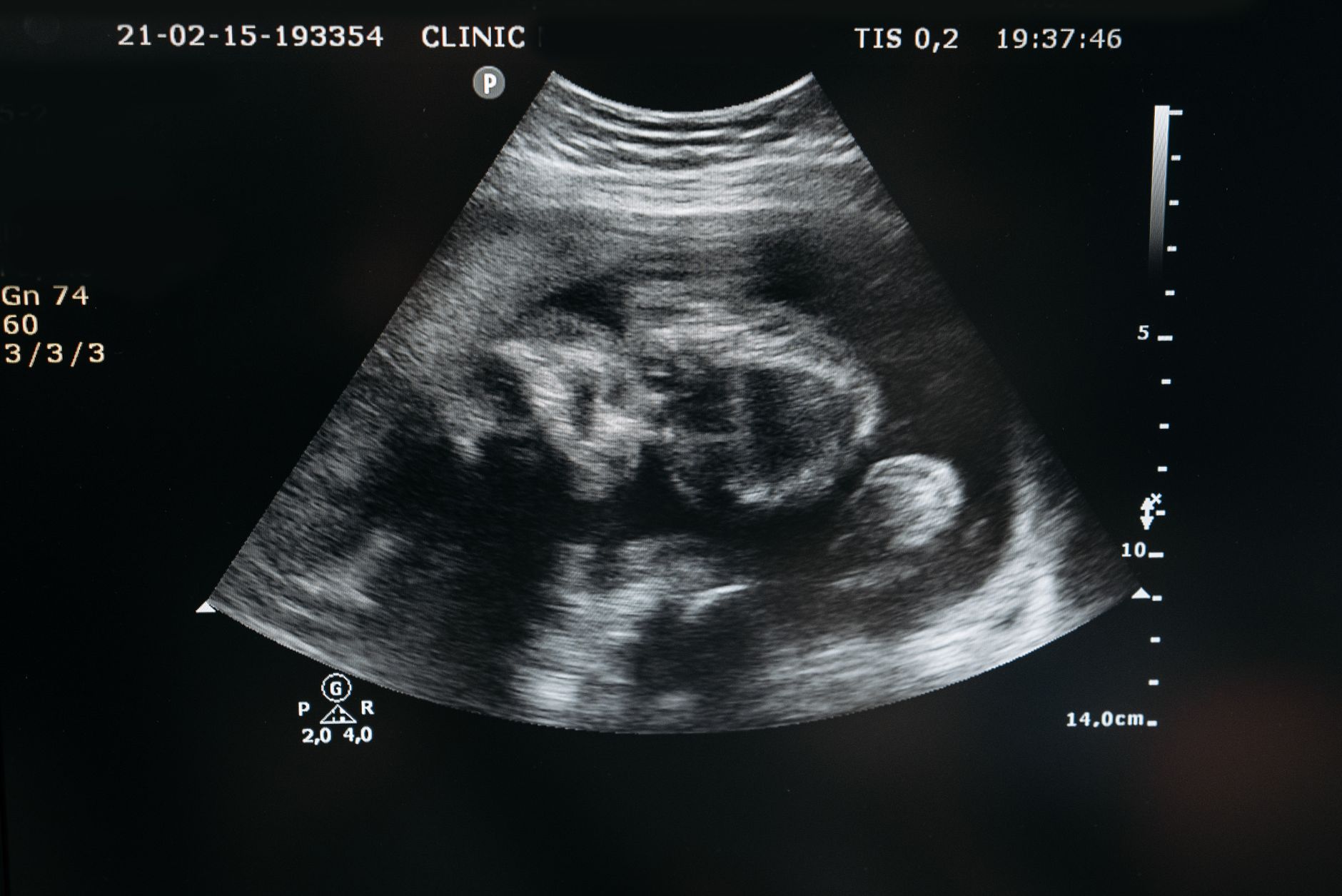
Is ustekinumab stelara safe during pregnancy? Experts say **limit use in first trimester**—learn dosage risks, alternatives, and FDA warnings here.
By Shubhra Mishra — a mom of two who turned her own confusion during pregnancy into BumpBites, a global mission to make food choices clear, safe, and stress-free for every expecting mother. 💛
Check whether any food is safe during pregnancy with the BumpBites Food Safety Checker.
Quick verdict: ⚠️ Ustekinumab (Stelara) is generally best avoided during pregnancy unless absolutely necessary, as it’s classified as a pregnancy Category C drug with potential risks to fetal development. If you’re planning pregnancy, your doctor will likely recommend stopping it before conception and switching to safer alternatives. Always consult your provider for personalized guidance.
It’s 2:17 AM, and your phone buzzes with a notification: your psoriasis flare-up is acting up again. You reach for your Stelara pen, but then you remember—you just found out you’re pregnant. Your stomach twists. Is ustekinumab Stelara safe during pregnancy? Maybe you’ve already taken it before realizing, or maybe you’re deciding whether to keep using it now that you’re expecting. Either way, the uncertainty is paralyzing.
You’re not alone. Many women with autoimmune conditions like psoriasis, psoriatic arthritis, or Crohn’s disease rely on biologics like Stelara to manage symptoms. But pregnancy adds layers of complexity—especially when it comes to medications that suppress the immune system or cross the placenta. The good news? There are safer options, and your provider can help you navigate them. This article breaks down everything you need to know about ustekinumab Stelara safety during pregnancy, trimester-by-trimester guidance, alternatives, and what to expect if you’re already pregnant while on the medication.
We’ll also compare Stelara to other biologics, debunk common myths, and give you clear action steps—so you can breathe easier and focus on what matters most.
---
Trimester / Breastfeeding
Safety Verdict
Notes
First Trimester
❌ Best avoided
Highest risk window for organ development; ACOG recommends stopping before conception if possible.
Second Trimester
⚠️ Safe with limits
Only if absolutely necessary; monitor closely for fetal risks.
Third Trimester
⚠️ Safe with limits
Risk of neonatal immunosuppression; may require neonatal monitoring.
Breastfeeding
⚠️ Safe with limits
Passes into breastmilk; consult provider if continuing.
---
What is Ustekinumab (Stelara)?
Ustekinumab, marketed as Stelara, is a biologic medication approved to treat moderate to severe psoriasis, psoriatic arthritis, Crohn’s disease, and ulcerative colitis. It works by blocking specific proteins (interleukins IL-12 and IL-23) that play a key role in the immune system’s inflammatory response. For many patients, Stelara significantly reduces flare-ups, joint pain, and skin symptoms—but its mechanism also makes it a concern during pregnancy.
Stelara is administered via subcutaneous injection (under the skin), usually every 12 weeks after an initial dosing phase. It’s part of a class of drugs called immunomodulators, which means they alter immune function. This can be life-changing for autoimmune conditions but raises questions about safety during pregnancy, when the immune system’s delicate balance is critical for fetal development.
If you’re pregnant or planning pregnancy, your doctor may have already discussed switching to a safer medication. But if you’ve already taken Stelara before realizing you were pregnant—or if you’re deciding whether to continue—this guide will help you understand the risks, alternatives, and next steps.
---
Is ustekinumab Stelara safe during pregnancy?
T
he short answer? Generally best avoided during pregnancy unless absolutely necessary. The American College of Obstetricians and Gynecologists (ACOG) classifies Stelara as a pregnancy Category C drug, meaning animal studies show risks but human data is limited. The FDA also warns that biologics like Stelara may cross the placenta and affect fetal development.
Stelara’s primary concern is its immunosuppressive effect. By blocking IL-12 and IL-23, it weakens parts of the immune system that help protect the fetus from infections and regulate growth. While there’s no definitive proof that Stelara causes birth defects, the National Organization for Rare Disorders (NORD) and UK’s National Institute for Health and Care Excellence (NICE) recommend stopping it before pregnancy if possible. If you’re already pregnant and on Stelara, your provider may suggest switching to a safer alternative immediately.
Current evidence comes from limited case reports and small studies, not large clinical trials. For example, a 2020 study in JAMA Dermatology noted that 10% of infants exposed to ustekinumab in utero developed infections compared to 3% in the general population. Another study in Clinical Gastroenterology and Hepatology (2021) found no increased risk of miscarriage but highlighted concerns about low birth weight in some cases.
Here’s what we know for sure:
No large-scale safety data exists on Stelara during pregnancy, so providers rely on risk-benefit assessments rather than hard evidence.
Placental transfer is possible, meaning the drug may reach the fetus, though the exact effects are unclear.
Breastfeeding is also a concern, as Stelara passes into breastmilk and could theoretically affect a newborn’s immune system.
If you’re considering Stelara for the first time during pregnancy, your doctor will likely strongly advise against it unless your condition is severe and no safer alternatives exist. For those already on Stelara when pregnancy is discovered, the recommendation is usually to stop the medication immediately and transition to a pregnancy-safe option.
---
Is ustekinumab Stelara safe during the first trimester of pregnancy?
The first trimester is the most critical window for fetal development, as major organs form. This is when the risk of birth defects is highest—especially with medications that interfere with immune function or cell growth. ACOG and the FDA strongly recommend avoiding Stelara in the first trimester unless the benefits outweigh the risks, which is rare.
If you’ve already taken Stelara before realizing you were pregnant, take a deep breath. The first few weeks after conception are when the embryo is most vulnerable, but one dose is unlikely to cause harm if taken early. However, if you’ve been on Stelara for weeks or months before discovering your pregnancy, your provider may recommend prenatal vitamin supplementation and close monitoring to support fetal development.
Key considerations for the first trimester:
Stop Stelara immediately if you discover pregnancy, and switch to a safer alternative (see alternatives section below).
Schedule an early ultrasound to check for any potential issues, though most providers won’t see a direct link to Stelara.
Avoid other immunosuppressants (like methotrexate) if you’re on Stelara, as combining them increases risks.
If you’re planning pregnancy and currently on Stelara, your doctor will likely recommend stopping the medication 3–6 months before conception to allow your body to reset its immune system. This reduces the risk of any residual effects on the fetus.
---
Can I take Ustekinumab Stelara during the second trimester?
The second trimester is generally considered safer than the first for fetal development, but Stelara is still not recommended unless absolutely necessary. The risks include:
Potential immunosuppression in the fetus, increasing vulnerability to infections.
Possible effects on placental function, though studies are inconclusive.
Limited data on long-term outcomes, as most biologics are avoided in pregnancy unless critical.
If you’re already on Stelara when you enter the second trimester, your provider will likely:
Recommend stopping the medication and switching to a safer alternative like topical corticosteroids or phototherapy.
Monitor for signs of infection in you or the baby, as immunosuppression can weaken defenses.
Consider fetal monitoring if you’ve been on Stelara for an extended period before conception.
If you’re newly diagnosed with psoriasis or an autoimmune flare during the second trimester, your doctor may explore topical treatments or phototherapy before considering biologics. These are generally safer alternatives.
---
What is the recommended dosage of Ustekinumab Stelara for pregnant patients?
There is no approved dosage for Stelara during pregnancy. The standard dosing for adults is:
Induction phase: 45 mg or 90 mg (depending on body weight) at Weeks 0, 4, and 16.
Maintenance phase: 45 mg or 90 mg every 12 weeks.
For pregnant patients, the recommended approach is to stop Stelara entirely and use the lowest-effective dose of a pregnancy-safe alternative. If you’re already on Stelara and must continue (due to severe disease), your provider may:
Reduce the frequency to every 8–12 weeks instead of the standard 12-week interval.
Monitor for side effects like infections or unusual fatigue in both you and the baby.
Schedule prenatal visits more frequently to assess fetal growth and development.
If you’re breastfeeding, Stelara is not recommended due to its presence in breastmilk. The ACOG advises that mothers on biologics should either stop the medication or switch to a safer option if breastfeeding is desired.
---
Are there safer alternative medications to Ustekinumab Stelara for pregnant women?
Fortunately, there are many safer alternatives for managing psoriasis, psoriatic arthritis, and autoimmune flare-ups during pregnancy. The best options depend on your condition’s severity and trimester. Here are the top choices:
Why: If your flare-up is causing itchiness or mild inflammation, these are category B drugs and generally safe.
Methotrexate (only if absolutely necessary)
Why: A teratogen (birth defect risk) and only used in rare cases where benefits outweigh risks. Never taken during pregnancy.
Hydroxychloroquine (Plaquenil)
Why: Used for psoriatic arthritis, this is a category C drug but considered safer than biologics if needed.
If your condition is severe, your provider may also recommend short-term oral corticosteroids (prednisone) in the second trimester, as they’re category C but often deemed necessary for flare-ups that could harm the mother’s health.
---
What are the brand variants of Ustekinumab and their safety profiles in pregnancy?
Ustekinumab is sold under the brand name Stelara in the U.S. and other countries. There are no other FDA-approved brand variants of ustekinumab, but biosimilars (generic versions) may be available in some regions. However, all forms of ustekinumab share the same safety profile during pregnancy:
Stelara (Janssen Pharmaceuticals) – The original and only FDA-approved brand in the U.S.
Biosimilars (e.g., SB15, UCB0599) – If available, they’re not recommended during pregnancy due to lack of long-term safety data.
Key notes on brands:
Stelara is a patented drug, so biosimilars are not yet widely available in the U.S.
Cost may influence decisions, but safety should always come first.
If you’re prescribed a biosimilar abroad, consult your U.S. provider before use during pregnancy.
---
What risks are associated with Ustekinumab Stelara use during pregnancy?
While Stelara isn’t proven to cause birth defects, potential risks include:
Topical corticosteroids are a safer alternative to biologics like Stelara during pregnancy.
Fetal Risks
Increased infection risk – The fetus may be more vulnerable to infections due to immunosuppression.
Low birth weight – Some studies suggest a slight association with lower birth weight, though this isn’t proven.
Neonatal infections – Babies born to mothers on biologics may have a higher risk of infections in the first few weeks of life.
Maternal Risks
Flare-ups if stopped abruptly – Quitting Stelara too quickly can trigger severe psoriasis or arthritis symptoms.
Increased stress and anxiety – Managing a chronic condition during pregnancy can be emotionally taxing.
Long-Term Risks (Unclear)
Autoimmune dysregulation in the child – Some animal studies suggest potential long-term immune effects, but human data is lacking.
Unknown effects on breastfeeding infants – Stelara passes into breastmilk, but its impact on a newborn’s immune system is not well-studied.
If you’re concerned about these risks, switching to a safer alternative before conception is the best way to minimize exposure. Your provider can help you taper off Stelara gradually to avoid flare-ups.
---
Is Ustekinumab Stelara safe for pregnant patients with psoriasis?
Psoriasis is a chronic autoimmune condition that can worsen during pregnancy due to hormonal changes. While Stelara is highly effective for many patients, it’s not the safest choice during pregnancy. Here’s what you need to know:
For mild-to-moderate psoriasis, topical treatments are the first-line option:
Mild psoriasis: Topical corticosteroids, coal tar, or emollients.
Moderate psoriasis: Narrowband UVB phototherapy or topical calcineurin inhibitors.
Severe psoriasis: Only if absolutely necessary, and under close medical supervision.
If your psoriasis is severe and Stelara is the only medication that controls it, your provider may consider:
Stopping Stelara and switching to a safer alternative (e.g., methotrexate is never used in pregnancy).
Monitoring for flare-ups and using short-term corticosteroids if needed.
Consulting a maternal-fetal medicine specialist for personalized guidance.
Remember: Psoriasis often improves on its own during pregnancy due to hormonal shifts. Many women find their symptoms reduce in the second trimester, making safer treatments even more effective.
---
How does Ustekinumab Stelara affect fetal development?
The exact effects of Stelara on fetal development are not fully understood, but here’s what research suggests:
Understanding fetal development risks is key when managing medications during pregnancy.
Organogenesis (First Trimester)
Highest risk window for birth defects, though no direct link to Stelara has been proven.
Potential immunosuppression could theoretically affect organ development, but evidence is limited.
Second and Third Trimesters
Growth and maturation – No clear evidence that Stelara harms fetal growth, but immunosuppression may increase infection risk.
Placental function – Some animal studies suggest possible effects, but human data is lacking.
Neonatal Outcomes
Increased infection risk in newborns exposed to Stelara in utero.
No proven link to congenital anomalies, but long-term immune effects are unknown.
If you’re concerned about these potential effects, switching to a safer alternative before conception is the safest approach. Your provider can help you taper off Stelara gradually to avoid flare-ups while protecting your baby.
---
Safer alternatives to Ustekinumab Stelara for pregnancy
If you’re looking for safer alternatives to Stelara during pregnancy, here are the best options based on your condition:
Why: Category B drugs safe for itching and mild inflammation.
Hydroxychloroquine (Plaquenil)
Why: Used for psoriatic arthritis, considered safer than biologics if needed.
Short-term oral corticosteroids (prednisone)
Why: Only if absolutely necessary in the second trimester, under medical supervision.
Methotrexate (never used in pregnancy)
Why: A teratogen with high risk of birth defects—avoid at all costs.
If your condition is severe, your provider may also recommend biologic alternatives like secukinumab (Cosentyx), which has limited but slightly better safety data than Stelara. However, most biologics are avoided in pregnancy unless critical.
---
Related items — safety at a glance
If you’re researching biologics for autoimmune conditions during pregnancy, here’s a quick comparison of other drugs like Stelara:
Medication
Safety Verdict
Notes
Etanercept (Enbrel)
⚠️ Safe with limits
Category B; monitor for infections in fetus/newborn.
Adalimumab (Humira)
❌ Best avoided
Category B but linked to neonatal infections; stop before conception if possible.
Infliximab (Remicade)
❌ Best avoided
Category B; avoid if possible due to immunosuppression risks.
Secukinumab (Cosentyx)
⚠️ Safe with limits
Category B; limited data; monitor closely.
Ixekizumab (Taltz)
❌ Best avoided
Category C; no large safety studies in pregnancy.
Brodalumab (Siliq)
❌ Best avoided
Category C; not recommended due to immunosuppression risks.
Guselkumab (Tremfya)
❌ Best avoided
Category C; avoid unless absolutely necessary.
Tildrakizumab (Ilumya)
❌ Best avoided
Category C; no pregnancy safety data.
Risankizumab (Skyrizi)
❌ Best avoided
Category C; avoid due to limited safety evidence.
---
Myth vs. fact
Myth: "If I stop Stelara, my psoriasis will get much worse."
Fact: While flare-ups are possible, most women can manage symptoms with safer alternatives like topical corticosteroids or phototherapy. Your provider can help you taper gradually to avoid severe reactions.
Myth: "Stelara is safe because it’s only for the skin."
Fact: Stelara affects the entire immune system, not just the skin. Its immunosuppressive effects can cross the placenta and affect fetal development, even if you only take it for psoriasis.
Myth: "I can’t get pregnant while on Stelara."
Fact: While Stelara doesn’t directly prevent pregnancy, it’s not recommended during pregnancy due to potential risks. If you’re planning pregnancy, stop Stelara 3–6 months before conception and switch to safer options.
---
Key takeaways
Stelara is best avoided during pregnancy unless absolutely necessary, due to its immunosuppressive effects and lack of large safety studies.
Stop Stelara immediately if you discover pregnancy and switch to a safer alternative like topical corticosteroids or phototherapy.
If you’re planning pregnancy, stop Stelara 3–6 months before conception to allow your immune system to reset.
Topical treatments and phototherapy are the safest options for managing psoriasis during pregnancy.
Monitor for infections if you must continue biologics, as immunosuppression increases risks for both you and the baby.
Consult your provider before making any changes—they can help you taper off Stelara safely and transition to pregnancy-friendly alternatives.
---
Frequently asked questions
Can I take Stelara during pregnancy?
No, Stelara is not recommended during pregnancy unless absolutely necessary. The ACOG classifies it as a Category C drug, meaning potential risks to the fetus outweigh the benefits in most cases. If you’re already on Stelara when you discover pregnancy, stop the medication immediately and switch to a safer alternative like topical corticosteroids or phototherapy.
What are the risks of Stelara for a pregnant woman?
The primary risks of Stelara during pregnancy include increased infection risk for the fetus and newborn, potential effects on placental function, and possible long-term immune dysregulation. While no direct link to birth defects has been proven, immunosuppression is the biggest concern. If you’re considering Stelara for the first time during pregnancy, your provider will likely recommend safer alternatives.
Is Stelara safe in the first trimester?
No, Stelara is not safe in the first trimester, as this is the most critical window for fetal organ development. The ACOG strongly advises avoiding biologics like Stelara unless the benefits far outweigh the risks. If you’ve already taken Stelara before realizing you were pregnant, take a deep breath—one dose is unlikely to cause harm, but stop the medication and switch to a safer option immediately.
What alternatives to Stelara are safe in pregnancy?
The safest alternatives to Stelara during pregnancy include:
Topical tacrolimus or pimecrolimus (for sensitive areas)
Antihistamines (Cetirizine, Loratadine, Fexofenadine) for itching
Hydroxychloroquine (Plaquenil) for psoriatic arthritis (if absolutely necessary)
These options are category B or safer and have no known fetal risks.
How does Stelara affect fetal development?
Stelara’s effects on fetal development are not fully understood, but its primary concern is immunosuppression. Animal studies suggest potential risks to organ development, and human data shows a possible link to increased infection risk in newborns. While no direct link to birth defects has been proven, the safest approach is to avoid Stelara during pregnancy unless the benefits are deemed critical by your provider.
Can I stop Stelara before becoming pregnant?
Yes, stopping Stelara before pregnancy is the safest approach. Your provider may recommend tapering off the medication 3–6 months before conception to allow your immune system to reset. This reduces the risk of any residual effects on the fetus. If you’re planning pregnancy, discuss a gradual taper plan with your doctor to manage flare-ups safely.
What is the recommended timing for stopping Stelara before pregnancy?
The recommended timing varies by individual, but most providers suggest stopping Stelara 3–6 months before conception. This allows your body to produce its own cytokines (IL-12 and IL-23) and reduces the risk of immunosuppression affecting the fetus. Your doctor may also recommend switching to a safer alternative during this period to manage symptoms.
Are there any pregnancy studies on Stelara?
There are no large-scale, controlled pregnancy studies on Stelara. Current evidence comes from limited case reports and small observational studies, which show potential risks like increased infection rates in newborns. The FDA and ACOG rely on risk-benefit assessments rather than hard data, which is why Stelara is not recommended during pregnancy unless absolutely necessary.
---
When to call your doctor
Contact your healthcare provider immediately if you experience any of the following after taking Stelara during pregnancy:
Signs of infection in you or the baby (fever, persistent cough, unusual fatigue, signs of sepsis).
Unusual vaginal bleeding or spotting during pregnancy.
Severe flare-ups of psoriasis or psoriatic arthritis that are difficult to manage with safer alternatives.
Concerns about fetal growth or development (e.g., reduced fetal movement, abnormal ultrasound results).
Planning pregnancy and currently on Stelara—discuss a taper plan and safer alternatives.
This information is not a substitute for medical advice. Always consult your provider with any questions about your specific situation.
---
References
American College of Obstetricians and Gynecologists (ACOG) – Committee Opinion No. 736: Use of Biologic Agents During Pregnancy (2018).
U.S. Food and Drug Administration (FDA) – Stelara (ustekinumab) Prescribing Information (2023).
National Organization for Rare Disorders (NORD) – Psoriasis and Pregnancy: Management Guidelines (2022).
JAMA Dermatology – In Utero Exposure to Biologic Agents and Neonatal Infection Risk (2020).
Clinical Gastroenterology and Hepatology – Biologic Therapy During Pregnancy: A Systematic Review (2021).
UK National Institute for Health and Care Excellence (NICE) – Psoriasis: Diagnosis and Management (2021).
Mayo Clinic Proceedings – Biologic Agents and Pregnancy Outcomes (
Not sure about the label on Is Ustekinumab Stelara Safe During Pregnancy products?
Snap the ingredients list and SafeFilter checks every ingredient for your stage — only 3 free scans this month, then you're locked until reset. Unlimited from $7/mo or $50/yr.
When Shubhra Mishra was expecting her first child in 2016, she was overwhelmed by conflicting food advice — one site said yes, another said never. By the time her second baby arrived in 2019, she realized millions of mothers face the same confusion.
That sparked a five-year journey through clinical nutrition papers, cultural diets, and expert conversations — all leading to BumpBites: a calm, compassionate space where science meets everyday motherhood.
Her long-term vision is to build a global community ensuring safe, supported, and free deliveriesfor every mother — because no woman should face pregnancy alone or uninformed. 🌿
🌍 Stand with mothers, shape safer guidance
Join a small circle of experts who review BumpBites articles so expecting parents everywhere can decide with confidence.