Limit Twix during pregnancy. While small amounts are safe, high sugar and caffeine in Twix may pose risks like gestational diabetes. Learn safe dosage and alternatives.
By Shubhra Mishra — a mom of two who turned her own confusion during pregnancy into BumpBites, a global mission to make food choices clear, safe, and stress-free for every expecting mother. 💛
Check whether any food is safe during pregnancy with the BumpBites Food Safety Checker.
Quick verdict: ⚠️ Safe with limits – enjoying an occasional Twix bar is generally okay, but keep portions modest (no more than one bar ≈ 50 g per day) and watch sugar and caffeine intake, especially if you have gestational diabetes or caffeine sensitivity.
It’s 2 a.m., the pantry light flickers, and you’ve just opened a Twix bar to soothe that late‑night craving. “Is Twix safe during pregnancy?” you wonder, heart racing. You’re not alone—many expecting parents pause at the candy aisle, wondering whether a beloved treat could affect their baby.
We’ve sifted through guidance from the American College of Obstetricians and Gynecologists (ACOG), the UK’s National Health Service (NHS), and the U.S. Food and Drug Administration (FDA) to give you a clear, evidence‑based answer. In short, Twix isn’t a teratogen, but its sugar, fat, and modest caffeine content mean you should enjoy it in moderation, especially in the first trimester and if you have gestational diabetes.
Below you’ll find a trimester‑by‑trimester safety snapshot, nutritional details, recommended portion sizes, alternatives for those candy cravings, and a quick‑reference table comparing Twix to other popular chocolates. By the end, you’ll know exactly how to satisfy your sweet tooth without unnecessary worry.
Stage of pregnancy
Verdict
Notes
First trimester
⚠️ Safe with limits
Limit to 1 bar (≈ 50 g) per day; watch added sugars and caffeine.
Second trimester
✅ Generally safe
One bar daily is fine if overall diet stays balanced.
Third trimester
✅ Generally safe
Same portion guidance; avoid excess caffeine before bedtime.
Breastfeeding
✅ Generally safe
Moderate consumption is fine; caffeine may affect infant sleep.
What is Twix?
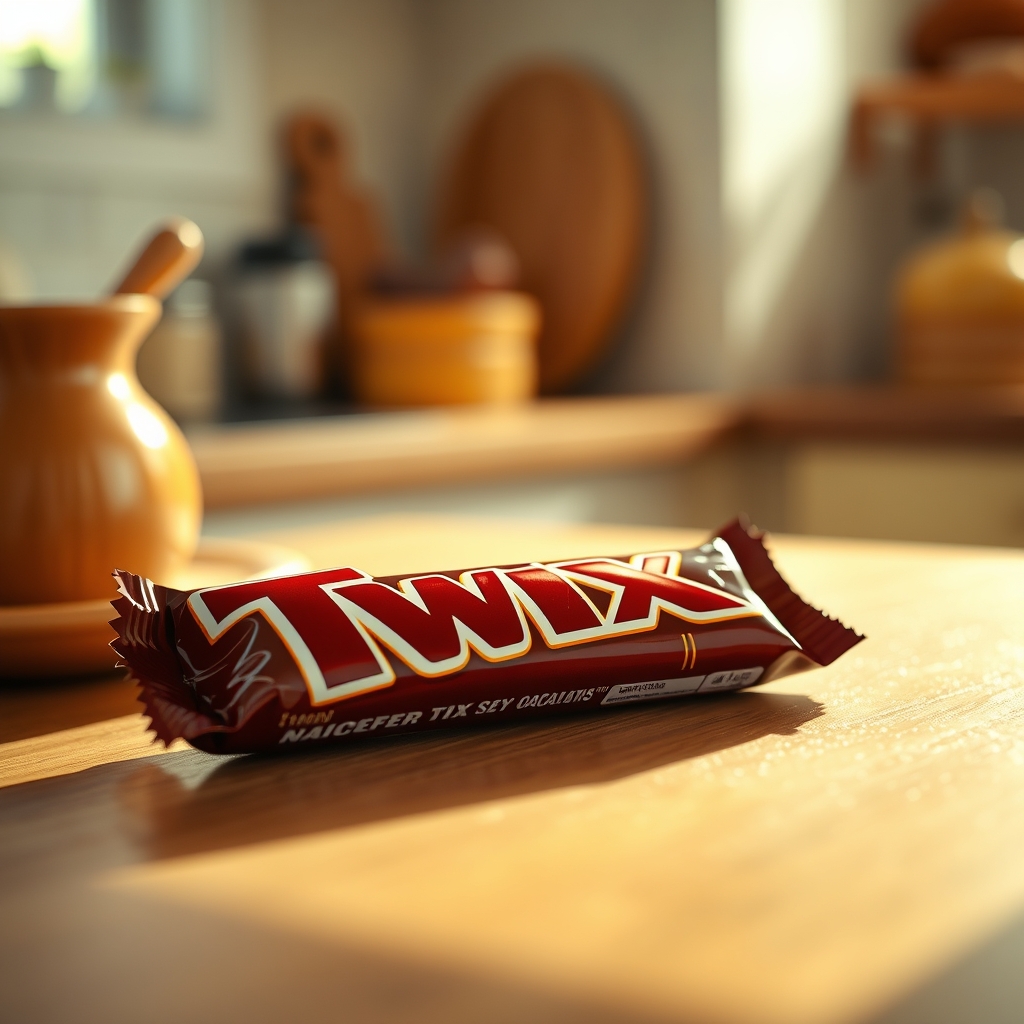
Twix is a chocolate‑covered candy bar made by Mars, Inc. It consists of a shortbread biscuit topped with a caramel layer, all enrobed in milk chocolate. The classic “Original” version contains wheat flour, sugar, palm oil, skim milk, and a small amount of caffeine from the chocolate coating. In recent years, a “Peanut Butter” variant was introduced, swapping the caramel for a peanut‑butter filling while keeping the shortbread and chocolate components.
Twix is marketed as a convenient snack, often sold in individually wrapped bars (≈ 50 g) or in multi‑pack boxes. Its flavor profile—sweet, buttery, and slightly salty—makes it a popular choice for quick cravings. Because it’s a processed confection, Twix delivers calories primarily from added sugars and saturated fats, with modest protein and negligible fiber.
For pregnant people, the key nutritional elements to consider are its sugar load (≈ 29 g per bar), total fat (≈ 12 g, half of which is saturated), and caffeine (≈ 6 mg per bar). These numbers are small compared with a cup of coffee but can add up when multiple bars are consumed daily. In some markets, Twix is also offered in “no‑added‑preservative” versions that use alternative emulsifiers, but the macronutrient profile stays essentially the same.
Enjoy a single Twix bar as an occasional treat; pair it with water to stay hydrated.
Is Twix safe during pregnancy?
Current guidance from ACOG and the NHS indicates that occasional consumption of candy, including Twix, does not pose a direct risk to the developing fetus. The primary concerns revolve around excess sugar, saturated fat, and caffeine—all of which can influence maternal weight gain, blood‑glucose control, and sleep quality.
Studies referenced by the CDC show that moderate sugar intake (under 25 g per meal) is compatible with a healthy pregnancy, provided the overall diet remains nutrient‑dense. Twix’s 29 g of sugar slightly exceeds this per‑meal recommendation, so the safest approach is to limit intake to one bar per day and balance the rest of the day’s meals with low‑sugar, high‑fiber foods.
Regarding caffeine, the FDA classifies caffeine intake of up to 200 mg per day as safe for most pregnant people. A single Twix bar contributes roughly 6 mg—well below the threshold—so it is unlikely to cause fetal concerns unless you consume multiple caffeinated beverages alongside it.
For gestational diabetes, the American Diabetes Association advises monitoring total carbohydrate intake. Twix’s high glycemic load means it should be treated as a treat rather than a staple. If you have gestational diabetes, talk with your dietitian about fitting a Twix bar into your meal plan, perhaps pairing it with protein or fiber to blunt glucose spikes.
Beyond the individual nutrient concerns, it’s helpful to view Twix within the context of your entire diet. A balanced pregnancy diet emphasizes vegetables, lean proteins, whole grains, and dairy; occasional sweets can fit in without jeopardizing health as long as they don’t displace those nutrient‑rich foods.
Is Twix safe to eat during the first trimester of pregnancy?
The first trimester is the period of organogenesis, when the fetus’s major organs form. While no component of Twix is a known teratogen, the high sugar content can contribute to nausea and blood‑sugar fluctuations, which some providers advise monitoring closely early on.
Most obstetricians, including those cited by ACOG, suggest limiting added sugars to under 10 % of total daily calories during the first trimester. That translates to roughly 25 g of sugar for a 2,000‑calorie diet. One Twix bar exceeds this limit, so the safest recommendation is to enjoy a Twix only on days when your overall sugar intake remains low.
If you’ve already had a Twix before learning you were pregnant, take a breath—one extra bar is unlikely to cause harm. Focus now on balanced nutrition, adequate folic acid, and regular prenatal care.
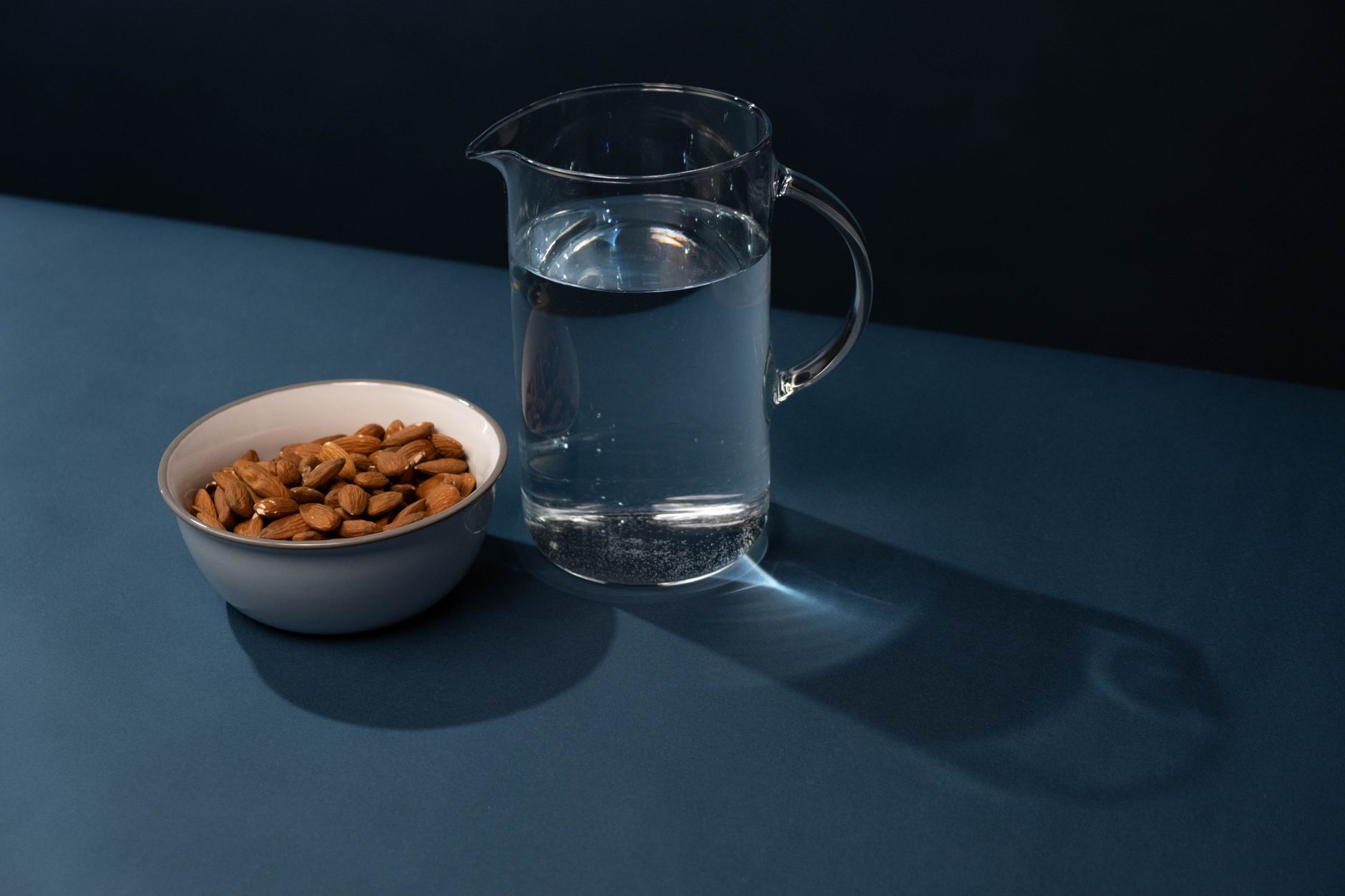
Some women experience heightened food aversions or cravings in the first trimester. If a Twix bar is part of a craving, pairing it with a source of protein (like a handful of nuts) can help stabilize blood sugar and reduce the likelihood of a sugar crash later in the day.
How many Twix bars can a pregnant woman safely consume per day?
Nutrition experts generally agree that one Twix bar (≈ 50 g) per day is a reasonable upper limit. This amount supplies about 250 kcal, 29 g of sugar, and 12 g of fat—figures that fit within a typical pregnancy‑adjusted calorie budget when balanced with nutrient‑rich foods.
If you have gestational diabetes, your provider may advise a stricter limit, such as a Twix only once a week, paired with a protein‑rich snack to mitigate glucose spikes. For those without blood‑sugar concerns, the “one‑bar‑a‑day” rule aligns with the FDA’s recommendation to keep added sugars below 10 % of daily calories.
Remember that portion control isn’t just about the number of bars; it’s also about the overall dietary pattern. Pairing a Twix with fruit, yogurt, or a glass of milk can help offset its sugar impact and provide additional nutrients.
Finally, consider the timing of your snack. Consuming a Twix earlier in the day, rather than right before bedtime, reduces the chance that the modest caffeine and sugar will interfere with sleep, which is especially important as pregnancy progresses.
Can Twix cause any risks for pregnant women with gestational diabetes?
Gestational diabetes (GDM) requires careful carbohydrate monitoring. Twix’s 29 g of sugar can raise blood‑glucose levels quickly, especially on an empty stomach. The American College of Obstetricians and Gynecologists notes that sugary snacks can increase the need for insulin or oral hypoglycemic agents in GDM patients.
That said, occasional consumption—such as a single bar on a day when you also eat fiber‑rich foods—does not automatically trigger complications. The safest strategy is to treat Twix as an “occasion” treat, not a daily habit, and to test blood glucose 1–2 hours after eating it if you’re closely monitoring levels.
For those with GDM, many dietitians recommend substituting lower‑glycemic sweets (like dark chocolate covered almonds) that deliver less rapid glucose spikes while still satisfying a sweet craving.
In addition to blood‑sugar considerations, it’s wise to monitor overall calorie intake. Excess calories from sweets can contribute to unnecessary weight gain, which itself can worsen insulin resistance in GDM.
Are there any differences in safety between Twix Original and Twix Peanut Butter?
Both versions share the shortbread base and milk‑chocolate coating, so their sugar and caffeine profiles are similar. The Peanut Butter variant, however, replaces caramel with a peanut‑butter filling, adding about 3 g of protein and 2 g of additional saturated fat per bar.
From a pregnancy standpoint, the added protein can be a modest benefit, but the higher fat content may increase overall calorie intake. If you have a peanut allergy, the Peanut Butter Twix is contraindicated—obviously. Otherwise, safety differences are minimal; the same portion limit (one bar per day) applies to both.
One subtle distinction is the presence of added salt in the peanut‑butter version, which is slightly higher than the original. While the amount is small, women who need to watch sodium intake (e.g., those with pre‑eclampsia risk) may prefer the Original version.
What are the potential side effects of eating Twix while pregnant?
Most side effects are mild and relate to sugar overload: temporary spikes in blood glucose, increased cravings, or digestive discomfort such as bloating. In caffeine‑sensitive individuals, the small caffeine dose may contribute to insomnia or jitteriness, especially if consumed late in the day.
Rarely, excessive consumption of high‑sugar candy can lead to gestational hypertension, though this is usually linked to overall diet rather than a single food item. If you notice persistent heartburn, rapid weight gain, or unusually high blood‑sugar readings after eating Twix, discuss these symptoms with your prenatal provider.
Another consideration is the potential for dental issues. Pregnancy hormones can increase susceptibility to gum inflammation, and frequent sugary snacks can exacerbate tooth decay. Maintaining good oral hygiene and limiting sugary treats can help protect both your teeth and overall health.
Safety by trimester
First trimester
During organ formation, it’s prudent to keep added sugars low. One Twix bar is permissible if the rest of your meals are low‑sugar and high‑fiber. Pairing it with a protein source (e.g., a small handful of almonds) can mitigate rapid glucose spikes.
Second trimester
Energy needs rise, and moderate sweets become more acceptable. One Twix bar per day remains safe, provided you maintain a balanced intake of fruits, vegetables, lean proteins, and whole grains.
Third trimester
As you prepare for labor, focus on steady blood‑sugar levels. Twix can still be part of a varied diet, but avoid eating it close to bedtime to prevent caffeine‑related sleep disturbances.
Breastfeeding
Post‑partum, caffeine can pass into breastmilk. One Twix bar contributes a modest 6 mg, well under the 200 mg daily limit, so it’s generally safe. However, keep an eye on your baby’s sleep patterns; excess caffeine can make infants fussy.
Twix and nausea in the first trimester
Nausea, or “morning sickness,” is common early in pregnancy. The sweet, buttery taste of Twix can be soothing for some, but the high sugar load may aggravate nausea for others. If you notice that a Twix bar worsens nausea, consider swapping it for bland, low‑sugar snacks like crackers or plain yogurt.
Twix for gestational hypertension
Gestational hypertension is sensitive to overall sodium and sugar intake. While Twix’s sodium content is modest, its added sugars can contribute to weight gain and blood‑pressure elevation if consumed in excess. Women with hypertension should treat Twix as an occasional treat and prioritize low‑sugar, potassium‑rich foods.
Twix and prenatal vitamins: any interactions?
There are no known direct interactions between Twix ingredients and standard prenatal vitamins. However, the iron in many prenatal supplements can cause gastrointestinal upset. Consuming a Twix bar alongside a vitamin may mask this discomfort, leading you to think the supplement is well‑tolerated. If you experience stomach upset, try taking your vitamin with water and a small piece of fruit rather than a sugary candy.
Place Twix alongside healthier snack options for balanced cravings.
Safe dosage / amount / brands
Twix is sold under the Mars, Inc. brand worldwide, with minimal variation in formulation across regions. The standard single‑serve size is 50 g (one bar). For pregnant people, the following guidelines are generally accepted:
Item
Recommended maximum per day
Notes
Twix Original (single bar)
1 bar (≈ 50 g)
Limit added sugar; pair with protein or fiber.
Twix Peanut Butter
1 bar (≈ 50 g)
Extra protein; watch total saturated fat.
Multi‑pack (4‑bar)
1 bar total; split over several days
Avoid consuming multiple bars in one sitting.
Because the candy is mass‑produced, there is no meaningful brand‑to‑brand safety difference. If you prefer a “clean‑label” version, look for Twix sold in regions that label added preservatives (e.g., “no artificial colors”). Still, the nutritional profile remains the same.
Side effects and risks
Common, non‑dangerous effects include temporary sugar‑induced energy spikes, mild heartburn, or a brief craving for more sweets. These usually resolve within a few hours.
Potentially concerning signs—especially for those with gestational diabetes or hypertension—include:
Persistent high blood‑glucose readings (above 140 mg/dL two hours after eating).
Rapid weight gain (> 2 lb per week) that cannot be explained by normal pregnancy growth.
Severe or prolonged insomnia, jitteriness, or heart palpitations lasting more than 24 hours.
Intense heartburn or reflux that interferes with nutrition.
Any signs of allergic reaction, such as hives or swelling.
If any of these symptoms appear, contact your obstetric provider promptly.
Safer alternatives
Dark chocolate covered almonds – lower sugar, higher antioxidant content, and a modest caffeine boost.
Fruit snacks – often fortified with vitamins and contain natural fruit sugars.
Greek yogurt with honey – provides protein and calcium while keeping added sugars low.
Rice cakes with peanut butter – crunchy, low‑calorie, and heart‑healthy fats.
Dried apricots – naturally sweet, high in fiber, and rich in iron.
Low‑sugar granola bars – offer whole‑grain carbs with controlled sweetness.
Milk chocolate squares (low sugar) – satisfy chocolate cravings with less added sugar.
Fresh fruit – the ultimate low‑calorie, nutrient‑dense sweet treat.
Related items — safety at a glance
Candy
Verdict
One‑line note
Snickers
⚠️ Safe with limits
Higher nut content; watch added sugar.
Kit Kat
⚠️ Safe with limits
Similar sugar and fat profile to Twix.
Mars Bar
⚠️ Safe with limits
More caramel; slightly higher calories.
Milky Way
⚠️ Safe with limits
Fluffier texture but comparable sugar.
Butterfinger
⚠️ Safe with limits
Peanut butter center adds protein.
3 Musketeers
⚠️ Safe with limits
Lighter, but still high in added sugars.
Reese’s Peanut Butter Cups
⚠️ Safe with limits
Higher fat from peanut butter; watch portion.
Hershey’s Milk Chocolate Bar
✅ Generally safe
Fewer added fats; still high sugar.
Myth vs. fact
Myth: Eating any candy, including Twix, will cause birth defects. Fact: No ingredient in Twix is a known teratogen; the risk lies in excessive sugar or caffeine, not the candy itself.
Myth: Pregnant people must avoid all chocolate. Fact: Moderate chocolate consumption (up to 200 mg caffeine per day) is considered safe by the FDA and ACOG.
Myth: One Twix bar can raise a baby’s blood pressure. Fact: A single bar’s sodium and caffeine content are too low to affect fetal blood pressure; overall diet matters more.
Myth: All candy is equally unhealthy during pregnancy. Fact: Some candies have lower added sugars or healthier fats, making them better choices when cravings strike.
Key takeaways
Twix is not a teratogen, but its sugar and saturated‑fat content warrant moderation.
Limit intake to one bar (≈ 50 g) per day, or less if you have gestational diabetes.
Both Original and Peanut Butter versions have similar safety profiles; choose based on personal preference and any nut allergies.
Watch for blood‑glucose spikes, excessive weight gain, or caffeine‑related insomnia.
Consider nutrient‑dense alternatives like dark chocolate almonds or Greek yogurt with honey for healthier cravings.
Always discuss any major dietary changes with your prenatal care provider.
Frequently asked questions
Can I eat Twix while pregnant?
Yes—eating a Twix bar in moderation (no more than one per day) is generally considered safe during pregnancy, as long as you balance it with a nutrient‑rich diet.
Is chocolate safe during pregnancy?
Chocolate, including its caffeine content, is safe for most pregnant people when kept under 200 mg of caffeine per day; a single Twix bar contributes only about 6 mg.
What are the risks of eating candy during pregnancy?
The main risks are excessive added sugar, saturated fat, and potential caffeine intake, which can affect blood‑glucose control, weight gain, and sleep quality.
How much caffeine is in a Twix bar?
A Twix bar contains roughly 6 mg of caffeine, a modest amount that is well below the FDA’s recommended limit of 200 mg per day for pregnant individuals.
Does Twix contain any harmful additives for pregnant women?
Twix does not contain known harmful additives such as artificial colors or high‑fructose corn syrup, but its high sugar and saturated‑fat levels should be consumed mindfully.
Can Twix cause gestational diabetes?
Twix itself does not cause gestational diabetes, but frequent over‑consumption of sugary foods can increase the risk of developing or worsening GDM.
Are there pregnancy‑safe candy options?
Yes—options like dark chocolate covered almonds, low‑sugar granola bars, and fresh fruit provide sweet satisfaction with lower added sugars and healthier nutrients.
What should I do if I accidentally ate two Twix bars?
Take a breath—one extra bar is unlikely to cause harm. Monitor your blood‑glucose levels if you have gestational diabetes, and consider balancing the extra sugar with a protein‑rich snack or a walk later in the day.
Can I freeze Twix for pregnancy cravings?
Freezing Twix is safe and can make the candy a refreshing treat; just let it soften a few minutes before eating to avoid a hard bite.
When to call your doctor
If you notice any of the following after eating Twix, contact your obstetric provider promptly:
Persistent blood‑glucose readings above 140 mg/dL two hours after eating.
Rapid weight gain (> 2 lb per week) not explained by normal pregnancy growth.
Severe or prolonged insomnia, jitteriness, or heart palpitations.
Intense heartburn or reflux that interferes with nutrition.
Any signs of allergic reaction, such as hives or swelling.
Unusual fetal movement patterns that coincide with dietary changes.
These guidelines are informational only and do not replace personalized medical advice. Always discuss your diet and any concerns with your prenatal care team.
References
American College of Obstetricians and Gynecologists (ACOG). “Nutrition During Pregnancy.” Updated 2023.
National Health Service (NHS). “Eating well during pregnancy.” Accessed July 2024.
U.S. Food and Drug Administration (FDA). “Caffeine in Pregnancy.” 2022.
Centers for Disease Control and Prevention (CDC). “Gestational Diabetes.” 2023.
American Diabetes Association. “Gestational Diabetes Management.” 2023.
Mars, Inc. Product Ingredient Information for Twix Original and Twix Peanut Butter. 2024.
World Health Organization (WHO). “Guidelines on Sugar Intake.” 2022.
Harvard T.H. Chan School of Public Health. “The Nutrition Source: Added Sugars.” 2023.
U.S. Department of Agriculture (USDA). “Dietary Guidelines for Americans 2020‑2025.” 2021.
Not sure about the label on Is Twix Safe During Pregnancy products?
Snap the ingredients list and SafeFilter checks every ingredient for your stage — only 3 free scans this month, then you're locked until reset. Unlimited from $7/mo or $50/yr.
When Shubhra Mishra was expecting her first child in 2016, she was overwhelmed by conflicting food advice — one site said yes, another said never. By the time her second baby arrived in 2019, she realized millions of mothers face the same confusion.
That sparked a five-year journey through clinical nutrition papers, cultural diets, and expert conversations — all leading to BumpBites: a calm, compassionate space where science meets everyday motherhood.
Her long-term vision is to build a global community ensuring safe, supported, and free deliveriesfor every mother — because no woman should face pregnancy alone or uninformed. 🌿
🌍 Stand with mothers, shape safer guidance
Join a small circle of experts who review BumpBites articles so expecting parents everywhere can decide with confidence.