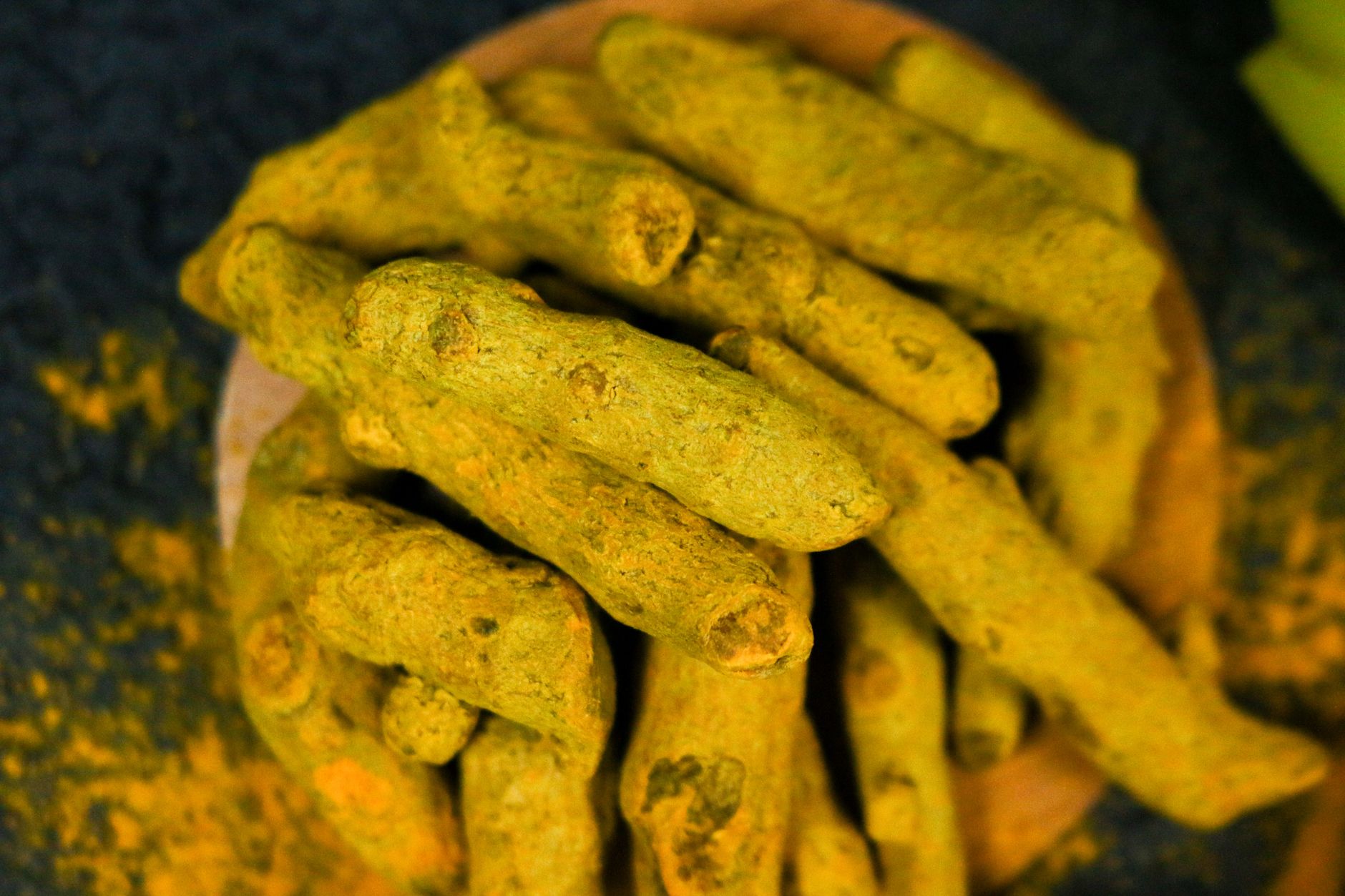
Safe: Turmeric tea is generally safe in moderation during pregnancy, but limit to 1-2 cups a day
By Shubhra Mishra — a mom of two who turned her own confusion during pregnancy into BumpBites, a global mission to make food choices clear, safe, and stress-free for every expecting mother. 💛
Check whether any food is safe during pregnancy with the BumpBites Food Safety Checker.
Quick verdict: ⚠️ Safe with limits – a modest cup of turmeric tea (½ tsp of ground turmeric or 1 g of fresh root) is generally okay, but keep intake under 1 cup per day and talk to your provider if you have pregnancy complications.
It’s 2 a.m., the kitchen light is on, and you’re wondering whether that soothing cup of turmeric tea you just brewed is a good idea for you and your baby. You’ve probably heard turmeric touted for its anti‑inflammatory benefits, but pregnancy adds a layer of caution. The short answer to “is turmeric tea safe during pregnancy?” is that it can be enjoyed in small amounts, but it’s not a free‑for‑all.
In this article we’ll break down exactly what the leading health authorities say, how the safety picture changes from the first trimester to breastfeeding, what amount is considered low‑risk, which brands meet quality standards, and what gentler beverage options you might reach for instead. We’ll also cover potential red‑flag symptoms, give you a quick‑look comparison table of related herbal teas, and answer the most common follow‑up questions you might have.
Enjoying turmeric tea in moderation can be a comforting ritual—just be mindful of the amount.
Trimester / Breastfeeding
Verdict
Notes
First trimester
⚠️ Safe with limits
Limit to ≤½ cup daily; avoid high‑dose supplements.
Second trimester
⚠️ Safe with limits
Same restriction; monitor blood‑sugar if diabetic.
Third trimester
⚠️ Safe with limits
Continue ≤½ cup; watch for uterine irritation.
Breastfeeding
✅ Generally safe
Small amounts pass into milk; no known infant harm.
What is turmeric tea?
Turmeric tea is an herbal infusion made from the bright orange rhizome of the plant Curcuma longa. The spice’s active compound, curcumin, is celebrated for its antioxidant and anti‑inflammatory properties. When brewed, the root (or powdered turmeric) is often combined with black pepper (which contains piperine to boost curcumin absorption), ginger, or cinnamon to enhance flavor and bioavailability. A typical cup contains roughly 1 gram of ground turmeric, delivering about 30–40 mg of curcumin.
People drink turmeric tea to soothe digestive discomfort, support joint health, or simply enjoy its warm, earthy flavor. In many cultures, it’s also used as a “golden milk” beverage when mixed with milk or plant‑based alternatives, creating a comforting, nutrient‑rich drink. Because the tea is caffeine‑free, it’s a popular evening option for those looking to unwind without the stimulant effects of coffee or black tea.
Is turmeric tea safe during pregnancy?
Current guidance from the American College of Obstetricians and Gynecologists (ACOG) and the UK’s National Health Service (NHS) suggests that culinary amounts of turmeric are acceptable, but concentrated extracts and high‑dose supplements should be avoided. The Food and Drug Administration (FDA) classifies turmeric as “Generally Recognized As Safe” (GRAS) for use as a food ingredient, yet it notes that the safety of high‑dose curcumin during pregnancy has not been established.
Research on turmeric’s impact in pregnancy is limited, but the available data do not show a clear teratogenic (birth‑defect‑causing) risk at the low doses typical of a cup of tea. However, because curcumin can act as a uterine stimulant in animal studies, obstetric experts advise moderation—especially during the first trimester, when organ formation (organogenesis) is most vulnerable.
Common misconceptions include the belief that “natural” always equals “safe.” While turmeric is a staple spice, the concentrated forms found in some tea blends or supplements can deliver far more curcumin than a single cup of tea, crossing the safety threshold that clinicians caution against. In short, a modest cup of turmeric tea is generally okay, but it should not replace medical advice, especially if you have gestational diabetes, hypertension, or a history of preterm labor.
Is turmeric tea safe to drink during the first trimester?
The first trimester is the period of rapid organ development, and many providers recommend limiting exposure to any potential uterine stimulant. Turmeric tea, when prepared with no more than ½ tsp of ground turmeric (≈1 g) per cup, falls within a low‑risk range. ACOG advises pregnant individuals to keep herbal supplement intake below 500 mg of curcumin per day, which a single cup of tea typically meets.
If you are taking other herbal products or medications, consider potential interactions. For instance, turmeric can enhance the effect of blood‑thinning drugs, and while most pregnant women are not on anticoagulants, it’s still worth a quick check with your provider.
Can I drink turmeric tea in the second trimester?
During the second trimester, the fetal brain and lungs are maturing, and the uterus is less sensitive to mild irritants. The safety profile for turmeric tea remains similar: ≤½ cup daily is acceptable for most pregnant people. However, if you have gestational diabetes, be aware that turmeric may influence blood‑sugar levels. Some studies suggest curcumin improves insulin sensitivity, but the evidence is not definitive, so monitoring your glucose levels is prudent.
If you experience any gastrointestinal upset (nausea, heartburn) after drinking the tea, you may want to reduce the amount or switch to a milder herbal infusion.
How much turmeric tea is safe to consume each day during pregnancy?
Experts converge on a practical limit of one cup (≈240 ml) of turmeric tea per day, prepared with no more than ½ tsp (≈1 g) of ground turmeric or an equivalent amount of fresh root. This amount typically provides 30–40 mg of curcumin, well below the 500 mg daily threshold cited by ACOG for safe use. If you prefer a stronger flavor, you can add a pinch of black pepper or a slice of ginger, but keep the turmeric portion the same.
For those using pre‑packaged tea bags, check the label: many commercial blends contain 200–300 mg of curcumin per bag, which is still within the safe range when limited to one bag per day. Avoid blends that list “turmeric extract” without specifying the curcumin concentration, as they may exceed safe limits.
What are the potential risks of drinking turmeric tea while pregnant?
The primary concerns revolve around uterine stimulation, blood‑pressure changes, and possible interaction with blood‑thinners. While most women tolerate turmeric tea without issue, excessive intake (>2 cups/day) could theoretically increase the risk of uterine contractions, especially in the first trimester. Additionally, high doses of curcumin may lower blood pressure, which could be problematic for those already on antihypertensive medication.
Side effects that are generally mild include stomach upset, heartburn, or a change in stool color due to the pigment. More concerning signs—such as vaginal bleeding, cramping, or a sudden drop in blood pressure—should prompt immediate medical attention.
Are there any turmeric tea brands that are safe for pregnant women?
When choosing a brand, look for products that disclose the exact amount of turmeric (or curcumin) per serving and avoid “proprietary blend” claims that hide concentrations. Reputable brands that typically meet these standards include:
Traditional Medicinals – Their “Organic Turmeric” tea lists 150 mg curcumin per bag and is USDA‑organic certified.
Yogi – “Turmeric Vitality” contains 200 mg curcumin per serving and includes black pepper for enhanced absorption, but the label recommends no more than one bag per day.
Organic India – “Turmeric Herbal Tea” provides 100 mg curcumin per cup and is free of added sugars or artificial flavors.
Regardless of brand, stick to the one‑cup‑per‑day guideline and read the ingredient list for any added stimulants (e.g., caffeine, high‑dose ginger) that could alter the safety profile.
What are safe alternatives to turmeric tea for pregnant women?
Ginger tea – Helps with nausea and is widely regarded as safe throughout pregnancy.
Rooibos tea – Caffeine‑free, rich in antioxidants, and has no known uterine‑stimulant effects.
Peppermint tea – Soothes digestive discomfort without affecting blood pressure.
Lemon ginger tea – Combines ginger’s nausea relief with a fresh citrus flavor.
Warm lemon water – Simple, hydrating, and can ease morning sickness.
Apple cinnamon tea – Offers a comforting spice profile without strong uterine activity.
Honey lemon tea – Gentle, soothing, and provides a modest antibacterial boost.
Does turmeric tea affect pregnancy complications like gestational diabetes?
Research on curcumin’s impact on gestational diabetes is still emerging. Some small studies suggest curcumin may improve insulin sensitivity, but the evidence is not strong enough for clinical recommendations. If you have gestational diabetes, it’s safest to limit turmeric tea to the ≤½ cup/day guideline and monitor your blood‑glucose levels closely. Discuss any herbal intake with your endocrinologist or obstetrician.
Can turmeric tea cause uterine contractions during pregnancy?
High doses of curcumin have shown uterine‑stimulant activity in animal models, but the amounts present in a single cup of tea are far below those levels. Nonetheless, the first trimester is a sensitive window, so clinicians advise keeping intake modest. If you notice any cramping or irregular contractions after drinking turmeric tea, reduce the amount or stop altogether and contact your provider.
Choosing a brand with transparent labeling helps you stay within safe limits.
Safe dosage / amount / brands
Based on guidance from ACOG, the NHS, and the FDA, the following dosage framework is considered low‑risk:
Item
Safe daily amount
Notes / Recommended brands
Ground turmeric (in tea)
≤½ tsp (≈1 g) per cup
One cup per day; Traditional Medicinals, Yogi, Organic India.
Fresh turmeric root
≈2 cm (≈1 g) per cup
Grated fresh root works the same as powder.
Turmeric extract (capsules or high‑dose tea)
Avoid unless prescribed
Concentrated extracts often exceed 500 mg curcumin.
Black pepper (optional)
Pinch (≈¼ tsp)
Improves curcumin absorption; safe in small amounts.
When preparing the tea, simmer the turmeric (ground or sliced) in water for 5–10 minutes, then strain. Adding a splash of milk (dairy or plant‑based) and a drizzle of honey can improve taste without adding excessive sugar. Avoid combining turmeric tea with other strong uterine stimulants, such as high‑dose ginger or caffeine, in the same cup.
Side effects and risks
Common, mild effects – mild stomach upset, heartburn, or a temporary change in stool color (yellow‑orange) due to the pigment. These are generally harmless and resolve after reducing intake.
Potentially concerning signs – vaginal bleeding, persistent cramping, sudden drop in blood pressure (dizziness, faintness), or a rapid increase in blood‑sugar levels for those with gestational diabetes. If any of these occur, stop the tea immediately and contact your obstetrician.
Because turmeric can interact with anticoagulant medications (e.g., low‑dose aspirin prescribed for pre‑eclampsia prevention), double‑check with your provider if you’re on any blood‑thinners.
Safer alternatives
Ginger tea – Natural nausea relief and safe throughout pregnancy.
Rooibos tea – Antioxidant‑rich, caffeine‑free, no uterine stimulation.
Peppermint tea – Soothes digestive discomfort without affecting blood pressure.
Lemon ginger tea – Combines ginger’s benefits with a gentle citrus flavor.
Warm lemon water – Hydrating and easy on the stomach.
Apple cinnamon tea – Comforting spice without uterine effects.
Honey lemon tea – Gentle, soothing, and offers a modest antibacterial boost.
Related items — safety at a glance
Herbal beverage
Verdict
One‑line note
Ginger tea
✅ Generally safe
Helps with nausea; no known uterine effects.
Peppermint tea
✅ Generally safe
Calms stomach; safe in all trimesters.
Rooibos tea
✅ Generally safe
Caffeine‑free, rich in antioxidants.
Chamomile tea
⚠️ Safe with limits
Avoid high doses; some sources warn about uterine stimulation.
Green tea
⚠️ Safe with limits
Contains caffeine; limit to 1 cup/day.
Cinnamon tea
⚠️ Safe with limits
High cinnamon can affect blood sugar.
Lemon balm tea
✅ Generally safe
Gentle calming effect; low risk.
Herbal infusion blends (mixed)
⚠️ Varies
Check each ingredient for safety.
Myth vs. fact
Myth: “If it’s natural, it’s automatically safe for pregnancy.”
Fact: Natural herbs can still have pharmacologic activity; turmeric’s curcumin can stimulate the uterus at high doses, so moderation is key (ACOG).
Myth: “Turmeric supplements are better than tea because they’re more potent.”
Fact: Concentrated supplements often exceed the safe curcumin threshold and should be avoided unless specifically prescribed (FDA).
Myth: “A cup of turmeric tea will cure gestational diabetes.”
Fact: No solid evidence supports curcumin as a treatment for gestational diabetes; it may modestly affect blood sugar, so monitoring is essential (NHS).
Key takeaways
✅ A single cup of turmeric tea (≤½ tsp turmeric) per day is generally safe in pregnancy.
⚠️ Avoid high‑dose extracts, supplements, or multiple cups daily.
Monitor for uterine cramping, bleeding, or blood‑pressure changes; call your provider if they occur.
Choose reputable brands that list exact turmeric amounts and avoid “proprietary blend” labels.
Consider gentler alternatives like ginger, rooibos, or peppermint tea if you’re uncertain.
Frequently asked questions
Can pregnant women drink turmeric tea?
Yes—when limited to one cup a day made with no more than ½ tsp of ground turmeric, most obstetric guidelines consider it safe.
How much turmeric is safe during pregnancy?
Experts advise staying under 500 mg of curcumin per day, which translates to roughly ½ tsp (≈1 g) of ground turmeric in a single cup of tea.
Does turmeric tea cause miscarriage?
There is no solid evidence that moderate turmeric tea intake causes miscarriage; however, excessive amounts could theoretically stimulate uterine contractions, so keep to the recommended limit.
What are the benefits of turmeric tea for pregnant women?
Turmeric tea offers mild anti‑inflammatory and antioxidant benefits and may help with occasional digestive discomfort, but these effects are modest at pregnancy‑safe doses.
Are there any side effects of turmeric tea while pregnant?
Most side effects are mild, such as heartburn or a change in stool color; serious signs like vaginal bleeding or severe cramping warrant immediate medical attention.
Is it safe to take turmeric supplements during pregnancy?
Turmeric supplements often contain much higher curcumin concentrations than a cup of tea and are generally advised against unless your provider explicitly recommends them.
Can turmeric tea help with morning sickness?
While ginger tea is a well‑studied remedy for nausea, turmeric tea may provide mild relief for some, but it is not a first‑line treatment for morning sickness.
Which turmeric tea brands are recommended for pregnancy?
Brands like Traditional Medicinals, Yogi, and Organic India that disclose curcumin content and recommend no more than one bag per day are considered pregnancy‑friendly.
When to call your doctor
If you experience any of the following after drinking turmeric tea, contact your obstetrician promptly:
Vaginal bleeding or spotting.
Persistent uterine cramping or contractions.
Dizziness, faintness, or a sudden drop in blood pressure.
Unexplained spikes or drops in blood‑glucose levels (especially if you have gestational diabetes).
Severe stomach pain, nausea, or vomiting that does not resolve.
This article provides general information and should not replace personalized medical advice. Always discuss herbal beverage use with your prenatal care provider, especially if you have pre‑existing health conditions or take prescription medications.
References
American College of Obstetricians and Gynecologists. “Nutrition During Pregnancy.” ACOG Committee Opinion, 2022.
National Health Service (UK). “Herbal medicines in pregnancy.” NHS website, updated 2023.
U.S. Food and Drug Administration. “Generally Recognized as Safe (GRAS) Notice Inventory.” FDA, 2021.
Centers for Disease Control and Prevention. “Pregnancy and Nutrition.” CDC, 2023.
Mayo Clinic. “Turmeric: Health benefits and risks.” Mayo Clinic, accessed 2024.
World Health Organization. “Traditional and Complementary Medicine in Pregnancy.” WHO, 2022.
Not sure about the label on Is Turmeric Tea Safe During Pregnancy products?
Snap the ingredients list and SafeFilter checks every ingredient for your stage — only 3 free scans this month, then you're locked until reset. Unlimited from $7/mo or $50/yr.
When Shubhra Mishra was expecting her first child in 2016, she was overwhelmed by conflicting food advice — one site said yes, another said never. By the time her second baby arrived in 2019, she realized millions of mothers face the same confusion.
That sparked a five-year journey through clinical nutrition papers, cultural diets, and expert conversations — all leading to BumpBites: a calm, compassionate space where science meets everyday motherhood.
Her long-term vision is to build a global community ensuring safe, supported, and free deliveriesfor every mother — because no woman should face pregnancy alone or uninformed. 🌿
🌍 Stand with mothers, shape safer guidance
Join a small circle of experts who review BumpBites articles so expecting parents everywhere can decide with confidence.