Limit tulsi holy basil tea during pregnancy, especially in the first trimester due to potential risks
By Shubhra Mishra — a mom of two who turned her own confusion during pregnancy into BumpBites, a global mission to make food choices clear, safe, and stress-free for every expecting mother. 💛
Check whether any food is safe during pregnancy with the BumpBites Food Safety Checker.
Quick verdict: ⚠️ Safe with limits – you can enjoy tulsi holy basil tea in moderation during pregnancy, but keep intake to 1–2 cups per day and avoid it if you have high blood pressure or a history of miscarriage. Talk to your provider if you’re unsure.
It’s 2 a.m., you’re scrolling through a list of herbal teas, and a sudden thought spikes: “is tulsi holy basil tea safe during pregnancy?” You’re not alone—many expecting parents hit that same late‑night worry, especially after they’ve already brewed a comforting cup. The good news is that, for most pregnant people, tulsi tea can be enjoyed safely when you respect a few simple limits. In this article we’ll break down exactly what the research says, how much you can drink each trimester, which brands are considered the most reliable, and what safer options you have if you’d rather avoid it altogether.
We’ll walk through the safety snapshot, explain what tulsi holy basil tea actually is, and give you clear guidance on dosage, potential risks, and alternatives. By the end, you’ll have a concrete answer to the question “is tulsi holy basil tea safe during pregnancy” and a handy checklist to keep your evenings calm without second‑guessing your cup.
Stage of pregnancy
Verdict
Notes
First trimester
⚠️ Safe with limits
Limit to 1 cup per day; avoid if you have a history of miscarriage or are prone to uterine irritability.
Second trimester
✅ Generally safe
Up to 2 cups per day is acceptable for most; monitor blood pressure if you have hypertension.
Third trimester
✅ Generally safe
Same limits as second trimester; stay hydrated and avoid excessive caffeine from other sources.
Breastfeeding
✅ Generally safe
Continue moderate intake (1–2 cups); no known adverse effects on milk supply.
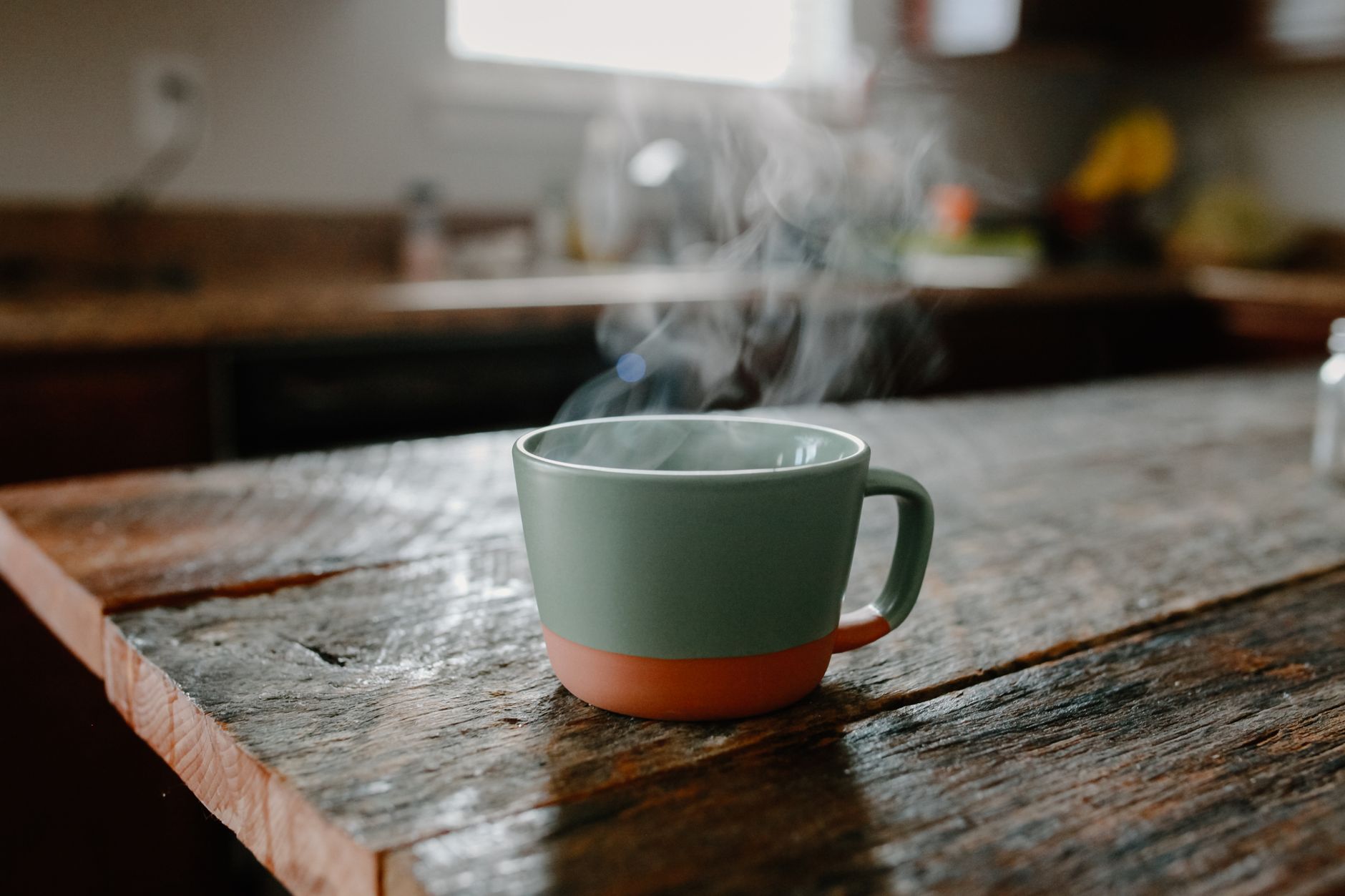
Enjoying a warm cup of tulsi tea can be a soothing ritual—just remember the limits.
What is tulsi holy basil tea?
Tulsi, also called holy basil (Ocimum sanctum), is a fragrant herb native to the Indian subcontinent. When the leaves are steeped in hot water, they produce a tea that’s both aromatic and slightly peppery. The brew contains a variety of bioactive compounds, the most studied of which are eugenol, rosmarinic acid, and a group of flavonoids called luteolin and apigenin. These constituents give tulsi its reputed antioxidant, anti‑inflammatory, and adaptogenic properties—meaning the herb may help the body adapt to stress.
People turn to holy basil tea for a range of reasons: to ease mild nausea, support immune function, reduce occasional anxiety, and even to help regulate blood sugar levels. In Ayurvedic medicine, tulsi is considered a “rasayana,” a rejuvenating tonic that balances the body’s energies. For pregnant people, the tea’s gentle flavor and soothing warmth make it an appealing alternative to caffeinated beverages, especially when cravings strike.
Is tulsi holy basil tea safe during pregnancy?
T
he short answer is yes—when consumed in moderation, tulsi tea is considered safe for most pregnant people. The American College of Obstetricians and Gynecologists (ACOG) notes that many culinary herbs are permissible in pregnancy, provided they’re not taken in medicinal‑grade doses. The UK’s National Health Service (NHS) similarly advises that “herbal teas such as tulsi can be enjoyed in normal food‑type amounts.” The U.S. Food and Drug Administration (FDA) does not list holy basil as a restricted substance, and the World Health Organization (WHO) has no specific warning against its use during pregnancy.
Potential concerns arise mainly from two mechanisms: (1) uterine stimulation due to eugenol’s mild smooth‑muscle relaxing properties, and (2) blood‑pressure effects, as some studies suggest tulsi may lower blood pressure modestly. However, the evidence is limited to small, short‑term studies in non‑pregnant adults. No large‑scale trials have demonstrated teratogenic effects (birth‑defect‑causing) or a direct link to miscarriage. In practice, most obstetric providers recommend limiting intake to 1–2 cups per day and avoiding concentrated extracts or essential oils, which contain higher levels of the active compounds.
Because every pregnancy is unique, the safest approach is to discuss herbal tea use with your prenatal care provider, especially if you have pre‑existing conditions like hypertension, a history of miscarriage, or are taking prescription medications that could interact with tulsi’s compounds.
Safety by trimester
First trimester
The first 12 weeks are the most critical for organ development, so many clinicians advise extra caution with any herb that could theoretically stimulate the uterus. For tulsi tea, limiting intake to a single cup (about 240 ml) per day is prudent. If you notice any uterine cramping, spotting, or unusual nausea after drinking tulsi, pause use and contact your provider.
Second trimester
During weeks 13–27, the risk of teratogenic effects drops, and the uterine wall becomes more stable. Most pregnant people can safely enjoy up to two cups of tulsi tea daily, provided they monitor blood pressure and stay well‑hydrated. This period is also when many experience morning sickness, and a mild cup of tulsi can be a soothing alternative to ginger or peppermint.
Third trimester
In the final stretch (weeks 28 to birth), the primary concerns are fluid balance and blood‑pressure control. Tulsi’s modest blood‑pressure‑lowering effect can be beneficial for some, but if you have gestational hypertension or pre‑eclampsia, keep intake to one cup per day and discuss it with your obstetrician.
Breastfeeding
After delivery, the limited data suggest that tulsi’s compounds pass into breast milk in very low concentrations, posing no known risk to the infant. Continuing a moderate intake (1–2 cups) is generally regarded as safe, though you should still watch for any infant fussiness that might indicate sensitivity.
Choosing the right herbal tea can keep your daily routine both soothing and safe.
Is holy basil tea safe to drink in the first trimester?
Yes, but keep it to one cup (≈240 ml) per day and avoid strong concentrates. The first trimester is the most sensitive period for fetal development, and while tulsi is not a known teratogen, its mild uterine‑stimulating properties mean moderation is key. If you experience any cramping, spotting, or heightened nausea after drinking the tea, stop immediately and let your provider know.
How much holy basil tea can pregnant women consume daily?
Most experts, including ACOG and the NHS, suggest a maximum of 1–2 cups per day for healthy pregnancies. This translates to roughly 240–480 ml of brewed tea, using one to two tea bags or a teaspoon of loose leaf per cup. Exceeding this amount may increase the likelihood of uterine irritation or a drop in blood pressure, especially if you already consume other caffeine‑containing beverages.
Can I replace tulsi tea with ginger tea during pregnancy?
Absolutely. Ginger tea is widely recognized as safe and is even recommended by the American College of Obstetricians and Gynecologists for relief of nausea. Unlike tulsi, ginger does not have documented blood‑pressure‑lowering effects, making it a solid alternative for anyone with hypertension or a history of miscarriage. Both teas provide a warm, soothing ritual, so you can swap them based on your symptom profile.
Which brands of holy basil tea are safest for pregnant women?
When selecting a brand, look for products that are:
Certified organic (USDA‑Organic or EU‑Organic) to reduce pesticide exposure.
Free from added caffeine, sugar, or artificial flavors.
Packaged in BPA‑free containers.
Reputable brands that meet these criteria include Traditional Medicinals Organic Holy Basil, Yogi Tea Holy Basil, and Gaia Herbs Holy Basil. These manufacturers provide third‑party testing results and clearly label serving sizes, which helps you stay within the recommended 1–2 cup limit.
What are the risks of drinking holy basil tea while pregnant?
The primary risks are:
Uterine irritation: Mild uterine smooth‑muscle relaxation could theoretically trigger cramps or spotting, especially in the first trimester.
Blood‑pressure changes: Tulsi may lower systolic pressure modestly; in people with pre‑existing hypertension, this could lead to dizziness or fainting.
Potential drug interactions: Tulsi can enhance the effect of blood‑thinners (e.g., warfarin) and some antihypertensive drugs, so discuss any medication use with your provider.
These risks are generally low when you stay within the suggested dosage, but they underscore why it’s important to keep the intake moderate and to speak with a healthcare professional if you have any underlying conditions.
Is holy basil tea safe for pregnant women with high blood pressure?
For most pregnant people with well‑controlled hypertension, occasional consumption of one cup per day is unlikely to cause problems. However, because tulsi can have a mild blood‑pressure‑lowering effect, it’s wise to monitor your readings more closely after drinking the tea. If you notice a sudden drop in blood pressure (symptoms may include light‑headedness, blurred vision, or faintness), stop the tea and contact your provider.
Can holy basil tea cause miscarriage in pregnancy?
Current evidence does not support a direct link between moderate tulsi tea consumption and miscarriage. The concern stems from early animal studies suggesting uterine smooth‑muscle relaxation, but human data are lacking. Nonetheless, many obstetricians advise limiting tulsi to 1 cup per day during the first trimester as a precautionary measure. If you have a personal or family history of miscarriage, you may choose to avoid it altogether.
Is organic tulsi tea safer than regular tulsi tea for pregnant women?
Organic tulsi tea is generally considered safer because it reduces exposure to pesticide residues that could be harmful to a developing fetus. While non‑organic teas are not automatically unsafe, the organic label offers an extra layer of reassurance, especially for those who are vigilant about environmental toxins during pregnancy.
Safe dosage / amount / brands
Based on the consensus from ACOG, NHS, and the FDA, the following guidelines help you stay within the safe range:
Category
Safe amount per day
Recommended brands
Notes
Loose‑leaf tulsi tea
1–2 teaspoons (≈240–480 ml brewed)
Traditional Medicinals Organic Holy Basil; Gaia Herbs Holy Basil
Avoid using more than one tea bag per cup.
Tea bags (standard)
1–2 bags per day (each bag makes 1 cup)
Yogi Tea Holy Basil; Choice Organic Holy Basil
Check for added flavors or caffeine.
Concentrated extracts (drops)
Not recommended during pregnancy
N/A
High levels of eugenol; consult your provider.
Side effects and risks
Most pregnant people tolerate tulsi tea well, but be aware of the following signals:
Mild uterine cramping or spotting: Stop the tea and monitor; contact your provider if bleeding continues.
Dizziness or light‑headedness: Could indicate a drop in blood pressure; hydrate and seek medical advice if symptoms persist.
Allergic reaction: Rare, but possible. Symptoms include rash, itching, or swelling—seek immediate care.
These side effects are generally reversible once you discontinue the tea. However, any persistent or severe symptom should be evaluated by a healthcare professional promptly.
Safer alternatives
Ginger tea: Widely endorsed for nausea and safe at any stage of pregnancy.
Rooibos tea: Naturally caffeine‑free and rich in antioxidants without known uterine effects.
Peppermint tea: Soothes digestive discomfort and is safe throughout pregnancy.
Lemon balm tea: Gentle calming herb, safe in moderate amounts.
Chamomile tea (in moderation): Can aid sleep, but limit to 1 cup per day due to mild uterine activity.
Apple cinnamon herbal infusion: Provides a warm, sweet flavor without active compounds that affect the uterus.
Dandelion tea: Supports liver function and is considered safe when consumed in typical culinary amounts.
Related items — safety at a glance
Herbal/tea item
Verdict
One‑line note
Green tea
⚠️ Safe with limits
Contains caffeine; limit to ≤200 mg total caffeine per day.
Black tea
⚠️ Safe with limits
Higher caffeine; same 200 mg daily cap applies.
Chamomile tea
⚠️ Safe with limits
May stimulate the uterus; keep to ≤1 cup/day.
Ginger tea
✅ Generally safe
Recommended for nausea; no known uterine effects.
Peppermint tea
✅ Generally safe
Soothes digestion; safe throughout pregnancy.
Rooibos tea
✅ Generally safe
Caffeine‑free and low in tannins.
Hibiscus tea
⚠️ Safe with limits
May lower blood pressure; limit to occasional use.
Sage tea
❌ Best avoided
Contains thujone, a known uterine stimulant.
Licorice root tea
❌ Best avoided
Can raise blood pressure and affect fetal development.
Lemon balm tea
✅ Generally safe
Gentle calming herb; safe in moderate amounts.
Myth vs. fact
Myth: Tulsi tea can cause miscarriage in any amount. Fact: No scientific evidence links moderate tulsi consumption (1–2 cups per day) to miscarriage; excessive or concentrated forms are the only potential concern.
Myth: All herbal teas are unsafe during pregnancy. Fact: Many herbal teas, including ginger, peppermint, and rooibos, are considered safe when consumed in typical dietary amounts.
Myth: Organic tulsi is automatically safe for the fetus. Fact: Organic labeling reduces pesticide exposure but does not change the herb’s inherent pharmacology; dosage limits still apply.
Key takeaways
Tulsi holy basil tea is generally safe in pregnancy when limited to 1–2 cups per day.
First‑trimester intake should be capped at one cup to minimize uterine irritation.
Women with hypertension or a history of miscarriage should discuss use with their provider.
Choose certified organic, caffeine‑free brands and avoid concentrated extracts.
Safer alternatives such as ginger, rooibos, and peppermint tea provide similar comfort without the same concerns.
Frequently asked questions
Can pregnant women drink tulsi tea?
Yes—most obstetric guidelines allow a moderate intake of 1–2 cups per day, provided you have no contraindicating conditions such as uncontrolled hypertension or a history of miscarriage.
What are the benefits of holy basil tea during pregnancy?
Holy basil tea offers mild antioxidant and anti‑inflammatory benefits, may help ease occasional nausea, and can provide a calming ritual that replaces higher‑caffeine beverages.
Is it safe to consume holy basil supplements while pregnant?
Supplements contain concentrated extracts and should be avoided unless specifically prescribed; the higher dose of active compounds could increase uterine stimulation and interact with medications.
How many cups of tulsi tea are safe per day for pregnant women?
Stick to no more than two 8‑oz cups (≈240‑480 ml) per day; during the first trimester, limit yourself to one cup to reduce any potential uterine irritation.
Does holy basil tea cause uterine contractions?
There is no solid evidence that typical culinary amounts of tulsi tea trigger contractions, but high‑dose extracts might have a mild uterine‑relaxing effect, so moderation is key.
Can tulsi tea affect blood pressure during pregnancy?
Tulsi may modestly lower blood pressure; if you have hypertension, monitor your readings after each cup and discuss any notable changes with your provider.
Is organic tulsi tea safer for pregnant women?
Organic tea reduces pesticide exposure, which is beneficial, but it does not alter the herb’s pharmacological profile—still limit intake to 1–2 cups per day.
Are there any side effects of holy basil tea for pregnant mothers?
Side effects are rare but can include mild uterine cramping, dizziness from lowered blood pressure, or allergic reactions; stop use and seek medical advice if symptoms persist.
When to call your doctor
Contact your obstetrician or midwife if you experience any of the following after drinking tulsi tea:
Persistent uterine cramping or spotting.
Sudden dizziness, faintness, or a notable drop in blood pressure.
Allergic symptoms such as rash, itching, or swelling.
Unexplained nausea or vomiting that worsens after tea consumption.
These signs may indicate that the herb is not well‑tolerated in your specific pregnancy. Remember, this article provides general information and is not a substitute for personalized medical advice.
References
American College of Obstetricians and Gynecologists (ACOG). “Herbal Supplements and Pregnancy.” Clinical Guidance, 2023.
National Health Service (NHS). “Herbal Teas and Pregnancy.” UK Health Guidance, 2022.
U.S. Food and Drug Administration (FDA). “Dietary Supplements: Guidance for Industry.” 2021.
World Health Organization (WHO). “Traditional Medicine Strategy 2014‑2023.” 2019.
Mayo Clinic. “Herbal Tea Safety During Pregnancy.” Patient Education, 2023.
PubMed. “Pharmacological Effects of Ocimum sanctum (Holy Basil) in Humans.” Review Article, 2020.
Centers for Disease Control and Prevention (CDC). “Pregnancy and Herbal Medicine.” 2022.
Not sure about the label on Is Tulsi Holy Basil Tea Safe During Pregnancy products?
Snap the ingredients list and SafeFilter checks every ingredient for your stage — only 3 free scans this month, then you're locked until reset. Unlimited from $7/mo or $50/yr.
When Shubhra Mishra was expecting her first child in 2016, she was overwhelmed by conflicting food advice — one site said yes, another said never. By the time her second baby arrived in 2019, she realized millions of mothers face the same confusion.
That sparked a five-year journey through clinical nutrition papers, cultural diets, and expert conversations — all leading to BumpBites: a calm, compassionate space where science meets everyday motherhood.
Her long-term vision is to build a global community ensuring safe, supported, and free deliveriesfor every mother — because no woman should face pregnancy alone or uninformed. 🌿
🌍 Stand with mothers, shape safer guidance
Join a small circle of experts who review BumpBites articles so expecting parents everywhere can decide with confidence.