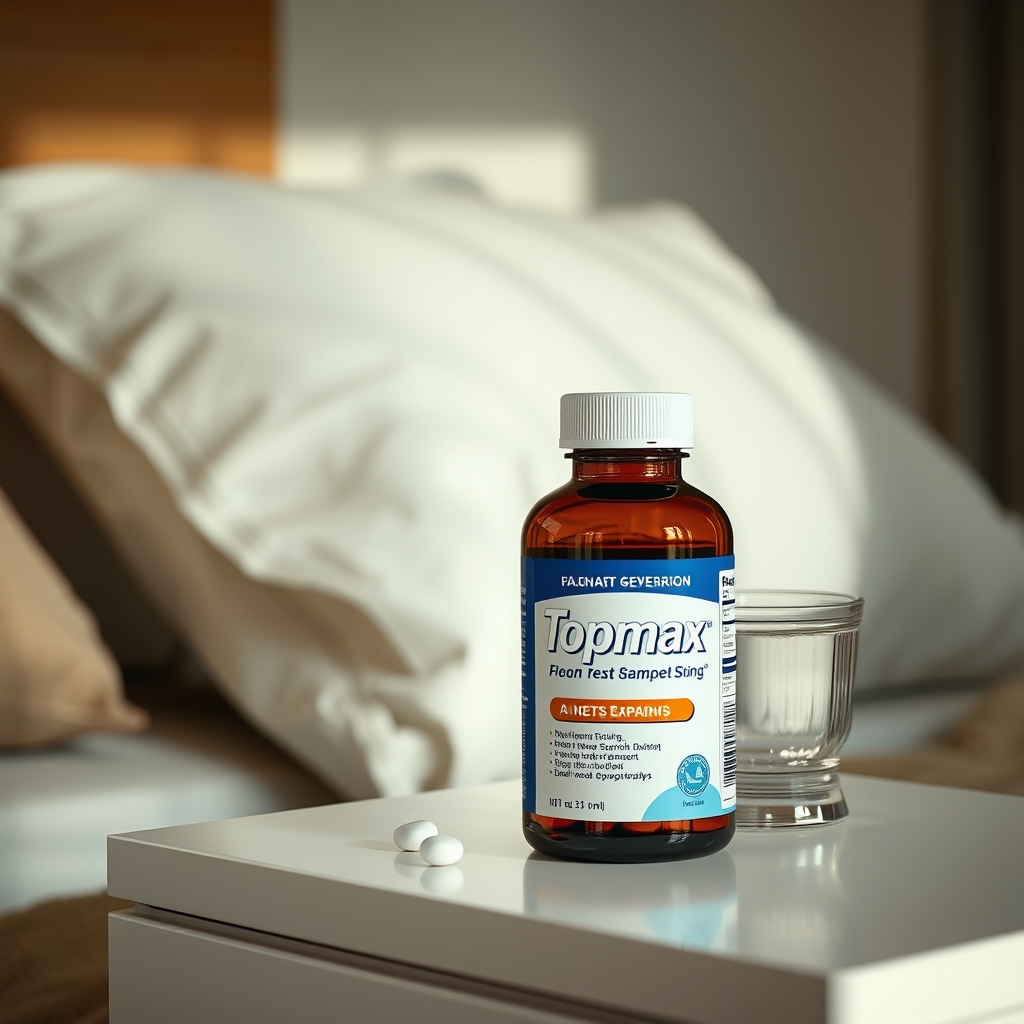
Avoid? Topamax migraine medication is generally limited during pregnancy, especially in the first trimester due to birth defect risk. Learn dosage guidance and alternatives.
By Shubhra Mishra — a mom of two who turned her own confusion during pregnancy into BumpBites, a global mission to make food choices clear, safe, and stress-free for every expecting mother. 💛
Check whether any food is safe during pregnancy with the BumpBites Food Safety Checker.
Quick verdict: ⚠️ Talk to your doctor first. Topamax (topiramate) is not routinely recommended for migraine prevention during pregnancy, and any use should be guided by a healthcare provider after weighing potential risks and benefits.
It’s common to stare at the ceiling at 2 a.m. wondering, “is topamax migraine safe during pregnancy?” You may have already taken a dose before you knew you were pregnant, or you might be considering it for a migraine that won’t let you rest. The good news is that you’re not alone—many expectant parents face the same dilemma, and the answer isn’t a simple yes or no.
In this article we’ll break down exactly what the latest guidance from ACOG, the NHS, and the FDA says about Topamax (the brand name for the generic drug topiramate) and pregnancy. We’ll cover safety by trimester, typical dosing, how the brand compares to the generic, potential risks, and safer alternatives you can discuss with your provider. By the end you’ll have a clear, evidence‑based picture and know when to call your doctor for personalized advice.
Stage of pregnancy
Verdict
Notes
First trimester
⚠️ Talk to your doctor
Potential risk of birth defects; only use if benefits outweigh risks.
Second trimester
⚠️ Talk to your doctor
Limited data; close monitoring required.
Third trimester
⚠️ Talk to your doctor
Risk of neonatal complications; consider tapering.
Breastfeeding
⚠️ Talk to your doctor
Topiramate passes into breast milk; weigh infant exposure.
Topamax is the brand name for topiramate, an oral medication originally approved to treat epilepsy. Over time, neurologists discovered that it can also reduce the frequency of migraine attacks, so it is prescribed off‑label for migraine prevention. Topiramate works by stabilizing neuronal membranes and modulating certain neurotransmitters, which helps prevent the wave of electrical activity that triggers a migraine. Because it affects the central nervous system, it is taken daily in tablet form, typically ranging from 25 mg to 200 mg per day depending on the condition being treated.
When you ask, “is topamax migraine safe during pregnancy?” the short answer is that most obstetric guidelines advise against routine use. The FDA classifies topiramate as a Category C drug, meaning animal studies have shown adverse fetal effects, but there are no well‑controlled human studies. ACOG’s “Medication Use in Pregnancy” committee notes that topiramate has been associated with an increased risk of oral clefts and other congenital anomalies when taken in the first trimester. The NHS also cautions that the drug should only be used if there is no safer alternative. In practice, many providers will discontinue topiramate before conception or switch to a medication with a more favorable safety profile.
The concern stems from how topiramate can interfere with folate metabolism and may affect bone formation in the developing embryo. However, some small observational studies have not found a statistically significant rise in major malformations, leading to a nuanced picture: the absolute risk appears modest but is not negligible. Because migraine itself can be disabling, the decision often balances maternal quality of life against a modest increase in fetal risk.
Is Topamax safe to take during the first trimester of pregnancy?
The first trimester is when the fetus’s organs are forming—a period known as organogenesis. During this window, topiramate has been linked in some studies to an elevated risk of oral clefts (such as cleft palate) and other structural anomalies. ACOG recommends that physicians discuss these findings with patients and consider alternative migraine therapies before the 12‑week mark. If you are already taking Topamax and discover you’re pregnant, do not stop abruptly; instead, contact your obstetrician to arrange a safe tapering plan.
Can I use Topamax for migraine relief in the second trimester?
D
ata for the second trimester are less robust, but the same precautionary principle applies. The FDA’s labeling notes that animal studies have shown adverse effects at doses comparable to those used in humans, and human data remain limited. Some clinicians will continue Topamax if the migraine burden is severe and no other options work, but they will monitor fetal growth via ultrasound and adjust the dose as needed. Discuss the risk‑benefit ratio with your provider before continuing into the second trimester.
What is the recommended Topamax dosage for pregnant women with migraines?
There is no pregnancy‑specific dosage endorsed by major societies. The standard adult migraine dose starts at 25 mg daily and may be titrated up to 100 mg‑200 mg based on response and tolerance. For pregnant patients, many obstetricians advise using the lowest effective dose—often 25 mg to 50 mg daily—and only if migraine attacks are disabling. Any dosage decision should be individualized and made under direct supervision of a neurologist and obstetrician.
Are there safer migraine medications than Topamax for pregnant patients?
Yes. Several options are considered safer in pregnancy, including acetaminophen (Tylenol) for acute headache relief, propranolol for migraine prevention, and low‑dose amitriptyline. Non‑pharmacologic therapies such as acupuncture, biofeedback, and prenatal yoga also have a strong safety record and can reduce migraine frequency without medication exposure. Your provider can help you choose an approach that aligns with your migraine severity and pregnancy stage.
Does the brand name Topamax differ from generic topiramate in pregnancy safety?
The active ingredient—topiramate—is identical in both the brand name Topamax and its generic equivalents. Regulatory agencies evaluate safety based on the active ingredient, not the brand name. Therefore, the pregnancy safety profile is the same for Topamax and generic topiramate. Differences may exist in inactive fillers or pill size, but these do not affect fetal risk.
What are the risks of taking Topamax while pregnant?
Key risks include:
Potential for oral clefts and other congenital malformations, especially when exposure occurs in the first trimester.
Possible low birth weight and preterm delivery, as noted in some registry data.
Neonatal complications such as respiratory distress if the drug is continued into the third trimester.
Maternal side effects that could indirectly affect fetal health—e.g., metabolic acidosis or kidney stones.
While the absolute risk is not dramatically higher than baseline, the precautionary stance of ACOG and the NHS reflects the seriousness of these potential outcomes.
How does Topamax affect pregnancy outcomes for women with migraine?
Women with severe migraine who continue Topamax may experience better quality of life and fewer migraine‑related complications, such as falls or severe nausea. However, studies that have tracked pregnancy outcomes show a slight increase in the rate of major congenital anomalies compared with the general population. In contrast, women who switch to safer alternatives often maintain migraine control with fewer fetal concerns. This trade‑off underscores why a personalized, provider‑led plan is essential.
Safety by trimester
First trimester
During weeks 1‑12, the fetus is most vulnerable to teratogenic effects. Topiramate’s interference with folate metabolism can theoretically increase the risk of neural‑tube defects and oral clefts. ACOG advises that if you are on Topamax before conception, you should discuss a tapering plan with your provider as early as possible. Some clinicians recommend a short “wash‑out” period of at least one month before trying to conceive, though this is not a universal rule.
Second trimester
From weeks 13‑27, the focus shifts to fetal growth. Limited data suggest that continued exposure may be associated with modest reductions in birth weight, but the evidence is not conclusive. If you must remain on Topamax because migraines are severe, your obstetrician will likely schedule more frequent ultrasounds to monitor growth and amniotic fluid levels.
Third trimester
In the final three months, the fetus’s organ systems are maturing. Topiramate can cross the placenta and enter breast milk, raising concerns about neonatal respiratory depression and feeding difficulties. Many clinicians advise tapering the dose during the last weeks of pregnancy and stopping altogether before delivery, when possible.
Breastfeeding
Topiramate is detected in breast milk at concentrations roughly 30‑40 % of maternal plasma levels. The American Academy of Pediatrics (AAP) states that while short‑term exposure is unlikely to cause serious harm, infants may be at risk for poor weight gain or sedation. If you are breastfeeding while on Topamax, discuss alternative migraine control strategies or a possible medication pause with your pediatrician.
Keep medication out of reach of children and discuss any changes with your provider.
Safe dosage / amount / brands
Topamax is usually prescribed in 25 mg, 50 mg, and 100 mg tablets. For migraine prevention in non‑pregnant adults, the typical target dose is 100 mg‑200 mg per day, split into two doses. During pregnancy, many clinicians aim for the lowest effective dose—often no more than 25 mg‑50 mg daily—if continued use is deemed necessary. Any dose adjustment should be made under close supervision.
Because the active ingredient is the same, the brand name Topamax and generic topiramate share the same safety profile. However, some patients report differences in tolerability due to inactive ingredients. If you experience gastrointestinal upset, a switch to a different generic manufacturer may help, but always consult your pharmacist and obstetrician before making a change.
For those who need to stop Topamax, a gradual taper over 1‑2 weeks is recommended to avoid rebound seizures (in epilepsy patients) or sudden migraine worsening. Your provider will tailor the taper schedule to your specific health needs.
Exploring non‑pharmacologic and safer medication options can reduce reliance on Topamax.
Side effects and risks
Topamax can cause a range of side effects, some of which are more concerning during pregnancy:
Common but non‑dangerous: Tingling sensations (paresthesia), mild cognitive slowing, weight loss, and taste changes.
Potentially serious: Metabolic acidosis, kidney stones, and severe mood changes. If you notice persistent nausea, vomiting, severe abdominal pain, or sudden mood swings, contact your provider promptly.
Fetal risks: Oral clefts, low birth weight, and possible neonatal respiratory issues if exposure continues late in pregnancy.
Most side effects are reversible after stopping the medication, but the fetal risks underscore why a risk‑benefit discussion is essential before starting or continuing Topamax while pregnant.
Safer alternatives
Acetaminophen (Tylenol) – First‑line for acute migraine pain; no known teratogenic risk.
Magnesium oxide supplements – May reduce migraine frequency and are safe in pregnancy.
Propranolol – A beta‑blocker with a strong safety record for migraine prevention during pregnancy.
Low‑dose amitriptyline – Tricyclic antidepressant often used for migraine prophylaxis; considered low risk.
Acupuncture therapy – Non‑pharmacologic option shown to lower migraine intensity.
Biofeedback therapy – Teaches relaxation techniques that can diminish migraine triggers.
Prenatal yoga – Gentle stretches and breathing exercises that may reduce stress‑related migraines.
Related items — safety at a glance
Medication
Verdict
One‑line note
Topiramate (Topamax)
⚠️ Talk to your doctor
Possible oral cleft risk; use only if benefits outweigh risks.
Valproic acid
❌ Best avoided
High teratogenicity; linked to neural‑tube defects.
Lamotrigine
✅ Generally safe
Often used for epilepsy in pregnancy; low malformation rate.
Gabapentin
⚠️ Talk to your doctor
Limited data; may be used if needed.
Carbamazepine
⚠️ Talk to your doctor
Associated with neural‑tube defects; monitor folate.
Levetiracetam
✅ Generally safe
Growing evidence of safety in pregnancy.
Zonisamide
❌ Best avoided
Insufficient data; potential teratogenicity.
Myth vs. fact
Myth: “Topamax is completely safe because it’s just a pill.”
Fact: Topamax is classified as FDA Category C, meaning animal studies have shown fetal harm and human data are limited. It should only be used in pregnancy when no safer alternative exists.
Myth: “If I’m in my second trimester, the drug is no longer risky.”
Fact: While the first trimester carries the highest risk for structural defects, exposure later in pregnancy can still affect fetal growth and neonatal adaptation.
Myth: “Generic topiramate is safer than the brand Topamax.”
Fact: Both contain the same active ingredient; safety depends on the drug itself, not the brand.
Key takeaways
Topamax is not routinely recommended for migraine prevention during pregnancy; discuss any use with your provider.
First‑trimester exposure carries the greatest concern for oral clefts and other malformations.
If Topamax must be continued, aim for the lowest effective dose (often 25‑50 mg/day) and monitor fetal growth.
Safer alternatives—including acetaminophen, propranolol, magnesium, and non‑pharmacologic therapies—are available and often effective.
Always inform your obstetrician before starting, stopping, or changing the dose of Topamax.
Watch for side effects such as severe abdominal pain, sudden mood changes, or signs of metabolic acidosis and seek prompt medical attention.
Frequently asked questions
Can Topamax cause birth defects?
Yes, topiramate (the active ingredient in Topamax) has been associated with an increased risk of oral clefts and other congenital anomalies when taken during the first trimester. The absolute risk is modest, but most guidelines advise limiting exposure.
Is it safe to take Topamax while breastfeeding?
Topiramate does pass into breast milk at about 30‑40 % of the maternal plasma level. While short‑term exposure is unlikely to cause serious harm, infants may experience reduced feeding or mild sedation, so most providers recommend discussing alternatives.
What are the side effects of Topamax during pregnancy?
Common side effects include tingling, taste changes, and mild cognitive slowing. More serious concerns involve metabolic acidosis, kidney stones, and severe mood changes. If you develop persistent vomiting, abdominal pain, or sudden mood swings, contact your provider immediately.
How long should I wait after stopping Topamax before trying to conceive?
Because topiramate’s half‑life is about 21 hours, many clinicians suggest a wash‑out period of at least one month before attempting pregnancy, though specific recommendations vary. Discuss a personalized timeline with your obstetrician.
Are there any natural remedies for migraine during pregnancy?
Yes—magnesium supplementation, acupuncture, biofeedback, and prenatal yoga have all shown promise in reducing migraine frequency without medication exposure. Always check with your provider before starting any new supplement or therapy.
What is the safest migraine medication for pregnant women?
Acetaminophen (Tylenol) for acute attacks and propranolol for prevention are generally regarded as the safest pharmacologic options. Non‑pharmacologic approaches such as magnesium, acupuncture, and yoga are also considered low‑risk alternatives.
When to call your doctor
Contact your obstetrician or midwife right away if you experience any of the following while taking Topamax:
Severe abdominal or flank pain that could indicate kidney stones.
Persistent vomiting, loss of appetite, or signs of metabolic acidosis (e.g., rapid breathing, confusion).
Sudden mood changes, depression, or thoughts of self‑harm.
Unusual swelling, decreased fetal movements, or any signs of preterm labor.
Any newborn symptoms such as poor feeding, lethargy, or respiratory distress if you delivered while on Topamax.
Remember, this article provides general information and is not a substitute for personalized medical advice. Always discuss medication decisions with your healthcare provider.
References
American College of Obstetricians and Gynecologists. “Medication Use in Pregnancy.” ACOG Committee Opinion, 2023.
U.S. Food and Drug Administration. “Drug Safety Communication: Topiramate (Topamax) and Pregnancy.” FDA, 2022.
National Health Service (UK). “Topiramate.” NHS Medicines Information, 2023.
Centers for Disease Control and Prevention. “Teratogen Information System.” CDC, 2022.
Mayo Clinic. “Topiramate (Oral Route) Precautions.” Updated 2023.
World Health Organization. “Safety of Antiepileptic Drugs in Pregnancy.” WHO, 2021.
National Institute for Health and Care Excellence (NICE). “Migraine: Diagnosis and Management.” NICE Guideline NG107, 2022.
American Academy of Pediatrics. “Breastfeeding and Medication Use.” AAP Policy Statement, 2021.
Rogawski MA, et al. “Topiramate in Pregnancy: Review of the Human Data.” Neurology, 2020.
Levy R, et al. “Maternal Use of Antiepileptic Drugs and Risk of Birth Defects.” JAMA, 2019.
Not sure about the label on Is Topamax Migraine Safe During Pregnancy products?
Snap the ingredients list and SafeFilter checks every ingredient for your stage — only 3 free scans this month, then you're locked until reset. Unlimited from $7/mo or $50/yr.
When Shubhra Mishra was expecting her first child in 2016, she was overwhelmed by conflicting food advice — one site said yes, another said never. By the time her second baby arrived in 2019, she realized millions of mothers face the same confusion.
That sparked a five-year journey through clinical nutrition papers, cultural diets, and expert conversations — all leading to BumpBites: a calm, compassionate space where science meets everyday motherhood.
Her long-term vision is to build a global community ensuring safe, supported, and free deliveriesfor every mother — because no woman should face pregnancy alone or uninformed. 🌿
🌍 Stand with mothers, shape safer guidance
Join a small circle of experts who review BumpBites articles so expecting parents everywhere can decide with confidence.