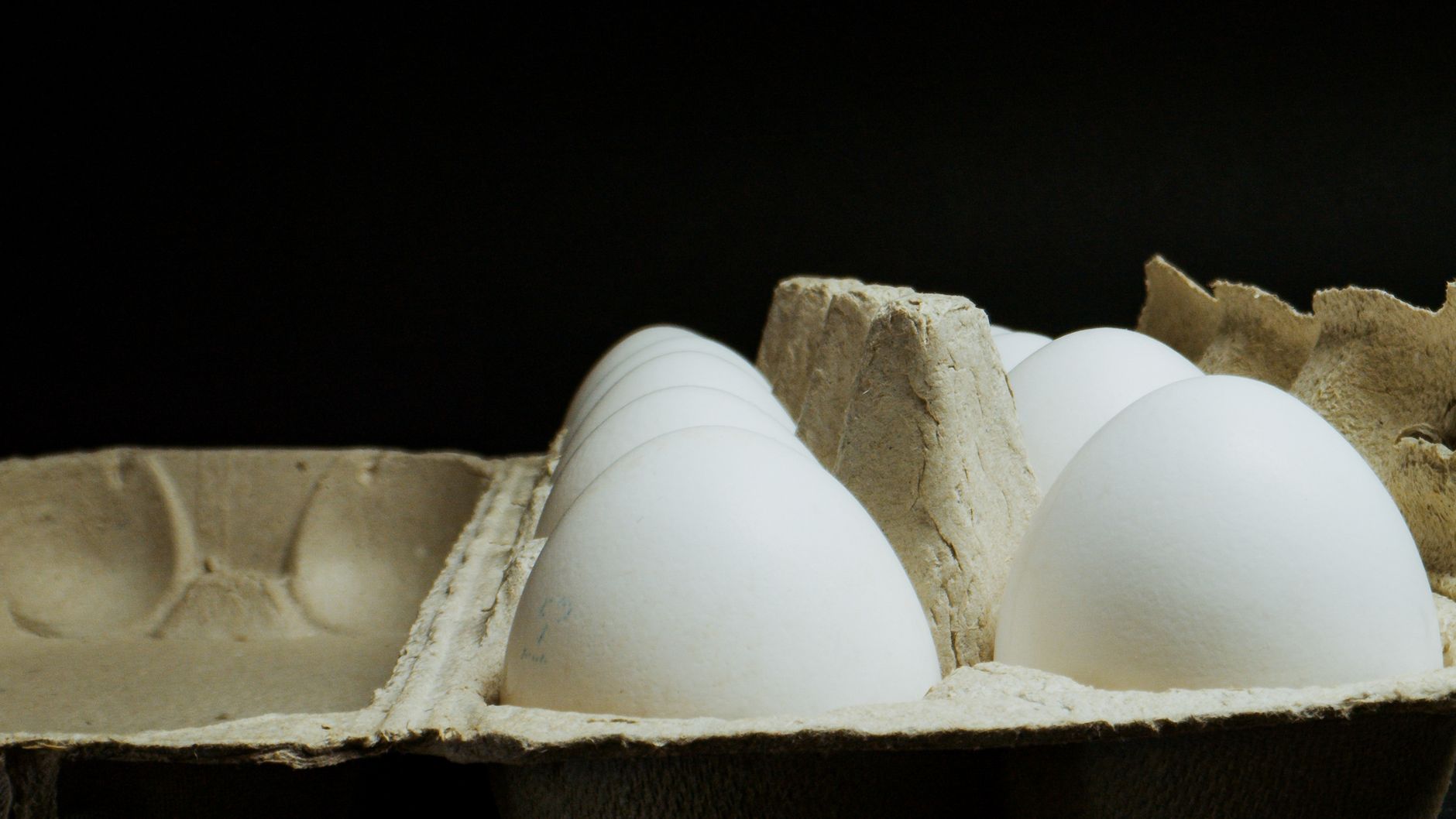
Avoid raw eggs in tiramisu during pregnancy – they can carry salmonella. Pregnant women should use pasteurized eggs or fully cooked alternatives, especially in the first trimester.
By Shubhra Mishra — a mom of two who turned her own confusion during pregnancy into BumpBites, a global mission to make food choices clear, safe, and stress-free for every expecting mother. 💛
Check whether any food is safe during pregnancy with the BumpBites Food Safety Checker.
Quick verdict: ⚠️ Talk to your doctor first. Raw‑egg tiramisu can be enjoyed in pregnancy only if the eggs are pasteurized or the recipe is altered; otherwise, it carries a salmonella risk.
It’s 2 a.m., you’re scrolling through dessert recipes, and a silky slice of tiramisu catches your eye. Suddenly, the question is tiramisu raw eggs safe during pregnancy pops up, and your mind races. You might be wondering whether that indulgent treat could harm your baby, how many servings are okay, or if a store‑bought version is a safer bet.
We’ve got you covered. The short answer is that traditional tiramisu made with raw eggs is not considered safe for most pregnant people because of the risk of salmonella. However, you can still savor a pregnancy‑friendly version by using pasteurized eggs or opting for egg‑free alternatives. Below you’ll find a trimester‑by‑trimester safety snapshot, recommended serving limits, safer substitutes, and what to watch out for.
Read on for a clear, evidence‑based guide that answers the most common queries—like “Is tiramisu safe to eat in the first trimester?” and “Can pregnant women with gestational diabetes enjoy tiramisu?”—so you can make an informed choice and keep your worries at bay.
Trimester / Breastfeeding
Verdict
Notes
First trimester
⚠️ Talk to your doctor
Raw eggs pose a higher risk during organ formation; use pasteurized eggs or egg‑free recipes.
Second trimester
⚠️ Talk to your doctor
Risk remains; safe if eggs are pasteurized or recipe is modified.
Third trimester
⚠️ Talk to your doctor
Same precautions as earlier trimesters; consider portion size.
Breastfeeding
⚠️ Talk to your doctor
Salmonella can be transmitted via breast milk if infection occurs; use safe preparations.
When you hear “tiramisu,” you probably picture layers of espresso‑soaked ladyfingers, mascarpone cream, and a dusting of cocoa. Classic recipes call for raw egg yolks and whites, which are whisked into the creamy filling to create that iconic silky texture. The raw eggs give the dessert its light, airy consistency, but they also carry a small chance of harbouring salmonella bacteria.
Eggs are a common source of protein and nutrients, yet during pregnancy the immune system is slightly suppressed, making you more vulnerable to food‑borne infections. If a salmonella infection takes hold, it can cause severe gastrointestinal illness, dehydration, and, in rare cases, complications for the developing baby such as preterm labor. Because of this, many health agencies—including the American College of Obstetricians and Gynecologists (ACOG) and the UK’s National Health Service (NHS)—advise pregnant people to avoid raw or undercooked eggs unless they’re pasteurized.
In short, the answer to “is tiramisu raw eggs safe during pregnancy” is: not unless you take steps to eliminate the egg‑related risk. Pasteurized eggs, egg‑free recipes, or fully cooked alternatives provide the same indulgent experience without the microbial hazard. Below we break down the safety considerations by trimester, discuss serving limits, and suggest safer desserts that still satisfy a chocolate‑craving palate.
Is tiramisu safe to eat in the first trimester?
The first trimester is the period of organogenesis, when the baby’s major organs are forming. During this window, the fetus is especially sensitive to infections that could disrupt development. Raw eggs, the key ingredient in traditional tiramisu, may harbor salmonella, which can cause fever, vomiting, and dehydration—all of which are undesirable in early pregnancy.
ACOG recommends that pregnant people avoid foods containing raw or undercooked eggs during the first trimester (and throughout pregnancy) unless the eggs have been pasteurized. The NHS echoes this guidance, stating that raw‑egg dishes should be swapped for cooked or pasteurized versions to reduce risk.
If you’re craving tiramisu early in pregnancy, the safest route is to use pasteurized eggs or choose an egg‑free version. These modifications eliminate the bacterial risk while preserving the dessert’s signature flavor and texture.
Can I eat tiramisu with raw eggs during pregnancy?
In general, no. The CDC warns that consuming raw or undercooked eggs can lead to salmonella infection, which is more severe in pregnant individuals. While the overall risk of salmonella from a single serving is low—estimated at about 1 in 20,000 eggs—the potential consequences for a pregnant person justify a precautionary approach.
For those who have already eaten a slice of traditional tiramisu, stay calm. Most cases of salmonella resolve with supportive care, but you should monitor for symptoms such as fever, abdominal cramps, and diarrhea. If any of these develop, contact your provider promptly.
To safely enjoy tiramisu, either:
Use pasteurized eggs (available in the dairy section of many supermarkets).
Replace the egg‑based mascarpone mixture with a cooked custard or a whipped cream alternative.
Choose a commercially prepared tiramisu that lists pasteurized eggs or indicates “no raw eggs.”
How many servings of tiramisu are safe for pregnant women?
Even when prepared with pasteurized eggs, tiramisu remains a rich dessert high in sugar and saturated fat. The American Diabetes Association (ADA) recommends that pregnant people with normal glucose tolerance keep added sugars to less than 10 % of total calories. A typical serving (about ½ cup) contains roughly 30 g of sugar and 12 g of fat.
For most pregnant people, limiting tiramisu to one small serving per week is a reasonable balance between enjoyment and nutritional health. If you have gestational diabetes, you may need to be more stringent—consult your dietitian or provider for individualized guidance.
Remember that portion size matters: a “serving” of tiramisu is roughly ½ cup (about the size of a small ramekin). Larger portions quickly exceed recommended sugar and calorie limits.
What are safe tiramisu alternatives for pregnant women?
Tiramisu made with pasteurized eggs – Retains the classic texture without the salmonella risk.
Egg‑free tiramisu – Uses whipped cream or a cooked custard base in place of raw eggs.
Panna cotta – A silky, gelatin‑based dessert that can be flavored with coffee or chocolate.
Chocolate mousse (egg‑free) – Whipped cream and melted chocolate create a light treat.
Fruit parfait – Layers of fresh berries, yogurt, and a drizzle of cocoa powder for a refreshing option.
Gelatin‑based desserts – Such as a coffee‑flavored jelly or “jello” tiramisu.
Vegan tiramisu – Uses plant‑based “egg” substitutes like aquafaba.
Custard‑free cheesecake – No eggs needed, and you can add espresso‑soaked biscuits for flavor.
Is store‑bought tiramisu safer than homemade with raw eggs?
Store‑bought tiramisu can be safer, but you still need to read the label. Many commercially produced desserts use pasteurized eggs or omit eggs altogether to meet food‑safety standards. The FDA requires that any product containing raw eggs be clearly labeled, and reputable brands often state “made with pasteurized eggs” or “egg‑free.”
However, some artisanal or bakery‑style tiramisu may still contain raw, unpasteurized eggs. Always check the ingredient list and, when in doubt, contact the manufacturer for clarification.
In short, a sealed, mass‑produced tiramisu that specifies pasteurized eggs is generally safer than a homemade version that uses raw eggs. Still, moderation and awareness of sugar content remain important.
What are the risks of eating tiramisu with raw eggs while pregnant?
The primary risk is salmonella infection. Symptoms typically appear 6–72 hours after exposure and include fever, abdominal cramps, nausea, vomiting, and diarrhea. In pregnant patients, the infection can lead to dehydration, which may precipitate uterine contractions or preterm labor.
Beyond salmonella, raw eggs also carry a small risk of food‑borne illness from other bacteria, though salmonella is the most common concern. There is no evidence that raw eggs cause direct fetal birth defects, but the maternal illness itself can indirectly affect fetal growth.
Because the immune system is naturally dampened during pregnancy, the body may not clear the infection as efficiently, making complications more likely. This is why health authorities advise pregnant people to avoid raw‑egg dishes unless the eggs are pasteurized.
Can pregnant women with gestational diabetes eat tiramisu?
Gestational diabetes requires careful carbohydrate and sugar monitoring. A typical slice of tiramisu can raise blood glucose by 30–50 mg/dL, depending on portion size and individual insulin sensitivity. The ADA suggests that women with gestational diabetes limit high‑sugar desserts to occasional treats, ideally paired with a protein or healthy fat to blunt the glucose spike.
If you have gestational diabetes, choose an egg‑free or low‑sugar version of tiramisu, and consult your dietitian about portion size. Splitting a serving with a partner or pairing the dessert with a small handful of nuts can also help moderate the glycemic impact.
Does tiramisu cause any complications for a weakened immune system during pregnancy?
A weakened immune system is a hallmark of pregnancy, especially in the third trimester. Consuming foods that carry a higher risk of bacterial contamination—such as raw‑egg tiramisu—can increase the chance of infection. While the dessert itself doesn’t directly suppress immunity, the resulting illness (e.g., salmonella) can strain the body’s defenses.
For pregnant people with additional immune‑compromising conditions (e.g., autoimmune disease, HIV), the precautionary principle is even stronger: avoid raw‑egg desserts entirely and opt for pasteurized or egg‑free alternatives.
Safe dosage / amount / brands
Because tiramisu is a dessert, the concept of “dosage” translates to portion size and frequency. Here are practical guidelines:
Category
Recommended amount
Notes
Traditional tiramisu with raw eggs
Avoid unless using pasteurized eggs
Raw eggs carry salmonella risk; best to skip.
Pasteurized‑egg tiramisu
≤ ½ cup (≈ 120 g) once a week
Watch sugar and fat intake; adjust for gestational diabetes.
Follow package serving size; limit to 1–2 servings per month
Even pasteurized‑egg products contain sugar.
When selecting commercial products, look for brands that explicitly state “made with pasteurized eggs” or “egg‑free.” In the United States, brands such as Trader Joe’s and Whole Foods often list this information on the packaging. In the UK, look for “pasteurised egg” on the ingredient list.
Side effects and risks
Salmonella infection – Symptoms include fever, abdominal cramps, nausea, vomiting, and diarrhea. If you develop any of these after eating tiramisu with raw eggs, call your provider, especially if you have a fever or dehydration.
Gastrointestinal upset – Even without infection, the rich, dairy‑heavy nature of tiramisu can cause heartburn or indigestion, which are common pregnancy complaints.
Blood‑sugar spikes – High sugar content can trigger rapid glucose increases, which may be problematic for gestational diabetes. Pairing tiramisu with protein or fiber can help mitigate this effect.
Most side effects are manageable, but the combination of raw‑egg risk and high sugar makes it prudent to err on the side of caution and choose safer alternatives.
Safer alternatives
Pasteurized‑egg tiramisu – Keeps the classic flavor while eliminating salmonella risk.
Egg‑free tiramisu – Uses whipped cream or a cooked custard base.
Panna cotta – Gelatin‑based, can be flavored with espresso for a similar taste.
Chocolate mousse (egg‑free) – Light, airy, and safe.
Fruit parfait – Fresh berries, Greek yogurt, and a drizzle of cocoa powder.
Gelatin‑based coffee dessert – A “jello” tiramisu that’s fully cooked.
Vegan tiramisu – Aquafaba replaces egg whites.
Custard‑free cheesecake – No eggs, but can still contain coffee‑soaked biscuits.
Related items — safety at a glance
Item
Verdict
One‑line note
Homemade chocolate mousse
✅ Generally safe
Use cooked custard or egg‑free recipe.
Raw cookie dough
❌ Best avoided
Contains raw eggs and flour; risk of salmonella and E. coli.
Eggnog
⚠️ Talk to your doctor
Traditional version uses raw eggs; pasteurized versions are safer.
Cannoli filling
⚠️ Talk to your doctor
Often contains raw ricotta and eggs; cook or use pasteurized dairy.
Crème brûlée
✅ Generally safe
Eggs are cooked through; no raw‑egg risk.
Flan
✅ Generally safe
Eggs are baked; safe if fully set.
Mayonnaise
⚠️ Talk to your doctor
Commercial mayo uses pasteurized eggs; homemade mayo is raw‑egg.
Savory egg‑based sauces
⚠️ Talk to your doctor
Risk depends on cooking; fully cooked sauces are safe.
Myth vs. fact
Myth: “If the tiramisu looks and smells fine, the eggs are safe.”
Fact: Salmonella contamination is invisible; only pasteurization guarantees safety.
Myth: “A single slice won’t hurt anyone.”
Fact: Even one bite of raw‑egg tiramisu can cause infection; the risk is low but the potential impact on pregnancy warrants caution.
Myth: “Homemade desserts are always safer than store‑bought.”
Fact: Commercial producers often use pasteurized eggs, making some store‑bought tiramisu safer than a homemade version with raw eggs.
Key takeaways
Traditional tiramisu with raw eggs is not recommended during pregnancy due to salmonella risk.
Use pasteurized eggs or choose egg‑free recipes to enjoy a safe version.
Limit servings to about ½ cup (one small portion) per week, especially if you have gestational diabetes.
Read labels on store‑bought tiramisu; look for “pasteurized eggs” or “egg‑free.”
Watch for salmonella symptoms—fever, vomiting, diarrhea—and contact your provider if they appear.
Frequently asked questions
Can pregnant women eat tiramisu?
Yes, but only if the dessert is made with pasteurized eggs or an egg‑free recipe; raw‑egg tiramisu should be avoided.
Are raw eggs safe during pregnancy?
No, raw eggs can harbor salmonella, which poses a higher risk for pregnant people; always choose pasteurized eggs when a recipe calls for uncooked eggs.
What are the symptoms of salmonella in pregnant women?
Typical symptoms include fever, abdominal cramps, nausea, vomiting, and diarrhea; dehydration or high fever should prompt a call to your provider.
How can I make tiramisu safe for pregnancy?
Replace raw eggs with pasteurized eggs, use a cooked custard base, or choose an egg‑free version; ensure the dessert is kept refrigerated and consumed promptly.
Is it okay to eat tiramisu after the first trimester?
The same precautions apply throughout pregnancy—raw‑egg tiramisu remains unsafe; pasteurized‑egg or egg‑free options are acceptable at any stage.
Do pasteurized eggs eliminate the risk of salmonella?
Yes, pasteurization kills salmonella, making eggs safe to consume raw in dishes like tiramisu.
Can I eat tiramisu if I have gestational diabetes?
You can, but limit portions to a small serving (≈ ½ cup) and consider a low‑sugar or egg‑free version; always coordinate with your dietitian.
When to call your doctor
If you experience any of the following after eating tiramisu—or any food containing raw eggs—contact your provider promptly:
Fever ≥ 38 °C (100.4 °F)
Severe or persistent vomiting or diarrhea
Signs of dehydration (dry mouth, dizziness, reduced urine output)
Abdominal pain accompanied by bleeding or spotting
Sudden onset of flu‑like symptoms
These symptoms could indicate a salmonella infection or another food‑borne illness that may affect you and your baby. This article provides general information and does not replace personalized medical advice. Always discuss any dietary concerns with your obstetrician or midwife.
References
American College of Obstetricians and Gynecologists (ACOG). “Nutrition During Pregnancy.” ACOG Committee Opinion No. 804, 2020.
National Health Service (NHS). “Food safety for pregnant women.” Updated 2022.
U.S. Food and Drug Administration (FDA). “Egg Safety.” Accessed 2024.
Centers for Disease Control and Prevention (CDC). “Salmonella.” 2023.
American Diabetes Association (ADA). “Gestational Diabetes.” Standards of Care, 2023.
World Health Organization (WHO). “Food safety: guidelines for pregnant women.” 2021.
Enjoy a tiramisu made with pasteurized eggs for a worry‑free treat.Look for “pasteurized” labels when buying eggs for desserts.Fruit parfait offers a fresh, low‑sugar alternative to tiramisu.
Not sure about the label on Is Tiramisu Raw Eggs Safe During Pregnancy products?
Snap the ingredients list and SafeFilter checks every ingredient for your stage — only 3 free scans this month, then you're locked until reset. Unlimited from $7/mo or $50/yr.
When Shubhra Mishra was expecting her first child in 2016, she was overwhelmed by conflicting food advice — one site said yes, another said never. By the time her second baby arrived in 2019, she realized millions of mothers face the same confusion.
That sparked a five-year journey through clinical nutrition papers, cultural diets, and expert conversations — all leading to BumpBites: a calm, compassionate space where science meets everyday motherhood.
Her long-term vision is to build a global community ensuring safe, supported, and free deliveriesfor every mother — because no woman should face pregnancy alone or uninformed. 🌿
🌍 Stand with mothers, shape safer guidance
Join a small circle of experts who review BumpBites articles so expecting parents everywhere can decide with confidence.