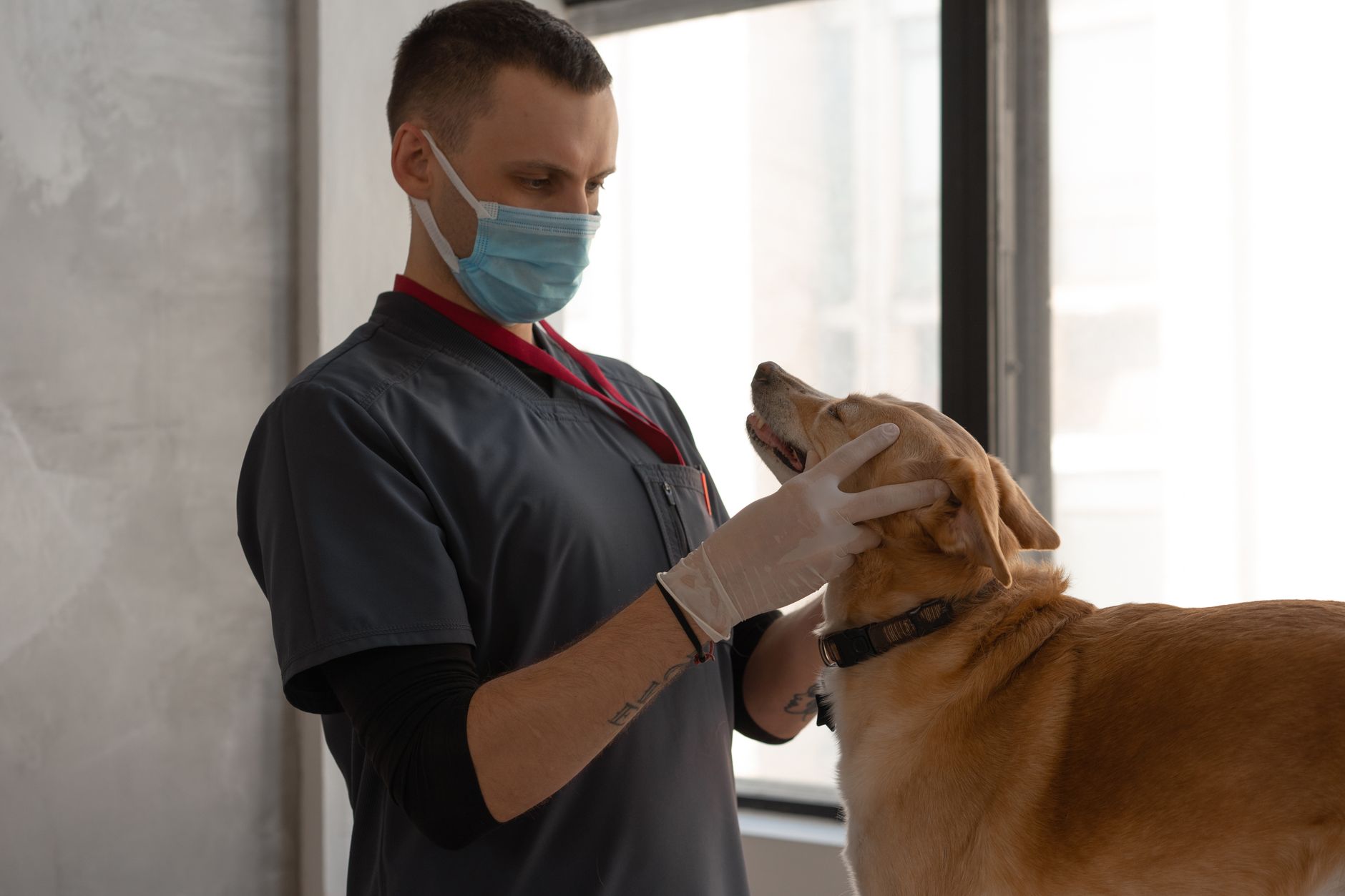
Limit exposure to tick medicine on pets during pregnancy, especially in the first trimester. Use gloves and avoid direct contact with treated animals.
By Shubhra Mishra — a mom of two who turned her own confusion during pregnancy into BumpBites, a global mission to make food choices clear, safe, and stress-free for every expecting mother. 💛
Check whether any food is safe during pregnancy with the BumpBites Food Safety Checker.
Quick verdict: ⚠️ Safe with limits. While using tick medicine on your pet can be managed safely during pregnancy, minimizing your direct exposure to chemical treatments is key. We recommend discussing your pet's tick prevention plan with your veterinarian and your obstetrician to choose the safest options and handling practices for you.
For many expecting parents, pets are cherished family members, and their well-being is just as important as your own. So when tick season rolls around, it's natural to wonder, "is tick medicine on pet safe during pregnancy?" The worry is real – you want to protect your furry friend from parasites, but not at the expense of your baby's health. You might be staring at a box of topical treatment or considering an oral medication for your dog or cat, feeling a knot of anxiety about potential chemical exposure.
The good news is that with careful planning and specific precautions, you can generally manage your pet's tick prevention safely throughout your pregnancy. The key lies in understanding which ingredients pose potential risks, how exposure occurs, and what steps you can take to minimize it. At BumpBites, we're here to help you navigate these decisions with confidence, providing evidence-based information to ease your mind.
This article will break down the safety of various pet tick treatments, offer trimester-specific guidance, and suggest safer alternatives to keep both your pet and your pregnancy healthy.
Always wear gloves and ensure good ventilation when applying topical pet tick treatments during pregnancy.
Safety Snapshot: Pet Tick Medicine During Pregnancy
Trimester/Stage
Verdict
Notes for Pregnant Person
First Trimester
⚠️ Exercise caution
Avoid direct application yourself. If unavoidable, use gloves, ensure excellent ventilation, and have someone else apply. Focus on non-chemical methods where possible.
Second Trimester
⚠️ Exercise caution
Minimize direct contact. Consider having another household member apply treatments. Continue using gloves and ventilation.
Third Trimester
⚠️ Exercise caution
Same precautions as second trimester. Continue to avoid direct application if possible. Wash hands thoroughly after petting treated animals.
Breastfeeding
⚠️ Exercise caution
Minimize exposure to ensure no residue transfers to your skin, which could then transfer to your baby. Avoid holding your baby immediately after handling treated pets.
What Are Pet Tick Medicines?
Pet
tick medicines are products designed to prevent and eliminate ticks (and often fleas) on dogs and cats. These treatments come in various forms, each with different active ingredients and mechanisms of action. Understanding these differences is crucial when considering if tick medicine on pet is safe during pregnancy.
Common types include:
Topical Spot-Ons: These are liquid solutions applied directly to a small area of the pet's skin, usually between the shoulder blades. The active ingredients spread over the pet's skin and coat, killing ticks through contact. Popular ingredients include fipronil, permethrin (for dogs only), imidacloprid, and selamectin.
Oral Medications: These are chewable tablets that the pet ingests. The active ingredients enter the pet's bloodstream and kill ticks when they bite the animal. Examples include afoxolaner, fluralaner, sarolaner, and lotilaner.
Collars: Flea and tick collars release active ingredients that either spread over the pet's skin and coat or are absorbed into the skin. These provide long-lasting protection. Seresto collars, for instance, contain flumethrin and imidacloprid.
Shampoos and Dips: These provide immediate, but often short-lived, killing power. They are less commonly used for ongoing prevention due to the need for frequent application.
Sprays: Similar to spot-ons but applied over a larger area of the pet's body.
The active ingredients in these products are essentially pesticides designed to target the nervous systems or other biological functions of parasites. While they are formulated to be safe for pets when used correctly, the concern for pregnant individuals centers on potential human exposure to these chemicals during application or through contact with a recently treated pet.
Is Tick Medicine on Pet Safe During Pregnancy?
The short answer is that using tick medicine on your pet *can* be managed safely during pregnancy, but it requires careful consideration and minimizing your direct exposure. No major health authority, such as the American College of Obstetricians and Gynecologists (ACOG) or the Centers for Disease Control and Prevention (CDC), issues blanket statements advising against all pet tick treatments during pregnancy. However, they consistently emphasize avoiding unnecessary chemical exposure.
The primary concern revolves around the potential for a pregnant person to absorb these chemicals through skin contact or inhalation. Many active ingredients in pet tick medicines are classified as pesticides. While the amounts in pet treatments are low, repeated or significant exposure could theoretically pose a risk, particularly during critical windows of fetal development. Some studies on high-level pesticide exposure in occupational settings have shown associations with adverse pregnancy outcomes, but these do not directly translate to the much lower, intermittent exposure from pet treatments.
The FDA (Food and Drug Administration) regulates oral pet medications, while the EPA (Environmental Protection Agency) regulates topical pet pesticides. Both agencies assess safety for pets and humans handling the products. Their guidelines for consumers often recommend precautions like washing hands after handling and avoiding contact with the treated area until dry. For pregnant individuals, these precautions become even more critical. If you're wondering, "is tick medicine on pet safe during pregnancy?", the most responsible approach is to minimize your interaction with these chemicals.
Safety by Trimester
The potential impact of chemical exposure can vary depending on the stage of pregnancy. Here’s a breakdown of considerations for each trimester and while breastfeeding.
Tick Medicine on Pet in the First Trimester
The first trimester is a period of rapid organ development (organogenesis) for your baby, making it the most sensitive time for potential harmful exposures. Because of this, we recommend exercising the highest level of caution during these initial weeks. Ideally, you should avoid directly applying any topical tick treatments to your pet yourself. If your pet needs treatment during this time, have another adult in the household apply it. If you must apply it, ensure you wear gloves, work in a very well-ventilated area (preferably outdoors), and wash your hands thoroughly afterward. Consider non-chemical alternatives or postponing treatments if the risk of tick-borne illness is low in your area, after consulting with your veterinarian.
Tick Medicine on Pet in the Second Trimester
While the critical period of organogenesis has passed, the second trimester still calls for careful handling of pet tick medicines. Your baby continues to grow and develop, and minimizing chemical exposure remains a priority. You should continue to avoid direct application if possible, or use the same stringent precautions as in the first trimester: gloves, excellent ventilation, and thorough hand washing. Pay attention to labels that recommend keeping children and pregnant women away from treated pets for a certain period until the product is dry.
Tick Medicine on Pet in the Third Trimester
In the third trimester, your baby is continuing to mature, and your body is preparing for labor and delivery. The general recommendations for minimizing exposure to pet tick medicine remain consistent with the second trimester. Focus on preventing skin contact with the treated area of your pet, especially if the product is still wet or has recently been applied. Continue to delegate application to another household member if possible, or use full protective measures yourself. Regularly washing pet bedding can also help reduce residual chemical exposure in your home.
Tick Medicine on Pet While Breastfeeding
When you're breastfeeding, the concern shifts slightly to potential transfer of chemicals to your baby. While the likelihood of significant amounts of pet tick medicine passing into breast milk from casual contact is generally considered low, it's still wise to be cautious. The main risk is skin-to-skin transfer. Ensure that your hands are thoroughly washed before handling your baby, especially after petting your treated pet. Avoid letting your baby come into direct contact with the recently treated area of your pet. Continuing to use gloves and good ventilation during application, and having another person apply the treatment, are still the safest practices to prevent any accidental exposure that could transfer to your baby.
How Much Exposure to Pet Tick Medicine is Dangerous During Pregnancy?
Defining a "dangerous" amount of exposure to pet tick medicine during pregnancy is complex because there isn't a universally agreed-upon threshold for every ingredient. Most research on pesticide exposure and pregnancy outcomes focuses on occupational settings with high, prolonged exposure, which is very different from the intermittent, low-level contact you might have with a treated pet.
However, the guiding principle from health authorities like the CDC and ACOG is to *minimize* exposure to all non-essential chemicals during pregnancy. For pet tick medicines, this means:
Skin Contact: The primary route of exposure. Even small amounts absorbed through the skin can enter your bloodstream. Always wear gloves when applying topical treatments. Avoid petting your pet immediately after application, especially in the treated area, until the product is completely dry.
Inhalation: Sprays and even some topical treatments can release fumes. Applying products in a well-ventilated area (preferably outdoors) helps reduce inhalation risk.
Ingestion: Unlikely for adults, but always wash hands thoroughly after application to prevent accidental transfer to food or mouth.
There are no specific "safe limits" for pregnant individuals published for most pet tick medicine ingredients. Instead, focus on practices that reduce exposure to as close to zero as possible. This includes delegating application, wearing protective gear, ensuring ventilation, and maintaining good hygiene. If you have concerns about a specific incident, such as accidentally getting a product on your skin, contact your obstetrician or a poison control center for personalized advice.
Is Frontline or Advantage Tick Medicine Safe to Use on Pets While Pregnant?
Frontline (active ingredient fipronil, often with s-methoprene) and Advantage (active ingredient imidacloprid, often with pyriproxyfen) are two very common brands of topical flea and tick treatments. When considering if these are safe to use on pets while pregnant, the advice remains consistent with minimizing direct exposure.
* **Fipronil (Frontline):** The EPA has classified fipronil as a Group C possible human carcinogen based on animal studies. While the levels of exposure from pet application are far lower than those studied, prudence is advised during pregnancy.
* **Imidacloprid (Advantage):** This is a neonicotinoid insecticide. Animal studies have shown potential developmental effects at high doses, but human data at typical exposure levels from pet treatments is limited.
For both Frontline and Advantage, the consensus from veterinarians and obstetricians is that if these products are used on your pet, the pregnant person should *not* be the one to apply them. If you must apply them, wear disposable gloves, apply in a well-ventilated area, and wash your hands thoroughly. Keep treated pets away from common sleeping or lounging areas until the product is completely dry, and wash pet bedding regularly.
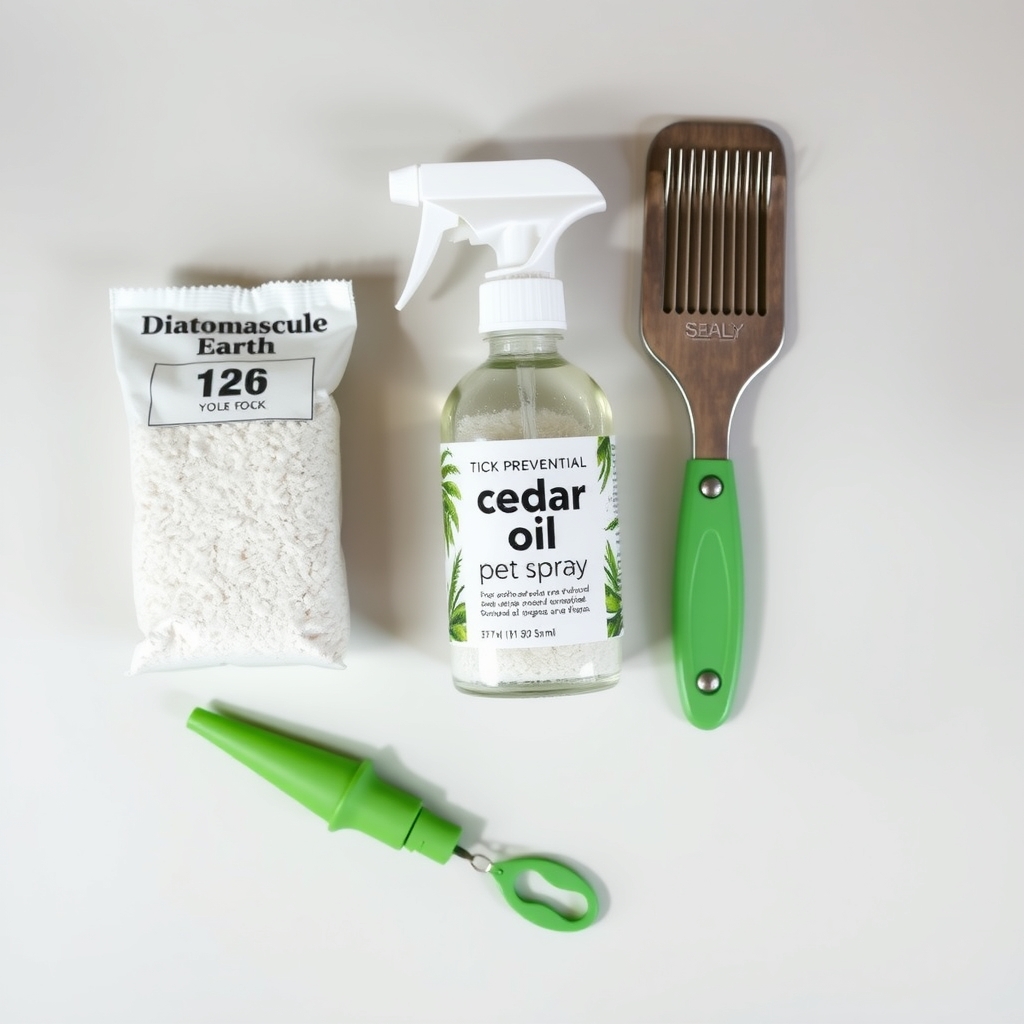
Explore natural and mechanical methods for pet tick prevention to minimize chemical exposure during pregnancy.
Side Effects and Risks
The primary risk associated with pet tick medicines during pregnancy is the potential exposure of the pregnant individual to the active chemical ingredients. While these products are designed to be safe for pets, the chemicals are still pesticides, and human exposure, especially during pregnancy, warrants caution.
Potential risks and side effects for the pregnant person from exposure (e.g., skin contact, inhalation) can include:
Skin Irritation: Direct contact with some ingredients can cause localized skin irritation, redness, or itching.
Respiratory Issues: Inhaling fumes from sprays or topical applications, especially in poorly ventilated areas, can irritate the respiratory tract. This is particularly concerning for pregnant individuals with asthma or other respiratory sensitivities.
Nausea or Dizziness: Some people report mild systemic symptoms like nausea or dizziness after significant inhalation exposure, although this is rare with typical pet product use.
For the developing baby, the theoretical concern is that if a pregnant person absorbs enough of these chemicals, they could potentially cross the placenta. While the risk of this happening from routine pet treatment is generally considered low, high-level exposure to certain pesticides in occupational settings has been linked to:
Developmental Issues: Some pesticides have been associated with potential neurodevelopmental effects or birth defects in animal studies at high doses.
Preterm Birth or Low Birth Weight: Again, largely from high occupational exposure, some studies suggest links to adverse birth outcomes.
It's important to differentiate between high-level, chronic occupational exposure and incidental, low-level exposure from pet products. The latter is generally considered to carry a much lower risk. However, because pregnancy is a sensitive period, and because precise "safe" levels for every chemical during gestation are often unknown, the recommendation is always to err on the side of caution and minimize all avoidable chemical exposures. If you have concerns about exposure, discuss them with your obstetrician.
Can Seresto collars for pets cause birth defects if I'm pregnant?
Seresto collars contain two active ingredients: flumethrin and imidacloprid. These ingredients are released slowly to spread over the pet's skin and coat, killing fleas and ticks. The concern for pregnant individuals is primarily through direct skin contact with the collar or petting a pet that has recently been wearing the collar, leading to transfer of the chemicals.
The EPA has reviewed the safety data for Seresto collars. While the ingredients are pesticides, the rate of release and the potential for human exposure from a properly fitted collar are considered low. Studies on these specific ingredients, particularly imidacloprid, have shown potential developmental effects in animals at *very high doses* far exceeding typical environmental or pet-related exposure. There is no direct evidence linking Seresto collar use on pets to birth defects in human pregnancies under normal conditions of use.
However, as with any chemical pesticide, minimizing exposure is prudent during pregnancy. This means:
Avoiding prolonged direct skin contact with the collar.
Washing your hands thoroughly after handling the collar or petting your pet, especially if you've been adjusting the collar.
Ensuring the collar is properly fitted to prevent your pet from chewing on it, which could increase residue.
If you are concerned about using a Seresto collar while pregnant, discussing alternatives with your veterinarian is a good step.
What are the risks of inhaling or touching pet tick medicine during pregnancy?
The risks of inhaling or touching pet tick medicine during pregnancy primarily stem from the chemical nature of the active ingredients, which are pesticides.
* Touching (Dermal Exposure): When you touch a wet topical spot-on, a recently treated pet, or even a pet's collar, the active ingredients can be absorbed through your skin. This is the most common route of accidental exposure. Depending on the chemical, this can lead to localized skin irritation (redness, itching) or, if enough is absorbed, systemic effects. For the developing fetus, any chemical absorbed into your bloodstream could theoretically cross the placenta.
* Inhaling (Inhalation Exposure): This risk is higher with sprays or during the application of topical treatments in poorly ventilated areas. Inhaling pesticide fumes can irritate your respiratory system, potentially causing coughing, wheezing, or shortness of breath. For pregnant individuals with pre-existing respiratory conditions like asthma, this can be particularly problematic. While less likely to cause direct fetal harm than dermal absorption, consistent inhalation of chemicals is best avoided.
To mitigate these risks, always follow product instructions carefully. Wear gloves, apply products in a well-ventilated area (or outdoors), and wash your hands thoroughly with soap and water after any contact. If you accidentally get a product on your skin, wash the area immediately and thoroughly. If you experience any symptoms after exposure, contact your healthcare provider or poison control.
Are there pet tick treatments I should avoid if I have asthma or allergies while pregnant?
Yes, if you have asthma or allergies, you should be particularly cautious with certain pet tick treatments during pregnancy. Inhalation of fumes or fine particles from sprays and even some topical spot-ons can trigger respiratory symptoms or allergic reactions.
* **Sprays:** These pose the highest risk for inhalation exposure due to airborne particles. If you have asthma, definitely avoid applying these yourself. Even being in the same room where a pet is being sprayed could be problematic.
* **Topical Spot-Ons:** While liquid, some formulations can have strong odors or release volatile organic compounds (VOCs) that might irritate sensitive airways. Always ensure excellent ventilation.
* **Powders/Dips:** Less common for ongoing prevention, but powders can become airborne and dips can have strong chemical odors.
If you have asthma or allergies, discuss your pet's tick prevention with your veterinarian and your obstetrician. They might recommend:
Choosing oral medications for your pet, as these reduce the risk of environmental chemical release.
Having another household member apply topical treatments in a well-ventilated area, away from you.
Opting for non-chemical methods like regular flea combing or tick removal tools.
Considering pregnancy-safe allergy medicine if your symptoms are triggered by general environmental allergens, but this is separate from avoiding chemical triggers.
Always prioritize your respiratory health and avoid any product that causes you discomfort.
Safer Alternatives to Chemical Tick Treatments for Pets
If you're concerned about using chemical tick medicine on pet during pregnancy, or simply want to reduce your household's chemical footprint, several safer alternatives can help manage ticks and fleas. These options focus on physical removal, environmental control, and natural deterrents.
Diatomaceous Earth (Food-Grade) for Pets: This natural powder is made from fossilized algae. It works by physically scratching the exoskeletons of ticks and fleas, causing them to dehydrate and die. It can be lightly dusted on pets (avoiding eyes and nose), bedding, and carpets. Ensure it's food-grade, as industrial-grade DE can be harmful.
Essential Oil-Based Pet Sprays (e.g., Cedar Oil, Lemongrass Oil): Certain essential oils, like cedarwood, lemongrass, and peppermint, are known for their insect-repelling properties. Look for commercially prepared pet-safe sprays that use diluted essential oils. Always test a small area on your pet first for sensitivity and avoid direct application to yourself. Do not use undiluted essential oils directly on your pet.
Pet-Safe Flea Combs: Regular combing with a fine-toothed flea comb is a highly effective, chemical-free way to physically remove fleas and some ticks from your pet's coat. It's especially useful for cats and small dogs.
Washing Pet Bedding in Hot Water Weekly: This simple practice kills fleas, ticks, and their eggs and larvae, significantly reducing the pest population in your home environment.
Vacuuming Frequently to Remove Ticks and Fleas: Regular and thorough vacuuming of carpets, rugs, upholstery, and cracks in floors can remove fleas, ticks, and their eggs. Dispose of the vacuum bag immediately afterward.
Natural Flea and Tick Shampoos (e.g., Earthbath, Vet's Best): These shampoos often use botanical ingredients like peppermint, clove, or citronella oils to kill and repel pests. They offer immediate relief but typically don't provide long-lasting protection.
Tick Removal Tools (e.g., TickEase): For ticks that have already attached, specialized tick removal tools are designed to safely grasp the tick close to the skin and remove it entirely without squeezing the body, which can reduce the risk of disease transmission.
Pet-Safe Flea and Tick Wipes (e.g., Vet's Best Wipes): These wipes are often infused with natural repellents and can be used for quick clean-ups or as a mild deterrent, particularly before walks in grassy areas.
Combining several of these methods often provides the most comprehensive, chemical-free protection for your pet and your home.
Related Items: Pet Tick Treatment Safety at a Glance
When considering if tick medicine on pet is safe during pregnancy, it's helpful to compare common treatments. This table focuses on the *pregnant person's* exposure risk when handling or being around these products.
Pet Tick Treatment
Verdict for Pregnant Handler
One-Line Note
Frontline Plus for dogs
⚠️ Exercise caution
Topical; minimize direct skin contact and inhalation during application.
Advantage II for cats
⚠️ Exercise caution
Topical; use gloves, ventilate well, avoid contact until dry.
Seresto flea and tick collar
⚠️ Exercise caution
Low continuous release; wash hands after handling collar or treated pet.
NexGard chewables for dogs
✅ Generally safe
Oral medication, minimal human exposure risk during administration.
Bravecto for dogs and cats
✅ Generally safe
Oral medication, minimal human exposure risk during administration.
Oral medication for rapid flea kill, minimal human exposure risk.
Vectra 3D for dogs
⚠️ Exercise caution
Topical; contains permethrin, dinotefuran, and pyriproxyfen; strict handling needed.
K9 Advantix II for dogs
⚠️ Exercise caution
Topical; contains permethrin and imidacloprid; avoid contact until dry.
PetArmor Plus for dogs
⚠️ Exercise caution
Topical (fipronil/s-methoprene); similar precautions to Frontline.
Myth vs. Fact
Navigating information about pet care during pregnancy can be confusing. Let's clear up some common misconceptions about pet tick medicine and pregnancy.
Myth: "Natural" tick treatments are always 100% safe during pregnancy and have no risks.
Fact: While many natural alternatives carry a lower risk than chemical pesticides, "natural" doesn't automatically mean "risk-free." Some essential oils, for example, can be toxic to pets if not properly diluted, and some people may have allergic reactions. Always research ingredients, use products specifically formulated for pets, and discuss with your vet. For instance, some essential oils are not safe for cats at all. Even diatomaceous earth, while generally safe, should be food-grade and applied carefully to avoid inhalation by you or your pet.
Myth: As long as I don't touch the pet medicine directly, I'm completely safe.
Fact: While direct skin contact is the primary route of exposure, inhalation of fumes from sprays or topical treatments applied in poorly ventilated areas can also occur. Residues can also linger on pet fur, bedding, and carpets, leading to indirect exposure. This is why thorough ventilation, washing hands after petting, and regular cleaning of pet areas are important alongside avoiding direct application.
Myth: Oral tick medications for pets are safer because there's no external residue.
Fact: Oral medications generally pose a much lower risk of direct human exposure to the active ingredient compared to topical treatments, as the chemical is contained within the pet's bloodstream. However, they are not entirely without considerations. Some active ingredients are detectable in the pet's blood and can be transferred to biting ticks. The concern for pregnant individuals is minimal during administration, but it's always good practice to wash hands after giving any medication to your pet. This makes them a preferable option for many pregnant pet owners concerned about external chemical exposure.
Key Takeaways
Minimizing your direct exposure to pet tick medicines is the safest approach during pregnancy.
If using topical treatments, delegate application to another household member, or wear gloves and ensure excellent ventilation.
Oral tick medications for pets generally pose a lower risk of human exposure compared to topical treatments.
The first trimester is the most sensitive period for fetal development, so exercise extra caution then.
Consider chemical-free alternatives like flea combs, frequent vacuuming, and washing pet bedding.
Always wash your hands thoroughly after petting your treated pet, especially before eating or touching your face.
When in doubt, consult your veterinarian about pet treatment options and your obstetrician about personal safety during pregnancy.
Frequently Asked Questions
Can I get sick from touching my dog after applying flea medicine while pregnant?
It's unlikely you'll get *sick* in a severe way from casually touching your dog after applying flea medicine, especially once it's dry. However, if the medicine is still wet, you could absorb some of the chemicals through your skin, potentially causing mild skin irritation or, rarely, other symptoms. Always wash your hands thoroughly with soap and water after petting your dog, especially after a recent treatment, to minimize any potential exposure.
What happens if I accidentally inhale flea spray while pregnant?
Accidentally inhaling a small amount of flea spray, particularly if you quickly moved to fresh air, is unlikely to cause serious harm to you or your baby. You might experience temporary irritation of your nose, throat, or lungs, especially if you have asthma or allergies. If you experience persistent coughing, wheezing, shortness of breath, or feel unwell, move to a well-ventilated area and contact your healthcare provider.
Is it safe to be around pets treated with flea and tick medicine during pregnancy?
Yes, it is generally safe to be around pets treated with flea and tick medicine during pregnancy, provided you take sensible precautions. The main goal is to minimize your direct contact with the treated area, especially when the product is wet. Once topical treatments are dry, the risk of significant transfer to you is low. Always wash your hands after petting your pet and avoid letting them sleep in your bed immediately after treatment.
Can flea and tick medicine on pets cause miscarriage?
There is no scientific evidence to suggest that typical, low-level exposure to flea and tick medicine on pets under normal household conditions causes miscarriage in humans. Concerns about miscarriage from pesticide exposure are primarily linked to high-level, chronic occupational exposure, which is vastly different from casual contact with a treated pet. Always consult your obstetrician if you have any specific concerns about your pregnancy.
How long should I wait to touch my pet after applying flea treatment while pregnant?
After applying a topical flea or tick treatment, you should ideally wait until the product is completely dry before touching your pet, especially the treated area. This usually takes 12-24 hours, but always check the specific product's instructions for drying time. If you must touch your pet before it's dry, wear gloves.
Are there any flea and tick treatments that are 100% safe during pregnancy?
No chemical flea and tick treatment can be declared 100% safe for a pregnant person, as the recommendation is always to minimize *any* unnecessary chemical exposure during pregnancy. However, oral medications for pets (like NexGard or Bravecto) generally carry the lowest risk of human exposure during administration. Non-chemical methods like regular flea combing, tick removal tools, and environmental control (washing bedding, vacuuming) are also considered very safe.
Can flea medicine on pets affect my unborn baby?
The risk of flea medicine on pets affecting your unborn baby from typical household exposure is generally considered very low. The main concern is if the pregnant person experiences significant, repeated exposure to the chemicals, which could theoretically lead to absorption into your bloodstream and potential transfer to the baby. This is why minimizing direct contact and following safety precautions are crucial during pregnancy.
What should I do if I get flea medicine on my skin while pregnant?
If you accidentally get flea medicine on your skin while pregnant, immediately wash the affected area thoroughly with soap and water for several minutes. Remove any contaminated clothing. If skin irritation occurs or you have any concerns about the exposure, contact your obstetrician or a poison control center for guidance.
When to Call Your Doctor
While incidental exposure to pet tick medicine is usually not a cause for alarm, it's important to know when to seek medical advice. Call your obstetrician or healthcare provider if you:
Experience significant or prolonged skin irritation, rash, or allergic reaction after exposure.
Develop respiratory symptoms like persistent coughing, wheezing, or difficulty breathing after inhaling fumes from a pet tick product.
Feel unwell with symptoms like nausea, dizziness, headache, or unusual fatigue after exposure.
Have concerns about a specific, high-level exposure incident (e.g., spilling a large amount of product on your skin).
Are experiencing general anxiety about your exposure and need reassurance or personalized advice.
Remember, this information is for educational purposes and is not a substitute for professional medical advice. Always consult your healthcare provider or veterinarian for personalized guidance regarding your pregnancy and pet care.
Not sure about the label on Is Tick Medicine On Pet Safe During Pregnancy products?
Snap the ingredients list and SafeFilter checks every ingredient for your stage — only 3 free scans this month, then you're locked until reset. Unlimited from $7/mo or $50/yr.
When Shubhra Mishra was expecting her first child in 2016, she was overwhelmed by conflicting food advice — one site said yes, another said never. By the time her second baby arrived in 2019, she realized millions of mothers face the same confusion.
That sparked a five-year journey through clinical nutrition papers, cultural diets, and expert conversations — all leading to BumpBites: a calm, compassionate space where science meets everyday motherhood.
Her long-term vision is to build a global community ensuring safe, supported, and free deliveriesfor every mother — because no woman should face pregnancy alone or uninformed. 🌿
🌍 Stand with mothers, shape safer guidance
Join a small circle of experts who review BumpBites articles so expecting parents everywhere can decide with confidence.