Limit: Thai green curry is generally safe during pregnancy when limited to 2 servings per week in the second trimester, but watch for high spice levels and raw ingredients.
By Shubhra Mishra — a mom of two who turned her own confusion during pregnancy into BumpBites, a global mission to make food choices clear, safe, and stress-free for every expecting mother. 💛
Check whether any food is safe during pregnancy with the BumpBites Food Safety Checker.
Quick verdict: ⚠️ Safe with limits – you can enjoy Thai green curry during pregnancy, but keep portions moderate, watch for certain ingredients, and consider milder alternatives if you have specific health concerns.
It’s 2 a.m., the kitchen light flickers on, and you’re staring at a steaming bowl of Thai green curry wondering, “is Thai green curry safe during pregnancy?” You’ve probably heard mixed messages about the heat, the herbs, and the coconut milk, and you might already have taken a bite before you realized you were pregnant. First, take a breath. Most of the ingredients in a classic Thai green curry are nutritious and can be part of a balanced pregnancy diet, as long as you pay attention to a few key details.
In this article we’ll answer that core question head‑on, break down safety by each trimester, explain how much you can safely enjoy, flag any ingredients that could be problematic, and suggest milder or nutritionally comparable alternatives. We’ll also compare Thai green curry to other popular world dishes so you can see the broader picture of spice safety during pregnancy.
Stage
Verdict
Notes
First trimester
⚠️ Safe with limits
Watch for raw herbs, unpasteurized coconut milk, and high‑sodium sauces; keep servings to ½ cup.
Second trimester
✅ Generally safe
Cooked ingredients are fine; moderate spice level is okay.
Third trimester
✅ Generally safe
Ensure adequate protein and calcium; avoid excess sodium.
Breastfeeding
✅ Generally safe
Same precautions as pregnancy; watch baby’s reaction to very spicy foods.
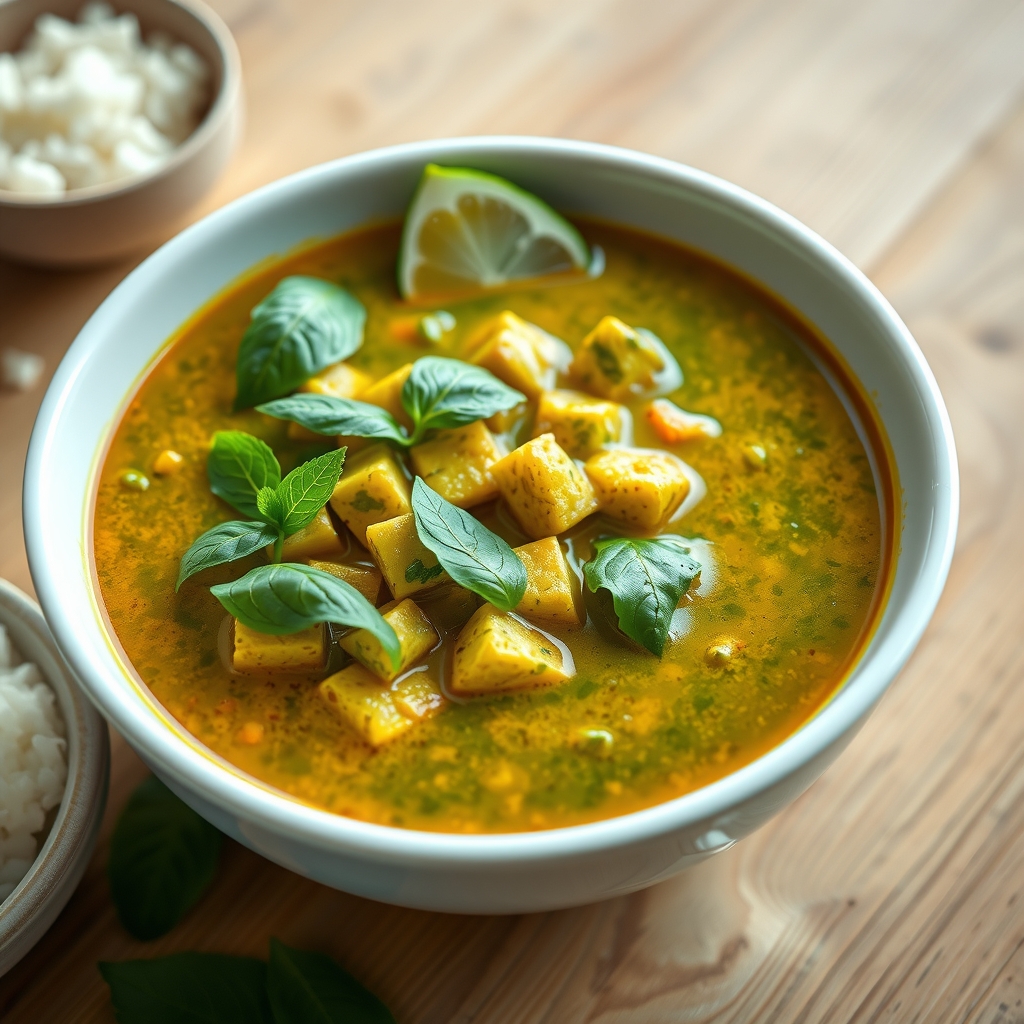
Thai green curry (kaeng khiao wan) is a staple of Thai cuisine, known for its fragrant blend of green chilies, fresh herbs, coconut milk, and often chicken, shrimp, or tofu. The “green” comes from the chilies and herbs that are ground into a paste, which then forms the base of the sauce. Coconut milk gives the dish its creamy texture, while lime leaves, basil, and cilantro add bright, aromatic notes. Traditionally, the curry is simmered until the protein is cooked through and the flavors meld.
Because the curry relies on fresh herbs and sometimes raw ingredients, it can raise questions for expecting parents. The good news is that the core components—coconut milk, lean protein, vegetables, and the spices themselves—are generally nutritious. Coconut milk supplies medium‑chain triglycerides that are a quick energy source, while the herbs provide antioxidants like vitamin C and polyphenols. However, the heat level, sodium content, and potential for unpasteurized dairy or seafood are the parts that need a closer look.
Current guidance from major health organizations such as the American College of Obstetricians and Gynecologists (ACOG) and the UK’s National Health Service (NHS) suggests that most spices, including chili, are safe in typical culinary amounts. The FDA does not list any of the standard Thai green curry ingredients as teratogens. The CDC also notes that foodborne pathogens are the primary concern with raw or undercooked seafood, not the spices themselves. Therefore, the consensus is that Thai green curry is safe for most pregnant people when prepared properly and eaten in reasonable portions.
That said, the risk profile changes across the pregnancy timeline. The first trimester is the most sensitive period because organ formation (organogenesis) is underway, and any exposure to high levels of certain compounds—like excessive capsaicin (the active component in chilies) or unpasteurized dairy—could theoretically affect fetal development. In the second and third trimesters, the fetus is better able to tolerate normal dietary variations, and the primary concern shifts to maternal nutrition and avoiding excessive sodium or saturated fat.
Is Thai green curry safe during first trimester?
During the first trimester, the key is moderation. The capsaicin in green chilies can increase heartburn, a common symptom in early pregnancy, but it does not cause birth defects at culinary levels. However, raw herbs such as fresh basil or cilantro should be washed thoroughly to remove any potential bacteria. If your curry uses unpasteurized coconut milk, it’s best to avoid it until after the first trimester, as raw dairy can harbor Listeria, a serious infection for pregnant people.
ACOG recommends limiting sodium intake to under 2,300 mg per day; a typical serving of Thai green curry can contain 600–900 mg of sodium, so a half‑cup serving fits comfortably within that limit. If you’re prone to nausea, the heat may aggravate it, so consider reducing the chili portion or diluting the sauce with extra coconut milk.
Can I eat Thai green curry while pregnant?
Yes, you can enjoy Thai green curry throughout pregnancy, provided you follow a few safety steps: use fully cooked proteins, choose paste that does not contain raw fish sauce or unpasteurized dairy, and keep the portion size modest. The dish’s rich blend of herbs—such as kaffir lime leaves and Thai basil—offers antioxidants that may support fetal development, and the coconut milk provides healthy fats beneficial for brain growth.
Most health authorities, including the NHS, state that the spices in Thai green curry are not teratogenic. The main caution is ensuring that any seafood (shrimp, fish) is cooked to an internal temperature of 165 °F (74 °C) to eliminate the risk of foodborne illness.
Thai green curry pregnancy second trimester
The second trimester is often called the “golden period” for eating a wider variety of foods because morning sickness usually eases and the fetus can tolerate more nutrients. Thai green curry can be a valuable source of protein, iron (especially if made with lean beef or tofu), and vitamin A from green chilies and leafy herbs. Just watch the sodium: a full cup may approach the daily limit, so pair the curry with a low‑sodium side like steamed broccoli or a mixed‑leaf salad.
If you have gestational diabetes, the carbohydrate content of the coconut milk and any added sugar should be considered. A standard recipe can contain 12–15 g of carbs per half‑cup serving, which can fit into a balanced diabetic meal plan when paired with fiber‑rich veggies.
How much Thai green curry can I eat while pregnant?
For most pregnant people, a safe portion is about ½ cup (≈120 ml) of curry, which supplies roughly 150–200 kcal, 8–10 g of protein, and a modest amount of healthy fats. This amount stays well below the daily sodium recommendation and provides a balanced nutrient profile. If you’re craving more, you can increase the serving size but should offset the extra sodium and calories by reducing other salty or high‑fat foods in the same day.
Remember that “how much” also depends on the specific recipe. Some restaurant versions add extra oil, sugar, or fish sauce, which can raise both calorie and sodium counts. When dining out, ask for the sauce on the side and request a lighter version if you’re watching your intake.
Are Thai green curry pastes safe during pregnancy?
Commercial Thai green curry pastes are generally safe, but you should read the label. Look for pastes that list only herbs, chilies, garlic, lemongrass, and spices—without added raw egg, unpasteurized dairy, or high‑sodium soy sauce. The FDA does not regulate spice blends as drugs, so the safety rests on the ingredients list. If a paste contains shrimp paste or fish sauce, confirm that those components are cooked into the curry; the cooking process neutralizes most food‑borne risks.
Homemade pastes give you full control over the ingredients, allowing you to omit any potentially problematic items (like raw fish sauce) and adjust the heat level to your comfort.
What are the risks of eating Thai green curry while pregnant?
Excess sodium: High‑sodium sauces can increase blood pressure and fluid retention.
Capsaicin‑induced heartburn: Spicy foods may worsen reflux, especially in the first trimester.
Foodborne illness: Undercooked seafood or unpasteurized coconut milk can harbor Listeria or other pathogens.
Allergic reactions: Some people are sensitive to shrimp, peanuts, or certain herbs used in the paste.
Overall, the risks are modest when the dish is prepared with cooked ingredients and consumed in moderation. The biggest red flag is any sign of food poisoning—such as fever, vomiting, or diarrhea—after eating the curry, which should prompt an immediate call to your provider.
Thai green curry and gestational diabetes
Gestational diabetes management focuses on carbohydrate counting and balanced meals. Thai green curry can be incorporated into a diabetic-friendly diet if you control the portion size and pair it with low‑glycemic vegetables like bell peppers, zucchini, or leafy greens. Coconut milk does contain natural sugars, but the overall carb load per half‑cup serving is typically under 15 g, making it a reasonable option when combined with fiber‑rich sides.
Ask your dietitian to help you calculate the exact carbohydrate contribution of your specific recipe, especially if you use store‑bought paste that may contain added sugar.
Is Thai green curry safe for pregnant women with high blood pressure?
For those monitoring blood pressure, the primary concern is sodium. A typical Thai green curry can contain 600–900 mg of sodium per half‑cup serving, which is roughly 25–35 % of the recommended daily limit. If you have hypertension, aim for a smaller portion (¼ cup) and balance the rest of your day with low‑sodium foods—steamed vegetables, unsalted nuts, and fresh fruit.
Choosing a low‑sodium curry paste or making your own without added salt can further reduce the risk. The herbs and spices themselves do not raise blood pressure; in fact, some studies suggest that capsaicin may have a modest blood‑pressure‑lowering effect, though more research is needed.
Alternative to Thai green curry during pregnancy
Red Curry – similar nutrients with a milder heat level.
Massaman Curry – richer in peanuts and potatoes, offering extra potassium.
Yellow Curry – often less spicy and includes turmeric, which has anti‑inflammatory properties.
Mild Salsa – fresh tomato‑based option that’s low in sodium.
Avocado Soup – creamy, nutrient‑dense, and completely non‑spicy.
Grilled Chicken – a plain protein source that pairs well with a side of steamed veggies.
Safe dosage / amount / brands
Because Thai green curry is a dish rather than a single supplement, “dosage” translates to portion size and ingredient selection. Below is a quick guide to keep your meals pregnancy‑friendly.
Component
Safe amount per day
Recommended brands / tips
Coconut milk (full‑fat)
≤ 1 cup (240 ml)
Thai Kitchen (canned, BPA‑free); choose “light” if watching saturated fat.
Green chili (fresh)
≤ 2 small chilies (≈ 5 g)
Remove seeds to reduce capsaicin; use milder varieties like “Thai Sweet” if needed.
Protein (chicken, shrimp, tofu)
3–4 oz (≈ 85–115 g) per serving
Fresh, fully cooked; avoid raw or undercooked seafood.
Salt / soy sauce
≤ ½ tsp (≈ 2.5 g) per serving
Low‑sodium soy sauce (e.g., Kikkoman Lite) or omit entirely.
When buying pre‑made curry paste, look for brands that label “no added preservatives” and “low sodium,” such as Mae Phrik or Aroy-D. Avoid pastes that list “fish sauce” as the first ingredient if you’re concerned about sodium spikes.
Side effects and risks
Most side effects are mild and related to the spice level:
Heartburn or indigestion: Capsaicin can relax the lower esophageal sphincter, increasing reflux. If this happens, reduce the chili amount or add a splash of plain yogurt to neutralize the heat.
Excessive thirst or swelling: High sodium can cause fluid retention; monitor your overall salt intake.
Allergic reaction: Shrimp or certain herbs can trigger allergies; stop eating the dish and seek medical advice if you develop hives, swelling, or breathing difficulty.
Food poisoning: Symptoms like fever, vomiting, or watery diarrhea after eating undercooked seafood or unpasteurized coconut milk warrant an immediate call to your provider.
These issues are generally manageable with proper ingredient choices and portion control. If you experience persistent or severe symptoms, contact your obstetrician promptly.
Safer alternatives
Red Curry – offers the same protein and vegetable benefits with a gentler heat.
Massaman Curry – includes potatoes and peanuts for extra potassium and healthy fats.
Mild Salsa – fresh tomatoes and cilantro provide vitamin C with virtually no sodium.
Avocado Soup – creamy texture without dairy, rich in folate and potassium.
Grilled Chicken – plain, lean protein that can be paired with a low‑sodium veggie stir‑fry.
Related items — safety at a glance
Item
Verdict
Note
Indian Curry
✅ Generally safe
Watch for high‑sodium garam masala blends.
Japanese Curry
✅ Generally safe
Often milder; check for added MSG.
Sushi
⚠️ Talk to your doctor
Raw fish poses Listeria risk; opt for cooked rolls.
Kimchi
✅ Generally safe
Fermented foods are fine in moderation.
Spicy Tacos
⚠️ Safe with limits
High sodium and chili heat may trigger heartburn.
Jamaican Jerk Chicken
⚠️ Safe with limits
Very spicy; ensure chicken is fully cooked.
Ethiopian Berbere
✅ Generally safe
Spice blend is fine; watch for added salt.
Korean Gochujang
⚠️ Safe with limits
Fermented chili paste is salty; limit portion.
Myth vs. fact
Myth: All spicy foods cause miscarriage.
Fact: Culinary spices, including chili, are not linked to miscarriage when consumed in normal food amounts. Excessive heat may cause discomfort, but it does not affect fetal development.
Myth: Coconut milk is unsafe because it’s “dairy.”
Fact: Coconut milk is a plant‑based product and does not contain lactose. It is safe unless unpasteurized and contaminated, which is rare for canned varieties.
Myth: Curry pastes contain hidden alcohol.
Fact: Most commercial Thai curry pastes do not contain alcohol; however, some recipes may add a splash of rum or wine for flavor. If alcohol is a concern, verify the ingredient list or make the paste at home.
Key takeaways
Thai green curry is generally safe during pregnancy when cooked fully and eaten in moderate portions (≈ ½ cup).
Watch for high sodium, unpasteurized coconut milk, and undercooked seafood.
First‑trimester caution: limit capsaicin and ensure herbs are washed; keep servings small.
For gestational diabetes or hypertension, adjust portion size and choose low‑sodium paste.
Safer alternatives like red curry, yellow curry, or mild salsa provide similar nutrition with less heat.
If you experience severe heartburn, food poisoning symptoms, or an allergic reaction, contact your provider right away.
Frequently asked questions
can pregnant women eat spicy food
Yes—most spicy foods, including Thai green curry, are safe in typical culinary amounts. The main concern is heartburn or discomfort, which can be managed by moderating the heat level.
what spices to avoid during pregnancy
Pregnant people generally do not need to avoid spices entirely; however, large amounts of sage, rosemary, or licorice root should be limited because they can affect blood pressure or hormone balance.
is curry safe during pregnancy
Overall, curry dishes are safe when prepared with cooked ingredients and moderate sodium. Thai green curry follows the same rule—just watch the chili heat and ensure any seafood is fully cooked.
can i eat thai food while pregnant
Yes—you can enjoy a wide range of Thai dishes, including green curry, pad Thai, and soups, as long as they are made with cooked proteins and without raw eggs or unpasteurized dairy.
how to make thai green curry less spicy
Reduce the number of green chilies, remove the seeds, or add extra coconut milk and a splash of lime juice. You can also blend in a mild tomato sauce to dilute the heat.
what are the benefits of eating curry during pregnancy
Curries often contain herbs rich in antioxidants, protein from meat or tofu, and healthy fats from coconut milk, all of which support fetal growth and maternal energy levels.
can i eat curry during breastfeeding
Yes—curry is safe while breastfeeding. Just monitor your baby for any signs of fussiness after very spicy meals, as capsaicin can sometimes affect breast‑milk flavor.
are curry leaves safe during pregnancy
Curry leaves are safe and provide iron and vitamin C. They’re commonly used in Indian cooking and can be added to soups or stir‑fries without concern.
When to call your doctor
If you experience any of the following after eating Thai green curry, reach out to your obstetrician or midwife promptly:
Fever, chills, or vomiting lasting more than 24 hours (possible foodborne illness).
Severe or persistent heartburn that interferes with sleep or nutrition.
Swelling, sudden weight gain, or a blood pressure reading above 140/90 mmHg.
Allergic symptoms such as hives, facial swelling, or difficulty breathing.
Any unusual abdominal pain that doesn’t resolve with rest.
These guidelines are informational only and do not replace personalized medical advice. Always discuss your diet and any concerns with your healthcare provider.
References
American College of Obstetricians and Gynecologists (ACOG). “Nutrition During Pregnancy.” ACOG Committee Opinion, 2022.
National Health Service (NHS). “Food safety for pregnant women.” Updated 2023.
U.S. Food and Drug Administration (FDA). “Spices and herbs safety.” Accessed 2024.
Centers for Disease Control and Prevention (CDC). “Listeria and pregnancy.” 2023.
World Health Organization (WHO). “Guidelines on food safety for pregnant women.” 2021.
Mayo Clinic. “Gestational diabetes diet.” 2023.
British Dietetic Association. “Sodium intake recommendations for pregnancy.” 2022.
Tip: Keep your portion to about half a cup to stay within recommended sodium limits.Choosing low‑sodium paste and fresh, washed herbs helps keep the dish pregnancy‑safe.Moderation is key—pair a small serving of curry with plenty of vegetables.
Not sure about the label on Is Thai Green Curry Safe During Pregnancy products?
Snap the ingredients list and SafeFilter checks every ingredient for your stage — only 3 free scans this month, then you're locked until reset. Unlimited from $7/mo or $50/yr.
When Shubhra Mishra was expecting her first child in 2016, she was overwhelmed by conflicting food advice — one site said yes, another said never. By the time her second baby arrived in 2019, she realized millions of mothers face the same confusion.
That sparked a five-year journey through clinical nutrition papers, cultural diets, and expert conversations — all leading to BumpBites: a calm, compassionate space where science meets everyday motherhood.
Her long-term vision is to build a global community ensuring safe, supported, and free deliveriesfor every mother — because no woman should face pregnancy alone or uninformed. 🌿
🌍 Stand with mothers, shape safer guidance
Join a small circle of experts who review BumpBites articles so expecting parents everywhere can decide with confidence.