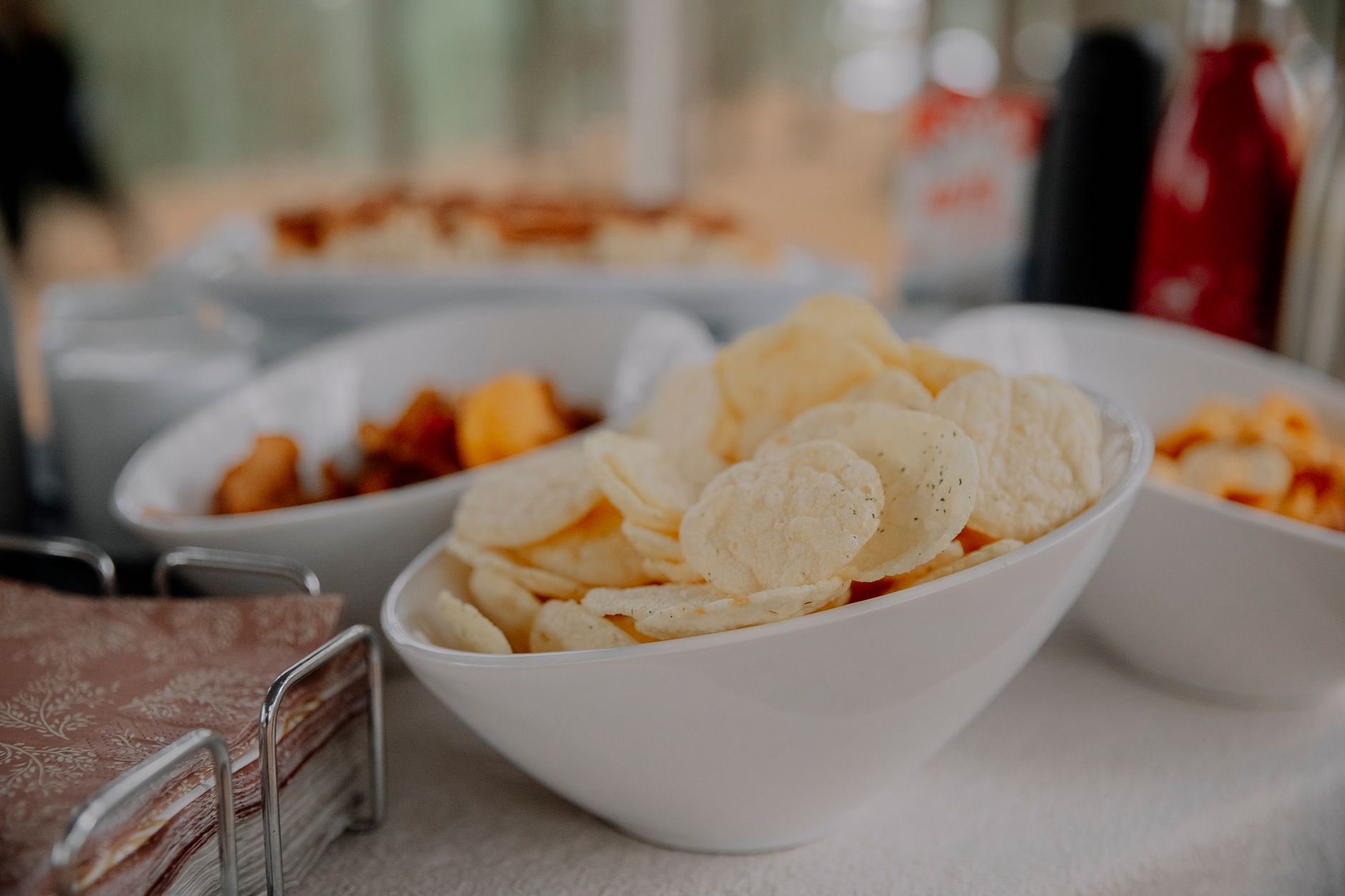
Limit Takis during pregnancy. Experts recommend avoiding excessive spice and sodium, especially in the first trimester, to prevent heartburn or digestive discomfort.
By Shubhra Mishra — a mom of two who turned her own confusion during pregnancy into BumpBites, a global mission to make food choices clear, safe, and stress-free for every expecting mother. 💛
Check whether any food is safe during pregnancy with the BumpBites Food Safety Checker.
Quick verdict: ⚠️ Safe with limits. Takis can be enjoyed in pregnancy if you keep portions small and watch sodium and spice intake, but they should not become a regular snack.
It’s 2 a.m., the kitchen light flickers on, and you’re reaching for that bag of bright‑red Takis you love. “Is Takis safe during pregnancy?” you wonder, heart racing because you’ve already nibbled a few. You’re not alone—many expecting parents have that midnight snack panic. The short answer is that Takis are not outright forbidden, but they’re best treated as an occasional treat rather than a staple.
In this article we’ll answer the question is Takis safe during pregnancy from every angle: the nutritional profile, trimester‑specific guidance, recommended serving size, potential risks for common pregnancy conditions, and safer snack alternatives. We’ll also compare Takis to other spicy chips so you can see the whole snack landscape at a glance.
By the end you’ll know exactly how many Takis you can enjoy, what signs to watch for, and when it’s time to call your provider. Let’s turn that late‑night worry into confident, informed snack choices.
Even if you’ve already taken a bite, remember that a single snack is unlikely to cause harm. The key is moderation, staying hydrated, and balancing your overall diet. If you’re ever unsure, a quick chat with your obstetrician can provide personalized reassurance.
Keep a glass of water nearby—spicy snacks can trigger heartburn.
Trimester
Verdict
Notes
1st
⚠️ Safe with limits
Limit to ≤1 ounce (≈15 chips); watch sodium (< 250 mg) and avoid excess spice if prone to nausea.
2nd
⚠️ Safe with limits
Same portion; can tolerate a bit more spice but keep sodium < 300 mg per serving.
3rd
⚠️ Safe with limits
Watch for heartburn and swelling; stay ≤1 ounce and stay hydrated.
Breastfeeding
⚠️ Safe with limits
Maternal diet affects milk taste; high sodium may reduce fluid intake.
Takis are a brand of rolled tortilla chips that are famously crunchy, intensely flavored, and coated with a bright red seasoning blend. The most popular variety, “Fuego,” combines chili pepper, lime, and a proprietary mix of spices that give the chips their signature heat. A typical 1‑ounce (28‑gram) bag contains about 150 calories, 10 grams of fat, 15 grams of carbohydrates (including 1 gram of sugar), 1 gram of protein, and a hefty 250 mg of sodium—roughly 11 % of the daily recommended limit for pregnant adults. The chips also contain food dyes (Red 40, Yellow 5) and flavor enhancers such as monosodium glutamate (MSG). While the ingredients are “generally recognized as safe” (GRAS) by the FDA, the combination of high sodium, spice, and artificial colors raises specific concerns for pregnant people.
Beyond the basic label, the ingredient list matters because sodium can influence blood pressure, while capsaicin (the spicy component) can aggravate gastro‑intestinal symptoms that are already common in pregnancy. The artificial dyes, though not proven teratogenic, are sometimes avoided by those who prefer a cleaner diet. Understanding how each component interacts with pregnancy physiology helps you make an informed decision rather than relying on vague “good or bad” labels.
When you ask is Takis safe during pregnancy, the answer hinges on moderation and individual health status. The American College of Obstetricians and Gynecologists (ACOG) advises pregnant people to limit high‑sodium foods because excess sodium can contribute to swelling, hypertension, and preeclampsia. The U.K.’s NHS similarly cautions that “very salty snacks should be eaten only occasionally.” The FDA does not list Takis as a contraindicated food, but it does warn that excessive intake of sodium‑rich snacks can affect blood pressure. Research on spicy foods during pregnancy is limited, yet several studies suggest that capsaicin—the compound that creates heat—does not cross the placenta in harmful amounts, though it can exacerbate heartburn and gastrointestinal discomfort, which are already common in pregnancy.
In short, most obstetric guidelines do not ban Takis outright, but they recommend treating them as an occasional indulgence rather than a daily snack. If you have gestational hypertension, diabetes, or a history of severe heartburn, you’ll want to be especially cautious. Below we break down the safety considerations by trimester and condition, and we’ll give you a concrete serving‑size recommendation.
Are Takis safe to eat during the first trimester?
The first trimester is the period of organogenesis, when the embryo’s major organs are forming. During this window, many clinicians advise pregnant people to be extra vigilant about nutrition and to avoid foods that could cause nausea or dehydration. Takis, with their high sodium (≈250 mg per 1‑ounce serving) and potent spice, can trigger nausea in some individuals. ACOG notes that “excessive sodium intake early in pregnancy may increase the risk of swelling and hypertension later on.” If you’re already dealing with morning sickness, the intense heat may worsen symptoms.
That said, a single small serving (≤1 ounce) is unlikely to pose a teratogenic risk. The key is to keep the portion modest, stay hydrated, and balance the snack with low‑sodium foods throughout the day. If you notice increased nausea, heartburn, or swelling after eating Takis, consider cutting back or swapping for a milder alternative.
Can I eat Takis in the second trimester without risk?
During the second trimester, many pregnant people experience a reduction in nausea, but blood volume and kidney workload increase, making sodium balance more important. The NHS recommends that “pregnant adults should aim for no more than 2,300 mg of sodium per day,” and a single serving of Takis contributes about 11 % of that limit. For most people, an occasional 1‑ounce serving is acceptable, especially if the rest of the day’s meals are low‑sodium.
However, if you have gestational hypertension or a history of preeclampsia, you should monitor your sodium intake closely. The ACOG guideline for hypertension in pregnancy advises limiting sodium to less than 1,500 mg per day, which would make even a single serving of Takis a significant portion of your allowance. In such cases, swapping to a lower‑sodium snack (e.g., plain popcorn) is a safer choice.
How many Takis can I safely consume while pregnant?
Based on the sodium and spice content, most experts agree that the safe amount is no more than one ounce (about 15 chips) per day, and even that should be an occasional treat rather than a daily habit. This portion delivers roughly 250 mg of sodium and 1 gram of added sugars—both modest in the context of a balanced diet. If you’re craving a spicy snack more often, consider alternating with lower‑sodium options like baked veggie chips or plain popcorn.
Frequency matters, too. Eating Takis once a week is generally fine for most pregnant people, but daily consumption can quickly push sodium intake above recommended limits, especially when combined with other salty foods (e.g., processed meats, canned soups).
What are the health risks of eating Takis during pregnancy?
High sodium: Excess sodium can increase blood pressure, contribute to swelling (edema), and raise the risk of preeclampsia, especially in the third trimester.
Spice‑induced heartburn: Capsaicin can relax the lower esophageal sphincter, worsening gastroesophageal reflux, which affects up to 70 % of pregnant people.
Artificial colors: Red 40 and Yellow 5 have been scrutinized for potential allergenic effects, though no definitive link to fetal harm exists. Some pregnant people prefer to avoid them as a precaution.
MSG sensitivity: While MSG is generally recognized as safe, a small subset of individuals report headaches or flushing after large amounts.
Caloric density: The chips are calorie‑dense; frequent consumption could contribute to excessive weight gain if not balanced with other nutrients.
Overall, the risks are modest when Takis are eaten in moderation, but they become more pronounced if you have underlying conditions such as hypertension, gestational diabetes, or severe heartburn.
Are there safer snack alternatives to Takis for pregnant women?
Baked veggie chips – lower sodium, same crunchy texture.
Plain popcorn – high fiber, minimal sodium when air‑popped.
Apple slices – natural sweetness, vitamins, and fiber.
Carrot sticks with hummus – provides beta‑carotene and protein.
Unsalted almonds – healthy fats and protein without added salt.
Greek yogurt with honey – calcium‑rich and soothing for heartburn.
Do different Takis flavors affect pregnancy safety differently?
Takis offers several flavor variants, including “Fuego,” “Nitro,” and “Blue Heat.” The primary differences lie in the spice blend and sometimes the sodium level. For example, Takis Nitro contains slightly more sodium (≈280 mg per ounce) and a higher concentration of chili extract, which may increase heartburn risk. “Blue Heat” uses a different artificial dye (Blue 1) but has comparable sodium. The safety considerations—sodium, spice, and artificial colors—remain consistent across flavors, so the same portion limits apply regardless of the variant.
Is it safe to eat Takis if I have gestational hypertension?
Gestational hypertension requires strict sodium control. ACOG recommends keeping daily sodium under 1,500 mg for women with this condition. Since a single serving of Takis provides about 250 mg, it can fit within the limit only if the rest of the day’s meals are very low in sodium. Most clinicians would advise limiting Takis to a rare treat, if at all, and opting for lower‑sodium snacks (e.g., unsalted almonds or baked veggie chips) to keep overall intake well below the threshold.
Can I eat Takis if I have morning sickness?
Morning sickness often worsens with spicy, salty, or greasy foods. The intense heat of Takis can trigger nausea or vomiting in many pregnant people. If you’re already experiencing frequent nausea, it’s wise to skip Takis until symptoms improve. If you do crave a spicy snack, try a milder option like a small piece of fresh jalapeño with a squeeze of lime, which can provide flavor without the heavy sodium load.
Swap high‑sodium chips for baked veggie chips for a lighter snack.
Nutrient profile and pregnancy needs
While Takis are not a nutrient powerhouse, they do provide small amounts of iron, magnesium, and B‑vitamins from the corn base. However, the primary nutritional contribution is carbohydrate energy, which can be useful for quick fuel during a mid‑day slump. Pregnant people should prioritize foods rich in folate, calcium, omega‑3 fatty acids, and iron—nutrients that support fetal development and maternal health. Because Takis lack these key micronutrients, they should be paired with a more nutrient‑dense food (e.g., a piece of fruit or a handful of nuts) to create a balanced snack.
Because the chips contain MSG and artificial dyes, some individuals experience mild sensitivities. If you notice any unusual skin flushing, headaches, or digestive upset after eating Takis, consider limiting your intake or choosing a dye‑free alternative. These reactions are not common, but being aware helps you respond quickly.
Takis and common pregnancy discomforts
Beyond heartburn, the high sodium content can exacerbate leg cramps, a frequent complaint in the second and third trimesters. Sodium influences fluid balance, and excess intake may lead to both swelling and electrolyte shifts that trigger muscle cramps. Staying well‑hydrated and balancing sodium with potassium‑rich foods—such as bananas, sweet potatoes, and leafy greens—can help mitigate these effects.
Some pregnant people also report increased thirst after salty snacks, which can lead to over‑drinking and more frequent nighttime bathroom trips. If you find yourself waking often after a Takis binge, consider swapping to a lower‑sodium snack and monitoring your fluid intake throughout the day.
How to enjoy Takis mindfully during pregnancy
Mindful snacking starts with portion control. Measure out a single‑ounce serving (about 15 chips) before you sit down, rather than eating straight from the bag. Pair the chips with a glass of water or a calcium‑rich beverage like low‑fat milk to help neutralize the spice and aid digestion. If you’re craving extra flavor, sprinkle a pinch of sea salt on a side of fresh cucumber slices—this adds crunch without the sodium spike.
Finally, listen to your body. If you feel a twinge of heartburn, nausea, or swelling after a few bites, stop and switch to a milder snack. Keeping a simple food diary can help you identify patterns and make adjustments before a symptom becomes uncomfortable.
Safe dosage / amount / brands
Takis are sold primarily in 1‑ounce (28 g) bags, though larger family‑size packs exist. For pregnancy safety, stick to the single‑serve bag and limit consumption to one bag per week. If you purchase a larger bag, pre‑portion the chips into 1‑ounce servings using a small resealable container to avoid accidental over‑eating.
Brand‑specific considerations:
Takis Fuego: 250 mg sodium per ounce, 15 g of fat, bright red coloring (Red 40).
Takis Nitro: Slightly higher sodium (≈280 mg) and extra chili extract; may increase heartburn.
Takis Blue Heat: Uses Blue 1 dye; sodium similar to Fuego.
Regardless of flavor, the key is to pair Takis with plenty of water (at least 8 oz per serving) and a balanced diet rich in fruits, vegetables, and lean proteins. If you’re managing gestational diabetes, count the 15 g of carbs toward your daily allowance and choose lower‑glycemic snacks most days.
Side effects and risks
Most side effects from Takis are mild and relate to their high sodium and spice content:
Heartburn or acid reflux: Capsaicin relaxes the esophageal sphincter; severe or persistent symptoms warrant a call to your provider.
Swelling (edema): Excess sodium can cause fluid retention, especially in the third trimester. If swelling worsens after salty snacks, reduce intake.
Headaches or flushing: May be linked to MSG or artificial dyes in sensitive individuals.
Elevated blood pressure: Monitor if you have gestational hypertension; any spike after salty foods should be discussed with your doctor.
Managing heartburn is often as simple as staying upright after eating, sipping water, and using a prenatal‑safe antacid if needed. If symptoms persist despite these measures, your obstetrician may recommend a different snack strategy.
Any of the following symptoms should prompt immediate medical attention: severe abdominal pain, sudden swelling of hands/feet, blood pressure consistently above 140/90 mm Hg, or signs of preeclampsia such as visual disturbances or severe headaches.
Safer alternatives
Baked veggie chips – crunchy, low‑sodium, and nutrient‑rich.
Plain popcorn – high fiber, virtually no sodium when air‑popped.
Apple slices – natural sweetness, vitamins, and hydration.
Carrot sticks with hummus – provides beta‑carotene and protein.
Whole grain pretzels – modest sodium and whole‑grain fiber.
Unsalted almonds – healthy fats and protein without added salt.
Greek yogurt with honey – calcium‑rich, soothing for heartburn.
Roasted chickpeas with a pinch of smoked paprika – offers a mild, smoky heat without excessive sodium.
Preparing these alternatives at home lets you control the salt level. For example, toss sliced sweet potatoes with a teaspoon of olive oil and a dash of sea salt, then bake until crisp. You’ll get the satisfying crunch you crave without the hidden sodium load of processed chips.
Related items — safety at a glance
Snack
Verdict
Note
Doritos Flamin' Hot
⚠️ Safe with limits
Similar sodium and spice level; limit to ≤1 ounce.
Cheetos Flamin' Hot
⚠️ Safe with limits
Higher fat content; same sodium caution.
Fritos Chili Cheese
⚠️ Safe with limits
Crunchy but slightly lower sodium than Takis.
Pringles Hot & Spicy
⚠️ Safe with limits
Thicker chips, similar sodium; watch portion.
Tortilla chips
✅ Generally safe
Plain versions have less sodium; good with salsa.
Flamin' Hot Lay's
⚠️ Safe with limits
Comparable sodium; occasional treat.
Takis Nitro
⚠️ Safe with limits
Higher sodium; limit to ≤½ ounce if sensitive.
Baked Sweet Potato Chips
✅ Generally safe
Low‑sodium, nutrient‑dense alternative.
Myth vs. fact
Myth: Spicy foods like Takis can cause birth defects. Fact: No credible research links capsaicin or the spices in Takis to teratogenic effects. The main concerns are maternal comfort and sodium load.
Myth: All red‑colored snacks are unsafe because of artificial dyes. Fact: While some dyes (e.g., Red 40) have been associated with hyperactivity in children, they have not been shown to harm fetal development. Pregnant people may still choose dye‑free options for peace of mind.
Myth: You must avoid any salty snack once pregnant. Fact: Moderate sodium intake is acceptable; the key is staying within daily limits and balancing with potassium‑rich foods.
Myth: One bag of Takis will cause a miscarriage. Fact: A single serving of Takis does not contain teratogenic substances, and occasional consumption does not increase miscarriage risk. Over‑consumption of sodium, however, can affect blood pressure and should be avoided.
Key takeaways
Takis are not prohibited in pregnancy, but keep servings ≤1 ounce and limit to occasional (≈once a week) consumption.
Watch sodium intake: a single serving provides ~250 mg, contributing to daily limits.
If you have gestational hypertension, diabetes, or severe heartburn, choose lower‑sodium, milder snacks instead.
Stay hydrated and pair Takis with water to reduce heartburn risk.
Consider safer alternatives such as baked veggie chips, plain popcorn, or unsalted almonds.
Any sudden swelling, high blood pressure, or severe gastrointestinal symptoms after eating should prompt a call to your provider.
Mindful portioning—measure out one‑ounce servings ahead of time—helps keep intake in check.
Frequently asked questions
Can pregnant women eat spicy foods like Takis?
Yes, most pregnant people can enjoy spicy foods in moderation; the key is to limit portion size and monitor sodium intake. A single 1‑ounce serving of Takis is generally safe for most, but those with heartburn or hypertension should be cautious.
What are the risks of eating Takis while pregnant?
The primary risks are excess sodium leading to swelling or elevated blood pressure, and the spicy heat potentially worsening heartburn or acid reflux. Artificial colors and MSG are rarely problematic but can cause mild reactions in sensitive individuals.
Is it okay to eat Takis during the third trimester?
Takis remain safe with limits in the third trimester. However, because edema and blood‑pressure concerns increase later in pregnancy, you should be especially mindful of sodium and consider limiting intake to no more than one ounce per week.
How much sodium is too much for a pregnant woman?
Health authorities such as ACOG and NHS recommend staying under 2,300 mg of sodium per day for most pregnant adults, and under 1,500 mg for those with gestational hypertension. A single serving of Takis supplies about 250 mg, so it can fit within these limits if the rest of your diet is low‑sodium.
Do the artificial colors in Takis affect pregnancy?
Current evidence does not link the dyes used in Takis (Red 40, Yellow 5) to fetal harm. Some pregnant people prefer to avoid them as a precaution, but they are not classified as teratogens by the FDA.
Are there any pregnancy‑safe snack options similar to Takis?
Yes—baked veggie chips, plain popcorn, and whole‑grain pretzels provide crunch without the high sodium and intense spice. For a mild heat, try a sprinkle of chili powder on roasted chickpeas.
Can Takis cause heartburn during pregnancy?
Spicy foods like Takis can relax the lower esophageal sphincter, making heartburn more likely. If you experience frequent heartburn, consider reducing or eliminating Takis and opting for milder snacks.
Should I avoid Takis if I have gestational diabetes?
While Takis are not high in sugar, the carbohydrate content (≈15 g per ounce) can affect blood glucose. If you have gestational diabetes, count the carbs toward your daily allowance and prioritize low‑glycemic snacks.
Can I eat Takis if I’m on a low‑sodium diet?
On a low‑sodium diet, Takis should be limited to no more than a half‑ounce per serving, and you should balance the snack with potassium‑rich foods like bananas or leafy greens to offset sodium effects.
Do I need to wash my hands after handling Takis?
While Takis do not contain harmful bacteria, washing your hands after handling any processed snack is good hygiene practice, especially during pregnancy when your immune system is slightly altered.
When to call your doctor
If you experience any of the following after eating Takis, contact your obstetric provider promptly:
Sudden or severe swelling of hands, feet, or face.
Blood pressure readings consistently above 140/90 mm Hg.
Persistent, severe heartburn or vomiting that does not improve with antacids.
Headaches, visual changes, or sudden weight gain (>2 kg in a week).
Any signs of preeclampsia, such as protein in the urine or severe abdominal pain.
Allergic‑type reactions after consuming MSG or artificial dyes (e.g., flushing, hives).
These symptoms may indicate that your sodium or spice intake is affecting your health or pregnancy. Remember, this article provides general information and is not a substitute for personalized medical advice. Always discuss your diet and any concerns with your healthcare provider.
References
American College of Obstetricians and Gynecologists (ACOG). “Nutrition During Pregnancy.” ACOG Committee Opinion, 2022.
National Health Service (NHS). “Food safety and pregnancy.” UK Government, 2023.
U.S. Food and Drug Administration (FDA). “Food Additives Status List.” 2023.
Centers for Disease Control and Prevention (CDC). “Nutrition for pregnant women.” 2022.
World Health Organization (WHO). “Dietary sodium intake and health.” 2021.
Mayo Clinic. “Heartburn during pregnancy.” 2023.
Harvard T.H. Chan School of Public Health. “Sodium and health.” 2022.
Journal of Maternal‑Fetal & Neonatal Medicine. “Capsaicin exposure during pregnancy: placental transfer and fetal outcomes.” 2020.
Not sure about the label on Is Takis Safe During Pregnancy products?
Snap the ingredients list and SafeFilter checks every ingredient for your stage — only 3 free scans this month, then you're locked until reset. Unlimited from $7/mo or $50/yr.
When Shubhra Mishra was expecting her first child in 2016, she was overwhelmed by conflicting food advice — one site said yes, another said never. By the time her second baby arrived in 2019, she realized millions of mothers face the same confusion.
That sparked a five-year journey through clinical nutrition papers, cultural diets, and expert conversations — all leading to BumpBites: a calm, compassionate space where science meets everyday motherhood.
Her long-term vision is to build a global community ensuring safe, supported, and free deliveriesfor every mother — because no woman should face pregnancy alone or uninformed. 🌿
🌍 Stand with mothers, shape safer guidance
Join a small circle of experts who review BumpBites articles so expecting parents everywhere can decide with confidence.