Safe: Taco Bell Crunchwrap is generally safe during pregnancy, but limit the sauce and cheese in the first trimester
By Shubhra Mishra — a mom of two who turned her own confusion during pregnancy into BumpBites, a global mission to make food choices clear, safe, and stress-free for every expecting mother. 💛
Check whether any food is safe during pregnancy with the BumpBites Food Safety Checker.
Quick verdict: ⚠️ Safe with limits. A Taco Bell Crunchwrap can be enjoyed in moderation during pregnancy, but you should watch portion size, sodium, and potential food‑borne risks. Choose fully cooked protein, limit to one per week, and consider safer alternatives when possible.
It’s 2 a.m., you’re scrolling through the drive‑through menu, and suddenly the question pops up: is taco bell crunchwrap safe during pregnancy? You might be wondering if that cheesy, layered treat could harm your growing baby—or if you’ve already taken a bite, what the next steps are. The good news is that, for most pregnant people, a Crunchwrap isn’t a clear‑cut danger, but it does come with caveats around sodium, food‑borne pathogens, and certain ingredients.
In this article we’ll give you a concise answer right up front, then walk through how the Crunchwrap stacks up in each trimester, how often you can safely enjoy it, and what you can do to make it healthier. We’ll also compare beef, chicken, and vegetarian versions, suggest safer alternatives, and list related menu items so you can make the most informed decision for you and your baby.
Read on for a complete safety snapshot, practical tips for customizing your order, and a quick‑reference table of similar fast‑food options.
Take a moment to review the ingredients before you bite.
Trimester
Verdict
Notes
1st (0‑13 weeks)
⚠️ Safe with limits
Ensure protein is fully cooked; limit to one per week; watch sodium (≈1,200 mg).
2nd (14‑27 weeks)
⚠️ Safe with limits
Same precautions as 1st trimester; can increase frequency if overall diet remains balanced.
3rd (28‑40 weeks)
⚠️ Safe with limits
High‑calorie meals may contribute to excessive weight gain; monitor portion size.
Breastfeeding
⚠️ Safe with limits
Maintain adequate hydration; avoid excessive caffeine or sugary sauces.
What is a Taco Bell Crunchwrap?
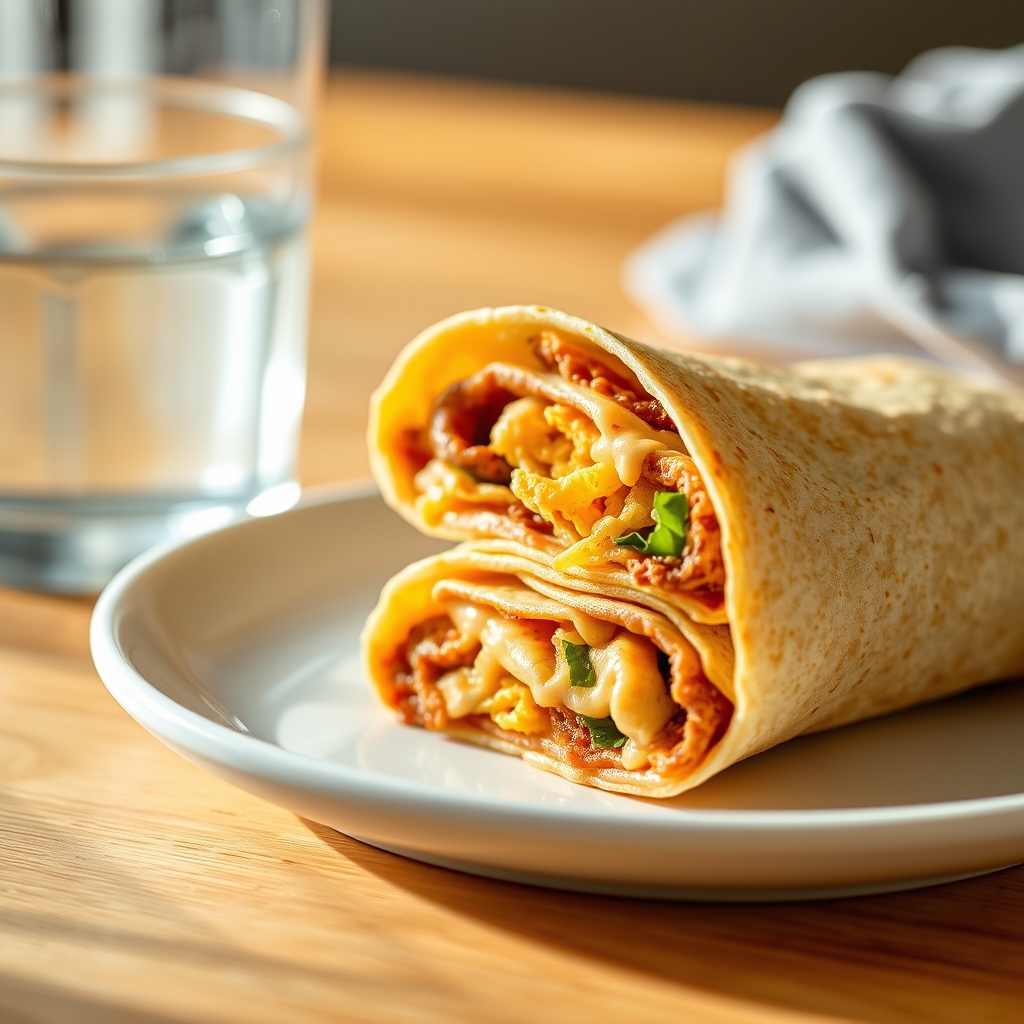
The Taco Bell Crunchwrap is a fast‑food staple that layers seasoned ground beef (or chicken or bean) with shredded lettuce, sour cream, nacho cheese sauce, and a crunchy tostada shell, all wrapped in a flour tortilla and grilled to a golden finish. The whole thing is designed to be handheld, delivering a mix of textures—crisp, creamy, and chewy—in each bite. Variations include a “Chicken Crunchwrap” that substitutes the beef for grilled chicken, and a “Vegetarian Crunchwrap” that replaces meat with seasoned beans. The sandwich typically contains about 530 calories, 1,200 mg of sodium, 20 g of protein, and 27 g of fat, including 9 g of saturated fat.
Because it’s a processed fast‑food item, the Crunchwrap contains additives like monosodium glutamate (MSG) for flavor enhancement and preservatives to extend shelf life. While these ingredients are generally recognized as safe by the FDA, pregnant people may wish to limit them due to concerns about excess sodium and potential sensitivities. The cheese and sour cream provide calcium and protein, but they’re also sources of saturated fat and, for some, lactose.
Understanding what goes into the Crunchwrap helps you assess whether it aligns with the nutritional goals of pregnancy—adequate protein, calcium, iron, and limited sodium and saturated fat—while also considering food‑borne illness risks.
Is a Taco Bell Crunchwrap safe to eat during the first trimester of pregnancy?
The short answer is yes, a Crunchwrap can be part of a balanced diet in the first trimester, provided you follow a few safety steps. The American College of Obstetricians and Gynecologists (ACOG) emphasizes that pregnant people should avoid undercooked meat and raw eggs because of the risk of Salmonella and Listeria. Taco Bell cooks its beef and chicken to an internal temperature of at least 165 °F (74 °C), which meets FDA food‑safety standards, so the protein component is safe when the product is fresh and properly stored.
First‑trimester concerns also include high sodium intake, which can contribute to swelling and elevated blood pressure. One Crunchwrap delivers roughly 45 % of the recommended daily limit for sodium (2,300 mg for adults). The ACOG and NHS both advise pregnant people to keep sodium under 2,300 mg per day, so a single Crunchwrap fits within that limit if your overall diet is low‑sodium that day.
Because the first trimester is the period of organogenesis—when the baby’s organs are forming—some expectant parents worry about any potential teratogens. The ingredients in a Crunchwrap (beef, cheese, lettuce, tortillas) are not classified as teratogenic, and there is no evidence linking moderate consumption of a properly cooked Crunchwrap to birth defects.
In summary, is taco bell crunchwrap safe during pregnancy in the first trimester? Yes, as long as you limit intake to one per week, ensure the meat is fully cooked, and balance the rest of your meals to stay within sodium guidelines.
Can I eat a Taco Bell Crunchwrap in the second trimester without any risks?
The second trimester is often the “golden window” for nutrition because the risk of miscarriage drops and the baby’s growth accelerates. During this phase, the same safety considerations from the first trimester apply, but you have a little more flexibility with calorie intake. The CDC notes that pregnant people should aim for an extra 300–350 kcal per day in the second trimester; a Crunchwrap’s 530 kcal can comfortably fit into that allowance.
Again, ensure the protein component is fully cooked. Taco Bell’s chicken and beef are grilled to safe temperatures, and the vegetarian version uses pre‑cooked beans, which pose no additional risk. However, the high sodium content remains a factor. The American Heart Association recommends no more than 1,500 mg of sodium per day for people with high blood pressure, a condition that can develop during pregnancy. If you have gestational hypertension, you might want to limit a Crunchwrap to occasional indulgence.
Overall, enjoying a Crunchwrap in the second trimester is generally safe, especially if you pair it with a low‑sodium side (like a side salad without dressing) and stay hydrated. The key is moderation and balancing the rest of your meals.
How many Taco Bell Crunchwraps are safe to consume each week while pregnant?
Nutrition guidelines from the USDA and ACOG suggest that fast‑food meals should be an occasional treat rather than a staple. Because a Crunchwrap contributes a sizable amount of sodium, saturated fat, and calories, most obstetricians recommend limiting it to **one** Crunchwrap per week. This frequency keeps your sodium intake under control (<2,300 mg per day) and prevents excess saturated fat, which can raise cholesterol levels.
If you’re tracking your overall diet, a useful rule of thumb is the “80‑20 rule”: aim for 80 % of your calories from nutrient‑dense foods (fruits, vegetables, whole grains, lean proteins) and reserve the remaining 20 % for treats like a Crunchwrap. For a typical 2,200‑kcal daily intake during pregnancy, that translates to roughly 440 kcal for indulgent foods per day, or about 3,080 kcal per week. One Crunchwrap (≈530 kcal) fits comfortably within that allowance, leaving room for other nutrient‑rich meals.
Should you crave the flavors more often, consider customizing the Crunchwrap—swap out the cheese for a lower‑fat option, ask for no sour cream, and add extra lettuce or tomato to boost fiber and reduce overall calorie density.
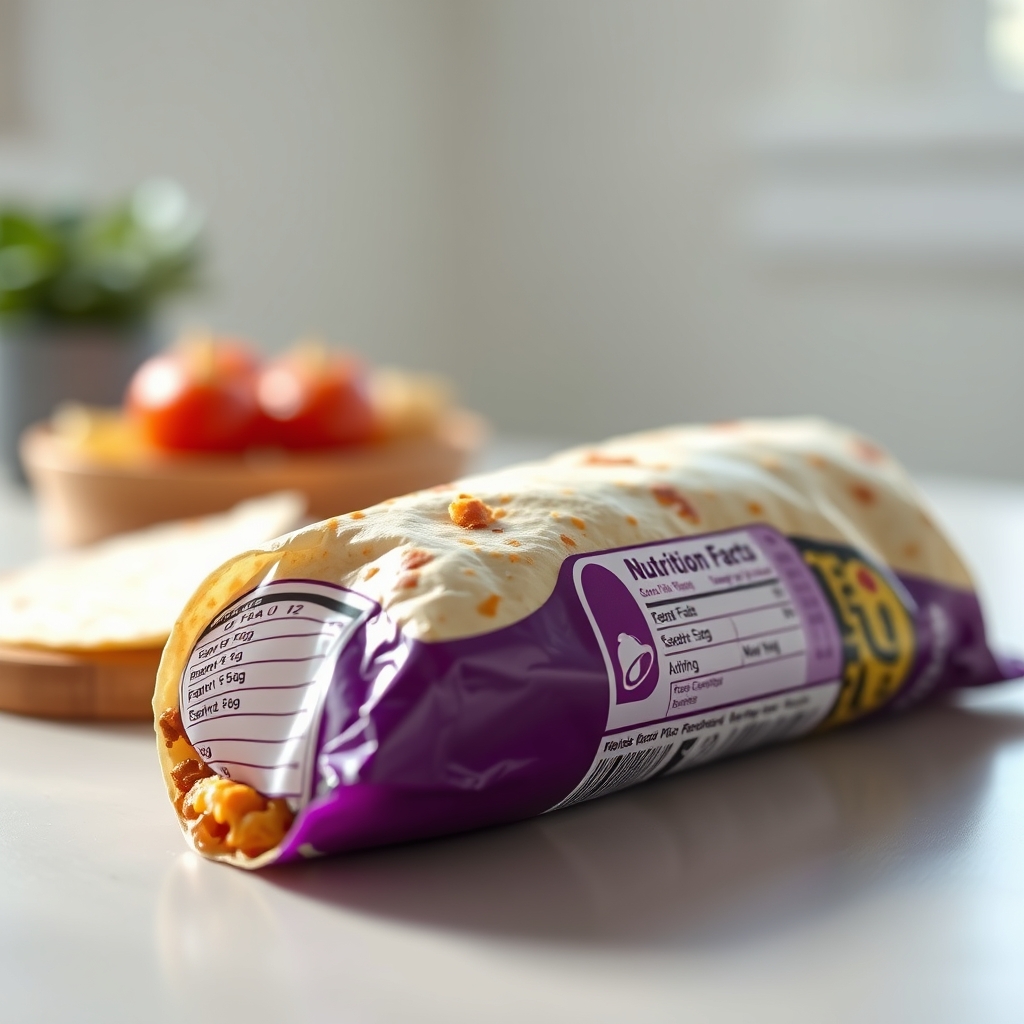
Review the nutrition facts before you decide.
Are there healthier alternatives to Taco Bell Crunchwrap for pregnant women?
Grilled chicken salad from Chipotle – lean protein, lots of veggies, and lower sodium.
Veggie burrito bowl from Chipotle – beans, brown rice, and fresh salsa provide fiber and iron without excess saturated fat.
Homemade turkey wrap – use whole‑grain tortilla, low‑fat cheese, and fresh veggies for a controlled sodium level.
Whole grain turkey sandwich – offers protein and whole‑grain carbs with minimal additives.
Greek yogurt parfait – calcium‑rich, probiotic‑packed snack that’s easy on the stomach.
Fresh fruit salad – natural sugars, vitamins, and fiber without added sodium.
Hummus and veggie wrap – plant‑based protein and healthy fats, customizable to taste.
Does the beef vs chicken Crunchwrap affect pregnancy safety?
Both beef and chicken Crunchwraps are prepared to meet FDA food‑safety standards, meaning the meat reaches an internal temperature of 165 °F (74 °C). From a teratogenic standpoint, there is no difference—neither meat type is associated with birth defects when fully cooked.
The main distinction lies in nutritional content. A beef Crunchwrap typically contains about 20 g of protein and 9 g of saturated fat, while the chicken version offers similar protein but slightly less saturated fat (≈7 g). Chicken also tends to be a bit lower in calories (≈500 kcal vs 530 kcal for beef). If you’re watching saturated fat intake, the chicken Crunchwrap may be the marginally better choice.
Regardless of the protein, both versions carry the same sodium load. If you have a sodium‑restricted diet, you might consider requesting “no sauce” or “light sauce” to cut down on salt.
What are the potential risks of eating a Taco Bell Crunchwrap while pregnant?
Potential risks can be grouped into three categories:
Food‑borne illness: Undercooked meat or cross‑contamination can lead to Listeria or Salmonella infection, both of which are linked to miscarriage, preterm labor, or severe illness in the newborn. Taco Bell’s cooking processes mitigate this risk, but proper storage and reheating are essential.
High sodium intake: One Crunchwrap provides roughly 1,200 mg of sodium, which is about 45 % of the daily recommended limit. Excessive sodium can cause swelling, hypertension, and may increase the risk of preeclampsia.
Excess saturated fat and calories: Regular consumption can contribute to excessive gestational weight gain, gestational diabetes, and elevated cholesterol levels.
Overall, occasional consumption is unlikely to cause serious harm, but chronic over‑consumption could exacerbate pregnancy‑related complications.
Can I customize a Taco Bell Crunchwrap to make it safer during pregnancy?
Yes! Customization is a practical way to reduce sodium, saturated fat, and potential allergens. Here are some pregnancy‑friendly tweaks:
Ask for no cheese or a reduced‑fat cheese option. This cuts saturated fat and calories.
Skip the sour cream. Removes extra dairy fat and reduces overall calorie density.
Request extra lettuce, tomato, or pico de gallo. Adds fiber, vitamin C, and antioxidants.
Choose the chicken or vegetarian version. Slightly lower in saturated fat.
Ask for “light sauce” or no sauce. Lowers sodium and sugar.
Pair with a side of fresh fruit or a small garden salad. Balances the meal with nutrients.
When customizing, let the staff know you’re pregnant so they can take extra care with food handling and temperature checks.
Is the cheese in a Taco Bell Crunchwrap safe for pregnant women with lactose intolerance?
If you’re lactose intolerant, the cheese in a Crunchwrap can cause digestive discomfort such as bloating, gas, or diarrhea. While lactose intolerance isn’t a health risk to the baby, it can lead to dehydration if severe. The cheese used in Crunchwraps is a processed cheddar‑style cheese that contains about 1 g of lactose per serving. You can mitigate symptoms by:
Requesting “no cheese” or a dairy‑free cheese alternative if available.
Taking a lactase enzyme supplement before eating, as recommended by your OB‑GYN.
Choosing the vegetarian Crunchwrap, which often comes with a smaller cheese portion.
Always discuss persistent digestive issues with your provider, especially if they affect your nutrient intake.
Safety by trimester
First trimester (0‑13 weeks)
During organ formation, the priority is to avoid any teratogenic agents and food‑borne pathogens. As long as the meat in the Crunchwrap is fully cooked and the product is stored and reheated properly, the risk of Listeria or Salmonella is low. Keep sodium under 2,300 mg per day; a single Crunchwrap accounts for a large portion, so pair it with low‑sodium foods the rest of the day. If you experience morning sickness, the rich flavors may be appealing, but monitor for heartburn or acid reflux, which are common in early pregnancy.
Second trimester (14‑27 weeks)
With the baby’s rapid growth, you’ll need extra calories and protein. A Crunchwrap can provide a convenient source of both, but remember that it’s also high in sodium and saturated fat. If you have gestational hypertension or are advised to limit sodium, consider the “light sauce” or “no cheese” modifications. Adding extra veggies can boost fiber and help prevent constipation, a common issue in the second trimester.
Third trimester (28‑40 weeks)
In the final stretch, you may feel more sluggish and crave comfort foods. The Crunchwrap’s calorie density can help meet the increased energy needs—about an extra 300 kcal per day—but be cautious of excessive weight gain. High sodium can worsen swelling in the feet and hands, so limit Crunchwrap consumption to no more than once a week and stay well‑hydrated.
Breastfeeding
While the Crunchwrap is not inherently unsafe while nursing, the high sodium and saturated fat content can affect your milk composition indirectly by influencing your overall diet. A balanced diet rich in fruits, vegetables, whole grains, and lean proteins supports optimal milk quality. If you choose to enjoy a Crunchwrap, do so occasionally and stay mindful of your overall nutrient intake.
Safe dosage / amount / brands
Because the Crunchwrap is a single‑serve item, the “dosage” is essentially the number of servings per week. Most nutrition experts, including the ACOG, suggest limiting high‑sodium fast‑food items to **one per week**. If you’re tracking your sodium, aim for no more than 2,300 mg in a day; a Crunchwrap contributes roughly 1,200 mg, leaving you about 1,100 mg for the rest of your meals.
When ordering, you can ask for “no cheese,” “light sauce,” or “extra lettuce” to reduce calories by up to 100 kcal and sodium by about 200 mg. If you’re choosing between beef, chicken, or vegetarian options, the chicken version is slightly lower in saturated fat (≈7 g vs 9 g) and calories (≈500 kcal vs 530 kcal). All three versions are made with the same base tortilla, so the overall sodium remains similar.
While Taco Bell does not market specific “pregnancy‑safe” brands, you can rely on the chain’s standardized cooking practices. However, always verify that the location you visit follows proper food‑handling protocols—especially during high‑traffic periods when food may sit longer before being served.
Side effects and risks
Most side effects are mild and related to the high sodium and fat content:
Swelling or edema: Excess sodium can cause fluid retention, especially in the third trimester.
Heartburn or acid reflux: Spicy or greasy foods may trigger symptoms common in pregnancy.
Digestive upset: If you’re lactose intolerant, the cheese can cause bloating or diarrhea.
Food‑borne illness: Although rare, improper storage can lead to Listeria or Salmonella. If you develop fever, chills, vomiting, or diarrhea lasting more than 24 hours, contact your provider.
Severe symptoms—such as high fever (>100.4 °F), severe abdominal pain, or signs of preeclampsia (persistent headache, visual changes, sudden swelling)—require immediate medical attention.
Safer alternatives
Grilled chicken salad from Chipotle – lean protein, fresh veggies, and a lower sodium profile.
Veggie burrito bowl from Chipotle – beans and brown rice offer fiber and iron without excess saturated fat.
Homemade turkey wrap – control ingredients, reduce sodium, and add whole‑grain tortilla.
Whole grain turkey sandwich – simple, protein‑rich, and easy to customize.
Greek yogurt parfait – calcium and probiotics with minimal added sugar.
Fresh fruit salad – natural sweetness and vitamins without sodium.
Steamed vegetable quinoa bowl – complete protein and low‑sodium.
Hummus and veggie wrap – plant‑based protein and healthy fats.
Related items — safety at a glance
Item
Verdict
Note
Taco Bell Chalupa
⚠️ Safe with limits
High in calories and sodium; ensure fully cooked protein.
Taco Bell Quesadilla
⚠️ Safe with limits
Cheese‑heavy; watch saturated fat and lactose if intolerant.
Taco Bell Burrito
⚠️ Safe with limits
Large portion; can exceed daily sodium if eaten frequently.
Taco Bell Tacos
✅ Generally safe
Smaller portion; lower sodium than Crunchwrap.
Taco Bell Nachos
⚠️ Safe with limits
High sodium and cheese; limit to occasional treat.
McDonald’s McWrap
⚠️ Safe with limits
Similar sodium and fat profile; watch sauce choices.
Burger King Chicken Wrap
⚠️ Safe with limits
Fully cooked chicken; moderate sodium.
Wendy’s Chili
✅ Generally safe
Protein‑rich, lower sodium than many fast‑food wraps.
Myth vs. fact
Myth: All fast food is unsafe during pregnancy.
Fact: Fast food can be part of a balanced pregnancy diet if you choose items that are fully cooked, limit sodium, and watch portion sizes.
Myth: The cheese in a Crunchwrap always contains raw milk and is dangerous.
Fact: Taco Bell uses pasteurized cheese, which is safe for pregnant people; however, those with lactose intolerance may experience discomfort.
Myth: You must avoid any Crunchwrap if you have gestational hypertension.
Fact: You can still enjoy a Crunchwrap occasionally, but it should be modified (e.g., no sauce, reduced cheese) and fit within your overall sodium budget.
Key takeaways
✅ A Taco Bell Crunchwrap is generally safe when fully cooked and eaten in moderation.
⚠️ Limit intake to **one per week** to keep sodium and saturated fat within recommended limits.
Customize: skip cheese, reduce sauce, add extra lettuce or veggies to lower calories and sodium.
Choose chicken over beef for slightly less saturated fat; the vegetarian version offers a plant‑based alternative.
Watch for signs of food‑borne illness—fever, vomiting, or diarrhea—and contact your provider if they appear.
Consider healthier alternatives like grilled chicken salads, veggie bowls, or homemade wraps for regular meals.
Frequently asked questions
Can pregnant women eat fast food like Taco Bell?
Yes, pregnant women can eat fast food, including Taco Bell, as long as the items are fully cooked, stored properly, and fit within a balanced diet that limits sodium and saturated fat.
What ingredients in a Crunchwrap could be harmful during pregnancy?
The main concerns are undercooked meat (risk of Listeria or Salmonella), high sodium, and saturated fat from cheese and sauce; all are manageable with proper cooking, portion control, and customization.
Is the meat in a Taco Bell Crunchwrap fully cooked?
Yes, Taco Bell cooks its beef and chicken to at least 165 °F (74 °C), meeting FDA standards for safe consumption during pregnancy.
How many calories are in a Taco Bell Crunchwrap and is that safe for pregnancy?
A standard Crunchwrap contains roughly 530 calories, which can fit into a pregnancy‑appropriate diet if you limit overall weekly intake and balance it with nutrient‑dense foods.
Should I avoid the sour cream in a Crunchwrap while pregnant?
Skipping sour cream can reduce calories, saturated fat, and potential dairy‑related discomfort, making the Crunchwrap a bit healthier for you.
Are there any foodborne illness risks with Taco Bell Crunchwrap for pregnant women?
When the Crunchwrap is freshly prepared and kept at proper temperatures, the risk is low; however, improper storage or reheating can increase the chance of Listeria or Salmonella infection.
Can I substitute the cheese in a Crunchwrap with a dairy‑free option during pregnancy?
Yes, you can request a dairy‑free cheese alternative or simply omit cheese; this reduces saturated fat and helps those with lactose intolerance.
Is it safe to eat a Crunchwrap after the expiration date while pregnant?
No, eating any fast‑food item past its expiration date increases the risk of food‑borne illness, so it’s best to avoid a Crunchwrap that’s past its “use‑by” date.
When to call your doctor
If you experience any of the following after eating a Crunchwrap, contact your obstetric provider promptly:
Fever above 100.4 °F (38 °C) lasting more than 24 hours.
Severe or persistent vomiting or diarrhea.
Sudden swelling of hands, feet, or face combined with headaches (possible preeclampsia).
Persistent heartburn that interferes with sleep or nutrition.
Signs of an allergic reaction (hives, swelling, difficulty breathing).
These symptoms could indicate a food‑borne infection or a pregnancy‑related complication that needs medical evaluation. This article is for informational purposes only and does not replace personalized medical advice from your healthcare provider.
References
American College of Obstetricians and Gynecologists (ACOG). “Nutrition During Pregnancy.” Updated 2023.
National Health Service (NHS). “Food safety and pregnancy.” Retrieved 2024.
U.S. Food and Drug Administration (FDA). “Food Safety for Pregnant Women.” 2022.
Centers for Disease Control and Prevention (CDC). “Listeria and Pregnancy.” Updated 2023.
American Heart Association. “Sodium Recommendations.” 2023.
World Health Organization (WHO). “Guidelines on Food Safety.” 2021.
U.S. Department of Agriculture (USDA). “Pregnancy Nutrition Guidelines.” 2022.
Not sure about the label on Is Taco Bell Crunchwrap Safe During Pregnancy products?
Snap the ingredients list and SafeFilter checks every ingredient for your stage — only 3 free scans this month, then you're locked until reset. Unlimited from $7/mo or $50/yr.
When Shubhra Mishra was expecting her first child in 2016, she was overwhelmed by conflicting food advice — one site said yes, another said never. By the time her second baby arrived in 2019, she realized millions of mothers face the same confusion.
That sparked a five-year journey through clinical nutrition papers, cultural diets, and expert conversations — all leading to BumpBites: a calm, compassionate space where science meets everyday motherhood.
Her long-term vision is to build a global community ensuring safe, supported, and free deliveriesfor every mother — because no woman should face pregnancy alone or uninformed. 🌿
🌍 Stand with mothers, shape safer guidance
Join a small circle of experts who review BumpBites articles so expecting parents everywhere can decide with confidence.