

Quick verdict: ⚠️ Synthetic food dyes are generally considered safe in small amounts during pregnancy, but many experts recommend limiting your intake. The FDA and ACOG state that approved dyes are safe within established limits, but some studies suggest potential risks—like behavioral effects or allergies—that may be worth avoiding, especially in large quantities. If you're concerned, natural alternatives are a great way to reduce exposure.
You're standing in the grocery aisle, squinting at a candy bar label at 11 p.m., wondering: is synthetic dyes safe during pregnancy? Maybe you already ate a handful of gummy bears and now you're panicking. Or maybe you're just trying to figure out what's actually okay to eat without stressing over every bite. Take a deep breath—we’ve got you covered.
Synthetic food dyes are everywhere: in candy, soda, baked goods, even some medications. And while they’re approved by the FDA, the question of whether synthetic dyes are safe during pregnancy isn’t as simple as a yes or no. Current guidelines say they’re fine in moderation, but some research suggests there might be reasons to be cautious—especially if you’re already dealing with allergies, sensitivities, or just want to minimize unnecessary chemicals. Here’s what you need to know about how much is safe, which dyes to watch for, and what you can eat instead.
| Trimester | Verdict | Notes |
|---|---|---|
| First trimester | ⚠️ Safe with limits | Organ development is most sensitive now. While no direct link to birth defects has been proven, some studies suggest behavioral effects in children exposed to high amounts. Stick to FDA-approved dyes and keep portions small. |
| Second trimester | ⚠️ Safe with limits | Your baby is growing rapidly, but the risk from synthetic dyes remains low if you stay within recommended amounts. Focus on whole foods to minimize exposure. |
| Third trimester | ⚠️ Safe with limits | Your baby’s brain is still developing, and some research suggests a possible link between artificial dyes and hyperactivity. Limiting intake may be wise, but occasional treats are unlikely to cause harm. |
| Breastfeeding | ⚠️ Safe with limits | Small amounts of synthetic dyes may pass into breast milk, but the FDA considers them safe. If your baby shows signs of sensitivity (like fussiness or rashes), you may want to reduce your intake. |
What are synthetic food dyes?
Synthetic food dyes are man-made chemicals used to add bright, vibrant colors to foods, drinks, and even some medications. They’re often found in processed foods like candy, soda, cereals, baked goods, and flavored yogurts. Unlike natural dyes (which come from plants, minerals, or insects), synthetic dyes are created in labs and are designed to be more stable, brighter, and longer-lasting.
The most common synthetic dyes you’ll see on labels include:
- Red 40 (Allura Red AC) – Found in candies, sodas, and desserts.
- Yellow 5 (Tartrazine) – Used in baked goods, cereals, and snacks.
- Yellow 6 (Sunset Yellow FCF) – Common in orange sodas and processed snacks.
- Blue 1 (Brilliant Blue FCF) – Used in candies, drinks, and baked goods.
- Blue 2 (Indigotine) – Found in blue candies and beverages.
These dyes are regulated by the FDA, which sets Acceptable Daily Intakes (ADIs)—the amount considered safe to consume every day over a lifetime without adverse effects. For example, the ADI for Red 40 is 7 mg per kilogram of body weight per day. For a 150-pound (68 kg) person, that’s about 476 mg per day—far more than you’d get from a single serving of candy. But since dyes are in so many foods, it’s easy to exceed these limits without realizing it.
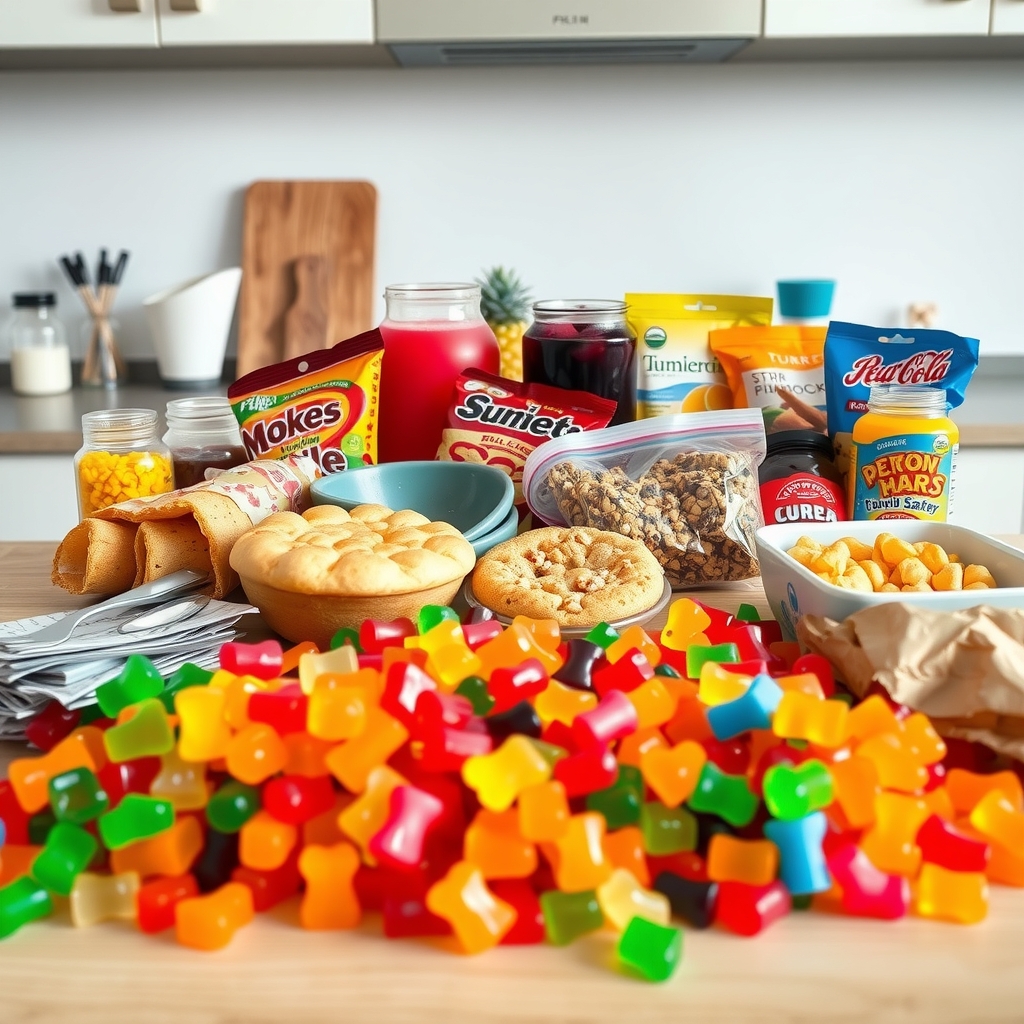
Is synthetic dyes safe during pregnancy?
Here’s what the research says:
- FDA stance: The FDA has approved nine synthetic dyes for use in foods, and they’ve determined that these dyes are safe for the general population, including pregnant women, when consumed at levels below the ADI. The FDA regularly reviews safety data and has not found evidence that synthetic dyes cause birth defects or pregnancy complications at typical exposure levels.
- ACOG and NHS guidance: Both the ACOG and the UK’s National Health Service (NHS) state that synthetic food dyes are not known to harm pregnant women or their babies. However, they note that some women may experience increased sensitivity to certain foods or additives during pregnancy, so it’s always a good idea to pay attention to how your body reacts.
- Potential concerns: While synthetic dyes are generally recognized as safe, some studies have raised questions about their potential effects, particularly in children. For example:
- A 2007 study published in The Lancet found that artificial food dyes (including Red 40 and Yellow 5) may contribute to hyperactivity in some children. While this study didn’t focus on pregnancy, it suggests that dyes could have behavioral effects that might be worth considering.
- Some animal studies have suggested that high doses of certain dyes could be linked to organ damage or cancer, but these doses are far higher than what humans would typically consume. The FDA has reviewed these studies and maintains that approved dyes are safe at typical exposure levels.
- Allergic reactions: Some people are sensitive to synthetic dyes, experiencing symptoms like hives, itching, or digestive upset. If you’ve had reactions to dyes in the past, you may want to avoid them during pregnancy.
So, should you avoid synthetic dyes entirely? Not necessarily. The current evidence doesn’t prove that they’re harmful during pregnancy, but if you’re worried, there are plenty of natural alternatives (more on those later). The key is moderation—enjoying the occasional treat with synthetic dyes is unlikely to cause harm, but relying on heavily processed, dye-filled foods isn’t ideal for anyone, pregnant or not.
Are synthetic food dyes safe in the first trimester?
The first trimester is a critical time for your baby’s development, as their organs, brain, and nervous system are forming. It’s natural to wonder if synthetic dyes could interfere with this process. The good news is that there’s no strong evidence that synthetic food dyes cause birth defects or pregnancy complications in the first trimester. The FDA and ACOG consider them safe when consumed in moderation, and no major studies have linked them to miscarriage, preterm birth, or developmental issues.
However, some research suggests that high doses of certain dyes could potentially affect behavior or development later in childhood. For example, the Lancet study mentioned earlier found that artificial dyes might contribute to hyperactivity in kids. While this doesn’t directly translate to pregnancy risks, it’s one reason some experts recommend limiting your intake—especially if you’re already consuming a lot of processed foods.
If you’re concerned, here are a few tips for the first trimester:
- Stick to whole foods: Focus on fruits, vegetables, whole grains, and lean proteins. These foods are naturally free of synthetic dyes and provide the nutrients your baby needs.
- Read labels: If you do eat processed foods, check the ingredient list for dyes like Red 40, Yellow 5, or Blue 1. Opt for brands that use natural colors when possible.
- Listen to your body: Some women experience nausea or food aversions in the first trimester. If certain foods (or dyes) make you feel sick, it’s okay to avoid them.
Bottom line: Occasional treats with synthetic dyes are unlikely to harm your baby in the first trimester, but if you’re worried, it’s easy to reduce your intake with natural alternatives.
How much artificial food coloring is considered safe during pregnancy?
The FDA sets Acceptable Daily Intakes (ADIs) for synthetic food dyes, which represent the amount considered safe to consume every day over a lifetime without adverse effects. These limits are based on extensive research and are designed to be far higher than what most people would actually eat. Here’s a breakdown of the ADIs for the most common synthetic dyes, along with how much you’d need to consume to reach those limits:
| Dye | ADI (mg per kg of body weight per day) | ADI for a 150-lb (68 kg) person | Approximate amount in one serving of food | Servings needed to reach ADI |
|---|---|---|---|---|
| Red 40 (Allura Red AC) | 7 mg/kg | 476 mg | 5-10 mg (e.g., one small bag of candy) | 48-95 servings |
| Yellow 5 (Tartrazine) | 7.5 mg/kg | 510 mg | 5-10 mg (e.g., one cup of flavored yogurt) | 51-102 servings |
| Yellow 6 (Sunset Yellow FCF) | 4 mg/kg | 272 mg | 5-10 mg (e.g., one serving of orange soda) | 27-54 servings |
| Blue 1 (Brilliant Blue FCF) | 12.5 mg/kg | 850 mg | 5-10 mg (e.g., one serving of blue sports drink) | 85-170 servings |
| Blue 2 (Indigotine) | 5 mg/kg | 340 mg | 5-10 mg (e.g., one blue candy) | 34-68 servings |
As you can see, you’d need to eat dozens of servings of dye-containing foods in a single day to reach the ADI. For most people, this isn’t realistic. However, synthetic dyes are in so many processed foods that it’s easy to consume more than you realize. For example, a single day’s worth of processed snacks, drinks, and desserts could add up to 50-100 mg of dyes—far below the ADI but still more than you might expect.
So, how much is safe during pregnancy? The FDA and ACOG don’t set a specific limit for pregnant women, but they recommend staying within the general ADIs. If you’re concerned, here are some practical guidelines:
- Limit processed foods: The more processed foods you eat, the more synthetic dyes you’re likely consuming. Try to fill your diet with whole, unprocessed foods like fruits, vegetables, and whole grains.
- Read labels: If you do eat processed foods, check the ingredient list for synthetic dyes. Opt for brands that use natural colors when possible.
- Aim for occasional treats: There’s no need to cut out synthetic dyes entirely, but enjoying them in moderation (e.g., a few times a week instead of daily) can help you stay well below the ADI.
If you’re still worried, natural alternatives (like beet juice or turmeric) can help you avoid synthetic dyes altogether. We’ll cover those in more detail later.
What are the health risks of synthetic dyes for pregnant women?
While synthetic food dyes are considered safe within established limits, some potential risks and side effects are worth being aware of—especially during pregnancy. Here’s what you should know:
1. Allergic reactions and sensitivities
Some people are sensitive to synthetic dyes, and pregnancy can make you more susceptible to food sensitivities. Common symptoms of a dye allergy or sensitivity include:
- Hives or skin rashes
- Itching or swelling
- Digestive upset (nausea, diarrhea, or stomach pain)
- Headaches or migraines
- Worsening of asthma symptoms
If you’ve had reactions to synthetic dyes in the past, you may want to avoid them during pregnancy. Even if you haven’t, it’s a good idea to pay attention to how your body reacts to foods with artificial colors.
2. Potential behavioral effects
Some studies suggest that synthetic dyes may contribute to hyperactivity or behavioral issues in children. While this research doesn’t focus specifically on pregnancy, it’s one reason some experts recommend limiting your intake. For example:
- A 2007 study published in The Lancet found that a mix of artificial food dyes (including Red 40 and Yellow 5) and sodium benzoate (a preservative) increased hyperactivity in children. The study didn’t prove that dyes cause ADHD, but it suggested a possible link.
- A 2012 meta-analysis in the Journal of the American Academy of Child & Adolescent Psychiatry found that artificial food dyes might exacerbate hyperactivity in some children with ADHD.
Again, these studies don’t directly address pregnancy, but they highlight the need for more research on the long-term effects of synthetic dyes.
3. Possible links to cancer (in animal studies)
Some animal studies have suggested that high doses of certain synthetic dyes could be linked to cancer. For example:
- Red 3 (Erythrosine) has been shown to cause thyroid tumors in rats at very high doses. However, the FDA has determined that the levels humans are exposed to are safe.
- Yellow 6 has been linked to adrenal tumors in rats, but again, the doses used in these studies were far higher than what humans would typically consume.
The FDA has reviewed these studies and maintains that approved synthetic dyes are safe at typical exposure levels. However, if you’re concerned about long-term risks, limiting your intake may give you peace of mind.
4. Digestive issues
Some synthetic dyes, particularly Yellow 5 (Tartrazine), have been linked to digestive issues like bloating, gas, or diarrhea. If you’re already dealing with pregnancy-related digestive discomfort, you might want to avoid foods with artificial colors to see if your symptoms improve.
5. Potential impact on nutrient absorption
Some research suggests that synthetic dyes might interfere with the absorption of certain nutrients, like zinc or iron. While this isn’t a major concern for most people, it’s another reason to focus on whole, unprocessed foods during pregnancy, when nutrient needs are higher.
It’s important to note that none of these risks are proven to affect pregnancy outcomes like birth defects, miscarriage, or preterm birth. The FDA and ACOG consider synthetic dyes safe when consumed in moderation. However, if you’re concerned about any of these potential risks, natural alternatives can help you avoid synthetic dyes altogether.
Which candy brands use the safest synthetic dyes for expectant mothers?
If you’re craving something sweet but want to minimize your exposure to synthetic dyes, some candy brands are better than others. While no major candy brand has completely eliminated artificial colors, some use lower amounts or offer dye-free options. Here’s a breakdown of what to look for:
| Brand | Dye status | Notes |
|---|---|---|
| Unreal | ✅ Some dye-free options | Unreal offers a line of candies made with natural colors like turmeric, beet juice, and annatto. Their peanut butter cups and chocolate gems are popular dye-free choices. |
| YumEarth | ✅ Dye-free | YumEarth candies are made with natural colors and flavors, and they’re free from the top allergens. Their gummy bears, lollipops, and sour candies are great options. |
| Surf Sweets | ✅ Dye-free | Surf Sweets makes organic gummy candies colored with fruit and vegetable juices. They’re also free from gelatin, making them a good option for vegetarians. |
| Hershey’s | ⚠️ Some dye-free options | Hershey’s milk chocolate bars and Kisses are dye-free, but many of their other products (like Reese’s Pieces or Jolly Ranchers) contain synthetic dyes. |
| Mars (M&M’s, Skittles, Starburst) | ❌ Contains synthetic dyes | Most Mars candies contain synthetic dyes like Red 40, Yellow 5, and Blue 1. However, their plain milk chocolate M&M’s are dye-free in some countries (like the UK), but not in the U.S. |
| Nestlé (Crunch, Butterfinger, Nerds) | ❌ Contains synthetic dyes | Many Nestlé candies contain synthetic dyes, though their Crunch bars are dye-free. |
| Haribo | ❌ Contains synthetic dyes | Haribo gummy bears and other candies contain synthetic dyes like Red 40 and Yellow 5. They do offer some natural color options in Europe, but not in the U.S. |
Tips for choosing safer candy
- Read labels: Look for candies that use natural colors like beet juice, turmeric, or annatto. Avoid products with Red 40, Yellow 5, or Blue 1.
- Opt for chocolate: Plain milk or dark chocolate is usually dye-free. Just be sure to check the label for added colors (e.g., in flavored chocolates).
- Choose organic: Organic candies are less likely to contain synthetic dyes, as organic standards prohibit artificial colors. Brands like Unreal and Surf Sweets are good options.
- Look for allergen-free: Candies free from the top allergens (like YumEarth) are often made with simpler, cleaner ingredients.
If you’re unsure, you can also make your own treats at home using natural food colorings (more on those next!).
Natural alternatives to synthetic food dyes for pregnant women
If you’re looking to avoid synthetic dyes altogether, natural alternatives are a great option. These plant-based colorings are safe, easy to use, and can be just as vibrant as artificial dyes. Here are some of the best natural alternatives to synthetic food dyes for pregnant women:
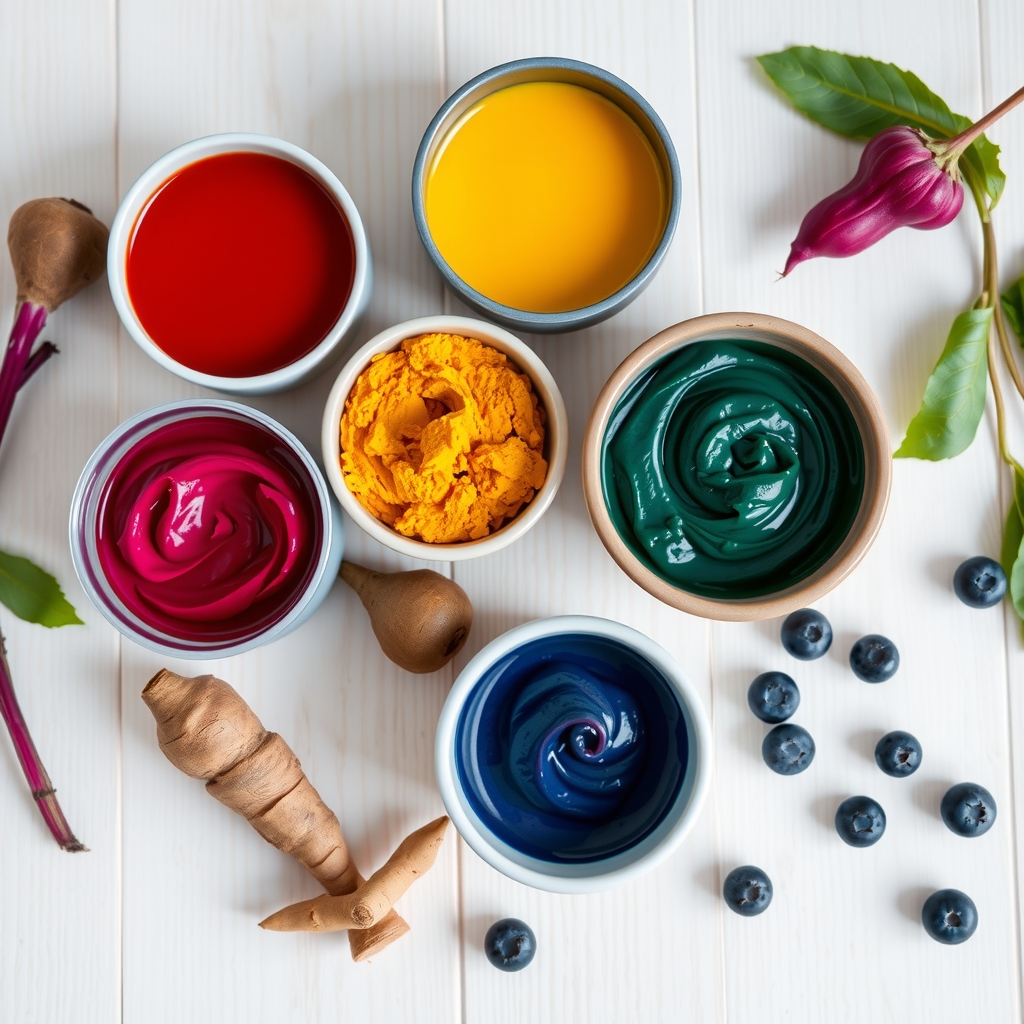
- Beet juice (natural red): Beet juice is a popular natural red dye that’s safe and easy to use. You can buy it bottled or make your own by blending cooked beets with a little water and straining the juice. Use it to color frosting, smoothies, or homemade candies. Beets are also rich in folate, which is important for your baby’s development.
- Turmeric powder (yellow): Turmeric is a bright yellow spice that’s safe to use as a natural food coloring. Mix a small amount with water or oil to create a vibrant yellow hue. Turmeric is also anti-inflammatory, which can help with pregnancy-related aches and pains. Just be careful—too much can have a bitter taste.
- Spirulina powder (blue/green): Spirulina is a blue-green algae that’s rich in protein and nutrients. It’s a great natural dye for smoothies, frosting, or homemade gummies. Spirulina is also a good source of iron, which is important during pregnancy. However, it has a strong flavor, so use it sparingly.
- Purple sweet potato puree (purple): Purple sweet potatoes are naturally vibrant and can be used to create a beautiful purple dye. Simply bake or steam the potatoes, mash them into a puree, and use it to color frosting, pancakes, or smoothies. Purple sweet potatoes are also rich in antioxidants.
- Annatto seed extract (orange): Annatto is a natural dye made from the seeds of the achiote tree. It’s commonly used in cheeses and butter to give them an orange hue. You can buy annatto powder or extract and use it to color frosting, rice, or homemade candies. Annatto is safe and has a mild, slightly peppery flavor.
- Matcha powder (green): Matcha is a finely ground green tea powder that’s safe to use as a natural green dye. It has a slightly bitter, earthy flavor, so it works best in recipes where you want a hint of green tea taste (like smoothies or frosting). Matcha is also rich in antioxidants and can give you a gentle caffeine boost.
- Blueberry puree (blue): Blueberries can be used to create a natural blue dye. Simply blend fresh or frozen blueberries with a little water, strain the juice, and use it to color frosting, pancakes, or smoothies. Blueberries are also rich in antioxidants and vitamin C.
- Carrot juice (orange): Carrot juice is a great natural orange dye. You can buy it bottled or make your own by blending carrots with water and straining the juice. Use it to color frosting, smoothies, or homemade candies. Carrots are also rich in beta-carotene, which your body converts to vitamin A—a nutrient important for your baby’s development.
How to use natural food dyes
- For frosting: Add a small amount of natural dye (e.g., beet juice or turmeric) to your frosting and mix well. Start with a little and add more until you reach the desired color.
- For smoothies: Blend your natural dye (e.g., blueberry puree or spirulina) with your favorite smoothie ingredients. Natural dyes work best in creamy, light-colored smoothies.
- For baked goods: Mix your natural dye into the batter or dough before baking. Keep in mind that some natural dyes (like beet juice) may darken when baked.
- For homemade candies: Use natural dyes to color homemade gummies, lollipops, or chocolates. Gelatin or agar-agar can help create a firmer texture.
Natural dyes are a great way to avoid synthetic colors while still enjoying vibrant, colorful foods. Plus, they often come with added nutritional benefits!
Can synthetic food dyes cause pregnancy complications?
One of the biggest concerns pregnant women have about synthetic dyes is whether they can cause complications like miscarriage, preterm birth, or birth defects. The good news is that there’s no strong evidence that synthetic food dyes cause pregnancy complications. The FDA, ACOG, and NHS all consider approved synthetic dyes safe for pregnant women when consumed in moderation. However, some studies and anecdotal reports suggest that synthetic dyes might contribute to other issues, like allergies or behavioral effects in children. Here’s what you need to know:
1. Birth defects and miscarriage
There’s no evidence that synthetic food dyes cause birth defects or miscarriage. The FDA has reviewed extensive research on synthetic dyes and has not found any link to these outcomes. For example:
- A 2010 review in the International Journal of Occupational and Environmental Health found no conclusive evidence that synthetic dyes cause birth defects in humans.
- The ACOG states that synthetic dyes are not known to harm pregnant women or their babies.
If you’re worried about birth defects, focus on proven risk factors like smoking, alcohol, and certain medications—not synthetic dyes.
2. Preterm birth
Similarly, there’s no evidence that synthetic dyes increase the risk of preterm birth. Preterm birth is more commonly linked to factors like infections, high blood pressure, or multiple pregnancies. However, if you’re consuming large amounts of processed foods with synthetic dyes, you might be missing out on the nutrients your body needs to support a healthy pregnancy. A diet rich in whole foods is always a better choice.
3. Gestational diabetes
Some women wonder if synthetic dyes can increase the risk of gestational diabetes. While there’s no direct link, processed foods that contain synthetic dyes (like candy, soda, and baked goods) are often high in sugar and refined carbohydrates, which can contribute to gestational diabetes. If you’re at risk, it’s a good idea to limit these foods—not just because of the dyes, but because of their overall nutritional profile.
4. Allergies and sensitivities
While synthetic dyes don’t cause pregnancy complications, they can trigger allergic reactions or sensitivities in some people. Symptoms like hives, itching, or digestive upset can be uncomfortable, especially during pregnancy. If you’ve had reactions to synthetic dyes in the past, it’s best to avoid them.
5. Behavioral effects in children
As mentioned earlier, some studies suggest that synthetic dyes might contribute to hyperactivity or behavioral issues in children. While this doesn’t directly translate to pregnancy complications, it’s one reason some experts recommend limiting your intake. For example:
- A 2012 meta-analysis in the Journal of the American Academy of Child & Adolescent Psychiatry found that artificial food dyes might exacerbate hyperactivity in some children with ADHD.
- The Lancet study from 2007 found that a mix of artificial dyes and sodium benzoate increased hyperactivity in children.
Again, these studies don’t prove that synthetic dyes cause behavioral issues, but they highlight the need for more research.
Bottom line: Synthetic food dyes are not known to cause pregnancy complications, but if you’re concerned, natural alternatives can help you avoid them altogether.
Is there a safe limit for Red 40 during pregnancy?
Red 40 (also known as Allura Red AC) is one of the most commonly used synthetic food dyes, and it’s found in everything from candies and sodas to baked goods and medications. The FDA has approved Red 40 for use in foods and has set an Acceptable Daily Intake (ADI) of 7 mg per kilogram of body weight per day. For a 150-pound (68 kg) person, that’s about 476 mg per day—far more than you’d get from a single serving of candy or soda.
Here’s how much Red 40 is in some common foods:
- One small bag of Skittles (41 g): ~10 mg
- One can of red soda (12 oz): ~5-10 mg
- One serving of red gelatin dessert: ~5 mg
- One red frosted cupcake: ~5-10 mg
As you can see, you’d need to eat dozens of servings of Red 40-containing foods in a single day to reach the ADI. For most people, this isn’t realistic. However, if you’re eating a lot of processed foods, your intake could add up quickly.
So, is there a safe limit for Red 40 during pregnancy? The FDA and ACOG don’t set a specific limit for pregnant women, but they recommend staying within the general ADI. If you’re concerned, here are some practical guidelines:
- Limit processed foods: The more processed foods you eat, the more Red 40 (and other synthetic dyes) you’re likely consuming. Try to fill your diet with whole, unprocessed foods like fruits, vegetables, and whole grains.
- Read labels: If you do eat processed foods, check the ingredient list for Red 40. Opt for brands that use natural colors when possible.
- Aim for occasional treats: There’s no need to cut out Red 40 entirely, but enjoying it in moderation (e.g., a few times a week instead of daily) can help you stay well below the ADI.
If you’re still worried, natural alternatives like beet juice or annatto can help you avoid Red 40 altogether.
Do synthetic food dyes increase the risk of gestational diabetes?
Gestational diabetes is a type of diabetes that develops during pregnancy, and it can increase the risk of complications for both you and your baby. While there’s no direct evidence that synthetic food dyes cause gestational diabetes, the processed foods that contain them (like candy, soda, and baked goods) are often high in sugar and refined carbohydrates, which can contribute to the condition.
Here’s what you need to know:
- Synthetic dyes themselves don’t cause gestational diabetes: The dyes are not sugar, and they don’t directly affect your blood sugar levels. However, the foods they’re in (like soda or candy) are often loaded with sugar, which can spike your blood sugar and increase your risk of gestational diabetes.
- Processed foods are the real concern: If you’re eating a lot of processed foods with synthetic dyes, you’re likely consuming more sugar, refined carbs, and unhealthy fats than you should. These foods can contribute to weight gain and insulin resistance, both of which are risk factors for gestational diabetes. <

