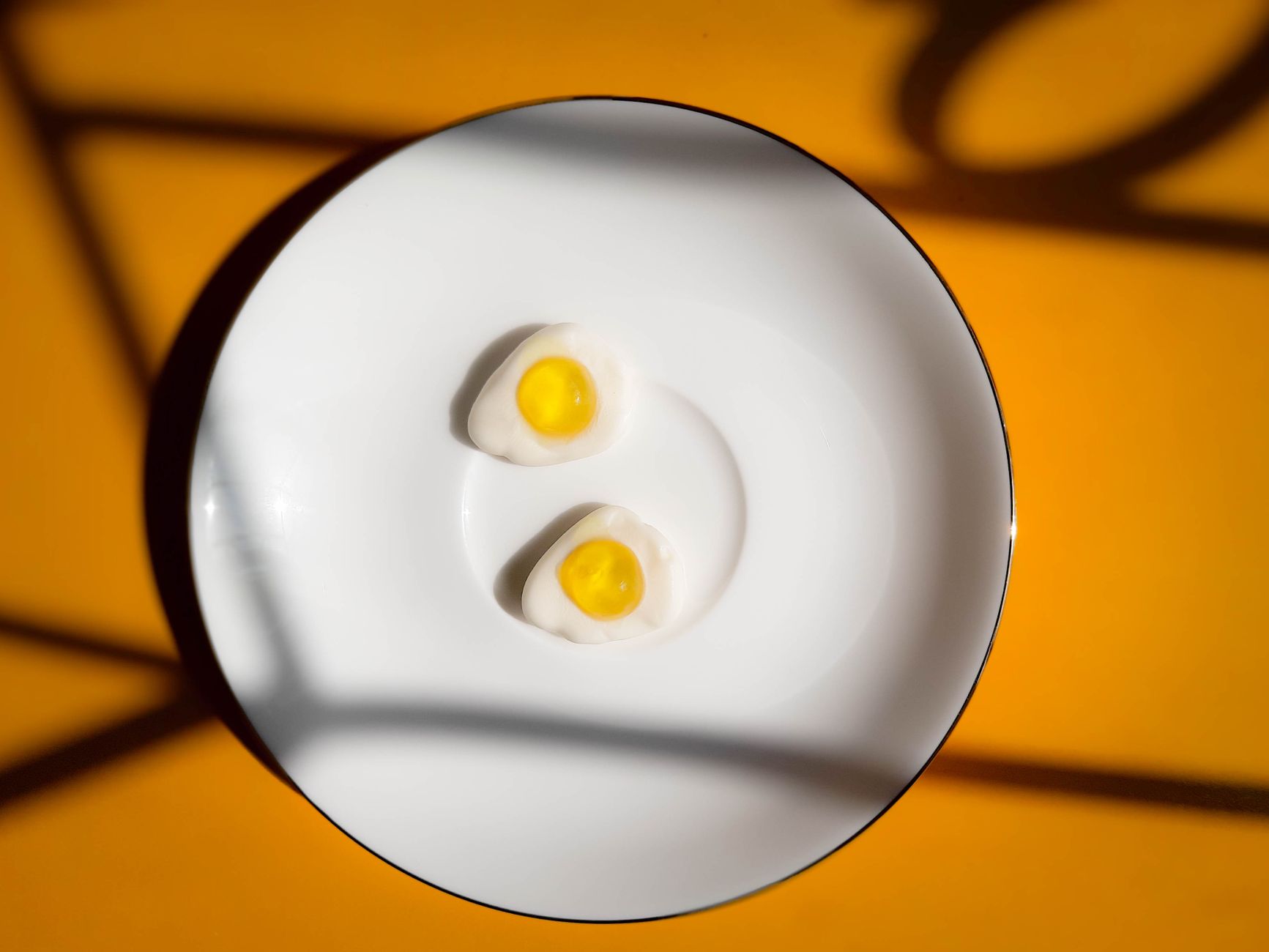
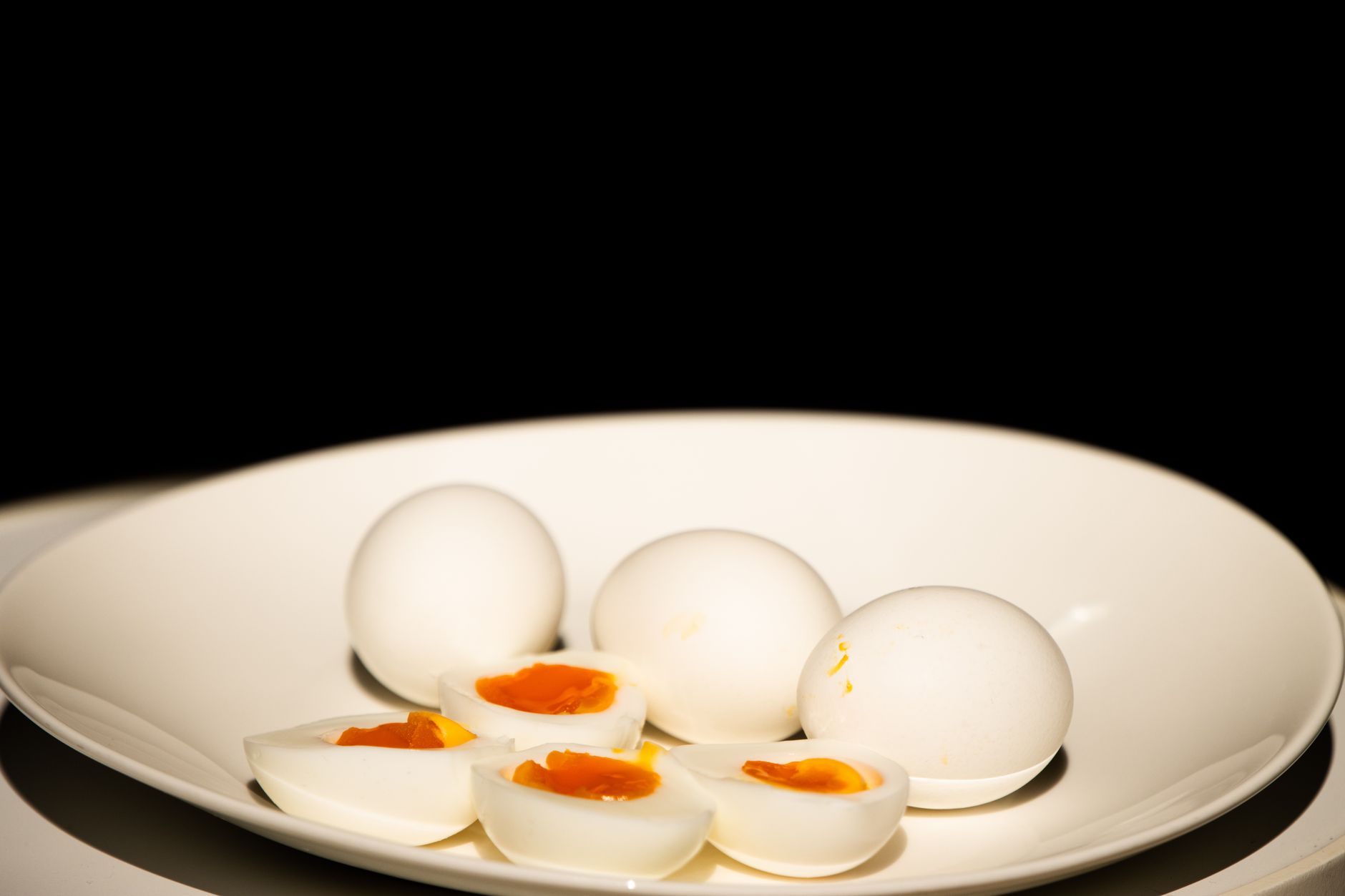
Safe in moderation: Sunny side up eggs are safe during pregnancy if cooked thoroughly to kill bacteria. Limit to 3-4 eggs weekly, especially in the first trimester. Learn safe prep methods.
By Shubhra Mishra — a mom of two who turned her own confusion during pregnancy into BumpBites, a global mission to make food choices clear, safe, and stress-free for every expecting mother. 💛
Check whether any food is safe during pregnancy with the BumpBites Food Safety Checker.
Quick verdict: ❌ Best avoided. Sunny side up eggs are not considered safe during pregnancy because the runny yolk may harbor salmonella, a food‑borne bacteria that can cause serious illness for both you and your baby. If you crave eggs, choose fully cooked preparations or pasteurized egg products instead.
It’s 2 a.m., you’re scrolling through recipes, and a picture of a perfectly golden sunny side up egg catches your eye. Suddenly a wave of worry washes over you: is sunny side up eggs safe during pregnancy? You might already have taken a bite, or you’re deciding whether to add them to your breakfast menu. First, take a breath—you’re not alone. Many expecting parents have the same late‑night question, and the answer is clearer than the fog of uncertainty.
In short, the consensus among leading health authorities—including the American College of Obstetricians and Gynecologists (ACOG), the U.K.’s National Health Service (NHS), and the U.S. Centers for Disease Control and Prevention (CDC)—is that undercooked eggs, such as sunny side up, should be avoided. This article walks you through exactly why, how many eggs you can safely enjoy each week, what to consider in each trimester, brand considerations, and safer ways to get your egg nutrition without the risk.
We’ll also explore alternatives, compare related egg dishes, debunk common myths, and give you a quick‑reference cheat sheet so you can stop worrying and start planning your meals with confidence.
When the yolk looks perfect, the hidden risk may not be.
Trimester / Phase
Verdict
Notes
First trimester
❌ Best avoided
Organ development is most vulnerable; salmonella risk is highest.
Second trimester
❌ Best avoided
Risk persists; fully cooked eggs recommended.
Third trimester
❌ Best avoided
Even late in pregnancy, infection can affect the newborn.
Breastfeeding
❌ Best avoided
Salmonella can be transmitted via breast milk; choose cooked eggs.
What is a sunny side up egg?
Sunny side up eggs are a classic breakfast preparation where the egg is cracked into a hot pan and cooked only on one side. The white sets while the yolk remains runny, giving the appearance of a bright sun peeking from the plate. The cooking method leaves the yolk uncooked, which means any bacteria present on the shell or inside the egg can survive. Eggs are often praised for their high‑quality protein, essential vitamins (like B12, D, and riboflavin), and minerals (such as selenium and choline). Because the yolk stays liquid, many people enjoy the rich, buttery texture, but the same texture also means a higher chance that harmful microbes—most notably Salmonella enterica—remain alive.
Eggs are produced by hens under a variety of farming conditions, ranging from cage‑free to conventional battery‑cage systems. In every setting, a small percentage of eggs can become contaminated with salmonella, either from the hen’s reproductive tract or from the environment. While most healthy adults recover from a mild case, pregnant people are more susceptible to severe complications, including dehydration, fever, and even preterm labor. The risk isn’t limited to the yolk; it can also be present in the thin layer of white that surrounds it.
Is sunny side up eggs safe during pregnancy?
Current guidance from ACOG, the NHS, and the CDC advises pregnant people to avoid undercooked eggs, including sunny side up, poached eggs with runny yolks, and soft‑boiled eggs. The primary concern is salmonella, a bacterium that can cause gastroenteritis and, in pregnancy, may lead to serious maternal infection and fetal complications such as miscarriage, preterm birth, or low birth weight. The CDC estimates that about 1 in 20,000 eggs in the United States is contaminated with salmonella, but because the infection can be severe in pregnancy, the precautionary principle is applied.
Studies published in the Journal of Food Protection and the American Journal of Obstetrics & Gynecology have documented outbreaks where pregnant women who ate undercooked eggs experienced severe illness, while fully cooked eggs showed no such association. The NHS specifically states that “eggs should be cooked until both the white and yolk are firm” to eliminate the risk. In short, while the occasional undercooked egg may not always cause illness, the potential consequences are high enough that the safest route is to avoid sunny side up eggs entirely.
If you’ve already eaten a sunny side up egg before knowing you were pregnant, most experts suggest monitoring for symptoms such as fever, abdominal cramps, or diarrhea, and contacting your provider if any develop. The likelihood of infection from a single egg is low, but it’s better to be proactive.
Are sunny side up eggs safe to eat during the first trimester?
The first trimester is the period of organogenesis, when the baby’s major organs are forming. During this vulnerable window, any infection—especially one that triggers a fever—can increase the risk of birth defects or miscarriage. Because salmonella can cause high fevers, ACOG explicitly recommends avoiding undercooked eggs in the first trimester. Even if you feel fine after eating a sunny side up egg, it’s still wise to err on the side of caution and switch to fully cooked egg options for the remainder of the pregnancy.
How many sunny side up eggs can a pregnant woman safely consume per week?
Given the consensus to avoid them, the safest answer is zero. If you prefer the flavor of a runny yolk, consider substituting with pasteurized egg products, which have been heat‑treated to kill salmonella while preserving the liquid texture. For fully cooked eggs, nutrition guidelines from the USDA suggest that most pregnant people can safely consume 3‑4 whole eggs per week, providing ample protein and choline without exceeding recommended cholesterol intake.
What are the risks of eating sunny side up eggs while pregnant?
The primary risk is salmonella infection, which can lead to:
Rarely, invasive infection that spreads to the bloodstream (bacteremia)
While most healthy adults recover within a week, pregnant people are more likely to develop severe illness, and the infection can affect the developing baby. The CDC notes that pregnant women with salmonellosis have a higher rate of hospitalization compared with non‑pregnant adults.
Can I eat sunny side up eggs if I have a history of foodborne illness during pregnancy?
If you’ve previously experienced a foodborne illness, the safest approach is to eliminate any potential sources of infection, including sunny side up eggs. Your provider may advise stricter dietary precautions, such as only consuming eggs that have been cooked until both the white and yolk are firm or using pasteurized egg products. The combination of past illness and a new exposure could compound risks, so it’s best to avoid undercooked eggs entirely.
Are there any safe egg brands for pregnant women who prefer runny yolks?
Standard egg brands cannot guarantee a salmonella‑free product when the yolk remains runny. However, several manufacturers sell pasteurized liquid egg products—such as Egg Beaters, Just Egg, and the USDA‑certified “Pasteurized Eggs” sold in many grocery stores. These products have been heat‑treated to eliminate salmonella while maintaining a liquid consistency, allowing you to enjoy runny‑style dishes safely. Always check packaging for the “pasteurized” label, and store them according to the manufacturer’s instructions.
What are safer egg preparations for pregnant women compared to sunny side up?
Poached eggs where the white is fully set and the yolk is thick (though some still consider it borderline)
Well‑cooked omelets with no runny parts
Baked egg casseroles or frittatas where the interior reaches 160 °F (71 °C)
Egg whites only, which carry a lower bacterial load
Pasteurized liquid eggs used in sauces or custards
All of these methods reach temperatures that destroy salmonella, making them safe choices throughout pregnancy.
Is it safe to eat sunny side up eggs if I have a weakened immune system during pregnancy?
A weakened immune system—whether from a chronic condition, medication, or pregnancy‑related changes—heightens susceptibility to infections. In such cases, the precautionary principle is even stronger: avoid sunny side up eggs entirely. The CDC’s guidance for immunocompromised individuals explicitly recommends only consuming fully cooked eggs. Discuss any specific concerns with your obstetric provider, who may tailor dietary advice to your health status.
Do nutrition guidelines recommend limiting sunny side up eggs in pregnancy?
Nutrition guidelines from the USDA’s MyPlate and the NHS do not list sunny side up eggs as a separate category; instead, they advise that all eggs be cooked until both the white and yolk are firm. Because the runny yolk can harbor salmonella, the implicit recommendation is to limit or eliminate sunny side up eggs. The emphasis is on obtaining the nutritional benefits of eggs—high‑quality protein, choline, and vitamin D—while minimizing food‑borne risk.
Safe dosage / amount / brands
While the safest answer for sunny side up eggs is none, here’s a practical guide for egg consumption overall during pregnancy:
Item
Recommended weekly amount
Safe brand / preparation tip
Whole eggs (fully cooked)
3–4 eggs
Any reputable brand; ensure yolk is firm
Pasteurized liquid eggs
Up to 4 servings
Egg Beaters, Just Egg, USDA‑certified pasteurized eggs
Egg whites only
Unlimited (protein source)
Separate from yolk; avoid cross‑contamination
When buying fresh shell eggs, look for “Grade A” or “Grade AA” labeling, and check the expiration date. For added safety, you can also purchase eggs that have been pre‑pasteurized, which are clearly marked on the carton. Store eggs in the refrigerator at ≤ 40 °F (4 °C) and use them within three weeks of purchase.
Side effects and risks
Salmonella infection can present with mild to severe symptoms. Mild cases typically involve abdominal cramps, nausea, vomiting, and watery diarrhea lasting 4‑7 days. Severe cases may include high fever (> 101.5 °F), dehydration, and the need for hospitalization. For pregnant people, any fever above 100.4 °F warrants prompt medical evaluation, as it can affect fetal development.
Other, less serious side effects of egg consumption (e.g., mild food intolerance) are not unique to sunny side up preparation. However, the key risk to monitor is the classic salmonella profile. If you experience any of the following, contact your provider immediately:
Fever lasting more than 24 hours
Persistent vomiting or inability to keep fluids down
Severe abdominal pain
Blood in stool
These signs may indicate a serious infection that requires treatment, possibly including antibiotics safe for pregnancy.
Safer alternatives
Hard‑boiled eggs – Fully set yolk eliminates salmonella risk.
Fully cooked scrambled eggs – Cook until no liquid remains.
Poached eggs (white fully set) – Ensure the white is firm and the yolk is thick.
Well‑cooked omelet – Flip and cook through, no runny portions.
Baked egg casserole – Oven‑cooked to 160 °F, perfect for meal prep.
Egg whites only – Lower bacterial load, great for protein.
Pasteurized liquid eggs – Safe for runny‑style dishes without the bacteria.
Related items — safety at a glance
Item
Verdict
Note
Soft boiled eggs
❌ Best avoided
Yolk may still be runny; salmonella risk remains.
Over easy eggs
❌ Best avoided
Both white and yolk are partially uncooked.
Runny yolk eggs
❌ Best avoided
Same risk as sunny side up.
Egg salad
⚠️ Safe with pasteurized eggs
Traditional recipes use raw eggs; use pasteurized for safety.
Deviled eggs
⚠️ Safe with pasteurized eggs
Filling often contains raw yolk; choose pasteurized.
Egg‑based sauces (e.g., hollandaise)
⚠️ Safe with pasteurized eggs
Raw or lightly cooked; pasteurization eliminates risk.
Egg custard
⚠️ Safe when fully set
Cook until center reaches 160 °F.
Myth vs. fact
Myth: “If the egg looks fresh, it can’t be contaminated.”
Fact: Salmonella can be present in eggs regardless of appearance; cooking to 160 °F is the only reliable way to destroy it.
Myth: “A single sunny side up egg won’t cause any harm.”
Fact: While the probability of infection from one egg is low, the consequences of salmonella infection in pregnancy can be severe, so the precautionary principle advises avoidance.
Myth: “Organic or free‑range eggs are automatically safer.”
Fact: Salmonella contamination can occur in any egg; the safest method is proper cooking or using pasteurized products.
Key takeaways
❌ Sunny side up eggs are best avoided throughout pregnancy due to salmonella risk.
Fully cooked eggs (hard‑boiled, scrambled, well‑done omelet) are safe and provide essential nutrients.
If you love runny yolks, choose pasteurized liquid eggs or egg products labeled “pasteurized.”
Limit overall egg consumption to 3‑4 whole eggs per week, per USDA guidance.
Watch for fever, severe GI symptoms, or dehydration—these are red‑flag signs that require medical attention.
Frequently asked questions
Can I eat runny eggs while pregnant?
No. Health authorities such as ACOG and the CDC advise against consuming any runny or undercooked eggs, including sunny side up, because of the risk of salmonella infection.
What are the dangers of salmonella for pregnant women?
Salmonella can cause fever, severe diarrhea, and dehydration, which may increase the risk of miscarriage, preterm labor, or low birth weight. Pregnant people are more likely to be hospitalized for salmonellosis than non‑pregnant adults.
How can I tell if an egg is safe to eat during pregnancy?
The safest way is to cook the egg until both the white and yolk are firm (reaching an internal temperature of 160 °F/71 °C). Pasteurized egg products are also safe without further cooking.
Is it okay to eat eggs with a runny yolk in the second trimester?
Even in the second trimester, the recommendation remains the same: avoid runny yolks. Fully cooked eggs are the only egg preparation considered safe during any trimester.
What are the best ways to cook eggs safely during pregnancy?
Methods that ensure the egg reaches 160 °F include hard‑boiling, fully scrambling, baking in casseroles, making firm omelets, and using pasteurized liquid eggs for sauces or custards.
Do pasteurized eggs reduce the risk of foodborne illness in pregnancy?
Yes. Pasteurization heats eggs enough to kill salmonella while preserving a liquid consistency, making them safe for recipes that call for runny yolks or raw egg.
How many eggs can I safely eat per week while pregnant?
Nutrition guidelines suggest 3–4 whole, fully cooked eggs per week. This provides ample protein and choline without exceeding cholesterol recommendations.
Fully cooked egg dishes give you the nutrients you need without the salmonella risk.
When to call your doctor
If you experience any of the following after eating an egg—or at any point during pregnancy—reach out to your obstetric provider promptly:
Fever of 100.4 °F (38 °C) or higher lasting more than 24 hours
Severe or persistent vomiting or diarrhea
Abdominal pain that does not subside
Blood in stool or unusually dark stools
Signs of dehydration (dry mouth, dizziness, reduced urine output)
These symptoms could indicate salmonella infection or another serious condition. Remember, this article provides general information and is not a substitute for personalized medical advice. Always discuss your diet and any concerns with your health care provider.
References
American College of Obstetricians and Gynecologists (ACOG). “Nutrition During Pregnancy.” 2023. https://www.acog.org/clinical/clinical-guidance
U.S. Centers for Disease Control and Prevention (CDC). “Salmonella and Pregnancy.” 2022. https://www.cdc.gov/foodsafety/pregnancy.html
U.S. Food and Drug Administration (FDA). “Egg Safety.” 2021. https://www.fda.gov/food/food-safety
National Health Service (NHS). “Eggs and Food Safety.” 2023. https://www.nhs.uk/conditions/food-poisoning/
U.S. Department of Agriculture (USDA). “MyPlate: Protein Foods.” 2022. https://www.myplate.gov/eat-healthy/protein-foods
Journal of Food Protection. “Risk Assessment of Salmonella in Eggs.” 2020.
American Journal of Obstetrics & Gynecology. “Food‑borne Illness in Pregnancy.” 2019.
Not sure about the label on Is Sunny Side Up Eggs Safe During Pregnancy products?
Snap the ingredients list and SafeFilter checks every ingredient for your stage — only 3 free scans this month, then you're locked until reset. Unlimited from $7/mo or $50/yr.
When Shubhra Mishra was expecting her first child in 2016, she was overwhelmed by conflicting food advice — one site said yes, another said never. By the time her second baby arrived in 2019, she realized millions of mothers face the same confusion.
That sparked a five-year journey through clinical nutrition papers, cultural diets, and expert conversations — all leading to BumpBites: a calm, compassionate space where science meets everyday motherhood.
Her long-term vision is to build a global community ensuring safe, supported, and free deliveriesfor every mother — because no woman should face pregnancy alone or uninformed. 🌿
🌍 Stand with mothers, shape safer guidance
Join a small circle of experts who review BumpBites articles so expecting parents everywhere can decide with confidence.