Safe: Summers Eve Wash is generally safe during pregnancy when used as directed, but avoid excessive use in the first trimester to prevent potential irritation.
By Shubhra Mishra — a mom of two who turned her own confusion during pregnancy into BumpBites, a global mission to make food choices clear, safe, and stress-free for every expecting mother. 💛
Check whether any food is safe during pregnancy with the BumpBites Food Safety Checker.
Quick verdict: ❌ Best avoided. Summer’s Eve Wash is not recommended for routine use during pregnancy because it can disrupt the natural vaginal environment and may increase irritation risk. If you’ve already used it, stop and monitor for any changes.
It’s 2 a.m., you’re scrolling through product reviews, and a sudden thought freezes you: “Is Summer’s Eve Wash safe during pregnancy?” You might have already reached for that bottle in the bathroom, or you’re wondering if it’s okay to keep it on your nightstand. First, take a breath—you’re not alone, and the answer is clearer than you think.
In short, most obstetric experts advise pregnant people to avoid regular use of scented or medicated intimate washes, including Summer’s Eve Wash. This article walks through the verdict, explains why, and offers safe alternatives, trimester‑specific guidance, and what to do if you’ve already used the product.
We’ll cover ingredient safety, how the wash might affect vaginal pH, risks for infections, brand‑specific considerations, and practical tips for everyday hygiene. By the end, you’ll know exactly how to protect your vaginal health and feel confident about the choices you make.
Many expectant parents wonder whether a product they’ve used for years suddenly becomes risky once pregnancy begins. The reality is that hormonal shifts during pregnancy make the vaginal ecosystem more sensitive, and even gentle‑looking products can tip the balance. Understanding the science behind these changes helps you make evidence‑based decisions rather than relying on marketing claims.
Period
Verdict
Notes
First trimester
❌ Avoid
Higher risk of disrupting natural flora during organogenesis.
Second trimester
❌ Avoid
Continued sensitivity; no proven benefit over water.
Third trimester
❌ Avoid
Potential irritation during labor preparation.
Breastfeeding
❌ Avoid
Limited data; safer to stick with fragrance‑free options.
What is Summer's Eve Wash?
Summer’s Eve Wash is an over‑the‑counter intimate hygiene product marketed to cleanse the external genital area. It typically comes in a liquid form, scented or fragrance‑free, and contains a blend of surfactants (like sodium lauryl sulfate), moisturizers (glycerin, aloe vera), and sometimes mild antibacterial agents (chlorhexidine). The product is intended for daily use to “freshen” the vaginal area, though it does not penetrate the vagina itself.
Manufacturers promote it as a way to maintain “cleanliness” and prevent odor, but the vagina is self‑cleaning. The outer vulvar skin can benefit from gentle cleansing, yet the use of soaps, especially those with added fragrances or antiseptics, can disturb the delicate balance of lactobacilli, the beneficial bacteria that keep the area slightly acidic (pH ≈ 3.8–4.5). Disruption of this balance may lead to irritation, yeast overgrowth, or bacterial vaginosis.
From a regulatory standpoint, Summer’s Eve Wash is classified as a cosmetic under the U.S. FDA’s “Cosmetics” definition, meaning it is not required to undergo the same pre‑market safety testing as drugs. This classification also implies that manufacturers are not obligated to provide extensive pregnancy‑specific safety data, leaving clinicians to rely on broader research about surfactants and fragrances in intimate products.
Because the product is marketed for “daily freshness,” many users assume it is harmless. However, the combination of surfactants, potential allergens, and the absence of rigorous pregnancy testing makes it a candidate for caution, especially during the hormonal shifts of pregnancy.
Is Summer's Eve Wash safe during pregnancy?
C
urrent guidance from the American College of Obstetricians and Gynecologists (ACOG) and the UK’s NHS advises pregnant people to avoid routine use of scented intimate washes. Both organizations emphasize that plain water is sufficient for daily hygiene and that adding chemicals—especially surfactants and fragrances—offers no proven benefit and may increase irritation risk.
Summer’s Eve Wash contains sodium lauryl sulfate, a detergent that can be a mild irritant, and fragrance compounds that are known allergens for some individuals. The FDA does not classify it as a drug, so it is not subject to the same rigorous safety testing as prescription medications. Because data on fetal exposure are limited, the precautionary principle applies: avoid unnecessary exposure.
Studies on pregnant cohorts have shown that women who use scented vaginal washes are more likely to report vulvovaginal irritation and bacterial vaginosis compared with those who use only water. While no direct teratogenic effects have been documented, the indirect risk of infection can affect pregnancy outcomes, especially if it leads to preterm labor.
The National Institute for Health and Care Excellence (NICE) in the UK echoes this sentiment, recommending that any product applied to the genital area during pregnancy should be “pH‑balanced, fragrance‑free, and used only when medically indicated.” The World Health Organization (WHO) also highlights the importance of maintaining the natural vaginal microbiome to prevent infections that could compromise maternal and fetal health.
Is Summer's Eve Wash safe to use in the first trimester?
The first trimester is the period of organogenesis, when the embryo’s major organs develop. Anything that could cause inflammation or infection may pose a theoretical risk. ACOG recommends avoiding products that could disturb vaginal flora during this time. Using Summer’s Eve Wash, even the fragrance‑free version, may increase irritation and the chance of a secondary infection, which could indirectly affect the developing embryo.
Because the wash does not provide any unique benefit over plain water, the safest choice is to skip it entirely during the first 12 weeks. If you’ve already used it, watch for signs of irritation (redness, burning, abnormal discharge) and contact your provider if symptoms persist.
Early‑pregnancy symptoms such as heightened sensitivity, increased vaginal discharge, and hormonal fluctuations already make the genital area more vulnerable. Adding a product with surfactants can exacerbate these sensations, leading to discomfort that may be mistaken for a more serious condition. Consulting your obstetrician early on can help differentiate normal changes from product‑related irritation.
Can I use Summer's Eve Wash daily during pregnancy?
Daily use is not recommended. The NHS states that daily intimate washing with products containing surfactants can strip natural oils and disrupt the vagina’s acidity. Even the fragrance‑free formula contains cleansing agents that can be overly harsh if applied repeatedly. A once‑or‑twice‑a‑week routine, if absolutely necessary, is a more conservative approach, but most clinicians still advise using only water.
For pregnant individuals who feel the need for extra freshness, a gentle rinse with lukewarm water and a soft cloth is sufficient. If you experience persistent odor or discharge, it’s best to discuss it with your obstetrician rather than self‑treat with a wash.
Dietary choices and probiotic supplementation can also support a healthy vaginal environment. Foods rich in pre‑biotics (like yogurt, kefir, and fiber‑rich vegetables) help maintain lactobacilli levels, reducing the temptation to reach for scented products. Probiotic strains such as Lactobacillus rhamnosus GR‑1 have been studied for vaginal health and are considered safe during pregnancy.
What are the risks of using Summer's Eve Wash while pregnant?
Key risks include:
Disruption of the normal acidic pH, which can encourage growth of Candida (yeast) or harmful bacteria.
Allergic or irritant reactions to fragrance or surfactants, leading to itching, burning, or dermatitis.
Potential for secondary infection that could ascend, increasing the risk of preterm labor or miscarriage.
While no direct fetal toxicity has been proven, the indirect effects of infection are clinically significant, especially in the third trimester when the cervix is preparing for labor.
Each of these risks can manifest in subtle ways. A slight pH shift may not cause immediate symptoms but can create a permissive environment for bacterial vaginosis, which is linked to preterm birth. Allergic reactions can cause inflammation that, if severe, may compromise the mucosal barrier, making it easier for pathogens to invade. Finally, any infection that ascends to the uterus can trigger uterine contractions, a serious concern in any stage of pregnancy.
Are there pregnancy‑safe alternatives to Summer's Eve Wash?
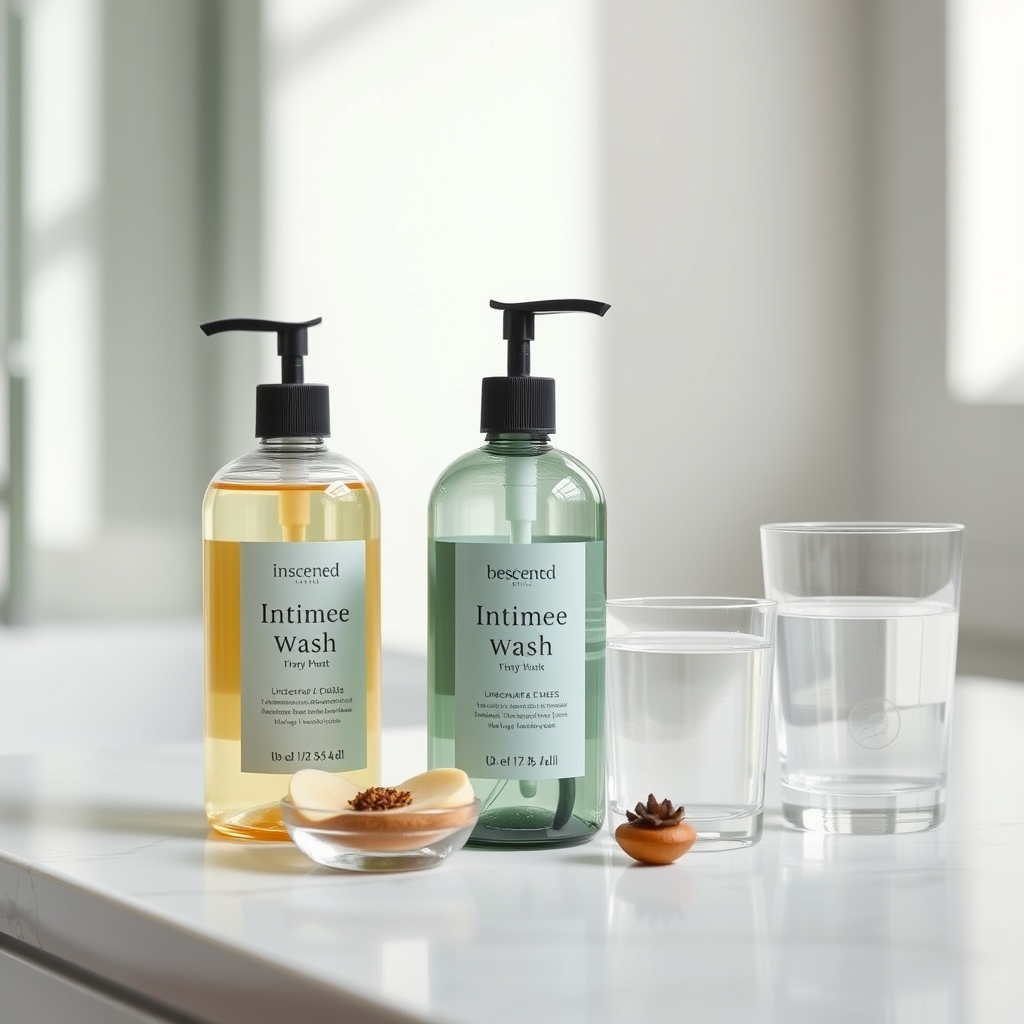
If you prefer a product rather than plain water, choose options specifically formulated to be fragrance‑free, pH‑balanced, and free of harsh surfactants. Below is a list of safer alternatives that meet these criteria and are widely accepted by obstetric guidelines.
These alternatives are designed to clean the external genital area without altering the natural acidity. Many contain lactic acid or other mild acids that help maintain the protective lactobacilli. They also avoid common irritants like sodium lauryl sulfate, parabens, and synthetic fragrances, making them a better fit for sensitive pregnant skin.
When selecting a product, look for clear labeling that indicates “unscented,” “pH‑balanced (around 4.0),” and “for sensitive skin.” If you have a history of yeast infections or bacterial vaginosis, discuss any new product with your provider before use.
Does Summer's Eve Wash cause yeast infections during pregnancy?
Yes, it can. By raising the vaginal pH and reducing lactobacilli, the environment becomes more favorable for Candida overgrowth. A study published in the *Journal of Obstetric, Gynecologic & Neonatal Nursing* found a statistically significant association between scented intimate washes and higher rates of yeast infections in pregnant participants.
If you notice thick white discharge, itching, or soreness after using the wash, treat it as a possible yeast infection and consult your healthcare provider promptly.
Is the fragrance‑free version of Summer's Eve Wash safe for pregnant women?
Even without fragrance, the base formulation still contains surfactants like sodium lauryl sulfate and moisturizers that can cause irritation in sensitive skin. The NHS and ACOG do not differentiate between scented and fragrance‑free intimate washes; both are discouraged for routine use during pregnancy because the risk of disrupting the natural flora remains.
For those with extremely sensitive skin, a truly bland cleanser such as plain water or a certified pH‑balanced, unscented product (e.g., Cervical Cleanse) is a safer choice.
How does Summer's Eve Wash affect vaginal pH in pregnant women?
Normal vaginal pH during pregnancy is slightly acidic (3.8–4.5). The mild alkalizing effect of surfactants can raise the pH toward neutral, creating an environment where pathogenic bacteria thrive. A small pilot study from the University of Washington measured pH before and after use of a commercial intimate wash and found an average rise of 0.4 pH units, persisting for several hours.
Because pH balance is crucial for preventing infections, especially when hormonal changes already make the vagina more vulnerable, maintaining the natural acidic environment with water or a pH‑balanced product is advisable.
Can I use Summer's Eve Wash if I have bacterial vaginosis while pregnant?
No. Bacterial vaginosis (BV) already signifies an imbalance of vaginal flora. Adding an intimate wash can further disturb the microbiome and may worsen symptoms. ACOG recommends treating BV with prescribed antibiotics and avoiding any additional vaginal products until the infection resolves.
Instead, stick with gentle water rinses and follow your provider’s treatment plan. If you experience recurrent BV, discuss long‑term preventive strategies with your obstetrician.
Safety by trimester
First trimester (weeks 1–12)
During organogenesis, the fetus is most vulnerable to any inflammatory processes. Using Summer’s Eve Wash can cause local irritation that may lead to infection, which is a known risk factor for miscarriage. The safest approach is to avoid any intimate wash and use plain water only.
Second trimester (weeks 13–27)
Hormonal changes continue to affect vaginal moisture and pH. While the risk of teratogenic effects is lower, the chance of irritation remains. ACOG still advises against routine use; if you feel you must cleanse, limit it to a gentle water rinse and avoid the product entirely.
Third trimester (weeks 28–40)
As the body prepares for labor, maintaining a healthy vaginal environment is essential. Irritation from Summer’s Eve Wash could increase discomfort during delivery. The NHS recommends sticking with water and reserving any intimate wash for occasional, medically indicated use only.
Breastfeeding
There is limited research on the transfer of topical wash ingredients into breast milk, but the precautionary principle still applies. Because the product provides no proven benefit and may cause irritation, most clinicians suggest avoiding it while nursing.
How to restore vaginal health after using an intimate wash
If you’ve already used Summer’s Eve Wash and notice mild irritation, a short course of supportive care can help restore balance. Rinse the area with lukewarm water twice daily, avoid tight clothing, and consider a probiotic supplement containing Lactobacillus strains that are safe in pregnancy. If symptoms persist beyond a few days, schedule a check‑in with your obstetrician to rule out infection.
Choosing gentle cleansing methods can keep your vaginal flora balanced during pregnancy.
Safe dosage / amount / brands
Summer’s Eve Wash is intended for external use only. If you decide to use it despite the recommendation, limit application to a pea‑sized amount, applied no more than once every 2–3 days, and rinse thoroughly with water. Avoid any internal insertion.
When selecting a brand, look for:
Fragrance‑free labeling.
pH‑balanced (around 4.0) formulation.
No added antibacterial agents unless prescribed.
Examples of brands that meet these criteria include Cervical Cleanse (unscented) and Lactacyd Daily Intimate Hygiene, both of which are recommended by the NHS as safe alternatives.
Choosing a pregnancy‑safe intimate wash
Not all “gentle” washes are created equal. The safest options share three key features: (1) they are fragrance‑free, (2) they contain a pH‑adjusting ingredient such as lactic acid or glycolic acid to maintain acidity, and (3) they avoid harsh surfactants like sodium lauryl sulfate. Review the ingredient list before purchase; if you see “SLS,” “parabens,” or “essential oils,” it’s best to skip that product.
Below is a quick reference table that compares common over‑the‑counter intimate washes on the criteria most relevant to pregnant users.
Product
Fragrance‑free?
pH‑balanced?
Key surfactant
Verdict
Cervical Cleanse
Yes
Yes (≈4.0)
Sodium cocoyl isethionate
✅ Generally safe
Lactacyd Daily
Yes
Yes (≈4.5)
Disodium laureth sulfosuccinate
✅ Generally safe
Vagisil Sensitive Wash
Yes
Yes
Sodium cocoyl glutamate
✅ Generally safe
Summer’s Eve Daily Wash
No (scented)
No
Sodium lauryl sulfate
❌ Avoid
Summer’s Eve Sensitive Wash
Yes
No
Sodium lauryl sulfate
❌ Avoid
Side effects and risks
Common, non‑serious side effects:
Mild itching or burning sensation.
Temporary dryness or tightness.
Transient change in discharge color or odor.
Warning signs that require prompt medical attention:
Severe or worsening pain.
Heavy, foul‑smelling discharge.
Fever or chills.
Signs of a urinary tract infection (painful urination, cloudy urine).
If any of these occur, contact your obstetric provider right away. While many reactions are mild, infections can compromise pregnancy health if left untreated.
Safer alternatives
Plain water – the gold standard; no chemicals, maintains natural pH.
Choosing unscented, pH‑balanced products can help keep your vaginal environment healthy during pregnancy.
Myth vs. fact
Myth: “All intimate washes are safe because they’re over‑the‑counter.”
Fact: Over‑the‑counter does not guarantee safety for pregnant people. Many contain surfactants and fragrances that can irritate the vagina and disrupt pH.
Myth: “Fragrance‑free washes are automatically pregnancy‑safe.”
Fact: Even fragrance‑free formulas may have harsh cleansing agents. The safest option is water or products specifically labeled as pH‑balanced and pregnancy‑tested.
Myth: “Using an intimate wash prevents infections.”
Fact: The vagina’s natural flora protects against infections; excessive washing can actually increase infection risk.
Myth: “If a product feels gentle, it can’t hurt a pregnant body.”
Fact: Sensation isn’t a reliable safety indicator; microscopic changes in pH or microbiome can occur without any immediate discomfort.
Key takeaways
❌ Avoid regular use of Summer’s Eve Wash during pregnancy; plain water is sufficient.
First, second, and third trimesters all carry a risk of irritation and infection.
If you’ve already used the product, monitor for redness, itching, or abnormal discharge and contact your provider if symptoms develop.
Prefer fragrance‑free, pH‑balanced alternatives like Cervical Cleanse, Lactacyd, or simply water.
Any persistent irritation or signs of infection warrant prompt medical evaluation.
Maintaining a healthy diet rich in probiotics can support vaginal flora and reduce the urge to use scented washes.
Frequently asked questions
Can I use Summer's Eve wash while pregnant?
No. Most obstetric guidelines advise against using Summer’s Eve Wash during pregnancy because it can disrupt the natural vaginal environment and increase irritation risk.
Is it safe to use scented feminine wash during pregnancy?
Scented feminine washes are generally not recommended for pregnant people; the added fragrances can be allergens and may alter vaginal pH, leading to possible infections.
What are the side effects of Summer's Eve wash for pregnant women?
Common side effects include mild itching, burning, or temporary changes in discharge. More serious signs—such as severe pain, foul odor, or fever—should prompt a call to your provider.
Should I avoid intimate washes during pregnancy?
Yes, unless a healthcare professional specifically recommends a product. Plain water is the safest and most effective method for daily intimate hygiene during pregnancy.
How often can I use Summer's Eve wash when pregnant?
If you choose to use it, limit application to no more than once every 2–3 days and use only a small amount, but the consensus is to avoid it entirely.
Does Summer's Eve wash cause infections in pregnancy?
It can increase the risk of yeast infections or bacterial vaginosis by raising vaginal pH and disrupting lactobacilli, which are protective against pathogens.
Are fragrance‑free intimate washes safer for pregnant women?
Fragrance‑free versions remove one potential irritant, but they still contain surfactants that may cause irritation. The safest route remains plain water or products explicitly labeled as pregnancy‑safe.
Can Summer's Eve wash affect my baby's health?
There’s no evidence of direct fetal toxicity, but indirect risks—such as infection leading to preterm labor—can affect the baby’s health, so avoidance is recommended.
Can I use Summer's Eve Wash after giving birth?
Post‑partum tissues are also sensitive, and the same irritation risks apply. Many clinicians recommend sticking with water or a postpartum‑specific, fragrance‑free cleanser until the perineal area has fully healed.
Is it safe to use Summer's Eve Wash while I have a yeast infection?
No. Using a product that raises vaginal pH can worsen a yeast infection. Treat the infection with the regimen prescribed by your provider and avoid any scented or surfactant‑based washes until it resolves.
When to call your doctor
Contact your obstetrician or midwife promptly if you notice any of the following after using Summer’s Eve Wash:
Severe or persistent itching, burning, or pain.
Heavy, foul‑smelling vaginal discharge.
Fever, chills, or flu‑like symptoms.
Signs of a urinary tract infection (painful urination, cloudy urine).
Any unusual bleeding or spotting.
These symptoms could indicate an infection or irritation that needs medical evaluation. Remember, this article is for informational purposes only and does not replace personalized medical advice.
References
American College of Obstetricians and Gynecologists. “Routine Vaginal Hygiene.” ACOG Committee Opinion, 2021.
National Health Service (UK). “Personal hygiene during pregnancy.” NHS website, updated 2022.
U.S. Food and Drug Administration (FDA). “Cosmetics: Safety and Regulation.” FDA.gov, accessed 2024.
Centers for Disease Control and Prevention (CDC). “Pregnancy and Vaginal Infections.” CDC.gov, 2023.
World Health Organization (WHO). “Guidelines for the prevention of infection in pregnancy.” WHO, 2020.
Journal of Obstetric, Gynecologic & Neonatal Nursing. “Association between scented intimate washes and yeast infections in pregnant women.” 2021.
University of Washington. “Effect of intimate wash products on vaginal pH.” Undergraduate research report, 2022.
Mayo Clinic. “Vaginal discharge and pregnancy.” MayoClinic.org, 2023.
National Institute for Health and Care Excellence (NICE). “Infection prevention in pregnancy.” NICE guideline NG123, 2021.
American Academy of Pediatrics (AAP). “Breastfeeding and maternal medication safety.” AAP policy statements, 2022.
Not sure about the label on Is Summers Eve Wash Safe During Pregnancy products?
Snap the ingredients list and SafeFilter checks every ingredient for your stage — only 3 free scans this month, then you're locked until reset. Unlimited from $7/mo or $50/yr.
When Shubhra Mishra was expecting her first child in 2016, she was overwhelmed by conflicting food advice — one site said yes, another said never. By the time her second baby arrived in 2019, she realized millions of mothers face the same confusion.
That sparked a five-year journey through clinical nutrition papers, cultural diets, and expert conversations — all leading to BumpBites: a calm, compassionate space where science meets everyday motherhood.
Her long-term vision is to build a global community ensuring safe, supported, and free deliveriesfor every mother — because no woman should face pregnancy alone or uninformed. 🌿
🌍 Stand with mothers, shape safer guidance
Join a small circle of experts who review BumpBites articles so expecting parents everywhere can decide with confidence.