Limit summer sausage during pregnancy due to potential listeria risks, especially in first trimester
By Shubhra Mishra — a mom of two who turned her own confusion during pregnancy into BumpBites, a global mission to make food choices clear, safe, and stress-free for every expecting mother. 💛
Check whether any food is safe during pregnancy with the BumpBites Food Safety Checker.
Quick verdict: ⚠️ Safe with limits – cooked, properly stored summer sausage can be enjoyed in moderation, but it should be heated before eating and limited to small portions.
It’s 2 a.m., you’re scrolling through snack ideas, and a sudden thought hits: “Is summer sausage safe during pregnancy?” You might have already sliced a piece and added it to a salad, or you’re debating whether to keep it in the fridge for a quick protein boost. You’re not alone—many expecting parents wonder about deli meats, especially those that are ready‑to‑eat. The short answer is that summer sausage can be part of a balanced pregnancy diet if you follow a few safety rules.
In this article we’ll answer the burning question is summer sausage safe during pregnancy and walk you through trimester‑specific guidance, how much you can safely enjoy, the importance of heating it, brand considerations, potential risks like listeria and high sodium, and what to do if you have gestational diabetes. We’ll also suggest safer alternatives and compare summer sausage to other deli meats so you can make confident snack choices.
Take a breath—you’ve probably already consumed a small amount, and that’s often fine. We’ll break down the evidence from ACOG, the NHS, the FDA, and the CDC, and give you clear, actionable steps so you can stop worrying and start planning your next snack with confidence.
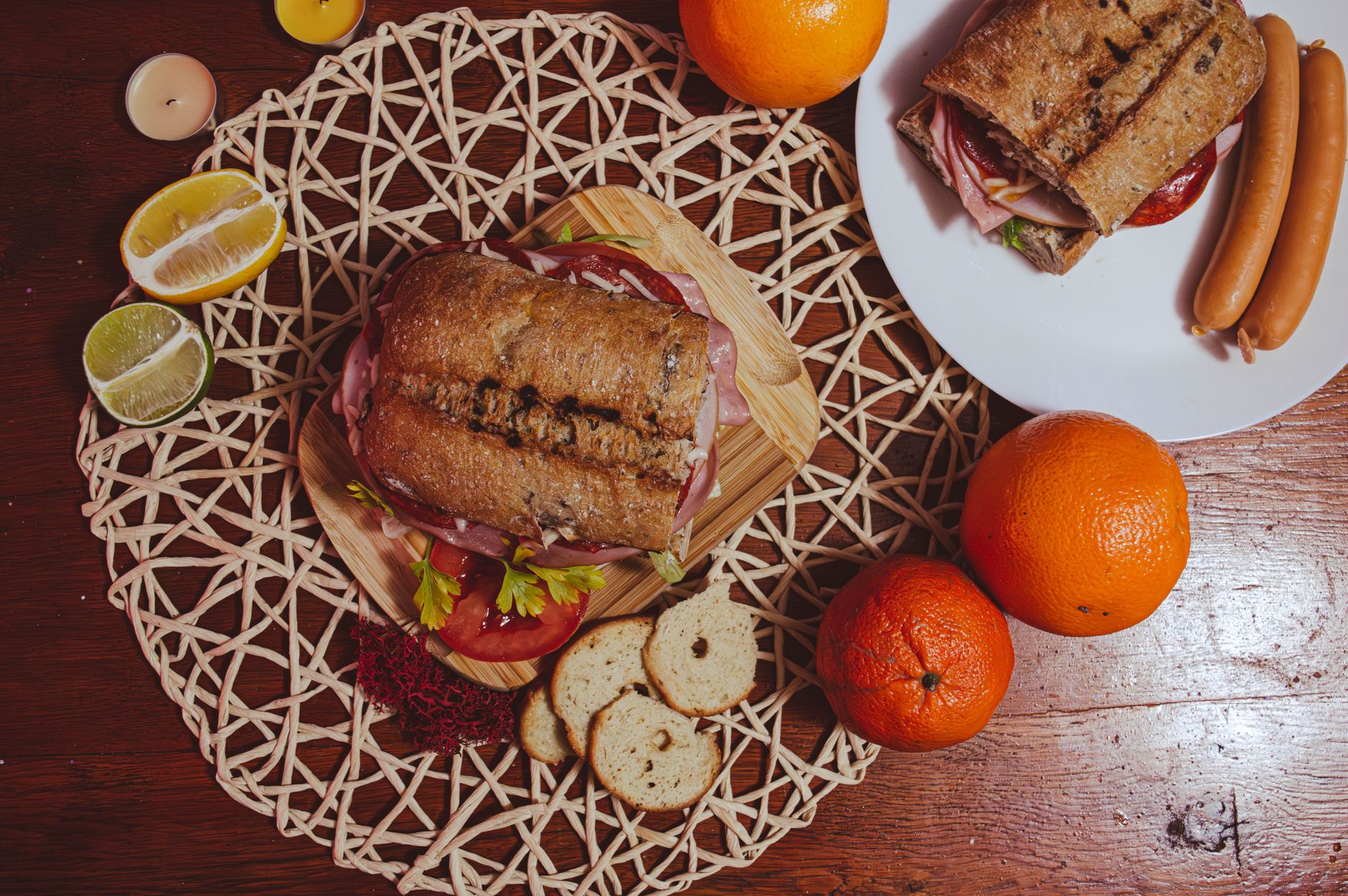
Pair summer sausage with fresh fruit and a glass of water for a balanced snack.
Trimester / Breastfeeding
Verdict
Notes
First trimester
⚠️ Safe with limits
Heat to 165 °F (74 °C) before eating; limit to ≤ 2 oz per day.
Second trimester
⚠️ Safe with limits
Same heating and portion guidance; monitor sodium intake.
Third trimester
⚠️ Safe with limits
Continue heating; stay aware of iron needs and balanced protein sources.
Breastfeeding
⚠️ Safe with limits
Heat before consumption; watch for excess sodium which can affect milk supply.
What is summer sausage?
Summer sausage is a dry, cured meat product traditionally made from beef, pork, or a combination of both. It’s seasoned with salt, pepper, garlic, and sometimes spices like paprika or mustard seed, then smoked or air‑dried. Because it’s designed to last without refrigeration for weeks, manufacturers often add curing agents such as sodium nitrite, which helps prevent bacterial growth and gives the sausage its characteristic pink color.
The product is sold pre‑sliced or in whole links, making it a convenient snack for on‑the‑go lifestyles. In the United States, the USDA classifies summer sausage as a “ready‑to‑eat” (RTE) meat, meaning it has been processed to a point where it can be consumed without cooking—provided it’s been handled safely from production to your plate. However, the same convenience can mask hidden risks for pregnant people, especially if the sausage isn’t stored properly or if it’s contaminated with Listeria monocytogenes, a bacterium that thrives in cold, moist environments.
Many brands market summer sausage as a protein‑rich, low‑carb snack, and it’s a popular addition to charcuterie boards, salads, and even breakfast wraps. While it delivers about 7–9 grams of protein per ounce, it also contains significant amounts of sodium (often 300–500 mg per slice) and saturated fat. Understanding these nutritional and safety aspects is key to deciding whether it fits into a pregnancy‑friendly diet.
Is summer sausage safe during pregnancy?
The short answer: yes, summer sausage can be safe during pregnancy if you heat it to an internal temperature of 165 °F (74 °C) before eating, store it properly, and keep portions modest. The American College of Obstetricians and Gynecologists (ACOG) advises that all ready‑to‑eat (RTE) meats, including summer sausage, be heated until steaming hot to kill any potential Listeria bacteria (ACOG). The U.K.’s National Health Service (NHS) echoes this guidance, recommending that pregnant people either buy pre‑cooked, pasteurized deli meats or heat them thoroughly before consumption (NHS).
The Food and Drug Administration (FDA) classifies Listeria as a serious food‑borne pathogen that can cause miscarriage, stillbirth, or severe illness in newborns (FDA). The Centers for Disease Control and Prevention (CDC) reports that while the overall risk of listeriosis is low—about 1 case per 1 million pregnant women—the consequences can be grave, so they stress thorough cooking of RTE meats (CDC).
Evidence from epidemiological studies shows that the majority of listeriosis outbreaks linked to deli meats occurred when the products were consumed cold and unheated (JAMA 2020). Heating eliminates the bacteria, making the risk negligible. However, the high sodium content of summer sausage can exacerbate hypertension and fluid retention, conditions already monitored closely during pregnancy. Therefore, moderation is essential.
In short, if you heat summer sausage until it’s steaming hot, keep servings to about 2 ounces (roughly 4–5 slices) per day, and choose brands that use pasteurized meat and follow USDA inspection standards, you’ll be within the safety window recommended by leading health organizations.
Heat summer sausage to 165 °F (74 °C) before eating to reduce listeria risk.
Is summer sausage safe to eat during the first trimester?
During the first trimester, your baby’s organs are forming, a period known as organogenesis. This is when the fetus is most vulnerable to infections like listeriosis. Consequently, ACOG and the NHS both emphasize heating RTE meats before consumption in early pregnancy. If you choose to eat summer sausage in the first trimester, be sure to heat it until it’s steaming hot.
In addition to heating, keep the portion small—no more than 2 ounces per day—to avoid excess sodium, which can contribute to high blood pressure, a condition that can develop into preeclampsia later in pregnancy. If you’re already craving the smoky flavor, consider heating the sausage in a microwave (30 seconds on high for 2 oz slices) or pan‑frying it briefly.
Remember, the risk isn’t that summer sausage is inherently unsafe; it’s the potential for Listeria contamination if it’s eaten cold. By following the heating rule, you can safely satisfy your snack cravings even in the first trimester.
How much summer sausage can a pregnant woman consume safely?
Guidelines from the ACOG and NHS suggest limiting high‑sodium processed meats to no more than 2 ounces (about 56 grams) per day. This amount typically provides 300–500 mg of sodium, fitting within the recommended daily limit of 2,300 mg for pregnant adults (NHS). For most people, 2 ounces translates to roughly 4–5 thin slices of summer sausage.
If you’re tracking your overall sodium intake, consider pairing summer sausage with low‑sodium foods like fresh vegetables, fruit, or unsalted nuts. A balanced snack might include 2 oz of heated summer sausage, a handful of baby carrots, and a small apple. This approach helps you stay within sodium limits while still enjoying the protein boost.
For those with hypertension or a history of preeclampsia, your provider may advise an even stricter sodium limit. Always discuss personal dietary restrictions with your obstetrician.
Can heated summer sausage be safe for pregnant women?
Yes—heating summer sausage to an internal temperature of 165 °F (74 °C) effectively kills Listeria and other harmful bacteria, making it safe for pregnant women. The CDC recommends using a food thermometer to verify the temperature, especially when reheating larger links or whole sausages (CDC).
Practical heating methods include:
Microwave: Place slices on a microwave‑safe plate, cover loosely, and heat for 30 seconds per ounce, checking that steam rises.
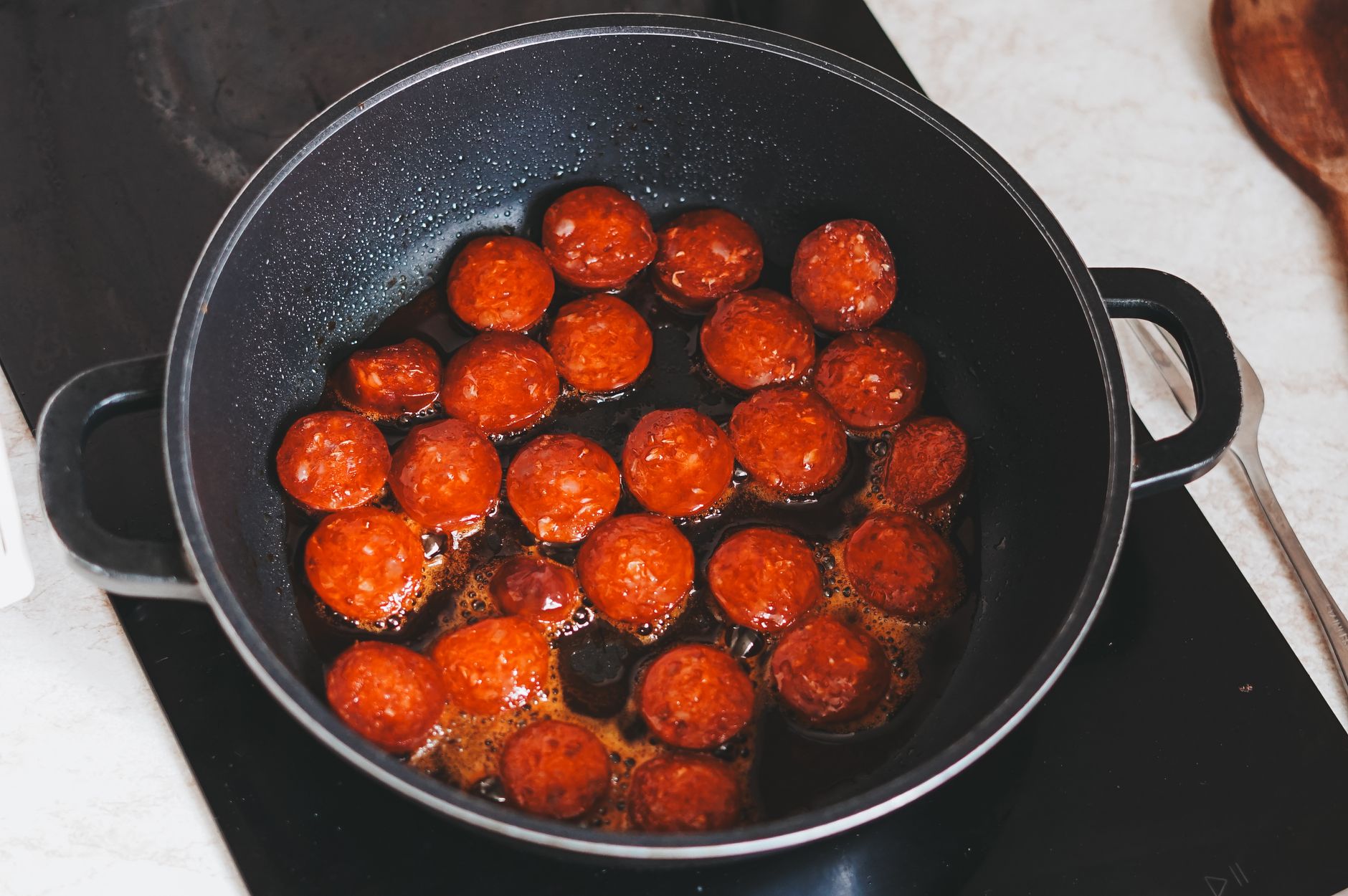
Stovetop: Pan‑fry slices over medium heat for 1–2 minutes per side until the surface is browned and the interior reaches 165 °F.
Oven: Preheat to 350 °F (177 °C) and bake whole links for 10–12 minutes, turning once.
After heating, let the sausage rest for a minute; the temperature will continue to rise slightly, ensuring safety.
What are the risks of eating summer sausage while pregnant?
The primary risks are:
Listeria infection: If consumed cold, contaminated summer sausage can cause listeriosis, leading to miscarriage, stillbirth, or severe neonatal infection.
High sodium intake: Excess sodium can increase blood pressure and fluid retention, raising the risk of preeclampsia.
Saturated fat: Regular consumption of high‑fat processed meats may contribute to unwanted weight gain and affect lipid profiles.
Nitrates and nitrites: While generally recognized as safe, some studies suggest a possible link between high nitrite consumption and certain birth outcomes, though evidence is limited.
Most of these risks can be mitigated by heating the meat, limiting portion size, and choosing brands that use low‑sodium recipes.
Is summer sausage from specific brands safe for pregnancy?
Brands that use **pasteurized** meat and have undergone USDA inspection are the safest choices. Look for statements such as “Made with pasteurized beef” or “USDA-inspected.” Examples of brands that commonly meet these criteria include:
Applegate Naturals – known for antibiotic‑free, pasteurized meats.
Hormel Natural Choice – offers a “No Nitrates or Nitrites Added” line, often cooked during processing.
Boar’s Head – provides a “Premium Deli” line that undergoes a cooking step before packaging.
Even with these brands, you should still heat the sausage before eating. If a product label does not mention pasteurization or cooking, treat it as a raw RTE meat and heat it thoroughly.
Are there safer alternatives to summer sausage for pregnant women?
Cooked chicken breast – lean, high‑protein, and requires no additional heating.
Hard‑boiled eggs – portable, nutrient‑dense, and naturally low in sodium.
Freshly cooked lean beef – provides iron and zinc without the curing agents.
Cooked turkey slices – low‑fat, high‑protein option that can be seasoned to taste.
Greek yogurt – probiotic‑rich, calcium‑dense, and easy on the stomach.
Fresh fruit – naturally sweet, fiber‑rich, and completely free of listeria.
Nut butter – healthy fats and protein, perfect on whole‑grain crackers.
Cooked lentils – plant‑based protein, iron, and fiber.
Pasteurized cheese – safe dairy option that adds calcium.
Well‑cooked fish (e.g., salmon) – omega‑3 fatty acids essential for fetal brain development.
Does summer sausage increase the risk of listeria during pregnancy?
Unheated summer sausage can harbor Listeria monocytogenes, especially if it’s been stored for several weeks. The CDC notes that ready‑to‑eat meats left unrefrigerated or past their “use‑by” date have the highest contamination rates (CDC). Heating eliminates the bacteria, so the risk is directly tied to whether the sausage is eaten cold or hot.
Pregnant women are advised to avoid any cold deli meats unless they are labeled “fully cooked” or “pasteurized.” For summer sausage, the safest practice is to heat each serving until steaming hot before consumption.
Can pregnant women with gestational diabetes eat summer sausage?
Gestational diabetes primarily concerns carbohydrate and sugar intake, but protein‑rich foods like summer sausage can fit into a balanced meal plan. The key considerations are sodium and saturated fat, not carbohydrate content. If you’re following a gestational diabetes meal plan, limit summer sausage to 2 ounces per day, ensure it’s heated, and pair it with high‑fiber, low‑glycemic foods such as leafy greens or a small portion of whole‑grain crackers.
Always discuss your personalized carbohydrate and sodium targets with your dietitian or obstetric provider to ensure the snack aligns with your blood‑glucose goals.
Safe dosage / amount / brands
Based on ACOG and NHS recommendations, the safe amount of summer sausage for a pregnant person is ≤ 2 ounces (≈ 56 g) per day, provided the meat is heated to 165 °F (74 °C). This portion typically contains 300–500 mg of sodium and 7–9 g of protein.
When choosing a brand, prioritize those that:
Use pasteurized meat (look for “pasteurized” on the label).
Are USDA‑inspected and processed under strict temperature controls.
Offer low‑sodium or “no‑nitrite” varieties.
Examples of reputable brands include Applegate Naturals, Hormel Natural Choice, and Boar’s Head Premium Deli. Avoid unbranded bulk sausages from local meat markets unless you can confirm they’ve been cooked during processing.
Side effects and risks
Most side effects from summer sausage are related to its high sodium and saturated fat content:
Excess sodium: Can cause swelling, increased blood pressure, and may contribute to preeclampsia.
Saturated fat: May raise LDL cholesterol, especially if consumed frequently.
Nitrite sensitivity: Rarely, some individuals experience headaches or flushing after consuming nitrite‑preserved meats.
The serious risk is listeriosis. Symptoms include fever, muscle aches, and sometimes gastrointestinal upset. In pregnant women, the infection can be mild but may lead to severe fetal complications. If you develop a fever > 100.4 °F (38 °C) or experience flu‑like symptoms after eating unheated summer sausage, contact your provider promptly.
Safer alternatives
Cooked chicken breast – low‑sodium, high‑protein, no curing agents.
Hard‑boiled eggs – portable, nutrient‑dense, and naturally low in sodium.
Freshly cooked lean beef – provides iron without the preservatives.
Cooked turkey slices – lean, flavorful, and easy to prepare.
Greek yogurt – calcium‑rich probiotic snack.
Fresh fruit – naturally sweet, fiber‑rich, and listeria‑free.
Nut butter – healthy fats and protein, great on whole‑grain toast.
Cooked lentils – plant‑based protein with iron and fiber.
Pasteurized cheese – safe dairy source of calcium.
Well‑cooked fish (e.g., salmon) – omega‑3s essential for brain development.
Related items — safety at a glance
Item
Verdict
One‑line note
Pepperoni
⚠️ Safe with limits
Heat before eating; high sodium.
Salami
⚠️ Safe with limits
Must be heated; risk of listeria.
Bologna
⚠️ Safe with limits
Heat to 165 °F; often high in fat.
Ham
⚠️ Safe with limits
Prefer low‑sodium, cooked slices.
Prosciutto
❌ Best avoided
Dry‑cured, never cooked; listeria risk.
Chorizo
⚠️ Safe with limits
Cook thoroughly; can be spicy.
Pâté
❌ Best avoided
Raw liver products carry listeria risk.
Spam
⚠️ Safe with limits
Heat before eating; high sodium.
Deli turkey
⚠️ Safe with limits
Heat to 165 °F; watch sodium.
Myth vs. fact
Myth: All summer sausage is safe because it’s “ready‑to‑eat.”
Fact: Summer sausage can harbor Listeria if eaten cold; heating to 165 °F eliminates the risk.
Myth: The sodium in summer sausage is negligible.
Fact: A typical serving contains 300–500 mg of sodium, contributing significantly to daily limits for pregnant women.
Myth: Pregnant women with gestational diabetes must avoid all processed meats.
Fact: Processed meats are low in carbs, but portion control and heating are key to keep sodium and fat intake in check.
Key takeaways
Heat summer sausage to 165 °F (74 °C) before eating to prevent listeriosis.
Limit intake to ≤ 2 ounces (≈ 56 g) per day to stay within sodium guidelines.
Choose brands that use pasteurized meat and have USDA inspection stamps.
Pregnant women with gestational diabetes can enjoy summer sausage in moderation, focusing on balanced meals.
If you experience fever, muscle aches, or gastrointestinal symptoms after eating unheated sausage, contact your provider promptly.
Frequently asked questions
Can pregnant women eat summer sausage?
Yes—if it’s heated until steaming hot (165 °F) and consumed in moderation (≤ 2 oz per day), summer sausage can be part of a pregnancy‑safe diet.
Is it safe to eat deli meats during pregnancy?
Most deli meats, including summer sausage, are safe when heated thoroughly; unheated RTE meats carry a listeria risk and should be avoided.
Do I need to heat summer sausage before eating while pregnant?
Absolutely—heating to 165 °F kills Listeria, the primary concern with cold, ready‑to‑eat meats during pregnancy.
What are the signs of listeria infection in pregnancy?
Symptoms include fever, chills, muscle aches, and sometimes gastrointestinal upset; any fever > 100.4 °F should prompt immediate medical evaluation.
Which brands of summer sausage are safe for pregnant women?
Brands that use pasteurized meat and have USDA inspection, such as Applegate Naturals, Hormel Natural Choice, and Boar’s Head Premium Deli, are considered safer options.
How many calories are in summer sausage?
A typical 2‑ounce serving contains about 180–220 calories, depending on the meat blend and fat content.
Can I eat summer sausage if I have gestational diabetes?
Yes—since it’s low in carbs, it can fit into a gestational diabetes meal plan if you limit portion size and pair it with low‑glycemic foods.
Is summer sausage high in sodium for pregnant women?
Yes—2 ounces can contain 300–500 mg of sodium, so it should be consumed in moderation and balanced with low‑sodium foods.
When to call your doctor
If you develop any of the following after eating summer sausage, contact your obstetric provider right away:
Fever ≥ 100.4 °F (38 °C) lasting more than 24 hours.
Severe headache, stiff neck, or confusion.
Persistent vomiting or diarrhea.
Sudden swelling of hands, feet, or face.
Any new or worsening abdominal pain.
These symptoms could indicate listeriosis or other infection that requires prompt treatment. This article provides general information and is not a substitute for personalized medical advice. Always discuss your diet and any concerns with your healthcare provider.
References
American College of Obstetricians and Gynecologists. “Nutrition During Pregnancy.” ACOG Committee Opinion, 2020.
National Health Service (UK). “Food safety and pregnancy.” NHS, 2021.
U.S. Food and Drug Administration. “Food Safety for Pregnant Women.” FDA, 2022.
Centers for Disease Control and Prevention. “Listeria (Listeriosis).” CDC, 2023.
JAMA Network. “Outbreaks of Listeriosis Linked to Deli Meats.” JAMA, 2020.
American Diabetes Association. “Gestational Diabetes Management.” ADA, 2022.
Not sure about the label on Is Summer Sausage Safe During Pregnancy products?
Snap the ingredients list and SafeFilter checks every ingredient for your stage — only 3 free scans this month, then you're locked until reset. Unlimited from $7/mo or $50/yr.
When Shubhra Mishra was expecting her first child in 2016, she was overwhelmed by conflicting food advice — one site said yes, another said never. By the time her second baby arrived in 2019, she realized millions of mothers face the same confusion.
That sparked a five-year journey through clinical nutrition papers, cultural diets, and expert conversations — all leading to BumpBites: a calm, compassionate space where science meets everyday motherhood.
Her long-term vision is to build a global community ensuring safe, supported, and free deliveriesfor every mother — because no woman should face pregnancy alone or uninformed. 🌿
🌍 Stand with mothers, shape safer guidance
Join a small circle of experts who review BumpBites articles so expecting parents everywhere can decide with confidence.