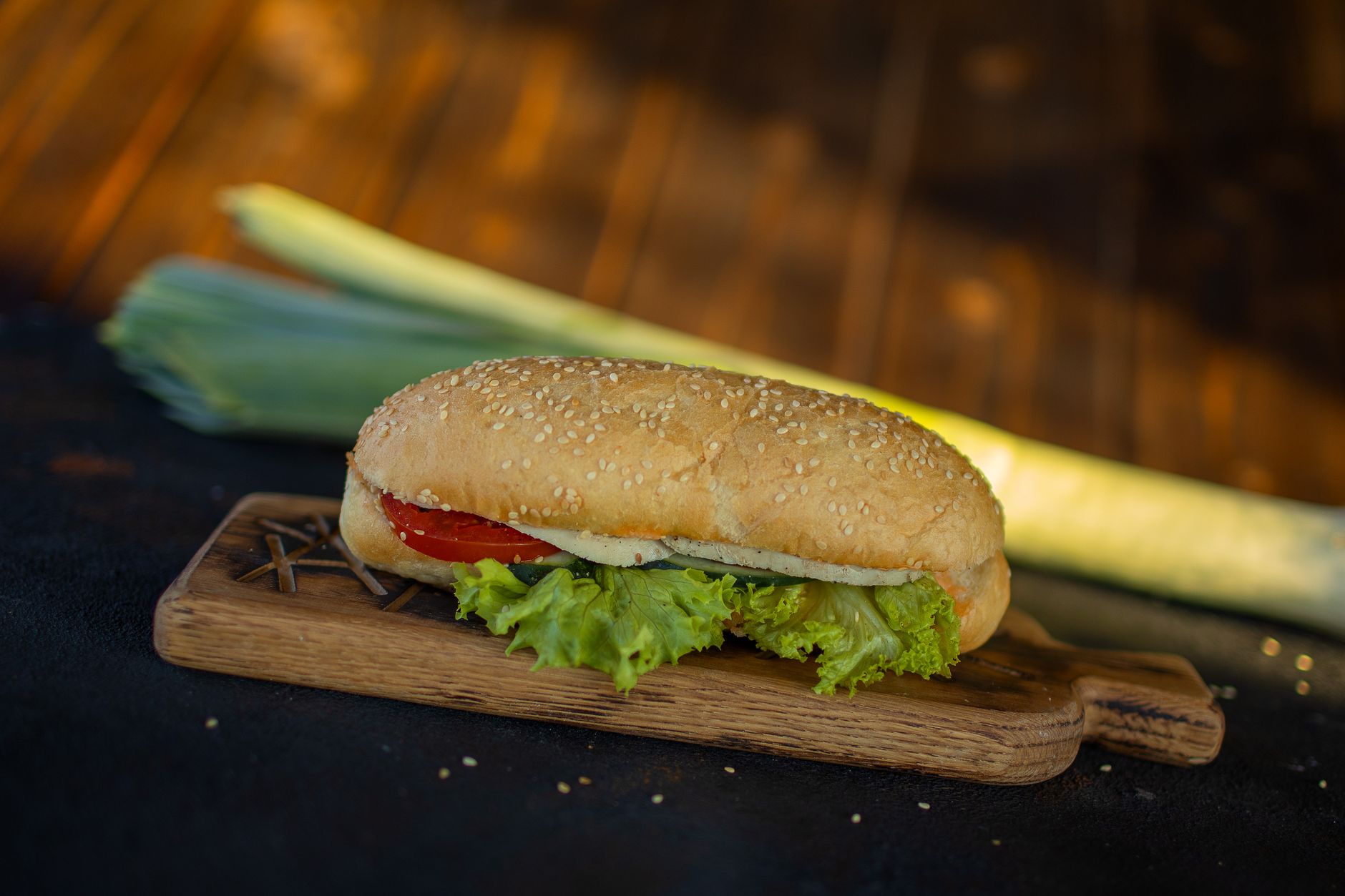
Safe: Subway sub bread is generally safe during pregnancy when eaten in moderation—up to two servings per day—provided it’s fresh and free of mold and safe.
By Shubhra Mishra — a mom of two who turned her own confusion during pregnancy into BumpBites, a global mission to make food choices clear, safe, and stress-free for every expecting mother. 💛
Check whether any food is safe during pregnancy with the BumpBites Food Safety Checker.
Quick verdict: ✅ Generally safe – Subway sub bread can be part of a balanced pregnancy diet when eaten in moderation and without excessive toppings. It’s low in harmful additives, but watch portion size and choose whole‑grain options when possible.
It’s 2 a.m., you’re scrolling through a late‑night cravings list, and a sudden thought hits: “is subway sub bread safe during pregnancy?” You might have already ordered a foot‑long, or you’re debating whether to add a sub to your grocery list. First, take a deep breath. Most of the ingredients in Subway’s breads are ordinary bakery staples, and the risk to you and your baby is low when you enjoy them responsibly.
In this article we’ll answer the most common questions about Subway sub bread, from trimester‑specific safety to how many rolls you can comfortably eat each day. We’ll compare the different varieties Subway offers, discuss potential concerns for gestational diabetes and gluten intolerance, and suggest safer bread alternatives that still satisfy that sandwich craving. By the end, you’ll have a clear, evidence‑based picture and a handy checklist for reading labels and making the best choices for you and your growing baby.
Trimester / Breastfeeding
Verdict
Notes
First trimester
✅ Generally safe
Watch for high sodium; choose whole‑grain breads.
Second trimester
✅ Generally safe
Same guidance; monitor carbohydrate intake if gestational diabetes.
Subway’s sub breads are baked daily at each restaurant and come in several varieties, including 9‑Grain Wheat, Italian Herbs & Cheese, and Whole Wheat. The basic dough is a mixture of enriched wheat flour, water, yeast, sugar, salt, and vegetable oil, with each variety adding specific flavorings or seeds (e.g., herbs, garlic, or whole grain flakes). The breads are steam‑baked, which keeps them soft and helps preserve moisture without the need for preservatives that could raise concerns during pregnancy.
These breads serve as the foundation for Subway’s customizable sandwiches, providing carbohydrates, a modest amount of protein, and, depending on the variety, dietary fiber and micronutrients such as iron and B‑vitamins. While the breads themselves are not fortified with prenatal nutrients, they can complement a balanced diet when paired with lean proteins, vegetables, and healthy fats.
Is Subway sub bread safe during pregnancy?
C
urrent guidance from major health authorities—including the American College of Obstetricians and Gynecologists (ACOG), the U.K.’s National Health Service (NHS), and the U.S. Food and Drug Administration (FDA)—indicates that standard bakery breads are safe for pregnant people when consumed in reasonable amounts. The ingredients in Subway’s breads are not listed as teratogens (substances that cause birth defects) and do not contain known harmful additives such as high‑fructose corn syrup or artificial colorings.
Potential concerns are indirect: excessive sodium can contribute to swelling and high blood pressure, while refined carbohydrates may affect blood‑sugar control, especially for those with gestational diabetes. However, the sodium content of a single Subway roll (approximately 300–400 mg) is well within the daily recommended limit of 2,300 mg for most adults, and the carbohydrate load (around 40 g per roll) fits within a balanced diet when paired with protein and fiber‑rich toppings.
Most misconceptions stem from the belief that “fast‑food” automatically equals “unhealthy.” In reality, Subway’s breads are baked without trans‑fat‑containing oils and are free of preservatives that have raised safety concerns in other processed foods. As long as you choose sensible toppings (lean turkey, fresh veggies, and limited cheese) and keep portions moderate, is subway sub bread safe during pregnancy can be answered with confidence: yes, it is generally safe.
Is Subway sub bread safe to eat during the first trimester of pregnancy?
The first trimester is the period of organogenesis, when the embryo’s major organs form. During this window, obstetricians advise caution with substances that could interfere with development, such as certain medications, high‑dose vitamin A, and alcohol. Subway’s breads contain no known teratogenic compounds, making them safe from a developmental standpoint.
That said, the first trimester is also when many pregnant people experience nausea, heartburn, and heightened food aversions. Because the bread is relatively low in fat and has a soft texture, it can be easier on the stomach than denser, fried breads. Pairing the roll with protein and a small amount of healthy fat can help stabilize blood sugar and reduce nausea.
Overall, the ACOG and NHS both categorize plain, baked breads—including Subway’s varieties—as “low‑risk” foods for the first trimester, provided you stay within a balanced overall diet.
Can I eat Subway sub bread in the second trimester of pregnancy?
The second trimester is often the most comfortable phase of pregnancy, and nutritional needs increase to support fetal growth. Carbohydrate intake should account for about 45–65 % of total calories, according to the Dietary Guidelines for Americans. A single Subway roll contributes roughly 15 % of a 2,200‑calorie daily intake, fitting comfortably within these recommendations.
If you have gestational diabetes, the key is monitoring carbohydrate portions. The NHS advises spreading carbohydrate intake evenly across meals, and a Subway roll can be part of that plan when balanced with protein and fiber. Choosing Whole Wheat or 9‑Grain Wheat breads adds extra fiber, which can help regulate blood glucose.
In short, the second trimester poses no new safety concerns for Subway sub bread beyond the general guidance for carbohydrate‑rich foods.
How many Subway sub breads can a pregnant woman safely consume per day?
There is no strict “maximum” set by health agencies for bread consumption, but moderation is advisable. A practical guideline is to limit bakery breads to 1–2 rolls per day, especially if you’re also eating other carbohydrate‑rich foods. This allowance provides roughly 80–120 g of carbohydrates, 6–12 g of protein, and 2–4 g of fiber (for whole‑grain varieties).
For gestational diabetes, the American Diabetes Association recommends aiming for 45–60 g of carbs per meal. In that context, a single Subway roll can serve as one carbohydrate source, complemented by low‑carb toppings like turkey, lettuce, and mustard.
Remember that the “safe amount” also depends on your overall diet, activity level, and any medical conditions. If you’re unsure, a registered dietitian can tailor a plan to your needs.
What are safer bread alternatives to Subway sub bread for pregnant women?
Whole wheat sandwich bread – higher in fiber and nutrients, low in added sugars.
Does Subway sub bread contain any ingredients that could harm my pregnancy?
Subway’s standard breads do not contain ingredients flagged as harmful for pregnancy. The ingredient list typically includes enriched wheat flour, water, yeast, sugar, salt, vegetable oil, and, for flavored varieties, herbs or cheese powder. None of these are known teratogens. However, two components merit a brief note:
Salt. High sodium can exacerbate swelling and hypertension, so pregnant people with pre‑eclampsia risk should monitor intake.
Sugar. While the amount is modest, those managing gestational diabetes should count the carbs from the roll.
Both the FDA and ACOG affirm that these levels are safe for most pregnant individuals when consumed as part of a balanced diet.
Is there a difference in safety between Subway's Italian Herbs & Cheese bread and Whole Wheat bread for pregnant women?
Both breads share the same basic dough, but the Italian Herbs & Cheese variety includes added cheese powder and herb seasonings. The cheese powder adds a small amount of calcium and protein, while the herbs contribute negligible nutrients. The primary safety difference lies in sodium: the herb‑and‑cheese loaf contains roughly 10 % more salt than the Whole Wheat option.
For pregnant people watching sodium intake—especially those with hypertension or pre‑eclampsia—the Whole Wheat bread is the gentler choice. Otherwise, both are considered safe, and the added flavor can make a sandwich more enjoyable without compromising health.
Are there any risks associated with Subway sub bread for pregnant women with gestational diabetes?
Gestational diabetes requires careful carbohydrate monitoring. A standard Subway roll delivers about 40 g of carbs, which can raise blood glucose if not balanced with protein and fiber. The risk isn’t the bread itself but the potential for a rapid glucose spike.
To mitigate this, pair the roll with lean protein (turkey or chicken) and plenty of non‑starchy vegetables. Choosing the Whole Wheat or 9‑Grain Wheat varieties adds modest fiber, which can blunt glucose spikes. The American Diabetes Association advises that carbohydrate portions be spread evenly throughout the day, making a single roll an acceptable component of a well‑planned meal.
Can I eat Subway sub bread if I have a gluten intolerance while pregnant?
If you have celiac disease or a confirmed gluten sensitivity, you should avoid wheat‑based breads, including Subway’s standard offerings. Gluten exposure during pregnancy can trigger inflammation and nutrient malabsorption, potentially affecting fetal growth. Subway does not currently list a certified gluten‑free roll on its regular menu, though some locations may offer a gluten‑free flatbread in limited regions.
For a safe gluten‑free option, choose a dedicated gluten‑free sandwich bread or a certified gluten‑free flatbread from a brand that adheres to FDA gluten‑free labeling standards. Always verify the ingredient list and, when in doubt, consult your obstetrician or a registered dietitian.
Safe dosage / amount / brands
Because Subway’s breads are made fresh in‑store, there is no “brand” variation to worry about—each location follows the same recipe. The key metric is portion size. A typical sub roll weighs about 70 g and contains roughly 200 kcal. For most pregnant individuals, two rolls per day (≈ 400 kcal) fit within a balanced diet, especially when other meals are nutrient‑dense.
For those who prefer a more whole‑grain profile, the 9‑Grain Wheat and Whole Wheat breads offer up to 3 g of fiber per roll, compared with about 1 g in the Italian Herbs & Cheese loaf. If you’re watching sodium, the Whole Wheat variety contains the lowest sodium (≈ 300 mg per roll).
Item
Safe amount per day
Notes
Standard Subway sub roll (any variety)
1–2 rolls
Balance with protein and veggies; watch sodium.
Whole Wheat Subway roll
1–2 rolls
Higher fiber, lower sodium.
Italian Herbs & Cheese roll
1 roll
Higher sodium; limit if hypertension risk.
Pair a Subway roll with lean protein and plenty of veggies for a pregnancy‑friendly sandwich.
Side effects and risks
While the bread itself is unlikely to cause direct side effects, there are indirect considerations:
Excess sodium: May increase blood pressure or swelling. If you notice sudden swelling of hands or feet, contact your provider.
Rapid blood‑sugar spikes: Particularly relevant for gestational diabetes. Feelings of dizziness, excessive thirst, or frequent urination after a carb‑heavy meal warrant a glucose check.
Food intolerance: Some individuals react to yeast or wheat. Symptoms include bloating, gas, or abdominal discomfort. If persistent, discuss possible food sensitivities with your clinician.
These are not emergencies but signals to adjust your diet. Most of the time, the mild, temporary discomforts are manageable with portion control and balanced toppings.
Safer alternatives
Whole wheat sandwich bread – offers more fiber and lower sodium.
Myth: All fast‑food breads contain harmful preservatives.
Fact: Subway’s breads are baked fresh without artificial preservatives, making them comparable to home‑baked loaves.
Myth: Gluten‑free breads are always the healthier choice during pregnancy.
Fact: Gluten‑free breads can be lower in fiber and higher in refined carbs; choose whole‑grain options unless you have a medical need.
Myth: Eating any bread will cause gestational diabetes.
Fact: Gestational diabetes is linked to overall carbohydrate intake and genetics, not to a single type of bread.
Key takeaways
Subway sub bread is generally safe for pregnancy when eaten in moderation.
Whole Wheat and 9‑Grain Wheat varieties provide more fiber and lower sodium than Italian Herbs & Cheese.
Limit intake to 1–2 rolls per day, especially if you have gestational diabetes or hypertension.
Pair the roll with lean protein and plenty of veggies to balance carbs and nutrients.
For gluten intolerance, avoid standard Subway breads and opt for certified gluten‑free alternatives.
Frequently asked questions
Can pregnant women eat Subway sandwiches?
Yes, pregnant women can enjoy Subway sandwiches as long as the ingredients are pregnancy‑safe; choose low‑sodium breads, add plenty of fresh vegetables, and avoid high‑mercury fish or unpasteurized cheeses.
Is the bread at Subway made with any harmful preservatives?
No, Subway bakes its breads fresh daily without artificial preservatives, which aligns with FDA guidelines for safe food handling during pregnancy.
What are the ingredients in Subway sub bread?
Typical ingredients include enriched wheat flour, water, yeast, sugar, salt, vegetable oil, and for flavored varieties, herbs, cheese powder, or whole‑grain flakes; none are classified as teratogenic.
Is Subway sub bread gluten‑free?
Standard Subway sub breads contain wheat gluten and are not gluten‑free; those with celiac disease should choose a certified gluten‑free bread instead.
How many carbs are in a Subway sub roll?
A typical Subway roll provides about 40 grams of carbohydrates, which fits within a balanced meal when paired with protein and fiber.
Can I eat Subway sub bread if I have gestational diabetes?
Yes, but limit the roll to one per meal, pair it with lean protein and vegetables, and monitor blood‑sugar levels according to your provider’s guidance.
Does Subway use any artificial additives in their bread?
Subway’s breads do not contain artificial colors, flavors, or preservatives; the minor additives are natural herbs or cheese powders used for flavor.
Whole‑grain breads can be a nutritious alternative to Subway rolls.
When to call your doctor
If you experience any of the following after eating Subway bread, contact your obstetric provider promptly:
Sudden swelling of hands, feet, or face.
Severe or persistent heartburn that interferes with sleep.
Signs of high blood sugar: excessive thirst, frequent urination, blurry vision.
Persistent abdominal pain, nausea, or vomiting beyond normal morning sickness.
These symptoms may indicate a need for medical evaluation, but most concerns about Subway sub bread are manageable with dietary adjustments. Remember, this article provides general information and is not a substitute for personalized medical advice.
References
American College of Obstetricians and Gynecologists (ACOG). “Nutrition During Pregnancy.” 2023.
National Health Service (NHS). “Pregnancy diet: what to eat.” Updated 2022.
U.S. Food and Drug Administration (FDA). “Food Safety for Pregnant Women.” 2021.
Centers for Disease Control and Prevention (CDC). “Gestational Diabetes.” 2022.
American Diabetes Association. “Gestational Diabetes Nutrition Guidelines.” 2023.
U.S. Department of Agriculture (USDA). “Dietary Guidelines for Americans 2020‑2025.”
Subway Nutrition Information. “Ingredient List and Nutritional Facts.” Accessed 2024.
World Health Organization (WHO). “Guidelines on Nutrition for Pregnant Women.” 2021.
Harvard T.H. Chan School of Public Health. “Carbohydrates and Pregnancy.” 2022.
National Celiac Association. “Gluten‑Free Diet in Pregnancy.” 2023.
Not sure about the label on Is Subway Sub Bread Safe During Pregnancy products?
Snap the ingredients list and SafeFilter checks every ingredient for your stage — only 3 free scans this month, then you're locked until reset. Unlimited from $7/mo or $50/yr.
When Shubhra Mishra was expecting her first child in 2016, she was overwhelmed by conflicting food advice — one site said yes, another said never. By the time her second baby arrived in 2019, she realized millions of mothers face the same confusion.
That sparked a five-year journey through clinical nutrition papers, cultural diets, and expert conversations — all leading to BumpBites: a calm, compassionate space where science meets everyday motherhood.
Her long-term vision is to build a global community ensuring safe, supported, and free deliveriesfor every mother — because no woman should face pregnancy alone or uninformed. 🌿
🌍 Stand with mothers, shape safer guidance
Join a small circle of experts who review BumpBites articles so expecting parents everywhere can decide with confidence.