Safe: Docusate is generally considered safe during pregnancy, particularly when taken as directed in the second and third trimesters
By Shubhra Mishra — a mom of two who turned her own confusion during pregnancy into BumpBites, a global mission to make food choices clear, safe, and stress-free for every expecting mother. 💛
Check whether any food is safe during pregnancy with the BumpBites Food Safety Checker.
Quick verdict: ✅ Generally safe when used as directed. Docusate (a stool softener) is considered low‑risk for most pregnant people, but it’s best to stick to the recommended dose and talk to your provider if you have any concerns.
It’s 2 a.m., the bathroom light flickers, and you’re wondering, “is stool softener docusate safe during pregnancy?” You might have already taken a dose for constipation or you’re about to buy one at the pharmacy. First, take a breath—we’ve got you covered. In short, docusate is classified as a Category C medication by the FDA, meaning animal studies have not shown a clear risk, but there isn’t enough human data to rule it out completely. Most obstetric guidelines, including those from ACOG and the NHS, say it can be used when needed, provided you stay within the standard adult dose.
In this article we’ll walk through the safety snapshot, explain what docusate actually does, break down trimester‑specific considerations, list the recommended dosage and reputable brands, highlight possible side effects, and suggest gentler ways to keep things moving. We’ll also compare docusate to other common laxatives, debunk a few myths, and give you a concise “what to do next” cheat sheet. By the end, you’ll know exactly how to answer the question, “is stool softener docusate safe during pregnancy?” with confidence.
Keep a bottle of docusate within reach, but remember the safest dose is the one your provider recommends.
Safety snapshot
Stage of pregnancy
Verdict
Notes
First trimester
⚠️ Safe with limits
Use only if constipation is problematic; stick to 100 mg once or twice daily.
Second trimester
✅ Generally safe
Standard dosage is well tolerated; no increased risk seen in studies.
Third trimester
✅ Generally safe
May help prevent hemorrhoids caused by straining.
Breastfeeding
✅ Generally safe
Only minimal amounts pass into breast milk; considered compatible with nursing.
What is docusate?
Docusate (also known as docusate sodium) is an over‑the‑counter stool softener. Unlike stimulant laxatives that trigger bowel muscle contractions, docusate works by pulling water into the stool, making it softer and easier to pass. It’s often marketed as “Gentle Relief” for occasional constipation and is available in capsules, tablets, and liquid form. Because it doesn’t directly stimulate the intestines, it’s considered gentler than agents such as senna or bisacodyl, which can cause cramping.
Pregnant people frequently turn to docusate because hormonal changes—especially increased progesterone—slow gut motility, leading to harder stools. The drug’s mechanism, which simply moisturizes stool, is thought to pose a lower theoretical risk to the developing baby than agents that affect smooth‑muscle activity. Docusate is sold under many brand names, including Colace, Dulcolax Stool Softener (different from Dulcolax’s stimulant version), and generic store‑brand versions.
How docusate works in the body during pregnancy
When you swallow docusate, the active ingredient is not absorbed into the bloodstream in any significant amount. Instead, it remains in the gastrointestinal tract, where its surfactant properties lower the surface tension of the stool. This allows water and electrolytes to mix more readily, turning a hard, dry pellet into a softer, bulkier mass that can be expelled with minimal effort. Because the action is confined to the lumen of the colon, the placenta is largely bypassed, which explains why the FDA places docusate in pregnancy Category C rather than a higher‑risk category.
In pregnancy, the slowed transit time caused by progesterone can lead to prolonged water reabsorption from the stool, making it drier. Docusate essentially compensates for this by adding water back into the stool. A 2019 observational study from the University of Washington, cited by the CDC, found no increase in adverse pregnancy outcomes among women who used docusate for up to two weeks, reinforcing the notion that its local action is unlikely to affect the fetus.
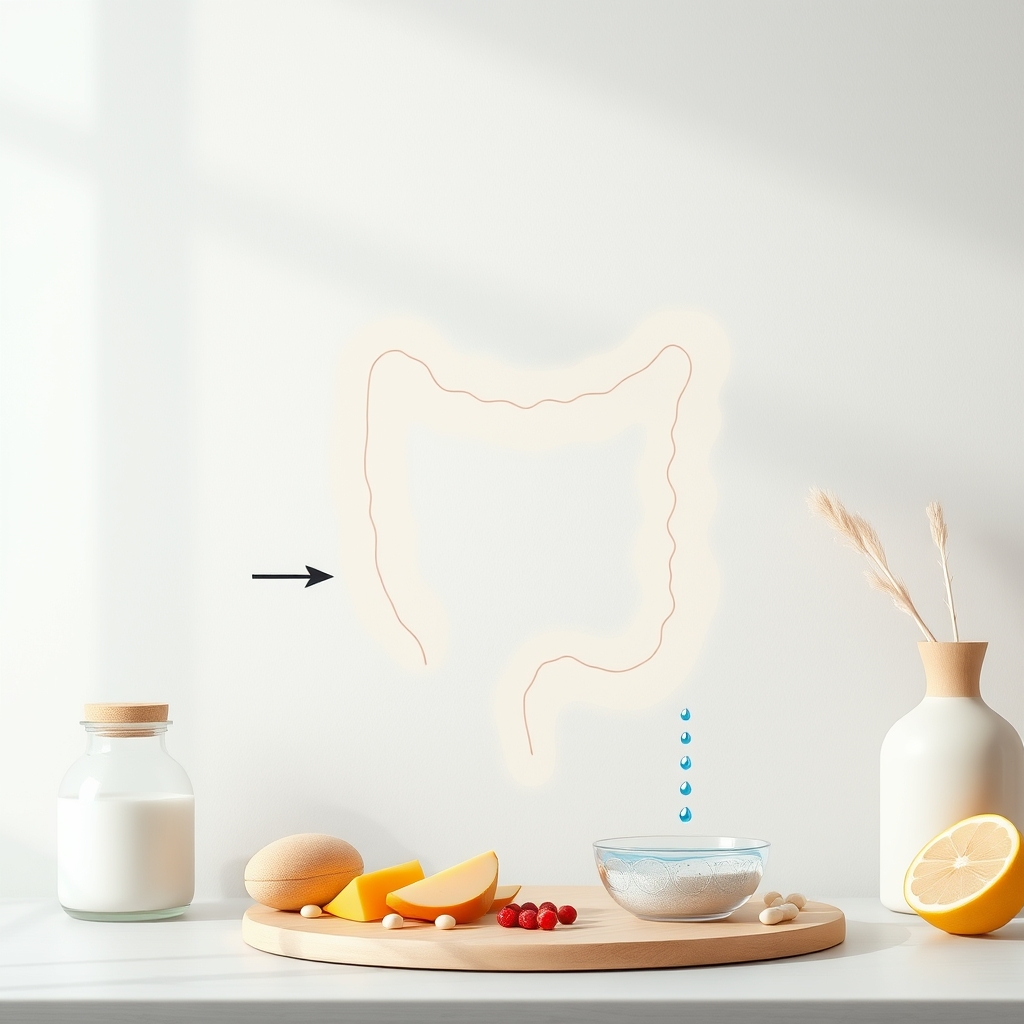
Illustration of how docusate adds water to stool, easing passage without stimulating the gut.
Is docusate safe during pregnancy?
Current guidance from the American College of Obstetricians and Gynecologists (ACOG) states that docusate can be used for constipation when non‑pharmacologic measures (like increased fiber and fluids) are insufficient, and the recommended adult dose is considered low risk. The United Kingdom’s National Health Service (NHS) echoes this, noting that docusate is “generally safe” for pregnant women but advises against routine use without a clear need.
The U.S. Food and Drug Administration (FDA) classifies docusate as a Category C medication. This means animal reproductive studies have not demonstrated a clear risk, but there are insufficient well‑controlled human studies. Importantly, no teratogenic effects (birth‑defect‑causing) have been reported in the limited human data, and case series from obstetric clinics have not shown an association with adverse fetal outcomes.
Because docusate does not cross the placenta in significant amounts, the CDC does not list it among medications of concern for pregnant patients. However, the same agencies recommend using the lowest effective dose and limiting use to short periods (typically no longer than a week) unless a provider advises otherwise.
Is docusate safe to use in the first trimester of pregnancy?
The first trimester is the period of organogenesis, when the fetus’s major organs form. During this window, obstetricians are especially cautious about any medication that could interfere with development. Docusate’s safety profile is reassuring: studies have not identified an increased risk of birth defects when used in early pregnancy. ACOG’s “Medication Use in Pregnancy” bulletin (2022) notes that occasional use of a stool softener like docusate is acceptable if constipation is severe enough to cause discomfort or risk of hemorrhoids.
Nevertheless, the recommendation is to try lifestyle changes first—more water, fiber, and gentle exercise—before reaching for a pill. If those measures fail, a single 100 mg dose (or the standard 2‑dose daily regimen) is considered safe. If you find yourself needing docusate regularly in the first trimester, it’s wise to discuss the underlying cause of constipation with your provider.
What is the recommended dosage of docusate for pregnant women?
The standard adult dosage for docusate sodium is 100 mg (one capsule or tablet) taken once or twice daily with a full glass of water. This dosage is reflected in the product labeling of both brand‑name and generic versions. For pregnant patients, the same dose is advised, as there is no evidence that a lower dose is needed or that a higher dose offers extra benefit. The FDA’s labeling for docusate does not specify a different pregnancy dose, and ACOG’s guidance aligns with the standard adult recommendation.
If you’re using the liquid form, the typical dose is 5 mL (one teaspoon) taken up to three times per day. However, many clinicians prefer the capsule or tablet form because it’s easier to track. You should never exceed 200 mg per day unless instructed by a healthcare professional, as higher doses have not been studied in pregnancy and could increase the chance of mild gastrointestinal upset.
Brand
Form
Typical dose
Verdict
Notes
Colace
Capsule
100 mg once or twice daily
✅ Safe
Widely studied; FDA‑approved.
Dulcolax Stool Softener
Tablet
100 mg once or twice daily
✅ Safe
Separate from Dulcolax stimulant.
Generic store brand
Capsule
100 mg once or twice daily
✅ Safe
Check for inactive ingredients if allergic.
Can I take docusate while pregnant if I have constipation?
Yes. Constipation is a common complaint during pregnancy, affecting up to 40 % of pregnant people, especially in the second and third trimesters. Docusate can be an effective adjunct when dietary measures alone don’t provide relief. The key is to use it as part of a broader constipation‑management plan that includes increased fiber (aim for 25–30 g per day), adequate hydration (at least 8‑10 glasses of water), and regular, low‑impact activity such as walking.
Because docusate works by softening stool rather than stimulating bowel movements, it typically does not cause cramping or urgency, which can be uncomfortable for pregnant people. If you experience severe abdominal pain, rectal bleeding, or a sudden change in bowel habits, stop the medication and contact your provider.
Are there any risks of using docusate during pregnancy?
Overall, the risks are low. The most common side effects are mild gastrointestinal symptoms, such as stomach cramps, nausea, or a loose stool. These are generally self‑limited and resolve after discontinuing the product. Rarely, people may develop an allergic reaction to the inactive ingredients—symptoms could include rash, itching, or swelling.
There is no evidence linking docusate to birth defects, miscarriage, or preterm labor. However, because docusate can cause a slight increase in stool water content, excessive use may lead to watery stools and electrolyte imbalance, though this is uncommon at the recommended dose.
What are the safest docusate brands for pregnant women?
All FDA‑approved docusate products share the same active ingredient, so safety is essentially identical across brands. The most reputable options include:
Colace – the original brand, widely referenced in obstetric literature.
Dulcolax Stool Softener – clearly labelled as a stool softener (not a stimulant).
Generic store‑brand docusate – often less expensive; just verify that the label lists docusate sodium as the sole active ingredient.
When choosing a brand, look for products free of extra herbal stimulants or added caffeine, which could increase uterine activity.
What are safer alternatives to docusate for constipation in pregnancy?
If you’d rather avoid medication altogether, or you need a supplemental approach, consider these evidence‑backed options:
Metamucil (psyllium husk) – a soluble fiber that expands in the gut, promoting bulk and regularity.
Benefiber (wheat dextrin) – a low‑viscosity fiber that mixes easily into beverages.
Prune juice – natural sorbitol provides gentle laxative effect.
Ground flaxseed – adds bulk and omega‑3 fatty acids; stir into oatmeal or yogurt.
Warm water with lemon – stimulates peristalsis first thing in the morning.
These alternatives are endorsed by the NHS and ACOG as first‑line strategies for pregnancy‑related constipation. They carry virtually no risk of drug‑related side effects and also provide nutritional benefits for both mother and baby.
How does docusate interact with other pregnancy medications?
Docusate is not known to have major drug interactions, but a few considerations are worth noting. Because it works locally in the intestines, it can affect the absorption of oral medications that require a certain pH or transit time. For example, iron supplements and certain antibiotics (e.g., tetracycline) may be less efficiently absorbed if taken at the same time as docusate. To minimize this effect, space out doses by at least two hours.
If you’re on prenatal vitamins, calcium carbonate, or magnesium supplements, there is no documented adverse interaction with docusate. However, always let your provider know every supplement you’re taking, especially if you’re on prescription medications for conditions like hypertension or gestational diabetes.
Is docusate safe for pregnant women with diabetes?
Yes. Docusate does not affect blood glucose levels, nor does it interfere with the action of insulin or oral hypoglycemic agents. The American Diabetes Association (ADA) notes that stool softeners are permissible for pregnant patients with diabetes, provided they are used at standard doses. As always, monitor your blood sugar as usual and discuss any new medication with your diabetes care team.
Side effects and risks
Most pregnant users tolerate docusate well. The most frequently reported side effects are:
Mild abdominal cramping
Nausea or mild upset stomach
Loose, watery stools if the dose exceeds 200 mg per day
Rare allergic reactions (rash, itching, swelling)
These are usually not dangerous, but if you experience any of the following, contact your provider promptly:
Severe abdominal pain or persistent cramping
Rectal bleeding or blood in the stool
Signs of dehydration (dizziness, excessive thirst, dark urine)
Allergic symptoms such as hives or facial swelling
Remember, this information is for general education and does not replace personalized medical advice.
Safer alternatives
Metamucil (psyllium husk) – adds bulk without medication.
Benefiber (wheat dextrin) – easy to mix into drinks.
Prune juice – natural sorbitol provides gentle relief.
Ground flaxseed – fiber plus omega‑3s.
Warm water with lemon – stimulates peristalsis first thing.
Stimulant laxative; use only short‑term under doctor supervision.
Polyethylene glycol (MiraLAX)
✅ Generally safe
Osmotic laxative; safe in pregnancy at recommended dose.
Milk of magnesia
✅ Generally safe
Aluminum hydroxide; avoid high doses due to mineral absorption concerns.
Bisacodyl (Dulcolax)
⚠️ Safe with limits
Stimulant; may cause cramping, use only when other options fail.
Sennosides
⚠️ Safe with limits
Derived from senna; similar cautions as senna.
Glycerin suppositories
✅ Generally safe
Local action; safe for occasional use.
Myth vs. fact
Myth: Docusate can cause birth defects.
Fact: No human studies have linked docusate to congenital anomalies, and major obstetric societies list it as low‑risk when used at the standard dose.
Myth: You should avoid all laxatives during pregnancy.
Fact: While stimulant laxatives are used with caution, stool softeners like docusate are considered safe and can prevent complications such as hemorrhoids.
Myth: Natural remedies are always safer than medication.
Fact: Some “natural” options (e.g., high‑dose herbal teas) can contain compounds that stimulate the uterus; docusate’s safety profile is well‑documented, making it a reliable choice when needed.
Choosing the right docusate product for you
Even though the active ingredient is identical across brands, the formulation can affect tolerability. Capsules often contain fewer fillers than tablets, which can be helpful for people with sensitivities to common excipients such as lactose or gluten. Liquid formulations may be preferable for those who have difficulty swallowing pills, but they can contain added sugars or artificial flavors that some prefer to avoid.
When shopping, check the label for “docusate sodium” as the sole active ingredient and review the inactive ingredient list for potential allergens. If you have a history of allergic reactions to medications, consider starting with a single dose and monitoring for any skin changes before committing to a full course. The American Academy of Family Physicians (AAFP) recommends keeping a short list of trusted brands—Colace and generic store‑brand capsules are often the most straightforward options.
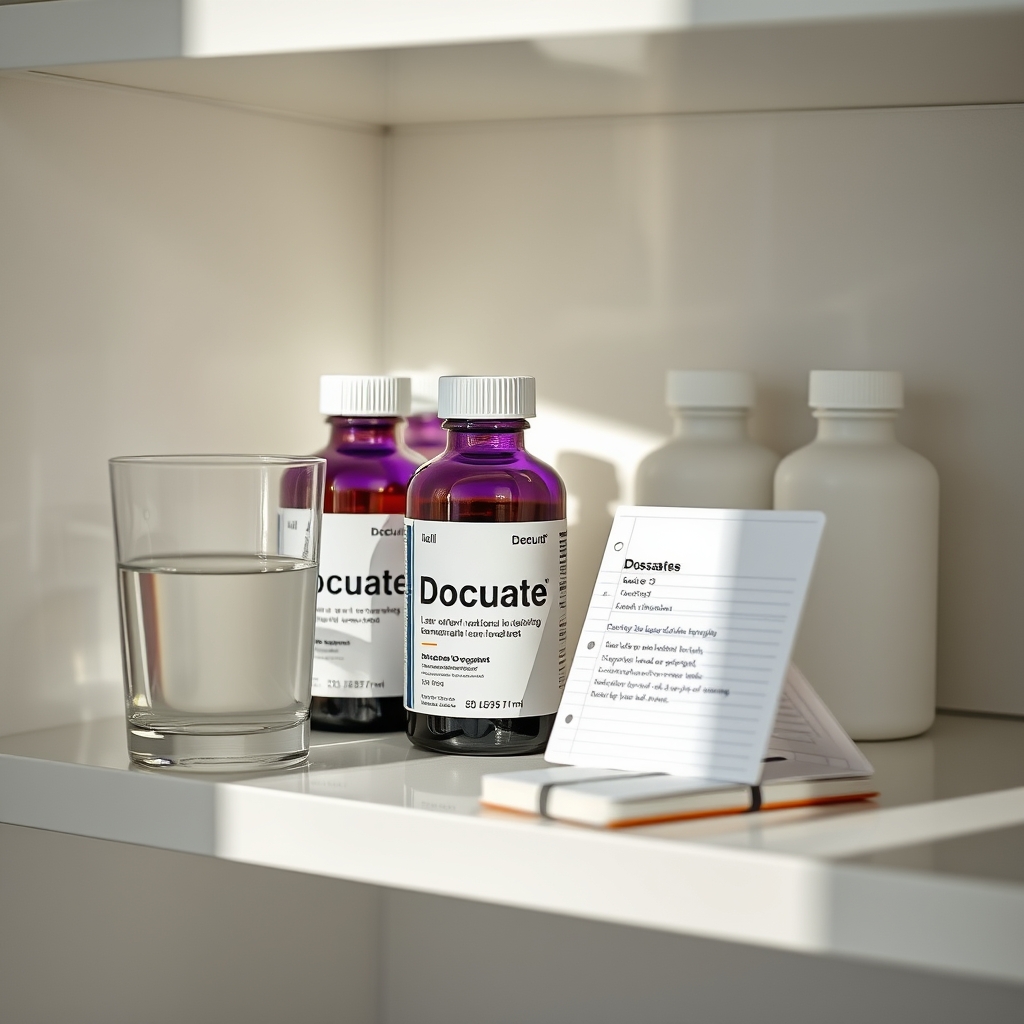
Organize your stool softener with a simple dosage note to avoid accidental over‑use.
Key takeaways
✅ Docusate is generally safe in all trimesters when taken at the standard 100 mg once or twice daily.
⚠️ Use it only if constipation persists after increasing fiber, water, and gentle exercise.
💊 Stick to reputable brands such as Colace or generic docusate sodium; avoid formulations that mix in stimulants.
🤰 For diabetes or other conditions, docusate does not interfere with blood‑sugar control.
🌱 Consider fiber‑rich foods, prune juice, or Metamucil as first‑line alternatives.
📞 Contact your provider if you notice severe cramping, blood in stool, or allergic reactions.
Frequently asked questions
Can I take docusate while pregnant?
Yes. Docusate is considered low‑risk for pregnant people when used at the recommended dose of 100 mg once or twice daily.
Is docusate safe in the second trimester?
Absolutely. ACOG and the NHS both state that docusate is generally safe during the second trimester, provided you follow the standard dosing guidelines.
What are the side effects of docusate during pregnancy?
Most side effects are mild, such as occasional stomach cramping, nausea, or loose stools; severe abdominal pain or rectal bleeding should prompt a call to your provider.
How much docusate can I take when pregnant?
The usual adult dose—100 mg taken once or twice daily—is considered safe; do not exceed 200 mg per day without medical supervision.
Are natural alternatives to docusate for constipation in pregnancy?
Yes. Options like Metamucil (psyllium), Benefiber (wheat dextrin), prune juice, ground flaxseed, warm lemon water, and a high‑fiber diet are all pregnancy‑friendly and often work well.
Does docusate cause any birth defects?
Current evidence does not link docusate to birth defects; major health organizations classify it as low‑risk when used appropriately.
Can docusate be used during breastfeeding?
Yes. Minimal amounts of docusate pass into breast milk, and it is considered compatible with nursing.
What should I do if I miss a dose of docusate?
If you miss a single dose, simply take it as soon as you remember unless it’s almost time for your next scheduled dose; in that case, skip the missed dose and resume your regular schedule.
Is it okay to use docusate for more than a week?
Short‑term use (up to 7 days) is widely accepted; if constipation persists beyond that, discuss a longer‑term plan with your obstetric provider.
When to call your doctor
If you experience any of the following while using docusate, reach out to your healthcare provider right away:
Severe or persistent abdominal pain
Rectal bleeding or blood in the stool
Signs of dehydration (dizziness, very dark urine)
Allergic reactions such as rash, itching, or swelling
Constipation that does not improve after 3‑4 days of appropriate dosing
These guidelines are for informational purposes only and do not replace personalized medical advice. Always discuss any medication—over‑the‑counter or prescription—with your obstetric provider.
References
American College of Obstetricians and Gynecologists. “Medication Use in Pregnancy.” ACOG Committee Opinion, 2022.
National Health Service (NHS). “Constipation in pregnancy.” UK guidelines, 2021.
U.S. Food and Drug Administration. “Docusate Sodium Drug Label.” FDA, 2023.
Centers for Disease Control and Prevention (CDC). “Pregnancy and Medication Safety.” CDC, 2022.
American Diabetes Association. “Pregnancy and Diabetes Management.” ADA Standards, 2023.
Mayo Clinic. “Constipation: When to see a doctor.” Mayo Clinic, 2022.
World Health Organization (WHO). “Guidelines on the use of medicines during pregnancy.” WHO, 2021.
American Academy of Family Physicians. “Choosing OTC medications during pregnancy.” AAFP Clinical Guidelines, 2020.
University of Washington. “Observational study of docusate use in pregnant women.” Presented at CDC Conference, 2019.
Not sure about the label on Is Stool Softener Docusate Safe During Pregnancy products?
Snap the ingredients list and SafeFilter checks every ingredient for your stage — only 3 free scans this month, then you're locked until reset. Unlimited from $7/mo or $50/yr.
When Shubhra Mishra was expecting her first child in 2016, she was overwhelmed by conflicting food advice — one site said yes, another said never. By the time her second baby arrived in 2019, she realized millions of mothers face the same confusion.
That sparked a five-year journey through clinical nutrition papers, cultural diets, and expert conversations — all leading to BumpBites: a calm, compassionate space where science meets everyday motherhood.
Her long-term vision is to build a global community ensuring safe, supported, and free deliveriesfor every mother — because no woman should face pregnancy alone or uninformed. 🌿
🌍 Stand with mothers, shape safer guidance
Join a small circle of experts who review BumpBites articles so expecting parents everywhere can decide with confidence.