Limit: Starburst can be enjoyed in pregnancy but keep to a small serving (one or two pieces) and avoid excessive consumption, especially in the first trimester.
By Shubhra Mishra — a mom of two who turned her own confusion during pregnancy into BumpBites, a global mission to make food choices clear, safe, and stress-free for every expecting mother. 💛
Check whether any food is safe during pregnancy with the BumpBites Food Safety Checker.
Quick verdict: ⚠️ Safe with limits. Eating Starburst candy during pregnancy is generally considered okay in moderation, but you should keep sugar intake low and watch out for artificial color additives.
It’s 2 a.m., the pantry light flickers, and you’ve just reached for a bright, chewy Starburst while scrolling through cravings. You wonder, is Starburst safe during pregnancy? You’re not alone—many expectant parents ask the same question, especially when a sweet treat appears in the midnight snack aisle. The short answer is that Starburst isn’t a known teratogen, but the high sugar and artificial color content mean it’s best enjoyed in limited amounts. In this article we’ll break down exactly how many pieces are okay, how each trimester affects the recommendation, what the artificial colors mean for your baby, and which alternatives can satisfy that candy craving without the extra sugar.
We’ll walk you through the current guidance from reputable bodies like the American College of Obstetricians and Gynecologists (ACOG), the U.K.’s National Health Service (NHS), and the U.S. Food and Drug Administration (FDA). You’ll get a clear trimester‑by‑trimester snapshot, a practical serving‑size guide, safer snack ideas, and a quick‑reference table comparing Starburst to other popular candies. By the end, you’ll know exactly how to incorporate—or avoid—Starburst in a balanced pregnancy diet, and you’ll have peace of mind to put the pantry light back on.
Stage
Verdict
Notes
First trimester
⚠️ Safe with limits
Limit to 1‑2 pieces per day; watch sugar intake to avoid excess calories.
Second trimester
⚠️ Safe with limits
Same limit; ensure overall diet meets increased nutrient needs.
Third trimester
⚠️ Safe with limits
Maintain limit; monitor for gestational diabetes risk.
Breastfeeding
⚠️ Safe with limits
Continue moderate consumption; excess sugar can affect milk composition.
What is Starburst?
Starburst is a fruit‑flavored chewy candy produced by Mars, Inc. Each piece is a small, rectangular square coated in a thin layer of sugar and flavored with a blend of fruit extracts, citric acid, and a mix of artificial colors (including Red 40, Yellow 5, and Blue 1). The candy comes in four classic flavors—strawberry, orange, lemon, and cherry—and is sold in two main varieties: the original sugar‑full version and a “Reduced Sugar” version that replaces part of the sucrose with sugar alcohols like maltitol. The product is marketed as a quick, sweet snack and is popular for its bright colors and soft texture.
From a nutritional standpoint, a single regular Starburst (≈5 g) provides about 20 calories, 5 g of sugar, and a modest amount of vitamin C from the fruit flavorings. The reduced‑sugar version cuts the sugar content roughly in half but adds sugar‑alcohols, which can cause gastrointestinal upset in large amounts. Because the candy’s ingredients are largely simple sugars and food‑grade dyes, the primary health considerations during pregnancy revolve around total sugar consumption, potential color‑related concerns, and the risk of over‑eating due to its easy‑to‑eat nature.
Is Starburst safe during pregnancy?
Current guidance from leading health organizations indicates that Starburst is not intrinsically dangerous to a developing fetus. The FDA classifies the artificial colors used in Starburst (Red 40, Yellow 5, Blue 1) as “generally recognized as safe” (GRAS) for the general population, and ACOG does not list them as teratogenic. However, the NHS cautions that excessive intake of added sugars can contribute to excess weight gain, gestational diabetes, and poor dental health—all of which are concerns during pregnancy.
Most of the research on artificial food colors focuses on behavioral outcomes in children, not on fetal development. A 2022 review by the European Food Safety Authority (EFSA) found no conclusive evidence that the approved food dyes increase the risk of birth defects, but it did note that some children may be sensitive to them. For pregnant people, the safest approach is to keep colored candy consumption modest and to balance it with nutrient‑dense foods.
Because Starburst is high in added sugars, the primary risk is metabolic rather than toxic. The American Diabetes Association (ADA) recommends that pregnant women limit added sugars to less than 10 % of total daily calories—roughly 25 g (about 6 teaspoons) per day. One regular Starburst contributes about 5 g of sugar, so staying within the recommended limit means no more than 4‑5 pieces a day, though most experts suggest an even lower ceiling to accommodate other sources of sugar in the diet.
In short, Starburst is not a “dangerous” candy, but it should be treated as an occasional treat rather than a daily staple. If you have gestational diabetes, a history of pre‑eclampsia, or other metabolic concerns, you may want to be even more selective, opting for lower‑sugar or sugar‑free options.
Is Starburst safe to eat during the first trimester of pregnancy?
The first trimester is when the baby’s major organs are forming, a period known as organogenesis. During this window, the focus is on avoiding known teratogens (like certain medications and high‑dose vitamin A). Starburst does not contain any known teratogenic substances, so occasional consumption is permissible. However, because many women experience nausea and altered taste preferences early on, it can be tempting to reach for sweet, easy‑to‑digest snacks. Keeping intake to 1‑2 pieces per day helps stay within the recommended added‑sugar limit while still satisfying a craving.
If you’re experiencing severe morning sickness, it’s wise to prioritize hydration and electrolyte‑balanced fluids before adding sweet treats. A small piece of Starburst can provide a quick energy boost, but it should not replace balanced meals that contain protein, fiber, and essential micronutrients.
Can I have Starburst in the second trimester without any risks?
During the second trimester, the baby’s growth accelerates, and many women find their appetite stabilizing. The metabolic demands increase, meaning you’ll need more calories overall, but the proportion of added sugars should still stay under 10 % of total daily intake. Having Starburst in the second trimester is fine as long as you keep the portion modest (again, 1‑2 pieces per day) and ensure the rest of your diet is rich in vitamins, minerals, and fiber.
For those monitoring blood‑sugar levels, especially if you’ve been diagnosed with gestational diabetes, the reduced‑sugar Starburst may be a better choice. Even then, the sugar‑alcohols used can cause digestive discomfort if consumed in large amounts, so stick to the same frequency limits.
How many Starburst candies are safe to consume each day while pregnant?
Based on the ADA’s recommendation of no more than 25 g of added sugar per day, a single regular Starburst (≈5 g of sugar) occupies about 20 % of that limit. Therefore, **the safest daily amount is 1‑2 pieces**, which keeps you comfortably below the 10 % threshold while still allowing room for other sweet foods you might enjoy (such as fruit, yogurt, or a splash of honey).
If you opt for the reduced‑sugar version, each piece contains roughly 2‑3 g of sugar. You could stretch to 3‑4 pieces a day, but remember that the sugar‑alcohols may cause gas or laxative effects if you exceed the recommended serving size. In all cases, consider your total daily sugar budget and aim for a balanced diet that prioritizes whole foods.
Are sugar‑free or reduced‑sugar Starburst safer for pregnant women?
Reduced‑sugar Starburst lowers the direct added‑sugar load, which can be beneficial for women watching their glycemic intake. However, the sugar‑free version (if available) often replaces sugar with sugar alcohols like maltitol or sorbitol. While these are not harmful in moderate amounts, they can cause bloating, flatulence, or diarrhea, especially if you’re not accustomed to them. For pregnant women, the safest route is to choose the reduced‑sugar version and keep consumption to the same 1‑2 pieces per day limit, thereby balancing sugar reduction with digestive comfort.
Purely sugar‑free candies that use high‑intensity sweeteners (e.g., sucralose or aspartame) are generally regarded as safe by the FDA, but some obstetricians recommend limiting these as well, preferring natural sweeteners like honey or fruit when possible.
What are the potential side effects of eating Starburst while pregnant?
Short‑term side effects are usually limited to the typical consequences of high‑sugar foods: a quick spike in blood glucose, a temporary “sugar rush,” and possible cravings for more sweets. Over‑consumption can lead to:
Excessive caloric intake and unwanted weight gain.
Increased risk of gestational diabetes, especially if you already have risk factors.
Dental decay, as the sticky sugar clings to teeth.
Digestive discomfort from sugar alcohols in reduced‑sugar varieties.
Allergic reactions to artificial colors (rare but possible).
These effects are not unique to Starburst; they apply to most candy with added sugars and artificial dyes. If you experience any of the following, you should contact your provider: persistent high blood‑sugar readings, severe abdominal pain, or an allergic reaction such as hives, swelling, or difficulty breathing.
Is it okay to eat Starburst if I have gestational diabetes?
Gestational diabetes (GDM) requires careful monitoring of carbohydrate and sugar intake. The American Diabetes Association advises that women with GDM limit added sugars to less than 5 % of total calories, roughly 12 g per day. Under this stricter limit, **one regular Starburst would already meet half of the daily allowance**, so most clinicians suggest reserving candy for special occasions rather than regular consumption. If you crave something sweet, a small portion of reduced‑sugar Starburst (2‑3 g of sugar) or a naturally sweet fruit snack may be a better fit.
Always coordinate with your dietitian or obstetrician to tailor your sugar budget. They may also recommend checking your blood glucose 30 minutes after eating a piece of candy to see how your body responds.
Do the artificial colors in Starburst pose any risk to my baby?
The artificial colors used in Starburst (Red 40, Yellow 5, Blue 1) have been evaluated by the FDA and EFSA and are classified as GRAS. There is no solid evidence linking these dyes to birth defects or fetal harm. However, some children are sensitive to these colors, experiencing hyperactivity or allergic reactions. For pregnant people, the risk is considered low, but if you notice any unusual symptoms (e.g., hives, itching, or migraines) after eating colored candy, it’s sensible to reduce or avoid such foods.
For the most cautious approach, you might choose natural‑color‑free options—such as fruit‑based snacks or candy that uses vegetable‑derived pigments—instead of bright, synthetic dyes.
Are there any brand variations of Starburst that are safer for pregnancy?
Starburst is primarily sold under the Mars brand, with two main formulations: the classic regular version and the reduced‑sugar version. The reduced‑sugar version contains fewer added sugars and replaces some of the sucrose with maltitol, which, as noted, can cause digestive upset if over‑consumed. No other major brand variations exist, but some regional markets may offer “Organic” or “All‑Natural” fruit chews that use natural fruit juices and colors. If you can locate an “Organic” Starburst‑type candy that uses real fruit extracts and no synthetic dyes, that would be a marginally safer choice, though the sugar content will still be similar.
Safe dosage / amount / brands
For the regular Starburst:
Serving size: 1‑2 pieces (≈10‑12 g) per day.
Calories: ~40‑50 kcal per piece.
Sugar: ~5 g per piece.
For the reduced‑sugar Starburst:
Serving size: 2‑3 pieces per day, keeping total sugar under 10 g.
Sugar‑alcohol content: 2‑3 g per piece (may cause mild GI upset).
When selecting a brand, buy directly from reputable retailers to avoid counterfeit products that might contain unlisted additives. The official Mars packaging lists all ingredients and allergens clearly. If you see a “store‑brand” version that claims “Starburst‑style” but does not disclose full ingredient details, it’s best to avoid it during pregnancy.
Side effects and risks
Most side effects are related to sugar overload:
Blood‑sugar spikes: Can aggravate gestational diabetes or cause fatigue after the initial energy boost.
Dental decay: Sticky sugar promotes cavities, especially if oral hygiene is inconsistent.
Digestive upset: Sugar‑alcohols in reduced‑sugar Starburst can cause gas, bloating, or diarrhea.
Allergic reactions: Rare, but possible to the artificial dyes or other additives.
If you notice persistent high blood‑glucose readings, severe abdominal pain, or any signs of an allergic reaction (hives, swelling, difficulty breathing), contact your obstetric provider immediately. Otherwise, occasional consumption within the limits described above is unlikely to cause serious harm.
Safer alternatives
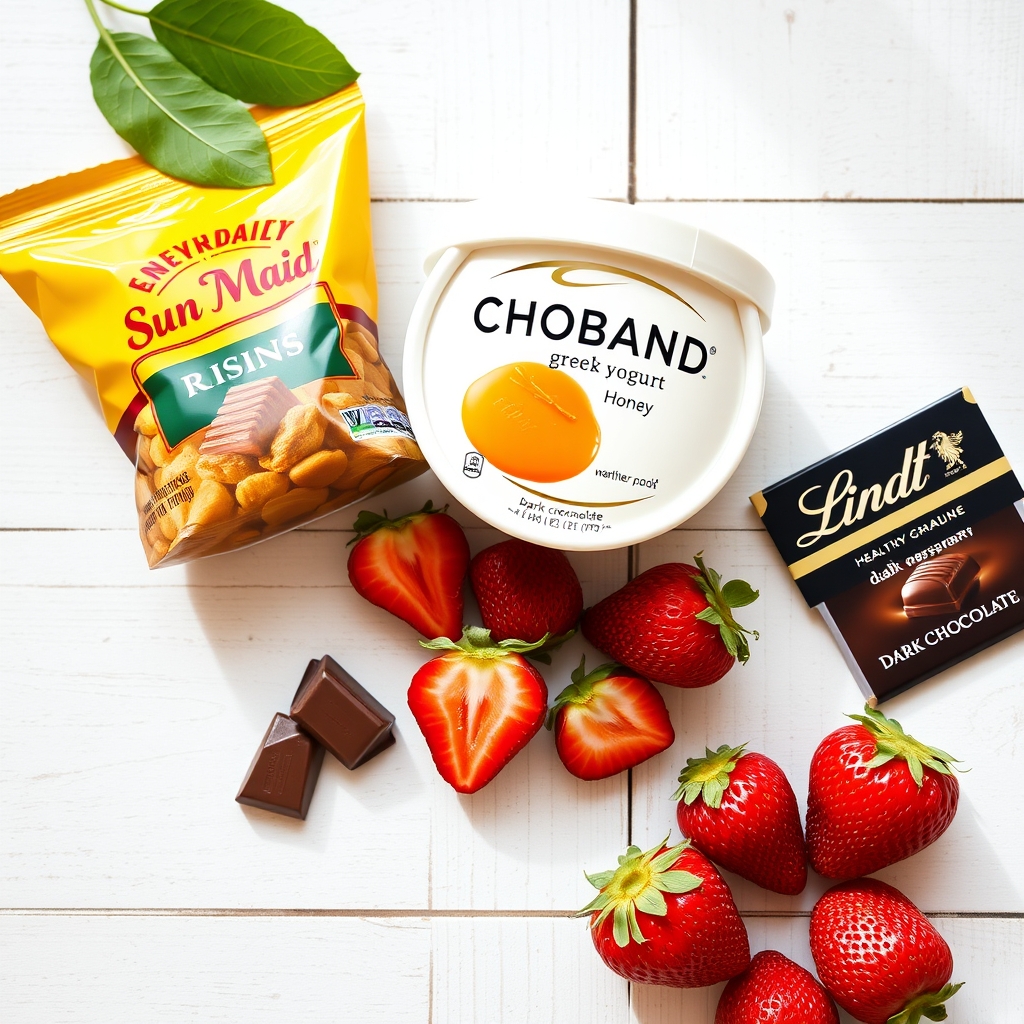
Sun‑Maid Raisins – naturally sweet, high in fiber, and free of artificial colors.
Mott’s Applesauce Cups – smooth, low‑sugar fruit puree with no added dyes.
Annie’s Organic Fruit Snacks – made with real fruit puree, no artificial colors.
Haribo Goldbears (sugar‑free) – sugar‑free gummy bears using natural sweeteners.
Chobani Greek Yogurt with Honey – protein‑rich, calcium‑dense, and naturally sweet.
Lindt Dark Chocolate (70 % cacao) – lower sugar, rich antioxidants, and satiating.
Fresh sliced strawberries – fresh, vitamin C rich, and naturally colorful.
Organic banana chips – baked, not fried, with a hint of natural sweetness.
Related items — safety at a glance
Item
Verdict
One‑line note
Skittles
⚠️ Safe with limits
Similar sugar and color profile; keep to 1‑2 servings per day.
Jolly Rancher
⚠️ Safe with limits
Hard candy; higher sugar per piece, so limit portion.
Myth: “All candy is unsafe during pregnancy because of artificial colors.”
Fact: The FDA classifies the colors in Starburst (Red 40, Yellow 5, Blue 1) as GRAS. While excessive intake isn’t recommended, occasional consumption in moderation is considered safe.
Myth: “If a candy is sugary, it will cause birth defects.”
Fact: High sugar intake can contribute to gestational diabetes and excess weight gain, but it does not directly cause structural birth defects.
Myth: “Reduced‑sugar Starburst is completely risk‑free for pregnant women.”
Fact: Reduced‑sugar versions contain sugar alcohols that can cause gastrointestinal upset and still contribute to overall carbohydrate load; moderation remains key.
Key takeaways
Starburst is not a teratogen, but its high added‑sugar content warrants moderation.
Limit intake to 1‑2 regular pieces per day (or 2‑3 reduced‑sugar pieces) to stay under the 10 % added‑sugar guideline.
If you have gestational diabetes, aim for no more than one piece a day or choose lower‑sugar alternatives.
Artificial colors in Starburst are FDA‑approved, but if you notice any allergy‑type symptoms, switch to natural‑color snacks.
Safer alternatives like raisins, fruit snacks, or Greek yogurt can satisfy sweet cravings with added nutritional benefits.
Enjoy a small serving of Starburst alongside water to keep sugar spikes in check.
Frequently asked questions
Can I eat Starburst while pregnant?
Yes, you can eat Starburst while pregnant, but keep it to 1‑2 pieces per day to stay within recommended added‑sugar limits.
Is it safe to eat candy during pregnancy?
Candy is generally safe during pregnancy if consumed in moderation; the key is to monitor total added sugar and watch for artificial‑color sensitivities.
How much sugar is too much for a pregnant woman?
The American Diabetes Association advises that pregnant women limit added sugars to less than 10 % of daily calories—about 25 g (6 teaspoons) per day.
Do artificial food colors affect fetal development?
Current evidence from the FDA and EFSA indicates that approved artificial colors, like those in Starburst, do not pose a direct risk to fetal development, though some individuals may be sensitive.
What are the best snack options for pregnant women?
Best snacks include fresh fruit, unsweetened yogurt, nuts, whole‑grain crackers with hummus, and the safer alternatives listed above such as Sun‑Maid raisins and Annie’s organic fruit snacks.
Can Starburst cause gestational diabetes?
Starburst itself does not cause gestational diabetes, but its high sugar content can exacerbate blood‑glucose spikes in women already at risk, so moderation is essential.
Are sugar‑free candies safer during pregnancy?
Sugar‑free candies are generally safer for blood‑sugar control, but they often contain sugar alcohols or artificial sweeteners that can cause digestive issues; choose them mindfully.
Consider swapping Starburst for nutrient‑dense snacks that satisfy sweet cravings.
When to call your doctor
Contact your obstetric provider if you notice any of the following after eating Starburst or any sugary candy:
Persistent high blood‑glucose readings (above 140 mg/dL fasting or 180 mg/dL two hours after meals).
Severe abdominal pain, cramping, or sudden swelling.
Signs of an allergic reaction: hives, swelling of lips or tongue, difficulty breathing.
Unusual rapid weight gain or persistent fatigue despite adequate rest.
These symptoms may signal gestational diabetes, an allergic response, or other concerns that warrant professional evaluation. Remember, this article provides general information and is not a substitute for personalized medical advice.
References
American College of Obstetricians and Gynecologists (ACOG). “Nutrition During Pregnancy.” 2023.
National Health Service (NHS). “Food and drink during pregnancy.” Updated 2022.
U.S. Food and Drug Administration (FDA). “Food Additives: Color Additives.” 2021.
American Diabetes Association (ADA). “Gestational Diabetes Management.” 2022.
European Food Safety Authority (EFSA). “Scientific Opinion on the safety of food colour additives.” 2022.
Centers for Disease Control and Prevention (CDC). “Pregnancy and Diabetes.” 2023.
Mars, Inc. Product ingredient label for Starburst (2023).
World Health Organization (WHO). “Guidelines on sugar intake for adults and children.” 2015.
Not sure about the label on Is Starburst Safe During Pregnancy products?
Snap the ingredients list and SafeFilter checks every ingredient for your stage — only 3 free scans this month, then you're locked until reset. Unlimited from $7/mo or $50/yr.
When Shubhra Mishra was expecting her first child in 2016, she was overwhelmed by conflicting food advice — one site said yes, another said never. By the time her second baby arrived in 2019, she realized millions of mothers face the same confusion.
That sparked a five-year journey through clinical nutrition papers, cultural diets, and expert conversations — all leading to BumpBites: a calm, compassionate space where science meets everyday motherhood.
Her long-term vision is to build a global community ensuring safe, supported, and free deliveriesfor every mother — because no woman should face pregnancy alone or uninformed. 🌿
🌍 Stand with mothers, shape safer guidance
Join a small circle of experts who review BumpBites articles so expecting parents everywhere can decide with confidence.