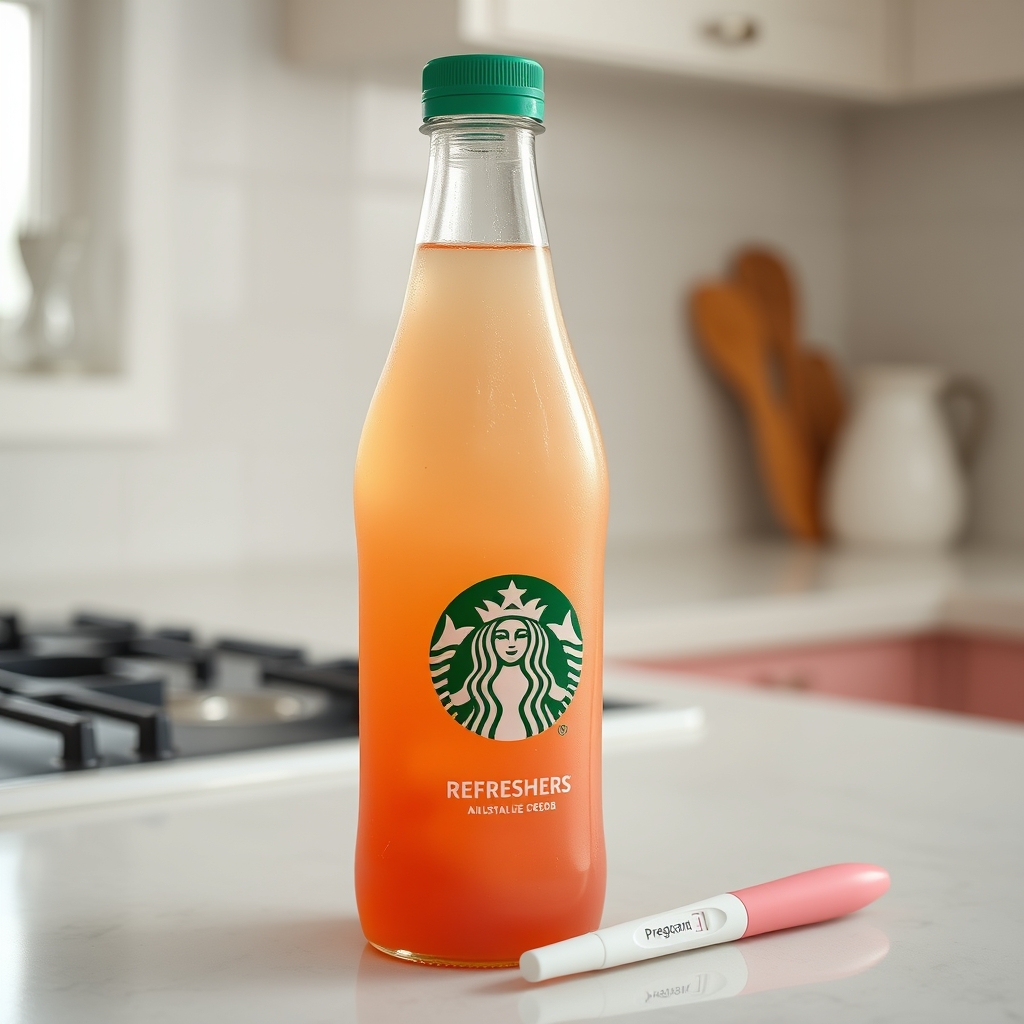
Limit: Starbucks Refreshers are generally safe in pregnancy when limited to one 12‑oz serving per day, delivering about 45 mg of caffeine—well below the 200 mg daily caffeine limit recommended for pregnant women.
By Shubhra Mishra — a mom of two who turned her own confusion during pregnancy into BumpBites, a global mission to make food choices clear, safe, and stress-free for every expecting mother. 💛
Check whether any food is safe during pregnancy with the BumpBites Food Safety Checker.
Quick verdict: ⚠️ Safe with limits – a Starbucks Refreshers can be enjoyed in moderation during pregnancy, but keep caffeine and sugar intake within recommended daily limits.
It’s 2 a.m., you’re scrolling through the Starbucks menu, and a bright “Pink Drink” catches your eye. Suddenly, a wave of worry hits: “Is Starbucks Refreshers safe during pregnancy?” You’re not alone—many expectant parents wonder if the caffeine, fruit juice, and added sugars in these beverages could harm their baby. The short answer is that a Refreshers can be part of a balanced pregnancy diet if you stay within caffeine and sugar guidelines, but there are a few nuances to keep in mind.
In this article we’ll break down exactly what a Starbucks Refreshers contains, how it stacks up against ACOG and NHS pregnancy recommendations, and what you should consider in each trimester. We’ll also cover daily limits, brand‑specific tips, potential risks for gestational diabetes or hypertension, and give you safer beverage alternatives. By the end, you’ll have a clear, evidence‑based answer to the question “is starbucks refreshers safe during pregnancy?” and a practical plan to enjoy your favorite drink without unnecessary worry.
Trimester / Breastfeeding
Verdict
Notes
First trimester
⚠️ Safe with limits
Limit to ≤1 serving (≈12 oz) per day; keep total caffeine <200 mg and added sugar <25 g.
Second trimester
⚠️ Safe with limits
Same limit as first trimester; monitor blood‑glucose if you have gestational diabetes.
Third trimester
⚠️ Safe with limits
Continue caffeine <200 mg/day; watch for dehydration and excess sugar.
Breastfeeding
⚠️ Safe with limits
Caffeine passes into breast milk; keep total daily caffeine ≤200 mg to avoid infant irritability.
Starbucks Refreshers are a line of cold, fruit‑infused beverages that combine a splash of coffee‑derived caffeine, fruit juice, and a hint of sweetness. The most popular versions—like the Pink Drink (strawberry acai) and Very Berry Hibiscus—contain a base of fruit juice (often a blend of pineapple, pear, and apple), a light coffee “Shot” that adds caffeine, and a small amount of sugar or a sugar substitute. Some versions also include vitamin B12 for a perceived energy boost. The drinks are marketed as “lighter” than traditional Frappuccinos, but they still contribute caffeine and calories that matter during pregnancy.
Because the Refreshers are relatively new, there isn’t a wealth of pregnancy‑specific research. However, major health authorities give us clear guidance on the two main ingredients that raise concerns: caffeine and added sugars. The American College of Obstetricians and Gynecologists (ACOG) advises that pregnant people limit caffeine intake to <200 mg per day, while the UK's National Health Service (NHS) recommends staying under 300 mg. The U.S. Food and Drug Administration (FDA) defines a “moderate” caffeine amount as up to 400 mg for non‑pregnant adults, but the pregnancy limit is lower to protect fetal development. For sugar, the American Heart Association (AHA) suggests no more than 25 g of added sugar per day for women, a guideline echoed by the NHS.
Putting those numbers together, a standard 12‑ounce (355 ml) Starbucks Refreshers contains roughly 70 mg of caffeine and about 15 g of added sugar, though exact values vary by flavor. This means a single Refreshers fits comfortably within the caffeine ceiling but can take up a sizable portion of the daily added‑sugar budget. If you’re already consuming other caffeinated beverages (coffee, tea, soda) or sugary foods, you’ll need to account for the cumulative totals.
Is a Starbucks Refreshers safe to drink during the first trimester?
The first trimester is when the baby’s major organs are forming—a period known as organogenesis. Because the fetus is most vulnerable to teratogens (substances that can cause birth defects), many clinicians advise extra caution with caffeine. ACOG’s guidance of <200 mg caffeine per day still applies, and most experts suggest limiting caffeine even further if you experience nausea or sleep disturbances.
One 12‑ounce Refreshers typically provides about 70 mg of caffeine, well below the trimester limit, so a single serving is generally considered safe. However, you should avoid consuming multiple caffeinated drinks in a short period, as the cumulative caffeine could exceed the recommended threshold. Additionally, the fruit juice in a Refreshers adds natural sugars, which can raise blood‑glucose levels—something to watch closely if you have a history of gestational diabetes.
In short, a Starbucks Refreshers is safe in the first trimester as long as you keep it to one serving per day and balance the rest of your caffeine and sugar intake. If you’re already consuming other caffeinated drinks, you may want to choose a caffeine‑free or low‑caffeine alternative instead.
Is a Starbucks Refreshers safe to drink during the second trimester?
During the second trimester, the baby’s growth accelerates, and many pregnant people find their energy levels stabilizing. The caffeine limit remains the same—<200 mg per day according to ACOG—so the same calculations from the first trimester still hold.
Because the Refreshers’ caffeine content is modest, a single serving continues to be within safe limits. The primary consideration in the second trimester is sugar intake, especially if you’re monitoring weight gain or have been diagnosed with gestational diabetes. The NHS advises that women with gestational diabetes keep added sugar low and focus on low‑glycemic foods. A Refreshers can be part of a balanced diet if you limit it to one serving and pair it with protein‑rich snacks to blunt any rapid glucose spikes.
Overall, the second trimester verdict mirrors the first: a Starbucks Refreshers is safe with limits, but you should stay mindful of overall caffeine and sugar consumption.
Is a Starbucks Refreshers safe to drink during the third trimester?
In the third trimester, the baby’s brain and lungs mature, and many expectant parents become more attentive to hydration and blood‑pressure changes. Caffeine can still affect fetal heart rate and may contribute to maternal insomnia, so the <200 mg daily ceiling remains relevant.
A single Refreshers still fits comfortably under that limit. However, you may want to watch for excess sugar, which can exacerbate gestational hypertension or contribute to excessive weight gain. The ACOG and NHS both note that high‑sugar beverages can increase the risk of pre‑eclampsia, especially when combined with a high‑caffeine diet. If you notice swelling, headaches, or elevated blood pressure, consider swapping the Refreshers for a lower‑sugar, caffeine‑free option.
Bottom line: a Starbucks Refreshers can be enjoyed in the third trimester, but keep it to one serving per day and balance your overall diet to stay within recommended caffeine and sugar limits.
How many Starbucks Refreshers can I have each day while pregnant?
The safest approach is to limit yourself to one 12‑ounce (355 ml) serving per day. This amount delivers roughly 70 mg of caffeine and 15 g of added sugar—both well within the ACOG and NHS guidelines when considered as part of your total daily intake.
If you already drink other caffeinated beverages (coffee, tea, soda), you’ll need to adjust the Refreshers portion accordingly. For example, a 16‑ounce (473 ml) Refreshers contains about 100 mg of caffeine, which could push you closer to the 200 mg ceiling if combined with a morning coffee. In those cases, opting for a smaller size or a caffeine‑free version is prudent.
For sugar, the American Heart Association recommends no more than 25 g of added sugar per day for women. A single Refreshers accounts for about 60 % of that limit, so you’ll want to keep other sugary foods and drinks to a minimum. If you have gestational diabetes, your provider may ask you to stay even lower—often under 10 g of added sugar per day—making the Refreshers a less optimal daily choice.
What is the caffeine content in Starbucks Refreshers and how does it affect pregnancy?
Starbucks lists the caffeine content of its Refreshers at approximately 70 mg per 12‑ounce serving, derived from a “coffee‑derived” blend that uses a cold‑brewed coffee base. This amount is roughly equivalent to a small cup of black tea and well below the 200 mg daily limit set by ACOG for pregnant people.
Caffeine crosses the placenta and can raise fetal heart rate. While moderate caffeine intake has not been linked to major birth defects, high intake (>300 mg/day) has been associated with a slight increase in miscarriage risk and lower birth weight, according to a systematic review published in the American Journal of Obstetrics & Gynecology. Therefore, keeping your total caffeine—including coffee, tea, soda, and chocolate—under 200 mg is a conservative, evidence‑based recommendation.
Beyond fetal considerations, caffeine can affect you directly. Some pregnant people experience increased heart rate, jitteriness, or trouble sleeping after caffeine consumption. If you notice any of those symptoms, you may need to cut back on the Refreshers or switch to a caffeine‑free alternative.
Are there caffeine‑free or low‑caffeine Starbucks Refreshers options for pregnant women?
Yes. Starbucks offers a “Zero‑Caffeine” version of the Refreshers, which replaces the coffee‑derived base with additional fruit juice and water, reducing caffeine to less than 5 mg per serving. While still containing natural sugars, the caffeine‑free option eliminates the concern about exceeding the 200 mg limit.
Another low‑caffeine alternative is the “Iced Passion Tango Tea” Refreshers, which uses a tea blend with minimal caffeine (about 20 mg per 12 oz). This provides a gentle energy lift without approaching the daily caffeine ceiling. If you’re especially sensitive to caffeine or have been advised to keep caffeine under 100 mg per day, these options are safer choices.
When choosing any Refreshers, always check the nutrition label (available on the Starbucks website or in‑store) for the exact caffeine and sugar content, as formulations can change seasonally.
What are the risks of drinking Starbucks Refreshers if I have gestational diabetes?
Gestational diabetes (GDM) requires careful monitoring of carbohydrate and sugar intake to keep blood‑glucose levels stable. A typical 12‑ounce Refreshers contains about 15 g of added sugar and 20 g of total carbohydrates, which can cause a rapid rise in blood glucose—especially if consumed on an empty stomach.
The American Diabetes Association (ADA) recommends that pregnant people with GDM aim for <130 mg/dL fasting glucose and <180 mg/dL post‑prandial. A single Refreshers can push post‑meal glucose close to or above that threshold, depending on individual insulin sensitivity. Therefore, most clinicians advise limiting or avoiding high‑sugar drinks like Refreshers in favor of low‑glycemic alternatives.
If you still want the fruity flavor, consider pairing the Refreshers with a protein‑rich snack (e.g., Greek yogurt, nuts) to blunt the glucose spike, or choose a sugar‑free version if available. Always discuss your beverage choices with your obstetrician or a registered dietitian who monitors your GDM.
When you’re craving a cool, fruity drink, check the label for caffeine and sugar content before reaching for a Refreshers.
Safe dosage / amount / brands
Starbucks’ official nutrition facts list a standard 12‑ounce Refreshers as containing roughly 70 mg caffeine and 15 g added sugar. For a pregnant individual, the safest daily dosage is:
Caffeine: ≤200 mg total from all sources. This translates to ≤2 standard 12‑ounce Refreshers if you have no other caffeine, but most people also drink coffee or tea, so usually only 1 Refreshers per day.
Sugar: ≤25 g added sugar (AHA guideline). One Refreshers provides about 60 % of that limit, so limit other sugary foods and drinks.
Portion size: Stick to the 12‑ounce (355 ml) size. The larger 16‑ounce (473 ml) version pushes caffeine to ~100 mg and sugar to ~20 g, which may exceed safe limits when combined with other sources.
If you prefer a specific brand or flavor, look for the “No Sugar Added” or “Zero‑Caffeine” labels on the Starbucks website. These versions contain negligible caffeine and sugar, making them safe for daily consumption even if you have gestational diabetes.
Side effects and risks
Most side effects from a Starbucks Refreshers are mild and stem from its caffeine and sugar content:
Jitters or rapid heartbeat: Common if you exceed caffeine limits or are caffeine‑sensitive. Reduce portion size or switch to a caffeine‑free version.
Sleep disturbances: Consuming caffeine late in the day can interfere with sleep, which is already a challenge for many pregnant people.
Blood‑glucose spikes: The added sugar can raise blood glucose quickly, especially problematic for gestational diabetes or pre‑existing diabetes.
Dehydration: Caffeine is a mild diuretic. Ensure you drink plenty of water throughout the day, particularly if you consume multiple caffeinated beverages.
If you notice any of the following, contact your provider promptly:
Persistent rapid heartbeat (over 100 bpm at rest)
Severe headache or dizziness
Sudden swelling of hands, feet, or face
Elevated blood pressure (≥140/90 mm Hg)
Signs of hypoglycemia such as shakiness, sweating, or confusion (especially if you have gestational diabetes)
Safer alternatives
Starbucks Decaf Iced Coffee – provides the coffee flavor without caffeine.
Starbucks Unsweetened Iced Tea – zero caffeine and no added sugars.
Freshly squeezed orange juice – natural fruit flavor, but watch portion size for sugar.
Vita Coco Coconut Water – low in caffeine and contains electrolytes.
Chamomile herbal tea (pregnancy‑safe) – soothing, caffeine‑free, and gentle on the stomach.
Cold‑pressed green juice (Suja) – low caffeine, nutrient‑dense, and lower in added sugars.
Unsweetened sparkling water with a splash of fruit juice – refreshing with minimal sugar.
Almond milk latte made with decaf espresso – creamy, caffeine‑free, and lower in calories.
Related items — safety at a glance
Item
Verdict
One‑line note
Starbucks Frappuccino
❌ Best avoided
High caffeine and added sugars exceed pregnancy limits.
Starbucks Nitro Cold Brew
❌ Best avoided
Contains ~280 mg caffeine per 12 oz—well over the safe limit.
Dunkin' Iced Coffee
⚠️ Safe with limits
Typical 12‑oz serving has ~150 mg caffeine; watch total daily intake.
McCafé Iced Coffee
⚠️ Safe with limits
Similar caffeine to Dunkin’; moderate sugar content.
Peet's Iced Latte
⚠️ Safe with limits
Contains ~120 mg caffeine per 12 oz; consider portion size.
Costa Coffee Iced Mocha
❌ Best avoided
High added sugar and caffeine—exceeds recommended limits.
Tim Hortons Iced Cappuccino
⚠️ Safe with limits
Moderate caffeine (~100 mg) but often high in sugar.
Myth vs. fact
Myth: “All Starbucks drinks are safe because they’re made by a reputable brand.”
Fact: While Starbucks is reputable, many of its beverages contain caffeine and added sugars that can exceed pregnancy guidelines. Each drink must be evaluated individually.
Myth: “The fruit juice in Refreshers makes the drink automatically healthy for pregnancy.”
Fact: Fruit juice adds natural sugars and calories; in excess, it can raise blood‑glucose levels and contribute to excessive weight gain.
Myth: “A single Refreshers is harmless, so I can have it whenever I want.”
Fact: Even a single serving contributes to daily caffeine and sugar totals. Consistent over‑consumption can push you over safe limits.
Key takeaways
✅ A Starbucks Refreshers can be part of a pregnancy‑safe diet if limited to ≤1 serving (12 oz) per day.
⚠️ Keep total caffeine <200 mg/day and added sugar <25 g/day to stay within ACOG and NHS guidelines.
If you have gestational diabetes, choose a low‑sugar or sugar‑free version, or avoid the drink altogether.
Consider caffeine‑free or lower‑caffeine Starbucks options, or switch to safer alternatives like unsweetened iced tea or coconut water.
Monitor for side effects such as rapid heartbeat, sleep disruption, or blood‑glucose spikes, and contact your provider if they occur.
Frequently asked questions
How much caffeine is in a Starbucks Refreshers?
A standard 12‑ounce Starbucks Refreshers contains about 70 mg of caffeine, roughly the amount found in a small cup of black tea.
Can pregnant women drink Starbucks Refreshers?
Yes, pregnant women can enjoy a Starbucks Refreshers in moderation—generally one 12‑ounce serving per day—provided they stay within the recommended caffeine (<200 mg) and added‑sugar (<25 g) limits.
Are Starbucks Refreshers safe for gestational diabetes?
They can be problematic because a single Refreshers contributes around 15 g of added sugar, which may raise blood‑glucose levels. If you have gestational diabetes, opt for a sugar‑free or low‑sugar version, or discuss alternatives with your healthcare provider.
What ingredients are in Starbucks Refreshers?
Typical ingredients include filtered water, fruit juice blend (pineapple, pear, apple), a coffee‑derived caffeine base, a small amount of sugar or sugar substitute, and vitamin B12. Some flavors also contain natural flavors and preservatives.
Is the fruit juice in Starbucks Refreshers safe during pregnancy?
The fruit juice itself is safe, but it adds natural sugars and calories. Consuming it in moderation is fine, but it should be counted toward your daily added‑sugar limit.
Can I limit sugar intake while drinking Starbucks Refreshers during pregnancy?
Yes—choose the “Zero‑Caffeine” or “No Sugar Added” versions, or limit yourself to one 12‑ounce serving per day and balance the rest of your diet with low‑sugar foods.
Do Starbucks Refreshers contain any ingredients that should be avoided while pregnant?
Aside from caffeine and added sugars, the Refreshers contain vitamin B12 (generally safe) and small amounts of natural flavorings. There are no known teratogenic ingredients, but the caffeine and sugar warrant moderation.
Choosing lower‑caffeine, lower‑sugar drinks can help you stay within pregnancy guidelines while still enjoying a refreshing treat.
When to call your doctor
If you experience any of the following after drinking a Starbucks Refreshers, contact your obstetrician or midwife promptly:
Persistent rapid heartbeat (over 100 bpm) or palpitations
Severe or worsening headache, dizziness, or visual disturbances
Sudden swelling of hands, feet, or face
Elevated blood pressure (≥140/90 mm Hg) or signs of pre‑eclampsia
Symptoms of hypoglycemia such as shakiness, sweating, or confusion (especially with gestational diabetes)
Difficulty sleeping that interferes with daily functioning
These symptoms could indicate that caffeine or sugar intake is affecting your health or your baby’s development. Always remember that this article provides general information and is not a substitute for personalized medical advice. If you have any doubts, especially regarding gestational diabetes, hypertension, or medication interactions, reach out to your healthcare provider.
References
American College of Obstetricians and Gynecologists (ACOG). “Committee Opinion No. 720: Moderate Caffeine Consumption During Pregnancy.” 2020.
National Health Service (NHS). “Caffeine in pregnancy.” Updated 2023.
U.S. Food and Drug Administration (FDA). “Caffeine: How much is too much?” 2022.
American Heart Association (AHA). “Added Sugars.” 2021.
American Diabetes Association (ADA). “Gestational Diabetes Mellitus.” Standards of Care 2023.
Starbucks Corporation. “Nutrition Facts – Refreshers.” Accessed July 2024.
World Health Organization (WHO). “Guidelines on caffeine consumption during pregnancy.” 2022.
Mayo Clinic. “Caffeine and pregnancy.” Updated 2023.
Centers for Disease Control and Prevention (CDC). “Gestational Diabetes.” 2022.
Harvard T.H. Chan School of Public Health. “Sugar and Health.” 2023.
Not sure about the label on Is Starbucks Refreshers Safe During Pregnancy products?
Snap the ingredients list and SafeFilter checks every ingredient for your stage — only 3 free scans this month, then you're locked until reset. Unlimited from $7/mo or $50/yr.
When Shubhra Mishra was expecting her first child in 2016, she was overwhelmed by conflicting food advice — one site said yes, another said never. By the time her second baby arrived in 2019, she realized millions of mothers face the same confusion.
That sparked a five-year journey through clinical nutrition papers, cultural diets, and expert conversations — all leading to BumpBites: a calm, compassionate space where science meets everyday motherhood.
Her long-term vision is to build a global community ensuring safe, supported, and free deliveriesfor every mother — because no woman should face pregnancy alone or uninformed. 🌿
🌍 Stand with mothers, shape safer guidance
Join a small circle of experts who review BumpBites articles so expecting parents everywhere can decide with confidence.