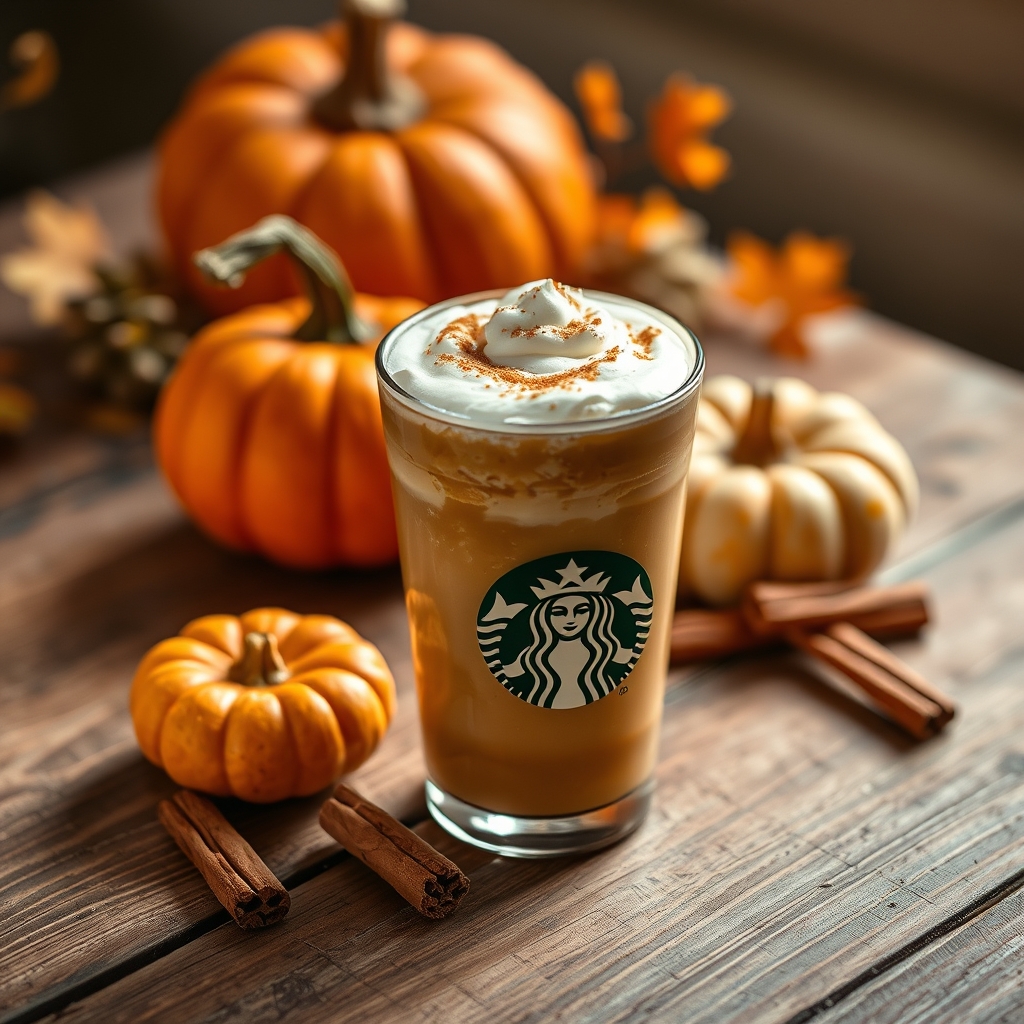
Safe in moderation. Starbucks Pumpkin Spice Latte is generally safe during pregnancy if limited to 200mg caffeine daily (about 1 tall). Avoid excess sugar and opt for lower-fat milk.
By Shubhra Mishra — a mom of two who turned her own confusion during pregnancy into BumpBites, a global mission to make food choices clear, safe, and stress-free for every expecting mother. 💛
Check whether any food is safe during pregnancy with the BumpBites Food Safety Checker.
Quick verdict: ⚠️ Safe with limits – a Starbucks Pumpkin Spice Latte can be enjoyed in moderation during pregnancy, but keep caffeine, sugar, and ingredient amounts in mind.
It’s 3 a.m., you’ve just opened the fridge, and the aroma of pumpkin spices and espresso pulls you toward the kitchen. You’ve already taken a sip of your favorite Starbucks Pumpkin Spice Latte and now wonder: is Starbucks Pumpkin Spice Latte safe during pregnancy? You’re not alone. Many expectant parents experience that sudden “did‑I‑just‑make‑a‑mistake?” moment when a seasonal treat collides with prenatal caution.
We’ve gathered the latest guidance from the American College of Obstetricians and Gynecologists (ACOG), the UK’s NHS, and the FDA to give you a clear answer. In short, the latte is not outright forbidden, but the caffeine, sugar, and certain flavor additives mean you should limit your intake and consider lower‑caffeine or dairy‑free options when possible. Below you’ll find a trimester‑by‑trimester breakdown, safe portion recommendations, and a menu of safer alternatives.
Read on for a quick verdict, a safety snapshot, ingredient insights, and practical tips that will let you enjoy the cozy flavor of fall without unnecessary worry.
Enjoy the flavor, but keep caffeine and sugar in check.
Trimester
Verdict
Notes
First trimester
⚠️ Safe with limits
Limit to ≤1 cup per week; watch caffeine (<150 mg/day) and sugar (<30 g).
Second trimester
⚠️ Safe with limits
Up to 2 cups per week okay if total caffeine stays <200 mg/day; consider reduced‑sugar or decaf.
Third trimester
⚠️ Safe with limits
Same as second trimester; avoid excessive caffeine close to bedtime.
Breastfeeding
⚠️ Safe with limits
Maintain caffeine <200 mg/day; monitor infant’s sleep and fussiness.
What is a Starbucks Pumpkin Spice Latte?
The Starbucks Pumpkin Spice Latte (PSL) is a seasonal espresso‑based drink that debuted in 2003 and quickly became a fall staple. It combines freshly brewed espresso, steamed milk, pumpkin‑spice sauce (a blend of pumpkin puree, cinnamon, nutmeg, ginger, and clove), and topped with whipped cream and pumpkin‑spice topping. The standard size (Grande, 16 oz) contains about 150 mg of caffeine, roughly the same as a cup of drip coffee, and roughly 38 g of sugar, which is equivalent to almost ten teaspoons.
Customers love the PSL for its comforting warmth and the nostalgic “pumpkin patch” flavor profile. The drink can be customized with non‑dairy milks (almond, soy, oat) and can be ordered decaf, which swaps the espresso for a decaffeinated version while keeping the same flavor base. Seasonal variations also appear, such as the “Pumpkin Spice Frappuccino,” which adds blended ice and a different texture.
Understanding these components matters because caffeine, sugar, and certain flavor additives each have specific considerations during pregnancy. For example, caffeine crosses the placenta and may affect fetal heart rate, while excessive sugar can contribute to gestational diabetes. The pumpkin‑spice sauce itself is generally regarded as safe, but some formulations contain artificial flavors that some clinicians advise limiting.
Is Starbucks Pumpkin Spice Latte safe during pregnancy?
C
urrent guidance from ACOG and the NHS indicates that moderate caffeine consumption—up to 200 mg per day—is acceptable for most pregnant people. A standard Grande Starbucks Pumpkin Spice Latte supplies about 150 mg of caffeine, meaning that one latte can fit within the daily limit, but any additional caffeine sources (tea, chocolate, soda) must be accounted for.
Regarding sugar, the American Diabetes Association advises limiting added sugars to <10 % of total daily calories, roughly 25 g for a 2,000‑calorie diet. A single PSL exceeds this threshold, so frequent consumption may increase the risk of gestational glucose intolerance, especially for those already at risk for gestational diabetes.
Ingredient-wise, the pumpkin‑spice sauce is made from natural spices and pumpkin puree, which are not teratogenic. However, the drink may contain artificial flavorings and preservatives that lack extensive pregnancy‑specific safety data. The FDA generally considers these additives safe at the levels used in food and beverages, but some clinicians prefer whole‑food sources during pregnancy.
In summary, the latte is not categorically unsafe, but it should be treated as an occasional treat. If you enjoy it, opt for a smaller size, choose a non‑dairy milk with less added sugar, or go decaf to keep caffeine and sugar within recommended limits.
Is Starbucks Pumpkin Spice Latte safe to drink in the first trimester?
The first trimester is when organ development (organogenesis) is most sensitive to potential teratogens. Caffeine at moderate levels (<150 mg/day) has not been linked to major birth defects, according to ACOG. However, the high sugar content of a standard PSL could exacerbate early‑pregnancy nausea or contribute to elevated blood glucose.
If you’re craving the flavor, consider a “tall” (12 oz) size or a decaf version, which reduces caffeine to about 5 mg while keeping the pumpkin‑spice taste. Pair the latte with a protein‑rich snack to slow sugar absorption, and stay mindful of any other caffeine sources you consume throughout the day.
How many Pumpkin Spice Lattes can a pregnant woman have per day?
Because a Grande PSL already provides near‑maximum daily caffeine (≈150 mg) and exceeds recommended added‑sugar limits, most obstetric guidelines advise limiting intake to <1 cup per day. In practice, many clinicians suggest no more than 1–2 cups per week, especially if you also consume other caffeinated drinks.
If you choose a smaller “tall” size, you could have up to two per week, provided total caffeine stays below 200 mg and total added sugar stays under 30 g per day. Decaf versions allow more frequent consumption, but the sugar load still warrants moderation.
What are the caffeine and sugar levels in Starbucks Pumpkin Spice Latte for pregnancy?
According to Starbucks’ 2024 nutrition guide, a Grande Pumpkin Spice Latte (with 2% milk) contains:
Caffeine: ~150 mg
Sugar: ~38 g (≈9.5 tsp)
Calories: ~380 kcal
Switching to a non‑dairy milk (almond, soy, or oat) reduces calories slightly but does not substantially change caffeine or sugar content. Opting for a “Light” version (lightened whipped cream, sugar‑free syrup) can cut sugar by up to 50 %.
Are there caffeine‑free alternatives to Starbucks Pumpkin Spice Latte for pregnant women?
Yes. Starbucks offers a Decaf Pumpkin Spice Latte, which swaps regular espresso for decaf, dropping caffeine to <5 mg while preserving the beloved flavor. Other chain options include the Dunkin’ Decaf Pumpkin Spice Coffee and homemade pumpkin‑spice latte made with brewed decaf coffee or even just hot milk and pumpkin‑spice syrup.
For a completely caffeine‑free experience, consider herbal pumpkin‑spice teas (e.g., rooibos or hibiscus blends) or a warm pumpkin‑spice oat‑milk latte made with steamed oat milk and pumpkin‑spice syrup. These alternatives keep the seasonal vibe without the caffeine load.
Does the Starbucks Pumpkin Spice Latte contain any ingredients harmful to pregnancy?
All core ingredients—espresso, milk, pumpkin puree, and the spice blend—are considered safe. The primary concern lies with added sugars and potential artificial flavorings. While the FDA classifies these additives as “Generally Recognized as Safe” (GRAS), some obstetricians recommend limiting exposure to artificial flavors and preservatives during pregnancy as a precaution.
If you have a specific allergy (e.g., to nut milks) or a condition like gestational diabetes, you’ll want to adjust the drink accordingly or choose a lower‑sugar version.
Can I get a dairy‑free or non‑dairy version of Pumpkin Spice Latte during pregnancy?
Starbucks offers several non‑dairy milk options: almond, soy, oat, and coconut. Each provides a slightly different flavor and texture but maintains the same caffeine and sugar levels unless you request a “light” version. Non‑dairy milks are safe for most pregnant individuals, though soy and coconut contain higher fat content, which may affect satiety.
If you have a soy allergy or are avoiding soy due to hormonal concerns, almond or oat milk are good alternatives. Oat milk adds a creamy mouthfeel and pairs well with the pumpkin‑spice flavor, while almond milk offers a nutty undertone.
Is the seasonal Pumpkin Spice Latte from Starbucks safer than the regular latte for pregnant women?
Both drinks share the same espresso base, so caffeine content is essentially identical. The key difference is the added pumpkin‑spice sauce, which brings extra sugar and calories. From a pregnancy safety perspective, the regular latte (e.g., a plain Caffè Latte) is lower in added sugars, making it a marginally safer choice if you’re monitoring glucose intake.
However, if you limit the PSL to a smaller size or request a light version, the safety gap narrows. The choice ultimately depends on your overall caffeine and sugar budget for the day.
What are the potential risks of drinking Starbucks Pumpkin Spice Latte while pregnant?
Potential risks stem from three main areas:
Caffeine overload: Exceeding 200 mg per day may increase the risk of miscarriage, low birth weight, or preterm birth, according to ACOG.
High sugar intake: Regular consumption of >30 g added sugar per day can elevate the risk of gestational diabetes and excessive gestational weight gain.
Artificial additives: While generally recognized as safe, some pregnant people prefer to limit exposure to artificial flavors and preservatives due to limited specific pregnancy data.
Most of these risks are mitigated by moderation, choosing smaller sizes, and opting for reduced‑sugar or decaf versions.
First trimester
During the first 13 weeks, keep caffeine under 150 mg/day and limit added sugars. A single tall (12 oz) PSL can fit within these limits, but a Grande (16 oz) would already approach the caffeine ceiling.
If you experience nausea, the latte’s acidity may worsen symptoms. In that case, a warm, caffeine‑free pumpkin‑spice tea may be gentler on the stomach.
Second trimester
From weeks 14‑27, the fetus’s organ systems are more robust, and caffeine thresholds increase to 200 mg/day. You may enjoy a Grande PSL occasionally, provided you track other caffeine sources.
Watch blood‑glucose levels, especially if you have a family history of diabetes. Splitting the latte with a protein‑rich snack (e.g., Greek yogurt) can help moderate sugar spikes.
Third trimester
In weeks 28‑40, caffeine’s effect on fetal heart rate remains, but the upper limit of 200 mg/day still applies. Be mindful of caffeine’s impact on sleep, as insomnia becomes more common later in pregnancy.
Choosing a decaf PSL or a “light” version can reduce both caffeine and sugar, supporting a calmer night’s rest.
Breastfeeding
Caffeine does pass into breast milk, but most infants metabolize it quickly. Keeping caffeine under 200 mg/day is generally safe, though some babies may become more fussy if maternal caffeine intake spikes.
Excessive sugar can affect your own energy levels and milk production, so the same moderation principles apply as during pregnancy.
Safe dosage / amount / brands
Because Starbucks does not offer a “low‑caffeine” or “low‑sugar” PSL, the safest strategy is to control portion size and customize the drink. Below is a quick reference:
For those who wish to stay well under caffeine limits, a decaf or “light” version is recommended. If sugar is the primary concern, ask for a “light” latte and pair it with a low‑glycemic snack.
Decaf eliminates most caffeine while keeping the flavor.
Side effects and risks
Most side effects are mild and related to caffeine or sugar:
Heart palpitations or jitteriness: Common when caffeine exceeds personal tolerance.
Insomnia: Caffeine, especially later in the day, can disrupt sleep patterns.
Blood‑glucose spikes: High sugar can cause rapid rises in blood glucose, potentially leading to gestational diabetes in susceptible individuals.
Digestive upset: The acidity of espresso may worsen heartburn, a frequent pregnancy complaint.
If you notice persistent rapid heartbeat, severe nausea, or signs of gestational diabetes (excessive thirst, frequent urination, unusual fatigue), contact your provider promptly.
Safer alternatives
Starbucks Decaf Pumpkin Spice Latte – retains the festive flavor while dropping caffeine to <5 mg.
Starbucks Pumpkin Spice Tea (hot or iced) – caffeine‑free, lower sugar, and still seasonal.
Dunkin’ Decaf Pumpkin Spice Coffee – similar flavor with minimal caffeine.
Homemade pumpkin‑spice latte with almond milk – you control sugar and can use decaf coffee.
Herbal pumpkin‑spice tea (caffeine‑free) – soothing and safe for all trimesters.
Decaf Chai latte – offers warm spices with virtually no caffeine.
Matcha latte with pumpkin‑spice flavor – lower caffeine (≈70 mg per cup) and antioxidants.
Cold brew coffee with pumpkin‑spice syrup (reduced caffeine) – lighter caffeine content if brewed correctly.
Related items — safety at a glance
Item
Verdict
One‑line note
Starbucks Pumpkin Spice Frappuccino
⚠️ Safe with limits
Higher sugar and added whipped cream increase caloric load.
Starbucks Caramel Macchiato
⚠️ Safe with limits
Caffeine similar to latte; sugar can be reduced with “light” option.
Starbucks Vanilla Latte
⚠️ Safe with limits
Less sugar than PSL; still contains caffeine.
Starbucks Peppermint Mocha
⚠️ Safe with limits
Seasonal; combines caffeine with added chocolate and peppermint.
Dunkin’ Pumpkin Spice Latte
⚠️ Safe with limits
Similar caffeine and sugar profile to Starbucks.
McDonald’s Pumpkin Spice Coffee
⚠️ Safe with limits
Often smaller size; check nutrition for sugar.
Peet’s Coffee Pumpkin Spice Latte
⚠️ Safe with limits
Generally stronger coffee, higher caffeine.
Tim Hortons Pumpkin Spice Latte
⚠️ Safe with limits
Similar to Starbucks; sugar content varies by size.
Myth vs. fact
Myth: All pumpkin‑spice drinks are unsafe because of “pumpkin” during pregnancy.
Fact: Pumpkin itself is a nutrient‑rich vegetable and poses no risk; the concern lies with caffeine and added sugars.
Myth: You must avoid any coffee‑based drinks in the third trimester.
Fact: Moderate caffeine (<200 mg/day) remains acceptable throughout pregnancy, according to ACOG.
Myth: Artificial flavors in the syrup are a teratogen.
Fact: The FDA classifies these flavorings as GRAS, and no evidence links them to birth defects at typical consumption levels.
Key takeaways
✅ A Starbucks Pumpkin Spice Latte can be enjoyed in moderation; keep caffeine <200 mg/day and sugar <30 g/day.
⚖️ Choose a “tall” size, a “light” version, or decaf to stay within safe limits.
🥛 Non‑dairy milks are safe; just watch added sugars and calories.
🔁 Consider caffeine‑free or lower‑caffeine alternatives for frequent cravings.
🚩 If you experience rapid heartbeat, insomnia, or signs of gestational diabetes, contact your provider.
Frequently asked questions
Can pregnant women drink Starbucks pumpkin spice latte?
Yes, but only in moderation. One tall (12 oz) latte per week stays within most obstetric caffeine and sugar guidelines.
How much caffeine is in a Starbucks pumpkin spice latte?
A Grande (16 oz) version contains about 150 mg of caffeine, roughly the amount in a standard cup of coffee.
Is the pumpkin spice syrup safe for pregnancy?
The syrup uses natural pumpkin puree and spices, which are safe; however, it also contains added sugars and a small amount of artificial flavoring, so limit intake.
What are the sugar levels in a Starbucks pumpkin spice latte?
A standard Grande contains about 38 g of sugar, which exceeds the daily added‑sugar recommendation for most pregnant people.
Can I get a dairy‑free pumpkin spice latte at Starbucks while pregnant?
Yes—Starbucks offers almond, soy, oat, and coconut milks. These are safe, though they don’t reduce caffeine or sugar unless you also request a “light” version.
Are there any pregnancy risks associated with Starbucks pumpkin spice latte?
Potential risks stem from high caffeine and sugar intake, which can affect fetal growth and increase gestational diabetes risk if consumed excessively.
When to call your doctor
If you notice any of the following, reach out to your obstetric provider promptly:
Persistent rapid heartbeat (>100 bpm) after consuming caffeine.
Severe or worsening nausea, vomiting, or heartburn that interferes with nutrition.
Signs of gestational diabetes: excessive thirst, frequent urination, unusual fatigue.
Fetal movement changes after a high‑caffeine day.
Any allergic reaction to milk alternatives or ingredients.
These guidelines are informational only and do not replace personalized medical advice. Always discuss your diet and any concerns with your healthcare provider.
References
American College of Obstetricians and Gynecologists (ACOG). “Nutrition During Pregnancy.” 2023.
National Health Service (NHS). “Caffeine in pregnancy.” Updated 2022.
U.S. Food and Drug Administration (FDA). “Food Additives.” 2021.
American Diabetes Association. “Gestational Diabetes.” 2023.
Centers for Disease Control and Prevention (CDC). “Pregnancy and Diabetes.” 2022.
Starbucks Corporation. “Nutrition Facts.” 2024.
World Health Organization (WHO). “Caffeine consumption and health.” 2020.
Not sure about the label on Is Starbucks Pumpkin Spice Latte Safe During Pregnancy products?
Snap the ingredients list and SafeFilter checks every ingredient for your stage — only 3 free scans this month, then you're locked until reset. Unlimited from $7/mo or $50/yr.
When Shubhra Mishra was expecting her first child in 2016, she was overwhelmed by conflicting food advice — one site said yes, another said never. By the time her second baby arrived in 2019, she realized millions of mothers face the same confusion.
That sparked a five-year journey through clinical nutrition papers, cultural diets, and expert conversations — all leading to BumpBites: a calm, compassionate space where science meets everyday motherhood.
Her long-term vision is to build a global community ensuring safe, supported, and free deliveriesfor every mother — because no woman should face pregnancy alone or uninformed. 🌿
🌍 Stand with mothers, shape safer guidance
Join a small circle of experts who review BumpBites articles so expecting parents everywhere can decide with confidence.