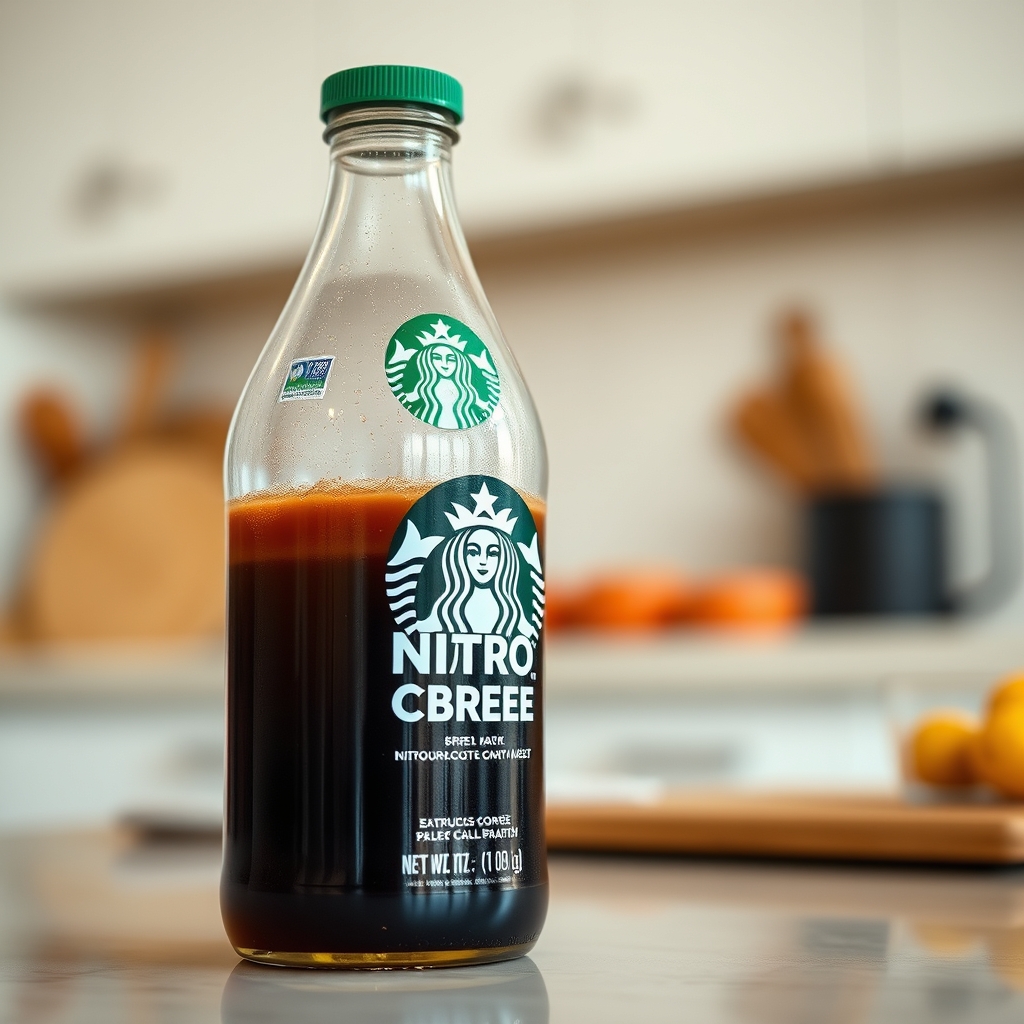
Limit: Starbucks Nitro Cold Brew is safe during pregnancy only when limited to one 12‑oz serving (≈200 mg caffeine) and avoided in the first trimester.
By Shubhra Mishra — a mom of two who turned her own confusion during pregnancy into BumpBites, a global mission to make food choices clear, safe, and stress-free for every expecting mother. 💛
Check whether any food is safe during pregnancy with the BumpBites Food Safety Checker.
Quick verdict: ⚠️ Safe with limits – a 16‑oz Starbucks Nitro Cold Brew contains enough caffeine that most pregnant people should restrict themselves to a half‑serving (about 8 oz) or choose a caffeine‑free alternative. Keeping total caffeine under 200 mg per day, as recommended by ACOG and the NHS, helps stay within a safe range.
It’s 2 a.m., you’re scrolling through the coffee aisle on your phone, and a sudden thought hits: “Is Starbucks Nitro Cold Brew safe during pregnancy?” You may have already taken a sip, or you’re debating whether to treat yourself after a long day of prenatal appointments. You’re not alone—many expecting parents wonder if the nitrogen‑infused, extra‑smooth coffee fits into a pregnancy‑friendly diet.
In short, is Starbucks Nitro Cold Brew safe during pregnancy depends on how much you drink and how it fits into your overall caffeine budget. The beverage itself isn’t toxic, but the caffeine content can quickly push you past the recommended daily limit of 200 mg for pregnant people. Below we break down the caffeine numbers, trimester‑specific considerations, the nitro infusion, and safer beverage alternatives, so you can enjoy your coffee break without unnecessary worry.
We’ll also compare Nitro Cold Brew to regular cold brew, list related Starbucks drinks, and give you a quick‑reference table for each trimester and breastfeeding. By the end of this article you’ll know exactly how to enjoy your favorite coffee safely—or when it’s best to swap it for a gentler sip.
Keep a glass of water nearby to stay hydrated and help moderate caffeine effects.
Trimester / Breastfeeding
Verdict
Notes
First trimester
⚠️ Limit
Organ formation is most sensitive; keep caffeine ≤ 100 mg/day. One 8‑oz serving of Nitro (≈140 mg) exceeds this.
Second trimester
⚠️ Limit
Recommended ≤ 200 mg caffeine/day. Half‑serving (≈140 mg) is okay if no other caffeine sources.
Third trimester
⚠️ Limit
Same 200 mg limit; monitor for sleep disturbances and fetal heart‑rate effects.
Breastfeeding
⚠️ Limit
Caffeine passes into breastmilk; limit to ≤ 200 mg/day and watch infant’s fussiness.
What is Starbucks Nitro Cold Brew?
Starbucks Nitro Cold Brew is a ready‑to‑drink (RTD) coffee sold in a 16‑oz bottle. It’s brewed with cold‑water extraction, then infused with nitrogen gas, which creates a velvety, cascading foam when poured. The nitrogen does not add calories or caffeine; it simply changes the texture, giving the drink a “draft‑beer” feel without any alcohol. The beverage is sweetened with a light vanilla‑flavored syrup, and it contains no added dairy unless you customize it in‑store. As a convenience product, it’s marketed as a smoother, less acidic alternative to traditional iced coffee.
From a nutritional standpoint, a 16‑oz bottle provides about 280 mg of caffeine, roughly the same as a strong cup of brewed coffee, plus 120 kcal from the vanilla syrup. It contains trace amounts of sodium and a small amount of protein from the coffee beans themselves. The nitro infusion is simply nitrogen gas—a non‑reactive, inert gas used widely in food and beverage processing, considered safe for consumption.
People gravitate toward Nitro Cold Brew for its unique mouthfeel, quick caffeine boost, and the novelty of a coffee “on tap” in a bottle. For pregnant people, the key questions revolve around caffeine intake, the impact of nitrogen, and any added ingredients that could affect fetal development.
Is Starbucks Nitro Cold Brew safe during pregnancy?
Current guidance from the American College of Obstetricians and Gynecologists (ACOG) and the United Kingdom’s National Health Service (NHS) recommends that pregnant people limit caffeine to no more than 200 mg per day. The Food and Drug Administration (FDA) classifies caffeine as a “generally recognized as safe” (GRAS) ingredient at typical dietary levels, but it cautions that excessive intake may be linked to reduced fertility, low birth weight, and miscarriage.
Because a full 16‑oz bottle of Nitro Cold Brew contains roughly 280 mg of caffeine—well above the 200 mg daily ceiling—drinking a whole bottle would exceed the advised limit. However, the nitro infusion itself does not pose a teratogenic risk; nitrogen is inert and is used safely in many food products, including packaged meats and dairy. The primary safety consideration is therefore caffeine.
Most studies on caffeine in pregnancy focus on brewed coffee, tea, and cola drinks. A systematic review published in the American Journal of Obstetrics & Gynecology found that moderate caffeine consumption (up to 200 mg/day) was not associated with major adverse outcomes, while higher intake correlated with a modest increase in miscarriage risk. No evidence suggests that nitrogen‑infused coffee behaves differently from regular cold brew regarding fetal health.
Bottom line: Starbucks Nitro Cold Brew is safe for pregnant people only when consumed in a limited amount that keeps total daily caffeine under 200 mg. If you already enjoy other caffeinated beverages, you’ll need to adjust your portion size accordingly.
Is Starbucks Nitro Cold Brew safe to drink in the first trimester?
The first trimester is the period of organogenesis, when the fetus’s major organs form. Because the developing nervous system is especially sensitive, many clinicians advise tighter caffeine control early in pregnancy. ACOG suggests staying under 100 mg of caffeine per day during the first three months, though the 200 mg limit is still considered safe for most people.
One 8‑oz serving of Nitro Cold Brew (half the bottle) contains roughly 140 mg of caffeine, which exceeds the 100 mg “cautious” guideline. If you’re in the first trimester and already consume other caffeinated drinks, it’s best to skip Nitro Cold Brew altogether or limit yourself to a very small sip (about 4 oz) and monitor your total daily intake.
In practice, many obstetric providers will not forbid caffeine outright but will ask you to track your consumption. If you’re unsure, discuss your coffee habits at your next prenatal visit; the provider can help you calculate a safe caffeine budget.
How much caffeine is in a Starbucks Nitro Cold Brew and is it safe for pregnant women?
A 16‑oz bottle of Starbucks Nitro Cold Brew delivers approximately 280 mg of caffeine, according to Starbucks’s own nutrition facts. For reference, an 8‑oz cup of brewed coffee typically contains 95‑165 mg, making Nitro Cold Brew one of the higher‑caffeine options on the market.
Given the ACOG recommendation of ≤ 200 mg caffeine per day, a full bottle would exceed the limit, while a half‑bottle (8 oz) stays within the safe range for most pregnant people. The key is to consider all sources of caffeine you consume—tea, chocolate, soda, and certain medications—as they add up quickly.
If you’re tracking caffeine, a simple rule of thumb is: one half‑serving of Nitro Cold Brew (≈140 mg) plus any other caffeinated drinks should not push you past the 200 mg threshold. Many pregnant people find it easier to stick to a 4‑oz “mini‑taste” or choose a decaf version.
Can I have Starbucks Nitro Cold Brew while pregnant if I limit my caffeine intake?
Yes—provided you keep the total caffeine from all sources under 200 mg per day, a modest portion of Nitro Cold Brew can fit into a pregnancy‑friendly plan. For example, a single 4‑oz pour (about half a typical serving) supplies roughly 70‑80 mg of caffeine, leaving room for a small cup of tea or a chocolate snack.
It’s also wise to avoid adding extra sweeteners or high‑fat milk that could increase calories and sugar intake. If you’re sensitive to caffeine’s stimulating effects—such as experiencing heart‑palpitations, insomnia, or jitteriness—consider a smaller portion or switch to a caffeine‑free alternative.
Remember that caffeine metabolism slows down in the later stages of pregnancy, so the same amount may feel stronger in the third trimester. Adjust your portion size accordingly and stay attuned to how your body reacts.
Are there caffeine‑free alternatives to Starbucks Nitro Cold Brew for pregnancy?
Absolutely. If you love the smooth texture but want to avoid caffeine, several options provide a similar “draft‑beer” feel without the stimulant:
Decaf Starbucks Cold Brew – same flavor profile, < 5 mg caffeine per 12‑oz serving.
Ginger herbal tea – soothing, caffeine‑free, and may help with nausea.
These alternatives give you the sensory pleasure of a cold, refreshing drink while keeping your caffeine intake at zero.
Does Starbucks Nitro Cold Brew contain ingredients that could harm a pregnancy?
The ingredient list for Nitro Cold Brew is short: water, coffee, nitrogen, vanilla syrup (sugar, natural flavors), and a small amount of salt. None of these components are known teratogens. The vanilla syrup adds sugar, which is fine in moderation but can contribute to excess caloric intake if you’re not careful.
The only ingredient that requires monitoring is caffeine, as discussed. Nitrogen gas, used for the “nitro” effect, is inert and has been deemed safe by the FDA for use in food and beverages. No artificial preservatives or high‑fructose corn syrup are present, making the drink relatively clean compared with many flavored coffee drinks.
If you have a specific allergy (e.g., to vanilla or certain flavorings), check the label, but for most pregnant people the ingredient profile poses no direct risk beyond caffeine.
Is the nitro infusion in Starbucks Nitro Cold Brew safe for pregnant women?
Yes. Nitro infusion simply adds nitrogen gas to the coffee, creating tiny bubbles that give the drink its characteristic creamy mouthfeel. Nitrogen is a naturally occurring, non‑reactive gas used widely in food packaging (e.g., in snack bags to preserve freshness). The FDA classifies nitrogen as a GRAS (Generally Recognized As Safe) substance, and there’s no evidence that it affects fetal development.
The main safety concern remains the caffeine content, not the nitro process. Some people wonder whether the pressurized delivery could affect the stomach, but the beverage is consumed like any other cold coffee, and the nitrogen quickly dissipates once opened.
How does Starbucks Nitro Cold Brew compare to regular Starbucks cold brew for pregnancy safety?
Both Nitro and regular cold brew contain similar caffeine levels per ounce—about 17‑18 mg per fluid ounce. The key difference is serving size: Nitro Cold Brew is sold in a 16‑oz bottle, while regular cold brew is often served in 12‑oz cups at the café. A 12‑oz cup of regular cold brew typically contains 190‑210 mg caffeine, just under the 200 mg daily limit, but a full Nitro bottle exceeds it.
From a safety standpoint, the two drinks are equivalent regarding caffeine and ingredients. The nitro infusion adds no extra risk, so the decision comes down to portion control. If you prefer a larger, smoother sip, consider diluting Nitro Cold Brew with ice or a splash of milk to reduce caffeine per serving.
What are the risks of drinking Starbucks Nitro Cold Brew during pregnancy?
Excessive caffeine can lead to:
Increased risk of miscarriage (especially with > 200 mg/day).
Low birth weight or preterm birth.
Maternal side effects such as heart palpitations, insomnia, and anxiety.
Fetal heart‑rate changes; high caffeine may cause temporary fetal tachycardia.
Potential aggravation of gestational hypertension or gestational diabetes.
These risks are dose‑dependent. Moderate caffeine (≤ 200 mg/day) is not linked to severe outcomes in most large cohort studies. However, individual sensitivity varies, so listening to your body and consulting your provider is essential.
Safe dosage / amount / brands
Because Starbucks Nitro Cold Brew is sold only under the Starbucks brand, there’s no need to compare multiple brands. The safety guidance focuses on portion size and overall caffeine budgeting.
Serving size
Caffeine (mg)
Safe for pregnancy?
Notes
4 oz (¼ bottle)
≈70 mg
✅ Generally safe
Fits within 200 mg limit if no other caffeine sources.
8 oz (½ bottle)
≈140 mg
⚠️ Safe with limits
Leave ≤ 60 mg for other caffeine sources.
16 oz (full bottle)
≈280 mg
❌ Best avoided
Exceeds daily caffeine recommendation.
If you’re a heavy coffee drinker, you may already be close to the 200 mg ceiling. In that case, limit Nitro Cold Brew to a 4‑oz sip or opt for a decaf version. Remember that caffeine also appears in tea, chocolate, certain medications, and some energy drinks, so add those amounts when calculating your total.
Side effects and risks
Most pregnant people tolerate moderate caffeine without serious problems, but common side effects include:
Jitters or tremors – a sign you’ve had too much caffeine.
Increased heart rate – both maternal and fetal; monitor if you have gestational hypertension.
Insomnia – caffeine can linger longer as pregnancy slows metabolism.
Digestive upset – coffee is acidic; some experience heartburn or reflux.
If you notice persistent heart palpitations, severe insomnia, or a rapid fetal heart rate (detected during a prenatal check‑up), contact your obstetric provider promptly. These symptoms may indicate that your caffeine intake is too high for your individual physiology.
Caffeine‑free sparkling water – refreshing fizz without stimulant.
Fruit‑infused water – natural flavor, zero caffeine.
Coconut water – hydrating electrolytes, no caffeine.
Lemonade – bright, caffeine‑free, vitamin C boost.
Iced herbal tea (e.g., rooibos) – rich taste, no caffeine.
Related items — safety at a glance
Item
Verdict
One‑line note
Starbucks Cold Brew
⚠️ Limit
≈190 mg caffeine per 12‑oz serving; stay under 200 mg daily.
Starbucks Iced Coffee
⚠️ Limit
Similar caffeine to cold brew; portion control needed.
Starbucks Blonde Roast
⚠️ Limit
Lighter roast, slightly higher caffeine per ounce.
Starbucks Espresso
⚠️ Limit
≈75 mg caffeine per shot; limit to one shot per day.
Starbucks Frappuccino
⚠️ Limit
Contains caffeine and added sugars; watch total intake.
Dunkin' Nitro Cold Brew
⚠️ Limit
Similar caffeine to Starbucks version; same limits apply.
McCafé Iced Coffee
⚠️ Limit
≈150 mg caffeine per 12‑oz; moderate consumption okay.
Peet's Coffee Nitro Cold Brew
⚠️ Limit
High caffeine; treat like Starbucks Nitro.
Myth vs. fact
Myth: Nitro coffee is “extra” caffeine because of the nitrogen.
Fact: Nitrogen does not add caffeine; the caffeine content is determined by the coffee brew strength, which is comparable to regular cold brew.
Myth: All caffeine is unsafe during pregnancy.
Fact: Moderate caffeine (≤ 200 mg per day) is considered safe by ACOG and NHS; the risk rises with higher intake.
Myth: The vanilla syrup in Nitro Cold Brew contains harmful additives.
Fact: The syrup is made from sugar and natural flavorings and is not classified as a teratogen. However, it adds calories and sugar, so moderation is wise.
Key takeaways
Starbucks Nitro Cold Brew contains about 280 mg caffeine per 16‑oz bottle—exceeding the 200 mg daily limit for pregnancy.
Limiting yourself to a 4‑oz sip (≈70 mg caffeine) fits comfortably within ACOG and NHS guidelines.
The nitrogen infusion is inert and safe; the primary concern is caffeine, not the nitro process.
During the first trimester, aim for ≤ 100 mg caffeine per day; a half‑serving may already be too much.
Consider caffeine‑free alternatives like decaf cold brew, herbal teas, or sparkling water for a worry‑free beverage.
Watch for side effects—jitteriness, insomnia, or rapid fetal heart rate—and contact your provider if they occur.
Frequently asked questions
How many cups of coffee are safe during pregnancy?
Most guidelines, including ACOG and the NHS, recommend no more than 200 mg of caffeine per day, which is roughly one 12‑oz cup of brewed coffee or two 8‑oz servings of Nitro Cold Brew at 70 mg each.
What is the caffeine content of Starbucks Nitro Cold Brew?
A 16‑oz bottle of Starbucks Nitro Cold Brew contains about 280 mg of caffeine, equivalent to roughly three standard cups of coffee.
Can nitro coffee cause any pregnancy complications?
The nitrogen used in Nitro Cold Brew is inert and not linked to pregnancy complications; the main concern is the caffeine level, which can affect fetal growth if consumed in excess.
Is decaf coffee safer than regular coffee for pregnant women?
Yes—decaf Starbucks Cold Brew contains less than 5 mg of caffeine per 12‑oz serving, making it a safe option for most pregnant people who wish to avoid caffeine.
What are the symptoms of too much caffeine during pregnancy?
Typical signs include jitteriness, rapid heartbeat, insomnia, stomach upset, and, in some cases, increased fetal heart rate noted during prenatal exams.
Are there any pregnancy‑safe coffee alternatives?
Yes—caffeine‑free options such as ginger herbal tea, chamomile tea, fruit‑infused water, coconut water, and decaf cold brew provide refreshing flavors without caffeine.
Does Starbucks Nitro Cold Brew contain any harmful additives for pregnancy?
The drink’s ingredients—coffee, nitrogen, vanilla syrup, and a pinch of salt—are not classified as harmful, though the vanilla syrup adds sugar and calories.
Can I drink Starbucks Nitro Cold Brew if I have gestational hypertension?
Because caffeine can raise blood pressure, it’s advisable to limit Nitro Cold Brew to a very small portion (≤ 4 oz) or avoid it altogether if you have gestational hypertension; discuss your caffeine plan with your provider.
When to call your doctor
If you notice any of the following after drinking Nitro Cold Brew, contact your obstetric provider promptly:
Persistent heart palpitations or a racing heartbeat.
Severe insomnia that interferes with daily functioning.
Fetal tachycardia noted during a routine check‑up.
Signs of gestational hypertension worsening (e.g., headaches, vision changes).
Any unusual abdominal pain or bleeding.
These symptoms may indicate that your caffeine intake is too high for your individual situation. Always remember that the information in this article is educational and not a substitute for personalized medical advice. If you have concerns about your caffeine consumption or any other aspect of your pregnancy diet, reach out to your healthcare provider.
References
American College of Obstetricians and Gynecologists (ACOG). “Nutrition During Pregnancy.” Practice Bulletin No. 200, 2020.
National Health Service (NHS). “Caffeine in pregnancy.” Updated 2022.
Food and Drug Administration (FDA). “Caffeine: How much is too much?” Consumer Health Information, 2021.
Mayo Clinic. “Caffeine and pregnancy: How much is safe?” 2023.
American Journal of Obstetrics & Gynecology. “Maternal caffeine consumption and risk of miscarriage.” 2015.
Centers for Disease Control and Prevention (CDC). “Pregnancy and Nutrition.” 2022.
Not sure about the label on Is Starbucks Nitro Cold Brew Safe During Pregnancy products?
Snap the ingredients list and SafeFilter checks every ingredient for your stage — only 3 free scans this month, then you're locked until reset. Unlimited from $7/mo or $50/yr.
When Shubhra Mishra was expecting her first child in 2016, she was overwhelmed by conflicting food advice — one site said yes, another said never. By the time her second baby arrived in 2019, she realized millions of mothers face the same confusion.
That sparked a five-year journey through clinical nutrition papers, cultural diets, and expert conversations — all leading to BumpBites: a calm, compassionate space where science meets everyday motherhood.
Her long-term vision is to build a global community ensuring safe, supported, and free deliveriesfor every mother — because no woman should face pregnancy alone or uninformed. 🌿
🌍 Stand with mothers, shape safer guidance
Join a small circle of experts who review BumpBites articles so expecting parents everywhere can decide with confidence.