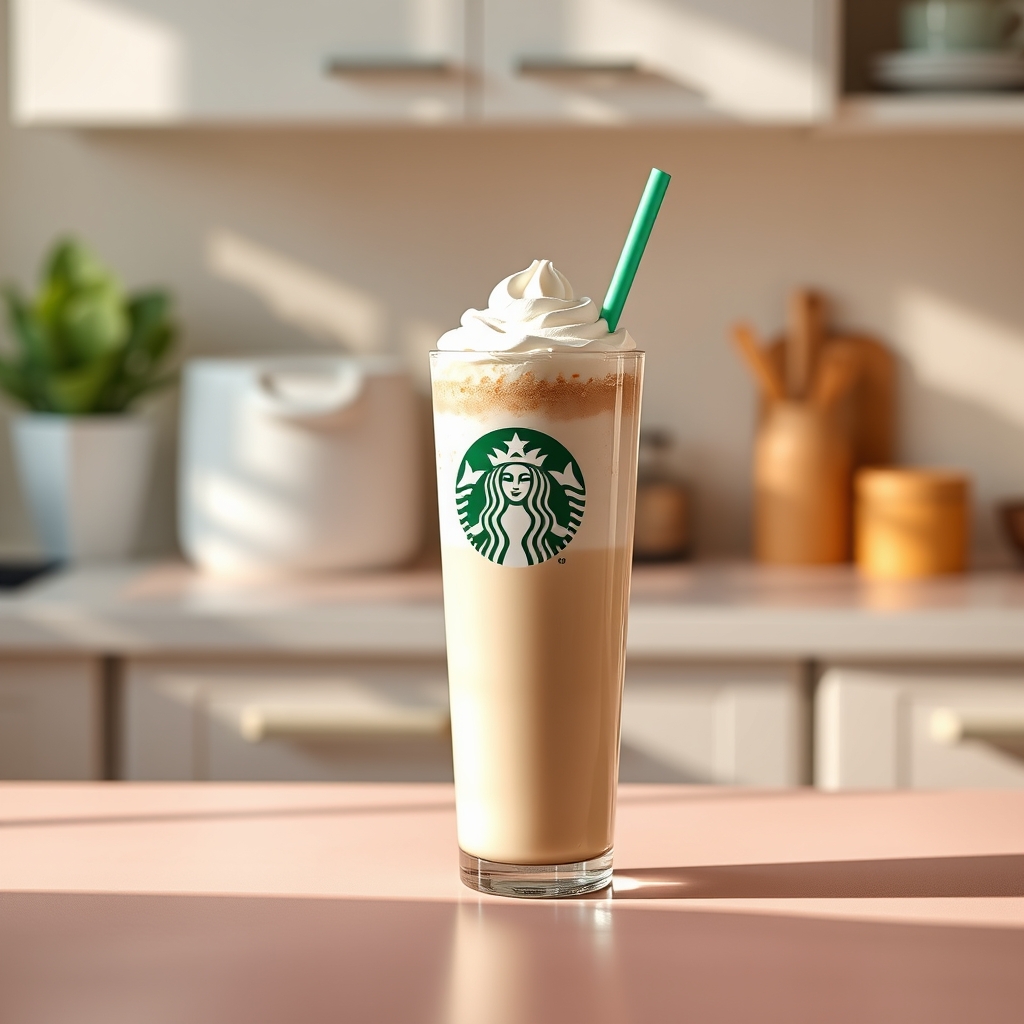
Limit Starbucks Frappuccino during pregnancy due to caffeine and sugar. Experts recommend ≤200mg caffeine/day; opt for decaf or smaller sizes in the first trimester.
By Shubhra Mishra — a mom of two who turned her own confusion during pregnancy into BumpBites, a global mission to make food choices clear, safe, and stress-free for every expecting mother. 💛
Check whether any food is safe during pregnancy with the BumpBites Food Safety Checker.
Quick verdict: ⚠️ Safe with limits. A Starbucks Frappuccino can be enjoyed during pregnancy if you keep caffeine and sugar intake within recommended guidelines and choose lower‑caffeine or sugar‑free options when possible.
It’s 2 a.m., the kitchen light is on, and you’re scrolling through the coffee menu, wondering, “is starbucks frappuccino safe during pregnancy?” You may have already taken a sip or are planning a treat later in the day. First, take a breath—you’re not alone, and the answer isn’t a simple yes or no. In this article we’ll break down the caffeine and sugar content, trimester‑specific considerations, how many servings are reasonable, and what safer alternatives you can reach for instead.
We’ll also compare the safety of a Frappuccino to other popular coffee‑shop drinks, highlight potential red‑flag symptoms, and give you a clear, actionable summary so you can enjoy your favorite beverage without unnecessary worry. Let’s get into the details, because informed choices are the best way to protect you and your baby.
Tip: Choose a smaller size or ask for fewer pumps of syrup to keep caffeine and sugar in check.
Trimester / Breastfeeding
Verdict
Notes
First trimester
⚠️ Safe with limits
Limit caffeine to ≤200 mg/day; a tall Frappuccino (~150 mg) may take up most of that allowance.
Second trimester
⚠️ Safe with limits
Same caffeine limit; watch sugar intake to avoid excess gestational‑diabetes risk.
Third trimester
⚠️ Safe with limits
Maintain caffeine ≤200 mg/day; consider lower‑caffeine or decaf versions to improve sleep.
Breastfeeding
⚠️ Safe with limits
Caffeine passes into breast milk; keep intake ≤200 mg/day to avoid infant irritability.
What is a Starbucks Frappuccino?
A Starbucks Frappuccino is a blended, iced coffee drink that combines espresso, milk, ice, and flavored syrups, finished with whipped cream and often topped with drizzle or toppings. Sizes range from “Tall” (12 oz) to “Venti” (24 oz), with the caffeine content ranging roughly from 70 mg in a small caramel Frappuccino to about 150 mg in a tall coffee‑based version. Sugar content can be high—up to 45 g in a grande caramel Frappuccino—because the drink relies on sweet syrups and whipped cream for flavor. Variations include coffee‑based, crème‑based (no coffee), and seasonal flavors, each with slightly different nutritional profiles. Because the beverage is served cold and blended, it’s a popular treat for a quick caffeine boost, especially during warm weather or when a soothing, sweet drink is desired.
Is a Starbucks Frappuccino safe during pregnancy?
Current guidance from the American College of Obstetricians and Gynecologists (ACOG) and the United Kingdom’s National Health Service (NHS) recommends that pregnant people limit caffeine intake to no more than 200 mg per day. The FDA also notes that moderate caffeine consumption (up to 200 mg) is generally considered safe for most adults, including those who are pregnant, provided other sources are accounted for. A tall (12‑oz) coffee‑based Frappuccino from Starbucks contains roughly 150 mg of caffeine, which means it can fit within the daily limit if you avoid other caffeinated drinks or foods.
Beyond caffeine, the sugar load is a concern. The American Diabetes Association advises that pregnant individuals with gestational diabetes keep added sugars low to manage blood‑glucose spikes. A single Frappuccino can deliver more than half the recommended daily added sugar limit (≈25 g), so frequent consumption may increase the risk of gestational diabetes or excessive weight gain.
Artificial sweeteners such as sucralose and acesulfame‑K are permitted by the FDA and are generally regarded as safe in moderation during pregnancy. However, some clinicians prefer natural sweeteners or limiting sweetener exposure due to limited long‑term data. If you have a sensitivity to dairy, lactose, or specific flavor additives, customizing the drink (e.g., choosing a non‑dairy milk and reducing syrup pumps) can mitigate those issues.
Overall, a Starbucks Frappuccino is not outright prohibited, but it should be consumed thoughtfully, respecting caffeine and sugar thresholds and any personal health considerations.
Is a Starbucks Frappuccino safe to drink in the first trimester?
The first trimester is when organogenesis—formation of the baby’s major organs—occurs, making it the most sensitive period for teratogenic exposures. Caffeine, however, is not classified as a teratogen, and the ACOG guideline of ≤200 mg/day applies throughout pregnancy, including the first trimester. If you limit yourself to a single tall coffee‑based Frappuccino (≈150 mg caffeine) and avoid other caffeine sources, you stay within the safe range. Keep an eye on sugar: a high‑sugar drink can contribute to nausea, a common first‑trimester symptom, and may worsen gestational‑diabetes risk later.
Many women find that the cold, sweet nature of a Frappuccino eases morning sickness, but it’s wise to pair it with a protein‑rich snack to slow glucose absorption. If you’re already consuming other caffeinated beverages, consider swapping the Frappuccino for a decaf or low‑caffeine version to stay within the recommended limit.
How many Starbucks Frappuccino servings are safe during pregnancy?
Because a tall coffee‑based Frappuccino delivers roughly 150 mg of caffeine, most obstetric guidelines suggest limiting intake to **one serving per day** if you have no other caffeine sources. If you enjoy tea, chocolate, or other coffee drinks, you may need to halve the portion (e.g., a “Tall” Frappuccino paired with a small, low‑caffeine tea) to stay under the 200 mg ceiling. Regarding sugar, the American Heart Association recommends no more than 25 g of added sugar per day for women; a single Frappuccino can exceed this, so limiting to **one serving per week** is a prudent approach for sugar‑sensitive individuals or those with gestational diabetes.
In practice, many pregnant people alternate between a Frappuccino and a lower‑caffeine, lower‑sugar beverage (like a decaf iced coffee) to keep both nutrients in check while still enjoying the occasional treat.
What are the caffeine risks of Starbucks Frappuccino for pregnant women?
The primary caffeine‑related concern in pregnancy is the potential for reduced uterine blood flow and increased heart rate, which could theoretically affect fetal growth. Large‑scale epidemiological studies have not shown a clear link between moderate caffeine (<200 mg/day) and miscarriage or birth defects, but higher intakes (>300 mg/day) have been associated with a modest increase in preterm birth risk. The CDC notes that caffeine crosses the placenta, and the fetus metabolizes it slowly, so keeping intake modest helps avoid fetal over‑exposure.
Additionally, caffeine can exacerbate insomnia, especially in the third trimester, and may lead to irritability in newborns if the mother’s intake is excessive while breastfeeding. Therefore, staying within the recommended limit and avoiding caffeine late in the day are sensible precautions.
Are there low‑caffeine Starbucks Frappuccino options for pregnancy?
Yes. Starbucks offers several ways to trim caffeine:
Decaf Frappuccino: Choose a decaf espresso base (available for most coffee‑based flavors) to cut caffeine by up to 95%.
Crème‑based Frappuccino: These are coffee‑free and contain essentially no caffeine, making them a safe choice for those who want the texture without the stimulant.
Size reduction: Ordering a “Short” (8 oz) instead of a “Tall” reduces caffeine proportionally.
Custom syrup cuts: Ask for half the usual number of syrup pumps; this also reduces sugar.
These modifications keep the drink enjoyable while staying well below the 200 mg daily caffeine ceiling.
Can I have a dairy‑free Starbucks Frappuccino while pregnant?
Dairy‑free milk alternatives—such as almond, soy, oat, or coconut milk—are widely available at Starbucks and are generally safe for pregnancy. They contain less saturated fat than whole dairy milk and can be a good option for those who are lactose‑intolerant or following a plant‑based diet. However, soy milk contains phytoestrogens, which some clinicians advise to consume in moderation; the consensus is that typical serving sizes (≤1 cup) are safe. Oat milk adds a modest amount of fiber, which can be beneficial.
When choosing a dairy‑free Frappuccino, be aware that some non‑dairy milks have added sugars. Selecting an unsweetened version or asking for light‑sweetened milk can help keep overall sugar intake low.
What are safer coffee alternatives to Starbucks Frappuccino during pregnancy?
Decaf iced coffee – provides coffee flavor with minimal caffeine.
Herbal tea (caffeine‑free) – such as rooibos or ginger tea, which can soothe nausea.
Warm milk – a comforting, calcium‑rich option.
Almond milk latte (decaf) – lower caffeine and sugar when made with unsweetened milk.
Fruit smoothie (no added sugar) – delivers vitamins without caffeine.
Cold brew with reduced caffeine – ask for “half‑caff” or a smaller size.
Matcha latte (low caffeine) – offers antioxidants with about 70 mg caffeine in a 12‑oz serving.
Coconut water – natural electrolytes and hydration.
Chamomile tea (pregnancy‑safe) – soothing and caffeine‑free.
These alternatives can satisfy a craving for a cool, creamy beverage while keeping caffeine and sugar well within safe limits.
Does the sugar content in Starbucks Frappuccino affect pregnancy health?
High added‑sugar intake during pregnancy is linked to excessive gestational weight gain, increased risk of gestational diabetes, and potential macrosomia (large baby). A typical grande caramel Frappuccino contains around 44 g of sugar—well above the American Heart Association’s daily recommendation of 25 g for women. Consistently exceeding this limit may elevate blood‑glucose spikes, especially if you have a predisposition to insulin resistance.
If you love the sweet taste, consider ordering “light‑sweetened” or “unsweetened” versions, reducing the number of syrup pumps, or swapping whipped cream for a light topping. Pairing the drink with protein (e.g., a handful of nuts) can also blunt sugar absorption.
Are there differences in safety between Starbucks Frappuccino flavors for pregnant women?
Yes. Coffee‑based Frappuccinos (e.g., Caramel, Mocha) contain caffeine, while Crème‑based flavors (e.g., Vanilla Bean Crème) are caffeine‑free. Sugar levels also vary: seasonal flavors like Pumpkin Spice often have added spices and extra syrup, increasing both sugar and calorie counts. Some flavors incorporate chocolate or caramel sauces that may contain higher levels of saturated fat. If you’re watching caffeine, opt for Crème‑based or decaf versions; if sugar is the concern, choose “Light‑sweetened” or request fewer syrup pumps regardless of flavor.
How does Starbucks Frappuccino compare to other coffee chain drinks for pregnancy safety?
When stacked against comparable drinks from Dunkin’, McCafé, Peet’s, Tim Hortons, Costa, Caribou, and Krispy Kreme, Starbucks Frappuccinos generally fall in the mid‑range for caffeine but are on the higher end for added sugar. For example, a Dunkin’ iced coffee (medium) contains about 150 mg caffeine but considerably less sugar if taken black. A McCafé Mocha (large) can have up to 180 mg caffeine and similar sugar levels to a Starbucks Frappuccino. Peet’s Coffee Frappuccino often packs more caffeine (≈200 mg) and comparable sugar. Choosing a plain iced coffee or a low‑sugar latte from these chains can be a safer alternative if you’re monitoring caffeine and sugar closely.
Comparing a Frappuccino to lower‑caffeine or caffeine‑free drinks helps you keep caffeine and sugar in check.
Safety by trimester
First trimester
During weeks 1‑13, the fetus’s organs are forming, and the body’s metabolic demands are changing rapidly. Caffeine limits remain at ≤200 mg/day, and sugar spikes can worsen nausea. A single tall coffee‑based Frappuccino can fit within the caffeine limit but may exacerbate morning sickness due to its richness. If you experience heightened nausea, a lighter, low‑sugar option or a Crème‑based Frappuccino is advisable.
Second trimester
Weeks 14‑27 often bring a more stable appetite, but gestational diabetes screening typically occurs around week 24. Keeping added sugar low is key; a Frappuccino’s high sugar content can affect glucose tolerance. Caffeine remains limited to 200 mg/day, so you could still enjoy a tall Frappuccino if you limit other caffeine sources. Opt for reduced‑syrup or decaf versions to stay within both caffeine and sugar guidelines.
Third trimester
Weeks 28‑40 bring increased fatigue and sleep disturbances. Consuming caffeine late in the day may interfere with sleep quality for both mother and baby. A lower‑caffeine or decaf Frappuccino is preferable, and limiting sugar helps avoid excessive weight gain before delivery. If you crave a cold beverage, consider a small, unsweetened Crème Frappuccino or a decaf iced coffee instead.
Breastfeeding
Caffeine passes into breast milk, and infants can be more sensitive to its stimulant effects. Maintaining ≤200 mg caffeine per day is recommended by the AAP and NHS. A single tall Frappuccino can be part of a balanced diet, but if you notice your baby becoming unusually fussy or having trouble sleeping, reducing caffeine intake further may help.
Safe dosage / amount / brands
Serving size
Approx. caffeine
Approx. sugar
Safe frequency
Notes
Tall (12 oz) coffee‑based
≈150 mg
≈44 g
1 per day max (if no other caffeine)
Ask for “light‑sweetened” to cut sugar by ~50%.
Grande (16 oz) coffee‑based
≈200 mg
≈55 g
≤1 per week
High caffeine; consider decaf or half‑caff.
Tall Crème‑based (no coffee)
≈0 mg
≈44 g
1‑2 per week
Sugar still high; ask for fewer syrup pumps.
Tall Decaf coffee‑based
≈5 mg
≈44 g
≤2 per week
Low caffeine, same sugar content.
When choosing a brand, Starbucks’ standard recipes are consistent across locations, but you can customize the drink to reduce caffeine and sugar. If you prefer a specific milk, unsweetened almond, oat, or soy milks are all safe choices. Avoid “extra‑whipped” toppings if you’re watching calories.
Side effects and risks
Common but not dangerous: Light jitteriness, increased heart rate, or mild insomnia if you exceed the caffeine limit. These symptoms usually resolve with reduced intake and adequate hydration.
Potentially concerning: Persistent high blood‑sugar readings (especially if you have gestational diabetes), severe nausea that worsens after consumption, or fetal growth concerns linked to chronic high‑caffeine intake (>300 mg/day). If you notice any of these, discuss your beverage habits with your obstetric provider.
When to seek immediate care: Signs of severe dehydration, rapid heartbeat accompanied by dizziness, or an allergic reaction to any ingredient (e.g., dairy, soy, or certain syrups). These warrant prompt medical attention.
Safer alternatives
Decaf iced coffee – retains coffee flavor with virtually no caffeine.
Herbal tea (caffeine‑free) – soothing for nausea and completely caffeine‑free.
Warm milk – provides calcium and comfort without caffeine or added sugar.
Fruit smoothie (no added sugar) – nutrient‑dense, hydrating, and caffeine‑free.
Cold brew with reduced caffeine – ask for “half‑caff” to stay under the limit.
Matcha latte (low caffeine) – offers antioxidants with about 70 mg caffeine per serving.
Coconut water – natural electrolytes, no caffeine.
Chamomile tea (pregnancy‑safe) – calming and entirely caffeine‑free.
Related items — safety at a glance
Item
Verdict
One‑line note
Starbucks Latte
⚠️ Safe with limits
Similar caffeine to Frappuccino but lower sugar when taken plain.
Starbucks Cappuccino
⚠️ Safe with limits
Less milk, slightly less caffeine; still watch sugar in flavored versions.
Dunkin' Donuts Coffee
⚠️ Safe with limits
Comparable caffeine; typically less added sugar than a Frappuccino.
McCafé Mocha
⚠️ Safe with limits
Higher sugar; choose “light‑mocha” or smaller size.
Peet's Coffee Frappuccino
⚠️ Safe with limits
Often higher caffeine; limit to half a serving if other caffeine consumed.
Tim Hortons Iced Coffee
⚠️ Safe with limits
Lower sugar; can be a good low‑calorie alternative.
Costa Coffee Frappuccino
⚠️ Safe with limits
Similar caffeine; watch for extra syrups.
Caribou Coffee Iced Coffee
⚠️ Safe with limits
Lower sugar; can be enjoyed plain.
Krispy Kreme Coffee
⚠️ Safe with limits
Often served with sweet glaze; choose black or low‑sugar versions.
Myth vs. fact
Myth: “All coffee drinks are unsafe during pregnancy.”
Fact: Moderate caffeine (≤200 mg/day) is considered safe by ACOG and NHS; many coffee‑based drinks, including a single Starbucks Frappuccino, can fit within that limit when consumed responsibly.
Myth: “Artificial sweeteners in Frappuccinos cause birth defects.”
Fact: The FDA has classified approved sweeteners (e.g., sucralose, acesulfame‑K) as generally recognized as safe (GRAS) for pregnancy when used within acceptable daily intake levels.
Myth: “If I’m pregnant, I have to give up all sugary treats.”
Fact: Occasional indulgence is permissible; the key is moderation—keeping added sugar under 25 g per day on average, as advised by the American Heart Association.
Key takeaways
✅ A Starbucks Frappuccino can be part of a pregnancy‑friendly diet if caffeine stays ≤200 mg/day and sugar intake is moderated.
⚖️ Limit to one tall coffee‑based Frappuccino per day (or fewer if you consume other caffeinated foods/drinks).
💡 Choose decaf, Crème‑based, or “light‑sweetened” versions to cut caffeine and sugar.
🥛 Dairy‑free milks are safe; just watch for added sugars in the alternative milk.
🔄 If you crave a cold coffee drink, consider lower‑caffeine or caffeine‑free options listed in the “Safer alternatives” section.
🚨 Contact your provider if you notice persistent high blood‑sugar readings, severe nausea after drinking, or any allergic reaction.
Frequently asked questions
Can pregnant women drink Starbucks Frappuccino?
Yes, pregnant women can enjoy a Starbucks Frappuccino in moderation, staying within the 200 mg daily caffeine limit and keeping added sugar under recommended daily amounts.
How much caffeine is in a Starbucks Frappuccino?
A tall (12‑oz) coffee‑based Frappuccino contains roughly 150 mg of caffeine, while a Grande (16‑oz) can reach about 200 mg; Crème‑based or decaf versions contain virtually none.
Is the sugar in Starbucks Frappuccino safe for pregnancy?
The sugar content is high—around 44 g in a tall serving—so it should be limited to avoid exceeding the American Heart Association’s 25 g daily added‑sugar recommendation, especially for those with gestational diabetes.
What are the risks of drinking coffee during pregnancy?
Excessive caffeine (>300 mg/day) may raise the risk of preterm birth and low birth weight; high sugar intake can contribute to gestational diabetes and excess weight gain. Staying within recommended limits minimizes these risks.
Are there caffeine‑free Starbucks Frappuccino options?
Yes—Crème‑based Frappuccinos contain no coffee and therefore no caffeine; you can also request a decaf espresso base or a “half‑caff” version to drastically reduce caffeine.
Can I have a Starbucks Frappuccino if I have gestational diabetes?
It’s best to limit or avoid high‑sugar Frappuccinos if you have gestational diabetes; opting for a light‑sweetened or sugar‑free version and monitoring blood glucose after consumption is advisable.
What is the recommended caffeine limit for pregnant women?
Both ACOG and NHS recommend no more than 200 mg of caffeine per day for pregnant individuals, roughly the amount in one tall coffee‑based Frappuccino.
Do artificial sweeteners in Starbucks Frappuccino affect pregnancy?
Approved artificial sweeteners such as sucralose and acesulfame‑K are considered safe in moderation during pregnancy, according to FDA guidelines.
When to call your doctor
If you experience any of the following after drinking a Frappuccino, contact your obstetric provider promptly:
Persistent rapid heartbeat (over 100 bpm) accompanied by dizziness or faintness.
Sudden, significant spikes in blood‑glucose readings, especially if you have gestational diabetes.
Severe or prolonged nausea/vomiting that does not improve with standard remedies.
Allergic reaction symptoms such as hives, swelling, or difficulty breathing.
New or worsening insomnia that interferes with daily functioning.
These signs may indicate that caffeine or sugar intake is affecting you more than expected. Always remember that this article provides general information and is not a substitute for personalized medical advice.
References
American College of Obstetricians and Gynecologists (ACOG). “Committee Opinion No. 462: Moderate Caffeine Consumption During Pregnancy.” 2020.
National Health Service (NHS). “Caffeine in pregnancy.” Updated 2021.
U.S. Food and Drug Administration (FDA). “Food Additive Status List.” 2022.
Centers for Disease Control and Prevention (CDC). “Gestational Diabetes Mellitus.” 2023.
American Heart Association. “Added Sugars and Heart Disease.” 2021.
Mayo Clinic. “Caffeine: How much is too much?” 2022.
World Health Organization (WHO). “Nutrition for Health and Development.” 2020.
Not sure about the label on Is Starbucks Frappuccino Safe During Pregnancy products?
Snap the ingredients list and SafeFilter checks every ingredient for your stage — only 3 free scans this month, then you're locked until reset. Unlimited from $7/mo or $50/yr.
When Shubhra Mishra was expecting her first child in 2016, she was overwhelmed by conflicting food advice — one site said yes, another said never. By the time her second baby arrived in 2019, she realized millions of mothers face the same confusion.
That sparked a five-year journey through clinical nutrition papers, cultural diets, and expert conversations — all leading to BumpBites: a calm, compassionate space where science meets everyday motherhood.
Her long-term vision is to build a global community ensuring safe, supported, and free deliveriesfor every mother — because no woman should face pregnancy alone or uninformed. 🌿
🌍 Stand with mothers, shape safer guidance
Join a small circle of experts who review BumpBites articles so expecting parents everywhere can decide with confidence.