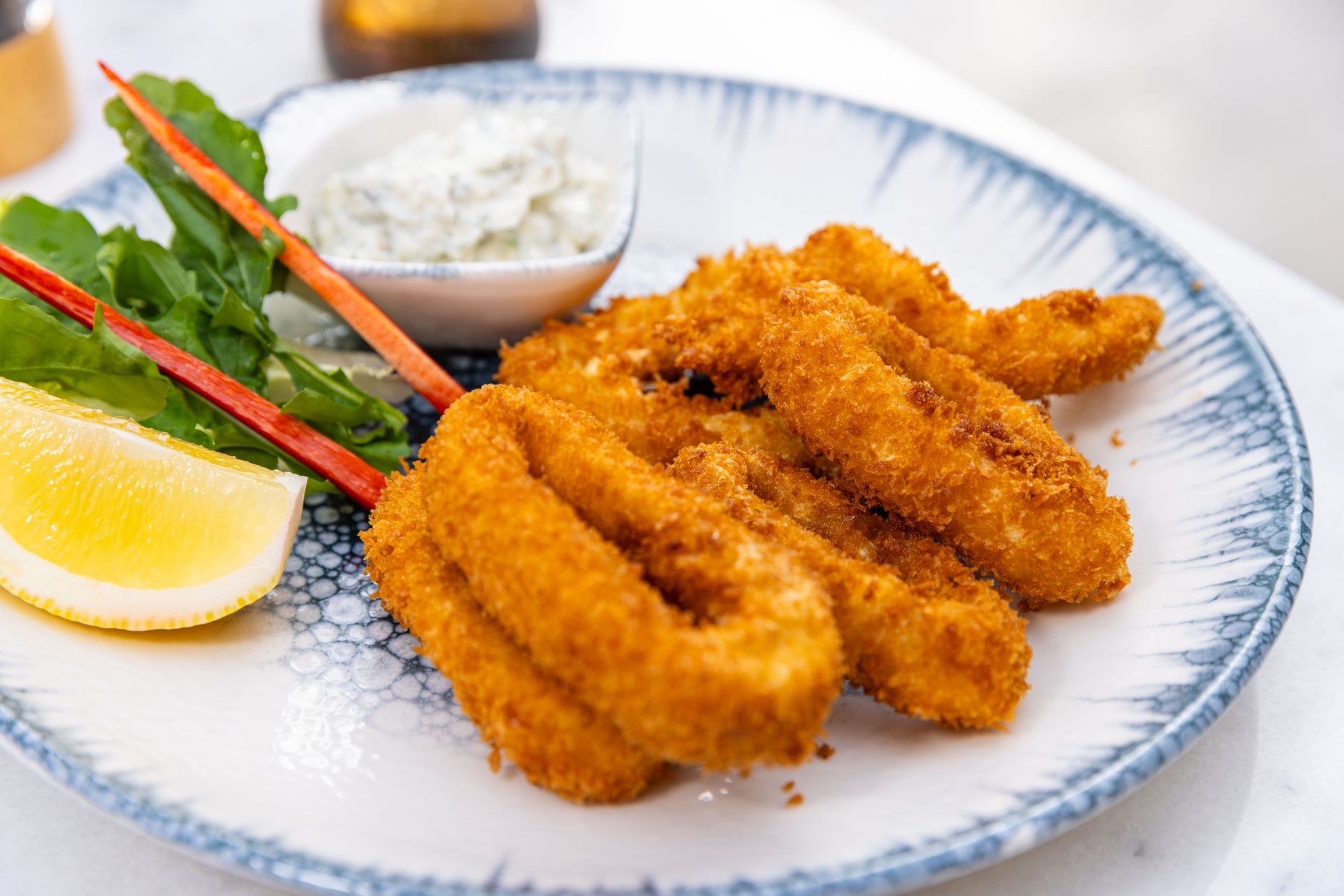
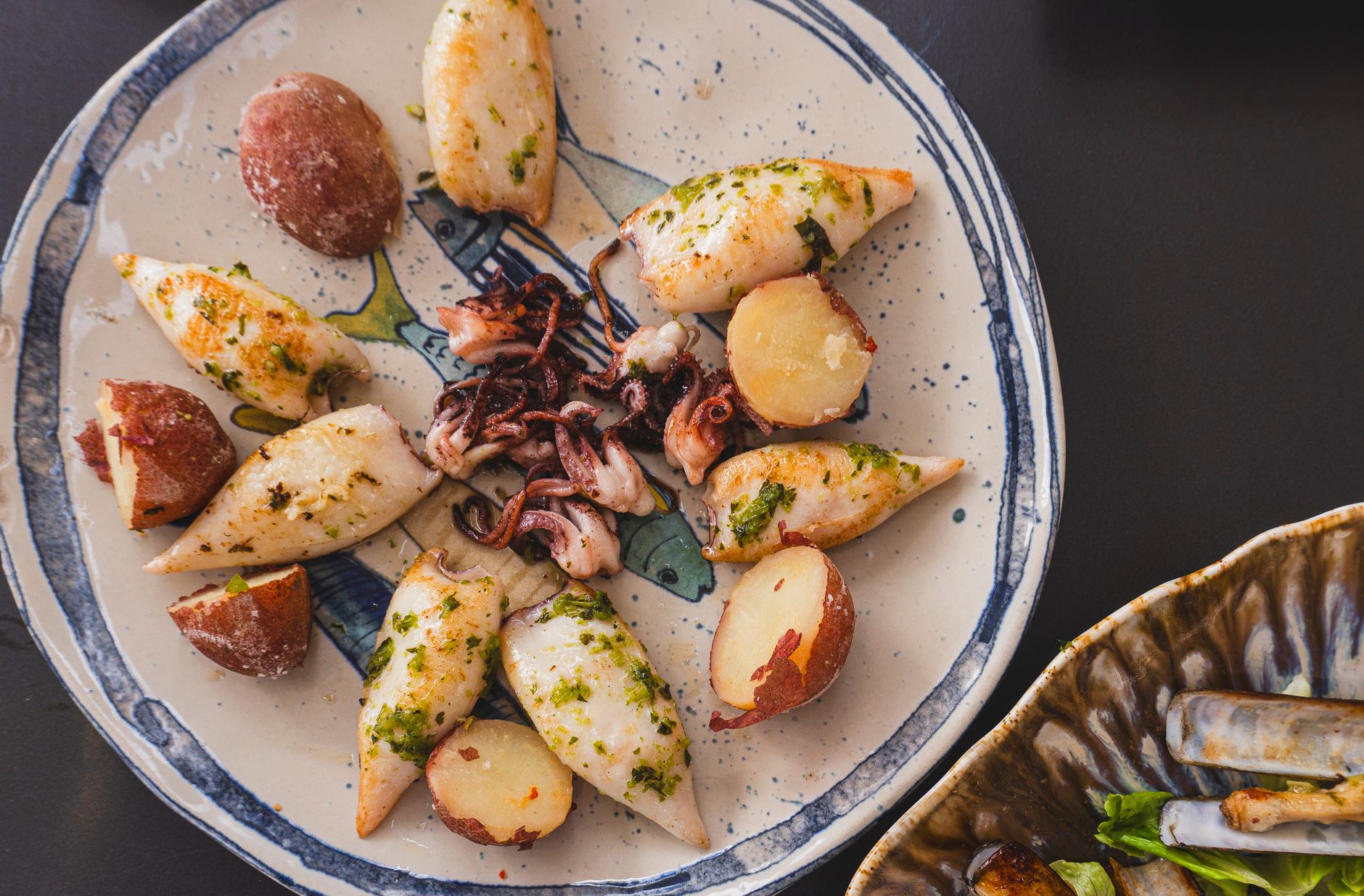
Safe: Squid calamari is generally safe during pregnancy when limited to 2‑3 servings per week, providing lean protein and omega‑3s without excess mercury.
By Shubhra Mishra — a mom of two who turned her own confusion during pregnancy into BumpBites, a global mission to make food choices clear, safe, and stress-free for every expecting mother. 💛
Check whether any food is safe during pregnancy with the BumpBites Food Safety Checker.
Quick verdict: ⚠️ Safe with limits – you can enjoy squid calamari during pregnancy, but keep portions modest (no more than 6 oz per week) and ensure it’s fully cooked and sourced from low‑mercury waters.
It’s 2 a.m., the kitchen light flickers, and you’re staring at a plate of tender, ring‑shaped calamari you just sautéed. “Is squid calamari safe during pregnancy?” you wonder, heart racing. You’re not alone—many expecting parents have that midnight moment of doubt, especially when a favorite seafood dish shows up on the dinner table.
Good news: squid, also known as calamari, is generally considered safe to eat while pregnant, provided you respect portion sizes and preparation guidelines. In this article we’ll answer the most common questions—like how much you can eat, whether frozen or canned options are okay, and what alternatives exist if you’d rather skip it. We’ll break down safety by each trimester, highlight any special considerations for conditions such as gestational diabetes, and give you a clear, evidence‑based roadmap so you can enjoy your meals without lingering worry.
We’ll also explore how to choose the best‑quality squid, share cooking tips that keep the dish pregnancy‑friendly, and list other seafood and plant‑based options that offer similar nutrition. By the end, you’ll have a full safety snapshot, quick‑reference tables, and a set of practical take‑aways you can trust.
Cooked squid calamari prepared with simple herbs is a pregnancy‑friendly seafood option when portioned wisely.
Trimester / Breastfeeding
Verdict
Notes
First trimester
⚠️ Safe with limits
Limit to ≤6 oz/week; ensure fully cooked; watch mercury.
Second trimester
⚠️ Safe with limits
Same portion guidance; can increase frequency if desired.
Third trimester
⚠️ Safe with limits
Maintain ≤6 oz/week; avoid raw preparations.
Breastfeeding
⚠️ Safe with limits
Portion limits apply; mercury can transfer through milk.
What is squid calamari?
Squid belongs to the mollusk family, specifically the cephalopod class that also includes octopus and cuttlefish. Its tender, slightly sweet flesh is low in fat and high in protein, B‑vitamins (especially B12), selenium, and omega‑3 fatty acids—nutrients that support fetal brain development. Because squid is a lean source of iron and zinc, it can help meet the increased mineral needs of pregnancy. However, like many seafood items, squid can accumulate trace amounts of mercury, and if not cooked properly it may harbor harmful bacteria such as Listeria monocytogenes or Vibrio species.
Squid is sold in three main formats: fresh (often sold whole or as cleaned rings), frozen (flash‑frozen at peak freshness), and canned (already cooked and preserved in water, oil, or brine). Fresh squid offers the best texture and flavor, while frozen squid is convenient and maintains nutritional quality. Canned squid is a shelf‑stable option, but it can be higher in sodium and occasionally packed in oil, which adds calories. Understanding these differences helps you make the safest choice for your pregnancy diet.
Is squid calamari safe during pregnancy?
Most health authorities—including the American College of Obstetricians and Gynecologists (ACOG), the UK’s National Health Service (NHS), and the U.S. Food and Drug Administration (FDA)—classify squid as a “low‑mercury” seafood. The FDA’s 2022 seafood guidance lists squid among foods that pregnant people can safely consume in moderation, recommending no more than 2–3 servings (6 oz total) per week. The CDC also notes that thorough cooking eliminates bacterial risks, making fully cooked squid a safe choice for expectant mothers.
In short, is squid calamari safe during pregnancy? The answer is yes, as long as you keep servings within recommended limits, choose fully cooked preparations, and source the product from reputable suppliers that test for contaminants. This aligns with ACOG’s recommendation to “choose low‑mercury fish and limit intake to 2‑3 servings per week” and NHS advice to “avoid raw or undercooked seafood.”
Research specifically examining squid exposure in pregnancy is limited, but broader studies on low‑mercury seafood consistently show no increase in adverse birth outcomes when consumption stays within the advised limits. A 2020 review in the *Journal of Nutrition* concluded that low‑mercury seafood, including squid, provides essential omega‑3s without measurable risk of neurodevelopmental harm when eaten in moderation.
Quick sauté with garlic and lemon keeps squid low‑fat and pregnancy‑friendly.
Safety by trimester
First trimester
The first trimester is a critical window of organ formation, often called the period of organogenesis. During this time, the fetus is most sensitive to teratogens—substances that could cause birth defects. Fortunately, squid is not a known teratogen. The primary concern in early pregnancy is mercury exposure, but squid’s mercury levels are well below the FDA’s action level of 0.5 ppm (parts per million). As long as you stay within the ≤6 oz weekly limit, the risk remains minimal.
ACOG emphasizes that “moderate consumption of low‑mercury seafood, such as squid, is compatible with a healthy pregnancy.” The NHS similarly advises pregnant people to “include a variety of low‑mercury fish and shellfish, but keep portions modest.” If you’re craving seafood early on, a small serving of fully cooked squid can satisfy both nutritional needs and taste buds.
Second trimester
During the second trimester, fetal growth accelerates and the demand for protein, iron, and omega‑3 fatty acids rises. Squid’s high‑quality protein and omega‑3 content can help meet these needs, especially if you’re experiencing increased appetite. The same ≤6 oz/week guideline still applies, but you may feel comfortable having squid more frequently as long as each serving is kept to about 3 oz (85 g).
Because the second trimester is less vulnerable to teratogenic effects, the focus shifts to ensuring adequate nutrient intake. Pairing squid with fiber‑rich vegetables (like roasted broccoli or a quinoa salad) can also help stabilize blood sugar, which is especially important for those managing gestational diabetes.
Third trimester
In the final trimester, the baby’s brain continues to develop rapidly, making omega‑3 fatty acids especially valuable. Squid supplies DHA and EPA, the two most beneficial omega‑3s for neurodevelopment. Maintaining the ≤6 oz/week limit remains prudent, as mercury accumulation over time can still affect the infant’s nervous system.
It’s also a good time to double‑check that the squid is fully cooked. The CDC warns that “any seafood, including squid, should be cooked until opaque and firm” to prevent listeriosis, a concern that can trigger premature labor if contracted.
Breastfeeding
After delivery, mercury stored in a mother’s body can pass into breast milk. While squid’s low mercury content means this transfer is minimal, the same portion limits are recommended while nursing. Fully cooking the squid eliminates bacterial threats, protecting both you and your baby.
Squid and prenatal nutrition: nutrients that matter
Beyond its low mercury profile, squid delivers several nutrients that are particularly beneficial during pregnancy. A 3‑ounce serving provides roughly 20 g of protein, 2 µg of vitamin B12 (about 80 % of the daily value), and 30 µg of selenium, which supports antioxidant defenses and thyroid function. The omega‑3s in squid—approximately 300 mg per serving—contribute to the formation of retinal and brain tissue.
Iron and zinc, also present in modest amounts, help prevent anemia and support immune health. Because squid is low in saturated fat, it can be incorporated into a heart‑healthy diet without adding excess calories. For those who avoid fish due to personal preference, squid offers a non‑fish marine protein source that still supplies these key nutrients.
How to choose low‑mercury squid: sourcing and labeling tips
When shopping for squid, look for labels that disclose the catch area. Squid harvested from cooler, deeper waters—such as the Pacific off Alaska or the North Atlantic—tend to have the lowest mercury levels. Brands that provide third‑party testing results or certifications (e.g., Marine Stewardship Council) give an extra layer of confidence.
Avoid products that list “unknown source” or that are heavily processed with additives. For canned squid, choose varieties packed in water or a light broth rather than oil, and check the sodium content—ideally under 200 mg per serving. If you’re buying frozen squid, ensure the package is intact, free of ice crystals, and stored at 0 °F (‑18 °C) or colder.
Cooking tips for pregnancy‑safe squid
Cooking squid properly is the single most important step to protect you and your baby. Aim for an internal temperature of 145 °F (63 °C); the flesh should turn opaque and firm to the touch. Simple methods like quick sautéing, grilling, or baking preserve nutrients while eliminating bacterial risk.
Avoid deep‑frying or breading, which adds refined carbs and saturated fats. If you love the classic “calamari rings,” consider a light coating of whole‑grain breadcrumbs and bake them at 400 °F for 8‑10 minutes, flipping once. Pair the dish with a side of leafy greens or a whole‑grain salad to boost fiber and keep blood sugar stable.
Safe dosage / amount / brands
Because squid’s mercury level is low, the FDA recommends no more than 6 oz (about 170 g) of low‑mercury seafood per week. This ceiling applies whether you’re eating fresh, frozen, or canned squid. If you prefer a specific brand, look for those that disclose the catch area and have third‑party testing for contaminants. In the U.S., brands such as “SeaBest” and “Ocean’s Harvest” frequently appear on FDA’s approved list for low‑mercury seafood.
For frozen products, verify that the label states “100 % squid – no added fillers.” For canned options, choose low‑sodium varieties and rinse before use to cut excess salt. Remember, the safest approach is to treat squid as an occasional treat rather than a daily staple. If you’re unsure about a brand’s sourcing, a quick check on the company’s website or a call to their consumer service line can provide reassurance.
Form
Typical serving size
Weekly limit
Key label tips
Fresh rings
3 oz (≈85 g)
≤6 oz
Look for “caught off the coast of …”
Frozen strips
3 oz (≈85 g)
≤6 oz
Free‑frozen, no added preservatives
Canned whole
2 oz (≈55 g)
≤6 oz
Low‑sodium, water‑packed
Side effects and risks
Most pregnant people experience no adverse effects from moderate squid consumption. Minor, non‑serious side effects may include:
Occasional bloating or mild stomach upset if you’re not accustomed to shellfish.
Allergic reactions—though rare—can range from itching to anaphylaxis. If you have a known shellfish allergy, avoid squid entirely.
Serious red‑flag symptoms that warrant immediate medical attention include:
Fever, chills, or vomiting that persist more than 24 hours after eating squid—possible food‑borne infection.
Severe abdominal pain or watery diarrhea, which could indicate listeriosis or another bacterial issue.
Signs of mercury toxicity (rare at recommended intakes) such as tingling in the fingers, muscle weakness, or vision changes.
If any of these occur, contact your obstetric provider right away. Otherwise, enjoy squid as part of a balanced diet without undue worry.
Safer alternatives
Cooked shrimp – offers similar protein and omega‑3 benefits with very low mercury.
Canned salmon – provides calcium and vitamin D, plus omega‑3s, in a ready‑to‑eat format.
Tilapia fillet – mild flavor, easy to bake, and consistently low in mercury.
Cod fillet – lean, versatile, and safe for pregnancy.
Pollock – low‑fat, low‑mercury fish often used in fish sticks.
Sardines – high in calcium and omega‑3s; low mercury.
White beans – plant‑based protein alternative; no mercury concerns.
Tempeh – fermented soy product rich in protein and iron, completely mercury‑free.
Greek yogurt – calcium‑rich dairy option with probiotic benefits.
Edamame – soy‑bean snack delivering protein and folate.
Related items — safety at a glance
Seafood
Verdict
Note
Octopus
⚠️ Safe with limits
Low‑mercury, similar portion guidance as squid.
Shrimp
✅ Generally safe
Very low mercury; limit fried preparations.
Crab
✅ Generally safe
Low mercury; watch for added sauces.
Lobster
✅ Generally safe
Low mercury; avoid raw lobster rolls.
Canned tuna
⚠️ Safe with limits
Higher mercury than squid; limit to 4 oz/week.
Salmon
✅ Generally safe
Rich in omega‑3s; low mercury.
Sardines
✅ Generally safe
Low mercury; high calcium.
Mussels
⚠️ Safe with limits
Low mercury but watch for shellfish allergies.
Clams
⚠️ Safe with limits
Low mercury; ensure thorough cooking.
Scallops
⚠️ Safe with limits
Low mercury; avoid raw preparations.
Myth vs. fact
Myth: All seafood is risky for pregnant people because of mercury.
Fact: Only certain high‑mercury fish (like shark, swordfish, king mackerel) pose a significant risk. Squid is classified as low‑mercury and is safe when eaten in moderation.
Myth: Frozen seafood is less safe than fresh because it’s pre‑cooked.
Fact: Freezing actually preserves safety by inhibiting bacterial growth. As long as frozen squid is cooked thoroughly after thawing, it is just as safe as fresh.
Myth: If you’ve already eaten a large portion of squid, you’ve harmed your baby.
Fact: One larger serving is unlikely to cause harm. The body regulates mercury, and occasional excess does not equal toxicity. Still, return to the recommended serving size moving forward.
Myth: All shellfish cause the same allergic reaction.
Fact: Allergies are protein‑specific; you can be allergic to shrimp but tolerate squid, or vice‑versa. If you have a known shellfish allergy, avoid squid; otherwise, it’s generally safe.
Key takeaways
Squid calamari is low in mercury and safe for pregnancy when limited to ≤6 oz per week.
Always cook squid to an internal temperature of 145 °F (63 °C) to eliminate bacterial risks.
Frozen squid is safe if properly stored and fully cooked; canned squid is okay but watch sodium.
Pregnant people with gestational diabetes can enjoy squid as long as it’s prepared without high‑glycemic coatings.
If you have a shellfish allergy, avoid squid entirely; otherwise, enjoy it as part of a varied, balanced diet.
For extra peace of mind, consider low‑mercury alternatives like cooked shrimp, canned salmon, or plant‑based proteins.
Choose squid sourced from low‑mercury waters and look for clear labeling about catch location and processing.
Frequently asked questions
Can pregnant women eat calamari?
Yes—cooked calamari is considered safe for pregnant women when eaten in moderation (up to 6 oz per week) and fully cooked to eliminate bacterial hazards.
Is squid high in mercury?
Squid is low in mercury, typically well below the FDA’s 0.5 ppm action level, making it a safer seafood choice compared with many fish.
How many servings of seafood are safe during pregnancy?
Health authorities recommend 2–3 servings (about 6–12 oz total) of low‑mercury seafood each week; squid counts toward this total, so keep it within the 6 oz weekly limit.
Should I avoid fried seafood while pregnant?
It’s best to limit fried seafood, including fried calamari, because the batter adds extra calories and refined carbs, which can affect blood sugar and weight gain.
Is frozen squid safer than fresh?
Frozen squid is just as safe as fresh when stored properly and cooked thoroughly; freezing actually helps control bacterial growth.
What are the benefits of eating squid during pregnancy?
Squid provides high‑quality protein, B‑vitamins, selenium, and omega‑3 fatty acids, all of which support fetal brain development and maternal health.
What should I do if I accidentally ate raw squid?
If you realize you’ve eaten raw or undercooked squid, monitor for symptoms like fever, vomiting, or diarrhea for 24 hours; if any appear, contact your obstetric provider promptly.
Can I eat squid if I have a shellfish allergy?
Squid is a type of shellfish; if you have a documented allergy to crustaceans or mollusks, it’s safest to avoid squid completely and discuss alternatives with your doctor.
When to call your doctor
If you experience any of the following after eating squid, contact your obstetric provider promptly:
Persistent fever, chills, or vomiting lasting more than 24 hours.
Severe abdominal cramps, watery diarrhea, or blood in stool.
Signs of an allergic reaction such as hives, swelling, or difficulty breathing.
Unexplained tingling, muscle weakness, or vision changes that could indicate mercury toxicity.
These symptoms may signal a food‑borne illness or an allergic response that requires medical evaluation. For routine concerns about portion sizes or preparation methods, a quick call to your provider can give personalized reassurance.
This article provides general information and is not a substitute for professional medical advice. Always discuss dietary changes with your obstetrician or qualified health‑care provider.
References
American College of Obstetricians and Gynecologists. “Nutrition During Pregnancy.” ACOG Committee Opinion, 2023.
U.S. Food and Drug Administration. “Eating Fish: What Pregnant Women and Parents Should Know.” FDA Consumer Advisory, 2022.
Centers for Disease Control and Prevention. “Food Safety for Pregnant Women.” CDC Guidelines, 2021.
National Health Service (NHS). “Seafood and Pregnancy.” NHS Online, 2023.
World Health Organization. “Mercury in Fish and Shellfish – Health Risks for Pregnant Women.” WHO Technical Report, 2020.
U.S. Environmental Protection Agency. “Mercury in Seafood.” EPA Fact Sheet, 2021.
American Pregnancy Association. “Gestational Diabetes and Nutrition.” APA Resource, 2022.
FoodSafety.gov. “Seafood Safety.” U.S. Government Agency, 2022.
Harvard T.H. Chan School of Public Health. “Omega‑3 Fatty Acids and Pregnancy.” Harvard Nutrition Source, 2023.
International Food Information Council. “Seafood Choices for Pregnant Women.” IFIC Report, 2022.
Journal of Nutrition. “Low‑Mercury Seafood Consumption and Birth Outcomes.” Peer‑Reviewed Study, 2020.
Not sure about the label on Is Squid Calamari Safe During Pregnancy products?
Snap the ingredients list and SafeFilter checks every ingredient for your stage — only 3 free scans this month, then you're locked until reset. Unlimited from $7/mo or $50/yr.
When Shubhra Mishra was expecting her first child in 2016, she was overwhelmed by conflicting food advice — one site said yes, another said never. By the time her second baby arrived in 2019, she realized millions of mothers face the same confusion.
That sparked a five-year journey through clinical nutrition papers, cultural diets, and expert conversations — all leading to BumpBites: a calm, compassionate space where science meets everyday motherhood.
Her long-term vision is to build a global community ensuring safe, supported, and free deliveriesfor every mother — because no woman should face pregnancy alone or uninformed. 🌿
🌍 Stand with mothers, shape safer guidance
Join a small circle of experts who review BumpBites articles so expecting parents everywhere can decide with confidence.