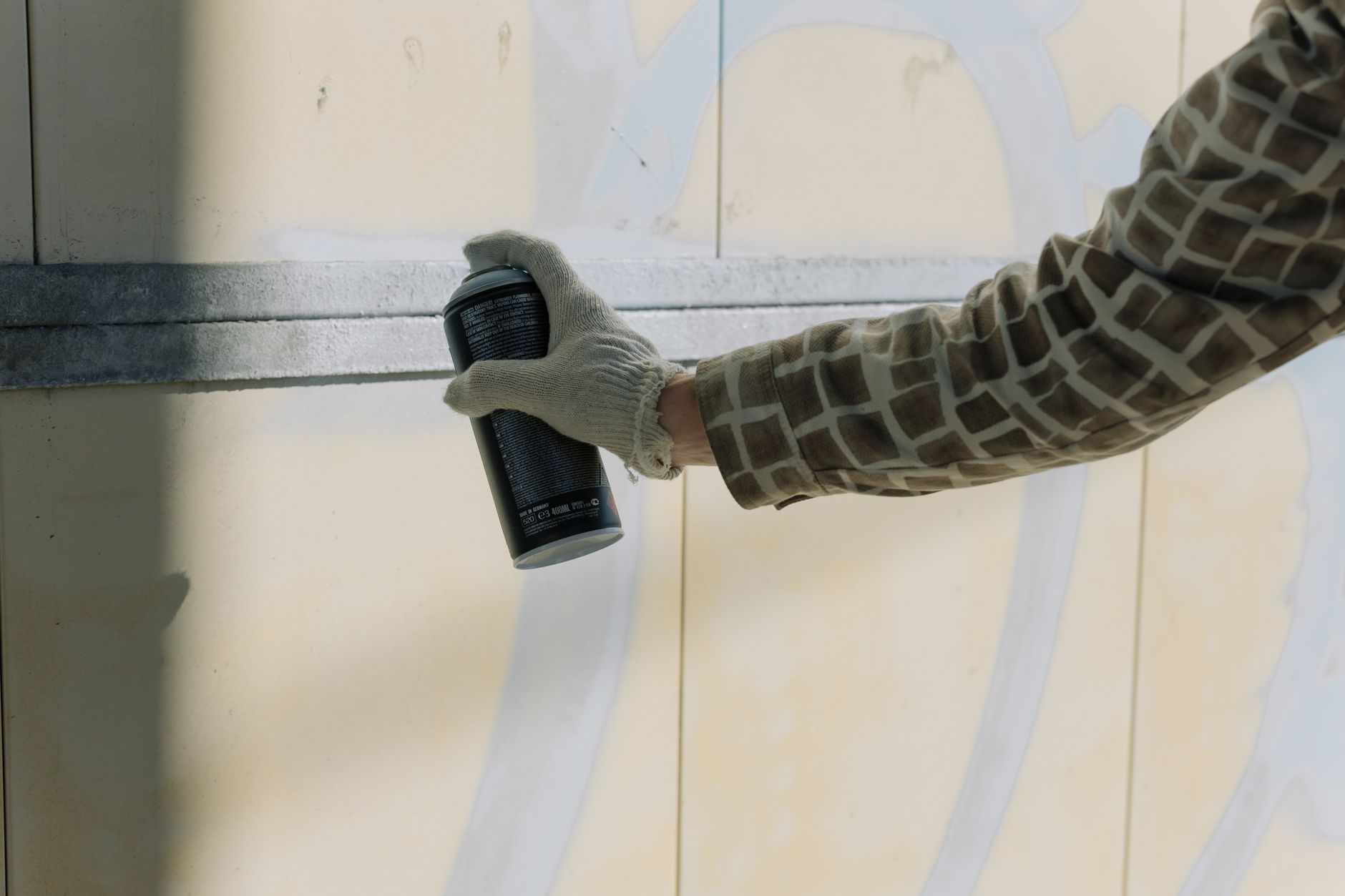
Avoid spray paint during pregnancy – especially in the first trimester – as fumes can harm the fetus. Limit exposure to under 30 minutes daily and use proper ventilation.
By Shubhra Mishra — a mom of two who turned her own confusion during pregnancy into BumpBites, a global mission to make food choices clear, safe, and stress-free for every expecting mother. 💛
Check whether any food is safe during pregnancy with the BumpBites Food Safety Checker.
Quick verdict: ❌ Best avoided. Spray paint contains airborne chemicals that can cross the placenta, and most obstetric guidelines advise pregnant people to refrain from using it. If you must paint, choose low‑VOC, well‑ventilated methods and wear proper protection, but the safest choice is to avoid spray paint altogether.
It’s 2 a.m., you’re in the garage with a can of spray paint, and a sudden wave of worry hits you as you realize you’re eight weeks pregnant. “Is spray paint safe during pregnancy?” you whisper to yourself, heart racing. You’re not alone—many expecting parents wonder whether the fumes from a quick DIY project could harm their developing baby.
In short, the consensus among major health organizations—including the American College of Obstetricians and Gynecologists (ACOG), the U.K.’s National Health Service (NHS), and the U.S. Food and Drug Administration (FDA)—is that spray paint should be avoided during pregnancy. The chemicals in the aerosol can be inhaled, absorbed through the skin, and potentially reach the fetus, especially during the critical first trimester.
This article walks you through everything you need to know: the quick verdict, trimester‑specific risks, how much exposure might be considered “safe,” which brands are less hazardous (if any), the health risks of inhaling spray paint fumes, protective measures, and safer alternatives. We’ll also compare common spray‑paint products side‑by‑side, debunk common myths, and give you a concise set of take‑away points you can rely on.
Trimester / Breastfeeding
Verdict
Notes
First trimester (0‑13 weeks)
❌ Best avoided
Rapid organ formation makes the fetus most vulnerable to inhaled chemicals.
Second trimester (14‑27 weeks)
❌ Best avoided
Potential for growth‑restriction and neurodevelopmental effects remains.
Third trimester (28‑40 weeks)
❌ Best avoided
Fetal brain development continues; exposure to VOCs may affect cognition.
Breastfeeding
⚠️ Use caution
Some chemicals can be secreted in breast milk; avoid prolonged exposure.
Spray paint is a type of aerosol‑delivered coating that propels pigment, solvents, and binders through a pressurized can. The formulation typically includes volatile organic compounds (VOCs) such as toluene, xylene, and acetone, as well as propellants like propane or butane. When you press the nozzle, the paint atomizes into fine droplets, creating a mist that can linger in the air for minutes to hours.
People use spray paint for everything from quick furniture makeovers to artistic projects and automotive touch‑ups. The convenience of a fast‑dry, even finish makes it popular among DIY enthusiasts. However, the same properties that make spray paint effective—fine particles and volatile solvents—also mean it can be inhaled deeply into the lungs, where chemicals can enter the bloodstream and potentially reach a developing fetus.
Is spray paint safe to use during pregnancy?
Current guidance from ACOG states that pregnant individuals should minimize exposure to volatile organic compounds (VOCs) because they can cross the placenta and may be associated with birth defects and developmental delays. The NHS echoes this advice, recommending that pregnant people avoid inhaling fumes from paints, solvents, and aerosols whenever possible.
The primary safety concern is inhalation of solvents such as toluene, xylene, and benzene—substances that have been linked in animal studies to teratogenic (birth‑defect‑causing) effects and neurotoxicity. While human data are limited, the precautionary principle guides obstetricians to recommend avoidance. The CDC also notes that occupational exposure to paint fumes is associated with increased risk of low birth weight and preterm delivery.
Because spray paint releases particles that can be inhaled, and because the placenta does not fully filter out all chemicals, the consensus is clear: it is not considered safe during pregnancy. Even low‑VOC formulations still contain some level of solvents, and the aerosol delivery system makes it difficult to control exact exposure levels.
Can I use spray paint in the first trimester?
The first trimester is the period of organogenesis, when the baby's major organs and structures form. This window (weeks 0‑13) is the most sensitive to teratogens—agents that can cause birth defects. Inhaled chemicals from spray paint can enter the maternal bloodstream and reach the embryo during this critical time.
While no specific study has examined spray paint exposure in humans during the first trimester, the known toxicity of solvents like toluene and xylene in animal models suggests a risk. ACOG advises avoiding any unnecessary exposure to VOCs during this period, and many obstetricians will counsel patients to postpone any painting projects until after delivery.
In short, using spray paint in the first trimester is not recommended. If you must paint, consider a non‑spray alternative (brush‑on acrylics, chalk paint, etc.) and ensure the area is well‑ventilated, though the safest approach remains to delay any painting until after pregnancy.
How much spray paint exposure is considered safe for pregnant women?
Unfortunately, there is no universally accepted “safe” exposure limit for spray paint during pregnancy because the data are limited and the chemicals vary between brands. Occupational safety agencies such as OSHA set permissible exposure limits (PELs) for workers, but these limits are designed for healthy adults in industrial settings, not for pregnant individuals.
Most experts recommend the following practical guidelines to keep exposure as low as possible:
Duration: Limit spraying to brief intervals—no more than 5‑10 minutes at a time.
Distance: Stand at least 3‑5 feet away from the surface being painted; use a mask with an organic vapor cartridge.
Ventilation: Paint in a well‑ventilated area, preferably outdoors with wind, or use an exhaust fan to exchange air every few minutes.
Frequency: Avoid daily exposure; allow several hours (ideally 24 hours) before re‑entering the painted space.
Even with these precautions, the safest recommendation from ACOG and the NHS is to avoid spray paint altogether during pregnancy. If you cannot avoid it, adhere strictly to the above measures and consider wearing a certified respirator.
What are the safest spray paint brands for pregnant users?
Low‑VOC (volatile organic compound) spray paints are marketed as “safer,” but they still contain solvents and propellants that can be inhaled. Some brands claim to be “non‑toxic” or “eco‑friendly,” yet independent testing often finds trace amounts of toluene or other VOCs.
Based on available safety data and manufacturer disclosures, the following brands are considered the least hazardous—though they are not completely risk‑free:
Montana Gold: Water‑based, low‑VOC formulation; widely used by street artists for its reduced odor.
Krylon Green: Contains fewer VOCs than standard Krylon lines; still includes a propellant.
Eco‑Spray (generic brand): Certified by the Green Seal program for low emissions; limited color range.
Even with these “safer” options, the ACOG recommendation remains to avoid spray paint during pregnancy if possible. If you decide to use any spray paint, treat it like any other chemical exposure: use protective equipment, ensure strong ventilation, and limit the time spent spraying.
What are the risks of inhaling spray paint fumes while pregnant?
Inhalation of spray paint fumes can lead to several maternal and fetal risks:
Maternal respiratory irritation: Cough, throat irritation, and shortness of breath are common after prolonged exposure.
Neurological effects: Solvents like toluene can cause dizziness, headaches, and, at high levels, more serious central nervous system depression.
Fetal growth restriction: Studies linking solvent exposure to low birth weight suggest that inhaled VOCs may limit fetal growth.
Potential teratogenicity: Animal studies show that high‑dose exposure to certain solvents can cause skeletal and neural defects.
Pre‑eclampsia aggravation: While direct causation is not proven, some research indicates that high VOC exposure may increase blood pressure, a concern for women at risk of pre‑eclampsia.
Most of these risks are dose‑dependent, meaning the longer and more intense the exposure, the higher the potential harm. Because the fetus is especially vulnerable during organ development, the safest course is to eliminate exposure.
Are there non‑toxic spray paint alternatives for pregnant women?
Yes. If you need the convenience of an aerosol finish, consider these alternatives that eliminate inhalation hazards:
Brush‑on acrylic paint: Low‑odor, water‑based, and easy to clean with soap and water.
Watercolor paints: Ideal for delicate projects; no fumes, only pigment and water.
Chalk paint: Thick, matte finish applied with a brush; often used for furniture and requires minimal sanding.
Milk paint: Made from natural ingredients (casein, lime); completely non‑toxic and biodegradable.
Natural pigment powder: Mixed with a binder like plaster or glue; no aerosol component.
Eco‑friendly brush‑on paint (low‑VOC interior paint): Applied with a roller or brush, it offers a smooth finish without aerosol dispersion.
Low‑VOC interior paint applied with roller: While not a spray, it provides a quick, even coat and is formulated to emit fewer chemicals.
These options remove the inhalation route entirely, making them far safer for pregnant users and their developing babies.
How does spray paint affect pregnancy complications like preeclampsia?
Preeclampsia is a condition characterized by high blood pressure and proteinuria after 20 weeks of gestation. The exact cause is unknown, but endothelial dysfunction and oxidative stress are central mechanisms. Some laboratory studies suggest that exposure to high levels of VOCs can increase oxidative stress and may exacerbate hypertension.
While there is no definitive clinical evidence linking occasional spray‑paint use to preeclampsia, the precautionary stance of the NHS and ACOG is to limit any exposure that could contribute to vascular stress. If you have a history of hypertension or are at high risk for preeclampsia, avoiding spray paint becomes even more important.
What protective measures can reduce spray paint hazards during pregnancy?
If you must use spray paint, follow these protective steps:
Wear a respirator: Use an N‑95 mask with an organic vapor cartridge to filter out solvents.
Ensure ventilation: Paint outdoors or in a room with open windows and a powerful exhaust fan. Keep doors closed to prevent fumes from spreading.
Maintain distance: Stand at least 3‑5 feet from the surface being painted; use a longer nozzle if available.
Limit time: Keep each spraying session under 10 minutes and take frequent breaks.
Protect skin: Wear long sleeves, gloves, and goggles to avoid skin contact and eye irritation.
Post‑painting protocol: Leave the area for at least 30 minutes before re‑entering, and wash hands thoroughly after handling the can.
Even with these measures, the safest recommendation remains to choose non‑spray alternatives whenever possible.
Tip: Use a respirator and open windows to reduce inhalation of any remaining fumes.
Safe dosage / amount / brands
Because spray paint is not a medication, “dosage” refers to the amount of product used and the duration of exposure. No regulatory body has defined a precise safe exposure limit for pregnant people. However, the following practical guidelines are widely accepted:
Parameter
Recommended limit for pregnant users
Notes
Spray time per session
≤ 10 minutes
Take a 15‑minute break between sessions.
Distance from surface
≥ 3 feet (≈ 1 meter)
Longer nozzles help maintain distance.
Ventilation
≥ 3 air changes per hour
Use fans or paint outdoors.
Protective equipment
Respirator with organic vapor cartridge
Replace cartridges per manufacturer’s schedule.
Regarding brands, the low‑VOC options mentioned earlier (Montana Gold, Krylon Green, Eco‑Spray) are the most pregnancy‑friendly currently available. Avoid traditional aerosol paints that list high levels of toluene, xylene, or benzene on the label.
Explore brush‑on and natural paints as safer ways to add color without fumes.
Side effects and risks
Short‑term exposure to spray paint can cause:
Headache, dizziness, or nausea—common signs of solvent inhalation.
Eye or skin irritation from direct contact with aerosol droplets.
Respiratory discomfort, especially in people with asthma.
More serious concerns, though rare, include:
Persistent neurological symptoms (e.g., tremor, confusion) that may indicate high‑level solvent toxicity.
Signs of fetal distress such as decreased fetal movement, which warrant immediate medical evaluation.
Elevated blood pressure or swelling that could signal preeclampsia.
If you experience any of the above, especially persistent headaches, shortness of breath, or unusual swelling, contact your healthcare provider promptly. Remember, these symptoms are not exclusive to paint exposure, but they should be communicated.
Safer alternatives
Brush‑on acrylic paint – low‑odor, water‑based, and easy to clean.
Watercolor paints – no fumes, only pigment and water.
Chalk paint – thick, matte finish applied with a brush; minimal sanding.
Milk paint – natural, biodegradable, and completely non‑toxic.
Natural pigment powder – mixed with a binder for a custom finish without aerosol.
Eco‑friendly brush‑on low‑VOC interior paint – applied with a roller for quick coverage.
Low‑VOC interior paint applied with roller – reduces chemical load while delivering a smooth coat.
Spray‑free varnish pens – allow precise application without aerosol dispersion.
Related items — safety at a glance
Item
Verdict
One‑line note
Krylon spray paint
❌ Best avoided
Standard formulation contains high VOCs.
Rust‑Oleum spray paint
❌ Best avoided
Often includes solvents like xylene.
Montana Gold spray paint
⚠️ Use with caution
Water‑based, lower VOCs but still aerosol.
Dupli‑Color spray paint
❌ Best avoided
Formulated for automotive use; high solvent content.
PlastiKote spray paint
❌ Best avoided
Contains toluene and other VOCs.
VHT spray paint
❌ Best avoided
Specialty coating with strong chemicals.
Spray lacquer
❌ Best avoided
High solvent concentration for fast drying.
Spray varnish
❌ Best avoided
Often contains harmful VOCs.
Spray enamel
❌ Best avoided
Durable finish but high chemical load.
Spray primer
❌ Best avoided
Base coat with strong solvents.
Myth vs. fact
Myth: “Low‑VOC spray paint is completely safe for pregnant people.”
Fact: Low‑VOC paints reduce, but do not eliminate, harmful solvents. The ACOG still advises avoiding aerosol paints during pregnancy.
Myth: “If I wear a mask, I can spray paint without worry.”
Fact: Standard dust masks do not filter organic vapors; only respirators with organic‑vapor cartridges provide meaningful protection, and even then exposure should be minimized.
Myth: “A short burst of spray paint won’t affect the baby.”
Fact: Even brief inhalation can introduce chemicals into the bloodstream; the safest approach is to avoid exposure entirely, especially in the first trimester.
Key takeaways
❌ Most obstetric guidelines recommend avoiding spray paint throughout pregnancy.
First, second, and third trimesters all carry risk; the earliest weeks are the most vulnerable.
If you must spray, limit sessions to ≤ 10 minutes, keep a distance of ≥ 3 feet, and ensure strong ventilation.
Use a certified respirator with an organic‑vapor cartridge, not a regular dust mask.
Consider brush‑on acrylics, chalk paint, milk paint, or low‑VOC roller paints as safer alternatives.
Watch for headaches, dizziness, or swelling, and call your provider if symptoms persist.
Frequently asked questions
Is it safe to use spray paint while pregnant?
No. The consensus from ACOG, NHS, and FDA is that spray paint should be avoided during pregnancy because inhaled solvents can cross the placenta and potentially harm fetal development.
What chemicals in spray paint are harmful to a fetus?
Common harmful chemicals include toluene, xylene, benzene, and other volatile organic compounds (VOCs). These solvents can be absorbed through the lungs and may interfere with organ formation and brain development.
Can I be exposed to spray paint fumes during the second trimester?
While the second trimester is less sensitive than the first, exposure still poses risks such as fetal growth restriction and neurodevelopmental effects, so the safest advice remains to avoid spray paint throughout pregnancy.
Do low‑VOC spray paints reduce pregnancy risk?
Low‑VOC paints lower the amount of volatile solvents but do not eliminate them. Obstetric guidelines still recommend avoiding any aerosol paint, even low‑VOC versions, when pregnant.
What symptoms should I watch for if I’m exposed to spray paint while pregnant?
Watch for persistent headaches, dizziness, nausea, shortness of breath, skin or eye irritation, and any sudden swelling or high blood pressure, which could indicate preeclampsia.
How long should I wait after spraying paint before entering the room during pregnancy?
Allow at least 30 minutes of fresh air circulation before re‑entering, but the safest practice is to wait until the space is completely odor‑free and well‑ventilated—often 1‑2 hours.
Are there any pregnancy‑safe spray paint brands?
Montana Gold, Krylon Green, and Eco‑Spray are the lowest‑VOC options currently marketed, yet even these are not considered completely safe. The best recommendation is to choose non‑spray alternatives.
What are the best alternatives to spray paint for pregnant women?
Brush‑on acrylics, watercolor paints, chalk paint, milk paint, natural pigment powders, low‑VOC interior paint applied with a roller, and spray‑free varnish pens all provide color without aerosol fumes.
When to call your doctor
If you experience any of the following after exposure to spray paint, contact your obstetric provider promptly:
Persistent or severe headache, dizziness, or nausea lasting more than a few hours.
Shortness of breath, chest tightness, or wheezing.
Sudden swelling of hands, face, or feet, or a rapid increase in blood pressure.
Reduced fetal movements or any concerns about fetal well‑being.
Skin or eye irritation that does not improve with washing.
These symptoms could indicate a reaction to chemicals or an unrelated pregnancy complication; only a qualified healthcare professional can determine the cause. This article is for informational purposes only and does not replace personalized medical advice.
References
American College of Obstetricians and Gynecologists (ACOG). “Guidelines for Environmental Exposures in Pregnancy.” 2022.
National Health Service (NHS). “Paint and Solvent Safety for Pregnant Women.” Updated 2023.
U.S. Food and Drug Administration (FDA). “Chemicals in Consumer Products: Guidance for Pregnant Consumers.” 2021.
Centers for Disease Control and Prevention (CDC). “Occupational Exposures and Pregnancy Outcomes.” 2020.
World Health Organization (WHO). “Volatile Organic Compounds and Health.” 2019.
Occupational Safety and Health Administration (OSHA). “Permissible Exposure Limits for Solvents.” 2022.
Montana Gold. “Product Safety Data Sheet.” 2023.
Krylon. “Low‑VOC Green Line – Material Safety Data.” 2022.
Not sure about the label on Is Spray Paint Safe During Pregnancy products?
Snap the ingredients list and SafeFilter checks every ingredient for your stage — only 3 free scans this month, then you're locked until reset. Unlimited from $7/mo or $50/yr.
When Shubhra Mishra was expecting her first child in 2016, she was overwhelmed by conflicting food advice — one site said yes, another said never. By the time her second baby arrived in 2019, she realized millions of mothers face the same confusion.
That sparked a five-year journey through clinical nutrition papers, cultural diets, and expert conversations — all leading to BumpBites: a calm, compassionate space where science meets everyday motherhood.
Her long-term vision is to build a global community ensuring safe, supported, and free deliveriesfor every mother — because no woman should face pregnancy alone or uninformed. 🌿
🌍 Stand with mothers, shape safer guidance
Join a small circle of experts who review BumpBites articles so expecting parents everywhere can decide with confidence.