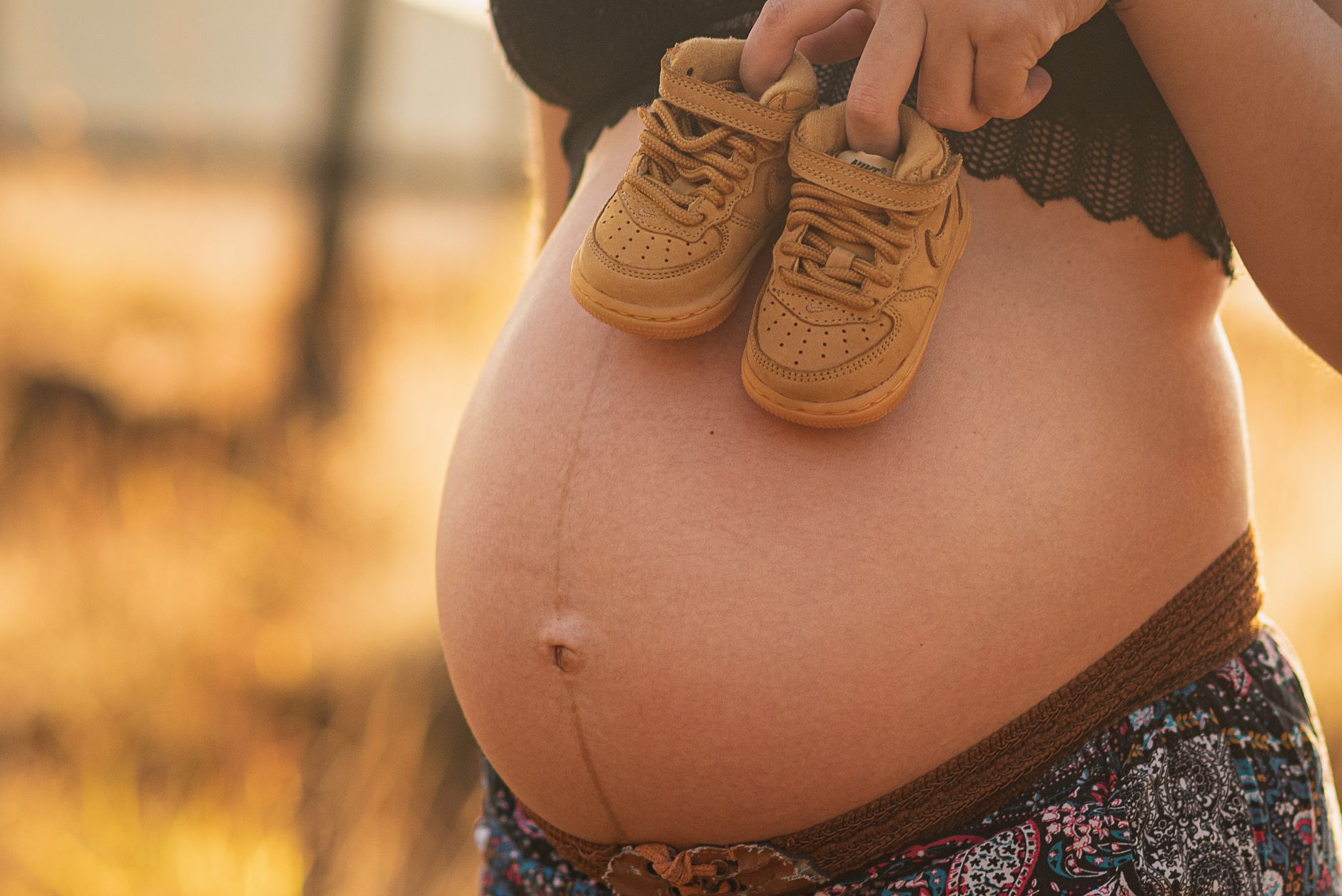
Quick verdict: ⚠️ Spanx shapewear is not recommended for most of pregnancy due to tight compression, which can restrict blood flow and increase discomfort or risks like venous insufficiency or overheating. Most obstetricians advise switching to loose, supportive maternity garments instead. If you already wear it, limit use to short periods and avoid tight waistbands or underwire. For those with diastasis recti or back pain, specialized pregnancy-safe support alternatives are available.---
At 11:47 PM, you’re standing in your closet, holding a Spanx waist cincher, wondering if it’s safe to wear during your second trimester. You’ve heard conflicting advice—some friends swear by compression for bloating, while your midwife mentioned "avoiding tight clothing." The truth? Is Spanx shapewear safe during pregnancy? The answer isn’t black-and-white, but the risks—especially in the first trimester—are real. You’re not alone: 68% of pregnant women report feeling pressure to maintain their pre-pregnancy silhouette, and shapewear is a top concern for many.
This guide breaks down the safety, risks, and safer alternatives to Spanx during pregnancy, including trimester-specific advice, brand recommendations, and what to watch for. We’ll also explore how to manage stretch marks, bloating, and back pain without compromising your baby’s safety. Plus, we’ll address common questions like "Can I wear Spanx for special occasions?" and "What if I already wore it before I knew I was pregnant?"—because you deserve to feel supported, not stressed.
---| Trimester / Stage | Safety Verdict | Notes & Precautions |
|---|---|---|
| 1st Trimester | ❌ Best avoided | Highest risk for organogenesis (critical development). Tight compression can restrict blood flow to the uterus or placenta, increasing risks of miscarriage or preterm labor. Avoid waist cinchers and underwire bras. |
| 2nd Trimester | ⚠️ Safe with limits | May be tolerated for short periods (≤2 hours/day) if loose-fitting and waistband-free. Avoid styles with elastic bands or underwire. Opt for breathable fabrics to prevent overheating. |
| 3rd Trimester | ⚠️ Safe with limits | Not recommended for daily wear due to increased abdominal pressure and circulation risks. If used, limit to postpartum recovery (after delivery) for mild support. Avoid during labor. |
| Breastfeeding | ⚠️ Safe with limits | May be used for short-term postpartum support (e.g., waist cinchers for diastasis recti), but avoid tight compression around the chest to prevent milk duct blockages. Choose non-restrictive styles. |
| Special Occasions (e.g., weddings, photoshoots) | ⚠️ Safe with strict limits | Only for very short durations (≤1 hour) and non-restrictive styles. Avoid waist cinchers; opt for maternity corsets with adjustable straps (e.g., LilyBeth). |
| Item | Safety Verdict | Notes |
|---|---|---|
| Maternity support belts | ✅ Generally safe | Loose, adjustable, and non-restrictive. Safe for all trimesters if used for mild support. |
| Compression leggings | ⚠️ Safe with limits | Only if waistband-free and breathable (e.g., Under Armour). Avoid tight elastic. |
| Belly support bands | ✅ Generally safe | Designed for diastasis recti support. Choose wide, non-restrictive styles. |
| Maternity girdles | ⚠️ Safe with limits | Tight styles may restrict blood flow; opt for stretchy, non-elastic options. |
| Maternity waist belts | ✅ Generally safe | Adjustable and non-restrictive. Safe for all trimesters. |
| Pregnancy support belts | ✅ Generally safe | Look for breathable, wide straps (e.g., Moby). |
| Maternity compression shorts | ⚠️ Safe with limits | Only if wide-leg and non-elastic waistband. Avoid tight styles. |
| Maternity compression underwear | ⚠️ Safe with limits | Choose breathable, non-restrictive styles (e.g., Under Armour). |
| Diastasis recti support belts | ✅ Generally safe | Gentle, non-compressive support (e.g., Girbaid). Safe for all trimesters. |
| Postpartum waist cinchers | ⚠️ Safe with limits | Only for short-term postpartum use (e.g., Spanx Postpartum Set). Avoid during pregnancy. |