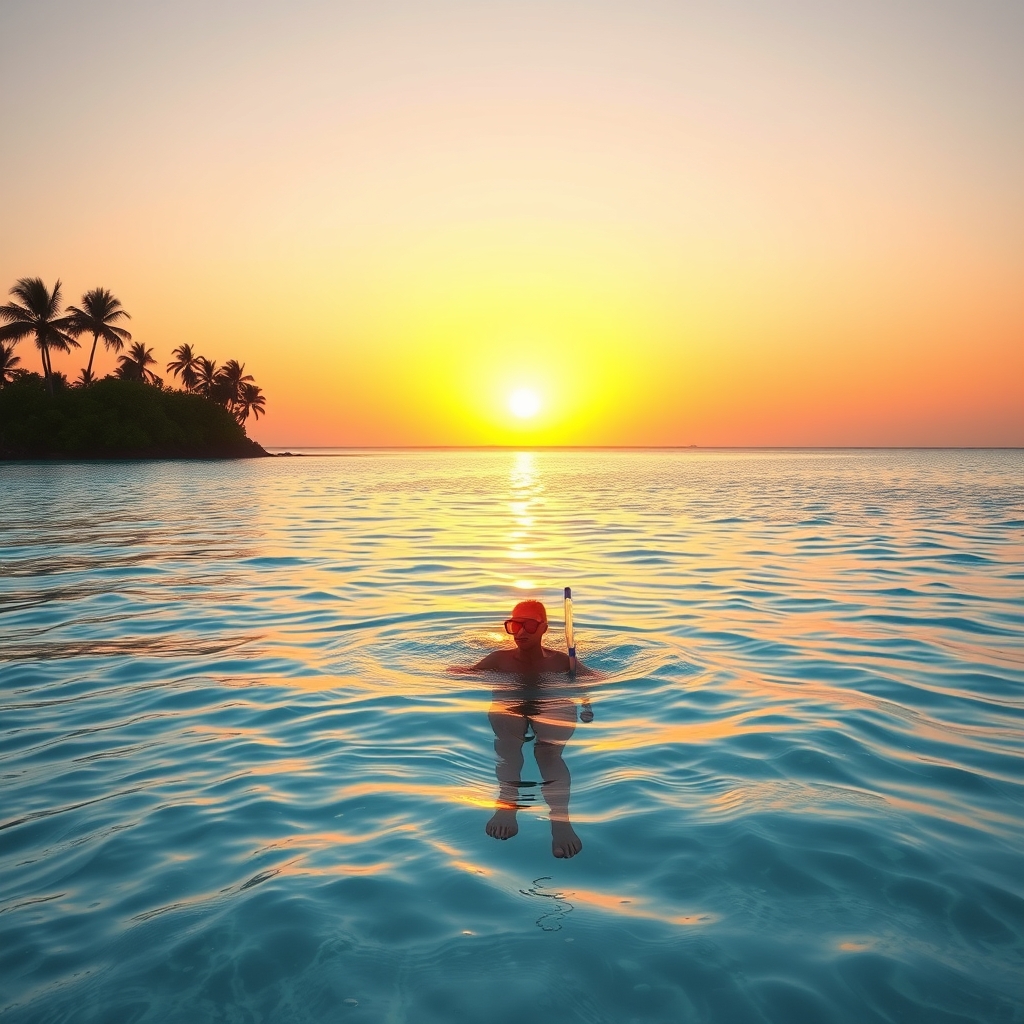
Limit: Snorkeling can be safe during pregnancy when you stay in shallow water, avoid the first trimester, and keep sessions under 30 minutes with a mask.
By Shubhra Mishra — a mom of two who turned her own confusion during pregnancy into BumpBites, a global mission to make food choices clear, safe, and stress-free for every expecting mother. 💛
Check whether any food is safe during pregnancy with the BumpBites Food Safety Checker.
Quick verdict: ⚠️ Safe with limits. Snorkeling is generally okay for most pregnant people when done at a moderate pace, with proper gear, and within recommended time‑limits, but you should check with your provider if you have any complications.
It’s 2 a.m., you’re scrolling through travel blogs, and a picture of crystal‑clear water catches your eye. “Is snorkeling safe during pregnancy?” you wonder, heart racing because you’ve already booked a tropical getaway. The good news is that, for most expecting parents, snorkeling can be a gentle way to stay active and enjoy the water—provided you follow a few safety guidelines.
In this article we’ll answer the question is snorkeling safe during pregnancy from every angle: overall safety, trimester‑specific advice, how often you can dip your head under the waves, what gear to choose, and what to do if you have conditions like high blood pressure or a history of miscarriage. We’ll also compare snorkeling to other water‑based activities, suggest safer alternatives, and give you a quick‑reference table so you can stop worrying and start planning.
Whether you’ve already taken a dip or you’re still on the fence, read on for a calm, evidence‑based guide that lets you enjoy the sea with confidence. If you’re feeling a flutter of anxiety, remember that most of the concerns around snorkeling are about the environment—not the activity itself—so a few simple precautions can keep you and your baby safe.
Early morning snorkeling can be especially peaceful and helps you avoid the midday heat.
Trimester / Breastfeeding
Verdict
Notes
First trimester
⚠️ Safe with limits
Moderate activity OK; avoid strong currents and deep water; limit sessions to 30 minutes.
Second trimester
✅ Generally safe
Comfortable buoyancy; maintain hydration; watch for overheating.
Third trimester
⚠️ Safe with limits
Shorter sessions, stay near shore, avoid dives > 6 feet; monitor for fatigue.
Breastfeeding
✅ Generally safe
Same guidelines as third trimester; ensure adequate fluid intake.
Snorkeling is a low‑impact water activity that lets you float on the surface while breathing through a tube (the snorkel) and observing underwater life with a mask. Unlike scuba diving, you don’t carry heavy tanks or breathe compressed air; you simply use the surface air, which makes the activity less strenuous. Most people use fins to glide more efficiently, and a wetsuit can provide warmth and buoyancy. The appeal of snorkeling lies in its simplicity—just a mask, snorkel, and a calm stretch of water, often in tropical locations.
Because the activity relies on natural buoyancy, it reduces stress on joints and the spine—both important considerations as your center of gravity shifts during pregnancy. The gentle paddling of fins also promotes circulation, which can help reduce swelling in the legs and feet. For many expectant mothers, the rhythmic motion and the calming sound of water become a form of mindfulness, supporting mental well‑being as well as physical health.
When you ask is snorkeling safe during pregnancy, the short answer is “yes, for most people, if you keep it moderate.” The American College of Obstetricians and Gynecologists (ACOG) recommends that pregnant individuals engage in at least 150 minutes of moderate‑intensity aerobic activity each week, which can include water‑based exercise like swimming or snorkeling (ACOG Committee Opinion, 2020). The UK’s NHS echoes this, noting that water activities are generally low impact and can be continued unless there are specific medical concerns (NHS Pregnancy Guide, 2023). The CDC also lists swimming and other gentle water sports as safe forms of exercise during pregnancy, provided there’s no risk of infection or injury (CDC, 2022).
Potential risks stem mainly from environmental factors—strong currents, cold water, or overexertion—rather than the activity itself. Because you’re breathing surface air, there’s no risk of nitrogen narcosis or decompression sickness that can affect scuba divers. However, a sudden wave or an unexpected slip can lead to a fall, and the buoyancy changes as your belly grows can affect balance. The key is to stay in calm, shallow waters, keep the session short, and stay well‑hydrated.
Is snorkeling safe during the first trimester of pregnancy?
The first trimester is when the embryo’s organs are forming, making it the most sensitive period for any potential teratogen. Because snorkeling does not involve chemicals or high‑impact movements, the direct risk to fetal development is minimal. ACOG advises that moderate activity is safe, but it also cautions against activities that could cause falls or overheating (ACOG, 2020). In practice, this means limiting snorkeling sessions to 20‑30 minutes, staying in shallow water, and avoiding strong currents or cold temperatures that could cause shivering.
Many women report feeling more fatigued in early pregnancy, so listen to your body. If you feel light‑headed, dizzy, or short of breath, cut the session short and rest onshore. A quick check of the water temperature (aim for > 78°F/26°C) can help prevent hypothermia, which can be more uncomfortable in the first months. Additionally, keep a close eye on sunscreen use—sunburn can increase skin sensitivity and raise body temperature, so choose a mineral‑based, pregnancy‑safe sunscreen and reapply regularly.
Can pregnant women snorkel in the second trimester?
The second trimester is often called the “golden period” for exercise. Energy levels rise, and the risk of miscarriage drops. Snorkeling during this stage is usually well‑tolerated, provided you stay hydrated and avoid overheating. The NHS suggests that swimming and similar water activities are safe throughout the second trimester (NHS, 2023). You can comfortably increase session length to 30‑45 minutes and add gentle fin kicks to maintain cardiovascular health.
Because the belly begins to rise, keep an eye on your center of gravity. Wearing a well‑fitted wetsuit can help you stay buoyant and reduce strain on the lower back. If you have gestational diabetes or hypertension, check with your provider before heading out, as water immersion can affect blood pressure. Some providers recommend a brief pre‑snorkel check of blood glucose if you’re managing diabetes, as exercise can lower levels.
What are the risks of snorkeling while pregnant?
Falls or slips: A sudden wave or loss of balance can lead to a fall onto a hard surface.
Dehydration: Being in warm water can mask fluid loss, increasing the risk of dehydration.
Overheating: Prolonged exposure to hot water or direct sunlight can raise core temperature, which is not recommended in early pregnancy.
Infection: Swimming in polluted water can expose you to bacteria that cause gastrointestinal illness, which may be more severe during pregnancy.
Breathing difficulty: If you’re prone to panic attacks, the snorkel tube could trigger anxiety.
Most of these risks are mitigated by choosing calm, clean waters, staying hydrated, and limiting session length. If any of these concerns sound familiar, it’s a good idea to discuss them with your obstetrician.
How many times a week can I snorkel safely during pregnancy?
Guidelines from ACOG and the CDC recommend 150 minutes of moderate‑intensity activity each week. For snorkeling, that translates to about three 30‑minute sessions or two 45‑minute sessions per week. This frequency allows you to reap the cardiovascular benefits without over‑exertion. If you’re new to snorkeling, start with 15‑minute outings and gradually increase as you feel comfortable.
Remember that “moderate” means you can talk comfortably while swimming but might be slightly out of breath after a few minutes. If you notice excessive fatigue, shorten the session or reduce the frequency.
Are there safer water activities for pregnant women instead of snorkeling?
Pool swimming – consistent temperature and shallow depth make it the most controlled environment.
Prenatal yoga classes – gentle stretches improve flexibility without submersion.
Beach walking – low‑impact cardio and vitamin D from sunlight.
Water aerobics classes – guided, low‑intensity movements with a professional instructor.
Gentle paddleboarding – stable board with minimal risk of falling.
Light aqua jogging – short bursts of jogging in chest‑deep water, excellent for heart health.
These alternatives reduce the risk of falls and allow you to control temperature and depth more easily, which can be reassuring if you’re nervous about snorkeling. Many community centers also offer “mom‑to‑be” water fitness classes that tailor intensity to your trimester.
Does snorkeling pose a risk for pregnant women with high blood pressure?
Pregnant individuals with hypertension should be extra cautious with any activity that could cause sudden changes in blood pressure. The NHS advises that women with pre‑eclampsia or chronic hypertension avoid activities that involve abrupt changes in position or intense exertion (NHS, 2023). Snorkeling is generally low‑impact, but the immersion effect can cause a temporary dip in blood pressure, followed by a rebound when you stand up.
To stay safe, keep sessions short, stay hydrated, and rise slowly from the water. Checking your blood pressure before and after snorkeling can help you gauge your response. Always discuss your specific condition with your provider before planning a snorkeling trip.
What snorkeling gear is safe for pregnant women?
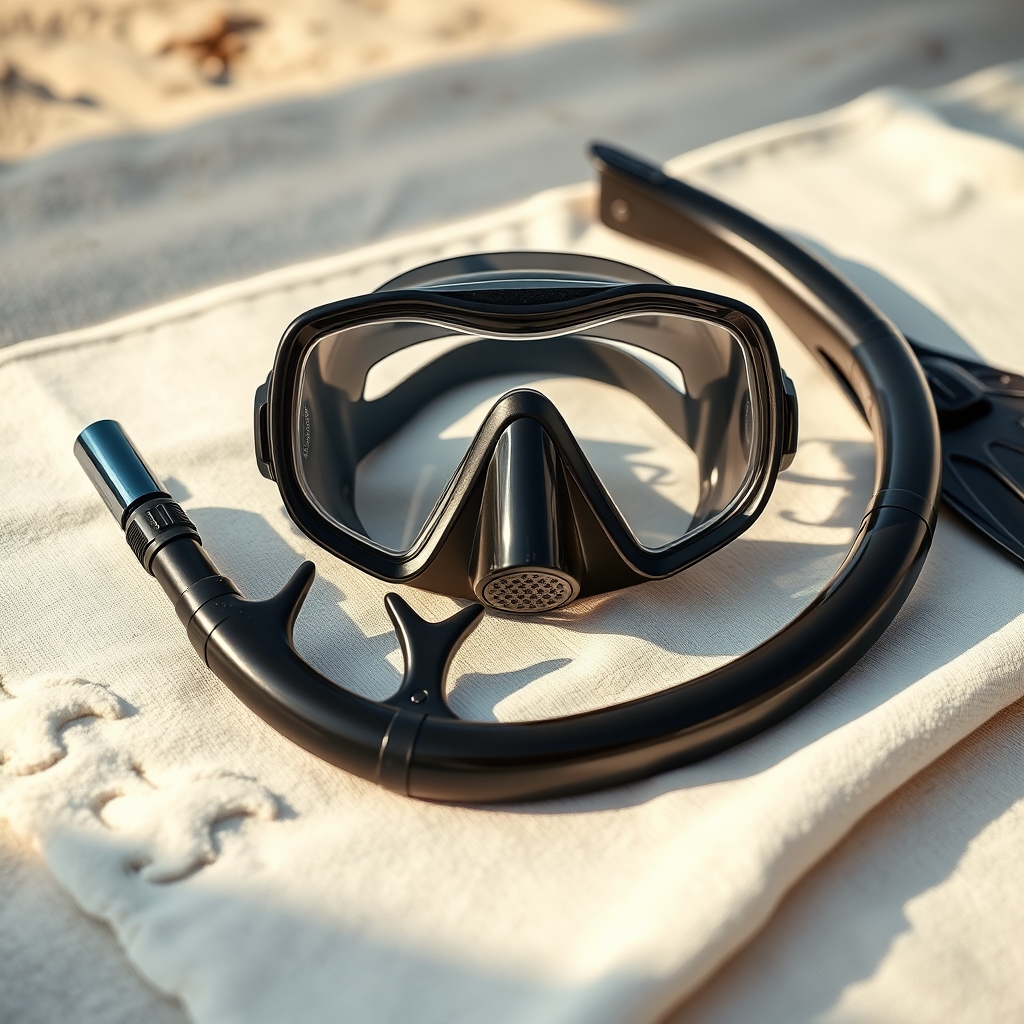
Choosing the right equipment can make a big difference. Look for a mask that fits snugly without pressing on the nose bridge, as excess pressure can cause headaches. A silicone snorkel with a purge valve helps clear water without forceful blowing, which can increase intra‑abdominal pressure. Fins should be flexible and short to avoid over‑exertion of the calf muscles.
A lightweight wetsuit (2‑3 mm) provides buoyancy and warmth without restricting movement. Avoid heavy gear that could pull you down if you slip. Many brands now offer “pregnancy‑friendly” snorkel sets that feature adjustable straps and softer silicone components, which can help accommodate a growing belly.
Choose a well‑fitted mask and flexible fins to stay comfortable while snorkeling during pregnancy.
Snorkeling and prenatal vitamins: any interactions?
Most prenatal vitamins contain iron, folic acid, calcium, and DHA—nutrients that support fetal development and maternal health. There’s no known chemical interaction between these supplements and the act of snorkeling. However, some women experience mild gastrointestinal upset from iron, which can be exacerbated by the motion of swimming. If you notice nausea or stomach discomfort while in the water, try taking your vitamin with a small snack before heading out, or switch to a chewable form that may sit more gently in the stomach.
Hydration is especially important when you’re taking iron‑rich supplements, as dehydration can increase the likelihood of constipation. Keep a water bottle on the shore and sip regularly before, during, and after your snorkeling session. If you’re unsure whether your vitamin regimen might affect your performance, a quick chat with your obstetrician or a registered dietitian can provide personalized guidance.
Snorkeling for expectant mothers with asthma
Asthma is a common condition in pregnancy, and many women wonder if the humid environment of the ocean could trigger symptoms. In fact, the warm, moist air over the water can be soothing for some asthmatics, but the physical exertion of finning may provoke shortness of breath. The ACOG recommends that pregnant patients with asthma keep their rescue inhaler on hand during any exercise, including water activities (ACOG, 2020).
Start with short, low‑intensity sessions and monitor how your breathing feels. If you experience wheezing, chest tightness, or an increased need for your inhaler, pause the activity, move to a safe spot on shore, and use your medication as prescribed. Regular prenatal check‑ups will help you adjust asthma management plans to accommodate the added activity.
Snorkeling in hot climates: managing heat stress
Warm tropical waters can feel inviting, but prolonged exposure to high temperatures can raise core body temperature—a concern especially in the first trimester when overheating is linked to neural‑tube defects. The CDC advises pregnant people to avoid activities that cause core temperatures to exceed 102.2°F (39°C). To stay cool, choose early‑morning or late‑afternoon sessions when the sun is lower, wear a light‑weight wetsuit, and take frequent breaks in the shade.
Applying a water‑resistant, pregnancy‑safe sunscreen can protect your skin without contributing to heat buildup. Additionally, a small, portable cooling towel that you can drape around your neck after a swim can help lower your temperature quickly. If you start to feel dizzy, nauseous, or overly warm, exit the water immediately and hydrate.
Safe dosage / amount / brands
Because snorkeling is an activity, “dosage” refers to frequency and duration. The consensus from ACOG and the CDC is:
Maximum 30‑45 minutes per session.
3‑4 sessions per week, totaling no more than 150 minutes of moderate activity.
Stay hydrated—drink at least 8 ounces of water before and after each session.
Choose gear from reputable brands that prioritize comfort and safety, such as Cressi, Mares, or Speedo. Look for products labeled “pregnancy‑friendly” or “adjustable fit.”
If you’re using a wetsuit, a 3 mm neoprene suit from a trusted manufacturer (e.g., O’Neill) offers enough buoyancy without overheating. Avoid cheap, poorly‑constructed gear that could leak or break, forcing you to surface abruptly. For masks, consider anti‑fog coated lenses, which reduce the need to repeatedly clear the view—a small action that can raise intra‑abdominal pressure if done forcefully.
Side effects and risks
Most side effects are mild and stem from the environment rather than the activity itself:
Dehydration: Can cause headaches, dizziness, or reduced amniotic fluid. Prevent by drinking water before, during, and after.
Overheating: May raise core body temperature, which in early pregnancy can be linked to neural tube defects. Keep sessions under 30 minutes in warm climates and wear a light wetsuit.
Ear discomfort: Equalizing pressure can be tricky; use gentle techniques and stop if you feel pain.
Falls: A slip can lead to bruising or more serious injury. Choose calm waters, stay near the shore, and avoid diving.
Infection: Swimming in polluted water can cause gastrointestinal bugs. Stick to certified clean sites.
If you experience any of the following, contact your provider immediately: severe abdominal pain, vaginal bleeding, sudden swelling of hands or face, dizziness leading to fainting, or a rapid heart rate (> 120 bpm) that doesn’t subside with rest.
Safer alternatives
Pool swimming – controlled temperature and depth make it the safest water activity.
Prenatal yoga classes – gentle stretching without any submersion.
Beach walking – low‑impact cardio with the added benefit of sunlight.
Water aerobics classes – instructor‑led, low‑intensity movements in a pool.
Gentle paddleboarding – stable board with minimal risk of falling.
Light aqua jogging – short bursts of jogging in chest‑deep water, excellent for heart health.
Guided reef walks – walking along a shallow reef while holding a pole for balance, offering a marine‑life experience without full submersion.
Each of these options lets you stay active and enjoy the water while reducing the chance of a sudden slip or an unexpected temperature spike. Many prenatal fitness programs now incorporate a mix of these activities, allowing you to rotate them throughout the week for variety.
Related items — safety at a glance
Item
Verdict
One‑line note
Scuba diving
❌ Best avoided
Risk of decompression sickness and pressure changes.
Free diving
❌ Best avoided
Breath‑holding can cause hypoxia and rapid pressure shifts.
Stand‑up paddleboarding
⚠️ Safe with limits
Balance challenges; keep sessions short and stay near shore.
Kayaking
⚠️ Safe with limits
Core engagement needed; avoid rough water.
Swimming
✅ Generally safe
Low‑impact, buoyant, and easy to control intensity.
Snorkel tours
⚠️ Safe with limits
Guided, but still requires caution in currents and depth.
Water walking
✅ Generally safe
Gentle stepping in chest‑deep water; minimal strain.
Myth vs. fact
Myth: Snorkeling can cause birth defects because you breathe through a tube.
Fact: The snorkel supplies surface air; there’s no exposure to harmful gases or pressure changes that would affect fetal development.
Myth: Pregnant women should avoid all water activities to prevent preterm labor.
Fact: Moderate water exercise, including snorkeling, can actually reduce the risk of preterm labor by improving circulation (ACOG, 2020).
Myth: You must stop snorkeling as soon as you discover you’re pregnant.
Fact: If you’ve already taken a few snorkel trips, there’s no need for panic; just follow the safety limits outlined here and consult your provider.
Myth: You need to hold your breath while snorkeling, which can be dangerous.
Fact: Snorkeling uses a tube that lets you breathe continuously at the surface; you never need to hold your breath.
Key takeaways
Snorkeling is generally safe during pregnancy when done moderately and in calm, clean water.
Limit sessions to 30‑45 minutes and aim for no more than 150 minutes of moderate activity per week.
Choose well‑fitted gear, stay hydrated, and avoid overheating or strong currents.
If you have hypertension, a history of miscarriage, or other complications, get provider approval before snorkeling.
Safer water alternatives include pool swimming, prenatal yoga, and gentle paddleboarding.
Watch for warning signs—severe abdominal pain, bleeding, or sudden dizziness—and call your doctor if they occur.
Remember that most risks are environmental; with proper preparation, snorkeling can be a joyful part of your prenatal fitness routine.
Frequently asked questions
Can I go snorkeling while pregnant?
Yes, you can snorkel while pregnant if you keep the activity moderate, stay in shallow calm water, and limit each session to 30‑45 minutes.
What are the dangers of snorkeling during pregnancy?
The main dangers are falls, dehydration, overheating, and exposure to polluted water; these can be minimized by choosing safe locations, staying hydrated, and limiting time in the water.
Is it safe to snorkel in the third trimester?
Snorkeling in the third trimester is safe with limits: keep sessions short (no more than 30 minutes), stay near shore, and avoid deep dives or strong currents.
How often can a pregnant woman snorkel?
Aim for three 30‑minute sessions per week, or any combination that adds up to about 150 minutes of moderate activity each week, as recommended by ACOG.
Do I need a doctor's approval to snorkel while pregnant?
If you have any pregnancy complications—such as high blood pressure, a history of miscarriage, or cervical insufficiency—you should discuss snorkeling with your provider first.
What alternatives to snorkeling are safe for pregnant women?
Safe alternatives include pool swimming, prenatal yoga classes, beach walking, water aerobics, gentle paddleboarding, and light aqua jogging, all of which offer low‑impact cardio without the risks of deep water.
Can snorkeling cause preterm labor?
There is no evidence that snorkeling causes preterm labor; in fact, moderate exercise like snorkeling can improve circulation and may lower the risk of preterm birth when done safely.
What should I do if I get a cramp while snorkeling?
Stop swimming immediately, float on your back, and gently stretch the cramped muscle. Hydrate, and if the cramp persists or is accompanied by pain, exit the water and seek medical advice.
Can I snorkel after my due date?
Post‑delivery, many providers clear you for light water activity after your first postpartum check‑up, but you should discuss timing and any lingering concerns with your obstetrician.
When to call your doctor
If you experience any of the following after snorkeling, contact your obstetric provider right away:
Severe abdominal or pelvic pain.
Vaginal bleeding or spotting.
Sudden swelling of hands, feet, or face.
Persistent dizziness or fainting.
Rapid heart rate (> 120 bpm) that does not settle with rest.
Signs of infection such as fever, nausea, or diarrhea after swimming in questionable water.
These symptoms could indicate a condition that needs prompt medical attention. Remember, this article provides general information and is not a substitute for personalized medical advice.
References
American College of Obstetricians and Gynecologists. Committee Opinion No. 804: Physical Activity and Exercise During Pregnancy and the Postpartum Period. 2020.
National Health Service (NHS). Pregnancy and Exercise: Guidance for Expectant Mothers. 2023.
Centers for Disease Control and Prevention (CDC). Physical Activity Guidelines for Pregnant Women. 2022.
World Health Organization (WHO). Recommendations on Antenatal Care for a Positive Pregnancy Experience. 2022.
Mayo Clinic. Exercise during pregnancy: What’s safe? 2023.
American Academy of Pediatrics (AAP). Swimming and Water Safety for Children and Pregnant Women. 2021.
Not sure about the label on Is Snorkeling Safe During Pregnancy products?
Snap the ingredients list and SafeFilter checks every ingredient for your stage — only 3 free scans this month, then you're locked until reset. Unlimited from $7/mo or $50/yr.
When Shubhra Mishra was expecting her first child in 2016, she was overwhelmed by conflicting food advice — one site said yes, another said never. By the time her second baby arrived in 2019, she realized millions of mothers face the same confusion.
That sparked a five-year journey through clinical nutrition papers, cultural diets, and expert conversations — all leading to BumpBites: a calm, compassionate space where science meets everyday motherhood.
Her long-term vision is to build a global community ensuring safe, supported, and free deliveriesfor every mother — because no woman should face pregnancy alone or uninformed. 🌿
🌍 Stand with mothers, shape safer guidance
Join a small circle of experts who review BumpBites articles so expecting parents everywhere can decide with confidence.