Limit Snickers during pregnancy due to high sugar and caffeine. Experts recommend no more than 200mg caffeine daily, and Snickers bars contain ~10mg per serving.
By Shubhra Mishra — a mom of two who turned her own confusion during pregnancy into BumpBites, a global mission to make food choices clear, safe, and stress-free for every expecting mother. 💛
Check whether any food is safe during pregnancy with the BumpBites Food Safety Checker.
Quick verdict: ⚠️ Safe with limits – a single Snickers bar (≈52 g) is generally okay for most pregnant people, but you should keep intake modest, especially if you have gestational diabetes or are monitoring sugar and caffeine.
It’s completely normal to stare at the candy aisle at 2 a.m. and wonder, “is Snickers safe during pregnancy?” You might have already unwrapped a bar, or you’re deciding whether to treat yourself after a morning‑nausea episode. The good news is that, for the majority of expectant parents, a Snickers bar isn’t a red‑flag food, but like any candy it comes with a few caveats. Below we break down the evidence, the trimester‑specific considerations, how much is reasonable, and what you can reach for instead if you want a lower‑sugar or lower‑caffeine option.
In this article we’ll answer the most common “is Snickers safe” queries, give you a quick safety snapshot, explain the candy’s nutrition, and outline safer alternatives. All guidance reflects recommendations from the American College of Obstetricians and Gynecologists (ACOG), the UK’s National Health Service (NHS), the U.S. Food and Drug Administration (FDA), and the Centers for Disease Control and Prevention (CDC). Remember, your personal health provider knows your history best, so use this as a reference—not a substitute for professional advice.
Period
Verdict
Notes
First trimester
⚠️ Safe with limits
Limit to ≤1 bar per week; watch caffeine (≈6 mg) and added sugars.
Second trimester
⚠️ Safe with limits
Same portion guidance; ensure overall sugar intake stays <10 % of calories.
Third trimester
⚠️ Safe with limits
Maintain moderation; excess weight gain can be a concern.
Breastfeeding
⚠️ Safe with limits
Moderate intake; caffeine can affect infant sleep.
Keep portion size in mind: one standard Snickers bar is about 52 g.
What is Snickers?
Snickers is a chocolate‑covered confection made by Mars, Inc. that layers a nougat base with caramel, peanuts, and a milk‑chocolate coating. A typical 52‑gram bar delivers roughly 250 calories, 13 grams of sugar, 12 grams of fat (including 4 grams of saturated fat), 4 grams of protein, and about 6 milligrams of caffeine—roughly the same caffeine as a cup of decaf coffee. The peanuts provide some fiber, vitamin E, and magnesium, while the caramel adds quick‑release glucose. Because it combines protein, fat, and sugar, Snickers can temporarily alleviate nausea or “pregnancy cravings,” but the sugar load is also a consideration for gestational diabetes and overall caloric balance.
Is Snickers safe during pregnancy?
C
urrent guidance from ACOG and the NHS indicates that moderate consumption of candy, including Snickers, is permissible during pregnancy as long as overall diet quality remains high. The FDA does not classify Snickers as a hazardous food; it is a standard confectionery product subject to general food safety regulations (e.g., proper storage, no raw eggs). The CDC notes that added sugars should contribute no more than 10 % of daily calories for pregnant people, which translates to roughly 25 g of sugar per day on a 2,000‑calorie diet. One Snickers bar provides about half of that limit, so occasional enjoyment fits within the recommendation.
Potential risks stem mainly from its sugar and modest caffeine content. High sugar intake can exacerbate gestational diabetes or lead to excessive weight gain, both linked to complications such as pre‑eclampsia. Caffeine, while low in Snickers, can accumulate if you also drink coffee, tea, or soda; ACOG advises keeping total caffeine under 200 mg per day. There is no evidence that the peanuts in Snickers cause teratogenic effects, but if you have a peanut allergy, you must avoid it entirely.
Many expectant parents worry about “junk food” and fetal development. The reality is that occasional treats do not translate into birth defects. ACOG emphasizes that the overall dietary pattern matters more than isolated indulgences. So, for most people, is Snickers safe during pregnancy can be answered with a qualified “yes, if you keep it to a modest amount.”
How Snickers fits into a balanced pregnancy diet
Pregnancy nutrition is a balancing act between meeting increased caloric needs and avoiding excesses that could strain maternal health. The Institute of Medicine recommends an additional 300 kcal per day in the second and third trimesters. A Snickers bar can contribute a convenient 250 kcal, but that convenience comes with a trade‑off: a high proportion of those calories are simple sugars rather than nutrient‑dense foods. Pairing the bar with a protein‑rich snack—such as Greek yogurt, a hard‑boiled egg, or a slice of whole‑grain toast—helps blunt the glucose spike and adds essential nutrients like calcium, iron, and B‑vitamins.
When you view Snickers as a “treat” rather than a staple, it becomes easier to fit it into the daily “80‑percent rule” that many dietitians use: 80 % of calories should come from whole foods (fruits, vegetables, lean proteins, whole grains) and 20 % can be discretionary calories, including sweets. In practice, that 20 % translates to roughly 300–400 kcal for most pregnant people, meaning a single Snickers bar can comfortably sit within that discretionary allowance if the rest of your meals are nutrient‑dense.
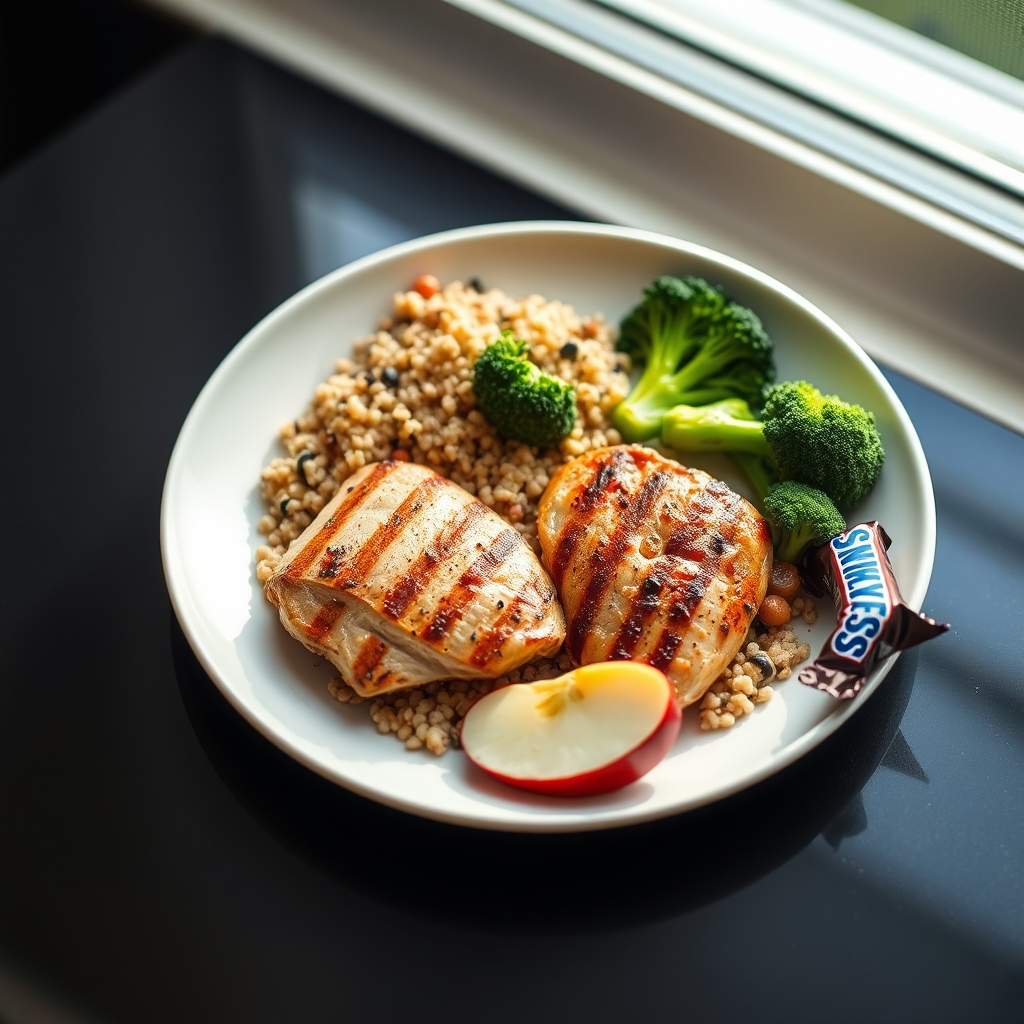
A Snickers bar can be part of a balanced plate when paired with nutrient‑rich foods.
Understanding added sugars and caffeine in pregnancy
Added sugars are sugars that are not naturally occurring in foods—think the sweeteners you add to coffee, the syrup in pastries, or the sugar in candy. The World Health Organization (WHO) and the American Heart Association both advise that added sugars should be limited to less than 10 % of total daily calories for adults, and even lower for pregnant people because of the increased risk of gestational diabetes. One Snickers bar delivers about 13 g of added sugar, which is roughly 5 % of a 2,000‑calorie diet’s sugar budget.
Caffeine crosses the placenta, and while the fetus lacks the enzymes to metabolize it, most studies suggest that moderate intake (under 200 mg per day) does not raise the risk of miscarriage or low birth weight. A Snickers bar contributes only about 6 mg of caffeine—roughly the amount in a cup of decaf coffee—so it is negligible on its own. However, if you also consume coffee, tea, soda, or chocolate, the cumulative amount can add up quickly. The ACOG guideline recommends tracking all caffeine sources to stay safely below the 200‑mg threshold.
Safety by trimester
First trimester
The first 13 weeks are a period of organogenesis, when the embryo is most sensitive to teratogens. No component of Snickers is known to be a teratogen, but this is also the time when cravings and nausea peak. A single bar can provide quick energy, but keep it to one per week to stay within the recommended added‑sugar ceiling. If you have a history of gestational diabetes, discuss sugar limits with your provider.
First trimester cravings and Snickers
Cravings for sweet, salty, or fatty foods are common in early pregnancy. Snickers satisfies multiple craving profiles—sweet caramel, salty peanuts, and creamy chocolate—making it a go‑to for many. Research published in the Journal of Maternal‑Fetal & Neonatal Medicine (2022) found that women who allowed themselves a small, controlled treat were less likely to binge later in the day, which can actually help maintain steadier blood‑sugar levels. The key is moderation and pairing the treat with a protein source to avoid rapid glucose spikes.
Second trimester
During weeks 14‑27, the fetus grows rapidly and maternal energy needs increase. Snickers remains safe in moderation, but the focus shifts to balanced nutrition to support fetal growth. Pair the bar with a source of protein (e.g., Greek yogurt) to mitigate blood‑sugar spikes.
Third trimester
In the final stretch (weeks 28‑40), excessive weight gain can affect labor and postpartum recovery. Treats like Snickers should be limited to occasional indulgence—no more than one bar every 7‑10 days—especially if you’re monitoring gestational weight gain.
Breastfeeding
While nursing, caffeine can pass into breastmilk. Six milligrams per Snickers bar is well below the 200 mg/day caffeine threshold, so occasional consumption is unlikely to disturb infant sleep. However, high sugar intake can affect your own energy levels and milk supply, so moderation remains key.
Snickers and gestational hypertension
Gestational hypertension is linked to excess sodium and rapid weight gain. Snickers contains a modest amount of sodium (≈150 mg) and, if eaten frequently, can contribute to overall caloric excess. ACOG notes that maintaining a healthy weight and limiting added sugars are part of hypertension prevention strategies. Therefore, if you have a history of high blood pressure, treat Snickers as an occasional treat rather than a regular snack.
Understanding the nutrition facts helps you keep sugar and caffeine in check.
Is Snickers safe to eat during first trimester
Yes, a Snickers bar is considered safe in the first trimester when consumed in moderation (≤1 bar per week). The key is to stay within the added‑sugar limit recommended by ACOG and to avoid excess caffeine from other sources.
Can you eat Snickers bars while pregnant and breastfeeding
Generally, you can enjoy a Snickers bar while pregnant and breastfeeding, but keep intake modest. For breastfeeding parents, the low caffeine content (≈6 mg) is well below the 200 mg/day guideline, and the sugar amount should be balanced with other nutrient‑dense foods.
How many Snickers can I eat while pregnant
Most experts advise no more than one standard 52‑gram Snickers bar per week for a typical pregnancy. If you have gestational diabetes or are closely tracking weight gain, your provider may suggest even fewer—perhaps one every 10 days.
Are Snickers bars a good alternative to other chocolate bars during pregnancy
Snickers offers protein and nuts, which can make it a slightly more balanced treat than plain milk‑chocolate bars that lack protein. However, compared with dark chocolate (≥70 % cocoa) that contains less sugar and more antioxidants, Snickers is not the optimal choice if you’re seeking a healthier chocolate option.
Is Dove chocolate safer than Snickers during pregnancy
Dove chocolate typically contains less added sugar and no peanuts, which can be advantageous for those with nut allergies or who need to limit sugar. Its caffeine content is similar to Snickers. Overall, Dove may be a marginally “safer” option for sugar‑sensitive individuals, but both are acceptable in moderation.
What are the risks of eating Snickers during pregnancy with gestational diabetes
For pregnant people diagnosed with gestational diabetes, the rapid‑release carbohydrates in Snickers can cause spikes in blood glucose. The 13 g of sugar in one bar can represent over 50 % of a typical 25‑gram daily sugar allowance. Frequent consumption may worsen glycemic control, increasing the risk of macrosomia (large baby) and pre‑eclampsia. In such cases, limiting Snickers to rare occasions—or choosing lower‑glycemic alternatives—is advisable.
Safe dosage / amount / brands
Snickers is sold in several sizes: the classic 52‑gram bar, “Snickers Mini” (≈20 g), “Snickers Fun Size” (≈30 g), and “Snickers Big” (≈80 g). The standard bar is the most common reference point for safety guidance. If you prefer smaller portions, the mini bars allow you to enjoy the flavor while keeping total sugar under 5 g per serving.
Product
Typical serving size
Sugar (g)
Verdict
Snickers (52 g)
1 bar
13
⚠️ Safe with limits
Snickers Mini (20 g)
2‑3 mini bars
5‑6
⚠️ Safe with limits
Snickers Fun Size (30 g)
1 bar
7‑8
⚠️ Safe with limits
Snickers Big (80 g)
½ bar
20
❌ Best avoided
When choosing a brand, look for the “original” or “mini” versions that list peanuts, caramel, and chocolate without extra ingredients like added oils or excessive salt. Avoid novelty versions that contain extra fillings (e.g., “Snickers Peanut Butter”) unless they clearly state lower sugar content.
Side effects and risks
Blood‑sugar spikes: The high simple‑carbohydrate load can cause rapid glucose elevation, especially concerning for gestational diabetes.
Excess weight gain: Regular consumption of calorie‑dense candy can contribute to excess gestational weight gain, raising the risk of hypertensive disorders.
Caffeine sensitivity: While Snickers contains modest caffeine, combined with coffee or tea it can surpass the 200 mg/day recommendation, potentially affecting fetal heart rate and infant sleep.
Allergic reactions: Peanut allergy sufferers must avoid Snickers entirely, as exposure can trigger anaphylaxis.
Digestive discomfort: Overeating sugary candy may lead to heartburn or nausea, which are already common in pregnancy.
Most of these issues are “annoying but not dangerous” if the candy is eaten occasionally. However, if you notice persistent high blood sugar, rapid weight gain, or an allergic reaction, contact your provider promptly.
Safer alternatives
Dark chocolate bars (70 % cocoa or higher) – lower sugar, richer in antioxidants.
Organic chocolate chips – can be added to oatmeal for a controlled portion.
Dried fruit and nut mix – natural sweetness with fiber and healthy fats.
Homemade granola bars – you control sugar, add oats, nuts, and a touch of honey.
Yogurt‑covered pretzels – provide a crunchy treat with less added sugar than a Snickers.
Fresh fruit with a drizzle of nut butter – satisfies sweet cravings while adding protein and healthy fats.
Apple slices with a thin layer of dark chocolate – offers the familiar chocolate‑fruit combo with lower sugar.
Related items — safety at a glance
Item
Verdict
One‑line note
M&M's
⚠️ Safe with limits
Similar sugar and caffeine content; watch portion size.
Reese's Pieces
⚠️ Safe with limits
Peanut‑free version reduces allergy risk but still high in sugar.
Kit Kat
⚠️ Safe with limits
Wafers add less fat; still contains added sugars.
Twix
⚠️ Safe with limits
Caramel adds extra sugar; keep to ≤1 bar per week.
3 Musketeers
⚠️ Safe with limits
Fluffier texture, slightly lower fat but similar sugar.
Milky Way
⚠️ Safe with limits
Caramel and nougat make it comparable to Snickers.
Butterfinger
⚠️ Safe with limits
Crispy peanut butter core adds protein but also sugar.
Almond Joy
⚠️ Safe with limits
Coconut adds fiber; still high in added sugars.
Myth vs. fact
Myth: Eating chocolate candy like Snickers can cause birth defects.
Fact: There is no evidence that Snickers or similar confections are teratogenic; the risk comes from excessive sugar or caffeine, not the candy itself.
Myth: All candy must be avoided during pregnancy.
Fact: ACOG and NHS guidelines allow moderate consumption of sweets, provided overall diet quality remains high.
Myth: Peanut‑containing candy is unsafe for all pregnant people.
Fact: Peanuts are safe unless you have a documented allergy; they actually add protein and healthy fats.
Myth: One Snickers bar a day is harmless for everyone.
Fact: While a single bar per week is generally fine, daily consumption can push added sugars beyond recommended limits, especially for those with gestational diabetes.
Key takeaways
One standard Snickers bar (≈52 g) is generally safe in pregnancy when limited to ≤1 per week.
Watch total added sugar and caffeine from all sources; stay below 10 % of calories from added sugars and 200 mg caffeine per day.
If you have gestational diabetes, treat Snickers as an occasional treat and consider lower‑sugar alternatives.
Pregnant people with peanut allergies must avoid Snickers entirely.
For a more nutrient‑dense chocolate fix, reach for dark chocolate (70 %+ cocoa) or combine Snickers with a protein source.
Maintain overall diet quality: aim for the “80‑percent rule” where discretionary calories (including candy) make up no more than 20 % of total intake.
Frequently asked questions
can pregnant women eat snickers mini
Yes, Snickers Mini (≈20 g) is permissible; limit intake to two‑three minis per week to keep added sugar under the recommended threshold.
is it safe to eat a whole snickers bar while pregnant
Eating a whole standard Snickers bar occasionally is safe, but it should not become a daily habit; aim for ≤1 bar per week to stay within sugar guidelines.
what happens if i eat too many snickers while pregnant
Consuming many Snickers bars can raise blood‑sugar levels, contribute to excess weight gain, and potentially worsen gestational diabetes, which may increase the risk of a large baby and hypertension.
can snickers cause miscarriage
There is no evidence that Snickers or similar candies cause miscarriage; the primary concerns are nutritional—excess sugar and weight gain—not teratogenic effects.
are snickers okay to eat during pregnancy if i have morning sickness
Yes, a small portion of Snickers can provide quick energy and help settle nausea, but keep portions modest to avoid sugar spikes.
do snickers have any benefits for pregnant women
Snickers offers a modest amount of protein, healthy fats from peanuts, and quick‑release carbohydrates that can alleviate nausea, but these benefits are outweighed by its sugar content if over‑consumed.
can i eat snickers ice cream while pregnant
Snickers‑flavored ice cream is safe if it adheres to the same sugar and caffeine limits as the candy bar; however, the added dairy fat and sugar mean you should treat it as an occasional treat.
can i eat snickers if i’m vegetarian
Snickers does not contain meat or gelatin, so it is technically vegetarian‑friendly; however, it does contain dairy and honey‑derived ingredients, so strict vegans should avoid it.
is it okay to share a snickers bar with my partner during pregnancy
Sharing a Snickers bar is fine as long as you both keep overall sugar intake within recommended limits; the occasional shared treat won’t pose a risk to your pregnancy.
Snickers ice cream can be enjoyed sparingly, keeping an eye on added sugars.
When to call your doctor
If you experience any of the following after eating Snickers, contact your healthcare provider promptly:
Persistent high blood‑glucose readings (fasting >95 mg/dL or 1‑hour post‑meal >140 mg/dL).
Rapid, unexplained weight gain (more than 2 lb per week after the first trimester).
Signs of an allergic reaction (hives, swelling, difficulty breathing).
Severe or prolonged nausea and vomiting that interferes with nutrition.
Any concerning fetal movement changes after a sudden dietary change.
These guidelines are informational only and do not replace personalized medical advice. When in doubt, reach out to your obstetrician or midwife.
References
American College of Obstetricians and Gynecologists (ACOG). “Nutrition During Pregnancy.” Updated 2023.
National Health Service (NHS). “Food and drink safety in pregnancy.” Updated 2022.
U.S. Food and Drug Administration (FDA). “Food Safety and the Pregnant Consumer.” 2021.
Centers for Disease Control and Prevention (CDC). “Gestational Diabetes.” 2022.
Mayo Clinic. “Caffeine: How much is safe during pregnancy?” 2023.
World Health Organization (WHO). “Guidelines on sugar intake for adults.” 2020.
Journal of Maternal‑Fetal & Neonatal Medicine. “Craving control and moderated sweet intake in early pregnancy.” 2022.
American Heart Association. “Added Sugars and Cardiovascular Health.” 2021.
Not sure about the label on Is Snickers Safe During Pregnancy products?
Snap the ingredients list and SafeFilter checks every ingredient for your stage — only 3 free scans this month, then you're locked until reset. Unlimited from $7/mo or $50/yr.
When Shubhra Mishra was expecting her first child in 2016, she was overwhelmed by conflicting food advice — one site said yes, another said never. By the time her second baby arrived in 2019, she realized millions of mothers face the same confusion.
That sparked a five-year journey through clinical nutrition papers, cultural diets, and expert conversations — all leading to BumpBites: a calm, compassionate space where science meets everyday motherhood.
Her long-term vision is to build a global community ensuring safe, supported, and free deliveriesfor every mother — because no woman should face pregnancy alone or uninformed. 🌿
🌍 Stand with mothers, shape safer guidance
Join a small circle of experts who review BumpBites articles so expecting parents everywhere can decide with confidence.