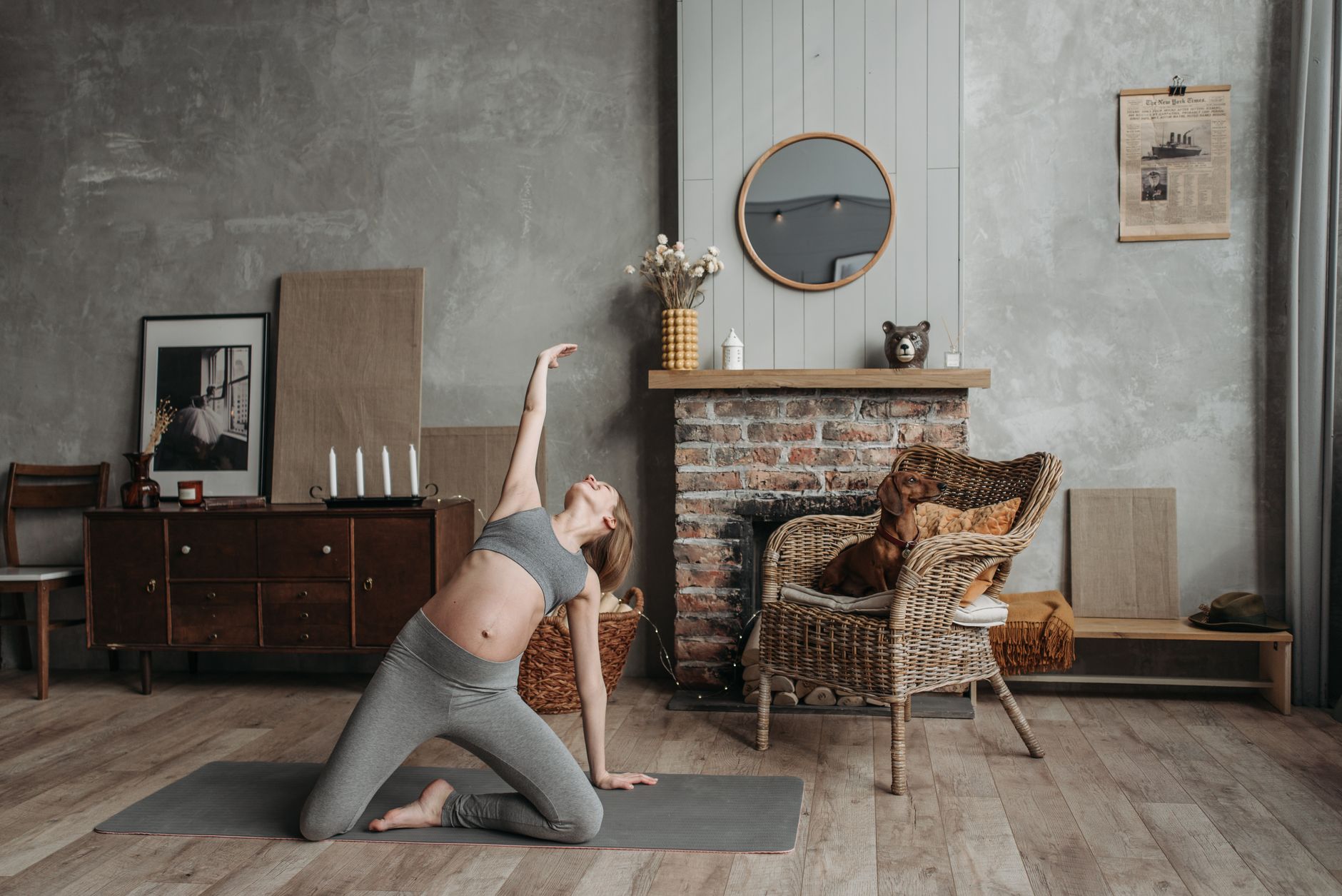
Avoid indoor skydiving during pregnancy. Experts warn of risks like abdominal pressure and falls, especially in the first trimester—safer alternatives exist.
By Shubhra Mishra — a mom of two who turned her own confusion during pregnancy into BumpBites, a global mission to make food choices clear, safe, and stress-free for every expecting mother. 💛
Check whether any food is safe during pregnancy with the BumpBites Food Safety Checker.
Quick verdict: ❌ Best avoided. Indoor skydiving—also called wind-tunnel flying—is not considered safe during pregnancy. The American College of Obstetricians and Gynecologists (ACOG) and the UK’s Royal College of Obstetricians and Gynaecologists (RCOG) both advise against activities that involve sudden changes in air pressure, high wind speeds, or risk of abdominal impact. While the controlled environment reduces some risks compared to outdoor skydiving, the core concerns remain: potential harm to the placenta, risk of falls, and the body’s stress response.
You’re lying in bed at 11 p.m., phone glowing, heart racing. Maybe you’ve already booked that indoor skydiving session for next weekend. Maybe you just stepped out of the wind tunnel and now you’re panicking. Or maybe you’re just wondering if the rush of floating on air is something you’ll have to give up for the next nine months. Take a slow breath. We’re going to walk through exactly what the evidence says, what your OB-GYN would tell you, and what safer ways you can still get that adrenaline kick.
Let’s start with the bottom line: is indoor skydiving safe during pregnancy? The short answer is no—most obstetric experts recommend skipping it. But the reasons why, and what you can do instead, matter just as much. Below, we’ll break down how indoor skydiving works, the specific risks to you and your baby, trimester-by-trimester considerations, and a full list of safer alternatives that still give you that thrill without the worry.
Indoor skydiving safety by trimester
Trimester
Verdict
Notes
First trimester (weeks 1–12)
❌ Avoid
Highest risk window for organ development. Sudden pressure changes and wind force could stress the embryo. Most facilities prohibit participation.
Second trimester (weeks 13–26)
❌ Avoid
Placenta is more established, but abdominal impact or falls remain a risk. Wind speeds up to 120 mph can strain core muscles and pelvic floor.
Third trimester (weeks 27–40)
❌ Avoid
Balance shifts increase fall risk. High wind speeds may trigger Braxton Hicks or stress the placenta. Most facilities refuse service.
Breastfeeding
⚠️ Safe with caution
No direct risk to milk supply, but potential for muscle strain or falls. Wait until fully recovered from birth and cleared by your provider.
What is indoor skydiving?
Indoor skydiving—also called bodyflight or wind-tunnel flying—is a sport that simulates the free-fall experience of outdoor skydiving inside a vertical wind tunnel. A powerful fan generates wind speeds up to 120 mph (193 km/h), enough to lift you off the ground and let you “fly” in a controlled, padded chamber. Participants wear a jumpsuit, helmet, goggles, and earplugs to protect against the noise and wind.
The experience is marketed as safe for most people, including children and beginners. Unlike outdoor skydiving, there’s no parachute, no altitude, and no risk of equipment failure. But the physical demands are real: you’re using your core, arms, and legs to stabilize in a high-speed airstream, and instructors often guide you through flips and turns that require quick reflexes.
For many, it’s a thrilling way to experience the sensation of flight without jumping out of a plane. But when you’re pregnant, the question shifts from “Is it fun?” to “Is indoor skydiving safe during pregnancy?”—and the answer isn’t just about fun anymore.
Indoor skydiving wind tunnels are designed for safety—but pregnancy changes the equation.
Is indoor skydiving safe during pregnancy?
No, indoor skydiving is not considered safe during pregnancy. The American College of Obstetricians and Gynecologists (ACOG) advises pregnant people to avoid activities that involve high wind speeds, sudden changes in air pressure, or risk of abdominal trauma. While indoor skydiving eliminates some risks of outdoor skydiving—like altitude and parachute failure—it introduces others that are just as concerning for a developing pregnancy.
The primary risks include:
Abdominal impact: Even in a controlled environment, falls can happen. A tumble onto the padded floor could still jolt your abdomen, potentially stressing the placenta or uterus.
Wind force: Wind speeds up to 120 mph create significant resistance. Your core muscles must work hard to stabilize, which can strain your pelvic floor and abdominal wall—already under pressure from pregnancy.
Pressure changes: While not as extreme as outdoor skydiving, the rapid air movement can cause minor pressure fluctuations in your body, which may affect blood flow to the placenta.
Stress response: The adrenaline rush triggers your body’s “fight or flight” response, increasing heart rate and blood pressure. While a single spike isn’t dangerous, repeated stress isn’t ideal during pregnancy.
Balance and coordination: Pregnancy shifts your center of gravity, making it harder to control your movements in the wind tunnel. This increases the risk of falls or awkward landings.
Most indoor skydiving facilities have clear policies against allowing pregnant participants. iFLY, one of the largest indoor skydiving chains, states on its website: “For the safety of you and your baby, we do not allow pregnant women to fly.” Other facilities may not explicitly ban it but will ask you to sign a waiver acknowledging the risks—and many OB-GYNs would advise against signing.
If you’re still wondering, is indoor skydiving safe during pregnancy in any trimester?, the answer remains consistent: the risks outweigh the benefits. Even in the second trimester, when many people feel their most energetic, the potential for abdominal impact or muscle strain makes it a no-go.
Is indoor skydiving safe during the first trimester of pregnancy?
No, indoor skydiving is not safe during the first trimester. This is the most critical period for your baby’s development, when organs and systems are forming. The first 12 weeks are when the risk of miscarriage is highest, and any activity that could stress the embryo—like sudden pressure changes, high wind speeds, or risk of falls—is strongly discouraged.
Most indoor skydiving facilities won’t allow you to participate if you’re in your first trimester, even if you don’t yet look pregnant. The wind tunnel’s high speeds can cause your core muscles to tense unexpectedly, which may increase intra-abdominal pressure. While there’s no direct evidence linking indoor skydiving to miscarriage, ACOG recommends avoiding activities that could potentially disrupt early pregnancy.
If you’ve already done indoor skydiving before realizing you were pregnant, try not to panic. A single session is unlikely to cause harm, but it’s worth mentioning to your OB-GYN at your next appointment. They can monitor your pregnancy as usual and reassure you that most early exposures don’t lead to complications.
Can you do indoor skydiving in the second trimester if you have a low-risk pregnancy?
Even with a low-risk pregnancy, indoor skydiving is not recommended in the second trimester. While your baby is more protected by the amniotic fluid and placenta, the risks of abdominal impact, muscle strain, and falls remain. Your center of gravity is shifting, making it harder to control your movements in the wind tunnel, and the high wind speeds can put unexpected pressure on your pelvic floor and core.
Some people feel their strongest during the second trimester and may be tempted to push their limits. But pregnancy isn’t the time to test your physical boundaries. The American Pregnancy Association advises against activities that involve “jarring motions, rapid changes in direction, or risk of falling”—all of which apply to indoor skydiving.
If you’re craving an adrenaline rush, there are plenty of safer ways to get your heart racing without putting your pregnancy at risk. We’ll cover those alternatives later in this article.
Prenatal yoga offers movement and relaxation without the risks of high-impact activities.
What are the risks of indoor skydiving during the third trimester?
The third trimester brings its own set of risks for indoor skydiving. Your belly is larger, your balance is off, and your joints are looser due to the hormone relaxin. Falls become more likely, and even a minor tumble could lead to complications like placental abruption—a serious condition where the placenta separates from the uterine wall before delivery.
The high wind speeds in the tunnel can also trigger Braxton Hicks contractions, which are usually harmless but can be uncomfortable. More concerning, the stress of stabilizing your body in the wind tunnel may increase your risk of preterm labor, especially if you’re already at higher risk.
Most indoor skydiving facilities will refuse service to anyone in their third trimester, and for good reason. The physical demands of the activity—combined with the increased risk of falls and abdominal trauma—make it unsafe for both you and your baby.
If you’re in your third trimester and missing the thrill of movement, focus on low-impact activities like walking, swimming, or prenatal yoga. These keep you active without the risks associated with high-speed or high-impact sports.
Are there any indoor skydiving facilities that allow pregnant women?
Most indoor skydiving facilities have explicit policies against allowing pregnant participants. iFLY, the largest chain in the U.S., states on its website: “For the safety of you and your baby, we do not allow pregnant women to fly.” Other facilities may not have a public policy but will ask you to sign a waiver acknowledging the risks—and many OB-GYNs would advise against signing.
Some smaller or independent wind tunnels might not enforce a strict ban, but this doesn’t mean the activity is safe. Facilities that allow pregnant participants are often prioritizing liability protection over your health. If a facility doesn’t ask about your pregnancy status or doesn’t have a clear policy, that’s a red flag—not a green light.
If you’re unsure about a specific facility’s rules, call ahead and ask. But keep in mind: even if they allow it, the medical consensus is clear. Is indoor skydiving safe during pregnancy? The answer from obstetric experts is a resounding no.
What are safer alternatives to indoor skydiving for pregnant women?
If you’re missing the adrenaline rush of indoor skydiving, don’t worry—there are plenty of ways to get your heart pumping safely during pregnancy. The key is choosing activities that avoid high speeds, sudden pressure changes, and risk of falls. Here are some of the best alternatives, all backed by ACOG and other pregnancy safety organizations:
Prenatal yoga: Gentle on your joints and great for balance and relaxation. Many studios offer classes tailored to pregnancy, focusing on breathing and safe stretching.
Swimming: The buoyancy of water supports your growing belly and reduces joint strain. It’s also a full-body workout that can help relieve swelling and back pain.
Walking: Low-impact, free, and adaptable to any trimester. Aim for 30 minutes a day to keep your heart healthy and your mood lifted.
Stationary cycling: A recumbent bike is especially gentle on your back and pelvis. Avoid outdoor cycling, which carries a risk of falls.
Pilates for pregnancy: Focuses on core strength and pelvic floor stability, which can help prepare your body for labor. Look for classes led by instructors certified in prenatal Pilates.
Low-impact aerobics: Many gyms offer prenatal aerobics classes that keep your heart rate up without jarring movements. Always check with your provider first.
Meditation and breathwork: Not all adrenaline comes from physical activity. Guided meditation or deep-breathing exercises can give you a mental rush without any physical risk.
Gentle stretching: Helps relieve tension and improve circulation. Avoid deep twists or stretches that strain your abdomen.
If you’re looking for something with a little more excitement, consider activities like prenatal dance classes or even a scenic hike on flat terrain. The goal is to stay active while keeping both you and your baby safe.
Does indoor skydiving increase the risk of placental abruption?
Yes, indoor skydiving could increase the risk of placental abruption, especially in the second and third trimesters. Placental abruption occurs when the placenta separates from the uterine wall before delivery, cutting off the baby’s oxygen and nutrient supply. It’s a medical emergency that can lead to preterm birth, stillbirth, or heavy bleeding.
The risk factors for placental abruption include abdominal trauma, sudden pressure changes, and high-impact activities—all of which are present in indoor skydiving. While the padded environment reduces some risks, a fall or sudden jolt in the wind tunnel could still stress the placenta. The high wind speeds may also increase intra-abdominal pressure, which has been linked to placental complications in some studies.
ACOG advises pregnant people to avoid activities that could lead to abdominal trauma, including contact sports, high-speed activities, and anything with a risk of falls. Indoor skydiving checks all three boxes, making it a risky choice for anyone concerned about placental health.
If you experience any signs of placental abruption—such as vaginal bleeding, severe abdominal pain, or contractions—seek medical attention immediately. Early intervention can make a big difference in outcomes.
Can the wind speed in indoor skydiving harm the baby?
The wind speeds in indoor skydiving—up to 120 mph—are strong enough to create significant resistance against your body. While there’s no direct evidence that wind speed alone can harm your baby, the physical strain it puts on your core and pelvic floor muscles could indirectly pose risks.
Here’s how:
Core muscle strain: Stabilizing your body in high winds requires intense engagement of your abdominal muscles. This can increase intra-abdominal pressure, which may stress the uterus or placenta.
Pelvic floor pressure: The force of the wind can push downward on your pelvic floor, which is already under pressure from your growing baby. This could contribute to issues like incontinence or prolapse.
Balance challenges: The wind tunnel’s turbulence can make it hard to stay upright, increasing the risk of falls or awkward landings that could jolt your abdomen.
While your baby is well-protected by amniotic fluid, the indirect effects of high wind speeds—like muscle strain or falls—are reason enough to avoid indoor skydiving during pregnancy. If you’re looking for a way to stay active, opt for low-impact exercises that don’t put this kind of stress on your body.
What do OB-GYNs say about indoor skydiving while pregnant?
OB-GYNs universally advise against indoor skydiving during pregnancy. The American College of Obstetricians and Gynecologists (ACOG) doesn’t have a specific guideline on indoor skydiving, but its broader recommendations on exercise during pregnancy are clear: avoid activities with a risk of abdominal trauma, falls, or sudden pressure changes. Indoor skydiving checks all three boxes.
Dr. Sarah Yamaguchi, an OB-GYN and spokesperson for ACOG, puts it simply: “Pregnancy isn’t the time to take unnecessary risks. Even in a controlled environment, the physical demands of indoor skydiving—high wind speeds, core muscle strain, and risk of falls—make it unsafe for you and your baby.”
The UK’s Royal College of Obstetricians and Gynaecologists (RCOG) echoes this advice, noting that activities involving “rapid changes in direction, high speeds, or risk of collision” should be avoided. While indoor skydiving doesn’t involve collisions, the risk of falls and the physical strain of stabilizing in high winds are enough to make it a no-go.
If you’re unsure about an activity, the best rule of thumb is to ask yourself: Would I do this if I weren’t pregnant? If the answer is no—or if it’s something you’d only do with caution—it’s probably not safe during pregnancy. When in doubt, check with your provider. They can give you personalized advice based on your health history and pregnancy progress.
Adrenaline activities: pregnancy safety at a glance
Activity
Verdict
Notes
Outdoor skydiving
❌ Avoid
Higher risk due to altitude, parachute failure, and uncontrolled landing.
Bungee jumping
❌ Avoid
Sudden jolt can stress the placenta; risk of abdominal trauma.
Roller coasters
❌ Avoid
Rapid acceleration/deceleration and jarring movements pose risks.
Scuba diving
❌ Avoid
Pressure changes can cause gas bubbles in the baby’s bloodstream.
Hot yoga
⚠️ Avoid
Overheating can harm the baby; opt for regular prenatal yoga instead.
Horseback riding
❌ Avoid
High risk of falls and abdominal impact, even for experienced riders.
Downhill skiing
❌ Avoid
Risk of falls and collisions; balance changes increase danger.
Amusement park rides
⚠️ Avoid
Many rides have restrictions for pregnant people; check policies first.
Zip-lining
❌ Avoid
Risk of falls and sudden stops; harness may press on the abdomen.
Parasailing
❌ Avoid
Risk of falls, sudden pressure changes, and harness pressure on the abdomen.
Myth vs. fact
Myth: “Indoor skydiving is safe because it’s controlled and padded.”
Fact: While the environment is controlled, the risks of abdominal impact, muscle strain, and falls remain. The padding reduces injury risk for non-pregnant participants, but it doesn’t eliminate the dangers for you or your baby. Most OB-GYNs and facilities agree: is indoor skydiving safe during pregnancy? The answer is no.
Myth: “If I feel fine after indoor skydiving, it must be safe.”
Fact: Feeling fine doesn’t mean no harm was done. Some pregnancy complications, like placental abruption or preterm labor, may not show symptoms immediately. It’s better to err on the side of caution and avoid activities that could put stress on your body.
Myth: “I can do indoor skydiving in the second trimester because my baby is more protected.”
Fact: While your baby is more developed in the second trimester, the risks of falls, muscle strain, and abdominal impact are still present. ACOG advises against any activity that could lead to trauma, regardless of trimester.
Key takeaways
❌ Indoor skydiving is not safe during pregnancy. Most OB-GYNs and facilities recommend avoiding it due to risks of abdominal impact, falls, and muscle strain.
⚠️ The risks apply to all trimesters. The first trimester is especially critical for development, but the second and third trimesters have their own concerns, like balance changes and placental stress.
🏥 Most facilities prohibit pregnant participants. Even if a facility allows it, the medical consensus is clear: the risks outweigh the benefits.
💡 Safer alternatives exist. Prenatal yoga, swimming, walking, and stationary cycling can give you movement and excitement without the risks.
🚨 Watch for red flags. If you experience vaginal bleeding, severe abdominal pain, or contractions after any activity, call your doctor immediately.
📞 When in doubt, ask your provider. They can give you personalized advice based on your health history and pregnancy progress.
Frequently asked questions
Can you go indoor skydiving while pregnant?
No, you should not go indoor skydiving while pregnant. The risks of abdominal impact, falls, and muscle strain make it unsafe for you and your baby. Most facilities prohibit pregnant participants, and OB-GYNs universally advise against it.
What happens if you go skydiving while pregnant?
If you go indoor skydiving while pregnant, the most immediate risks include falls, muscle strain, and potential stress to the placenta. While a single session is unlikely to cause harm, repeated exposure or a fall could lead to complications like placental abruption or preterm labor. If you’ve already done it, mention it to your OB-GYN at your next appointment.
Is wind tunnel safe during pregnancy?
No, wind tunnels used for indoor skydiving are not safe during pregnancy. The high wind speeds—up to 120 mph—create significant resistance that can strain your core and pelvic floor muscles. The risk of falls and abdominal impact also makes it a risky choice for pregnant people.
Can you skydive in the first 12 weeks of pregnancy?
No, you should not skydive—indoor or outdoor—in the first 12 weeks of pregnancy. This is the most critical period for your baby’s development, and activities that involve sudden pressure changes, high wind speeds, or risk of falls are strongly discouraged. The risk of miscarriage is highest during this time, and it’s best to avoid unnecessary risks.
What extreme sports are safe during pregnancy?
Most extreme sports are not safe during pregnancy, but some low-impact alternatives can give you a similar rush. Safe options include prenatal yoga, swimming, walking, stationary cycling, and low-impact aerobics. Always check with your provider before starting any new activity, and avoid anything with a risk of falls, abdominal trauma, or sudden pressure changes.
Does indoor skydiving cause miscarriage?
There’s no direct evidence that indoor skydiving causes miscarriage, but the risks associated with the activity—such as abdominal impact, muscle strain, and falls—could potentially contribute to early pregnancy loss. ACOG advises avoiding activities that stress the body during the first trimester, when the risk of miscarriage is highest.
Are there any safe adrenaline activities for pregnant women?
Yes! While you’ll need to skip high-speed or high-impact activities, there are plenty of ways to get an adrenaline rush safely. Try prenatal dance classes, scenic hikes, or even a gentle roller coaster (if the facility allows it and you’re in your second trimester). Meditation and breathwork can also give you a mental rush without physical risk. Always check with your provider first.
What do doctors say about indoor skydiving and pregnancy?
Doctors universally advise against indoor skydiving during pregnancy. The American College of Obstetricians and Gynecologists (ACOG) and the UK’s Royal College of Obstetricians and Gynaecologists (RCOG) both recommend avoiding activities with a risk of abdominal trauma, falls, or sudden pressure changes. Indoor skydiving checks all three boxes, making it a no-go for pregnant people.
When to call your doctor
While a single session of indoor skydiving is unlikely to cause immediate harm, some symptoms should prompt you to call your provider right away. Seek medical attention if you experience:
Vaginal bleeding or spotting
Severe abdominal pain or cramping
Contractions or regular tightening of your uterus
Decreased fetal movement (after 28 weeks)
Fluid leaking from your vagina (could indicate ruptured membranes)
Dizziness, fainting, or severe headaches
Swelling in your hands, feet, or face (could signal preeclampsia)
Even if you feel fine, it’s worth mentioning any high-risk activities—like indoor skydiving—to your OB-GYN at your next appointment. They can monitor your pregnancy more closely and reassure you that most one-time exposures don’t lead to complications.
This article is for informational purposes only and is not a substitute for professional medical advice. Always consult your healthcare provider before making decisions about your pregnancy.
References
American College of Obstetricians and Gynecologists (ACOG). (2021). Exercise During Pregnancy. ACOG FAQ.
Royal College of Obstetricians and Gynaecologists (RCOG). (2017). Recreational Exercise and Pregnancy. RCOG Guidance.
American Pregnancy Association. (2020). Exercise During Pregnancy. APA Guidelines.
Mayo Clinic. (2022). Pregnancy and Exercise: Baby, Let’s Move!. Mayo Clinic.
Not sure about the label on Is Skydiving Indoor Safe During Pregnancy products?
Snap the ingredients list and SafeFilter checks every ingredient for your stage — only 3 free scans this month, then you're locked until reset. Unlimited from $7/mo or $50/yr.
When Shubhra Mishra was expecting her first child in 2016, she was overwhelmed by conflicting food advice — one site said yes, another said never. By the time her second baby arrived in 2019, she realized millions of mothers face the same confusion.
That sparked a five-year journey through clinical nutrition papers, cultural diets, and expert conversations — all leading to BumpBites: a calm, compassionate space where science meets everyday motherhood.
Her long-term vision is to build a global community ensuring safe, supported, and free deliveriesfor every mother — because no woman should face pregnancy alone or uninformed. 🌿
🌍 Stand with mothers, shape safer guidance
Join a small circle of experts who review BumpBites articles so expecting parents everywhere can decide with confidence.