

Quick verdict: ❌ Best avoided. Current medical guidance advises pregnant people to steer clear of skullcap tea because of insufficient safety data and potential uterine‑stimulating effects.
It’s 2 a.m., the kitchen light is on, and you’re staring at a steaming mug of herbal tea, wondering, “is skullcap tea safe during pregnancy?” You might have already taken a sip before confirming your pregnancy, or you’re considering it as a calming bedtime ritual. First, take a breath—you’re not alone, and the answer is clearer than you might think.
Overall, most obstetric authorities—including the American College of Obstetricians and Gynecologists (ACOG) and the UK’s National Health Service (NHS)—recommend avoiding skullcap tea throughout pregnancy and while breastfeeding. The herb’s active compounds can cross the placenta, and there’s limited research on its effects on fetal development. Below we’ll break down exactly what the evidence says, how each trimester matters, what amount (if any) might be considered low risk, safer herbal tea options, and which brands to watch for.
In this article you’ll find a quick safety snapshot, dosage guidance, a list of safer alternatives, a comparison with related herbal teas, myth‑busting facts, and answers to the most common questions people ask—like “Can skullcap tea cause uterine contractions?” or “Does it interact with prenatal vitamins?” Let’s get you the information you need to feel confident about what you sip.
| Trimester / Period | Verdict | Notes |
|---|---|---|
| First trimester | ❌ Avoid | Potential uterine stimulation; limited data on organogenesis. |
| Second trimester | ❌ Avoid | Insufficient safety studies; risk of fetal growth impact. |
| Third trimester | ❌ Avoid | Possible effect on labor timing; no proven benefit. |
| Breastfeeding | ❌ Avoid | Active compounds may pass into breast milk; lack of data. |
Skullcap tea is made from the dried leaves or aerial parts of plants in the Scutellaria genus, most commonly Scutellaria lateriflora (American skullcap) or Scutellaria baicalensis (Chinese skullcap). Traditionally, it has been used in herbal medicine for its calming and mild sedative properties, as well as for anxiety, insomnia, and occasional muscle tension. The tea’s key phytochemicals—flavonoids such as baicalin and wogonin—are thought to influence the central nervous system and have antioxidant activity. While many people enjoy skullcap tea for its gentle flavor and soothing effect, the same compounds that may calm the adult brain can also affect uterine muscle tone, which is why clinicians advise caution during pregnancy.
Is skullcap tea safe during pregnancy? The short answer is no, according to the best available guidance. ACOG’s Committee Opinion on herbal supplement use in pregnancy notes that “herbs with known uterine‑contracting activity, such as skullcap, should be avoided” because they can theoretically trigger premature labor or affect fetal development. The NHS similarly lists skullcap among herbs that are “not recommended during pregnancy” due to insufficient safety data. The U.S. Food and Drug Administration (FDA) has not approved skullcap for any pregnancy‑related indication, and the Centers for Disease Control and Prevention (CDC) recommends pregnant individuals limit exposure to unstudied botanicals. While there are a few small animal studies suggesting low‑dose safety, human research is lacking, and the potential for adverse outcomes outweighs any perceived benefit.
Because the first 12 weeks of pregnancy (the first trimester) are when the baby’s major organs are forming—a period called organogenesis—any substance that could interfere with normal development is best avoided. Skullcap’s flavonoids have been shown in vitro to affect calcium channels, which could influence uterine muscle tone. In later trimesters, the concern shifts to possible effects on labor timing and fetal growth. The consensus among obstetric professionals is that the safest route is to forgo skullcap tea entirely and choose well‑studied, pregnancy‑approved herbal teas instead.
Is skullcap tea safe to drink in the first trimester?
During the first trimester, the embryo is most vulnerable to teratogens—agents that can cause birth defects. Because skullcap’s exact impact on embryonic development has not been studied, ACOG and the NHS advise complete avoidance. Even low‑dose consumption may pose a theoretical risk of uterine stimulation, which could increase the chance of miscarriage or affect implantation. If you’ve already had a single cup, most clinicians would likely reassure you that occasional exposure is unlikely to cause harm, but they would still recommend stopping any further intake.
How much skullcap tea is considered safe during pregnancy?
There is no established “safe” amount for pregnant people. The lack of rigorous human studies means that any regular consumption—whether one cup per day or a few cups weekly—cannot be deemed safe. Health agencies therefore advise a precautionary “zero” recommendation. If you have already consumed a small amount unintentionally, note the timing and discuss it with your prenatal provider, but you do not need to panic.
What are the risks of drinking skullcap tea while pregnant?
Potential risks include uterine contractions that could precipitate preterm labor, interference with fetal heart rate regulation, and unknown effects on fetal organ development. Some case reports associate high‑dose skullcap extracts with liver toxicity, though such outcomes are rare and usually involve concentrated supplements rather than a mild tea. Because the herb can also interact with certain medications (see below), the risk profile expands for those taking prescription drugs for hypertension, anxiety, or seizure disorders.
Are there any safe brands of skullcap tea for pregnant women?
Given the overall recommendation to avoid skullcap tea, no brand can be labeled “pregnancy‑safe.” Some manufacturers claim “organic” or “non‑GMO” sourcing, but these attributes do not address the fundamental lack of safety data. If you still wish to use skullcap after consulting your provider, look for brands that provide third‑party testing for contaminants (e.g., USP, NSF) and clearly list the botanical species used. However, the safest choice remains to select an alternative herbal tea that has established safety in pregnancy.
Can skullcap tea cause complications for pregnant women with hypertension?
Skullcap contains compounds that may have mild vasodilatory effects, potentially lowering blood pressure. For women already managing hypertension, this could lead to unpredictable drops in blood pressure, dizziness, or fainting. Moreover, because skullcap can interact with antihypertensive medications (e.g., labetalol, nifedipine), the combination might amplify blood‑pressure‑lowering effects. The ACOG hypertension guideline advises avoiding any herbal supplement that could interfere with prescribed regimens, making skullcap tea a poor choice for this population.
What are safer herbal tea alternatives to skullcap tea during pregnancy?
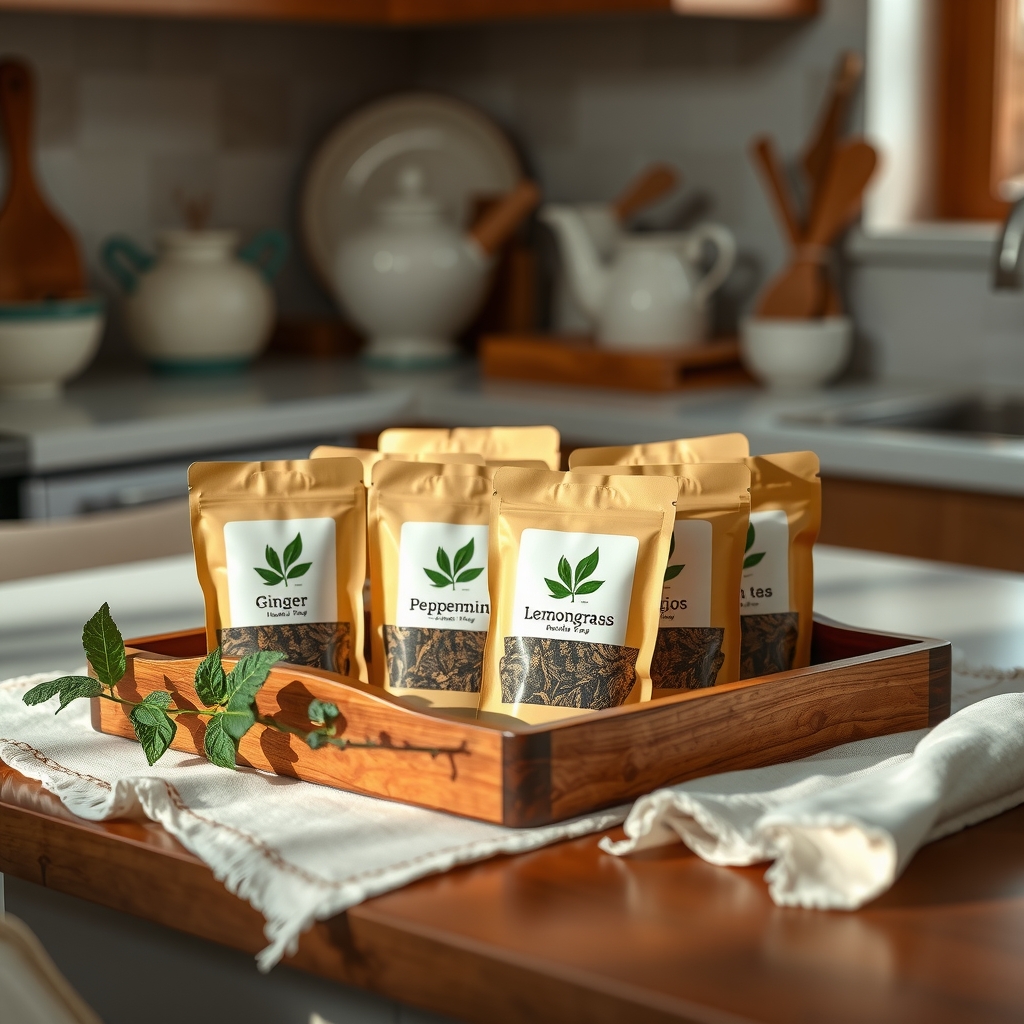
- Ginger tea – helps with nausea and is widely regarded as safe by ACOG.
- Peppermint tea – soothing for digestive discomfort without uterine effects.
- Rooibos tea – caffeine‑free, rich in antioxidants, and pregnancy‑approved.
- Lemongrass tea – mild flavor, but limit to 1–2 cups per day per NHS guidance.
- Fruit infusion tea – blends of dried berries and citrus peel are generally safe.
- Cinnamon tea – adds warmth and can help with blood‑sugar regulation; use in moderation.
Does skullcap tea interact with prenatal vitamins?
Prenatal vitamins contain iron, folic acid, calcium, and various B‑vitamins. Skullcap’s flavonoids can bind to minerals like iron, potentially reducing absorption. While the effect is modest, it could matter for a pregnant person already at risk of iron‑deficiency anemia. Additionally, if you’re taking a prenatal vitamin that includes a small amount of calcium carbonate, skullcap’s mild calcium‑channel activity could theoretically alter calcium balance. The safest approach is to avoid combining the two until more data are available.
Is there any safe dosage of skullcap tea for pregnant women?
Because there is no established safe threshold, the consensus among obstetric authorities is that any regular dosage is discouraged. If you have consumed a single cup before learning you were pregnant, most providers would consider that a low‑risk exposure and advise you simply to stop further consumption. For ongoing use, the recommendation remains “none.”
| Aspect | Guidance | Notes / Brands |
|---|---|---|
| Daily amount | ❌ Avoid | No safe daily amount established. |
| Weekly amount | ❌ Avoid | Even occasional use is not recommended. |
| Recommended brands (if advised by provider) | — | Look for third‑party testing (USP, NSF); none are officially pregnancy‑safe. |
While skullcap tea may be marketed for its calming effects, the potential side effects and unknowns outweigh the benefits during pregnancy. Commonly reported side effects in non‑pregnant adults include drowsiness, mild headache, and occasional gastrointestinal upset. In rare cases, high‑dose extracts have been linked to liver enzyme elevations. For pregnant users, any sign of uterine cramping, unexplained bleeding, or changes in fetal movement should be taken seriously.
Side effects and risks
Uterine stimulation: The most concerning risk is the potential for uterine contractions, which could trigger premature labor or miscarriage, especially in the first trimester.
Liver concerns: While rare, concentrated skullcap extracts have been associated with elevated liver enzymes; the risk from a typical tea is low but not zero.
Allergic reactions: People sensitive to plants in the Asteraceae family may experience itching, rash, or swelling.
Any of the following should prompt an immediate call to your provider: persistent abdominal cramping, vaginal bleeding, sudden drop in blood pressure, or a noticeable change in fetal movement.
Safer alternatives to skullcap tea during pregnancy
- Ginger tea – proven safe for nausea and helps settle the stomach.
- Peppermint tea – gentle on the digestive system and free of uterine‑stimulating compounds.
- Rooibos tea – caffeine‑free, rich in antioxidants, and widely endorsed by obstetric guidelines.
- Lemongrass tea – flavorful and low‑risk when limited to 1–2 cups per day.
- Fruit infusion tea – blends of berries and citrus peel provide a tasty, safe option.
- Cinnamon tea – offers a warm spice note and can aid blood‑sugar regulation; use sparingly.
Related items — safety at a glance
Myth vs. fact
Myth: “Skullcap tea is a natural remedy, so it must be safe for everyone, including pregnant people.”
Fact: Natural does not equal safe. The lack of human pregnancy studies means skullcap tea is not recommended by ACOG or NHS.
Myth: “A single cup won’t hurt the baby.”
Fact: While occasional accidental exposure is unlikely to cause harm, the precautionary principle advises complete avoidance to eliminate any potential risk.
Myth: “If the tea is labeled ‘organic,’ it’s safe for pregnancy.”
Fact: Organic certification addresses pesticide use, not safety for fetal development; skullcap’s pharmacology remains the concern.
Key takeaways
- ❌ The consensus among ACOG, NHS, and FDA is to avoid skullcap tea throughout pregnancy and while breastfeeding.
- No safe dosage has been established; even occasional use is not recommended.
- Potential risks include uterine stimulation, possible preterm labor, and unknown effects on fetal organ development.
- Skullcap may interact with antihypertensive drugs and reduce mineral absorption from prenatal vitamins.
- Safer herbal teas such as ginger, peppermint, rooibos, lemongrass, fruit infusions, and cinnamon are well‑studied and pregnancy‑approved.
- If you’ve already consumed skullcap tea, note the amount and timing, and discuss it with your prenatal provider—but don’t panic.
Frequently asked questions
Can I drink skullcap tea while pregnant?
No. Leading obstetric guidelines advise pregnant individuals to avoid skullcap tea because of insufficient safety data and potential uterine‑stimulating effects.
What are the side effects of skullcap tea during pregnancy?
Possible side effects include uterine cramping, mild dizziness, gastrointestinal upset, and in rare cases, liver enzyme elevation; any sign of bleeding or severe cramping warrants immediate medical attention.
Is skullcap tea safe for breastfeeding mothers?
Breastfeeding providers also recommend avoiding skullcap tea, as its active compounds can pass into breast milk and there is no research confirming safety for infants.
Does skullcap tea cause uterine contractions?
Skullcap contains flavonoids that can affect calcium channels in uterine muscle, theoretically increasing the risk of contractions; this is why it’s discouraged during pregnancy.
How much skullcap tea can I have safely while pregnant?
There is no established safe amount; the precautionary recommendation is to abstain completely from skullcap tea during pregnancy.
Are there any drug interactions with skullcap tea and prenatal vitamins?
Skullcap may reduce absorption of minerals like iron and calcium found in prenatal vitamins and could interact with antihypertensive medications, so it’s best to avoid it altogether.
When to call your doctor
Contact your obstetric provider promptly if you experience any of the following after consuming skullcap tea: persistent abdominal cramping, vaginal bleeding or spotting, sudden drop in blood pressure (feeling faint or dizzy), abnormal fetal movements, or signs of liver trouble such as yellowing of the skin or eyes. This information is intended for educational purposes only and does not replace personalized medical advice.
References
- American College of Obstetricians and Gynecologists. Committee Opinion No. 750: Herbal Supplements in Pregnancy. ACOG, 2020.
- National Health Service (NHS). “Herbal medicines and pregnancy.” UK Government, 2021.
- U.S. Food and Drug Administration. “Guidance for Industry: Botanical Drug Products.” FDA, 2022.
- Centers for Disease Control and Prevention. “Pregnancy and Herbal Supplements.” CDC, 2023.
- World Health Organization. “Traditional Medicine Strategy 2014‑2023.” WHO, 2014.
- Mayo Clinic. “Herbal tea safety during pregnancy.” Mayo Clinic, 2022.

