Safe in small amounts. Skittles are generally safe during pregnancy if eaten occasionally, but limit sugar intake to avoid gestational diabetes or excess weight gain.
By Shubhra Mishra — a mom of two who turned her own confusion during pregnancy into BumpBites, a global mission to make food choices clear, safe, and stress-free for every expecting mother. 💛
Check whether any food is safe during pregnancy with the BumpBites Food Safety Checker.
Quick verdict: ⚠️ Safe with limits – eating a modest amount of Skittles is generally considered okay during pregnancy, but keep it to a small serving and watch added sugars and artificial colors.
It’s 2 a.m., the pantry light flickers, and you’re staring at a bright orange packet of Skittles wondering, “is Skittles safe during pregnancy?” You might have already popped a few, or you’re deciding whether to grab one for a midnight snack. First, take a breath. You’re not alone—many expectant parents have that same late‑night moment of doubt.
In short, the answer is: a small, occasional portion of Skittles is not a red‑flag for most pregnancies, but you’ll want to limit the amount because of sugar, calories, and artificial colors. Below we break down exactly how many you can safely enjoy, what changes (if any) you should make in each trimester, and which alternatives give you a similar sweet fix without the extra concerns.
We’ll also cover the difference between regular and sugar‑free Skittles, the impact of the candy’s artificial dyes, and what reputable bodies like ACOG, the NHS, and the FDA say about candy consumption while pregnant. By the end you’ll have a clear picture, a handy serving guide, and a list of healthier snack swaps.
Keep portion size in mind—one small handful of Skittles is usually enough for a sweet craving.
Trimester / Breastfeeding
Verdict
Notes
1st trimester
⚠️ Safe with limits
Limit to ≤1 serving (≈15‑20 pieces) per day; watch for artificial color sensitivity.
2nd trimester
⚠️ Safe with limits
Same serving guidance; ensure overall sugar intake stays below 10 % of daily calories.
Maternal sugar intake can affect milk composition; keep to occasional treats.
Skittles are a brand of small, round, sugar‑coated candy pieces that come in a variety of fruit flavors. The original version contains sugar, corn syrup, hydrogenated palm kernel oil, citric acid, and a blend of artificial colors (including Red 40, Yellow 5, and Yellow 6). A typical 56‑gram pouch (about 16‑18 pieces) supplies roughly 210 calories, 38 grams of sugar, and 0 grams of fiber or protein. The sugar‑free version swaps sucrose for sucralose and uses the same color palette, but it still contains the same artificial dyes.
Because Skittles are essentially a source of added sugars and non‑nutritive additives, the key safety question isn’t whether the candy itself is toxic, but whether the extra sugar and colorants could contribute to pregnancy‑related concerns such as excess weight gain, gestational diabetes, or fetal exposure to certain food dyes.
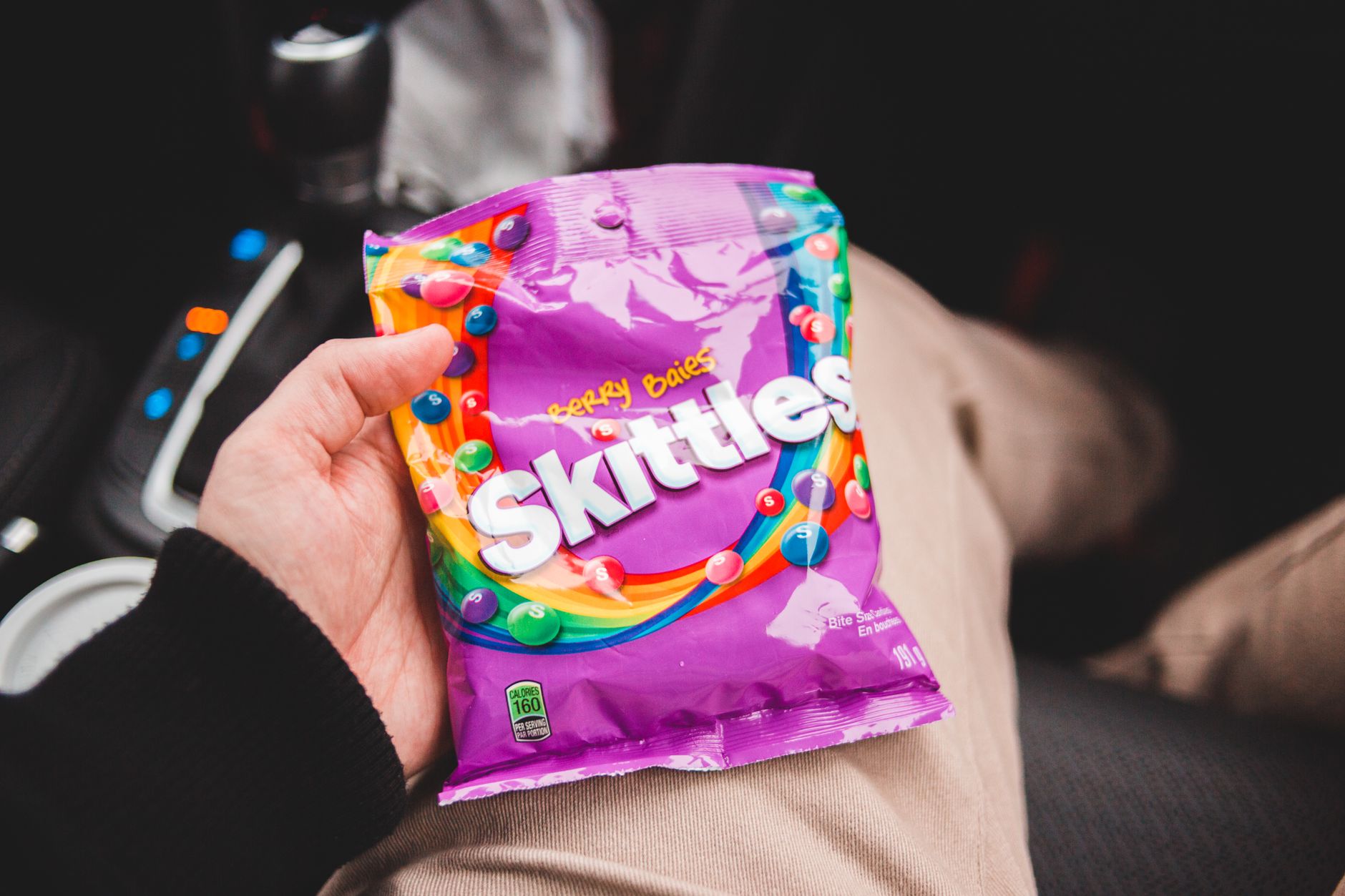
Take a moment to read the label—artificial colors and sugar content are listed right on the front.
Are Skittles safe to eat during the first trimester?
The first trimester is the period of organogenesis, when the baby’s major organs are forming. During this window, obstetric guidelines emphasize avoiding known teratogens (substances that can cause birth defects) and limiting exposure to high‑dose chemicals. Skittles do not contain any recognized teratogens, but the artificial colors—particularly Red 40 and Yellow 5—have generated debate. The FDA permits these dyes for use in food, yet the American Academy of Pediatrics (AAP) recommends that pregnant people limit exposure to artificial colors because of limited data on long‑term neurodevelopmental effects.
ACOG’s nutrition guidance suggests that added sugars should make up less than 10 % of total daily calories. For a 2,200‑calorie diet, that’s roughly 55 grams of sugar per day. One serving of Skittles already provides about 38 grams, leaving little room for other sugary foods. Therefore, during the first trimester, the safest approach is to keep Skittles to a single small serving and pair it with a balanced meal to avoid a spike in blood glucose.
How many Skittles can a pregnant woman safely consume per day?
Current expert consensus from the NHS and the Dietary Guidelines for Americans points to a “moderation” rule for candy. A practical benchmark is one serving (≈15‑20 pieces, or about ½ cup) per day, which translates to roughly 210 calories and 38 grams of sugar. This amount fits within the recommended added‑sugar limit for most pregnant adults when the rest of the diet is low in sugar.
If you have gestational diabetes or are being screened for it, you may need to cut back further. Your prenatal care provider can help you calculate a personalized sugar allowance based on your glucose tolerance test results. In any case, the recommendation is to treat Skittles as an occasional treat rather than a daily habit.
What are the risks of eating Skittles while pregnant?
While Skittles are not a direct teratogen, there are three main concerns:
Added sugar. High sugar intake can contribute to excessive gestational weight gain and increase the risk of gestational diabetes, especially in the third trimester when insulin resistance naturally rises.
Artificial colors. Red 40, Yellow 5, and Yellow 6 are FDA‑approved, yet some studies have linked high intake of these dyes to hyperactivity in children. Pregnant people who are sensitive to food dyes may experience mild allergic reactions or headaches.
Empty calories. Skittles provide little in the way of vitamins, minerals, or fiber, meaning they can displace more nutrient‑dense foods if eaten in large quantities.
Overall, the risk profile is low when consumption stays within the modest serving size recommended by ACOG and the NHS. The biggest red flag arises if you have a pre‑existing condition like gestational diabetes or a known dye allergy.
Is there a difference between original Skittles and sugar‑free Skittles for pregnancy?
Both versions contain the same artificial color blend, so the color‑related considerations are identical. The key difference lies in the sweetener. Regular Skittles use sucrose and corn syrup, whereas sugar‑free Skittles replace these with sucralose, a non‑nutritive sweetener that the FDA considers safe for the general population, including pregnant people.
However, sucralose does not affect blood glucose, which can be a benefit for those monitoring sugar intake. Some research suggests sucralose may alter gut microbiota, but the clinical significance during pregnancy is still unclear. If you’re trying to limit sugar, sugar‑free Skittles are a reasonable alternative—just remember the artificial color issue remains the same.
Can pregnant women eat Skittles with artificial colors?
Yes, but with caution. The FDA has deemed the dyes in Skittles (Red 40, Yellow 5, Yellow 6) safe for the general population at the levels currently used in food. ACOG does not list these colors as contraindicated during pregnancy, but they do advise minimizing unnecessary additives when possible. If you notice any unusual skin rash, hives, or gastrointestinal upset after eating colored candy, it’s wise to stop and discuss the reaction with your provider.
What are healthier candy alternatives for pregnant women?
Fresh fruit – naturally sweet, packed with fiber, vitamins, and antioxidants.
Dried apricots – a chewy, nutrient‑dense snack with iron and potassium.
Organic gummy bears – often made with real fruit juice and fewer synthetic dyes.
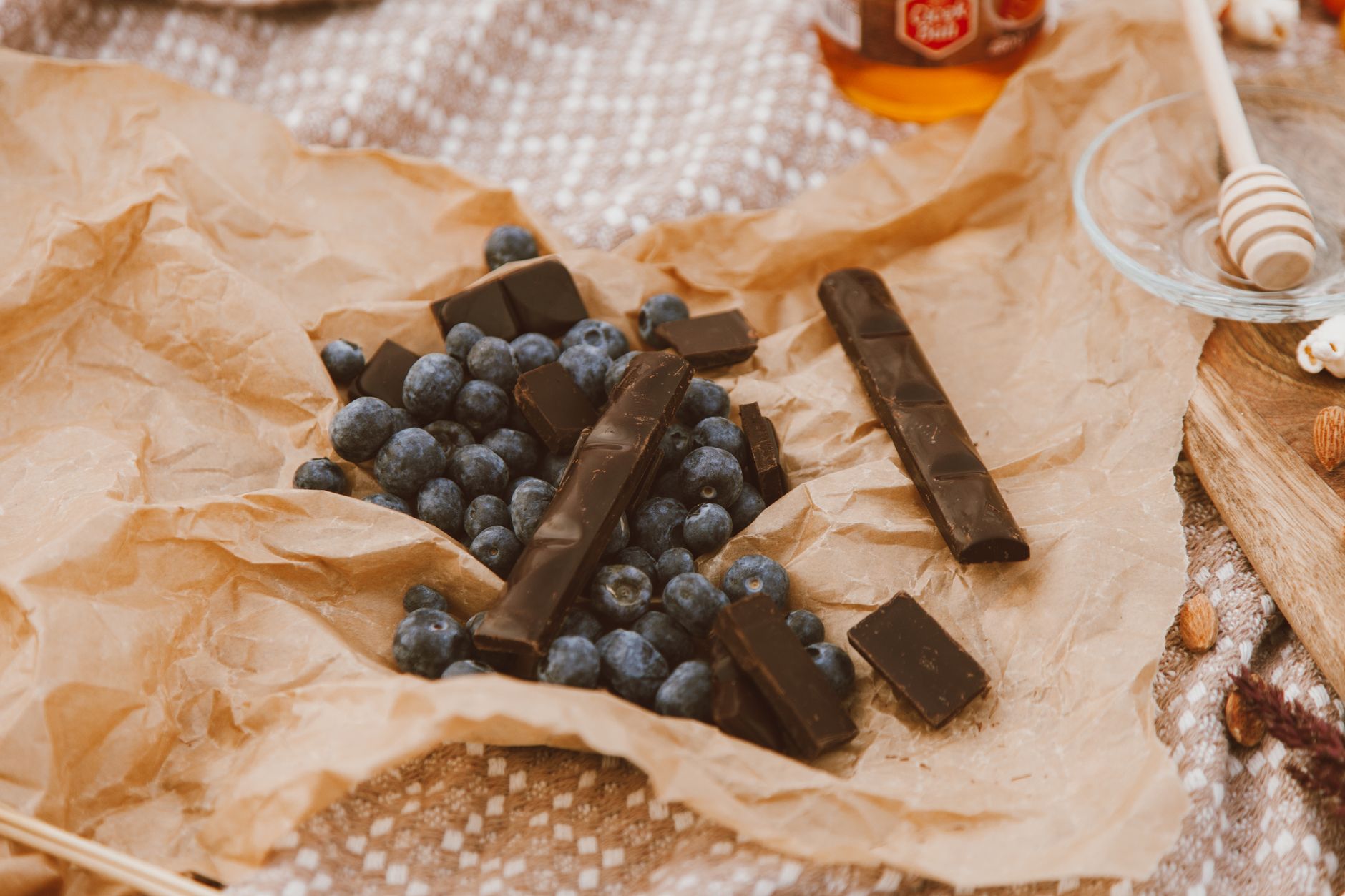
Dark chocolate – provides antioxidants and a lower sugar punch when you choose ≥70 % cocoa.
Yogurt‑covered raisins – combine protein, calcium, and a modest sweetness.
Fruit snacks made with real fruit – typically contain less added sugar than conventional candy.
Honey sticks – a natural sweetener you can drizzle on toast or stir into tea.
Rice cakes – low‑calorie, crunchy, and can be topped with nut butter for added nutrition.
Unsweetened applesauce – a gentle, fiber‑rich option for a quick sweet fix.
Whole grain crackers – provide complex carbs and satiety without the sugar spike.
Do Skittles increase the risk of gestational diabetes?
Gestational diabetes risk is primarily driven by genetics, pre‑pregnancy weight, and overall diet quality. Consuming large amounts of added sugars can exacerbate insulin resistance, especially in the third trimester. A single serving of Skittles is unlikely to cause gestational diabetes on its own, but frequent, high‑sugar snacking could push you over the recommended daily sugar limit, indirectly raising your risk. The NHS advises pregnant people to keep added sugars under 30 grams per day, a target that one Skittles serving already approaches.
Are there any pregnancy complications linked to Skittles consumption?
There is no direct evidence linking Skittles to specific pregnancy complications such as preeclampsia, preterm labor, or birth defects. The main concerns are indirect: excessive calorie intake can contribute to excess weight gain, which is associated with hypertension and preeclampsia; high sugar intake can aggravate gestational diabetes; and artificial colors may trigger mild allergic reactions in sensitive individuals. If you have a history of food‑color sensitivities or a diagnosed metabolic condition, it’s prudent to limit or avoid Skittles.
Consider swapping a handful of Skittles for a piece of fruit or a few organic gummy bears.
Safe dosage / amount / brands
The standard package size for original Skittles in the United States is 56 g (about 15‑18 pieces). Based on ACOG’s recommendation that added sugars stay below 10 % of daily calories, we suggest limiting intake to no more than one half‑package (≈28 g, or 8‑10 pieces) per day, especially if your overall diet includes other sugary foods.
For sugar‑free Skittles, the same portion guidance applies, but you could stretch to a full package (≈56 g) if you’re carefully tracking total added sugars, because the sucralose does not contribute to the sugar count. Nonetheless, keep the artificial color exposure the same—no more than one serving per day.
When choosing a brand, look for the “Original” or “Sour” varieties with clear labeling of ingredients. Avoid any limited‑edition flavors that introduce new dyes or exotic additives without clear safety data. If you have a known sensitivity to a particular color, check the ingredient list for Red 40, Yellow 5, and Yellow 6, and opt for a color‑free alternative.
Side effects and risks
Most people tolerate Skittles without issue, but pregnant individuals should be aware of the following:
Blood‑sugar spikes. A sudden influx of simple sugars can cause a rapid rise in blood glucose, leading to temporary fatigue or cravings.
Allergic reactions. Rarely, artificial dyes can trigger hives, itching, or mild swelling. If you notice these symptoms, stop eating the candy and contact your provider.
Digestive upset. The high sugar and acid content may cause heartburn or mild stomach discomfort, common in pregnancy.
Weight gain. Consistently exceeding your daily calorie goal can lead to excessive gestational weight gain, increasing the risk of hypertension and delivery complications.
These side effects are generally mild, but if you experience persistent nausea, vomiting, or a sudden increase in blood glucose readings after eating Skittles, it’s wise to discuss the pattern with your obstetrician.
Safer alternatives
Fresh fruit – natural sweetness, fiber, and essential vitamins.
Organic gummy bears – often made with real fruit juice and fewer synthetic dyes.
Dark chocolate – antioxidants and a modest sugar content when you choose ≥70 % cocoa.
Yogurt‑covered raisins – protein, calcium, and a gentle sweet flavor.
Fruit snacks made with real fruit – typically contain less added sugar and no artificial colors.
Honey sticks – natural sweetener you can drizzle on toast or stir into tea.
Rice cakes – low‑calorie, crunchy, and can be topped with nut butter for added nutrition.
Unsweetened applesauce – a gentle, fiber‑rich option for a quick sweet fix.
Whole grain crackers – provide complex carbs and satiety without the sugar spike.
Related items — safety at a glance
Item
Verdict
One‑line note
M&M's
⚠️ Safe with limits
Similar sugar content; also contains artificial colors.
Jelly Beans
⚠️ Safe with limits
High sugar; often uses natural or artificial dyes.
Starburst
⚠️ Safe with limits
Chewy, high in added sugars, contains Red 40.
Haribo Goldbears
⚠️ Safe with limits
Gelatin‑based, moderate sugar, uses natural colors in some regions.
Sour Patch Kids
⚠️ Safe with limits
Sour coating adds extra sugar; contains Yellow 5.
Twizzlers
⚠️ Safe with limits
Contains high fructose corn syrup; no artificial colors.
Chocolate chip cookies
⚠️ Safe with limits
Provides some calcium but high in sugar and fat.
Gummy Worms
⚠️ Safe with limits
Similar to gummy bears; often contains the same dyes.
Lifesavers
⚠️ Safe with limits
Hard candy, high sugar, no artificial colors.
Candy Corn
⚠️ Safe with limits
Seasonal, high sugar, contains Yellow 5 and Red 40.
Myth vs. fact
Myth: “All candy is unsafe during pregnancy because of the sugar.”
Fact: Moderate candy consumption is permissible; the key is staying within the recommended added‑sugar limits and choosing options without excessive artificial dyes.
Myth: “Sugar‑free Skittles are completely safe because they have no sugar.”
Fact: While sugar‑free varieties avoid added sugar, they still contain artificial colors and a non‑nutritive sweetener, so they should still be limited.
Myth: “If I’ve already eaten a handful of Skittles, my baby is at risk.”
Fact: One occasional serving does not pose a direct danger; the bigger concern is consistent over‑consumption that could affect blood glucose or weight gain.
Key takeaways
✅ A modest serving (≈8‑10 Skittles) per day is generally safe, but keep total added sugars under 10 % of daily calories.
⚖️ Both original and sugar‑free Skittles share the same artificial color profile; the main difference is sugar vs. sucralose.
🚩 If you have gestational diabetes, a known dye allergy, or notice any rash after eating colored candy, limit or avoid Skittles.
🥗 Opt for healthier sweet snacks—fresh fruit, organic gummy bears, or dark chocolate—to satisfy cravings without excess sugar.
👩⚕️ Always discuss your overall sugar intake with your prenatal provider, especially if you’re being screened for gestational diabetes.
Frequently asked questions
Can I eat Skittles while pregnant?
Yes, you can enjoy Skittles in moderation; limit yourself to about one serving (≈15‑20 pieces) per day and keep total added sugars within recommended limits.
Do Skittles contain any harmful ingredients for pregnancy?
Skittles contain sugar, artificial colors (Red 40, Yellow 5, Yellow 6), and sucralose in the sugar‑free version; none are classified as teratogens, but the dyes and high sugar content warrant moderation.
How many Skittles are safe during pregnancy?
Most experts advise no more than a half‑package (≈8‑10 pieces) per day, which keeps added sugar under the 10 % daily calorie guideline for a typical pregnancy diet.
Are artificial colors in Skittles safe for a developing baby?
Artificial colors used in Skittles are FDA‑approved for the general population, but ACOG and the NHS suggest limiting exposure when possible, especially if you have a known sensitivity.
Is sugar‑free Skittles safer for pregnant women?
Sugar‑free Skittles reduce added‑sugar intake, which can be helpful for blood‑glucose control, but they still contain the same artificial colors, so they should be consumed with the same caution.
What are the side effects of eating candy during pregnancy?
Typical side effects include blood‑sugar spikes, mild heartburn, and, in rare cases, allergic reactions to food dyes; persistent symptoms should be discussed with your provider.
When to call your doctor
If you experience any of the following after eating Skittles, contact your obstetrician or midwife promptly:
Sudden, severe heartburn or persistent nausea that doesn’t improve with usual remedies.
Signs of an allergic reaction such as hives, swelling of the lips or tongue, or difficulty breathing.
Unexpected spikes in blood‑glucose readings (if you’re monitoring glucose at home).
Rapid weight gain beyond the recommended range for your gestational age.
These guidelines are informational only and do not replace personalized medical advice. Always discuss your diet and any concerns with your healthcare provider.
References
American College of Obstetricians and Gynecologists (ACOG). “Nutrition During Pregnancy.” 2023.
National Health Service (NHS). “Healthy eating during pregnancy.” Updated 2022.
U.S. Food and Drug Administration (FDA). “Food Additive Status List.” 2021.
Centers for Disease Control and Prevention (CDC). “Gestational Diabetes.” 2022.
American Academy of Pediatrics (AAP). “Food Additives and Child Health.” 2020.
Dietary Guidelines for Americans, 2020‑2025. U.S. Department of Agriculture & Health and Human Services.
Not sure about the label on Is Skittles Safe During Pregnancy products?
Snap the ingredients list and SafeFilter checks every ingredient for your stage — only 3 free scans this month, then you're locked until reset. Unlimited from $7/mo or $50/yr.
When Shubhra Mishra was expecting her first child in 2016, she was overwhelmed by conflicting food advice — one site said yes, another said never. By the time her second baby arrived in 2019, she realized millions of mothers face the same confusion.
That sparked a five-year journey through clinical nutrition papers, cultural diets, and expert conversations — all leading to BumpBites: a calm, compassionate space where science meets everyday motherhood.
Her long-term vision is to build a global community ensuring safe, supported, and free deliveriesfor every mother — because no woman should face pregnancy alone or uninformed. 🌿
🌍 Stand with mothers, shape safer guidance
Join a small circle of experts who review BumpBites articles so expecting parents everywhere can decide with confidence.