Avoid Skinmedica Retinol during pregnancy due to potential risks to fetal development. Learn why it's crucial to avoid retinoids in all trimesters and discover
By Shubhra Mishra — a mom of two who turned her own confusion during pregnancy into BumpBites, a global mission to make food choices clear, safe, and stress-free for every expecting mother. 💛
Check whether any food is safe during pregnancy with the BumpBites Food Safety Checker.
Quick verdict: ❌ Skinmedica Retinol is best avoided during pregnancy due to its high retinol content, which is a form of vitamin A. Even small amounts can pose risks to fetal development, especially in the first trimester when organs are forming. If you've already used it, don't panic—stop immediately and consult your provider, but avoid it entirely during pregnancy and breastfeeding.
It’s 3:17 a.m., and your phone buzzes with a notification: your Skinmedica Retinol cream is on sale. You reach for it—only to remember the glowing review you saw about retinol during pregnancy. Wait, no—you’re pregnant. Panic sets in. Is Skinmedica Retinol safe during pregnancy? You’ve been using it for months, and now you’re questioning everything. The truth? Retinol—even in "gentle" formulations like Skinmedica’s—isn’t the skincare hero it is for most people. For pregnant women, it’s a no-go, period.
Skinmedica Retinol is a beloved skincare staple for anti-aging and acne, but its active ingredient, retinol, is a form of vitamin A. And vitamin A—especially in high doses—is a teratogen (a substance that can cause birth defects) during pregnancy, particularly in the critical first trimester. The American College of Obstetricians and Gynecologists (ACOG) and the U.S. Food and Drug Administration (FDA) both recommend avoiding topical or oral retinol-based products during pregnancy due to potential risks to fetal development. But what about Skinmedica specifically? And what if you’ve already used it? Let’s break it down—so you can stop worrying and start making safer choices.
This article covers everything you need to know: is Skinmedica Retinol safe during pregnancy? What trimester risks exist? Are there safer alternatives? And what if you’ve already used it? We’ll also compare it to other retinol products so you can make an informed decision. By the end, you’ll know exactly what to do—no more Googling at 3 a.m.
Trimester / Stage
Verdict
Notes
1st Trimester
❌ Best avoided
Highest risk for birth defects. Retinol may interfere with fetal organ development.
2nd Trimester
⚠️ Safe with limits
Still risky; avoid unless prescribed by your provider for a specific condition.
3rd Trimester
⚠️ Safe with limits
Risk remains; consult your provider before use.
Breastfeeding
❌ Best avoided
Retinol may pass into breast milk; avoid unless advised otherwise.
---
What is Skinmedica Retinol?
Skinmedica Retinol is a topical skincare product designed to improve skin texture, reduce wrinkles, and treat acne by promoting cell turnover. The "retinol" in its name refers to a derivative of vitamin A, a powerful ingredient known for its anti-aging and acne-fighting properties. Skinmedica offers several retinol products, including creams and serums, with varying concentrations of retinol to cater to different skin sensitivities.
Retinol works by binding to receptors in skin cells, encouraging the production of collagen and elastin—proteins that keep skin firm and youthful. It also helps unclog pores, making it a go-to for acne-prone skin. However, retinol isn’t just found in skincare; it’s also present in some oral medications and supplements, which is why its safety during pregnancy is a major concern for healthcare providers.
Skinmedica, a brand known for its dermatologist-developed formulations, markets its retinol products as gentle yet effective. But gentleness isn’t the same as safety during pregnancy. The key issue isn’t the brand’s reputation—it’s the ingredient itself. Retinol, regardless of formulation or brand, carries risks when used during pregnancy.
---
Is Skinmedica Retinol safe during pregnancy?
T
he short answer is no. The FDA and ACOG classify retinol as a category C pregnancy risk for oral forms and category D (avoid) for topical forms when used in high doses or during critical developmental windows. This means there’s evidence of potential harm to the fetus, and the benefits do not outweigh the risks for most pregnant women.
Retinol is metabolized into retinoic acid in the body, a compound that plays a role in embryonic development. During the first trimester, when organs are forming, even small amounts of retinoic acid can disrupt this process, leading to birth defects such as cleft palate or neural tube defects. While topical application delivers retinol directly to the skin (rather than systemically), studies suggest it can still be absorbed into the bloodstream in meaningful amounts, especially with frequent or high-concentration use.
Skinmedica Retinol products typically contain retinol concentrations ranging from 0.2% to 1.0%, which are considered "gentle" compared to prescription-strength retinoids like tretinoin (Retin-A). However, gentleness doesn’t equate to safety during pregnancy. The ACOG recommends avoiding all topical retinoids unless absolutely necessary and prescribed by a provider. Even then, the risk-benefit ratio must heavily favor the mother’s health over potential fetal harm.
One common misconception is that "natural" or "gentle" retinol is safe because it’s not a prescription drug. But retinol is retinol—whether it’s in a $50 cream or a $500 serum. The risk isn’t about the price tag; it’s about the biology of vitamin A and its role in fetal development. If you’re pregnant or trying to conceive, it’s best to err on the side of caution and avoid retinol entirely.
For those who’ve already used Skinmedica Retinol before realizing they’re pregnant, the first step is to stop using it immediately. While there’s no need to panic if you used it once or twice, consistent or high-frequency use increases the risk. Your next move? Consult your healthcare provider to discuss your concerns and explore safer alternatives for your skin during pregnancy.
---
Is Skinmedica Retinol safe to use during the first trimester?
The first trimester is the most critical period for fetal development, as major organs and structures form. During this time, exposure to retinol—even in topical form—poses the highest risk of birth defects. The ACOG and FDA both advise against using any retinol products, including Skinmedica Retinol, during the first trimester due to potential teratogenic effects.
Retinol’s mechanism of action involves binding to retinoic acid receptors (RARs) in cells, which are also present in developing embryos. While topical application delivers retinol primarily to the skin, systemic absorption can still occur, especially with frequent use. Studies have shown that even low-dose topical retinoids can cross the placenta and affect fetal development. For this reason, healthcare providers universally recommend avoiding retinol in the first trimester.
If you’ve already used Skinmedica Retinol in your first trimester and are now concerned, take a deep breath. One-time use is unlikely to cause harm, but consistent or high-frequency application could pose risks. Your provider can offer reassurance or additional guidance based on your specific situation. For now, the safest course of action is to discontinue use immediately and explore pregnancy-safe skincare alternatives.
---
Can I use Skinmedica Retinol in the second trimester without risk?
While the risk of birth defects decreases slightly in the second trimester, retinol is still not considered safe for use during pregnancy. The ACOG and FDA continue to recommend avoiding topical retinoids unless there’s a clear medical necessity and your provider has approved it. The second trimester is a time when the placenta is maturing, but retinol can still be absorbed into the bloodstream and potentially affect fetal development.
Some providers may consider prescribing retinol for specific conditions—such as severe acne that could impact maternal health—if the benefits outweigh the risks. However, this is rare and requires close monitoring. For most pregnant women, the risk of using Skinmedica Retinol in the second trimester is not justified, especially since safer alternatives exist.
If you’re struggling with acne or skin concerns during pregnancy, focus on gentle, pregnancy-safe products. Your skin will adjust, and the temporary discomfort of switching to a retinol-free routine is far outweighed by the potential risks to your baby.
---
What is the recommended dosage of Skinmedica Retinol for pregnant women?
There is no recommended dosage of Skinmedica Retinol for pregnant women. In fact, the recommended "dosage" is zero. The ACOG and FDA advise against using any retinol products during pregnancy, regardless of concentration or frequency of use. Even the "gentlest" retinol creams, like Skinmedica’s, are considered unsafe due to the potential for systemic absorption and fetal exposure.
Skinmedica Retinol products typically come in concentrations ranging from 0.2% to 1.0%. While lower concentrations are often marketed as "beginner-friendly," they still contain retinol—a form of vitamin A—and carry the same risks during pregnancy. The key takeaway? Do not use Skinmedica Retinol or any other retinol product while pregnant, and avoid it entirely if you’re trying to conceive.
If you’re curious about the safety of other skincare ingredients, we’ve covered Paula’s Choice Retinol in a previous article, which also falls into the "avoid during pregnancy" category. The bottom line is that retinol, in any form, is a no-go for expectant mothers.
---
Are there safer alternatives to Skinmedica Retinol during pregnancy?
Absolutely! While retinol is off the table during pregnancy, there are plenty of safe and effective alternatives to keep your skin healthy and glowing. Here are some top picks:
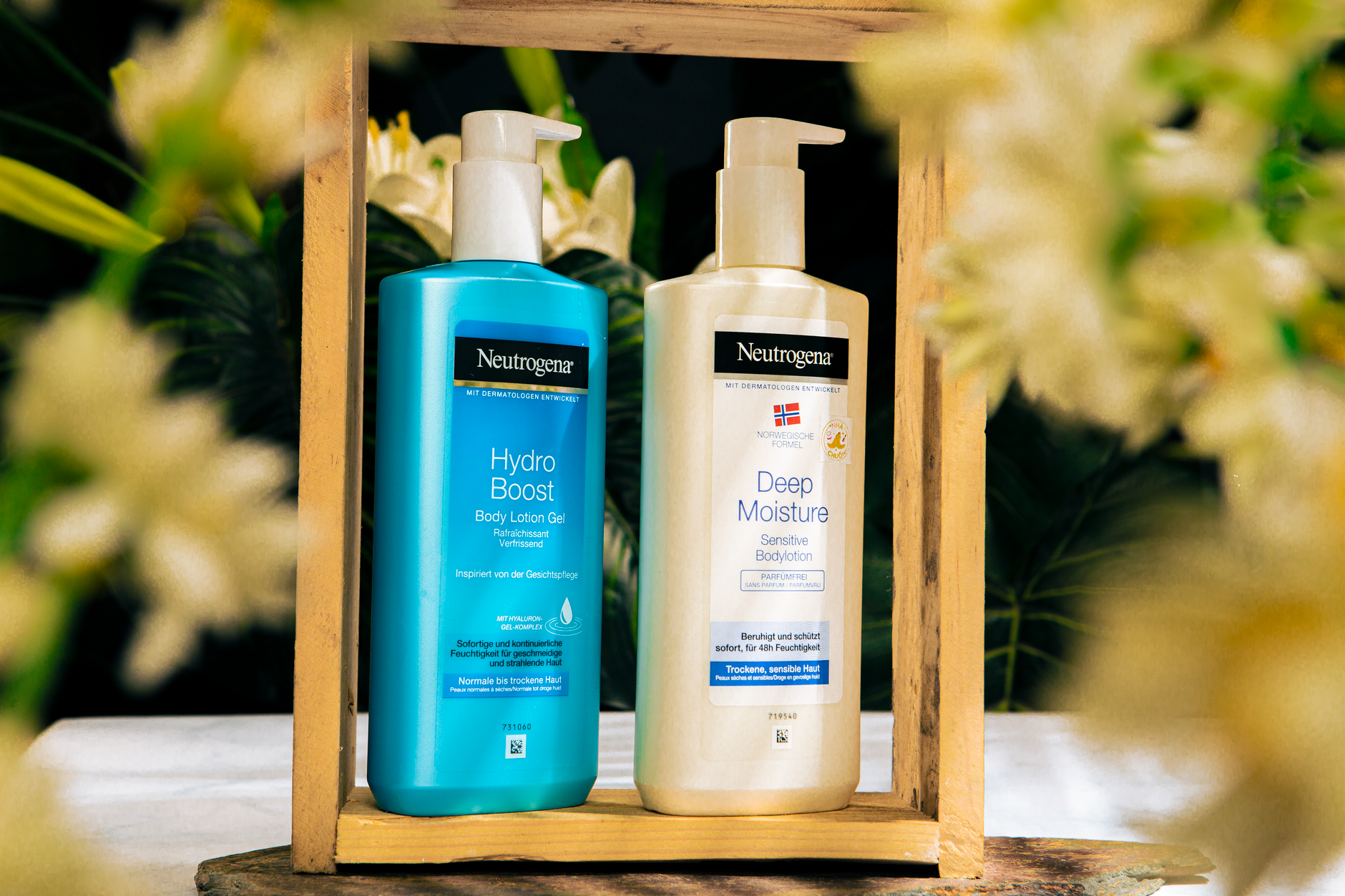
Neutrogena Hydro Boost Water Gel – A hydrating gel that plumps and soothes skin without irritants.
CeraVe Hydrating Cleanser – A gentle, fragrance-free cleanser with ceramides to maintain your skin barrier.
La Roche-Posay Toleriane Double Repair Face Moisturizer – A lightweight moisturizer with niacinamide to calm and hydrate.
Aveeno Positively Radiant Brightening Gel Cream – A gentle, fragrance-free option with natural ingredients to brighten skin.
Vanicream Gentle Facial Cleanser – A hypoallergenic cleanser for sensitive or acne-prone skin.
Cetaphil Gentle Skin Cleanser – A non-comedogenic cleanser that won’t clog pores.
Eucerin Advanced Repair Cream – A nourishing cream with ceramides to restore skin’s moisture.
Bioderma Sensibio H2O – A soothing gel for sensitive skin, free of irritants.
The Ordinary Hyaluronic Acid 2% + B5 – A hydrating serum to plump and refresh skin.
Olay Regenerist Micro-Sculpting Cream – A lightweight moisturizer with peptides to support skin renewal.
These alternatives focus on hydration, soothing, and gentle cleansing—everything you need to keep your skin happy without the risks of retinol. If you’re dealing with acne, consider pregnancy-safe acne treatments like benzoyl peroxide (in low concentrations) or salicylic acid, but always check with your provider first.
---
Which Skinmedica Retinol brands are considered safe for pregnant users?
None of Skinmedica’s retinol products are considered safe for pregnant users. The brand’s retinol creams, serums, and treatments all contain retinol—a form of vitamin A—and are therefore contraindicated during pregnancy. This includes:
Skinmedica Retinol Cream
Skinmedica Retinol Serum
Skinmedica Retinol Refiner
Skinmedica Retinol Concentrate
Even if a Skinmedica product is marketed as "gentle" or "beginner-friendly," the presence of retinol means it’s not safe for pregnancy. If you’re looking for Skinmedica products that are pregnancy-safe, focus on their retinol-free lines, such as:
Skinmedica Ultra Facial Cream
Skinmedica Metacell Renewal Cream
Skinmedica Daily Epithelial Repair Cream
These products are designed to hydrate, repair, and protect skin without the risks associated with retinol.
---
What are the potential side effects of Skinmedica Retinol in pregnancy?
The primary concern with Skinmedica Retinol during pregnancy isn’t just about birth defects—it’s also about potential side effects that could affect both you and your baby. While topical retinol is absorbed in smaller amounts than oral forms, it can still cause:
Skin irritation – Redness, dryness, or peeling, which can be uncomfortable but is not directly harmful to the fetus.
Systemic absorption – Even low doses of retinol can enter your bloodstream and potentially cross the placenta, posing risks to fetal development.
Increased sensitivity to sunlight – Retinol can make your skin more prone to sunburn, which may require extra precautions during pregnancy.
Potential for birth defects – High doses or frequent use may increase the risk of congenital disabilities, such as cleft palate or neural tube defects.
If you’ve used Skinmedica Retinol and are now pregnant, monitor your skin for irritation. If you experience severe redness, swelling, or pain, contact your provider. For most side effects, however, the focus should be on stopping the product and switching to safer alternatives.
---
Does Skinmedica Retinol affect fetal development or birth outcomes?
Yes, Skinmedica Retinol can potentially affect fetal development, particularly in the first trimester when organs are forming. Retinol is metabolized into retinoic acid, a compound that plays a critical role in embryonic development. When exposed to high levels of retinoic acid—even through topical application—there’s a risk of birth defects, including:
Cleft palate or lip
Neural tube defects (e.g., spina bifida)
Cardiac abnormalities
Hearing or vision impairments
While the risk of severe birth defects is higher with oral retinoids (like Accutane), topical retinol can still pose a threat, especially with frequent or high-concentration use. The ACOG and FDA caution against using any retinol products during pregnancy due to these potential risks. If you’re concerned about past use, your provider can offer reassurance or additional testing if needed.
---
Can pregnant women use Skinmedica Retinol for acne treatment?
No, pregnant women should not use Skinmedica Retinol—or any retinol product—for acne treatment. While retinol is effective for acne, its risks during pregnancy far outweigh the benefits. Acne during pregnancy is common and often resolves on its own after delivery. In the meantime, focus on gentle, pregnancy-safe treatments like:
Benzoyl peroxide (low concentration, 2.5% or less) – Safe in moderation and effective for acne.
Salicylic acid (BHA) – A gentle exfoliant that won’t irritate sensitive pregnancy skin.
Topical antibiotics (e.g., clindamycin) – Prescribed by your provider for moderate acne.
Hydrating serums with niacinamide – Helps calm and reduce oiliness without irritation.
If your acne is severe or persistent, consult your provider. They may recommend a pregnancy-safe treatment plan that avoids retinol entirely.
---
How does Skinmedica Retinol compare to other retinoid products for pregnancy safety?
All retinoid products—whether prescription or over-the-counter—carry similar risks during pregnancy due to their vitamin A content. Below is a comparison of Skinmedica Retinol to other popular retinoid products, ranked by safety during pregnancy:
Not a true retinoid; consult provider for pregnancy use.
Vichy LiftActiv Retinol
❌ Best avoided
Retinol cream; avoid during pregnancy.
Murad Retinol Youth Renewal Serum
❌ Best avoided
Retinol serum; not safe for pregnancy.
As you can see, no retinoid product is safe during pregnancy. Even "gentle" retinol creams like Skinmedica’s should be avoided. If you’re curious about other skincare ingredients, we’ve covered Paula’s Choice Retinol and other alternatives in previous articles.
---
Myth vs. Fact
Myth: "Natural retinol is safe during pregnancy because it’s not synthetic."
Fact: Retinol is retinol, whether it’s derived from plants or lab-created. The risk comes from its biological activity in the body, not its source. All forms of retinol carry the same potential for fetal harm.
Myth: "I used retinol before I knew I was pregnant, so it’s too late to worry."
Fact: While one-time use is unlikely to cause harm, consistent or high-frequency use—especially in the first trimester—could pose risks. If you’re concerned, consult your provider for guidance.
Myth: "Skinmedica Retinol is gentle enough to be safe during pregnancy."
Fact: Gentleness doesn’t equal safety. The ACOG and FDA recommend avoiding all retinol products during pregnancy, regardless of concentration or brand.
---
Key Takeaways
Skinmedica Retinol is not safe during pregnancy due to its retinol content, which can affect fetal development.
Avoid it entirely during pregnancy and breastfeeding, even if you’ve used it before.
Stop using it immediately if you’re pregnant and switch to pregnancy-safe alternatives.
First-trimester use carries the highest risk of birth defects, so early discontinuation is critical.
Safer alternatives exist for hydration, acne, and anti-aging without retinol.
Consult your provider if you’re unsure—they can offer personalized advice based on your situation.
Retinol is not safe for acne treatment during pregnancy—opt for gentle, non-irritating options instead.
---
Frequently Asked Questions
Is it safe to use retinol during pregnancy?
No, retinol is not safe during pregnancy. The American College of Obstetricians and Gynecologists (ACOG) and the FDA recommend avoiding all retinol products due to potential risks to fetal development, particularly in the first trimester. Even "gentle" retinol creams like Skinmedica’s should be avoided.
What are the risks of using retinol while pregnant?
The risks of using retinol during pregnancy include birth defects such as cleft palate, neural tube defects, and cardiac abnormalities. Retinol is metabolized into retinoic acid, which can cross the placenta and affect fetal development. Topical use still carries a risk of systemic absorption, especially with frequent application.
Can retinol cause birth defects?
Yes, retinol can cause birth defects, especially when used during the first trimester. High doses or frequent use of retinol products—even topical ones—have been linked to congenital disabilities. The ACOG advises against using retinol during pregnancy to minimize this risk.
When is it safe to start using retinol in pregnancy?
Retinol is never considered safe to use during pregnancy. If you’re planning to start retinol again after pregnancy, wait until you’re no longer breastfeeding and have consulted your provider. The safest approach is to avoid retinol entirely during pregnancy and postpartum until cleared by your healthcare team.
What are the alternatives to retinol for pregnant women?
Pregnant women can opt for hydrating serums like The Ordinary Hyaluronic Acid 2% + B5, gentle cleansers like CeraVe Hydrating Cleanser, or moisturizers with niacinamide like La Roche-Posay Toleriane Double Repair. These alternatives focus on hydration and soothing without the risks of retinol.
Does Skinmedica Retinol contain vitamin A?
Yes, Skinmedica Retinol contains retinol, which is a form of vitamin A. This is why it’s considered unsafe during pregnancy, as vitamin A (in any form) can affect fetal development when used during pregnancy.
Can I use Skinmedica Retinol for acne during pregnancy?
No, you should not use Skinmedica Retinol—or any retinol product—for acne during pregnancy. Acne is common during pregnancy and often improves after delivery. Focus on gentle, pregnancy-safe treatments like benzoyl peroxide (low concentration) or salicylic acid instead.
What dosage of retinol is safe during pregnancy?
There is no safe dosage of retinol during pregnancy. The ACOG and FDA recommend avoiding all retinol products entirely during pregnancy due to potential risks to fetal development. Even low concentrations can pose a threat when used consistently.
---
When to Call Your Doctor
Contact your healthcare provider immediately if you:
Have used Skinmedica Retinol frequently during the first trimester and are concerned about potential risks.
Experience severe skin irritation, redness, or swelling after using retinol.
Have a history of acne or skin conditions that require medical treatment during pregnancy.
Are unsure whether you’ve used retinol before realizing you were pregnant.
Notice any unusual symptoms in yourself or your baby after potential retinol exposure.
While occasional use of retinol before knowing you’re pregnant is unlikely to cause harm, consistent use—especially in the first trimester—may require further evaluation. Your provider can offer personalized advice based on your situation.
This article is for informational purposes only and is not a substitute for professional medical advice. Always consult your healthcare provider before making changes to your skincare routine during pregnancy.
---
Switching to pregnancy-safe skincare doesn’t mean sacrificing results—gentle hydration and soothing ingredients can keep your skin happy.Making the switch to pregnancy-safe skincare can ease anxiety—your skin (and baby) will thank you.Your provider is your best resource for pregnancy-safe skincare—always check before starting (or stopping) a new product.
Not sure about the label on Is Skinmedica Retinol Safe During Pregnancy products?
Snap the ingredients list and SafeFilter checks every ingredient for your stage — only 3 free scans this month, then you're locked until reset. Unlimited from $7/mo or $50/yr.
When Shubhra Mishra was expecting her first child in 2016, she was overwhelmed by conflicting food advice — one site said yes, another said never. By the time her second baby arrived in 2019, she realized millions of mothers face the same confusion.
That sparked a five-year journey through clinical nutrition papers, cultural diets, and expert conversations — all leading to BumpBites: a calm, compassionate space where science meets everyday motherhood.
Her long-term vision is to build a global community ensuring safe, supported, and free deliveriesfor every mother — because no woman should face pregnancy alone or uninformed. 🌿
🌍 Stand with mothers, shape safer guidance
Join a small circle of experts who review BumpBites articles so expecting parents everywhere can decide with confidence.