Safe: sex during third trimester is generally safe, but with some precautions and considerations for dosage and trimester
By Shubhra Mishra — a mom of two who turned her own confusion during pregnancy into BumpBites, a global mission to make food choices clear, safe, and stress-free for every expecting mother. 💛
Check whether any food is safe during pregnancy with the BumpBites Food Safety Checker.
Quick verdict: ⚠️ Talk to your doctor first. Sex in the third trimester is generally okay for most couples, but it depends on your specific pregnancy health, any complications, and comfort level.
It’s 2 a.m., you’re scrolling through articles trying to figure out is sex during third trimester safe, and a sudden worry spikes your heart. You might be wondering if that intimate moment could harm your baby, trigger contractions, or cause discomfort. You’re not alone—many expectant parents have these late‑night questions, especially as the due date draws near. Beyond the physical concerns, maintaining intimacy can be a vital part of a healthy relationship, offering comfort and connection during a time of immense change.
Overall, most obstetric guidelines say that, in an uncomplicated pregnancy, sex in the third trimester is safe and does not increase the risk of preterm labor or affect the baby’s health. However, certain medical conditions (like placenta previa or signs of preterm labor) require you to pause. In this article we’ll break down the safety verdict, discuss which positions are most comfortable, how often you can be intimate, what signs tell you to stop, and safe alternatives that keep the connection alive.
We’ll also cover how to use condoms and pregnancy‑safe sex toys, compare safety across trimesters, and give you a quick‑reference table for related intimacy topics. By the end you’ll have clear guidance—so you can relax, enjoy intimacy, and know exactly when to call your provider.
Beyond the physical, intimacy can boost mood, reduce stress, and strengthen the partnership that will support you both after the baby arrives. Knowing the facts lets you focus on the emotional benefits rather than the “what‑ifs.” Maintaining this connection can be a powerful antidote to the anxieties of late pregnancy, fostering a sense of shared experience and mutual support.
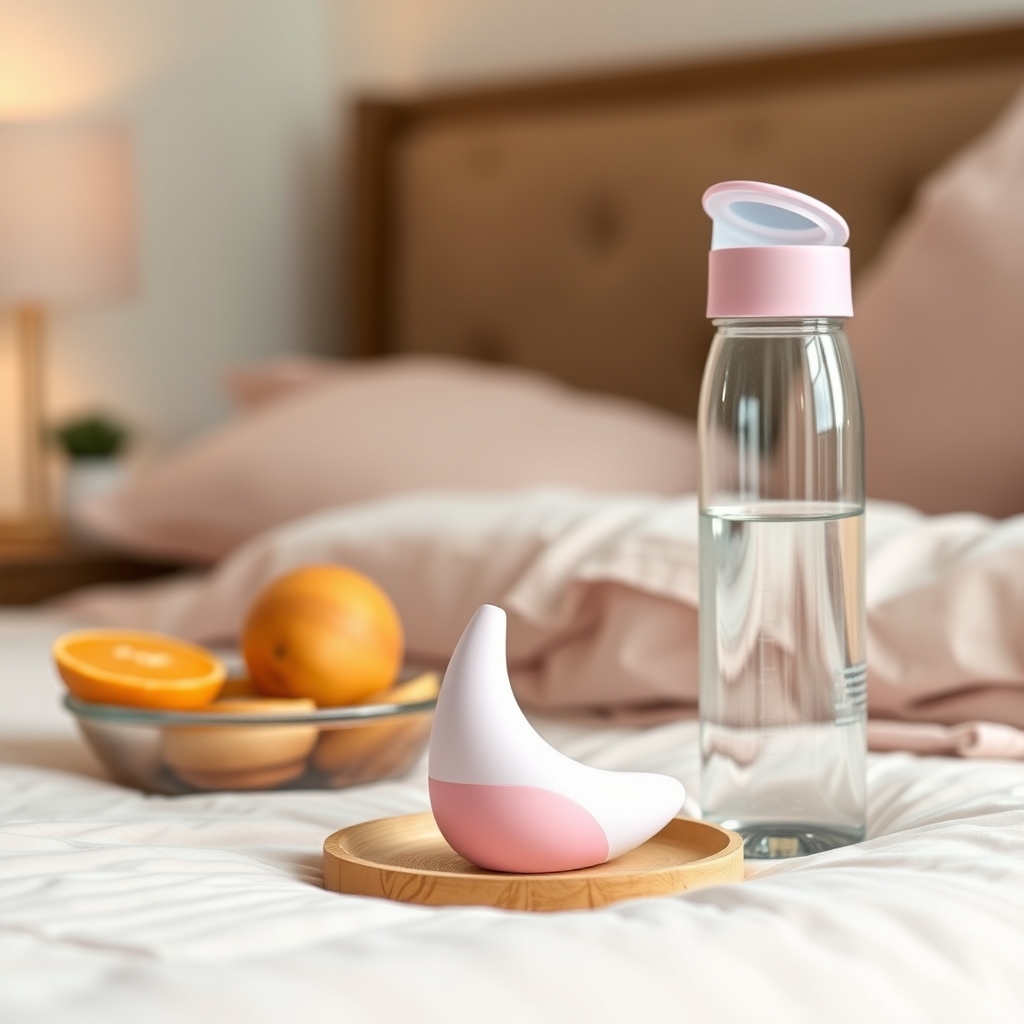
Creating a calm, comfortable space can help make intimacy feel safe and enjoyable in the third trimester.
Trimester
Verdict
Notes
First trimester
✅ Generally safe
Most couples can resume after the first few weeks; avoid positions that increase abdominal pressure.
Second trimester
✅ Generally safe
Comfort improves; still avoid deep pelvic pressure if you have a high‑risk pregnancy.
Third trimester
⚠️ Talk to your doctor
Safe for most, but stop if you have placenta previa, preterm‑labor symptoms, or severe discomfort.
Breastfeeding
✅ Safe
Post‑partum intimacy is usually fine; consider comfort and any perineal healing.
Sex, in the context of pregnancy, simply refers to any consensual sexual activity—including intercourse, oral sex, and manual stimulation—that involves genital contact. The main concern for many is whether the physical act could cause uterine contractions, dislodge the placenta, or otherwise affect fetal well‑being. In most cases, the uterus is well protected by the amniotic fluid and the muscular wall, and the cervix remains tightly closed until labor begins. However, certain conditions (like placenta previa, where the placenta covers the cervical opening) can make sexual activity risky because contact could cause bleeding. Understanding the mechanics helps demystify the worry and lets you make informed choices.
Beyond the physical act, intimacy during pregnancy often evolves. It becomes less about performance and more about connection, comfort, and shared vulnerability. Many couples find that this period strengthens their emotional bond, as they navigate the physical changes and growing anticipation together. Adapting to new ways of being intimate can be a journey of discovery that enriches the relationship before the baby arrives.
Is it safe to have sex in the third trimester of pregnancy?
Yes, for most uncomplicated pregnancies, the answer to is sex during third trimester safe is “generally yes.” The American College of Obstetricians and Gynecologists (ACOG) states that sexual activity does not increase the risk of preterm labor or harm the fetus unless there are specific medical contraindications. The UK’s National Health Service (NHS) echoes this guidance, noting that a baby is protected by the amniotic sac and uterine wall, and that the cervix stays closed until labor. The Centers for Disease Control and Prevention (CDC) also lists normal sexual activity as safe during pregnancy, provided there are no infections or complications.
That said, safety is conditional. If you’ve been diagnosed with placenta previa, preterm‑labor signs, or other high‑risk conditions, your provider will likely advise abstaining or modifying activity. In those cases, the risk of bleeding or triggering contractions outweighs the benefits of intimacy, and a doctor’s personalized advice is essential.
Common misconceptions—such as the belief that a baby will be “jostled” or that a male partner’s sperm can “enter” the uterus—are not supported by scientific evidence. The cervix forms a strong barrier, and the amniotic fluid cushions the fetus. Most research, including a systematic review published in the Journal of Obstetrics and Gynaecology Research, found no increase in adverse outcomes for couples who continued consensual sex throughout the third trimester.
Recent data from a 2022 cohort study published in *Obstetrics & Gynecology* reinforced these findings, showing no statistically significant difference in rates of preterm birth between women who reported regular sexual activity in the third trimester and those who abstained. This adds confidence that, for the majority, intimacy remains a low‑risk part of daily life. Knowing these facts can bring immense psychological peace, empowering you and your partner to make informed decisions without unnecessary fear.
Can you have sex during the third trimester without harming the baby?
For the majority of expectant parents, the answer is yes. The baby’s health is not compromised by sexual activity, because the uterus and amniotic fluid protect the fetus from external pressure. ACOG’s “Physical Activity and Exercise During Pregnancy” statement emphasizes that normal sexual activity is part of a healthy lifestyle and does not cause fetal harm. However, the phrase “without harming the baby” assumes an uncomplicated pregnancy. If you have any of the following, you should discuss activity with your obstetrician:
Placenta previa or low‑lying placenta
History of preterm labor or premature rupture of membranes
Unexplained vaginal bleeding
Severe uterine irritability or cramping
High‑risk conditions such as gestational hypertension or preeclampsia
When these conditions are present, the safest course is to pause intercourse until cleared by your provider. In the absence of such risk factors, most couples can enjoy intimacy without fear of harming the baby.
Beyond the immediate safety considerations, many clinicians note that maintaining a healthy sexual relationship can support pelvic floor strength and improve postpartum recovery. The pelvic floor muscles, when exercised gently through sexual activity, may recover more quickly after delivery, reducing the risk of incontinence later on. This added benefit is another reason why, when cleared, many providers encourage couples to stay connected physically. Moreover, the stress-reducing and mood-boosting effects of intimacy contribute to overall maternal well-being, which in turn supports a healthier environment for the baby's development.
What positions are safest for sex in the third trimester?
Comfort and safety go hand‑in‑hand during the third trimester. As the belly grows, positions that keep pressure off the abdomen and allow the pregnant partner to relax are best. The following positions are commonly recommended by obstetric specialists:
Side‑lying (spooning) – Both partners lie on their sides; this reduces abdominal pressure and is easy on the lower back.
Woman on top – Allows the pregnant partner to control depth and rhythm, minimizing any feeling of pressure.
Edge of the bed – The pregnant partner sits or lies at the edge while the partner stands or kneels, keeping the belly clear.
Modified missionary – Using a pillow under the hips to tilt the pelvis upward can relieve pressure.
Positions that involve deep pelvic thrusting or lying flat on the back should be avoided, especially after 28 weeks, because the uterus can compress major blood vessels (the inferior vena cava) and cause dizziness or reduced blood flow. If you feel any discomfort, pause and try a different position or use pillows for support.
Many couples find that a simple stack of firm pillows—one under the hips and another behind the back—creates a “nest” that maintains alignment and reduces strain on the lower spine. Adding a rolled towel under the knees can also alleviate pressure on the pelvic floor during side‑lying. Open communication with your partner is key here; don’t be afraid to experiment with different angles and supports to find what feels best for both of you as your body continues to change.
How often can pregnant women have sex in the third trimester?
There is no set “dosage” for intimacy. Frequency depends on each couple’s desire, comfort level, and any medical guidance. ACOG notes that sexual activity can continue as often as the couple feels comfortable, provided there are no contraindications. Most clinicians suggest that a typical range—once or twice a week—is perfectly fine, but some couples may have daily intimacy, while others may have it less often.
Key points for frequency:
Listen to your body: If you feel pain, fatigue, or increased contractions, reduce frequency or pause.
Stay hydrated and use plenty of water‑based lubricant to prevent friction.
Communicate openly with your partner about any changes in desire or comfort.
Follow any specific limits your provider may give (e.g., “no intercourse after 36 weeks” if you have a high‑risk pregnancy).
Remember that intimacy isn’t limited to intercourse. Cuddling, eye contact, and gentle touching can be just as meaningful, especially on days when physical energy is low. The “dose” is truly whatever feels right for you both. It's also common for libido to fluctuate during pregnancy due to hormonal shifts, fatigue, or body image changes. Be patient with yourselves and focus on maintaining emotional closeness, even if physical intimacy takes on a different form.
What are the risks of sex during the third trimester?
When there are no complications, the risks are minimal. However, certain scenarios can increase the chance of issues:
Bleeding – If you have placenta previa, sexual activity can cause painless vaginal bleeding, which requires immediate medical attention.
Preterm contractions – While rare, deep pelvic pressure might trigger Braxton‑Hicks contractions. If they become regular or painful, stop and consult your doctor.
Infection – Sex can transmit sexually transmitted infections (STIs) that could affect the baby. Using condoms reduces this risk.
Physical discomfort – Back pain, pelvic pressure, or reduced blood flow can cause dizziness or nausea.
Urinary tract infection – Increased sexual activity can sometimes introduce bacteria into the urinary tract, especially if hygiene is lax. Drinking plenty of water and urinating after intercourse can help prevent UTIs.
Most of these risks are mitigated by choosing comfortable positions, using adequate lubrication, and staying attuned to any warning signs. If you experience any of the symptoms listed in the next section, it’s time to pause and seek guidance. While it’s natural to feel anxious about potential risks, being informed helps you respond proactively without succumbing to unnecessary fear, ensuring both your and your baby's safety.
What about oral sex during the third trimester?
Oral sex is generally considered safe during the third trimester for most uncomplicated pregnancies. However, there are a few important considerations. It's crucial to avoid blowing air into the vagina, as this could potentially cause an air embolism, a rare but serious condition. Additionally, if your partner has a cold sore (herpes simplex virus), avoid oral sex to prevent transmission, as a new herpes infection during pregnancy can be risky for the baby. As with any sexual activity, open communication and good hygiene are key.
Can orgasm trigger labor in the third trimester?
This is a common concern, but in an uncomplicated pregnancy, orgasm is highly unlikely to trigger preterm labor. Orgasm does cause uterine contractions (Braxton-Hicks), and semen contains prostaglandins, which can soften the cervix. However, these effects are generally not strong enough to initiate labor unless your body is already preparing for birth or you have specific risk factors for preterm labor. If you experience strong, regular contractions after orgasm that do not subside, contact your doctor, but for most, it's a normal physiological response.
Is it safe to have sex with twins or multiples in the third trimester?
If you're carrying twins or multiples, the guidance on sex in the third trimester can be more conservative. Pregnancies with multiples are generally considered higher risk for preterm labor. While some providers may clear you for sexual activity, many will recommend abstaining, especially as you get closer to your due date, or if there are any signs of cervical changes, growth restrictions, or other complications. Always have a direct conversation with your obstetrician about your specific situation to get personalized advice.
Are there any signs that indicate you should stop having sex in the third trimester?
Yes. While occasional mild cramping is common, certain signs should prompt you to stop and call your provider:
Vaginal bleeding or spotting
Sudden, strong uterine contractions that become regular (more than a few minutes apart)
Severe abdominal pain or a feeling of “pressure” that doesn’t subside
Fluid leakage (possible rupture of membranes)
Persistent headache, vision changes, or sudden swelling (possible preeclampsia signs)
Any feeling of dizziness or faintness
If any of these occur, pause activity, lie down, and contact your obstetrician or go to the nearest emergency department. Early evaluation can prevent complications.
It can be tricky to differentiate normal Braxton‑Hicks (which are usually irregular and mild) from concerning contractions. Braxton‑Hicks often feel like a tightening that comes and goes, whereas true labor‑type contractions become progressively stronger, last longer, and occur at regular intervals. When in doubt, a quick phone call to your provider can provide reassurance. It's always better to err on the side of caution and get professional advice than to worry unnecessarily.
What alternatives to sex are safe for couples in the third trimester?
Cuddling – Physical closeness without pressure on the abdomen maintains intimacy.
Mutual masturbation – Allows both partners to experience pleasure while staying comfortable.
Sensual massage – A gentle back or foot massage can relieve pregnancy aches and promote bonding.
Kiss and cuddle sessions – Simple, low‑effort ways to stay connected.
Using a pregnancy‑safe vibrator – Choose a small, body‑safe device that can be used externally; avoid deep internal penetration.
Watching erotic movies together – Keeps the mood intimate without physical strain.
These alternatives keep the emotional connection alive while respecting any physical limitations you might have in the third trimester. Even simple gestures like holding hands, whispering, or sharing a favorite playlist can reinforce intimacy when the body needs a break. Embracing these alternative forms of intimacy can deepen your emotional bond, fostering a sense of understanding and partnership that extends beyond physical intercourse.
Can a pregnant woman use condoms safely in the third trimester?
Absolutely. Condoms are safe and recommended, especially if there is any risk of STIs. They also help reduce friction, which can be uncomfortable when vaginal lubrication decreases later in pregnancy. Latex or polyisoprene condoms are fine; just avoid those with spermicidal lubricants that contain nonoxynol‑9, as it can irritate sensitive vaginal tissue. If you’re allergic to latex, opt for a polyurethane or nitrile condom. The FDA classifies condoms as a Class II medical device, confirming their safety for use throughout pregnancy.
When it comes to lubricants, water‑based options are generally the safest choice because they don’t degrade latex. Silicone‑based lubricants last longer and are also safe with most condoms, but always check the label to ensure compatibility. Avoid oil‑based products (like petroleum jelly) as they can weaken latex and increase the risk of breakage. Additionally, condoms can help with general hygiene, preventing the introduction of bacteria or semen into the vagina, which can sometimes contribute to UTIs or pH imbalances, especially if you are prone to them.
Choosing a small, body‑safe vibrator can add a new dimension to intimacy without pressure on the belly.
Safe dosage/amount/brands
Because sex is not a medication, “dosage” refers to the frequency and duration of activity that feels comfortable. Most experts recommend limiting each session to 15‑30 minutes if you’re experiencing fatigue or back pain, and to pause if you feel any uterine tightening. There are no brand restrictions for condoms or lubricants, but the following guidelines can help you choose safe products:
Product type
Recommended brand
Why it’s safe
Latex condom
Durex, Trojan
FDA‑approved, no spermicidal irritants
Polyurethane condom
Skyn
Latex‑free, suitable for latex allergies
Water‑based lubricant
Astroglide, Sliquid H2O
Gentle, non‑oil, does not affect condom integrity
Silicone‑based lubricant
Swiss Navy, Pjur
Long‑lasting, safe with condoms (check label)
Pregnancy‑safe vibrator
Lelo Luna, We‑Vibe Melt
Medical‑grade silicone, no strong vibrations that could cause uterine stress
Always read product labels for “pregnancy‑safe” or “body‑safe” language, and avoid any devices that claim to “stimulate the uterus” or have large, hard inserts. Cleaning your sex toys with mild soap and warm water after each use also prevents bacterial growth that could lead to infections. Store them properly to maintain their integrity and ensure they remain safe for use.
Side effects and risks
Most side effects are mild and stem from physical discomfort rather than fetal harm. Common issues include:
Increased vaginal dryness – Hormonal changes can reduce natural lubrication; a water‑based lubricant helps.
Back or pelvic pain – Adjusting positions or using pillows can alleviate strain.
Light spotting – Occasionally occurs after intercourse; if it’s more than a few drops or persists, call your provider.
Serious risks are rare but require immediate medical attention:
Heavy bleeding – Could signal placenta previa or a placental abruption.
Severe cramping or regular contractions – May indicate preterm labor.
Fluid leakage – Possible premature rupture of membranes.
If any of these serious signs appear, stop activity, lie down, and contact your obstetrician or go to the nearest emergency department. While occasional discomfort can be distressing, it rarely indicates a threat to the baby when the pregnancy is uncomplicated.
Maintaining open communication with your partner about any discomfort can also help reduce anxiety. A supportive environment often eases the physical sensations and lets you focus on the emotional connection rather than worry. Remember, your body is undergoing significant changes, and it's normal for intimacy to feel different; patience and understanding are key.
Safer alternatives
Cuddling – Keeps you close without any pressure on the belly.
Mutual masturbation – Allows both partners to explore pleasure safely.
Sensual massage – Relieves pregnancy aches and promotes bonding.
Kiss and cuddle sessions – Simple, intimate, and low‑effort.
Pregnancy‑safe vibrator – External stimulation that avoids deep penetration.
Watching erotic movies together – Sparks desire without physical strain.
Planning intimacy in advance can be especially helpful if you’re dealing with fatigue or limited mobility. Setting aside a “date night” where you focus on non‑sexual affection first—like a warm bath, a favorite snack, or a movie—creates a relaxed atmosphere that often leads to natural, low‑pressure intimacy later on. These alternatives aren't just substitutes; they are valuable ways to maintain and deepen emotional connection, which is crucial for both partners as you prepare for parenthood.
Related items — safety at a glance
Item
Verdict
Note
Sex during first trimester
✅ Generally safe
Most couples can resume after the first few weeks; avoid deep pressure if spotting.
Sex during second trimester
✅ Generally safe
Comfort improves; still avoid positions that compress the abdomen.
Sex during pregnancy overall
✅ Generally safe
Uncomplicated pregnancies have no increased risk.
Sex after childbirth
✅ Safe
Usually cleared after 4‑6 weeks, depending on perineal healing.
Sex with placenta previa
❌ Best avoided
Risk of severe vaginal bleeding.
Sex with risk of preterm labor
⚠️ Talk to your doctor
May need to limit activity based on provider guidance.
Sex with gestational hypertension
⚠️ Talk to your doctor
Monitor blood pressure; avoid positions that elevate heart rate excessively.
Myth vs. fact
Myth: Sex can cause your baby to be born early.
Fact: In an uncomplicated pregnancy, sexual activity does not increase the risk of preterm birth (ACOG).
Myth: The baby can feel every movement during intercourse.
Fact: The uterus and amniotic fluid cushion the fetus, and the cervix stays closed until labor; the baby does not feel the motion.
Myth: You must stop sex after 36 weeks.
Fact: Most providers allow sex up to labor unless specific complications arise; always follow individualized medical advice.
Key takeaways
For most uncomplicated pregnancies, sex in the third trimester is generally safe.
Avoid intercourse if you have placenta previa, preterm‑labor signs, or significant bleeding.
Side‑lying, woman‑on‑top, and edge‑of‑bed positions reduce abdominal pressure.
Frequency is personal—listen to your body and adjust as needed.
Use condoms and water‑based lubricants for added safety and comfort.
Safe alternatives like cuddling, mutual masturbation, and gentle massage keep intimacy alive.
Oral sex is generally safe, but avoid blowing air into the vagina and practice good hygiene.
Orgasm is unlikely to trigger labor in an uncomplicated pregnancy.
Frequently asked questions
Is it safe to have sex in the third trimester?
Yes, for most couples with an uncomplicated pregnancy, sex in the third trimester is safe, though you should avoid it if you have placenta previa, preterm‑labor symptoms, or severe discomfort.
Can sex cause preterm labor in the third trimester?
In general, normal sexual activity does not trigger preterm labor; however, deep pelvic pressure or vigorous activity might provoke contractions in women already at risk, so follow your provider’s guidance.
What positions are safe for sex during the third trimester?
Side‑lying (spooning), woman‑on‑top, and the edge‑of‑the‑bed position are recommended because they minimize abdominal pressure and improve comfort.
How often can I have sex in the third trimester?
There’s no set limit—frequency should be based on your comfort and any medical advice; many couples find once or twice a week works well, but daily intimacy is also fine if you feel good.
Should I stop having sex after 36 weeks?
Not necessarily—most obstetricians allow sex up to labor unless you have a specific complication; always check with your provider if you’re unsure.
What are the signs that sex is unsafe during pregnancy?
Stop immediately and call your doctor if you notice vaginal bleeding, strong regular contractions, severe abdominal pain, fluid leakage, or any signs of preeclampsia such as sudden swelling or headaches.
Is it okay to use a vibrator during the third trimester?
Yes, a small, body‑safe vibrator used externally is fine; avoid deep internal devices that could apply pressure to the uterus.
Can I have sex if I have a C‑section scar?
Most women with a healed C‑section scar can resume sexual activity once their doctor clears them, typically after 4‑6 weeks, but you should avoid pressure directly on the incision site until it’s fully healed.
Is it safe to have sex after a miscarriage?
After a miscarriage, doctors usually advise waiting until any bleeding stops and the cervix closes, often a few weeks, before resuming intercourse; follow your provider’s specific timeline for safety.
Can oral sex cause problems during the third trimester?
Oral sex is generally safe, but ensure your partner doesn't blow air into the vagina, and avoid it if your partner has an active cold sore to prevent herpes transmission to you or the baby.
Will orgasm induce labor in the third trimester?
While orgasm causes uterine contractions, it's highly unlikely to induce labor in an uncomplicated pregnancy. These contractions are usually Braxton-Hicks and do not progress to true labor unless your body is already preparing for birth.
When to call your doctor
If you experience any of the following after sexual activity, contact your obstetrician right away:
Vaginal bleeding or spotting that doesn’t stop within a few minutes
Regular, painful uterine contractions (more than one every 10 minutes)
Severe abdominal or pelvic pain
Sudden fluid leakage (possible water‑breaking)
Signs of preeclampsia: severe headache, visual changes, rapid swelling, or high blood pressure
These symptoms could indicate a complication that needs prompt evaluation. The information in this article is for educational purposes only and does not replace personalized medical advice. Always discuss any concerns with your health care provider.
References
American College of Obstetricians and Gynecologists. “Physical Activity and Exercise During Pregnancy.” ACOG Committee Opinion No. 804, 2020.
National Health Service (NHS). “Sex during pregnancy.” Updated 2023.
Centers for Disease Control and Prevention (CDC). “Pregnancy and Sexual Activity.” 2022.
Food and Drug Administration (FDA). “Condoms: Classification and Safety.” 2021.
Journal of Obstetrics and Gynaecology Research. “Sexual activity and pregnancy outcomes: a systematic review.” 2019.
World Health Organization (WHO). “Guidelines on preventing sexually transmitted infections in pregnancy.” 2020.
American Academy of Pediatrics (AAP). “Sexual health and pregnancy.” 2022.
Mayo Clinic. “Pregnancy hormones and sexual desire.” Accessed 2024.
Obstetrics & Gynecology. “Sexual activity and preterm labor: a cohort study.” 2022.
Not sure about the label on Is Sex During Third Trimester Safe products?
Snap the ingredients list and SafeFilter checks every ingredient for your stage — only 3 free scans this month, then you're locked until reset. Unlimited from $7/mo or $50/yr.
When Shubhra Mishra was expecting her first child in 2016, she was overwhelmed by conflicting food advice — one site said yes, another said never. By the time her second baby arrived in 2019, she realized millions of mothers face the same confusion.
That sparked a five-year journey through clinical nutrition papers, cultural diets, and expert conversations — all leading to BumpBites: a calm, compassionate space where science meets everyday motherhood.
Her long-term vision is to build a global community ensuring safe, supported, and free deliveriesfor every mother — because no woman should face pregnancy alone or uninformed. 🌿
🌍 Stand with mothers, shape safer guidance
Join a small circle of experts who review BumpBites articles so expecting parents everywhere can decide with confidence.