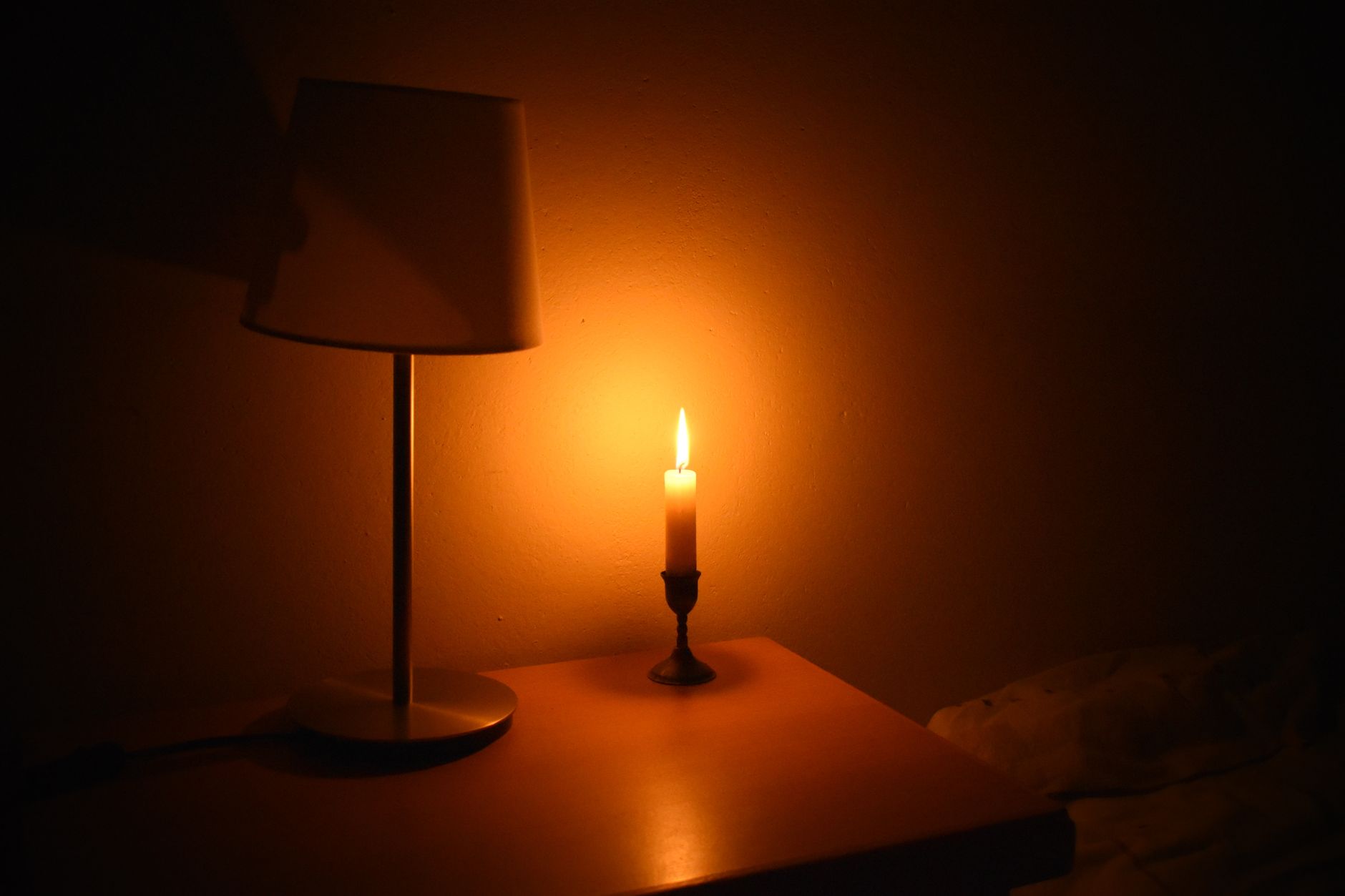
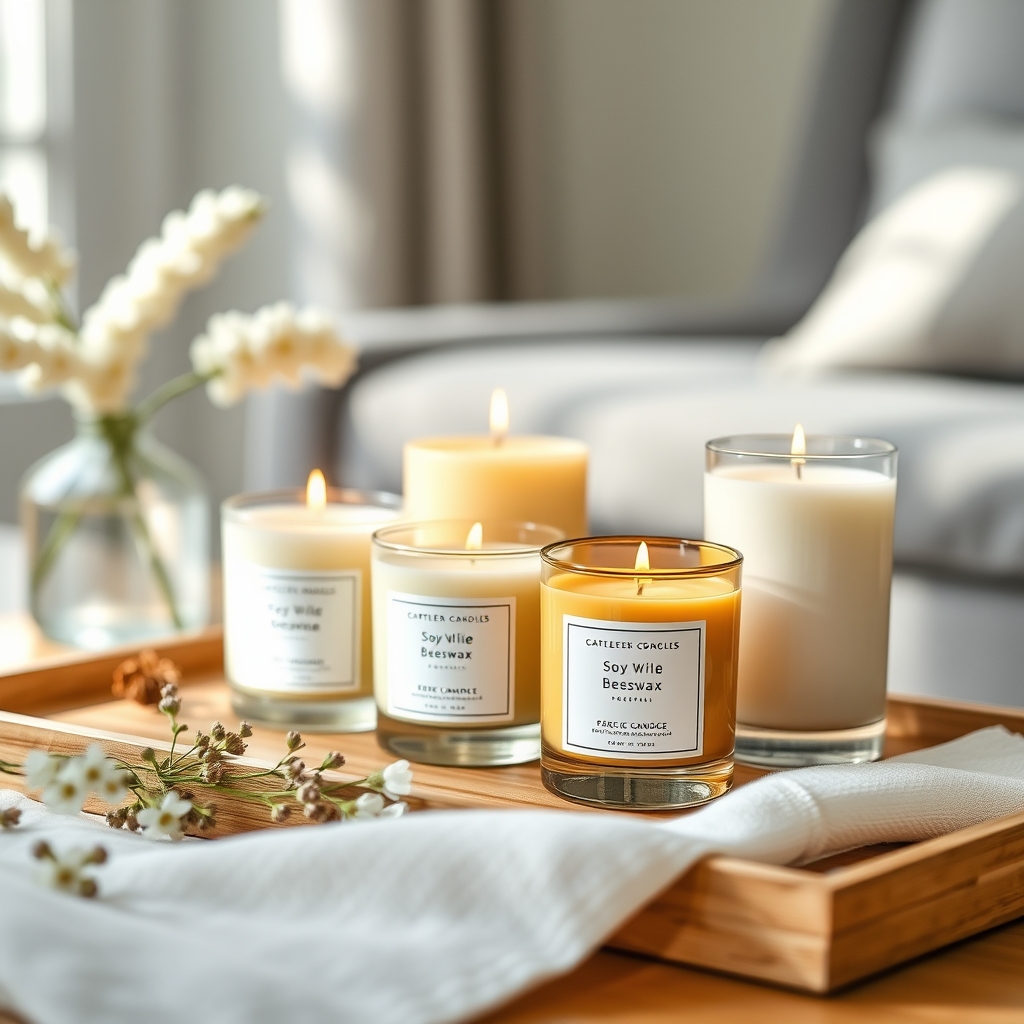
Safe: Scented candles are generally safe during pregnancy when used in well‑ventilated rooms and limited to 1–2 hours per day, especially in the second trimester.
By Shubhra Mishra — a mom of two who turned her own confusion during pregnancy into BumpBites, a global mission to make food choices clear, safe, and stress-free for every expecting mother. 💛
Check whether any food is safe during pregnancy with the BumpBites Food Safety Checker.
Quick verdict: ⚠️ Talk to your doctor first. Scented candles can be used in moderation, but the safest approach is limited exposure, especially if you have asthma, sensitivities, or are in the first trimester.
It’s 2 a.m., the house is quiet, and a soft glow from a scented candle on the nightstand catches your eye. You wonder, “is scented candles safe during pregnancy?” You’re not alone—many expectant parents worry about the fragrance drifting through the air while they’re trying to get a good night’s sleep. The short answer is that most scented candles are not outright dangerous, but there are important limits, especially in the early weeks of pregnancy and if you have respiratory conditions.
In this article we’ll break down the current guidance from leading health authorities such as ACOG, the NHS, and the FDA. You’ll learn what the research says about fragrance exposure, how many candles you can safely burn, what ingredients to watch out for, and which brands tend to be the safest. We’ll also explore gentler alternatives for creating a cozy ambiance without the potential risks.
Beyond the chemistry, we’ll touch on how indoor air quality, personal sensitivities, and even the type of scent you choose can influence comfort and safety. Whether you’re already lighting a candle or simply curious, we’ve got the facts you need to make an informed decision.
Stage
Verdict
Notes
First trimester
⚠️ Talk to your doctor
Limit exposure; avoid strong fragrances and long burn times.
Second trimester
✅ Generally safe with limits
Short burns (≤1 hour) and good ventilation are recommended.
Third trimester
✅ Generally safe with limits
Same precautions as second trimester; monitor for nausea.
Breastfeeding
✅ Generally safe
Maintain good airflow; avoid heavily scented or smoky candles.
We’ll also compare scented candles to other common home‑fragrance options, so you can decide what feels right for you and your growing baby.
Choosing a candle with a mild scent and burning it in a well‑ventilated room can help keep the air fresh.
What is a scented candle?
Scented candles are wax blocks—commonly made from paraffin, soy, beeswax, or a blend—infused with fragrance oils and a wick that, when lit, releases both light and aroma. The fragrance comes from a mixture of essential oils, synthetic aroma compounds, or a combination of both. When the wax melts, volatile molecules evaporate into the air, creating the characteristic scent. People use scented candles for relaxation, mood‑setting, masking odors, or simply to create a cozy atmosphere.
Modern scented candles often contain additional additives such as dyes, stabilizers, and sometimes “phthalates” to help bind fragrance to the wax. The type of wax influences burn time and the amount of soot produced: paraffin, a petroleum product, can release more soot than soy or beeswax, while soy tends to burn cooler and cleaner. The wick may be cotton, wood, or a blend, and some wicks are coated with metal to keep them upright.
Because the fragrance is released as airborne particles, concerns arise about inhalation exposure—especially for pregnant individuals whose respiratory and immune systems are already adapting. Understanding how these ingredients interact with the body helps determine whether they pose any real risk.
In addition to health considerations, many consumers now look at the environmental footprint of candles. Soy and beeswax are renewable resources, whereas paraffin is derived from fossil fuels. Choosing a sustainably sourced wax can reduce both indoor pollutants and your overall carbon impact, a factor that aligns with many families’ desire for a greener pregnancy lifestyle.
Is scented candles safe during pregnancy?
O
verall, most reputable health organizations consider occasional use of scented candles to be low‑risk for pregnant people, provided the exposure is limited and the environment is well‑ventilated. The American College of Obstetricians and Gynecologists (ACOG) notes that “routine household fragrance exposure is generally safe, but pregnant women should avoid strong, lingering odors that may cause respiratory irritation.” The UK’s National Health Service (NHS) echoes this, advising moderation and good airflow.
Potential risks stem mainly from the inhalation of volatile organic compounds (VOCs) such as benzene, toluene, and formaldehyde, which can be emitted in minute amounts from certain candle ingredients. The U.S. Food and Drug Administration (FDA) has not set specific limits for VOCs from candles, but the Environmental Protection Agency (EPA) recommends keeping indoor air quality high, especially for vulnerable populations like pregnant individuals.
Research specifically linking scented candle use to birth defects or adverse pregnancy outcomes is limited. A 2020 review in the journal Environmental Health Perspectives found no consistent evidence that low‑level exposure to fragrance VOCs from household products, including candles, increases the risk of miscarriage or congenital anomalies. However, the authors cautioned that high‑intensity or prolonged exposure could exacerbate respiratory symptoms, especially in those with asthma.
In short, occasional, short‑duration use of a well‑ventilated scented candle is generally considered safe, but you should stay mindful of fragrance intensity, burn time, and any personal sensitivities. For individuals prone to migraines or heightened chemical sensitivities, choosing milder scents and limiting exposure further can help avoid triggering symptoms.
Are scented candles safe to use during the first trimester of pregnancy?
The first trimester is the period of organogenesis, when the baby’s major organs are forming. Because the fetus is most vulnerable to teratogens during this window, many clinicians advise extra caution with any potential chemical exposure. While there is no direct evidence that scented candles cause birth defects, the prudent approach endorsed by ACOG is to limit exposure to strong fragrances, especially if you notice any irritation.
If you choose to burn a candle, keep it to a brief period (no longer than 30 minutes) and ensure the room is well‑ventilated—open a window or use a fan. Opt for candles made from soy or beeswax with natural essential‑oil fragrances, as they tend to emit fewer synthetic VOCs.
Women with a history of asthma or heightened fragrance sensitivity should consider skipping scented candles altogether in the first trimester and using alternative ambiance methods described later in this article.
For those who experience nausea or heightened smell sensitivity—a common first‑trimester symptom—opting for unscented or very lightly scented candles can reduce the risk of aggravating morning‑sickness while still providing a soft glow.
Are scented candles safe to use during the second trimester of pregnancy?
During the second trimester, the baby’s organ systems continue to develop, but the risk of teratogenic effects from low‑level chemical exposure diminishes. Most obstetric guidelines, including those from the NHS, consider moderate exposure to scented candles acceptable provided you maintain good ventilation.
Burning a candle for up to an hour a day in a well‑air‑circulated space is generally regarded as safe. Choosing candles with natural soy or beeswax bases and limiting the use of synthetic fragrance blends can further reduce any potential irritant load.
If you experience any mild irritation—such as a scratchy throat or slight eye watering—reduce the burn time or switch to an unscented candle or a flameless LED alternative.
Second‑trimester comfort often includes a desire for a relaxing environment, especially as many expectant parents begin to set up the nursery. Using a candle warmer with a soy‑based wax melt can provide fragrance without open flame, which also lessens particulate matter in the air.
Are scented candles safe to use during the third trimester of pregnancy?
In the third trimester, many pregnant people experience heightened sensitivity to smells, and nausea can be triggered by strong fragrances. While the fetal risk remains low, personal comfort becomes a key factor. The ACOG guidance suggests that scented candles are still permissible, but you should monitor for nausea or headaches.
Limiting burn time to 30–45 minutes per session, keeping the room ventilated, and selecting mild, calming scents like lavender or vanilla can help maintain a pleasant environment without provoking morning‑sickness‑type symptoms.
Because you’ll be spending more time seated or resting, consider using a candle warmer that releases fragrance without an open flame, which also reduces indoor particulate matter.
If you start to feel queasy, switching to a low‑intensity LED candle or a diffuser with a single drop of pregnancy‑safe essential oil can provide the ambiance you crave without overwhelming your senses.
Are scented candles safe to use while breastfeeding?
While breastfeeding, the primary concern is the infant’s exposure to any airborne chemicals that could be transferred through breast milk. Current evidence does not show that low‑level VOC exposure from scented candles accumulates in breast milk at harmful levels. Nonetheless, maintaining a well‑ventilated space and opting for natural‑wax candles remains the safest practice.
Many lactating mothers find that a gentle, unscented or lightly scented candle can create a soothing environment for nighttime feeds without any reported adverse effects.
Because newborns have delicate respiratory systems, it’s especially important to keep the room’s air fresh. A simple fan or open window during and after candle use can help disperse any lingering particles.
How many scented candles can I burn safely while pregnant?
Most experts suggest limiting total burn time to no more than 1 hour per day across all candles, and keeping the number of lit candles to one at a time in a single room. This guideline balances the desire for fragrance with the need to keep indoor air quality high. If you have a larger space with good airflow, you may be able to burn two smaller candles simultaneously, but always aim for a total burn time under an hour.
For those with asthma, the recommendation is stricter: no more than 30 minutes of continuous burn and a fresh‑air exchange every 15 minutes.
Which scented candle brands are considered safe for pregnancy?
While brand safety can change with formulations, several manufacturers consistently receive positive reviews for using natural waxes and essential‑oil fragrances without synthetic phthalates. Examples include:
Bee’s Wrap – soy‑based candles with USDA‑organic essential oils.
Mrs. Meyer’s – soy wax, fragrance‑free “Clean Day” line for a mild scent.
Pure Aroma – beeswax candles with single‑note essential oil scents.
Always check the ingredient list for “phthalate‑free” labeling and avoid candles that list “fragrance” without further detail, as these may contain undisclosed synthetic chemicals.
Do scented candles pose any risks for pregnant women with asthma?
Yes, scented candles can exacerbate asthma symptoms because the combustion process releases particulates and VOCs that irritate the airways. ACOG advises pregnant women with asthma to limit or avoid scented candles, especially those made from paraffin, which tends to produce more soot. Opting for soy or beeswax candles, ensuring proper ventilation, and using a candle warmer can reduce exposure.
Can exposure to scented candles cause birth defects?
Current scientific evidence does not link typical household scented candle use to birth defects. Studies investigating VOC exposure from everyday products have not identified a causal relationship with congenital anomalies when exposure levels are low. Nonetheless, the safest strategy is to keep exposure minimal during the first trimester, when fetal development is most sensitive.
Do essential oil candles affect pregnancy hormones?
There is no robust data showing that essential‑oil scented candles alter hormone levels during pregnancy. Some essential oils, such as clary sage or rosemary, are sometimes advised against in high concentrations because of theoretical effects on uterine tone, but the amount released from a candle is far below any level that would impact hormonal balance. Pregnant individuals should still choose mild, well‑studied scents like lavender or chamomile.
Is it safer to choose soy versus paraffin scented candles during pregnancy?
Yes. Soy wax candles typically burn cooler, produce less soot, and release fewer VOCs than paraffin candles, which are petroleum‑based. The EPA’s Indoor Air Quality guidelines favor soy or beeswax as lower‑emission options. For pregnant users, especially those with respiratory sensitivities, soy‑based candles are the preferred choice.
Can scented candles cause allergic reactions during pregnancy?
Allergic reactions can occur when a candle’s fragrance or additives trigger a hypersensitivity response. The American Academy of Dermatology (AAD) notes that fragrance allergens are a common cause of contact dermatitis and respiratory irritation. If you notice itching, hives, or wheezing after lighting a candle, discontinue use and seek medical advice. Choosing fragrance‑free or hypoallergenic candles can reduce this risk.
What indoor‑air‑quality measures help when using scented candles?
Improving ventilation is the simplest way to limit VOC buildup. Opening windows, using exhaust fans, or placing a small air purifier with a HEPA filter can keep particulate levels low. Additionally, keeping the candle away from drafts prevents uneven burning, which can generate more soot. Regularly cleaning the wick and trimming it to ¼ inch also promotes a cleaner flame.
Are there specific scents to avoid in pregnancy?
While most mild scents are well tolerated, some essential oils—such as clary sage, rosemary, and wintergreen—contain compounds that could theoretically affect uterine tone or cause strong reactions in high concentrations. ACOG recommends sticking to gentle, calming fragrances like lavender, vanilla, or mild citrus when pregnant. Always check the label for “essential‑oil only” versus “synthetic fragrance” blends.
Soy and beeswax candles are generally considered safer options for pregnant homes.
Safe dosage / amount / brands
Because scented candles are not a medication, “dosage” refers to the amount of time and the number of candles you burn. The following table summarizes practical limits and brand suggestions.
Parameter
Recommended limit
Notes / Brand examples
Maximum burn time per day
≤ 1 hour total
Short bursts of 15‑30 minutes with ventilation.
Number of candles at once
1 candle in a single room
Increase to 2 only in large, well‑ventilated spaces.
Preferred wax type
Soy or beeswax
Brands: Root Candles (soy), Pure Aroma (beeswax).
Fragrance type
Essential‑oil based, phthalate‑free
Avoid “synthetic fragrance” labels.
Wick material
Cotton or wood (no metal core)
Reduces metal‑related emissions.
Side effects and risks
Most side effects from scented candles are mild and related to irritation rather than toxicity. Common complaints include:
Headaches or dizziness from strong fragrances.
Eye, nose, or throat irritation, especially in poorly ventilated rooms.
Exacerbation of asthma or allergy symptoms.
Minor skin irritation if the wax contacts the skin.
Serious concerns are rare. However, if you develop persistent coughing, shortness of breath, wheezing, or a sudden rash after lighting a candle, you should seek medical attention promptly as these could signal an allergic reaction or worsening asthma.
Long‑term, low‑level exposure to VOCs can contribute to indoor air quality issues, especially in homes with multiple fragrance sources. The EPA advises that maintaining adequate ventilation and limiting continuous burn time are key strategies for keeping indoor pollutants at safe levels for everyone, including pregnant occupants.
Safer alternatives
If you’d rather avoid scented candles altogether, consider these pregnancy‑friendly options that still help create a soothing environment:
Unscented candles – provide light without fragrance.
LED flameless candles – give the glow without any emissions.
Essential oil diffusers with pregnancy‑safe oils (e.g., lavender, chamomile).
Aromatherapy sprays labeled safe for pregnancy – quick, low‑volume scent.
Herbal tea such as chamomile – a calming ritual without airborne particles.
Warm bath with Epsom salts – relaxes muscles and creates a spa‑like vibe.
Soft music or white‑noise machines – mood‑setting without scent.
Natural essential‑oil roll‑ons (e.g., lavender) applied to pulse points.
Pregnancy‑safe incense sticks – use sparingly and in well‑ventilated areas.
Battery‑operated aroma beads that release a gentle scent over time.
Related items — safety at a glance
Item
Verdict
One‑line note
Unscented candles
✅ Generally safe
No fragrance, minimal VOCs.
Soy candles
✅ Generally safe
Cleaner burn, low soot.
Paraffin candles
⚠️ Use with caution
Higher soot and VOCs.
Beeswax candles
✅ Generally safe
Natural scent, low emissions.
Essential oil candles
⚠️ Talk to your doctor
Strong fragrances may irritate.
LED candles
✅ Safe
No flame, no emissions.
Candle warmers
⚠️ Use with caution
Releases fragrance without flame but still emits VOCs.
Candle holders
✅ Safe
Only a container; safety depends on candle type.
Scented wax melts
⚠️ Use with caution
Heat‑releases fragrance; watch ventilation.
Myth vs. fact
Myth: All scented candles are dangerous for pregnant women.
Fact: Most scented candles, especially those made from soy or beeswax with natural essential‑oil fragrances, are low‑risk when used in moderation and with good ventilation.
Myth: Burning a scented candle can cause birth defects.
Fact: No credible studies link typical household scented candle use to congenital anomalies. The primary concern is respiratory irritation, not teratogenicity.
Myth: You must avoid any fragrance during pregnancy.
Fact: Many pregnant people enjoy mild scents safely; the key is to limit intensity, duration, and ensure proper airflow.
Myth: All “natural” or “organic” candles are automatically safe.
Fact: Even natural candles can contain allergens or VOCs; always check for phthalate‑free labeling and verify the source of fragrance oils.
Key takeaways
Limit scented‑candle burn time to ≤ 1 hour per day, preferably in short bursts.
Choose soy or beeswax candles with natural, phthalate‑free essential‑oil fragrances.
Maintain good ventilation—open windows or use fans—to reduce VOC buildup.
If you have asthma or strong fragrance sensitivities, consider unscented or LED alternatives.
Consult your obstetric provider if you’re unsure about a specific brand or experience irritation.
Frequently asked questions
Can I burn scented candles while pregnant?
Yes, you can, but keep the burn time short (no more than 30‑60 minutes per day) and ensure the room is well‑ventilated. Opt for soy or beeswax candles with natural fragrances for the lowest risk.
What ingredients in scented candles are harmful during pregnancy?
Potentially harmful ingredients include synthetic fragrance compounds, phthalates, and high levels of VOCs such as benzene and toluene. Look for “phthalate‑free” labeling and prefer candles that list essential‑oil ingredients.
How long can I leave a scented candle burning when pregnant?
Limit continuous burning to 30‑45 minutes, and do not exceed a total of 1 hour per day across all candles. Always provide fresh air exchange during and after burning.
Are soy candles safer than paraffin candles for pregnant women?
Yes. Soy candles typically produce less soot and emit fewer VOCs than paraffin candles, making them a safer choice for pregnant individuals, especially those with respiratory sensitivities.
Do scented candles affect fetal development?
Current evidence does not show that normal household use of scented candles adversely impacts fetal development. The primary concern is maternal respiratory irritation, which can indirectly affect comfort.
What are the best pregnancy‑safe candle scents?
Gentle, calming scents such as lavender, vanilla, chamomile, and citrus (e.g., orange) are often well‑tolerated. Choose candles that use natural essential‑oil blends and avoid strong, overpowering fragrances.
Can scented candles trigger morning sickness?
Strong fragrances can exacerbate nausea in some pregnant people. If you notice increased morning‑sickness symptoms after lighting a candle, reduce the scent intensity or switch to unscented/LED options.
Is it okay to use aromatherapy candles in the third trimester?
Yes, but keep the burn short and choose mild, pregnancy‑approved scents. Monitor for any nausea or headache and ensure the room stays well‑ventilated.
Can I use a candle warmer while pregnant?
Yes, candle warmers are generally acceptable if you choose soy or beeswax melts and keep the room ventilated. They eliminate open flame but still release VOCs, so limit use to short periods and watch for irritation.
Are scented candles safe for pets during pregnancy?
Pets can be more sensitive to certain fragrances and soot. Keep candles out of reach, use low‑scent options, and ensure good ventilation to protect both your baby and animal companions.
When to call your doctor
Contact your obstetric provider promptly if you experience any of the following after using a scented candle:
Persistent coughing, wheezing, or shortness of breath.
Sudden onset of rash, hives, or swelling.
Severe headache or dizziness that does not resolve.
Unexplained nausea or vomiting that worsens after exposure.
Any other concerning or new symptoms.
These signs may indicate an allergic reaction, asthma flare‑up, or other issue that warrants medical evaluation. This article provides general information and is not a substitute for personalized medical advice.
References
American College of Obstetricians and Gynecologists (ACOG). “Environmental Health and Pregnancy.” 2022.
National Health Service (NHS). “Pregnancy and the environment.” Updated 2023.
U.S. Food and Drug Administration (FDA). “Guidance for Industry: Use of Fragrance Ingredients in Consumer Products.” 2021.
Not sure about the label on Is Scented Candles Safe During Pregnancy products?
Snap the ingredients list and SafeFilter checks every ingredient for your stage — only 3 free scans this month, then you're locked until reset. Unlimited from $7/mo or $50/yr.
When Shubhra Mishra was expecting her first child in 2016, she was overwhelmed by conflicting food advice — one site said yes, another said never. By the time her second baby arrived in 2019, she realized millions of mothers face the same confusion.
That sparked a five-year journey through clinical nutrition papers, cultural diets, and expert conversations — all leading to BumpBites: a calm, compassionate space where science meets everyday motherhood.
Her long-term vision is to build a global community ensuring safe, supported, and free deliveriesfor every mother — because no woman should face pregnancy alone or uninformed. 🌿
🌍 Stand with mothers, shape safer guidance
Join a small circle of experts who review BumpBites articles so expecting parents everywhere can decide with confidence.