Limit sauna use during pregnancy. Experts recommend avoiding saunas in the first trimester and capping sessions at 10-15 minutes to prevent overheating risks.
By Shubhra Mishra — a mom of two who turned her own confusion during pregnancy into BumpBites, a global mission to make food choices clear, safe, and stress-free for every expecting mother. 💛
Check whether any food is safe during pregnancy with the BumpBites Food Safety Checker.
Quick verdict: ⚠️ Talk to your doctor first. Saunas can be used cautiously in pregnancy, but you should limit temperature, stay short, and get clearance especially if you have high blood pressure or gestational diabetes.
It’s 2 a.m., you’re scrolling through a wellness blog, and a sudden thought—“is sauna safe during pregnancy?”—makes your heart race. You might have already booked a spa day or, on the other hand, you’re weighing whether to skip that post‑birth treat you’ve been eyeing. First, breathe. You’re not alone; many expecting parents wonder about the heat and its effect on a growing baby.
In this guide we answer the core question—is sauna safe during pregnancy—and break down safety by trimester, temperature limits, session length, and special conditions like high blood pressure or gestational diabetes. We’ll also cover safer ways to relax, compare related heat‑based activities, debunk common myths, and give you a quick‑look checklist so you can feel confident in your next spa decision.
Read on for evidence‑based recommendations from ACOG, the NHS, the CDC, and other leading bodies, plus practical tips you can start using tonight.
Tip: Keep the sauna temperature below 100°F (38°C) and limit sessions to 15 minutes for a safer experience.
Trimester / Breastfeeding
Verdict
Notes
First trimester
⚠️ Caution
Avoid high heat (>100°F/38°C); limit sessions to ≤10 min; consult provider.
Second trimester
⚠️ Caution
Same temperature limit; can extend to 15 min if tolerated; stay hydrated.
Third trimester
⚠️ Caution
Maintain temperature ≤100°F/38°C; limit to 10–15 min; watch for dizziness.
Breastfeeding
⚠️ Caution
No specific evidence of risk, but stay hydrated and avoid overheating.
What is a sauna?
A sauna is a small room or enclosure designed to produce high heat, typically ranging from 150°F to 200°F (65–93°C). Traditional Finnish saunas use hot stones heated by a stove, while infrared saunas emit radiant heat that directly warms the body. People use saunas for relaxation, muscle recovery, and perceived detoxification. The heat causes sweating, increases heart rate, and can improve circulation, which many find soothing after a long day or a strenuous workout. For pregnant individuals, the primary concerns are the rise in core body temperature and the potential for dehydration, both of which could affect fetal development if not managed carefully.
Beyond the classic dry heat, there are also “wet” saunas—steam rooms—that combine high humidity with moderate heat. While the ambient temperature may feel lower, the moist environment can limit the body’s ability to cool itself through sweat evaporation, which is why the same safety limits generally apply. Understanding the type of sauna you plan to use helps you apply the appropriate precautions and monitor how your body reacts.
Is sauna safe during pregnancy?
O
verall, most obstetric guidelines advise pregnant people to avoid prolonged exposure to high heat. The American College of Obstetricians and Gynecologists (ACOG) states that hyperthermia—core body temperatures above 102.2°F (39°C)—during the first trimester can increase the risk of neural tube defects. The UK’s NHS echoes this, recommending that pregnant women keep sauna temperatures below 100°F (38°C) and limit time to 10–15 minutes. The CDC notes that overheating can cause reduced blood flow to the placenta, potentially leading to fetal distress.
Current evidence suggests that brief, moderate‑temperature sauna sessions are unlikely to harm a healthy pregnancy, especially after the first trimester. However, individual factors such as pre‑existing hypertension, gestational diabetes, or a history of miscarriage may heighten risk. In those cases, ACOG advises a more conservative approach—often recommending avoidance altogether unless cleared by a provider.
Because the scientific data are limited and mostly observational, the safest route is to get personalized clearance from your obstetrician or midwife before stepping into any heat‑based therapy. Your provider can weigh the benefits of relaxation against any potential risks specific to your health profile.
It’s also worth noting that many women who have used saunas during pregnancy report feeling more relaxed and experiencing better sleep quality. While anecdotal, these experiences reinforce the importance of individualized care: what feels comfortable for one person may be too intense for another, especially as the pregnancy progresses.
Is sauna safe during first trimester?
During the first trimester, the embryo undergoes organogenesis, a period when cells are forming vital structures. Elevated core temperature above 102°F (39°C) has been linked to a slight increase in the chance of neural tube defects. ACOG therefore recommends limiting exposure to hot environments, including saunas, during this stage. If you still wish to enjoy a sauna, keep the temperature below 100°F (38°C) and stay for no longer than 10 minutes, taking breaks to cool down and hydrate.
Many women report feeling more sensitive to heat in early pregnancy, with symptoms like dizziness, fatigue, and nausea. Listening to your body and stopping at the first sign of discomfort is crucial. If you have a history of miscarriage or are experiencing bleeding, it’s best to avoid saunas entirely until your provider gives the green light.
Beyond temperature, the first trimester is a time when hormonal changes can affect blood pressure regulation. The vasodilating effect of heat may cause a sudden drop in blood pressure, leading to light‑headedness. If you notice any such symptoms, it’s a clear signal to exit the sauna and seek medical advice if they persist.
Sauna use during pregnancy second trimester
The second trimester is often considered the “golden period” for many pregnant people—energy levels rise, and morning sickness usually eases. Nevertheless, the risk of hyperthermia still exists. ACOG and the NHS both suggest that if you keep the sauna temperature at or below 100°F (38°C) and limit sessions to 15 minutes, the risk remains low. Maintaining adequate hydration—drinking at least 8 ounces of water before entering and sipping water during the session—helps mitigate the chance of overheating.
For those with gestational diabetes, the heat can affect blood sugar levels. The American Diabetes Association advises monitoring glucose before and after heat exposure, as some individuals experience a temporary rise or drop. If you notice any irregularities, discuss them with your provider before continuing sauna use.
Second‑trimester workouts often incorporate more vigorous activity, and some expectant mothers wonder if a sauna could complement a post‑exercise recovery routine. The consensus is that a brief, low‑temperature sauna can aid muscle relaxation, but you should always prioritize cooling down first and avoid staying in the heat longer than recommended.
Can you use a sauna while pregnant in third trimester?
In the third trimester, the baby’s brain is rapidly developing, and the uterus is larger, making it easier to overheat. The same temperature ceiling of 100°F (38°C) applies, but many clinicians recommend a shorter duration—no more than 10 minutes—due to increased risk of dizziness and falls. It’s also wise to avoid sauna sessions close to bedtime, as the heat can interfere with sleep quality.
If you have high blood pressure, the vasodilating effects of heat can cause sudden drops in blood pressure, leading to fainting. ACOG advises that pregnant people with hypertension should discuss sauna use with their provider and consider alternatives like warm baths or gentle prenatal yoga instead.
Third‑trimester mobility can be limited, and the risk of slipping on wet surfaces is heightened. Consider using non‑slip mats and having a stable place to sit or lean against while you exit the sauna. Some facilities even provide handrails for added safety; don’t hesitate to ask staff for assistance.
How long can you stay in a sauna while pregnant?
Safety guidelines from the NHS and ACOG converge on a maximum of 15 minutes for a moderate‑temperature sauna (≤100°F/38°C). Within the first and third trimesters, many clinicians suggest trimming that to 10 minutes. A practical rule is the “10‑minute rule”: start with a 5‑minute session, assess how you feel, and if comfortable, extend by another 5 minutes. Never exceed 20 minutes, and always step out if you feel light‑headed, nauseous, or overly sweaty.
Hydration is essential. Aim for at least 16–20 ounces of water before entering, and bring a bottle to sip during the session. If you’re pregnant with twins or have a history of preterm labor, err on the side of caution and skip the sauna altogether.
Remember that the perceived duration can feel longer in a hot environment, so keep a watch or timer handy. Some people find it helpful to set a gentle alarm on their phone to remind them to exit the sauna on time.
Sauna temperature limits during pregnancy
Both ACOG and the NHS set the safe upper limit for sauna temperature at 100°F (38°C). Infrared saunas often operate at lower ambient temperatures (around 120–140°F/49–60°C) but can still raise core body temperature similarly, so the same limits apply. Use a thermometer if your sauna does not display temperature, and keep a close eye on the heat gauge. If the temperature rises above 100°F, exit the sauna immediately.
Remember that personal perception of heat can vary. Some people feel comfortable at 90°F, while others may already feel overheated at 95°F. Trust your body’s signals—if you start sweating profusely, feel flushed, or have a rapid heartbeat, it’s time to cool down.
For infrared saunas, the “temperature” reading often reflects the surface temperature of the panels rather than the air temperature. Because the radiant heat can penetrate deeper, it’s especially important to monitor how you feel and keep sessions short, even if the displayed temperature seems lower.
Alternatives to sauna during pregnancy
Warm baths – gentle heat without the high ambient temperature; soothing for sore muscles.
Swimming – full‑body support and cooling effect while keeping you active.
Yoga – prenatal yoga provides stretching and relaxation without overheating.
Prenatal massage – can ease tension safely when performed by a certified therapist.
Walking – improves circulation and mood with negligible temperature impact.
Jogging – short, moderate‑pace runs are fine if you stay cool and hydrated.
Each of these options can be tailored to your comfort level and fitness. For example, a warm bath can be set to a safe temperature of around 98‑100°F (37‑38°C) and limited to 20 minutes, offering a similar relaxation benefit without the risk of excessive core temperature spikes. Swimming, especially in a temperature‑controlled pool, keeps your body cool while still providing a gentle, full‑body stretch.
Risks of sauna use during pregnancy
Even with precautions, certain risks persist:
Hyperthermia: Core temperature spikes can affect fetal brain development, especially in the first trimester.
Dehydration: Excessive sweating can lower blood volume, leading to dizziness or fainting.
Blood pressure fluctuations: Heat can cause sudden drops, posing a risk for those with hypertension.
Blood sugar instability: For gestational diabetes, heat may alter glucose levels.
Falls: Slippery surfaces increase the chance of injury.
Most of these issues are preventable with proper monitoring, but they underline why a personalized medical review is essential before sauna use.
Sauna safety during pregnancy with high blood pressure
Pregnant individuals with chronic hypertension or preeclampsia should be especially cautious. The heat can cause vasodilation, leading to abrupt blood pressure drops, which might trigger dizziness or fainting. The ACOG guideline for hypertension in pregnancy recommends avoiding saunas altogether unless a healthcare provider explicitly clears you. If cleared, keep the temperature below 100°F, limit sessions to 10 minutes, and monitor blood pressure before and after the session.
In addition to blood pressure monitoring, consider using a cooling towel around your neck or forehead during the session. This can help maintain a stable core temperature while still allowing you to enjoy the relaxing ambience of the sauna.
Sauna safety during pregnancy with gestational diabetes
Heat exposure can influence insulin sensitivity, potentially causing rapid changes in blood glucose. The American Diabetes Association advises checking blood sugar levels before entering a sauna and again within an hour after exiting. If you notice significant fluctuations, discuss them with your obstetrician‑diabetologist. As a precaution, many clinicians suggest limiting sauna time to 10 minutes and staying well‑hydrated to help stabilize glucose.
Some women find that a brief, warm soak in a bath after a sauna helps normalize blood sugar by providing a gentle, controlled cooling effect. Always discuss any post‑sauna cooling strategies with your diabetes care team to ensure they fit within your overall management plan.
Safe duration, temperature, and brand considerations
Because saunas vary widely—from traditional wood‑fired units to modern infrared models—focus on the measurable factors: temperature and time. The following table summarizes common safe ranges:
Sauna type
Maximum safe temperature
Recommended session length
Notes
Traditional Finnish sauna
≤100°F (38°C)
10‑15 min
Use a thermometer; avoid higher heat settings.
Infrared sauna
≤120°F (49°C)
10‑15 min
Core temperature can still rise; monitor closely.
Portable home sauna kits
Follow manufacturer’s limit; aim for ≤100°F
≤10 min
Often lack precise temperature controls; err on the side of caution.
When selecting a sauna for home use, choose models with reliable temperature displays and safety shut‑off features. Brands that provide clear user manuals and temperature calibration tools are preferable. However, regardless of brand, the overarching rule remains: keep the heat moderate and the time short.
For public or commercial saunas, ask staff about the temperature settings and whether they perform regular calibrations. If the facility cannot provide this information, consider looking for another location that prioritizes safety transparency.
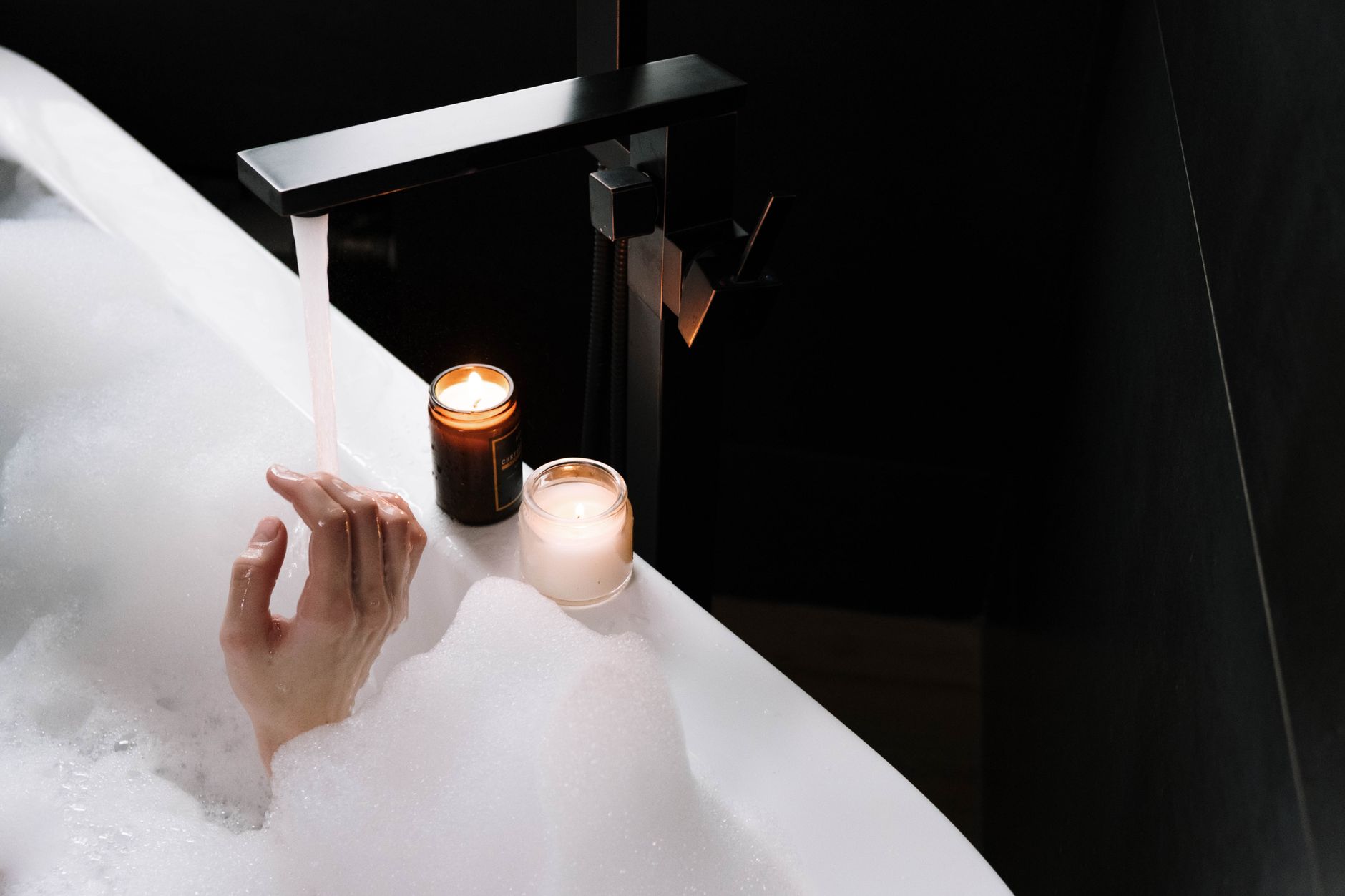
Warm baths can provide soothing heat without the risks associated with high‑temperature sauna use.
Safer alternatives
Warm baths – lower temperature and can be limited to 20 minutes for gentle relaxation.
Swimming – cool water keeps core temperature stable while supporting the body.
Yoga – prenatal classes focus on stretch and breath without overheating.
Prenatal massage – professional therapists can target tension without raising core heat.
Walking – improves circulation and mood with negligible temperature impact.
Jogging – short, moderate‑pace runs are safe if you stay cool and hydrated.
These alternatives can be especially helpful if you’re unable to get clearance for sauna use or simply prefer a lower‑heat option. Many pregnant women find that a combination of gentle swimming and prenatal yoga offers both physical and mental benefits without any of the temperature‑related concerns.
Related items — safety at a glance
Item
Verdict
One‑line note
Hot tub
⚠️ Caution
Water >100°F can raise core temp; limit time and monitor.
Jacuzzi
⚠️ Caution
Same risks as hot tubs; avoid if pregnant hypertension.
Steam room
⚠️ Caution
High humidity can impair cooling; keep sessions ≤10 min.
Infrared sauna
⚠️ Caution
Lower ambient heat but still raises core temperature; follow guidelines.
Localized heat (e.g., heating pads) is okay if not too hot.
Myth vs. fact
Myth: Saunas are completely safe at any temperature because you’re just sweating.
Fact: Core body temperature can exceed safe limits even if the ambient air feels tolerable; overheating can affect fetal development.
Myth: If you feel fine, the sauna can’t be harming your baby.
Fact: Many risks, like subtle changes in blood flow, are not felt until they become serious; precaution is key.
Myth: Infrared saunas are always safe because they operate at lower temperatures.
Fact: Infrared still raises core temperature, so the same duration and temperature limits apply.
Key takeaways
Consult your obstetric provider before using any sauna, especially if you have hypertension or gestational diabetes.
Keep sauna temperature ≤100°F (38°C) and limit sessions to 10–15 minutes.
Stay well‑hydrated and listen to your body—exit immediately if you feel dizzy, nauseous, or overheated.
Consider safer heat‑free alternatives such as warm baths, swimming, or prenatal yoga.
Monitor blood pressure and blood glucose before and after sauna use if you have related conditions.
Never rely on sauna use as a medical treatment; it is a relaxation tool, not a therapy.
Frequently asked questions
can sauna cause miscarriage
Directly, a brief, moderate‑temperature sauna is unlikely to cause miscarriage, but severe hyperthermia (core temp >102°F/39°C) in early pregnancy may increase risk. The safest approach is to keep the sauna cool and short, and discuss any concerns with your provider.
how to use a sauna safely during pregnancy
First, get clearance from your obstetrician. Then, set the temperature at or below 100°F (38°C), limit the session to 10‑15 minutes, stay hydrated, and monitor how you feel. Exit immediately if you experience dizziness, nausea, or excessive sweating.
what temperature is safe for sauna during pregnancy
Guidelines from ACOG and the NHS recommend a maximum ambient temperature of 100°F (38°C) for pregnant individuals. Infrared saunas should not exceed 120°F (49°C), but core temperature should still be monitored.
can I use a sauna at 36 weeks pregnant
At 36 weeks, you can use a sauna only if your provider approves, the temperature stays ≤100°F (38°C), and you limit the session to 10 minutes. Pay close attention to any signs of dizziness or uterine contractions.
are saunas bad for pregnant women
Saunas are not inherently “bad,” but the heat can raise core body temperature, which poses risks especially in the first trimester. With proper precautions—moderate temperature, short duration, and medical clearance—many women use them without complications.
sauna and pregnancy risks
Key risks include hyperthermia, dehydration, blood pressure changes, and possible blood sugar fluctuations. These can affect fetal development and maternal well‑being if not managed. Consulting your provider and following temperature/duration guidelines minimizes these risks.
can I go to a sauna while pregnant and breastfeeding
While there’s no strong evidence that sauna use harms a breastfed infant, the mother should still avoid overheating and stay hydrated. If you’re comfortable and your provider has no objections, a short, moderate‑temperature session is generally acceptable.
is it safe to use a sauna if I have morning sickness
Morning sickness can make you more sensitive to heat and prone to nausea. If you choose to use a sauna, keep the temperature low (≤100°F) and the session brief (5‑10 minutes). Stop immediately if nausea worsens, and discuss any concerns with your obstetrician.
can a sauna help relieve pregnancy‑related back pain
Heat can relax muscle tension and may provide temporary relief for back pain, but the core temperature must stay within safe limits. A warm (not hot) bath or a low‑temperature infrared sauna for no more than 10 minutes is a safer option, especially if you have any cardiovascular concerns.
When to call your doctor
Seek medical attention promptly if you experience any of the following after a sauna session: persistent dizziness, fainting, rapid heartbeat (>120 bpm), severe headache, uterine cramping, bleeding, sudden swelling of hands or face, or a notable change in blood pressure or blood sugar levels. These signs could indicate overheating, dehydration, or a more serious pregnancy complication. Remember, this article provides general information and is not a substitute for personalized medical advice.
References
American College of Obstetricians and Gynecologists. “Hot Tub and Sauna Use During Pregnancy.” ACOG Committee Opinion, 2022.
National Health Service (UK). “Sauna Use in Pregnancy.” NHS Pregnancy Guidance, 2021.
Centers for Disease Control and Prevention. “Pregnancy and Heat Exposure.” CDC Health Topics, 2023.
U.S. Food and Drug Administration. “Guidance for Industry: Use of Heat in Pregnancy.” FDA Safety Communications, 2020.
American Diabetes Association. “Gestational Diabetes Management.” ADA Standards of Care, 2023.
World Health Organization. “Maternal Health and Environmental Heat.” WHO Technical Report, 2022.
Not sure about the label on Is Sauna Safe During Pregnancy products?
Snap the ingredients list and SafeFilter checks every ingredient for your stage — only 3 free scans this month, then you're locked until reset. Unlimited from $7/mo or $50/yr.
When Shubhra Mishra was expecting her first child in 2016, she was overwhelmed by conflicting food advice — one site said yes, another said never. By the time her second baby arrived in 2019, she realized millions of mothers face the same confusion.
That sparked a five-year journey through clinical nutrition papers, cultural diets, and expert conversations — all leading to BumpBites: a calm, compassionate space where science meets everyday motherhood.
Her long-term vision is to build a global community ensuring safe, supported, and free deliveriesfor every mother — because no woman should face pregnancy alone or uninformed. 🌿
🌍 Stand with mothers, shape safer guidance
Join a small circle of experts who review BumpBites articles so expecting parents everywhere can decide with confidence.