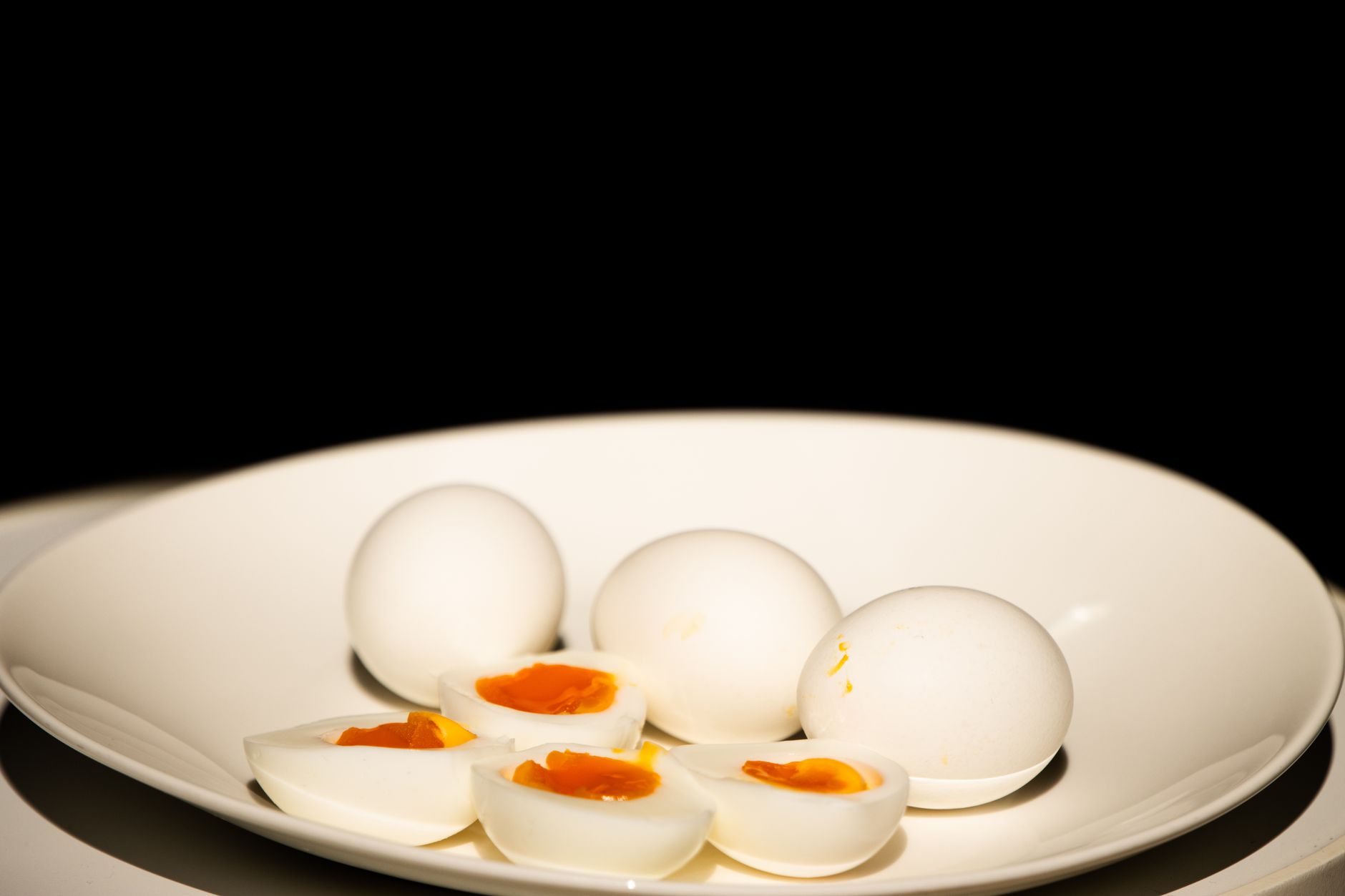
Limit: Pregnant women should limit salted egg to no more than one small egg per week, especially in the first trimester, due to its high sodium and cholesterol.
By Shubhra Mishra — a mom of two who turned her own confusion during pregnancy into BumpBites, a global mission to make food choices clear, safe, and stress-free for every expecting mother. 💛
Check whether any food is safe during pregnancy with the BumpBites Food Safety Checker.
Quick verdict: ⚠️ Safe with limits – salted egg can be enjoyed in moderation during pregnancy, but keep an eye on sodium and cholesterol intake. If you have high blood pressure, gestational diabetes, or an egg allergy, talk to your provider before adding it to your diet.
It’s 2 a.m., the kitchen light is on, and you’ve just opened a jar of bright orange‑gold salted eggs while scrolling through pregnancy forums. “Is salted egg safe during pregnancy?” you wonder, heart racing a little faster. You’re not alone—many expecting parents have that midnight moment of doubt, especially when a beloved snack suddenly feels risky.
In short, salted egg is generally safe to eat during pregnancy when you limit your portions and consider your overall sodium intake. This article walks you through the safety snapshot, trimester‑specific guidance, recommended amounts, possible risks, and gentle alternatives, so you can enjoy your cravings without unnecessary worry.
We’ll cover nutrition facts, how salted egg fits into pregnancy cravings, its impact on morning sickness, fetal development, and pregnancy complications like high blood pressure and gestational diabetes. We’ll also explore safety while breastfeeding, allergy signs, and give you a quick‑look comparison to similar egg dishes.
Beyond the numbers, we’ll share practical tips for storing salted eggs, ideas for incorporating them into meals without overdoing the salt, and how to balance them with potassium‑rich foods. Whether you’re a first‑time mom or adding a new flavor to a well‑loved recipe, the goal is to help you feel confident about every bite.
Period
Verdict
Notes
1st trimester
⚠️ Safe with limits
Limit to ≤1 egg per week; watch sodium (< 2 g/day). If you have hypertension, avoid.
2nd trimester
⚠️ Safe with limits
Same portion guidance; ensure adequate iron and protein from other sources.
3rd trimester
⚠️ Safe with limits
Maintain low‑sodium diet; excessive cholesterol may affect lipid profile.
Breastfeeding
⚠️ Safe with limits
Continue ≤1 egg/week; high sodium can affect milk taste and infant salt intake.
Salted egg, also known as preserved egg or “tau yu,” is a duck or chicken egg that has been cured in a brine of salt, sometimes with alkaline solutions, for several weeks. The process transforms the yolk into a firm, bright orange‑gold texture and the white into a translucent, jelly‑like consistency. In many Asian cuisines, salted eggs are sliced and added to rice, congee, or baked goods for a salty, umami boost.
The curing adds a substantial amount of sodium—roughly 1,200 mg per 50‑gram egg—along with cholesterol (about 210 mg) and protein (≈6 g). While the protein and certain micronutrients like vitamin D and selenium are beneficial, the high salt content can be a concern for pregnancy‑related hypertension and fluid balance. The flavor is intense, so a little goes a long way, which is why portion control is key.
Is salted egg safe during pregnancy first trimester?
During the first trimester, the embryo undergoes organogenesis, a period when it’s most vulnerable to teratogens. Current guidance from the American College of Obstetricians and Gynecologists (ACOG) and the UK's National Health Service (NHS) does not list salted egg as a teratogen, meaning it does not directly cause birth defects. However, the high sodium load can exacerbate early‑pregnancy hypertension or fluid retention, which are risk factors for complications like preeclampsia.
Most obstetricians advise that pregnant people keep daily sodium under 2,300 mg (the general adult recommendation from the American Heart Association). One salted egg already provides about half of that limit. If you’re in the first trimester and have a history of high blood pressure, it’s prudent to limit or avoid salted egg until you’ve discussed it with your provider.
In practice, many clinicians (including those cited by the CDC’s nutrition guidelines) say that an occasional salted egg—no more than once per week—is acceptable for most pregnant patients, provided the rest of the diet remains low‑sodium. This modest frequency helps keep total sodium well within safe bounds while still allowing you to enjoy the unique flavor.
Beyond sodium, the first trimester is a time when many women experience heightened food aversions and cravings. The rich, savory taste of salted egg can be appealing, but it’s wise to pair it with potassium‑rich foods such as leafy greens or fruit to counterbalance the salt load.
Can i eat salted egg during pregnancy in moderation?
Yes, moderation is the key word. The term “moderation” for salted egg translates to about 1 – 2 small eggs per week, which supplies protein and micronutrients without overwhelming your sodium budget. The World Health Organization (WHO) recommends limiting added salt to less than 5 g per day; a single salted egg already supplies roughly 30 % of that amount.
If you’re already consuming other salty foods—soy sauce, processed snacks, cured meats—count those toward your daily total. Balancing with potassium‑rich foods like bananas, leafy greens, and sweet potatoes can help mitigate sodium’s impact on blood pressure.
Pregnant people with gestational hypertension or pre‑eclampsia should follow their provider’s tighter sodium restrictions, often < 1,500 mg per day, which would effectively rule out salted egg. For those without such conditions, the occasional egg fits comfortably within most dietary guidelines.
It also helps to spread your sodium intake throughout the day rather than consuming it all at once. For example, enjoying a thin slice of salted egg as a snack and then having a well‑balanced lunch later can keep the overall sodium spike modest.
Salted egg benefits and risks during pregnancy
Benefits: The protein in salted egg supports fetal tissue growth, while selenium contributes to antioxidant defenses. Some expectant mothers find the rich, savory flavor satisfies cravings, reducing the temptation for less nutritious junk foods. The yolk also contains vitamin D, which aids calcium absorption—important for bone development.
Risks: The main concern is the high sodium content, which can raise blood pressure and increase fluid retention. Excessive cholesterol may affect maternal lipid levels, though evidence linking dietary cholesterol to adverse pregnancy outcomes is limited. Additionally, the curing process can introduce trace amounts of nitrites, which some health agencies advise limiting during pregnancy.
Overall, the risk‑benefit balance leans toward “safe with limits” for most pregnant people, but individual health conditions—especially hypertension or gestational diabetes—should guide personal decisions.
Another subtle consideration is the impact of salty foods on taste perception. Some women report that high‑salt foods make water taste bland, leading to reduced fluid intake. Staying well‑hydrated is crucial, so if you notice increased thirst after a salted egg, reach for a glass of water.
Alternative to salted egg during pregnancy
Hard‑boiled egg: Provides the same protein and nutrients without added sodium.
Poached egg: Delicate texture, low‑sodium, and easy to add to salads or toast.
Scrambled egg: Quick to prepare; you can control added salt.
Egg omelette: Add veggies for extra vitamins and keep salt minimal.
Quail egg: Smaller portion size, lower sodium per egg, and a delicate flavor.
Egg white fritters: Focus on the protein‑rich whites, seasoning lightly with herbs instead of salt.
Low‑sodium soy‑based “egg” substitutes: Some brands offer plant‑based alternatives with far less sodium.
Is century egg safe during pregnancy?
A century egg (also called “preserved egg” or “pidan”) is a type of salted egg that undergoes an additional alkaline curing step, often resulting in a stronger ammonia‑like aroma. Nutritionally, it’s similar to salted egg but can contain slightly higher sodium and a distinct flavor that some find off‑putting.
Guidelines from ACOG and the NHS treat century egg the same as regular salted egg: safe in moderation, with attention to sodium intake. If you’re sensitive to the strong flavor or have a history of hypertension, you may prefer to avoid century egg altogether.
Salted egg and high blood pressure during pregnancy
High blood pressure (gestational hypertension or pre‑eclampsia) is a serious pregnancy complication. Sodium can increase blood pressure by causing the body to retain water. The American Heart Association recommends that people with hypertension keep sodium under 1,500 mg per day. One salted egg delivers roughly 1,200 mg, which is near the upper limit.
If you have high blood pressure, the safest approach is to skip salted egg and opt for low‑sodium protein sources—like hard‑boiled or poached eggs—while focusing on potassium‑rich foods that help balance blood pressure.
Salted egg and gestational diabetes risk
Gestational diabetes is driven primarily by carbohydrate intake and insulin resistance. Salted egg is low in carbs but high in cholesterol and sodium. While cholesterol itself does not directly raise blood glucose, some research suggests that high‑cholesterol diets may worsen insulin resistance in susceptible individuals.
For pregnant people managing gestational diabetes, the main dietary focus is on carbohydrate control. Salted egg can be included occasionally, but the sodium should still be monitored to avoid exacerbating blood pressure issues that often accompany gestational diabetes.
Salted egg allergy during pregnancy symptoms
Egg allergy is one of the more common food allergies. Symptoms can range from mild (hives, itching, stomach upset) to severe (difficulty breathing, anaphylaxis). During pregnancy, allergic reactions can also trigger uterine contractions, potentially leading to preterm labor.
If you notice any of the following after eating salted egg, seek medical attention promptly:
Skin rash, hives, or swelling around the lips or eyes
Stomach cramps, nausea, or vomiting
Difficulty breathing, wheezing, or throat tightness
Rapid heartbeat or dizziness
Allergy testing and an individualized dietary plan are advised for pregnant people with known egg allergies.
Salted egg and pregnancy nausea relief
Morning sickness often improves with salty or savory foods, as they can settle the stomach. Some pregnant women report that a small bite of salted egg helps curb nausea. The protein and fats also provide a more lasting satiety than simple carbs.
Because the sodium content can be a double‑edged sword, it’s best to try a tiny piece (about a quarter of an egg) and see if it eases nausea without triggering thirst or swelling. Pair it with a glass of water to help balance sodium.
Slice a salted egg thinly to enjoy the flavor while keeping portion size small.
Safe dosage / amount / brands
Because salted egg is a food, not a medication, there are no official “dosage” guidelines. Nutrition experts recommend limiting intake to no more than 2 small eggs per week (≈100 g total). This keeps sodium under 2,400 mg weekly, fitting within the daily recommended limit when combined with other meals.
When buying, look for reputable brands that list the exact sodium content on the label. In the United States, brands such as Lee Kum Kee Preserved Egg and Tong Garden Salted Egg provide clear nutrition facts. Avoid generic or unlabeled jars that lack sodium information.
For those who prefer a lower‑sodium version, some specialty stores offer “reduced‑salt” salted eggs, which contain roughly 800 mg of sodium per egg—about a third of the standard amount. These can be a safer option for pregnant people who want the flavor without the full sodium load.
Storage matters, too. Keep salted eggs refrigerated after opening and consume them within two weeks to prevent bacterial growth. If you notice an off‑odor or slime, discard the product—food safety is just as important as sodium control.
Side effects and risks
Common, non‑dangerous effects: Slight stomach discomfort, increased thirst, or mild swelling of the hands and feet (edema) due to sodium.
Potentially serious risks: If you have pre‑existing hypertension, the added sodium can raise blood pressure to unsafe levels, increasing the risk of pre‑eclampsia. Egg allergy reactions, as described earlier, may require emergency care. Excessive cholesterol intake could affect maternal lipid profiles, especially in women with a history of high cholesterol.
Any sudden weight gain, severe swelling, or worsening blood pressure should prompt a call to your provider.
Safer alternatives
Hard‑boiled egg: Same protein, virtually no added sodium.
Poached egg: Delicate texture, low‑sodium, easy to season lightly.
Scrambled egg: Quick to prepare; you control the salt.
Egg omelette: Add veggies for extra nutrients while keeping salt low.
Quail egg: Smaller, lower‑sodium portions, still satisfying cravings.
Egg white frittata: Focuses on protein‑rich whites, flavored with herbs instead of salt.
Low‑sodium soy “egg” alternatives: Plant‑based options that mimic texture with far less sodium.
Related items — safety at a glance
Item
Verdict
Note
Balut
⚠️ Safe with limits
High in cholesterol; watch sodium if seasoned.
Century egg
⚠️ Safe with limits
Similar sodium to salted egg; limit to ≤1 /week.
Pickled egg
⚠️ Safe with limits
Often high in salt; monitor total daily intake.
Deviled egg
⚠️ Safe with limits
May contain added mayo; keep portion small.
Egg drop soup
⚠️ Safe with limits
Low‑sodium if broth is unsalted.
Shirred eggs
⚠️ Safe with limits
Typically baked with butter; watch added salt.
Egg white omelette
✅ Safe
Low‑sodium, high protein; ideal for pregnancy.
Plant‑based egg substitute
✅ Safe
Check label for sodium; many are low‑salt.
Myth vs. fact
Myth: Salted egg can cause birth defects.
Fact: There is no evidence that salted egg is teratogenic; the main concern is excess sodium, not fetal malformations.
Myth: All eggs are the same nutritionally, so salted egg is no different.
Fact: The curing process dramatically increases sodium and alters the yolk’s fat composition, making salted egg higher in salt and cholesterol than fresh eggs.
Myth: If you’re not hypertensive, you can eat salted egg whenever you want.
Fact: Even without hypertension, pregnant people should keep total sodium under 2,300 mg per day to support optimal blood pressure and fluid balance.
Myth: A small bite of salted egg is harmless, so you can ignore portion size.
Fact: Because a single egg provides about 30 % of the daily sodium limit, even a “small bite” can quickly add up when combined with other salty foods.
Key takeaways
✅ Salted egg is generally safe in pregnancy when limited to ≤1 egg per week.
⚖️ Keep total daily sodium under 2,300 mg; a single salted egg provides ~1,200 mg.
If you have high blood pressure or gestational diabetes, discuss salted egg with your provider before consuming.
Egg allergy symptoms require immediate medical attention.
Consider low‑sodium alternatives like hard‑boiled, poached, or quail eggs for cravings.
Store opened salted eggs in the fridge and use within two weeks to maintain food safety.
Frequently asked questions
can pregnant women eat salted fish
Yes, pregnant women can eat salted fish in moderation, but they should ensure the fish is low in mercury and properly cooked to avoid foodborne illness.
is salted meat safe during pregnancy
Salted (cured) meats such as ham or bacon are safe if cooked thoroughly, but they should be limited due to high sodium and potential nitrates.
what are the risks of eating salty foods during pregnancy
Excessive salty foods can raise blood pressure, increase fluid retention, and elevate the risk of pre‑eclampsia; they may also contribute to swelling and kidney strain.
can i eat salted nuts during pregnancy
Salted nuts are fine in moderation; choose unsalted or lightly salted varieties to keep sodium intake within recommended limits.
how much salt is safe during pregnancy
Health authorities like the American Heart Association recommend keeping total sodium under 2,300 mg per day, with an ideal target of 1,500 mg for those at risk of hypertension.
can salted egg cause miscarriage
There is no direct evidence linking salted egg to miscarriage; however, uncontrolled high sodium intake could worsen hypertension, a known miscarriage risk factor.
is salted egg good for pregnant women
Salted egg provides protein and micronutrients, but its high sodium means it should be eaten sparingly—generally no more than once a week.
can i eat salted egg during breastfeeding
Yes, you can enjoy salted egg while breastfeeding, but continue to limit intake to ≤1 egg per week to keep sodium levels low for both you and your baby.
what are the signs of too much sodium during pregnancy
Signs include increased thirst, swelling of the hands or feet, sudden weight gain, and elevated blood pressure; if you notice these, talk to your provider.
can i freeze salted egg for later use
You can freeze salted egg for up to three months; thaw in the refrigerator and use within a week to maintain quality and safety.
Pair a hard‑boiled egg with a tiny piece of salted egg for balanced flavor and nutrition.
When to call your doctor
If you experience any of the following after eating salted egg, contact your obstetric provider promptly:
Sudden or severe swelling of hands, feet, or face
Sharp increase in blood pressure or a reading above 140/90 mmHg
Signs of an allergic reaction (hives, difficulty breathing, swelling of lips or throat)
Persistent nausea, vomiting, or loss of appetite that interferes with nutrition
Unexplained weight gain of more than 2 kg (4.4 lb) in a week
These symptoms may indicate a need for medical evaluation. Remember, this article provides general information and is not a substitute for personalized medical advice.
References
American College of Obstetricians and Gynecologists (ACOG). “Nutrition During Pregnancy.” Updated 2023.
National Health Service (NHS). “Food safety and pregnancy.” Updated 2022.
American Heart Association. “Recommendations for Sodium Intake.” 2021.
World Health Organization (WHO). “Dietary sodium intake and health.” 2020.
Centers for Disease Control and Prevention (CDC). “Pregnancy nutrition guidelines.” 2022.
Mayo Clinic. “Eggs: Nutrition and health benefits.” Accessed 2024.
Food and Drug Administration (FDA). “Food labeling: Sodium content.” 2021.
National Institute for Health and Care Excellence (NICE). “Hypertension in pregnancy.” 2022.
Not sure about the label on Is Salted Egg Safe During Pregnancy products?
Snap the ingredients list and SafeFilter checks every ingredient for your stage — only 3 free scans this month, then you're locked until reset. Unlimited from $7/mo or $50/yr.
When Shubhra Mishra was expecting her first child in 2016, she was overwhelmed by conflicting food advice — one site said yes, another said never. By the time her second baby arrived in 2019, she realized millions of mothers face the same confusion.
That sparked a five-year journey through clinical nutrition papers, cultural diets, and expert conversations — all leading to BumpBites: a calm, compassionate space where science meets everyday motherhood.
Her long-term vision is to build a global community ensuring safe, supported, and free deliveriesfor every mother — because no woman should face pregnancy alone or uninformed. 🌿
🌍 Stand with mothers, shape safer guidance
Join a small circle of experts who review BumpBites articles so expecting parents everywhere can decide with confidence.