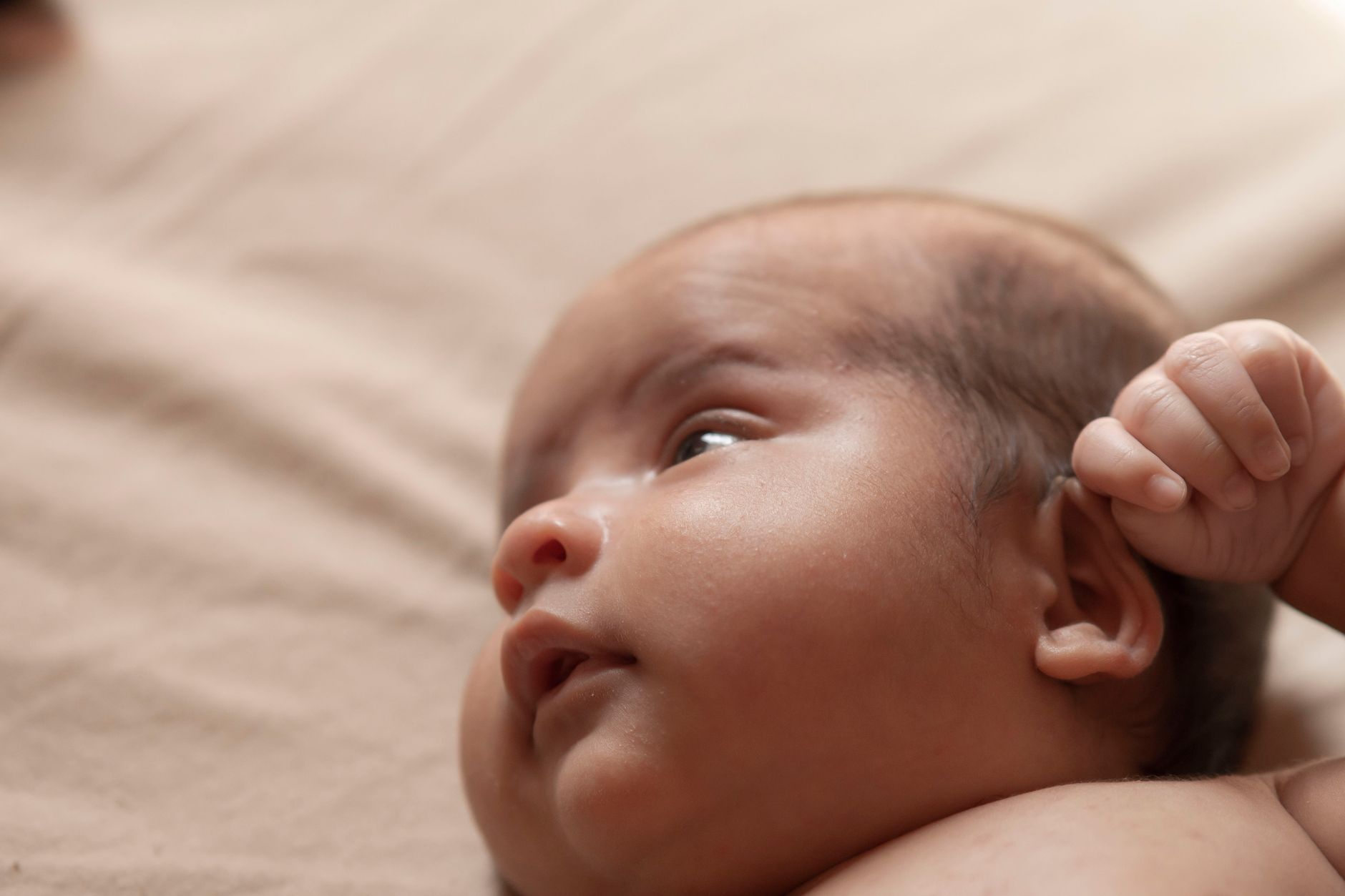
Safe: Saline drops are safe for baby when used as directed, usually 2–3 drops per nostril up to the third trimester, with no known adverse effects per guide.
By Shubhra Mishra — a mom of two who turned her own confusion during pregnancy into BumpBites, a global mission to make food choices clear, safe, and stress-free for every expecting mother. 💛
Check whether any food is safe during pregnancy with the BumpBites Food Safety Checker.
Quick verdict: ✅ Yes, saline drops are generally safe for babies. They’re a drug-free way to loosen mucus and ease congestion in newborns and infants. Most pediatricians and the American Academy of Pediatrics (AAP) recommend saline drops as a first-line remedy for stuffy noses. You can use them as needed, but stick to the recommended dosage and watch for any irritation.
You’re up at 2 a.m., listening to your baby’s tiny nose whistle with every breath. The pediatrician mentioned saline drops, but now you’re second-guessing: Is saline drops safe for baby? You’re not alone—this is one of the most common questions parents ask in the first months. The good news? Saline drops are one of the safest, simplest ways to help your little one breathe easier. No medication, no harsh chemicals, just salt and water.
Still, it’s natural to worry. Maybe you’ve heard conflicting advice, or you’re unsure about how much to use or which brand to trust. In this guide, we’ll break down everything you need to know: how saline drops work, how much is safe, which trimesters (or breastfeeding) matter, and what to do if your baby has a cold or allergies. We’ll also cover safer alternatives, red-flag side effects, and when to call your doctor. By the end, you’ll have a clear answer—and permission to stop Googling at 2 a.m.
Saline drops safety snapshot
Stage
Verdict
Notes
1st trimester (pregnancy)
✅ Safe
No risk to the fetus; saline drops are not absorbed systemically.
2nd trimester (pregnancy)
✅ Safe
Same as above; no concerns for mom or baby.
3rd trimester (pregnancy)
✅ Safe
Safe to use; no impact on labor or delivery.
Breastfeeding
✅ Safe
No risk to nursing infants; saline is not absorbed into breast milk.
Newborns & infants
✅ Safe
Recommended by pediatricians for congestion; use as directed.
What are saline drops?
Saline drops are a simple solution of salt (sodium chloride) and sterile water, designed to mimic the body’s natural fluids. They’re used to loosen thick mucus in the nasal passages, making it easier for babies to breathe, feed, and sleep. Unlike medicated decongestants, saline drops contain no drugs—just a gentle, isotonic (same salt concentration as bodily fluids) solution that helps thin out congestion without irritation.
For babies, saline drops are typically administered with a dropper or spray bottle. The liquid softens dried mucus, which can then be suctioned out with a nasal aspirator or bulb syringe, or simply allowed to drain naturally. They’re especially helpful for newborns, who are obligate nose-breathers (meaning they can’t breathe through their mouths as easily as adults). A stuffy nose can make feeding difficult and disrupt sleep, so saline drops are often a go-to remedy for parents and pediatricians alike.
Is saline drops safe for baby?
Y
es, saline drops are considered safe for babies by major health authorities, including the American Academy of Pediatrics (AAP), the Food and Drug Administration (FDA), and the National Health Service (NHS) in the UK. Because they contain no medication—just salt and water—they don’t carry the same risks as decongestant drops or oral cold medicines, which are not recommended for infants under 4 to 6 months (and in some cases, up to age 2 or 4).
The AAP explicitly recommends saline drops as a first-line treatment for nasal congestion in babies, noting that they’re effective and free of side effects when used correctly. The FDA classifies saline nasal products as generally recognized as safe (GRAS), meaning they’ve been used for decades without evidence of harm. Similarly, the NHS advises parents to use saline drops to help babies with colds, as they’re a gentle way to clear mucus without medication.
One key reason saline drops are so safe is that they’re not absorbed into the bloodstream. Unlike oral medications, which pass through the digestive system and can affect the whole body, saline drops work locally in the nasal passages. This means there’s no risk of systemic side effects, such as drowsiness, jitteriness, or interactions with other medications. However, it’s still important to use them as directed—overuse or improper administration can lead to mild irritation or discomfort.
If you’re pregnant or breastfeeding, you can also use saline drops on your baby without worry. Since the solution isn’t absorbed into your bloodstream, it won’t affect your pregnancy or breast milk. This makes saline drops a safe choice for moms in any trimester or while nursing.
Are saline nasal drops safe for newborns?
Yes, saline nasal drops are safe for newborns and are often recommended by pediatricians for babies as young as a few days old. Newborns are especially prone to congestion because their nasal passages are tiny and easily clogged by mucus or dried milk. Since they can’t blow their noses or breathe through their mouths as effectively as older babies, even a small amount of congestion can make feeding and sleeping difficult.
The AAP and NHS both endorse saline drops as a safe and effective way to relieve congestion in newborns. Because saline drops are drug-free, they don’t carry the risks associated with medicated decongestants, which can cause side effects like rapid heart rate, irritability, or even breathing difficulties in infants. Instead, saline drops work by thinning mucus, making it easier to suction out or allowing it to drain naturally.
When using saline drops on a newborn, it’s important to follow a few simple guidelines:
Use the right amount: For newborns, 1 to 2 drops per nostril is usually enough. Overusing saline drops can lead to irritation or dryness in the nasal passages.
Administer gently: Lay your baby on their back and tilt their head slightly back. Place the drops in one nostril, wait a few seconds, then repeat in the other nostril. Avoid squirting the drops too forcefully, as this can startle your baby or cause discomfort.
Follow with suction if needed: After using saline drops, you can use a nasal aspirator or bulb syringe to gently suction out loosened mucus. This step is optional but can be especially helpful for newborns with severe congestion.
Watch for irritation: While rare, some babies may experience mild irritation or sneezing after using saline drops. If your baby’s nose becomes red, swollen, or starts bleeding, stop using the drops and contact your pediatrician.
If your newborn has a cold, saline drops can be used as often as needed to keep their nasal passages clear. However, if congestion persists for more than a few days or is accompanied by a fever, cough, or difficulty breathing, it’s important to contact your pediatrician to rule out more serious conditions like RSV or a bacterial infection.
Can I use saline drops during each trimester of pregnancy?
Yes, you can safely use saline drops on your baby during all trimesters of pregnancy and while breastfeeding. Since saline drops are not absorbed into your bloodstream, they pose no risk to your developing baby or your breast milk. This makes them a worry-free option for relieving your baby’s congestion, no matter how far along you are in your pregnancy or postpartum journey.
First trimester
During the first trimester, your baby’s organs are forming, and this is often the time when parents are most cautious about exposures. The good news? Saline drops are completely safe to use on your baby during this stage. Because they’re a topical, non-medicated solution, they don’t interact with your body or your baby’s development. You can use them as needed to help your little one breathe easier without any concerns.
Second trimester
The second trimester is often called the "honeymoon phase" of pregnancy, as many moms feel their best during this time. If your baby develops a stuffy nose, saline drops are still a safe and effective option. There’s no need to limit their use, and you can continue to rely on them for congestion relief without worry.
Third trimester
As you approach your due date, you might be extra cautious about anything that could affect your baby’s health. Saline drops remain a safe choice during the third trimester. They won’t interfere with labor, delivery, or your baby’s transition to the outside world. In fact, keeping your baby’s nasal passages clear can help ensure they’re comfortable and able to feed well in those early days.
Breastfeeding
If you’re breastfeeding, you can continue to use saline drops on your baby without any concerns. Saline drops don’t enter your breast milk, so they won’t affect your nursing infant. This makes them a great option for moms who want to avoid medicated remedies while still providing relief for their baby’s congestion.
For moms who are also dealing with pregnancy-related congestion (a common issue due to hormonal changes), saline drops can be used on yourself as well. They’re a safe way to relieve your own stuffy nose without resorting to medicated decongestants, which may not be recommended during pregnancy.
What is the recommended dosage and frequency of saline drops for infants?
The recommended dosage of saline drops for infants is 1 to 2 drops per nostril, as needed. For newborns and young babies, this small amount is usually enough to loosen mucus and relieve congestion. You can use saline drops up to 3 to 4 times per day, or more frequently if your baby has a cold or allergies and your pediatrician approves. However, it’s important not to overuse them, as excessive use can lead to irritation or dryness in the nasal passages.
Here’s a general guideline for how often to use saline drops based on your baby’s age and symptoms:
Saline drops dosage and frequency for infants
Age
Dosage per nostril
Frequency
Notes
Newborn (0-3 months)
1 drop
Up to 3-4 times/day
Use before feedings or sleep if congestion is severe.
3-6 months
1-2 drops
Up to 4 times/day
Can use more frequently if baby has a cold, but watch for irritation.
6-12 months
2 drops
Up to 4-6 times/day
Older babies may tolerate more frequent use, but avoid overuse.
When administering saline drops, follow these steps for the best results:
Wash your hands: Always start with clean hands to avoid introducing germs into your baby’s nose.
Position your baby: Lay your baby on their back with their head tilted slightly back. You can place a small towel under their shoulders to keep their head elevated.
Administer the drops: Gently squeeze the dropper to release 1-2 drops into one nostril. Wait a few seconds to allow the saline to work, then repeat in the other nostril.
Suction if needed: If your baby’s nose is very congested, you can use a nasal aspirator or bulb syringe to gently suction out loosened mucus. Be careful not to insert the aspirator too far into the nostril, as this can cause irritation.
Comfort your baby: Some babies may fuss or sneeze after using saline drops. Offer a pacifier or gentle rocking to help them settle.
If your baby has a cold or allergies, you may need to use saline drops more frequently to keep their nasal passages clear. However, if you notice any signs of irritation—such as redness, swelling, or bleeding—stop using the drops and contact your pediatrician. In most cases, saline drops are gentle enough to use daily, but it’s always a good idea to check with your doctor if you’re unsure.
Administering saline drops to a newborn: tilt their head slightly back and use 1-2 drops per nostril.
Which saline drop brands are best for babies?
When choosing saline drops for your baby, it’s important to pick a brand that’s specifically formulated for infants. Look for products that are preservative-free, sterile, and designed for newborns. Here are some of the most trusted brands recommended by pediatricians and parents:
Little Remedies Sterile Saline Drops: A favorite among parents, these drops are preservative-free and come with a convenient dropper for easy administration. They’re gentle enough for newborns and can be used as often as needed.
Fridababy NoseFrida Saline Drops: These drops are designed to be used with the NoseFrida nasal aspirator, but they work well on their own too. They’re sterile, preservative-free, and made with just purified water and sodium chloride.
Boiron Physiomer Baby Nasal Hygiene: This brand offers a gentle, isotonic saline solution that’s free of preservatives and additives. It’s a great option for parents who prefer a more natural approach.
NeilMed Nasal Saline Drops: These drops come in a convenient travel-friendly bottle and are preservative-free. They’re a good choice for parents who want a reliable, no-frills option.
Simply Saline Baby Nasal Mist: While not a dropper, this mist is a gentle alternative for older babies who may not tolerate drops as well. It’s preservative-free and easy to use.
When selecting a brand, avoid products that contain added medications, preservatives, or fragrances. These can irritate your baby’s delicate nasal passages and may not be safe for newborns. Always check the label to ensure the product is specifically formulated for infants.
If you’re unsure which brand to choose, ask your pediatrician for a recommendation. They can suggest a product that’s well-suited to your baby’s needs and age. Additionally, you can look for brands that are FDA-cleared or have the AAP’s seal of approval, as these have been tested for safety and effectiveness.
What are the possible side effects of saline drops for a baby?
Saline drops are generally very safe for babies, but like any product, they can cause mild side effects in some cases. The most common side effects are minor and temporary, but it’s important to know what to watch for so you can respond appropriately. Here’s what you might encounter:
Sneezing: It’s normal for babies to sneeze after using saline drops. This is their body’s way of clearing out the loosened mucus and saline solution. Sneezing is usually harmless and doesn’t require any action on your part.
Mild irritation: Some babies may experience slight redness or discomfort in their nasal passages after using saline drops. This is usually due to the salt content or the physical act of administering the drops. If your baby seems fussy or their nose looks red, try using fewer drops or spacing out the frequency.
Dryness: Overusing saline drops can lead to dryness in the nasal passages, which may cause discomfort or even minor nosebleeds. To prevent this, stick to the recommended dosage (1-2 drops per nostril) and avoid using the drops more than 4-6 times per day unless directed by your pediatrician.
Nasal bleeding: In rare cases, excessive use of saline drops or improper administration (e.g., inserting the dropper too far into the nostril) can cause a small nosebleed. If this happens, stop using the drops and apply gentle pressure to the bridge of your baby’s nose. If the bleeding doesn’t stop within a few minutes, contact your pediatrician.
Allergic reaction: While extremely rare, some babies may have an allergic reaction to an ingredient in the saline drops, such as a preservative. Signs of an allergic reaction include swelling, hives, difficulty breathing, or excessive fussiness. If you notice any of these symptoms, stop using the drops immediately and seek medical attention.
Most side effects of saline drops are mild and resolve on their own. However, if your baby experiences persistent irritation, bleeding, or signs of an allergic reaction, it’s important to stop using the drops and contact your pediatrician. In most cases, saline drops are well-tolerated and provide much-needed relief for congested babies.
To minimize the risk of side effects, always follow the recommended dosage and administration instructions. Use a gentle touch when inserting the dropper, and avoid overusing the drops. If your baby has a pre-existing condition, such as a nasal injury or frequent nosebleeds, talk to your pediatrician before using saline drops.
What are safe alternatives to saline drops for relieving a baby’s congestion?
If you’re looking for alternatives to saline drops, there are several safe and effective options for relieving your baby’s congestion. These methods can be used alone or in combination with saline drops, depending on your baby’s needs. Here are some of the best alternatives, all backed by pediatricians and trusted by parents:
FridaBaby NoseFrida Nasal Aspirator: This popular nasal aspirator uses gentle suction to remove mucus from your baby’s nose. It’s hygienic, easy to clean, and doesn’t require any drops to work. Many parents find it more effective than bulb syringes for clearing stubborn congestion.
Medi-First Saline Nasal Spray (infant size): If your baby tolerates sprays better than drops, this saline spray is a great alternative. It’s preservative-free and designed specifically for infants. The spray mist is gentle and can help loosen mucus without the need for suction.
BabyBreathe Cool Mist Humidifier: A cool mist humidifier adds moisture to the air, which can help thin out mucus and ease congestion. Place it in your baby’s room at night or during naps to keep their nasal passages moist. Be sure to clean the humidifier regularly to prevent mold or bacteria buildup.
Little Remedies Saline Nasal Spray (spray form): This spray is a gentle alternative to drops and is designed for babies as young as 2 months. It’s preservative-free and comes in a convenient, easy-to-use bottle. The fine mist helps loosen mucus without causing discomfort.
AeroFlow Nasal Aspirator for Babies: This electric nasal aspirator uses gentle suction to clear your baby’s nose. It’s quiet, easy to use, and comes with different suction levels to suit your baby’s needs. It’s a great option for parents who want a hands-free solution.
Vicks BabyRub (for mild congestion relief): While not a direct alternative to saline drops, Vicks BabyRub can be used to provide mild congestion relief. Apply a small amount to your baby’s chest or feet (avoid the nose and face) to help them breathe easier. It’s made with soothing ingredients like lavender and eucalyptus and is safe for babies 3 months and older.
Nasal Saline Gel (infant formula): Saline gel is a thicker alternative to drops and can help moisturize dry nasal passages. It’s especially useful for babies with chronic congestion or allergies. Apply a small amount to the inside of each nostril using a cotton swab or your finger (make sure to wash your hands first).
Bulb Syringe (manual suction device): A bulb syringe is a simple, low-tech way to suction mucus from your baby’s nose. While it may not be as effective as some of the other options, it’s a good backup to have on hand. Be sure to clean the syringe thoroughly after each use to prevent bacteria buildup.
When choosing an alternative, consider your baby’s age, the severity of their congestion, and their tolerance for different methods. For example, a cool mist humidifier is a great option for mild congestion, while a nasal aspirator may be more effective for stubborn mucus. If you’re unsure which method to try, ask your pediatrician for a recommendation.
A cool mist humidifier adds moisture to the air, helping to thin mucus and ease congestion.
Is saline drops safe for babies with a cold or flu?
Yes, saline drops are safe and effective for babies with a cold or flu. In fact, they’re one of the most recommended remedies for relieving congestion in infants with respiratory illnesses. Because saline drops are drug-free, they don’t interact with other medications or worsen symptoms, making them a safe choice for babies who are already feeling unwell.
When your baby has a cold or flu, their nasal passages can become swollen and filled with thick mucus, making it difficult for them to breathe, feed, and sleep. Saline drops help by thinning the mucus, making it easier to suction out or allowing it to drain naturally. This can provide much-needed relief and help your baby feel more comfortable.
The AAP and NHS both recommend saline drops as a first-line treatment for congestion in babies with colds or flu. They’re especially useful for newborns and young infants, who can’t blow their noses or take oral decongestants. Saline drops can be used as often as needed to keep your baby’s nasal passages clear, but it’s a good idea to check with your pediatrician if your baby’s congestion is severe or accompanied by other symptoms, such as a fever, cough, or difficulty breathing.
Here are some tips for using saline drops on a baby with a cold or flu:
Use before feedings: Congestion can make it difficult for your baby to nurse or take a bottle. Using saline drops before feedings can help clear their nose and make feeding easier.
Use before sleep: A stuffy nose can disrupt your baby’s sleep. Using saline drops before bedtime can help them breathe easier and sleep more soundly.
Combine with suction: If your baby’s nose is very congested, you can use a nasal aspirator or bulb syringe to suction out loosened mucus after using saline drops. This can provide even greater relief.
Monitor for dehydration: Babies with colds or flu may not feed as well, which can lead to dehydration. Keep an eye on your baby’s wet diapers and offer fluids frequently. If you’re concerned about dehydration, contact your pediatrician.
Watch for worsening symptoms: While saline drops can help relieve congestion, they won’t treat the underlying illness. If your baby’s symptoms worsen or don’t improve after a few days, contact your pediatrician to rule out more serious conditions like RSV, bronchitis, or pneumonia.
If your baby has a fever along with their cold or flu, saline drops can still be used safely. However, it’s important to monitor their temperature and contact your pediatrician if the fever is high (above 100.4°F for babies under 3 months or above 102°F for older babies) or lasts more than a day or two. Saline drops won’t lower a fever, but they can help relieve congestion and make your baby more comfortable.
How often can I give my baby saline drops without causing irritation?
You can safely give your baby saline drops up to 4-6 times per day without causing irritation, as long as you stick to the recommended dosage (1-2 drops per nostril). For most babies, this frequency is enough to relieve congestion without over-drying their nasal passages. However, every baby is different, so it’s important to pay attention to how your little one responds and adjust as needed.
Here’s a general guideline for how often to use saline drops based on your baby’s symptoms:
How often to use saline drops for babies
Symptoms
Frequency
Notes
Mild congestion
2-3 times/day
Use before feedings or sleep if needed.
Moderate congestion (e.g., cold)
3-4 times/day
Combine with suction if mucus is thick.
Severe congestion (e.g., flu or allergies)
Up to 6 times/day
Check with your pediatrician if symptoms persist.
Chronic congestion (e.g., allergies or dry air)
1-2 times/day
Use a humidifier to keep nasal passages moist.
If your baby’s congestion is due to a cold or flu, you may need to use saline drops more frequently to keep their nasal passages clear. In these cases, it’s generally safe to use them up to 6 times per day, but be sure to monitor your baby for signs of irritation, such as redness, dryness, or bleeding. If you notice any of these symptoms, reduce the frequency or stop using the drops and contact your pediatrician.
For babies with chronic congestion, such as those with allergies or living in dry climates, using saline drops once or twice a day can help keep their nasal passages moist and prevent mucus buildup. In these cases, a cool mist humidifier can also be helpful for maintaining moisture in the air.
To minimize the risk of irritation, follow these tips:
Use the right amount: Stick to 1-2 drops per nostril, even if your baby’s congestion is severe. Using more than this won’t provide additional relief and may increase the risk of irritation.
Space out uses: Try to space out saline drop applications by at least 2-3 hours. This gives your baby’s nasal passages time to recover between uses.
Use preservative-free drops: Some saline drops contain preservatives, which can irritate your baby’s delicate nasal passages. Opt for preservative-free brands to minimize the risk of irritation.
Follow with suction if needed: If your baby’s mucus is thick or stubborn, use a nasal aspirator or bulb syringe to suction it out after using saline drops. This can help prevent irritation caused by dried mucus.
Watch for signs of irritation: If your baby’s nose becomes red, swollen, or starts bleeding, stop using the drops and contact your pediatrician. These symptoms are rare but can occur with overuse.
If you’re unsure how often to use saline drops for your baby, don’t hesitate to ask your pediatrician. They can provide personalized guidance based on your baby’s age, symptoms, and overall health.
Related items — safety at a glance
If you’re exploring options for relieving your baby’s congestion, you might be wondering about other products and their safety. Here’s a quick comparison of related items and their safety for babies:
Related congestion relief items and their safety for babies
Item
Verdict
Notes
Baby nasal spray
✅ Safe
Similar to saline drops but in spray form; choose preservative-free options for infants.
Infant nasal aspirator
✅ Safe
Effective for suctioning mucus; use gently to avoid irritation.
Pediatric decongestant drops
❌ Avoid
Not recommended for babies under 4-6 months; can cause serious side effects.
Saline nasal spray for adults
⚠️ Caution
Avoid for babies; adult sprays may contain additives or higher salt concentrations.
Nasal saline gel
✅ Safe
Good for moisturizing dry nasal passages; choose infant-formulated products.
Baby nasal congestion relief kit
✅ Safe
Often includes saline drops and a nasal aspirator; convenient for parents.
Infant humidifier
✅ Safe
Adds moisture to the air; helps thin mucus and ease congestion.
Nasal suction bulb
✅ Safe
Simple, low-tech option for suctioning mucus; clean thoroughly after each use.
Myth vs. fact
Myth: Saline drops can cause dependency or make congestion worse.
Fact: Saline drops are non-medicated and non-habit-forming. They work by thinning mucus and moisturizing the nasal passages, which helps relieve congestion. Unlike medicated decongestants, saline drops don’t cause rebound congestion or dependency. In fact, they’re one of the safest and most effective ways to relieve a baby’s stuffy nose.
Myth: You can use any saline spray or drops on a baby.
Fact: Not all saline products are safe for babies. Adult saline sprays may contain higher salt concentrations, preservatives, or additives that can irritate a baby’s delicate nasal passages. Always choose a product specifically formulated for infants, and check the label to ensure it’s preservative-free and sterile.
Myth: Saline drops are only for babies with colds.
Fact: While saline drops are great for relieving congestion caused by colds, they can also be used for everyday nasal hygiene. Babies in dry climates, those with allergies, or those exposed to irritants (like smoke or dust) can benefit from regular use of saline drops to keep their nasal passages moist and clear.
Key takeaways
✅ Saline drops are safe for babies, including newborns, and are recommended by pediatricians for relieving congestion.
✅ They’re drug-free and non-habit-forming, making them a gentle alternative to medicated decongestants.
✅ The recommended dosage is 1-2 drops per nostril, up to 4-6 times per day, depending on your baby’s symptoms.
✅ Saline drops are safe during all trimesters of pregnancy and while breastfeeding, as they’re not absorbed into the bloodstream.
✅ Watch for mild side effects like sneezing or irritation, and stop use if your baby’s nose becomes red, swollen, or starts bleeding.
✅ Safe alternatives include nasal aspirators, cool mist humidifiers, and saline sprays formulated for infants.
Not sure about the label on Is Saline Drops Safe For Baby products?
Snap the ingredients list and SafeFilter checks every ingredient for your stage — only 3 free scans this month, then you're locked until reset. Unlimited from $7/mo or $50/yr.
When Shubhra Mishra was expecting her first child in 2016, she was overwhelmed by conflicting food advice — one site said yes, another said never. By the time her second baby arrived in 2019, she realized millions of mothers face the same confusion.
That sparked a five-year journey through clinical nutrition papers, cultural diets, and expert conversations — all leading to BumpBites: a calm, compassionate space where science meets everyday motherhood.
Her long-term vision is to build a global community ensuring safe, supported, and free deliveriesfor every mother — because no woman should face pregnancy alone or uninformed. 🌿
🌍 Stand with mothers, shape safer guidance
Join a small circle of experts who review BumpBites articles so expecting parents everywhere can decide with confidence.