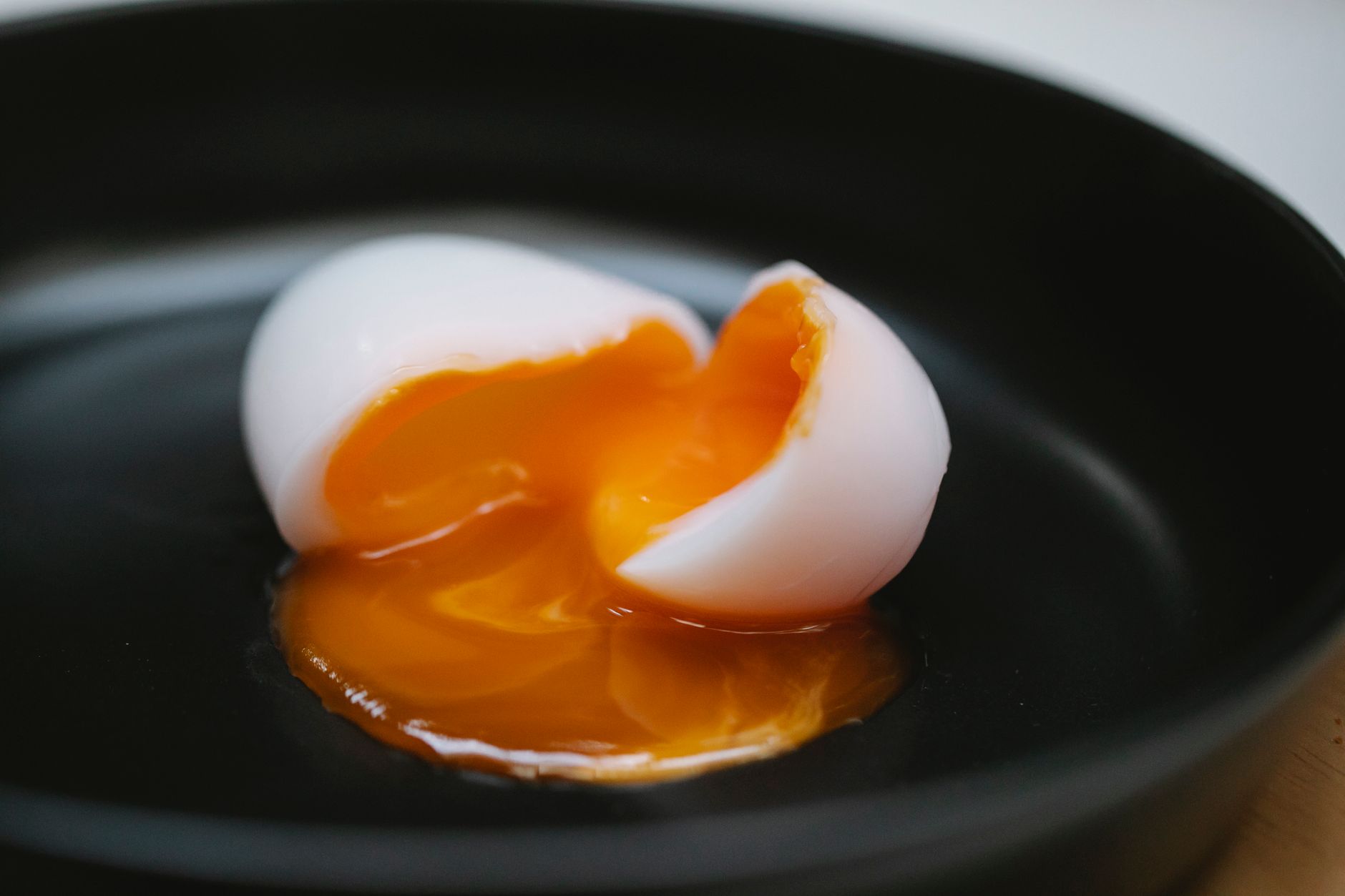
Avoid: Runny yolk is not safe during pregnancy, especially in the first trimester, due to salmonella risk; choose fully cooked eggs to protect your baby.
By Shubhra Mishra — a mom of two who turned her own confusion during pregnancy into BumpBites, a global mission to make food choices clear, safe, and stress-free for every expecting mother. 💛
Check whether any food is safe during pregnancy with the BumpBites Food Safety Checker.
Quick verdict: ❌ Best avoided. Runny yolk eggs can harbor salmonella, which poses a higher risk to you and your baby, especially in the first trimester. If you crave that texture, choose pasteurized eggs or fully cook the yolk.
It’s 2 a.m., your stomach growls and you wonder, “is runny yolk safe during pregnancy?” You might have already sliced into a soft‑boiled egg or are scrolling the grocery aisle, trying to decide if that glossy yolk is a harmless indulgence or a hidden danger. First, breathe. The short answer is that most obstetric guidelines advise you to avoid runny yolk eggs because of the potential for salmonella infection. In the sections that follow, we’ll break down exactly why, how the risk changes across trimesters, how often you can safely enjoy eggs, and what safer alternatives you can reach for instead.
We’ll also cover the difference between regular and pasteurized eggs, brand‑specific considerations (like Eggland’s Best), and practical tips for spotting a safe egg. By the end of this article, you’ll have a clear, evidence‑based plan for enjoying eggs without unnecessary worry.
Beyond the basics, we’ll dive into how to cook eggs to the temperature that kills harmful bacteria, what salmonella actually does to a pregnant body, and how to store eggs so they stay safe throughout your pregnancy. Whether you’re a first‑trimester mom‑to‑be or in the late stages of pregnancy, you’ll find actionable advice that fits your needs.
Stage
Verdict
Notes
First trimester
❌ Avoid
Highest risk for fetal development; salmonella can cause fever and dehydration.
Second trimester
❌ Avoid
Risk remains; no evidence that later pregnancy is safer.
Third trimester
❌ Avoid
Still risk of infection; consider pasteurized eggs if you want runny texture.
Breastfeeding
❌ Avoid
Salmonella can affect milk; pasteurized eggs are a safer option.
Eggs are a nutritional powerhouse, delivering high‑quality protein, choline, vitamin D, and essential fatty acids. When an egg is cooked “runny,” the white may be set, but the yolk remains liquid, often leaving a glossy, buttery center. This cooking style is popular in dishes like soft‑boiled eggs, poached eggs, and certain sauces. The runny yolk is appealing because it preserves delicate flavor and texture, but it also means the egg hasn’t reached an internal temperature that reliably kills harmful bacteria such as Salmonella enterica. Pasteurization—a gentle heat treatment—can reduce this risk, but most fresh eggs sold in grocery stores are not pasteurized.
Because of this, health authorities worldwide—including the American College of Obstetricians and Gynecologists (ACOG), the UK’s National Health Service (NHS), and the U.S. Centers for Disease Control and Prevention (CDC)—recommend that pregnant people eat eggs only when both the white and yolk are firm. The Food and Drug Administration (FDA) also advises cooking eggs to an internal temperature of 160 °F (71 °C) to ensure safety. These guidelines are based on decades of data linking undercooked eggs to salmonella outbreaks, which can cause severe gastrointestinal illness, fever, and dehydration—conditions that are especially hazardous during pregnancy.
Is it safe to eat runny yolk in the first trimester?
The first trimester is the period of organogenesis, when the baby’s major organs are forming. During this window, any infection that raises your body temperature above 101.5 °F (38.6 °C) can increase the risk of neural tube defects. Salmonella infection often produces high fevers, which is why ACOG explicitly advises pregnant people to avoid runny yolk eggs in the first trimester. The NHS echoes this caution, stating that “under‑cooked eggs may contain salmonella, which can be dangerous for pregnant women and their babies.”
If you’ve already eaten a runny yolk during early pregnancy, don’t panic. Most healthy adults recover without complications, but you should monitor for symptoms such as fever, diarrhea, abdominal cramps, or vomiting. If any of these appear, contact your provider promptly.
Research shows that the first 13 weeks are the most vulnerable period for teratogenic (birth‑defect‑causing) influences. While a single mild salmonella infection may not always lead to fever above the critical threshold, the unpredictable nature of bacterial load makes it impossible to guarantee safety. For this reason, ACOG’s Committee Opinion on nutrition in pregnancy advises a blanket avoidance of undercooked eggs throughout the first trimester.
Can I have a runny yolk egg once a week during pregnancy?
Even occasional consumption of runny yolk eggs is not recommended by major health organizations. The CDC’s guidance on food safety does not differentiate between frequency; any exposure to potential salmonella carries risk. Some studies suggest that a single low‑dose exposure may not cause illness, but the unpredictable nature of bacterial contamination means that the safest approach is to eliminate runny yolk eggs entirely, regardless of how often you plan to eat them.
If you’re craving that creamy texture, consider switching to pasteurized eggs, which have been heat‑treated enough to kill salmonella while maintaining a soft yolk. Pasteurized eggs can be used safely in recipes like soft‑boiled eggs or lightly poached eggs, provided you follow the product’s storage instructions.
For those who still wonder about “once a week,” think of it this way: each egg you eat is a separate exposure event. The probability of encountering a contaminated egg does not diminish with infrequent consumption. In a large-scale outbreak, even a single contaminated egg can spark illness. Therefore, public‑health agencies advise a zero‑tolerance policy for undercooked eggs during pregnancy.
What are the risks of eating runny yolk eggs for pregnant women?
The primary risk is salmonella infection. According to the CDC, each year in the United States, salmonella causes about 1.2 million infections, and approximately 5 % of those are linked to eggs. In pregnancy, salmonella can lead to:
High fever, which may increase the risk of birth defects.
Severe dehydration from vomiting and diarrhea, potentially compromising placental blood flow.
Preterm labor in rare cases, especially if the infection spreads to the bloodstream.
Transmission to the newborn via breastfeeding if the mother’s milk becomes contaminated.
While many healthy adults recover without lasting effects, the stakes are higher for pregnant people because any infection that raises maternal temperature or causes systemic illness can indirectly affect fetal development.
Are pasteurized runny yolk eggs safe for pregnant women?
Pasteurized eggs are considered safe for pregnant people, even when the yolk remains runny. The FDA approves pasteurization processes that heat eggs to a temperature that kills salmonella without cooking the egg itself. The CDC recommends using pasteurized eggs for recipes that call for undercooked or raw eggs, such as homemade mayonnaise, hollandaise sauce, or soft‑boiled eggs.
When buying pasteurized eggs, look for labels that specifically state “pasteurized.” Brands like Eggland’s Best and Vital Farms offer pasteurized shell eggs in many grocery stores. Even with pasteurized eggs, it’s still wise to keep them refrigerated and use them within the “sell‑by” date to minimize any residual bacterial growth.
What are safe egg alternatives for pregnant women who want a runny yolk texture?
Hard‑cooked eggs – Fully set yolk eliminates any salmonella risk.
Pasteurized liquid egg whites – Provide protein without yolk.
Tofu scramble – Offers a creamy texture with a similar mouthfeel.
Greek yogurt – High in protein and calcium, safe and ready to eat.
Cottage cheese – Soft, protein‑rich, and low‑risk.
Fortified plant‑based egg replacer (e.g., JUST Egg) – Designed to mimic egg texture while being pasteurized.
Fully cooked poached egg – White and yolk both set, still tender.
Egg white omelette – No yolk, so no salmonella concern.
These alternatives keep you from missing out on the nutritional benefits of eggs while respecting the safety guidelines for pregnancy.
How does a history of foodborne illness affect runny yolk safety in pregnancy?
If you’ve previously experienced a foodborne illness—especially a salmonella infection—your immune system may be more vigilant, but it does not make you immune to future infections. In fact, a prior episode can signal a heightened susceptibility to repeat exposure. The NHS advises that women with a history of foodborne illness should be especially cautious with undercooked foods, including runny yolk eggs.
For such individuals, the safest route is to avoid runny yolk altogether and opt for either fully cooked eggs or pasteurized egg products. If you’re unsure whether a past illness was salmonella, discuss it with your obstetric provider, who can offer personalized guidance.
Is runny yolk safe for pregnant women with weakened immune systems?
Pregnant people with compromised immunity—due to conditions like HIV, autoimmune disease, or immunosuppressive therapy—are at higher risk for severe outcomes from foodborne infections. ACOG’s Committee Opinion on nutrition in pregnancy explicitly recommends that immunocompromised pregnant patients avoid all undercooked eggs, including runny yolk dishes.
In these cases, even pasteurized eggs may be approached with caution because the product’s handling and storage could still pose a risk. Consulting your healthcare provider before incorporating any egg dish into your diet is essential.
Can I eat runny yolk from specific brands like Eggland's Best during pregnancy?
Eggland’s Best offers a line of pasteurized shell eggs that are safe for pregnant people when the yolk remains runny. The brand’s packaging clearly marks “pasteurized” and includes a “Safe for expectant mothers” badge. However, regular (non‑pasteurized) Eggland’s Best eggs do not have this protection and should be cooked until both white and yolk are firm.
If you choose a brand‑specific product, always verify that the label explicitly states “pasteurized.” If the label is ambiguous, treat the egg as unpasteurized and cook it fully.
Even a perfectly cooked soft‑boiled egg can hide a runny yolk; consider pasteurization if you crave that texture.
Safety by trimester
First trimester (weeks 1‑13)
During organ formation, any fever‑inducing infection is most concerning. ACOG advises that pregnant people avoid runny yolk eggs entirely in the first trimester because salmonella can cause fever, dehydration, and potentially interfere with fetal development. If you’re craving a creamy egg, choose a pasteurized version or wait until the yolk is fully set.
Second trimester (weeks 14‑27)
While the risk of birth defects decreases after the first trimester, salmonella infection remains a threat. The CDC still recommends cooking eggs to 160 °F (71 °C) throughout pregnancy. Therefore, the safest practice in the second trimester is the same as in the first: no runny yolk unless the egg has been pasteurized.
Third trimester (weeks 28‑40)
In the final weeks, the baby’s growth is rapid, and maternal health directly influences birth outcomes. A fever from salmonella can trigger preterm labor. Consequently, ACOG’s guidance does not relax for the third trimester—runny yolk eggs remain off‑limits unless you use pasteurized eggs.
Breastfeeding
Even after delivery, the same food‑safety rules apply. Salmonella can be transmitted through breast milk or cause maternal illness that impacts milk supply. The NHS advises lactating parents to continue avoiding undercooked eggs, opting for fully cooked or pasteurized options instead.
What to do if you suspect salmonella after eating runny yolk
If you develop fever, diarrhea, or vomiting within 24‑48 hours after eating a runny yolk, treat it as a possible salmonella exposure. Hydrate with oral rehydration solutions, avoid solid foods until symptoms subside, and contact your obstetric provider promptly. Early medical evaluation can prevent dehydration and reduce the risk of complications such as preterm labor.
How to store eggs safely during pregnancy
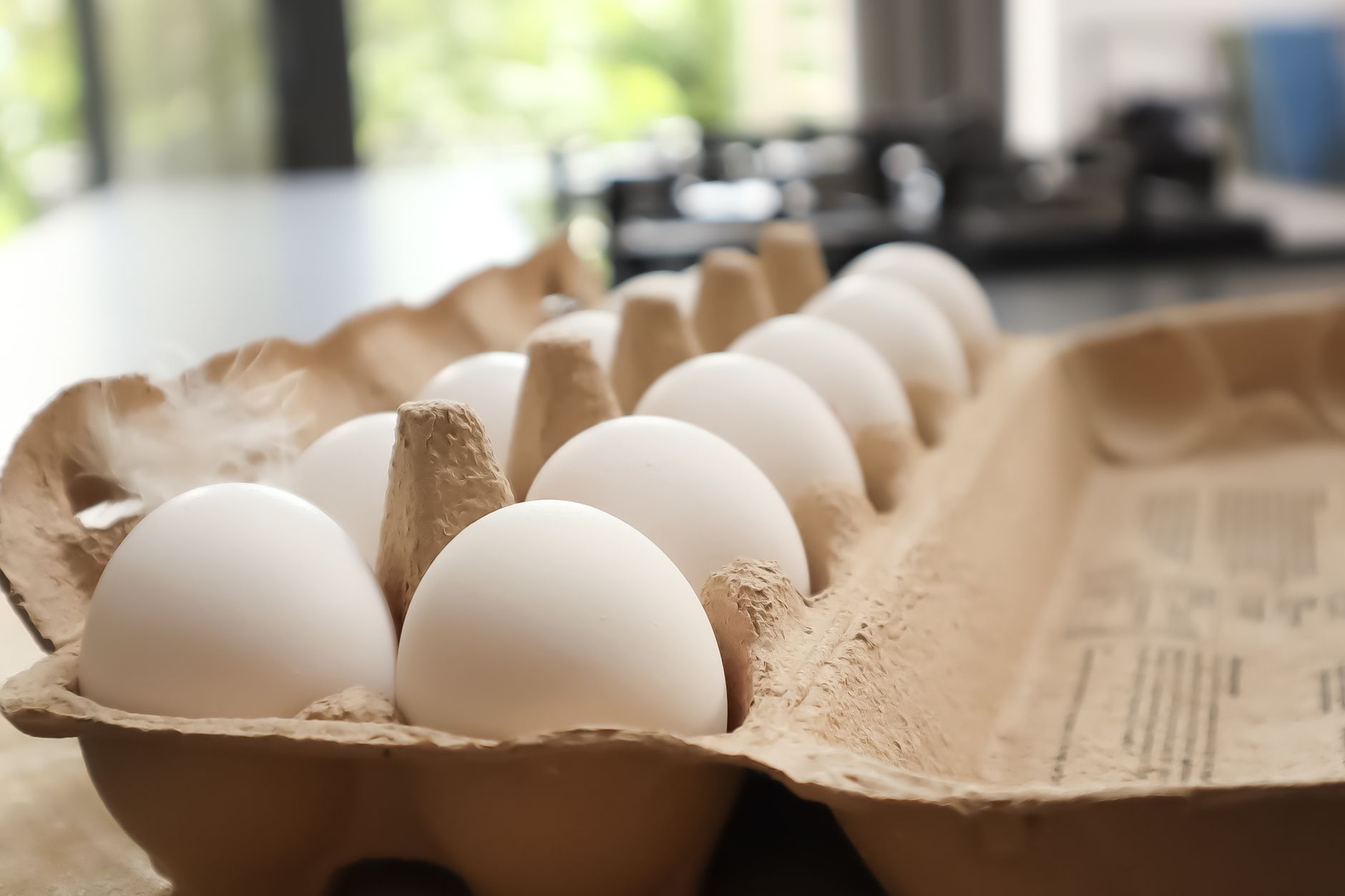
Proper storage minimizes bacterial growth. Keep eggs refrigerated at ≤ 40 °F (4 °C) and store them in their original carton to protect against odors. Use eggs within 3‑5 weeks of the pack date, and discard any that crack or develop an off‑odor. For pasteurized eggs, follow the “use‑by” date on the package and keep them refrigerated at all times.
Look for the “pasteurized” label to enjoy a runny yolk safely during pregnancy.
Safe dosage / amount / brands
Because the consensus is to avoid runny yolk eggs, there is no “safe amount” for regular eggs. However, overall egg consumption is considered healthy when eggs are fully cooked. ACOG notes that most pregnant people can safely eat up to three whole eggs per week, provided they are cooked until both white and yolk are firm. This amount supplies essential choline for fetal brain development without excessive cholesterol.
If you opt for pasteurized eggs, you can enjoy them in the same quantities as regular eggs—up to three per week—while maintaining the runny texture you love. When selecting a brand, look for:
Eggland’s Best Pasteurized Shell Eggs – Certified pasteurized, widely available, and labeled “Safe for pregnant women.”
Vital Farms Pasteurized Eggs – Pasture‑raised and pasteurized; clearly marked on the carton.
Just Egg (liquid plant‑based) – Fully pasteurized, mimics egg texture, and is free of cholesterol.
Avoid any egg product that does not explicitly state “pasteurized” or “ready‑to‑eat.” If in doubt, treat the egg as unpasteurized and cook it fully.
Side effects and risks
Most healthy adults who contract salmonella experience gastrointestinal upset: fever, abdominal cramps, diarrhea, and vomiting. In pregnancy, these symptoms can lead to dehydration, which reduces blood flow to the placenta. Persistent high fever (>101.5 °F or 38.6 °C) during the first trimester is linked to a slight increase in neural tube defect risk.
Rare but serious complications include:
Septicemia – Bacteria entering the bloodstream, potentially endangering both mother and baby.
Preterm labor – Triggered by severe infection or fever.
Transmission to the newborn – Via breast milk if the mother remains infected.
Secondary infections – Such as urinary tract infection from dehydration.
If you develop any of these symptoms after eating a runny yolk, contact your obstetric provider promptly. Mild symptoms can often be managed with hydration and rest, but medical evaluation is essential to rule out complications.
Safer alternatives
Hard‑cooked eggs – Fully set yolk eliminates salmonella risk.
Pasteurized liquid egg whites – Provide protein without yolk.
Tofu scramble – Offers a creamy texture similar to soft eggs.
Greek yogurt – High in protein and calcium, ready to eat.
Cottage cheese – Soft, nutrient‑dense, and safe.
Fortified plant‑based egg replacer (e.g., JUST Egg) – Pasteurized and safe for runny textures.
Fully cooked poached egg – Tender but fully set.
Egg white omelette – No yolk, no salmonella concern.
These options let you keep the nutrient benefits of eggs—especially choline, vitamin D, and high‑quality protein—while staying within the safety parameters recommended for pregnancy.
Related items — safety at a glance
Item
Verdict
One‑line note
Soft‑boiled egg
❌ Avoid
Yolk often runny – risk of salmonella.
Poached egg
❌ Avoid
Yolk may remain liquid; choose pasteurized.
Fried egg
❌ Avoid
Sunny‑side‑up yolk is undercooked.
Scrambled egg
✅ Generally safe
Cook until both white and yolk are firm.
Egg white omelette
✅ Generally safe
No yolk, eliminates salmonella risk.
Egg substitute (liquid)
✅ Generally safe
Commercial substitutes are pasteurized.
Egg yolk powder
✅ Generally safe
Dehydrated and safe for use in recipes.
Egg‑based sauces (e.g., hollandaise)
❌ Avoid
Often contain raw or undercooked yolk.
Myth vs. fact
Myth: “If the egg looks fresh, the yolk can’t be dangerous.”
Fact: Freshness does not guarantee the absence of salmonella; the bacteria can be present regardless of appearance.
Myth: “A small runny yolk is harmless because I’m only eating a little.”
Fact: Even a tiny amount of undercooked egg can contain enough bacteria to cause illness, especially in pregnancy.
Myth: “Cooking eggs until the white is set is enough.”
Fact: The yolk must also reach 160 °F (71 °C); otherwise, salmonella may survive.
Myth: “Pasteurized eggs are just the same as regular eggs, so I don’t need to check the label.”
Fact: Only eggs explicitly labeled “pasteurized” have undergone the heat treatment that eliminates salmonella while preserving a runny yolk.
Key takeaways
❌ Runny yolk eggs are best avoided during pregnancy due to salmonella risk.
Pasteurized eggs are the only safe way to enjoy a runny yolk texture.
Fully cooked eggs (white and yolk firm) are safe in all trimesters and while breastfeeding.
Limit overall egg consumption to about three whole eggs per week, ensuring they’re fully cooked.
If you develop fever, vomiting, or diarrhea after eating a runny yolk, contact your provider immediately.
Frequently asked questions
Can pregnant women eat runny eggs?
Pregnant women should avoid runny eggs unless they are made from pasteurized eggs; the risk of salmonella outweighs the culinary benefit.
What are the dangers of eating undercooked eggs while pregnant?
Undercooked eggs can harbor salmonella, leading to fever, dehydration, and potential complications such as preterm labor or fetal developmental issues.
How can I tell if an egg is safe to eat during pregnancy?
Check that both the white and yolk are firm and that the internal temperature reaches 160 °F (71 °C); alternatively, use eggs labeled “pasteurized.”
Is pasteurized egg safe for pregnant women?
Yes—pasteurized eggs have been heat‑treated to destroy salmonella while preserving a runny texture, making them safe for pregnant women.
What is the safest way to cook eggs during pregnancy?
Cook eggs until both the white and yolk are firm, or use pasteurized egg products if you prefer a softer yolk.
Can salmonella affect a pregnant woman and her baby?
Salmonella can cause high fever and dehydration in the mother, which may increase the risk of birth defects, preterm labor, or transmission through breast milk.
Are egg yolk supplements safe during pregnancy?
Egg yolk supplements that are commercially pasteurized are generally considered safe, but you should discuss any supplement with your provider before use.
Do I need to avoid all runny yolk dishes like eggs benedict while pregnant?
Yes—unless the eggs used are pasteurized, dishes with runny yolk pose a salmonella risk and should be avoided during pregnancy.
What should I do if I accidentally ate a runny yolk before I knew I was pregnant?
If you discover you ate a runny yolk before confirming your pregnancy, monitor for fever, diarrhea, or vomiting and call your provider if any symptoms develop; most exposures do not lead to severe illness, but early evaluation is prudent.
Can I use egg substitutes in baked goods during pregnancy?
Yes—commercial egg substitutes are typically pasteurized and safe for use in baking, making them a good alternative to raw or undercooked eggs.
When to call your doctor
If you experience any of the following after eating a runny yolk egg, contact your obstetric provider right away:
Fever of 101.5 °F (38.6 °C) or higher.
Severe or persistent vomiting or diarrhea.
Abdominal pain that does not subside within a few hours.
Signs of dehydration (dry mouth, dizziness, reduced urine output).
Any unusual symptoms that concern you.
These guidelines are informational only and do not replace personalized medical advice. Always discuss your diet and any concerns with your healthcare provider.
References
American College of Obstetricians and Gynecologists. Committee Opinion No. 774: Nutrition During Pregnancy. ACOG, 2022.
National Health Service (NHS). Food safety for pregnant women: eggs. NHS, 2023.
U.S. Centers for Disease Control and Prevention. Salmonella and eggs. CDC, 2021.
U.S. Food and Drug Administration. Egg safety and pasteurization. FDA, 2022.
World Health Organization. Foodborne disease surveillance. WHO, 2020.
Mayo Clinic. Pregnancy nutrition: eggs and other protein sources. Mayo Clinic, 2023.
Harvard T.H. Chan School of Public Health. Eggs and pregnancy. Harvard, 2022.
Not sure about the label on Is Runny Yolk Safe During Pregnancy products?
Snap the ingredients list and SafeFilter checks every ingredient for your stage — only 3 free scans this month, then you're locked until reset. Unlimited from $7/mo or $50/yr.
When Shubhra Mishra was expecting her first child in 2016, she was overwhelmed by conflicting food advice — one site said yes, another said never. By the time her second baby arrived in 2019, she realized millions of mothers face the same confusion.
That sparked a five-year journey through clinical nutrition papers, cultural diets, and expert conversations — all leading to BumpBites: a calm, compassionate space where science meets everyday motherhood.
Her long-term vision is to build a global community ensuring safe, supported, and free deliveriesfor every mother — because no woman should face pregnancy alone or uninformed. 🌿
🌍 Stand with mothers, shape safer guidance
Join a small circle of experts who review BumpBites articles so expecting parents everywhere can decide with confidence.