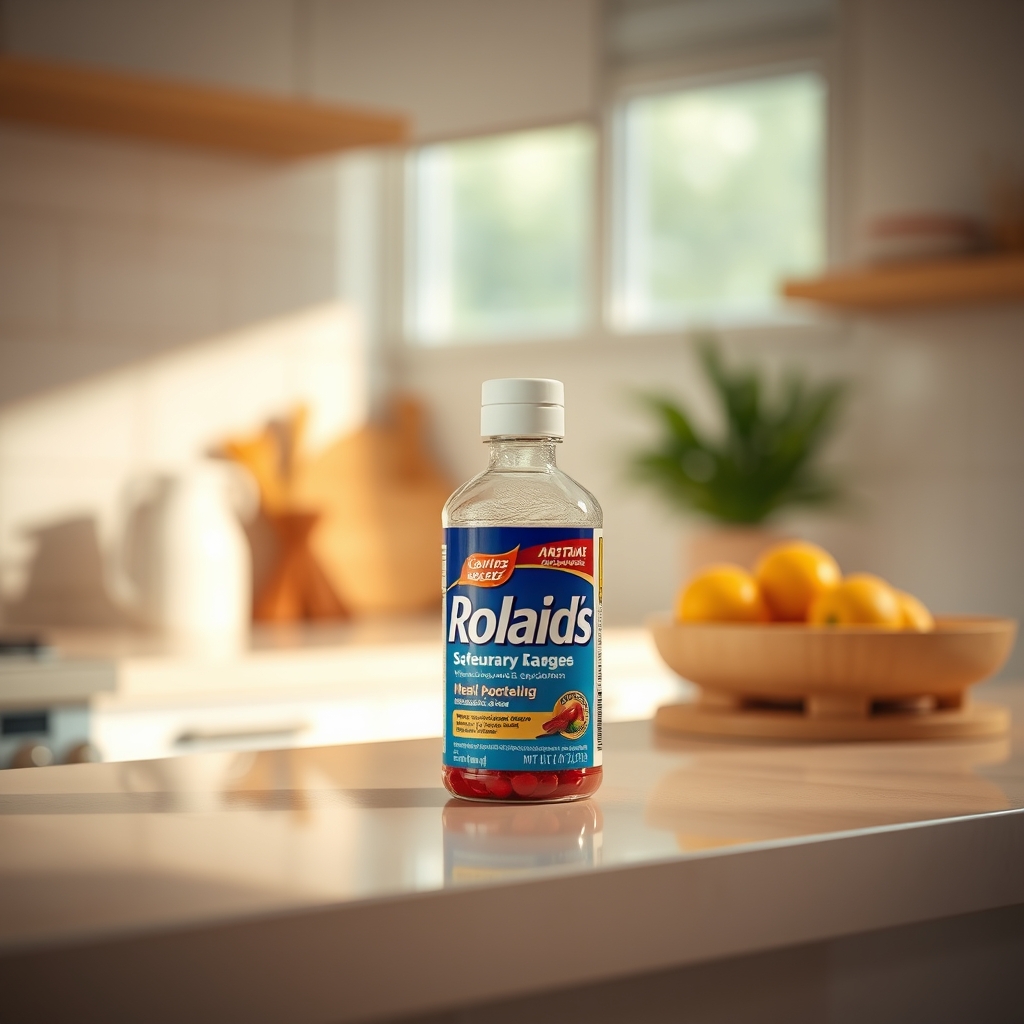
Safe in moderation. Rolaids can relieve heartburn during pregnancy, but limit to 2-4 tablets daily and avoid long-term use, especially in the first trimester.
By Shubhra Mishra — a mom of two who turned her own confusion during pregnancy into BumpBites, a global mission to make food choices clear, safe, and stress-free for every expecting mother. 💛
Check whether any food is safe during pregnancy with the BumpBites Food Safety Checker.
Quick verdict: ⚠️ Safe with limits. Rolaids can be used for occasional heartburn in pregnancy, but keep the dose low (no more than two chewable tablets a day) and talk to your provider if you need it regularly.
It’s 2 a.m., the kitchen light flickers on, and you’re staring at a bottle of Rolaids wondering, “is rolaids safe during pregnancy?” You might have already taken one after a bout of heartburn, or you’re about to reach for it while you’re still deciding whether it’s okay for your growing baby. First, take a deep breath—you’re not alone, and the answer is clearer than the night‑time glare.
In short, Rolaids is generally considered safe for occasional use in pregnancy when you stay within the recommended limits. The antacid’s active ingredients—calcium carbonate and magnesium hydroxide—are both classified as pregnancy‑category B by the U.S. FDA, meaning animal studies have not shown a risk to the fetus and there are no well‑controlled studies in pregnant people. However, because calcium intake adds up quickly (especially when you’re also taking prenatal vitamins), it’s important to watch the total amount.
This article walks through the overall safety verdict for Rolaids, breaks down trimester‑specific considerations, tells you how many tablets are safe, highlights potential risks, and offers gentler alternatives. We’ll also compare Rolaids to other common antacids, debunk a few myths, and give you a concise cheat‑sheet you can keep on hand. Whether you’ve already taken a dose or you’re just curious, you’ll find the information you need without the anxiety.
We’ll also address related questions that often pop up: “Can I use Rolaids while breastfeeding?”, “What if I accidentally take too many?”, and “How does Rolaids compare to other heart‑burn remedies?” By the end of this read, you’ll have a clear plan for managing reflux safely throughout your pregnancy.
Keep a bottle of Rolaids within reach for occasional heartburn, but remember it’s a short‑term solution.
Stage of pregnancy
Verdict
Notes
First trimester
⚠️ Safe with limits
Occasional use (≤2 tablets/day) is acceptable; avoid high calcium doses if you’re already on prenatal vitamins.
Second trimester
⚠️ Safe with limits
Same dosage guidance; monitor for constipation or magnesium‑related diarrhea.
Third trimester
⚠️ Safe with limits
Be cautious of excessive calcium, which could affect iron absorption; limit to 2 tablets/day.
Breastfeeding
✅ Generally safe
Calcium carbonate and magnesium hydroxide are minimally secreted in breastmilk; standard dosing is fine.
What is Rolaids and how does it work?
Rolaids is an over‑the‑counter (OTC) antacid that comes in chewable tablet form. Each tablet typically contains 750 mg of calcium carbonate and 125 mg of magnesium hydroxide. Calcium carbonate works by neutralizing stomach acid through a simple chemical reaction that creates water and carbon dioxide, while magnesium hydroxide does the same but also draws water into the intestines, which can relieve acidity but sometimes cause loose stools.
People turn to Rolaids when they experience heartburn, acid indigestion, or an upset stomach—common discomforts during pregnancy caused by hormonal changes that relax the lower esophageal sphincter and the growing uterus pressing on the stomach. Because the active ingredients are mineral‑based rather than drug‑based, they are generally considered milder than prescription acid‑suppressing medications.
The chewable format makes it easy to take without water, and the mild flavor often appeals to pregnant people who may have heightened taste sensitivities. However, the calcium component can contribute significantly to daily calcium intake, and the magnesium component can affect bowel movements, both of which matter when you’re already managing prenatal nutrition and digestion.
Beyond heartburn relief, calcium carbonate also provides a supplemental source of calcium—a mineral essential for fetal bone and teeth formation. For many pregnant people, the calcium from Rolaids can help meet the recommended 1,000 mg daily intake, but it must be balanced against other dietary sources and prenatal vitamins to avoid exceeding the upper safe limit.
Is Rolaids safe during pregnancy?
Current guidance from the American College of Obstetricians and Gynecologists (ACOG) and the UK’s National Health Service (NHS) states that calcium‑based antacids such as Rolaids are safe for occasional use in pregnancy, provided the total calcium intake does not exceed 2,500 mg per day (the recommended upper limit for pregnant adults). The U.S. Food and Drug Administration (FDA) classifies calcium carbonate as a Category B substance, indicating no proven risk to the fetus.
Clinical data are limited because pregnant people are often excluded from drug trials, but observational studies have not linked occasional calcium‑based antacid use to birth defects or adverse pregnancy outcomes. The main concern is calcium overload, which can interfere with iron absorption—a key nutrient in the second and third trimesters. Therefore, most obstetricians advise keeping antacid use to the lowest effective dose and spacing it away from iron‑rich meals or supplements.
Magnesium hydroxide, the secondary ingredient, is also a Category B compound. It is commonly used in prenatal magnesium supplements to prevent pre‑eclampsia, so occasional doses from Rolaids are not considered harmful. The most common side effect is mild constipation or, less frequently, diarrhea, both of which are usually self‑limited.
In short, is rolaids safe during pregnancy—yes, for short‑term relief and when you stay within the recommended dosage limits. If you find yourself needing antacids more than a few times a week, discuss it with your provider to rule out underlying GERD or other conditions that may require a different treatment plan.
For breastfeeding parents, both calcium carbonate and magnesium hydroxide are excreted in only trace amounts in breastmilk, and the standard adult dose does not pose a risk to the nursing infant. Nonetheless, it’s a good practice to keep your provider in the loop, especially if you’re using multiple supplements.
Is it safe to take Rolaids during the first trimester?
The first trimester is the period of organ formation, so many expectant parents are extra cautious about any medication. Rolaids’ calcium carbonate component is considered low‑risk for the developing embryo because it does not cross the placenta in harmful amounts. ACOG’s Committee Opinion on medication use in early pregnancy notes that occasional calcium‑based antacids are permissible when needed for symptom relief.
Because prenatal vitamins often contain 200–300 mg of calcium, adding more than two Rolaids tablets could push total calcium intake above the safe upper limit. If you’re in the first trimester and experiencing frequent heartburn, try non‑medicinal measures first—elevating the head of the bed, eating smaller meals, and avoiding trigger foods—before reaching for Rolaids.
Bottom line: occasional use (≤2 chewable tablets per day) is acceptable in the first trimester, but keep an eye on total calcium from all sources.
Is it safe to take Rolaids during the second trimester?
During the second trimester, the fetus’s skeletal system begins to mineralize heavily, increasing the mother’s calcium demand. The recommended daily calcium intake for pregnant people is 1,000 mg, with the upper limit set at 2,500 mg to avoid complications such as kidney stones or impaired iron absorption. Rolaids, delivering roughly 750 mg of calcium per tablet, can be safely incorporated into this plan as long as you stay within the 2‑tablet daily ceiling.
The NHS advises that if you’re already taking a prenatal vitamin with calcium, you should limit antacid use to one tablet (about 750 mg) per day. Magnesium hydroxide can be beneficial, as magnesium is often recommended to reduce the risk of pre‑eclampsia. However, excessive magnesium can cause loose stools, which may exacerbate dehydration—a concern in later pregnancy.
In practice, many clinicians recommend using Rolaids no more than once or twice a week in the second trimester, reserving it for breakthrough heartburn rather than daily use.
Is it safe to take Rolaids during the third trimester?
The third trimester brings the greatest pressure on the stomach from the enlarging uterus, making heartburn more common. Calcium remains essential for fetal bone development, but the maternal calcium requirement does not increase beyond the earlier trimesters. Because of this, the same dosage limits apply: ≤2 tablets per day, with a total calcium intake not exceeding 2,500 mg.
One additional consideration in late pregnancy is the potential for calcium to interfere with iron absorption, which can contribute to anemia if you’re already at risk. If you notice that your iron levels are low, your provider may suggest spacing Rolaids at least two hours away from iron‑containing supplements.
Overall, occasional Rolaids use in the third trimester is safe, but keep the dose low and monitor for constipation, a common issue as labor approaches.
Is Rolaids safe for pregnant women with heartburn?
Heartburn affects up to 70 % of pregnant people, and Rolaids can be an effective, fast‑acting option. The antacid’s calcium carbonate neutralizes excess stomach acid, providing quick relief. For most women, using Rolaids as directed (no more than two chewable tablets per day) does not pose a risk to the baby, provided total calcium intake remains within safe limits.
If heartburn is persistent—occurring more than a few times a week—your provider may recommend a longer‑acting antacid such as a proton‑pump inhibitor (e.g., omeprazole) or a H2‑blocker (e.g., famotidine), which have their own safety profiles but are also considered low‑risk in pregnancy when used under medical supervision.
How many Rolaids can I safely take while pregnant?
The standard adult dose for Rolaids chewable tablets is 2‑4 tablets every 4‑6 hours, not exceeding 8 tablets per day. For pregnancy, most obstetric guidelines halve that ceiling to protect against calcium overload. The consensus among ACOG and the NHS is to limit intake to no more than two chewable tablets (about 1,500 mg calcium) per day. If you’re also taking a prenatal vitamin with calcium, you may want to stick to a single tablet on days when you need extra relief.
When you reach the limit, consider non‑pharmacologic measures—eating a banana, drinking a glass of water, or using a wedge pillow—to manage symptoms. If you need antacid relief more frequently than twice a week, schedule a conversation with your provider to explore safer, longer‑acting options.
Rolaids vs. other antacids: which is best for pregnancy?
All antacids share the same goal—neutralizing stomach acid—but they differ in mineral composition. Rolaids combines calcium carbonate (high calcium) with magnesium hydroxide (moderate magnesium). Tums, another calcium‑based option, offers similar calcium content but often comes in lower‑dose tablets, making it easier to fine‑tune total calcium intake. Maalox and Mylanta contain aluminum hydroxide in addition to magnesium, providing relief without adding extra calcium, which can be advantageous if you’re already meeting calcium goals.
When choosing an antacid, consider your overall mineral intake, any existing medical conditions (such as kidney disease, where aluminum‑based products are discouraged), and your tolerance for side effects like constipation or diarrhea. Discuss your choice with your obstetric provider to ensure it aligns with your prenatal supplement regimen.
How to manage heartburn naturally during pregnancy
Even if you decide to keep Rolaids as a backup, many lifestyle tweaks can reduce reflux without medication. Eating smaller, more frequent meals, avoiding spicy or fatty foods, and staying upright for at least an hour after eating are simple first‑line strategies. Drinking a glass of warm water with a teaspoon of honey, chewing sugar‑free gum, or sipping ginger tea can also soothe the esophagus.
Elevating the head of your bed by 6‑8 inches using a wedge pillow helps keep stomach acid from traveling back up while you sleep. Wearing loose‑fitting clothing and avoiding tight belts reduces abdominal pressure. Finally, staying well‑hydrated and consuming adequate fiber can mitigate constipation, a side effect that can worsen heartburn.
Simple diet and positioning changes can often keep heartburn at bay.
What side effects might Rolaids cause during pregnancy?
Common, mild side effects include:
Constipation – due to calcium’s binding effect.
Occasional diarrhea – from magnesium hydroxide.
Belching or mild gas – a normal result of neutralizing stomach acid.
Serious side effects are rare but can include signs of hypercalcemia such as nausea, vomiting, excessive thirst, or frequent urination. If you notice any of these, stop taking Rolaids and contact your provider.
Safer alternatives
Tums – calcium carbonate chewable tablets; same safety limits but often available in lower‑dose options, making it easier to stay under the calcium ceiling.
Maalox – combines aluminum hydroxide and magnesium hydroxide; low calcium, good if you’re already meeting calcium needs.
Mylanta – similar to Maalox, provides quick relief without adding extra calcium.
Gaviscon – creates a protective foam barrier; safe for daily use and gentle on the stomach.
Milk of Magnesia – pure magnesium hydroxide; useful when you want to avoid extra calcium.
Pepcid AC (famotidine) – H2‑blocker; works by reducing acid production, safe for regular use under medical guidance.
Low‑dose calcium carbonate chewables – if you need extra calcium for bone health, choose a formulation with 200‑300 mg per tablet and track total intake.
Alginate‑based products (e.g., Gaviscon Advanced) – form a buoyant barrier that sits on top of stomach contents, minimizing reflux without altering mineral balance.
Related items — safety at a glance
Antacid
Verdict
One‑line note
Tums
⚠️ Safe with limits
Calcium carbonate; keep total calcium < 2,500 mg/day.
Maalox
✅ Generally safe
Aluminum & magnesium hydroxide; low calcium.
Mylanta
✅ Generally safe
Aluminum & magnesium; good for frequent use.
Gaviscon
✅ Generally safe
Alginate barrier; no mineral overload.
Pepcid (famotidine)
✅ Generally safe
H2‑blocker; works by reducing acid production.
Zantac (ranitidine)
⚠️ Talk to doctor
Removed from many markets due to NDMA concerns.
Prilosec (omeprazole)
✅ Generally safe
Proton‑pump inhibitor; usually reserved for persistent GERD.
Nexium (esomeprazole)
✅ Generally safe
Another PPI; safe under provider supervision.
Myth vs. fact
Myth: All antacids are unsafe because they contain calcium.
Fact: Calcium‑based antacids like Rolaids are safe in pregnancy when used within the recommended daily calcium limits.
Myth: Taking Rolaids can cause birth defects.
Fact: No credible studies link occasional Rolaids use to fetal abnormalities; the FDA classifies its ingredients as Category B.
Myth: You must avoid any antacid after the first trimester.
Fact: Antacids remain safe throughout pregnancy; the key is staying within dosage limits and monitoring total mineral intake.
Myth: If a single dose is okay, you can take as many as you want.
Fact: Even occasional over‑use can push calcium levels above the safe upper limit, leading to constipation, kidney stones, or reduced iron absorption.
Key takeaways
Rolaids is generally safe for occasional heartburn relief in pregnancy when limited to ≤2 chewable tablets per day.
Watch your total calcium intake from prenatal vitamins and diet; stay below 2,500 mg/day.
Magnesium hydroxide can cause mild diarrhea; constipation is a more common side effect from calcium.
If you need antacids more than a few times a week, discuss longer‑acting options with your provider.
Safer alternatives include Tums, Maalox, Mylanta, Gaviscon, Milk of Magnesia, and Pepcid AC.
Always consult your obstetric provider before starting any new medication, even OTC products.
Non‑medicinal strategies—like dietary changes, proper positioning, and hydration—can often keep heartburn under control.
Frequently asked questions
Can I take Rolaids while pregnant?
Yes, you can take Rolaids during pregnancy for occasional heartburn, but limit yourself to no more than two chewable tablets per day and ensure your total calcium intake stays under 2,500 mg.
What antacids are safe during pregnancy?
Antacids that are generally considered safe include calcium carbonate (Tums, Rolaids), magnesium hydroxide (Milk of Magnesia), aluminum‑magnesium combinations (Maalox, Mylanta), alginate‑based products (Gaviscon), and H2‑blockers like famotidine (Pepcid AC).
How many Rolaids can a pregnant woman take per day?
The recommended maximum is two chewable tablets (about 1,500 mg calcium) per day, especially if you’re also taking a prenatal vitamin with calcium.
Are there any risks to the baby from taking Rolaids?
When used within the recommended limits, Rolaids does not pose a known risk to the baby; the main concerns are maternal calcium overload and potential interference with iron absorption.
Do I need a doctor's prescription for antacids in pregnancy?
No prescription is required for OTC antacids like Rolaids, but it’s wise to discuss regular use with your provider, especially if symptoms are frequent or severe.
Can Rolaids cause constipation in pregnant women?
Yes, the calcium carbonate in Rolaids can lead to constipation, a common pregnancy complaint. Staying hydrated and eating fiber‑rich foods can help mitigate this side effect.
Is calcium carbonate safe for pregnant women?
Calcium carbonate is safe for pregnant women when total daily calcium does not exceed 2,500 mg; it also serves as a supplemental source of calcium for fetal bone development.
What are the side effects of Rolaids during pregnancy?
Typical side effects include mild constipation, occasional diarrhea, and belching. Severe side effects like hypercalcemia are rare but require immediate medical attention.
What should I do if I accidentally took too many Rolaids?
If you exceed the recommended dose, drink plenty of water, monitor for symptoms of hypercalcemia (excessive thirst, frequent urination, nausea), and contact your obstetric provider promptly.
Can I take Rolaids if I have high blood pressure?
Rolaids is generally considered safe for people with hypertension because it does not contain sodium‑based antacids; however, discuss any chronic conditions with your provider before use.
When to call your doctor
If you notice any of the following while taking Rolaids, contact your obstetric provider right away:
Severe or persistent constipation that does not improve with diet or fluids.
Diarrhea lasting more than two days, leading to dehydration.
Signs of hypercalcemia: excessive thirst, frequent urination, nausea, or vomiting.
Persistent heartburn that requires antacids more than twice a week.
Any new or worsening abdominal pain, especially if accompanied by bleeding.
These symptoms are informational only and not a substitute for personalized medical advice. Always discuss any medication concerns with your healthcare provider.
References
American College of Obstetricians and Gynecologists (ACOG). “Medication Use During Pregnancy.” Committee Opinion, 2022.
National Health Service (NHS). “Antacids and heartburn in pregnancy.” UK guideline, 2021.
U.S. Food and Drug Administration (FDA). “Pregnancy and Lactation Labeling Rule (PLLR) for Calcium Carbonate.” 2020.
Centers for Disease Control and Prevention (CDC). “Pregnancy Nutrition: Calcium.” 2023.
World Health Organization (WHO). “Maternal Nutrition and Pregnancy.” Technical Report Series, 2020.
Mayo Clinic. “Heartburn and indigestion during pregnancy.” Patient Care & Health Information, 2022.
National Institute for Health and Care Excellence (NICE). “Gastro‑oesophageal reflux disease in pregnancy.” Clinical guideline, 2020.
Not sure about the label on Is Rolaids Safe During Pregnancy products?
Snap the ingredients list and SafeFilter checks every ingredient for your stage — only 3 free scans this month, then you're locked until reset. Unlimited from $7/mo or $50/yr.
When Shubhra Mishra was expecting her first child in 2016, she was overwhelmed by conflicting food advice — one site said yes, another said never. By the time her second baby arrived in 2019, she realized millions of mothers face the same confusion.
That sparked a five-year journey through clinical nutrition papers, cultural diets, and expert conversations — all leading to BumpBites: a calm, compassionate space where science meets everyday motherhood.
Her long-term vision is to build a global community ensuring safe, supported, and free deliveriesfor every mother — because no woman should face pregnancy alone or uninformed. 🌿
🌍 Stand with mothers, shape safer guidance
Join a small circle of experts who review BumpBites articles so expecting parents everywhere can decide with confidence.