Safe in moderation. Reese's Peanut Butter Cups are generally safe during pregnancy if consumed occasionally (1-2 cups max) and you have no peanut allergies or gestational diabetes.
By Shubhra Mishra — a mom of two who turned her own confusion during pregnancy into BumpBites, a global mission to make food choices clear, safe, and stress-free for every expecting mother. 💛
Check whether any food is safe during pregnancy with the BumpBites Food Safety Checker.
Quick verdict: ⚠️ Safe with limits – enjoying a modest portion of Reese’s Peanut Butter Cups is generally okay during pregnancy, but keep the amount low and be mindful of sugar, caffeine, and peanut exposure.
It’s 2 a.m., you’re scrolling through snack ideas, and a sudden thought—“is reeses peanut butter cups safe during pregnancy?”—sends a jolt of anxiety through your mind. You might have already nibbled a couple, or you’re wondering if a treat will be okay later this trimester. First, take a breath. You’re not alone; many expectant parents worry about chocolate, candy, and nut‑based snacks. The short answer is that Reese’s Peanut Butter Cups can be part of a balanced pregnancy diet, but moderation is key.
In this article we’ll break down exactly what the leading health authorities (ACOG, NHS, FDA, CDC) say about candy, peanuts, caffeine, and sugar during pregnancy. You’ll get a clear safety snapshot by trimester, a practical guide to how many cups are reasonable, and a list of safer alternatives if you’d rather skip the peanuts. We’ll also cover special scenarios like gestational diabetes and peanut allergy, compare different Reese’s varieties, and give you a quick‑reference table of related candy items.
Whether you’re craving a sweet bite at midnight or planning a snack for a baby shower, the information below will help you enjoy your favorite treat without unnecessary worry.
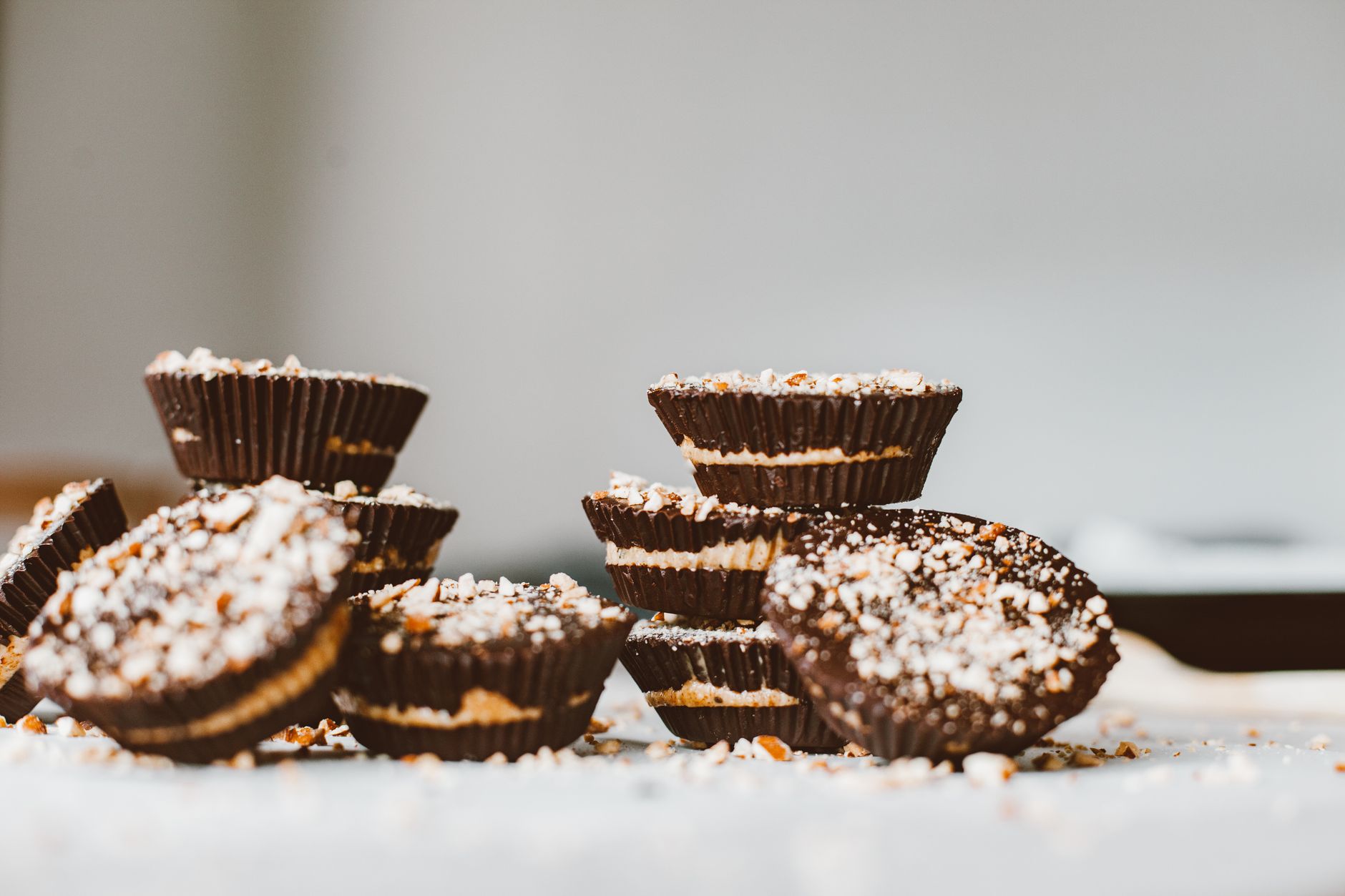
Seeing the portion size can make it easier to keep treats within safe limits.
Stage
Verdict
Notes
First trimester
⚠️ Safe with limits
Limit to 1‑2 cups per week; watch for excess caffeine and added sugars.
Second trimester
⚠️ Safe with limits
Same portion guidance; ensure adequate calcium and iron intake.
Third trimester
⚠️ Safe with limits
Maintain portion limits; monitor blood‑sugar if you have gestational diabetes.
Breastfeeding
⚠️ Safe with limits
Peanut proteins pass into milk in tiny amounts; most infants tolerate them, but watch for reactions.
What is Reese’s Peanut Butter Cups?
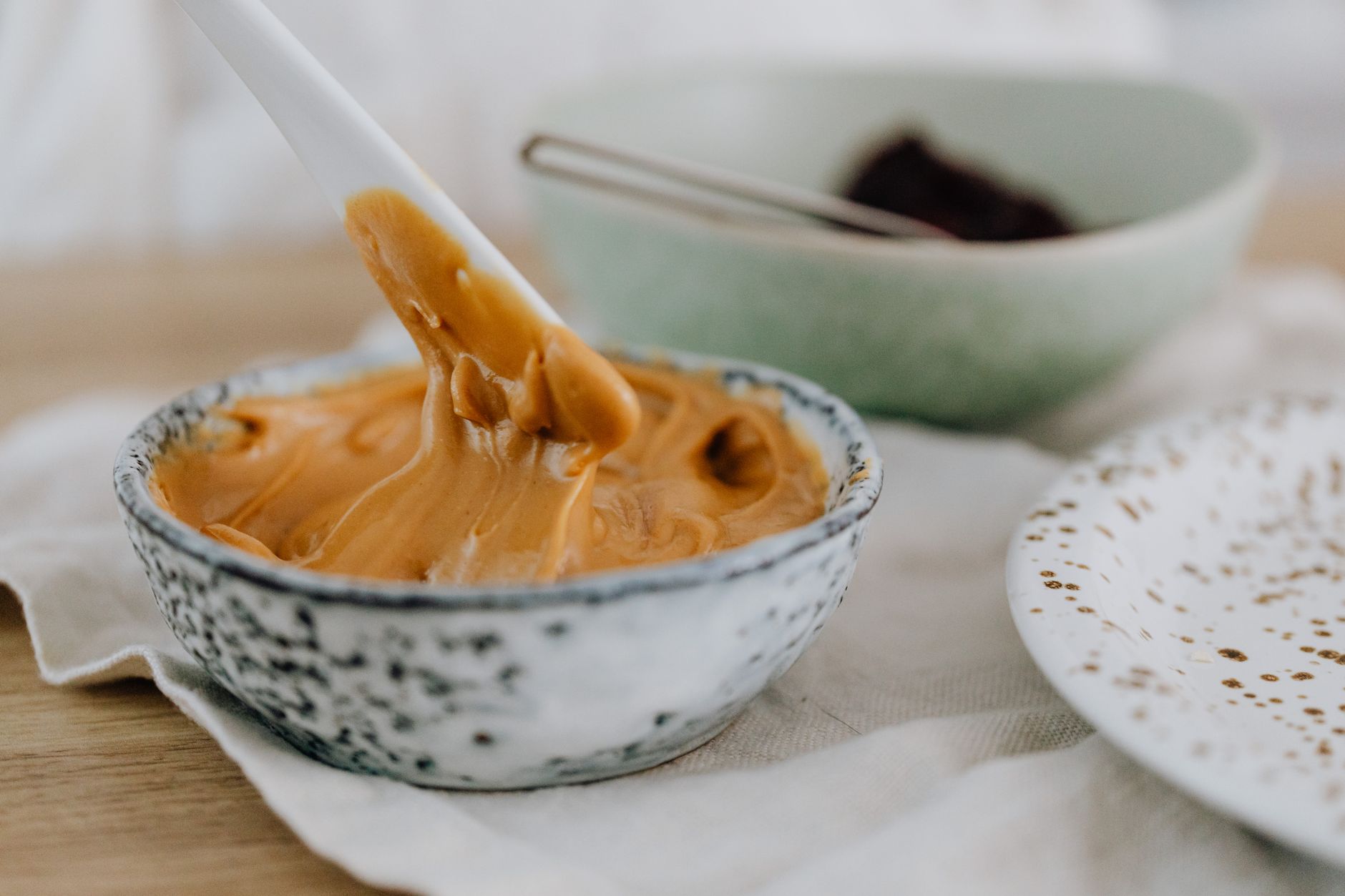
Reese’s Peanut Butter Cups are a classic American candy made by The Hershey Company. Each cup consists of a creamy peanut‑butter filling enveloped in a thin milk‑chocolate coating. The standard size contains roughly 7 grams of sugar, 1 gram of caffeine (from the chocolate), 2 grams of protein, and 1 gram of saturated fat per cup. The peanut butter provides a modest amount of healthy monounsaturated fats and some vitamin E, while the chocolate contributes a small dose of flavonoids—antioxidants that have been studied for their potential cardiovascular benefits.
The ingredient list typically includes sugar, corn syrup, peanuts, partially hydrogenated vegetable oil, cocoa, milkfat, and a few emulsifiers. Because the candy is mass‑produced, the peanuts are roasted, salted, and ground to a smooth consistency, which makes the product low in fiber but high in calorie density. Understanding the label helps you gauge how the treat fits into your daily nutrient goals.
When you ask, “is reeses peanut butter cups safe during pregnancy?” the answer is nuanced. The American College of Obstetricians and Gynecologists (ACOG) notes that moderate chocolate consumption (up to 30 g of chocolate per day, roughly one standard Reese’s cup) is acceptable for most pregnant people, provided there are no contraindicating conditions such as gestational diabetes or a known peanut allergy. The UK’s National Health Service (NHS) echoes this, emphasizing that the caffeine content in a single cup (about 5 mg) is far below the 200 mg daily limit they recommend for pregnant women. The U.S. Food and Drug Administration (FDA) classifies peanuts as a common allergen but does not list them as a teratogen, meaning they do not directly cause birth defects. However, the CDC warns that any allergen exposure can trigger maternal allergic reactions, which could indirectly affect the fetus if severe.
Evidence from large cohort studies (e.g., the Norwegian Mother and Child Cohort Study) suggests that moderate chocolate intake does not increase the risk of miscarriage or congenital anomalies. Conversely, excessive sugar intake—well beyond the amount in a few cups—has been linked to higher odds of gestational diabetes and excessive weight gain, both of which can complicate pregnancy. Peanut butter itself is generally considered a healthy fat source, but it is calorie‑dense, so portion control matters.
Is Reese’s Peanut Butter Cups safe during pregnancy?
Yes—most obstetric guidelines consider a modest amount of Reese’s Peanut Butter Cups safe for pregnant people. The key considerations are caffeine, added sugars, and peanut allergy risk. ACOG’s nutrition guidance allows up to 30 g of chocolate daily, which translates to roughly one standard cup. NHS guidance caps caffeine at 200 mg per day; a single cup contributes about 5 mg, leaving plenty of headroom for coffee or tea. The FDA’s allergen labeling rules ensure that peanuts are clearly identified, allowing those with known allergies to avoid exposure.
Most of the concern around candy in pregnancy centers on two issues: blood‑sugar spikes and potential allergens. For people without diabetes, the sugar in a single cup is unlikely to cause a clinically significant rise in glucose. For those with gestational diabetes, the American Diabetes Association recommends keeping added sugars under 10 % of total daily calories; a single cup (≈7 g sugar) fits comfortably within that limit when consumed occasionally.
Another common misconception is that peanuts are “bad” for fetal development. Peanuts contain no teratogenic compounds, and the protein they provide can actually support fetal growth. The real risk is an allergic reaction, which can be severe for the mother. If you have a known peanut allergy, any amount of peanut‑containing candy—including Reese’s—should be avoided. For those without an allergy, occasional consumption is considered safe.
Overall, the balance of evidence supports the view that Reese’s Peanut Butter Cups are not a pregnancy‑specific hazard, as long as you stay within the recommended portion limits and monitor any personal health conditions.
First trimester
During the first trimester, the embryo’s organs are forming—a period called organogenesis. Because this is a critical window, ACOG advises pregnant people to avoid foods that could pose a high risk of infection (e.g., unpasteurized cheeses) or high levels of teratogenic substances. Reese’s Peanut Butter Cups do not contain known teratogens, but the caffeine and sugar content should still be limited. One to two cups per week is a reasonable ceiling, ensuring you stay well under the 200 mg caffeine threshold and keep added sugars within the recommended 10 % of daily calories.
Second trimester
In the second trimester, the fetus grows rapidly, and maternal nutrient needs increase. The modest amount of calcium and iron in chocolate can be beneficial, but the key is balance. Continuing the same modest intake—no more than 1‑2 cups weekly—helps avoid unnecessary spikes in blood glucose, which is especially important if you develop gestational diabetes. Peanut‑butter filling adds protein and healthy fats, supporting fetal brain development, but keep the overall calorie contribution modest.
Third trimester
By the third trimester, the baby’s brain and lungs are maturing, and the mother’s body prepares for delivery. The caffeine in a single cup remains well below the 200 mg safety limit, so occasional consumption is fine. However, if you have been diagnosed with gestational diabetes, the American Diabetes Association recommends limiting added sugars, which includes candy like Reese’s. In that case, restrict intake to no more than one cup per month, or choose a lower‑sugar alternative.
Breastfeeding
Peanut proteins do appear in breast milk in trace amounts, but most infants tolerate them without issue. The American Academy of Pediatrics (AAP) states that maternal consumption of peanuts while breastfeeding does not increase the risk of peanut allergy in the infant, and may even promote tolerance. Nonetheless, if your baby shows signs of an allergic reaction (e.g., rash, vomiting), you may want to reduce or eliminate peanut‑containing foods.
Reese’s Peanut Butter Cups and gestational diabetes
Gestational diabetes (GDM) affects roughly 7 % of pregnancies in the United States. Managing carbohydrate intake is a cornerstone of GDM care, and candy is a common source of “hidden” sugars. A single Reese’s cup provides about 7 g of sugar, which is roughly 2 % of the daily carbohydrate allowance for most women with GDM (around 175 g). If you monitor your blood glucose after meals, you’ll see that a solitary cup rarely pushes levels into the hyperglycemic range, especially when paired with protein or fiber.
Nevertheless, the safest approach is to treat candy as an occasional treat rather than a daily habit. Pairing a cup with a small handful of nuts or a piece of fruit can blunt the glucose spike, and using a glucose monitor to check levels 1‑2 hours after eating can confirm that your body is handling the sugar well.
Allergen considerations beyond peanuts
Even if you’re not allergic to peanuts, it’s worth noting that Reese’s Peanut Butter Cups contain soy lecithin, a common allergen for some individuals. Soy allergies are less prevalent than peanut allergies, but they can still cause mild to moderate reactions. The product also contains traces of milk, which can be problematic for those with lactose intolerance or a milk allergy.
If you have multiple food sensitivities, reading the ingredient list becomes essential. The FDA’s “Food Allergen Labeling” rule requires manufacturers to clearly identify the eight major allergens (including peanuts, soy, and milk), so you can make an informed decision before reaching for the candy.
How to read the nutrition label on candy
Nutrition labels on candy can be confusing because they often list “serving size” that is smaller than a typical package. For Reese’s Peanut Butter Cups, a single cup is usually considered one serving, containing about 90 calories, 7 g of sugar, and 1 g of caffeine. When you buy a multi‑pack, multiply those numbers by the number of cups you plan to eat to stay within your daily limits.
Pay special attention to the “% Daily Value” (%DV) for added sugars and saturated fat. The American Heart Association recommends that added sugars make up no more than 5 % of daily calories for women (≈25 g). One cup provides roughly 28 % of that limit, reinforcing why moderation is key.
Safety snapshot table
Item
Safe weekly amount
Recommended brands
Brands to avoid
Standard Reese’s Peanut Butter Cups (1.5 oz pack)
1‑2 cups (≈30‑60 g chocolate)
Hershey’s original, Hershey’s “organic” line (same nutrition)
None specific; avoid any that list added caffeine or excessive sugar.
Reese’s Mini Peanut Butter Cups
Up to 4 mini cups (≈30 g chocolate)
Hershey’s mini packs
None specific; watch portion size.
Reese’s Dark Chocolate Peanut Butter Cups
1 cup (higher caffeine ≈10 mg)
Hershey’s “Dark Chocolate” line
Any version with added coffee flavor.
Nutritional profile breakdown
Nutrient
Amount per standard cup
% Daily Value* (based on 2,000 kcal diet)
Calories
90 kcal
4 %
Total Fat
5 g
7 %
Saturated Fat
1 g
5 %
Protein
2 g
4 %
Carbohydrate
10 g
3 %
Sugar (added)
7 g
28 %
Caffeine
5 mg
~2 % of 200 mg limit
*Percent Daily Values are based on general adult nutrition recommendations and may differ during pregnancy.
Safe dosage / amount / brands
Item
Safe weekly amount
Recommended brands
Brands to avoid
Standard Reese’s Peanut Butter Cups (1.5 oz pack)
1‑2 cups (≈30‑60 g chocolate)
Hershey’s original, Hershey’s “organic” line (same nutrition)
None specific; avoid any that list added caffeine or excessive sugar.
Reese’s Mini Peanut Butter Cups
Up to 4 mini cups (≈30 g chocolate)
Hershey’s mini packs
None specific; watch portion size.
Reese’s Dark Chocolate Peanut Butter Cups
1 cup (higher caffeine ≈10 mg)
Hershey’s “Dark Chocolate” line
Any version with added coffee flavor.
Enjoying a single cup as an occasional treat can fit into a balanced pregnancy diet.
Side effects and risks
Most pregnant people experience no adverse effects from the occasional Reese’s cup. However, be aware of the following:
Excess sugar: May cause blood‑glucose spikes, contributing to gestational diabetes or excessive weight gain.
Caffeine: While a single cup contains only about 5 mg, multiple cups can add up quickly, potentially exceeding the 200 mg/day limit recommended by NHS and ACOG.
Peanut allergy: For anyone with a known allergy, even one cup can trigger anaphylaxis, which requires immediate medical attention.
Digestive upset: High‑fat peanut butter can cause mild stomach discomfort in some individuals, especially if eaten on an empty stomach.
If you notice any of the following, contact your provider promptly: hives, swelling of lips or throat, difficulty breathing, rapid heartbeat, severe abdominal pain, or a sudden rise in blood glucose (if you have gestational diabetes). These signs may indicate a serious reaction that needs medical evaluation.
Choosing lower‑sugar or nut‑free alternatives can help you stay within safe limits.
Safer alternatives
Almond butter chocolate cups – provide similar creamy texture without peanuts.
Dark chocolate covered almonds – higher flavonoids, lower sugar, and no added peanut butter.
Organic peanut butter squares – same peanut flavor but often with less added sugar.
Cocoa‑dipped fruit pieces – give chocolate flavor with natural fruit fiber.
Nut‑free chocolate treats – ideal for those with peanut allergies.
Milk chocolate with no added caffeine – reduces caffeine exposure while still offering comfort.
Related items — safety at a glance
Item
Verdict
One‑line note
Reese’s Pieces
⚠️ Safe with limits
Similar peanut content; watch portion size.
Peanut butter chocolate bars
⚠️ Safe with limits
Higher sugar per serving; limit to one small bar weekly.
M&M’s Peanut
⚠️ Safe with limits
Contains peanuts and added sugars; same moderation applies.
Snickers
⚠️ Safe with limits
Higher caramel and sugar; keep to occasional treat.
Kit Kat
⚠️ Safe with limits
Chocolate‑only; lower peanut risk but watch caffeine.
Chocolate‑covered peanuts
⚠️ Safe with limits
Same peanut exposure; portion control essential.
Butterfinger
⚠️ Safe with limits
Contains peanut butter and caramel; moderate intake advised.
Myth vs. fact
Myth: All chocolate is dangerous for the baby.
Fact: Moderate chocolate consumption (up to 30 g per day) is considered safe by ACOG and NHS, as long as caffeine and sugar limits are respected.
Myth: Peanut butter candies cause birth defects.
Fact: Peanuts are not teratogenic; the primary concerns are allergy risk and added sugar, not fetal development.
Myth: You must avoid any candy once pregnant.
Fact: Enjoying a small portion of favorite treats, including Reese’s Peanut Butter Cups, can be part of a balanced diet when consumed responsibly.
Myth: “One cup a day is harmless” means you can eat a whole pack.
Fact: Portion size matters; a standard “cup” is a single piece, not the entire multi‑pack. Eating more than the recommended 1‑2 cups per week can quickly exceed sugar and caffeine limits.
Key takeaways
Reese’s Peanut Butter Cups are generally safe in pregnancy if limited to 1‑2 cups per week.
Keep caffeine under 200 mg/day; a single cup adds only about 5 mg.
Watch added sugar, especially if you have gestational diabetes.
People with peanut allergies should avoid them entirely.
Choose lower‑sugar or nut‑free alternatives for more frequent cravings.
Always discuss any concerns with your obstetric provider.
Mindful snacking helps you enjoy treats while staying within safe limits.
Frequently asked questions
Can pregnant women eat Reese's Peanut Butter Cups?
Yes—most pregnant people can enjoy a few Reese’s Peanut Butter Cups each week, provided they stay within recommended caffeine and sugar limits.
What are the potential side effects of eating Reese's Peanut Butter Cups while pregnant?
Side effects are usually mild, such as a temporary rise in blood sugar or mild stomach upset; severe reactions are rare unless you have a peanut allergy.
Is the caffeine in Reese's Peanut Butter Cups harmful during pregnancy?
One cup contains about 5 mg of caffeine, far below the 200 mg daily limit advised by NHS and ACOG, so it is not harmful when consumed in moderation.
How many Reese's Peanut Butter Cups are safe to eat each week during pregnancy?
Experts recommend no more than 1‑2 standard cups per week, which keeps added sugar and caffeine well within safe boundaries.
Do Reese's Peanut Butter Cups contain any ingredients that should be avoided in pregnancy?
They contain peanuts (a common allergen), added sugars, and a small amount of caffeine; all are safe in moderation unless you have an allergy or gestational diabetes.
Can I eat Reese's Peanut Butter Cups if I have a peanut allergy while pregnant?
No—any amount of peanut‑containing candy can trigger a severe allergic reaction, which is unsafe for both mother and baby.
Are there pregnancy‑safe chocolate alternatives to Reese's Peanut Butter Cups?
Yes—options like almond butter chocolate cups, dark chocolate‑covered almonds, and low‑sugar chocolate bars provide similar enjoyment with fewer peanuts or less sugar.
What should I do if I experience a reaction after eating Reese's Peanut Butter Cups while pregnant?
If you develop hives, swelling, difficulty breathing, or severe stomach pain, seek immediate medical attention; these could signal an allergic or other serious reaction.
What if I accidentally ate more than the recommended amount?
One extra cup is unlikely to cause harm, but you may want to monitor your blood sugar (especially if you have gestational diabetes) and watch for any allergic symptoms. If you feel unwell, contact your provider.
Can I freeze Reese's Peanut Butter Cups for a healthier snack?
Freezing does not change the candy’s sugar or caffeine content, but it can make the texture firmer and may help you limit portion size by eating them slowly.
When to call your doctor
Contact your obstetrician or go to the nearest emergency department if you notice any of the following after eating Reese’s Peanut Butter Cups: hives, facial swelling, throat tightness, shortness of breath, rapid heartbeat, severe abdominal cramps, or an unexpected spike in blood glucose (especially if you have gestational diabetes). Even mild allergic symptoms warrant a call to your provider, as they can guide you on safe snack choices moving forward.
Remember, this article provides general information and should not replace personalized medical advice. Always discuss your diet and any concerns with your healthcare provider.
References
American College of Obstetricians and Gynecologists (ACOG). “Nutrition During Pregnancy.” Updated 2023.
National Health Service (NHS). “Food and Drink Safety in Pregnancy.” Updated 2022.
U.S. Food and Drug Administration (FDA). “Food Allergen Labeling.” 2021.
Centers for Disease Control and Prevention (CDC). “Pregnancy and Food Safety.” 2022.
American Diabetes Association. “Gestational Diabetes Management.” 2023.
American Academy of Pediatrics (AAP). “Maternal Dietary Influences on Infant Allergy Risk.” 2022.
Norwegian Mother and Child Cohort Study (MoBa). “Chocolate Consumption and Birth Outcomes.” 2020.
Mayo Clinic. “Caffeine and Pregnancy.” Accessed August 2026.
World Health Organization (WHO). “Guidelines on Nutrition for Pregnant Women.” 2021.
National Institute for Health and Care Excellence (NICE). “Gestational Diabetes: Diagnosis and Management.” 2022.
Not sure about the label on Is Reeses Peanut Butter Cups Safe During Pregnancy products?
Snap the ingredients list and SafeFilter checks every ingredient for your stage — only 3 free scans this month, then you're locked until reset. Unlimited from $7/mo or $50/yr.
When Shubhra Mishra was expecting her first child in 2016, she was overwhelmed by conflicting food advice — one site said yes, another said never. By the time her second baby arrived in 2019, she realized millions of mothers face the same confusion.
That sparked a five-year journey through clinical nutrition papers, cultural diets, and expert conversations — all leading to BumpBites: a calm, compassionate space where science meets everyday motherhood.
Her long-term vision is to build a global community ensuring safe, supported, and free deliveriesfor every mother — because no woman should face pregnancy alone or uninformed. 🌿
🌍 Stand with mothers, shape safer guidance
Join a small circle of experts who review BumpBites articles so expecting parents everywhere can decide with confidence.