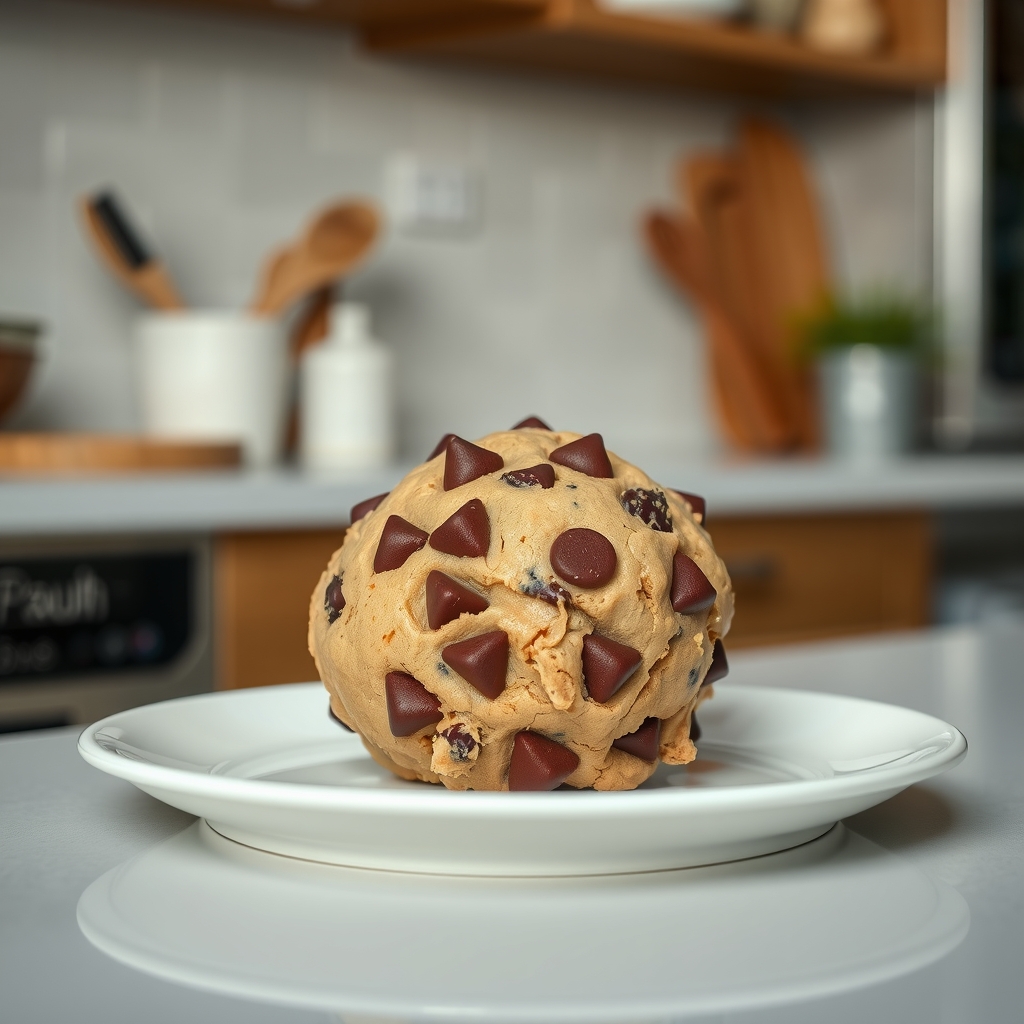
Avoid raw cookie dough egg during pregnancy, especially in the first trimester, because raw eggs can carry salmonella. Cook the dough to 160 °F or use pasteurized eggs for a safe alternative.
By Shubhra Mishra — a mom of two who turned her own confusion during pregnancy into BumpBites, a global mission to make food choices clear, safe, and stress-free for every expecting mother. 💛
Check whether any food is safe during pregnancy with the BumpBites Food Safety Checker.
Quick verdict: ❌ Best avoided. Raw cookie dough that contains egg poses a real risk of salmonella infection, and no amount is considered safe for you or your baby.
It’s 2 a.m., the pantry light is on, and you’ve just scooped a spoonful of raw cookie dough that still smells buttery and sweet. Suddenly, a wave of worry hits you: is raw cookie dough egg safe during pregnancy? You’re not alone—many expectant parents grapple with the same question, especially after discovering they’ve been indulging in the treat before they knew they were pregnant.
Good news: the answer is clear. Health authorities such as the CDC, FDA, and ACOG all advise pregnant people to avoid raw cookie dough that contains raw egg. The primary concern is salmonella, a food‑borne bacteria that can cause severe illness for both you and your developing baby. In this article we’ll break down the safety snapshot by trimester, discuss why portion control won’t eliminate the risk, explore brand‑specific guidance, and give you safer alternatives that satisfy that cookie‑craving without the danger.
Read on for a calm, evidence‑based guide that tells you exactly what to do, what to watch for, and how to enjoy cookie‑flavored treats safely throughout pregnancy.
Even a tiny taste of raw cookie dough can expose you to harmful bacteria.
Trimester / Breastfeeding
Verdict
Notes
First trimester
❌ Avoid
Critical organ development; salmonella infection can cause miscarriage or severe fetal complications.
Second trimester
❌ Avoid
Risk of infection remains; no safe amount.
Third trimester
❌ Avoid
Infection can trigger preterm labor or neonatal infection.
Breastfeeding
❌ Avoid
Pathogens can be passed through breast milk; safe to avoid.
What is raw cookie dough with egg?
Raw cookie dough is the uncooked batter used to make classic chocolate chip, oatmeal, or sugar cookies. When a recipe calls for egg, the raw dough typically contains a raw egg or egg‑based liquid such as a beaten egg or liquid egg substitute. The egg serves several purposes: it binds the ingredients, adds moisture, and gives the dough a soft, pliable texture that many people find irresistible to taste straight from the bowl.
Because the dough isn’t baked, any bacteria present in the raw egg—most commonly Salmonella enterica—remain alive. In ordinary circumstances, cooking the dough to an internal temperature of 165 °F (74 °C) would kill the bacteria. However, when the dough is eaten raw, those microbes can survive the journey to your gut, potentially causing food‑borne illness. The risk is heightened during pregnancy because a pregnant person’s immune system is naturally suppressed, making it harder to fight off infections.
Raw cookie dough has become a cultural staple for many—think “spoon‑ful of happiness” moments at parties or late‑night cravings. Its appeal lies in the sweet, buttery flavor and the chewy texture of chocolate chips before they melt. Understanding the role of egg in the dough helps you see why the presence of raw egg is the main safety concern, not the sugar, butter, or chocolate chips.
Is raw cookie dough with egg safe during pregnancy?
Short answer: No. The CDC’s Food Safety guidelines specifically list raw or undercooked eggs as foods that pregnant people should avoid because of the risk of salmonella infection. The FDA reinforces this advice, stating that “pregnant women should not consume foods that contain raw eggs, such as homemade mayonnaise, hollandaise sauce, or raw cookie dough.” ACOG echoes the recommendation, noting that any food that could contain live bacteria poses a heightened threat to the developing fetus.
Salmonella infection during pregnancy can lead to severe outcomes, including dehydration, fever, and in rare cases, miscarriage, stillbirth, or preterm labor. The bacteria can cross the placenta, potentially infecting the baby and causing neonatal sepsis. While the absolute risk of contracting salmonella from a single spoonful of raw dough is low, the potential consequences are serious enough that health authorities advise complete avoidance.
Research from the CDC indicates that pregnant women are three times more likely to be hospitalized for salmonella than non‑pregnant adults, underscoring the heightened vulnerability. A systematic review published in the *International Journal of Food Microbiology* (2021) found that pasteurization of eggs reduces salmonella prevalence from 1 in 20,000 to essentially zero, which is why pasteurized‑egg products are considered safe.
Common misconceptions include the belief that a small amount or occasional tasting is harmless. In reality, there is no safe threshold for raw egg consumption in pregnancy. Pasteurization of eggs eliminates the bacteria, but most store‑bought cookie dough does not use pasteurized eggs unless it is specifically labeled as such. Therefore, unless a product explicitly states “made with pasteurized eggs,” it should be considered unsafe.
In short, when you ask is raw cookie dough egg safe during pregnancy, the evidence points to a firm “no.” The safest approach is to either bake the dough completely or choose an egg‑free alternative that has been tested for safety.
Is raw cookie dough with egg safe to eat during the first trimester?
The first trimester is the period of organogenesis, when the baby’s major organs are forming. This makes the fetus especially vulnerable to infections and toxins. Consuming raw cookie dough that contains egg during this window can increase the risk of salmonella, which has been linked to miscarriage and severe fetal complications. The CDC advises pregnant people to avoid all raw eggs throughout pregnancy, with particular emphasis on the first trimester because of the heightened sensitivity of early development.
Even if you’ve only taken a tiny bite, the bacteria can still cause illness. Because the immune system is naturally dampened early in pregnancy, the body may not mount an effective response, allowing the infection to spread more easily. The best practice is to steer clear of any raw dough that includes egg during the first 12 weeks.
Beyond salmonella, the first trimester is also a time when many women experience heightened nausea and vomiting (morning sickness). Adding a gastrointestinal upset on top of a possible infection can exacerbate dehydration, which in turn can affect amniotic fluid levels. This cascade underlines why experts stress strict avoidance during early pregnancy.
Can I eat a small amount of raw cookie dough egg in pregnancy?
Unfortunately, “small amount” does not equate to “safe.” Salmonella bacteria can be present in any single egg, and the dose needed to cause illness varies from person to person. Health agencies, including the CDC and ACOG, do not set a “safe limit” for raw egg consumption because the risk is not dose‑dependent in a predictable way. The safest course is to avoid raw cookie dough with egg entirely, regardless of portion size.
If you’ve already taken a spoonful, monitor yourself for symptoms and stay hydrated. Most healthy adults recover without complications, but pregnant individuals should be especially vigilant. Even a single bite can lead to infection, so it’s better to err on the side of caution and choose a fully cooked or egg‑free alternative.
Some people wonder whether the presence of other ingredients—like sugar or butter—might “buffer” the bacteria. There is no scientific evidence that any ingredient neutralizes salmonella. The only proven method to eliminate the risk is heat treatment (cooking) or using pasteurized eggs.
What are the risks of eating raw cookie dough containing egg while pregnant?
The primary risk is salmonella infection. Symptoms typically appear 6‑48 hours after ingestion and can include fever, abdominal cramps, nausea, vomiting, and diarrhea. For pregnant people, these symptoms are not only uncomfortable; they can also lead to dehydration and fever, both of which are linked to preterm labor and low birth weight.
Beyond salmonella, raw egg can occasionally harbor other pathogens such as Campylobacter or Listeria monocytogenes, though these are far less common. However, any food‑borne illness during pregnancy warrants attention because the infection can cross the placenta, potentially causing fetal infection, miscarriage, or stillbirth.
Even if you feel fine after eating raw dough, the bacteria could still be present in your system, silently affecting your pregnancy. That’s why medical professionals stress avoidance rather than monitoring for symptoms alone. In rare cases, severe salmonella can progress to septicemia, a life‑threatening condition that requires hospitalization.
Are there egg‑free cookie dough options safe for pregnant women?
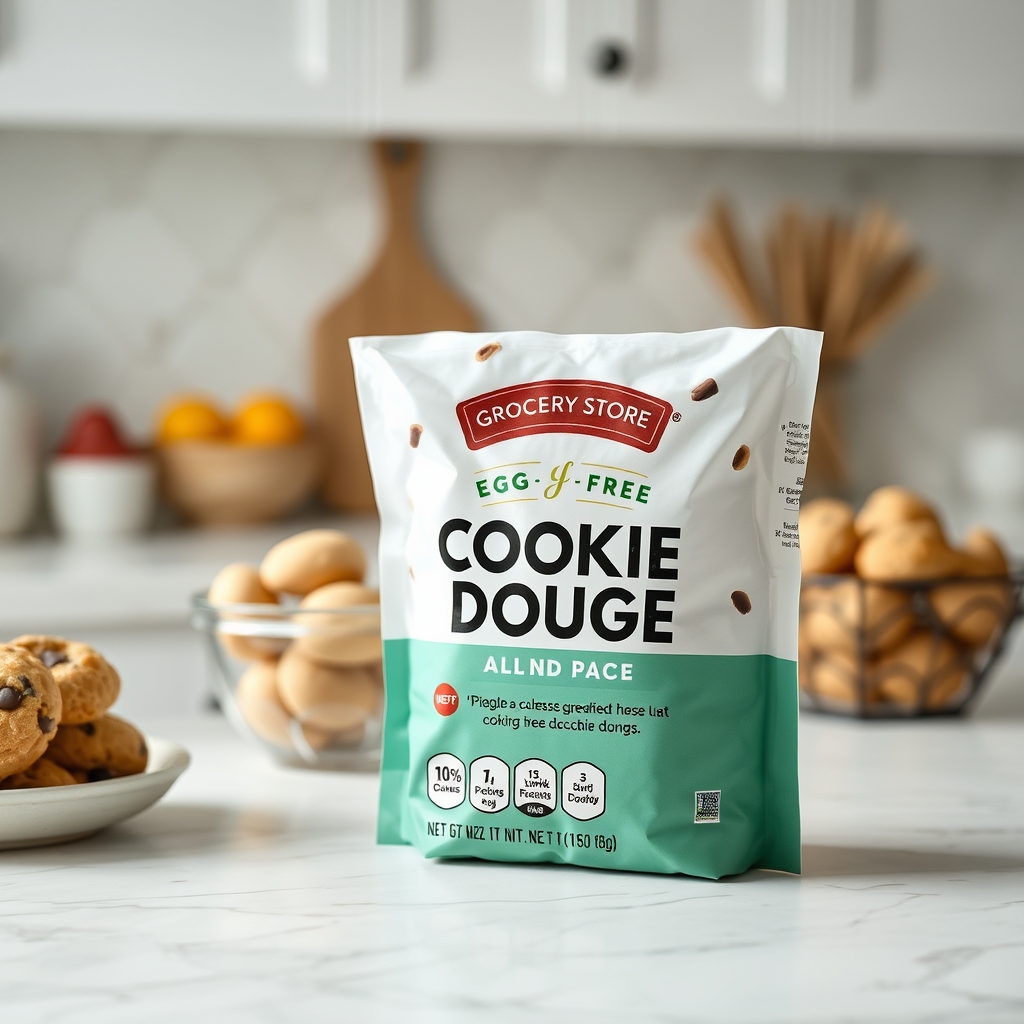
Yes. Egg‑free cookie dough eliminates the primary source of salmonella, making it a much safer choice. Many brands now offer “no‑egg” or “egg‑free” mixes that use dairy, soy, or other binders. Additionally, you can purchase pre‑made pasteurized egg cookie dough, which has been heat‑treated to destroy bacteria while preserving the raw‑dough texture.
When selecting an egg‑free option, read the label carefully. Look for statements such as “made with pasteurized eggs” or “egg‑free” and ensure the product has been stored at the proper temperature. Store‑bought refrigerated cookie dough that is labeled “safe to eat raw” has typically undergone pasteurization and can be consumed without cooking, but always double‑check the manufacturer’s safety claims.
Homemade alternatives are also easy to make. By substituting a mashed banana, unsweetened applesauce, or a commercial egg replacer, you can achieve a similar texture without introducing raw egg. Just be sure any added dairy is pasteurized, as pregnant people should also avoid raw milk products.
Which brands of cookie dough are safe to eat raw during pregnancy?
Only a few brands explicitly market their dough as safe for raw consumption because they use pasteurized eggs or are completely egg‑free. In the United States, Eat Cake Batter (now rebranded as “Raw Cookie Dough”) offers a line made with pasteurized eggs. In the United Kingdom, Tesco’s Egg‑Free Cookie Dough is marketed as egg‑free and safe to eat raw. Always verify the packaging for “pasteurized” or “egg‑free” claims, and store the product according to the label’s refrigeration instructions.
If a brand does not mention pasteurization or egg‑free status, assume the dough contains raw egg and avoid it. When in doubt, contact the manufacturer’s customer service line for clarification before consuming the product. Some specialty brands, such as Ben & Jerry’s Ice Cream Cookie Dough, have introduced “ready‑to‑eat” versions that are explicitly labeled as safe; however, these are often higher in sugar and should still be enjoyed in moderation.
How does raw cookie dough egg affect pregnant women with food allergies?
For pregnant individuals with egg allergies, raw cookie dough containing egg poses a double threat: an allergic reaction and a bacterial infection. Even a small amount can trigger symptoms ranging from hives and swelling to anaphylaxis, a life‑threatening condition. The CDC advises that people with egg allergies avoid raw egg entirely, and ACOG recommends the same for pregnant patients.
If you have a known egg allergy, you should also avoid any product that lists egg as an ingredient, even if the product claims to be “cooked” after purchase. Choose an egg‑free or pasteurized‑egg alternative to satisfy your cookie cravings without risking an allergic reaction or salmonella infection. Additionally, be aware that some people with egg allergy may also react to other avian proteins, so reading ingredient lists carefully is essential.
Cross‑reactivity can also occur with other common allergens such as milk or nuts, which are often present in cookie dough recipes. If you have multiple food sensitivities, look for “allergen‑free” or “single‑allergen” formulations that clearly state they contain no egg, dairy, or nuts.
Is it safe to consume raw cookie dough with egg in the third trimester?
While the risk of organ malformation is lower in the third trimester, the danger of salmonella remains unchanged. In fact, infection in the later stages of pregnancy can trigger preterm labor or cause neonatal sepsis if the bacteria cross the placenta. The CDC and ACOG maintain a consistent recommendation: avoid raw egg throughout the entire pregnancy, including the third trimester.
Therefore, even in the final weeks before delivery, it’s safest to steer clear of raw cookie dough that contains egg. Opt for fully baked cookies or egg‑free alternatives instead.
Some women wonder whether the proximity to labor makes the body more resilient to infection. Unfortunately, the immune system remains relatively suppressed until after delivery, so the same precautions apply. Maintaining strict food safety practices during the third trimester helps reduce the chance of a last‑minute complication that could necessitate early delivery.
Can I bake raw cookie dough to make it safe?
Baking the dough until it reaches an internal temperature of 165 °F (74 °C) reliably kills salmonella and other pathogens. If you’re craving the soft‑centered texture of “cookie‑bites,” you can bake the dough for a shorter time—just enough to reach the safe temperature—while keeping the interior slightly gooey. Using a food‑grade thermometer is the most accurate way to ensure safety.
Many home bakers use the “low‑and‑slow” method: bake at 300 °F (150 °C) for 8‑10 minutes, then check the center with a thermometer. If you don’t have a thermometer, the USDA recommends baking standard cookie dough for at least 12‑15 minutes, which typically brings the interior above the safe threshold. Remember, the goal is to eliminate any live bacteria, not to achieve a particular texture.
Does freezing raw cookie dough reduce the salmonella risk?
Freezing slows bacterial growth but does not kill salmonella. The pathogen can survive at freezer temperatures and become active again once the dough thaws. Therefore, storing raw cookie dough in the freezer is not a safety measure; it only preserves the risk.
If you plan to keep dough for later use, the safest route is to freeze a pasteurized‑egg or egg‑free version, then bake it directly from frozen, ensuring the interior reaches 165 °F (74 °C). Some commercial “ready‑to‑bake” doughs are formulated to be safe after freezing, but the label will explicitly state that the product has been pasteurized and is safe for raw consumption only if cooked.
Are liquid egg substitutes safe in raw cookie dough?
Many liquid egg products, such as those sold in cartons, are pasteurized and therefore free of salmonella. If a recipe calls for “liquid egg substitute” and the product packaging indicates it is pasteurized, the resulting dough can be considered safe for raw consumption. However, not all liquid egg substitutes are pasteurized, so always check the label for that specific claim.
Even with pasteurized liquid eggs, it’s wise to verify that the entire product line is intended for raw use. Some manufacturers produce liquid eggs primarily for baking and may not guarantee safety for raw consumption. When in doubt, choose a brand that explicitly markets the product as “safe to eat raw” or “pasteurized for raw use.”
Egg‑free cookie dough is a safe, ready‑to‑eat alternative for expectant moms.
Safe dosage / amount / brands
Because raw cookie dough with egg carries a bacterial risk that cannot be quantified by portion size, the safest dosage is none. No amount—whether a bite or a full spoonful—is considered safe for pregnant people.
If you still wish to indulge in raw‑style dough, choose one of the following vetted options:
Pasteurized‑egg cookie dough (e.g., Eat Cake Batter Raw Cookie Dough) – the eggs have been heat‑treated to eliminate salmonella while preserving the raw‑dough texture.
Egg‑free cookie dough mixes (e.g., King Arthur Flour Egg‑Free Chocolate Chip) – these use dairy or plant‑based binders instead of egg.
Store‑bought refrigerated dough labeled “Safe to Eat Raw” – ensure the label explicitly states it has been pasteurized.
Homemade dough made with pasteurized eggs – you can purchase pasteurized eggs at most supermarkets and use them in your own recipes.
Avoid any brand that does not mention pasteurization or egg‑free status. This includes popular names like Tasty Treats or Sweet Bites unless they have added a specific “pasteurized egg” claim on the packaging. When buying, store the dough in the refrigerator and consume it within the manufacturer’s recommended time frame (usually 7‑10 days).
Side effects and risks
Salmonella infection can cause:
Fever (often >38 °C)
Abdominal cramps and pain
Nausea, vomiting, and diarrhea (sometimes bloody)
Dehydration, which can lead to reduced amniotic fluid
In severe cases, preterm labor, miscarriage, or neonatal sepsis
Allergic reactions to egg can manifest as hives, swelling, wheezing, or anaphylaxis—an emergency that requires immediate medical attention. While not every case of raw cookie‑dough consumption leads to illness, the potential outcomes are serious enough that health authorities advise complete avoidance.
If you develop mild gastrointestinal symptoms, keep hydrated with oral rehydration solutions and rest. However, any fever above 100.4 °F (38 °C) or persistent vomiting should prompt a call to your provider, as these can signal a more serious infection that may affect your pregnancy.
Pre‑made pasteurized egg cookie dough – heat‑treated eggs destroy bacteria while keeping the dough raw.
Baked cookie dough – simply bake the dough to 165 °F (74 °C) before eating.
Store‑bought refrigerated cookie dough labeled safe for pregnancy – these are often pasteurized.
Homemade cookie dough made with pasteurized eggs – you control the ingredients and safety.
Cooked oatmeal cookies – a warm, fully cooked treat that satisfies the same craving.
Eggless chocolate chip cookie dough – commercially available and safe to eat raw.
Store‑bought cookie dough without raw eggs – check the label for “egg‑free.”
Related items — safety at a glance
Item
Verdict
One‑line note
Raw cookie dough
❌ Avoid
Contains raw egg; risk of salmonella.
Raw brownie batter
❌ Avoid
Often includes raw egg; same bacterial risk.
Raw cake batter
❌ Avoid
Raw egg present; avoid throughout pregnancy.
Raw ice cream mix
❌ Avoid
May contain raw egg; risk of infection.
Raw frosting
❌ Avoid
Often made with raw egg whites; unsafe.
Raw batter with raw eggs
❌ Avoid
High salmonella potential.
Unpasteurized egg products
❌ Avoid
Not heat‑treated; unsafe for pregnant people.
Raw pancake batter
❌ Avoid
Usually contains raw egg; avoid.
Myth vs. fact
Myth: “A tiny spoonful of raw cookie dough won’t hurt.” Fact: Salmonella can be present in any raw egg, and there is no safe portion size for pregnant people.
Myth: “Cooking the dough isn’t necessary if I’m only eating a little.” Fact: The bacteria are killed only at 165 °F (74 °C); any amount left uncooked retains the risk.
Myth: “Pasteurization changes the flavor, so it’s not worth it.” Fact: Pasteurized eggs taste the same and make raw dough safe, allowing you to enjoy the treat without compromising health.
Key takeaways
❌ Raw cookie dough that contains egg is not safe at any stage of pregnancy.
There is no safe amount—avoid it completely.
Choose pasteurized‑egg or egg‑free dough if you crave raw texture.
Watch for salmonella symptoms: fever, diarrhea, vomiting.
Contact your provider promptly if you develop any of these symptoms.
Frequently asked questions
Can pregnant women eat raw cookie dough?
No. Health authorities such as the CDC and ACOG advise against eating any raw cookie dough that contains egg because of the risk of salmonella infection.
Is raw egg safe during pregnancy?
Raw egg is not considered safe for pregnant people; the CDC warns that raw or undercooked eggs can carry salmonella, which may cause severe illness for both mother and baby.
What are the symptoms of salmonella in pregnant women?
Typical symptoms include fever, abdominal cramps, nausea, vomiting, and diarrhea; if you experience these, especially with a fever, contact your provider right away.
How can I make cookie dough safe to eat while pregnant?
Use dough made with pasteurized eggs or an egg‑free recipe, or bake the dough until it reaches an internal temperature of 165 °F (74 °C) before eating.
Are there any pregnancy‑safe cookie dough brands?
Yes—brands like Eat Cake Batter (pasteurized‑egg dough) and Tesco’s Egg‑Free Cookie Dough are marketed as safe for raw consumption during pregnancy.
Does cooking cookie dough eliminate the risk of salmonella?
Yes. Baking the dough to an internal temperature of 165 °F (74 °C) kills salmonella, making the cookies safe to eat.
Can I eat a spoonful of raw cookie dough during pregnancy?
No. Even a single spoonful can contain enough salmonella to cause infection; there is no safe “spoonful” amount.
What are the alternatives to raw cookie dough for pregnant women?
Egg‑free mixes, pasteurized‑egg dough, fully baked cookies, or homemade dough made with pasteurized eggs are all safe options that satisfy the craving without the bacterial risk.
Is raw cookie dough made with pasteurized eggs safe during pregnancy?
Yes. Pasteurized eggs have been heat‑treated to destroy salmonella, so dough made with them is considered safe for raw consumption, provided the product is labeled as such.
What should I do if I suspect I have salmonella after eating raw cookie dough?
Contact your obstetric provider promptly; they may order labs, recommend hydration, and monitor you for signs of dehydration or fever, which are especially important in pregnancy.
When to call your doctor
If you develop any of the following after eating raw cookie dough with egg, contact your obstetric provider immediately:
Fever of 100.4 °F (38 °C) or higher
Severe abdominal pain or cramping
Persistent vomiting or diarrhea (especially if you cannot keep fluids down)
Signs of dehydration (dry mouth, dizziness, reduced urine output)
Any allergic reaction such as hives, swelling, or difficulty breathing
These symptoms could indicate salmonella infection or an allergic response, both of which require prompt medical evaluation. Remember, this article provides general information and is not a substitute for personalized medical advice. Always discuss any food‑safety concerns with your healthcare provider.
References
Centers for Disease Control and Prevention (CDC). “Food Safety for Pregnant Women.” Updated 2023.
U.S. Food and Drug Administration (FDA). “Egg Safety.” Revised 2022.
American College of Obstetricians and Gynecologists (ACOG). “Nutrition During Pregnancy.” Practice Bulletin No. 202, 2020.
National Health Service (NHS). “Food safety for pregnant women.” Updated 2022.
World Health Organization (WHO). “Salmonella infections.” Fact sheet, 2021.
U.S. Department of Agriculture (USDA). “Pasteurized Eggs.” Food Safety Information, 2023.
Not sure about the label on Is Raw Cookie Dough Egg Safe During Pregnancy products?
Snap the ingredients list and SafeFilter checks every ingredient for your stage — only 3 free scans this month, then you're locked until reset. Unlimited from $7/mo or $50/yr.
When Shubhra Mishra was expecting her first child in 2016, she was overwhelmed by conflicting food advice — one site said yes, another said never. By the time her second baby arrived in 2019, she realized millions of mothers face the same confusion.
That sparked a five-year journey through clinical nutrition papers, cultural diets, and expert conversations — all leading to BumpBites: a calm, compassionate space where science meets everyday motherhood.
Her long-term vision is to build a global community ensuring safe, supported, and free deliveriesfor every mother — because no woman should face pregnancy alone or uninformed. 🌿
🌍 Stand with mothers, shape safer guidance
Join a small circle of experts who review BumpBites articles so expecting parents everywhere can decide with confidence.