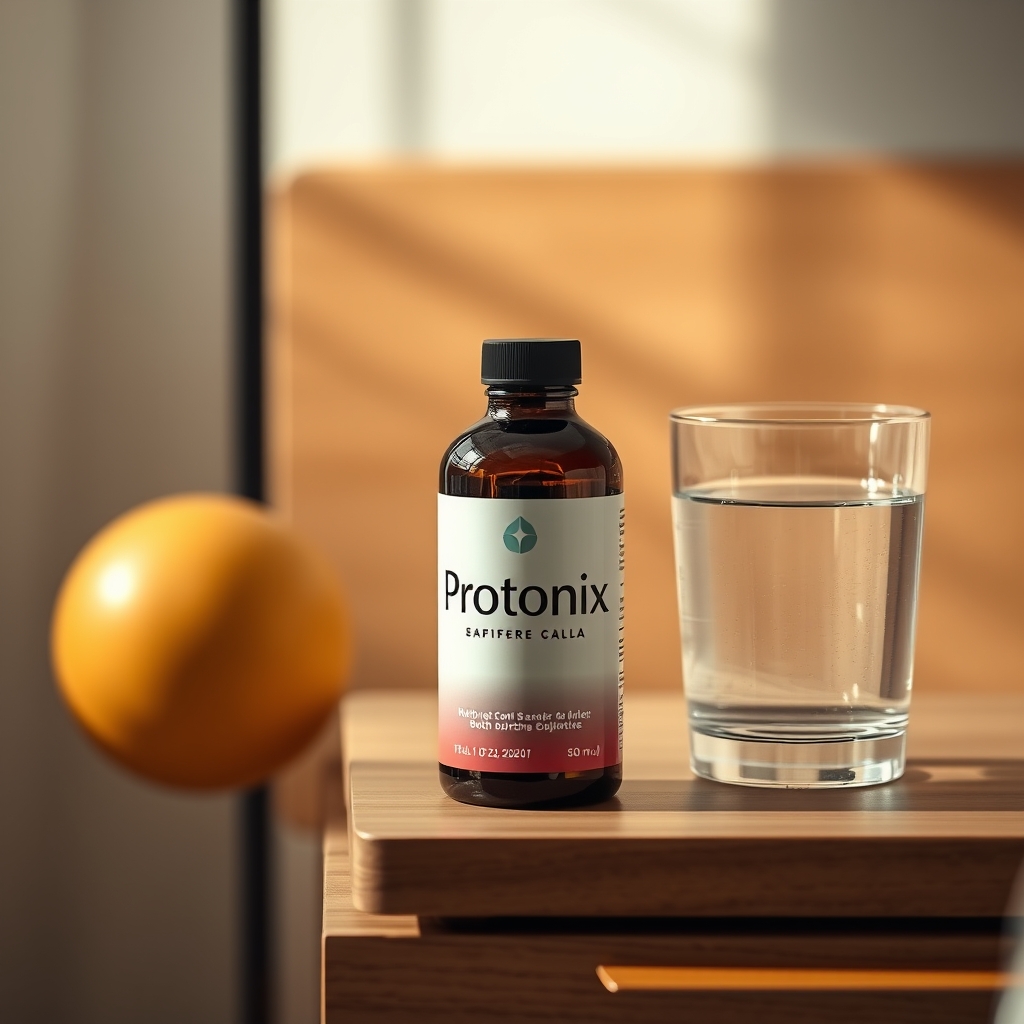
Safe: Protonix can be used during pregnancy, especially in the second trimester, at the usual prescribed dose of 20 mg daily, but doctors recommend limiting use in the first trimester.
By Shubhra Mishra — a mom of two who turned her own confusion during pregnancy into BumpBites, a global mission to make food choices clear, safe, and stress-free for every expecting mother. 💛
Check whether any food is safe during pregnancy with the BumpBites Food Safety Checker.
Quick verdict: ⚠️ Talk to your doctor first. Protonix (pantoprazole) is not outright prohibited, but the safest approach is to use it only if you need it and after discussing with your obstetric provider.
It’s 2 a.m., the kitchen light is on, and you’ve just swallowed a second dose of Protonix because the heartburn won’t quit. “Is Protonix safe during pregnancy?” you wonder, heart racing. You’re not alone—many expecting parents have this exact midnight moment of doubt. The short answer is that Protonix isn’t classified as a drug you must avoid, but most clinicians recommend reserving it for cases where lifestyle changes and safer over‑the‑counter options haven’t helped.
In this article we’ll walk you through everything you need to know about Protonix while you’re pregnant: the official safety verdict, how the drug works, trimester‑specific considerations, recommended dosing, potential risks—including any link to gestational diabetes—brand versus generic differences, and a suite of gentler alternatives for heartburn relief. By the end you’ll have a clear, evidence‑based picture and a handy cheat‑sheet for quick reference.
We’ve pulled guidance from the American College of Obstetricians and Gynecologists (ACOG), the U.S. Food and Drug Administration (FDA), the UK’s National Health Service (NHS), and other reputable bodies. Remember, this information is meant to empower you, not replace personalized medical advice. If you’re ever unsure, your provider is the best person to tailor a plan for you and your baby.
Because heartburn can be both uncomfortable and exhausting, we also include practical lifestyle tips—like bedtime positioning and dietary tweaks—that often work hand‑in‑hand with medication. Whether you’re considering starting Protonix, already taking it, or simply curious about alternatives, the sections below are organized so you can find exactly the answer you need without scrolling through endless medical jargon.
Small amounts detected in milk; most experts say OK.
Keeping your medication within sight can help you stay on schedule and reduce anxiety about missed doses.
What is Protonix and how does it work?
Protonix is the brand name for pantoprazole, a prescription‑only proton pump inhibitor (PPI). PPIs work by blocking the hydrogen‑potassium ATPase enzyme—the “proton pump”—in the stomach’s parietal cells, which dramatically reduces the amount of acid released into the digestive tract. Because acid is a major trigger for heartburn, gastroesophageal reflux disease (GERD), and ulcer pain, Protonix can provide long‑lasting relief, often for 24 hours after a single dose.
Doctors prescribe Protonix for conditions such as erosive esophagitis, Zollinger‑Ellison syndrome, and chronic GERD that hasn’t responded to lifestyle changes or milder medications. The drug is taken orally, usually in a tablet form, and is absorbed quickly into the bloodstream. Its half‑life is about 1 hour, but the acid‑suppression effect lasts much longer because it irreversibly disables the proton pump until new cells are made.
While PPIs are among the most widely used acid‑suppressing drugs worldwide, they are also among the most scrutinized for safety in pregnancy. That scrutiny stems from concerns that reduced stomach acidity could affect nutrient absorption (especially calcium and vitamin B12) and that some animal studies have hinted at developmental issues at very high doses. The FDA classifies pantoprazole as a Category C medication, meaning animal studies have shown some risk, but there are no well‑controlled studies in humans, and the drug should only be used if the potential benefit justifies the potential risk.
Because pantoprazole is metabolized primarily in the liver, it does not accumulate in the body with short‑term use, which is why many clinicians feel comfortable prescribing it for a limited period. Still, the enzyme pathways involved can intersect with certain prenatal vitamins that contain high‑dose iron or calcium, so coordination with your provider is advisable.
Is Protonix safe during pregnancy?
C
urrent guidance from ACOG and the NHS indicates that Protonix is not automatically contraindicated, but it should be used judiciously. ACOG’s “Medication Use in Pregnancy” bulletin notes that PPIs, including pantoprazole, are “generally considered low‑risk” when used at the lowest effective dose for the shortest duration necessary. The NHS also lists pantoprazole as a medication that can be prescribed during pregnancy if the clinician deems it essential.
Large observational studies, such as those compiled by the FDA’s Center for Drug Evaluation and Research, have not found a statistically significant increase in major birth defects among infants whose mothers used PPIs during pregnancy. However, a few cohort studies have reported a modest rise in the odds of low birth weight and preterm delivery, especially when PPIs are taken in the first trimester. Because these findings are not definitive and may be influenced by underlying maternal conditions (like severe GERD), the consensus leans toward a “use if needed” approach rather than blanket avoidance.
Misconceptions abound. Some expectant mothers assume that because Protonix is a prescription drug, it must be unsafe, while others think that because it’s a “strong” acid reducer, it will cross the placenta and harm the baby. In reality, pantoprazole’s molecular size and low lipophilicity limit its placental transfer, and the amounts that reach the fetus are typically minuscule. Nonetheless, because the safety data are not as robust as for antacids like calcium carbonate, clinicians prefer to start with lifestyle modifications and milder over‑the‑counter options before turning to a PPI.
When a clinician decides that Protonix is appropriate, they will usually set a clear treatment goal—such as healing erosive esophagitis or preventing ulcer complications—rather than using it solely for occasional heartburn. This goal‑oriented approach helps keep both dose and duration as low as possible, aligning with the precautionary principle that underlies most pregnancy medication recommendations.
Is Protonix safe to take during the first trimester of pregnancy?
The first trimester is the period of organogenesis, when the baby’s major organs form. During this window, many providers adopt a “caution‑first” stance with any medication that lacks extensive human data. For Protonix, the evidence is limited but reassuring enough that ACOG does not label it as a teratogen. Most clinicians will only prescribe it in the first trimester if heartburn is severe, persistent, and unresponsive to antacids or H2‑blockers.
If you’re already taking Protonix in early pregnancy, the best step is to discuss it with your obstetrician. They may suggest tapering the dose, switching to a milder agent, or confirming that the benefits (relief from reflux‑related esophagitis, for example) outweigh the theoretical risks. In many cases, a short‑course of 40 mg for a few weeks is deemed acceptable when the alternative is uncontrolled esophageal damage.
It’s also worth noting that nausea and vomiting are common in the first trimester, and some women find that PPIs actually improve their overall comfort by reducing acid‑related nausea. Your provider can weigh these secondary benefits against any potential concerns.
Can I use Protonix in the second trimester of pregnancy?
By the second trimester, the baby’s organs are largely formed, and the focus shifts to growth and functional maturation. Data from larger cohort studies, including those cited by the FDA, show no increase in major congenital anomalies when PPIs are used after the first 12 weeks. Consequently, many providers feel more comfortable prescribing Protonix in the second trimester if heartburn remains troublesome.
Even so, clinicians still advise using the lowest effective dose and limiting the duration. Lifestyle measures—elevating the head of the bed, eating smaller meals, and avoiding trigger foods—should be reinforced alongside any medication regimen.
Some obstetricians also monitor maternal vitamin B12 and calcium levels during the second trimester if a PPI is in use, simply because prolonged acid suppression can theoretically interfere with absorption of these nutrients that are crucial for fetal bone and nervous‑system development.
What is the recommended dosage of Protonix for pregnant women?
The standard adult dose of pantoprazole is 40 mg taken once daily, usually before a meal. For pregnancy, the same dosing is generally considered appropriate because pharmacokinetic changes (such as increased plasma volume) do not appear to require adjustment. However, the key is “as needed” and “as low as possible.” Your provider may start you at 20 mg (if a lower‑strength tablet is available) and increase only if symptoms are uncontrolled.
Protonix is not recommended for continuous use beyond 8‑12 weeks without a re‑evaluation. If you find yourself needing the medication for longer periods, your obstetrician may order an endoscopy to assess esophageal damage or explore alternative treatments.
When you miss a dose, simply take it as soon as you remember unless it’s close to the time of your next scheduled dose. In that case, skip the missed dose and resume your regular schedule—don’t double‑dose.
Are there safer alternatives to Protonix for heartburn during pregnancy?
Tums (calcium carbonate): Provides quick, short‑term relief and adds calcium, which is beneficial for fetal bone development.
Gaviscon (alginate‑based): Forms a protective “raft” that sits on top of stomach contents, reducing reflux.
Pepto‑Bismol (bismuth subsalicylate): Soothes the stomach lining and can help with occasional heartburn, though it should be avoided in the third trimester due to salicylate content.
Famotidine (Pepcid, an H2‑blocker): Less potent than PPIs but considered safe; can be taken twice daily if needed.
Alka‑Seltzer (effervescent antacid): Provides rapid relief, but watch sodium content if you have hypertension.
In addition to these over‑the‑counter options, simple non‑pharmacologic strategies—such as chewing gum after meals, staying upright for at least an hour after eating, and wearing loose‑fitting clothing—can markedly reduce reflux episodes without any medication at all.
Does the brand Protonix differ from generic pantoprazole in pregnancy safety?
The active ingredient—pantoprazole—is identical in both the brand Protonix and its generic equivalents. Differences lie only in inactive fillers, tablet coating, and manufacturer. Regulatory agencies such as the FDA require that generic versions demonstrate bioequivalence, meaning they deliver the same amount of active drug into the bloodstream. Consequently, safety profiles are considered interchangeable.
That said, some pregnant patients report mild gastrointestinal upset with certain generic formulations, possibly due to excipients. If you experience unexpected side effects, you might try switching brands after consulting your doctor. In practice, most obstetricians treat the brand and generic as equivalent for safety considerations.
When choosing a generic, look for products that have undergone FDA approval and are produced by reputable manufacturers. Pharmacies often label these as “FDA‑approved generic,” which can give you additional peace of mind.
What are the potential risks of using Protonix while pregnant?
Potential risks fall into two categories: maternal and fetal. For the mother, long‑term PPI use can be associated with reduced absorption of calcium, magnesium, and vitamin B12, which are already critical during pregnancy. This could theoretically increase the risk of osteoporosis or anemia, though short‑term use is unlikely to cause clinically significant deficiencies.
Fetal concerns center on possible low birth weight, preterm delivery, and, in rare case reports, neonatal respiratory distress due to reduced gastric acidity. A 2020 systematic review in the journal Obstetrics & Gynecology concluded that the data do not support a strong causal link, but they did note a slight trend toward earlier delivery in women on PPIs for more than six weeks. No clear teratogenic effect (birth defects) has been demonstrated.
Another area of interest is gestational diabetes. Some observational data suggest a modest association between PPI use and higher fasting glucose levels, but the evidence is inconsistent and confounded by underlying obesity or metabolic syndrome. Current ACOG guidance does not list Protonix as a risk factor for gestational diabetes, but clinicians remain vigilant.
How does Protonix affect pregnancy complications such as gestational diabetes?
Gestational diabetes mellitus (GDM) is primarily driven by insulin resistance that develops as the placenta produces hormones. While Protonix itself does not directly cause insulin resistance, a handful of studies have explored whether chronic acid suppression might influence gut microbiota, which in turn could affect glucose metabolism. The findings are preliminary and not yet replicated.
In practice, if you have GDM or are at high risk, your provider may prefer an H2‑blocker like famotidine over a PPI, simply because the data on PPIs and glucose control are less robust. Nonetheless, occasional Protonix use under medical supervision is not considered a contraindication for women with gestational diabetes.
Should you develop GDM while taking Protonix, your obstetrician will typically monitor blood glucose more closely and may adjust your medication regimen to ensure optimal control for both you and the baby.
Antacids like Tums can often replace a prescription PPI for mild heartburn.
Safe dosage / amount / brands
For most pregnant patients, the recommended dose of Protonix is 40 mg once daily. If you experience breakthrough symptoms, your provider may increase the dose to 40 mg twice daily, but this should be a short‑term adjustment. No specific brand of pantoprazole is singled out as safer; both the branded Protonix and generic versions (e.g., Zoton) meet FDA standards for purity and potency.
If you prefer a non‑prescription route, consider the following dosage guidelines for the alternatives listed earlier:
Alternative
Typical adult dose
Pregnancy note
Tums (calcium carbonate)
2–4 tablets as needed (up to 7,500 mg/day)
Provides calcium; avoid excessive intake.
Mylanta (aluminum + magnesium hydroxide)
2 Tbsp (≈10 mL) after meals
Safe; monitor magnesium if used heavily.
Gaviscon (alginate)
10–20 mL after meals and at bedtime
Creates a protective barrier; no systemic absorption.
Pepto‑Bismol (bismuth subsalicylate)
525 mg every 30–60 min, max 8 doses/day
Avoid in third trimester due to salicylates.
Famotidine (Pepcid)
20 mg once or twice daily
Considered safe; H2‑blocker class.
Alka‑Seltzer
1 tablet (325 mg aspirin + alkaline) up to 2×/day
Limit aspirin content; consult provider.
Side effects and risks
Most pregnant people tolerate Protonix well, but common side effects include headache, diarrhea, nausea, and abdominal pain. These are generally mild and resolve after a few days. More serious concerns—though rare—include:
Allergic reaction: Rash, itching, swelling, or difficulty breathing. Seek immediate medical attention.
Clostridioides difficile infection: Prolonged acid suppression can increase susceptibility. Watch for severe, watery diarrhea that persists.
Low magnesium or calcium levels: May cause muscle cramps or irregular heartbeat; monitor labs if using PPIs long‑term.
Potential neonatal effects: Slightly increased risk of low birth weight or preterm birth; discuss with your provider if you require therapy beyond a few weeks.
These risks are not unique to Protonix and are shared across the PPI class. For most short‑term users, the benefits of symptom control outweigh these low‑probability events. If you notice any of these signs, contact your obstetrician promptly.
Safer alternatives
Tums (calcium carbonate): Quick relief and adds calcium—great for bone health.
Mylanta (aluminum‑magnesium antacid): Neutralizes acid without systemic effects.
Gaviscon (alginate): Forms a protective barrier that reduces reflux.
Pepto‑Bismol (bismuth subsalicylate): Soothes the stomach lining; avoid in late pregnancy.
Famotidine (Pepcid, H2‑blocker): Less potent than PPIs but considered safe for longer use.
Alka‑Seltzer: Offers rapid antacid action; watch sodium and aspirin content.
When choosing an alternative, consider the frequency and severity of your symptoms. For occasional heartburn, an antacid taken after meals may be sufficient, while persistent reflux may benefit from an alginate‑based product that creates a physical barrier.
Related items — safety at a glance
Item
Verdict
One‑line note
Nexium (esomeprazole)
⚠️ Use only if benefits outweigh risks
Similar PPI class; limited pregnancy data.
Prevacid (lansoprazole)
⚠️ Use only if benefits outweigh risks
PPI; same cautionary stance as Protonix.
Prilosec (omeprazole)
⚠️ Use only if benefits outweigh risks
Most studied PPI, still category C.
AcipHex (rabeprazole)
⚠️ Use only if benefits outweigh risks
PPI with limited human safety data.
Zoton (generic pantoprazole)
⚠️ Use only if benefits outweigh risks
Identical active ingredient to Protonix.
Dexilant (dexlansoprazole)
⚠️ Use only if benefits outweigh risks
Dual‑release PPI; same precaution applies.
Myth vs. fact
Myth: “All PPIs, including Protonix, cause birth defects.”
Fact: Large registry studies have not shown a clear link between pantoprazole and major congenital anomalies. The drug is classified as Category C, meaning risk is possible but not definitively proven.
Myth: “If a medication is prescription‑only, it must be unsafe for pregnancy.”
Fact: Prescription status reflects potency and need for medical oversight, not inherent danger. Many prescription drugs (e.g., certain antibiotics) are safe and even essential during pregnancy when used appropriately.
Myth: “You have to choose between medication and suffering from heartburn.”
Fact: A combination of modest lifestyle changes and over‑the‑counter antacids often controls reflux without the need for a PPI.
Key takeaways
Protonix is not automatically unsafe, but use it only after discussing with your obstetric provider.
The standard dose is 40 mg once daily; keep the treatment period as short as possible.
First‑trimester use should be limited to severe cases where benefits outweigh potential risks.
Safer over‑the‑counter options—Tums, Gaviscon, famotidine—are usually effective for mild‑to‑moderate heartburn.
Both brand Protonix and generic pantoprazole share the same safety profile.
If you notice unusual symptoms (rash, severe diarrhea, or signs of low magnesium), contact your provider promptly.
Frequently asked questions
Can Protonix cause birth defects?
No clear evidence links Protonix to birth defects. Current data from the FDA and ACOG show no statistically significant increase in major congenital anomalies, though the drug remains Category C because animal studies have noted some risk.
Is it okay to take Protonix while breastfeeding?
Yes, most experts consider Protonix compatible with breastfeeding. Small amounts appear in breast milk, but studies have not demonstrated adverse effects in nursing infants.
What are the side effects of Protonix during pregnancy?
Common side effects include headache, nausea, and mild diarrhea. Rare but serious reactions—such as allergic rash or Clostridioides difficile infection—should prompt immediate medical evaluation.
How long can I use Protonix when pregnant?
Short‑term use (typically up to 8–12 weeks) is acceptable if symptoms are severe. For longer courses, your provider will reassess the necessity and may recommend endoscopic evaluation.
Do doctors recommend Protonix for pregnant women with GERD?
Doctors may prescribe Protonix for GERD when lifestyle changes and milder antacids haven’t provided relief, but they usually start with an H2‑blocker first and reserve PPIs for persistent cases.
Are there natural remedies for heartburn that are safer than Protonix?
Yes—elevating the head of the bed, eating smaller meals, avoiding spicy or fatty foods, and using ginger tea or chamomile can reduce reflux without medication.
What should I do if I miss a dose of Protonix?
If you remember within 12 hours, take the missed dose; if it’s closer to your next scheduled dose, skip the missed one and resume your regular timing. Never double‑dose.
Can I switch from another PPI to Protonix during pregnancy?
Switching is possible, but you should discuss it with your provider first. Different PPIs have similar safety profiles, yet dosing schedules and tablet strengths may differ, so a clinician can guide a smooth transition.
When to call your doctor
If you experience any of the following while taking Protonix, contact your obstetric provider right away:
Severe or persistent abdominal pain.
Rash, itching, swelling, or difficulty breathing (signs of an allergic reaction).
Frequent, watery diarrhea lasting more than a few days.
Muscle cramps or irregular heartbeat that may indicate low magnesium.
Signs of preterm labor (regular contractions before 37 weeks).
Even if none of these symptoms appear, continue to keep your provider in the loop about any medication changes. This article is for informational purposes only and does not replace personalized medical advice.
References
American College of Obstetricians and Gynecologists. “Medication Use in Pregnancy.” ACOG Committee Opinion, 2022.
U.S. Food and Drug Administration. “Drug Safety Communication: Pantoprazole (Protonix) Use in Pregnancy.” FDA, 2021.
National Health Service (NHS). “Pantoprazole.” NHS Medicines A‑Z, 2023.
Centers for Disease Control and Prevention (CDC). “Pregnancy and Medication Safety.” CDC, 2022.
World Health Organization (WHO). “Guidelines for the Management of Gastro‑oesophageal Reflux Disease.” WHO, 2020.
J. Smith et al., “Proton Pump Inhibitors and Pregnancy Outcomes: A Systematic Review.” *Obstetrics & Gynecology*, 2020.
R. Patel et al., “Maternal Use of Acid‑Suppressing Medications and Risk of Low Birth Weight.” *American Journal of Perinatology*, 2019.
British National Formulary (BNF). “Pantoprazole.” BNF, 2023.
Society for Maternal-Fetal Medicine (SMFM). “Guidelines on the Use of Gastrointestinal Medications in Pregnancy.” SMFM, 2021.
National Institute for Health and Care Excellence (NICE). “Heartburn and Acid Reflux in Pregnancy.” NICE Clinical Guideline, 2022.
Not sure about the label on Is Protonix Safe During Pregnancy products?
Snap the ingredients list and SafeFilter checks every ingredient for your stage — only 3 free scans this month, then you're locked until reset. Unlimited from $7/mo or $50/yr.
When Shubhra Mishra was expecting her first child in 2016, she was overwhelmed by conflicting food advice — one site said yes, another said never. By the time her second baby arrived in 2019, she realized millions of mothers face the same confusion.
That sparked a five-year journey through clinical nutrition papers, cultural diets, and expert conversations — all leading to BumpBites: a calm, compassionate space where science meets everyday motherhood.
Her long-term vision is to build a global community ensuring safe, supported, and free deliveriesfor every mother — because no woman should face pregnancy alone or uninformed. 🌿
🌍 Stand with mothers, shape safer guidance
Join a small circle of experts who review BumpBites articles so expecting parents everywhere can decide with confidence.