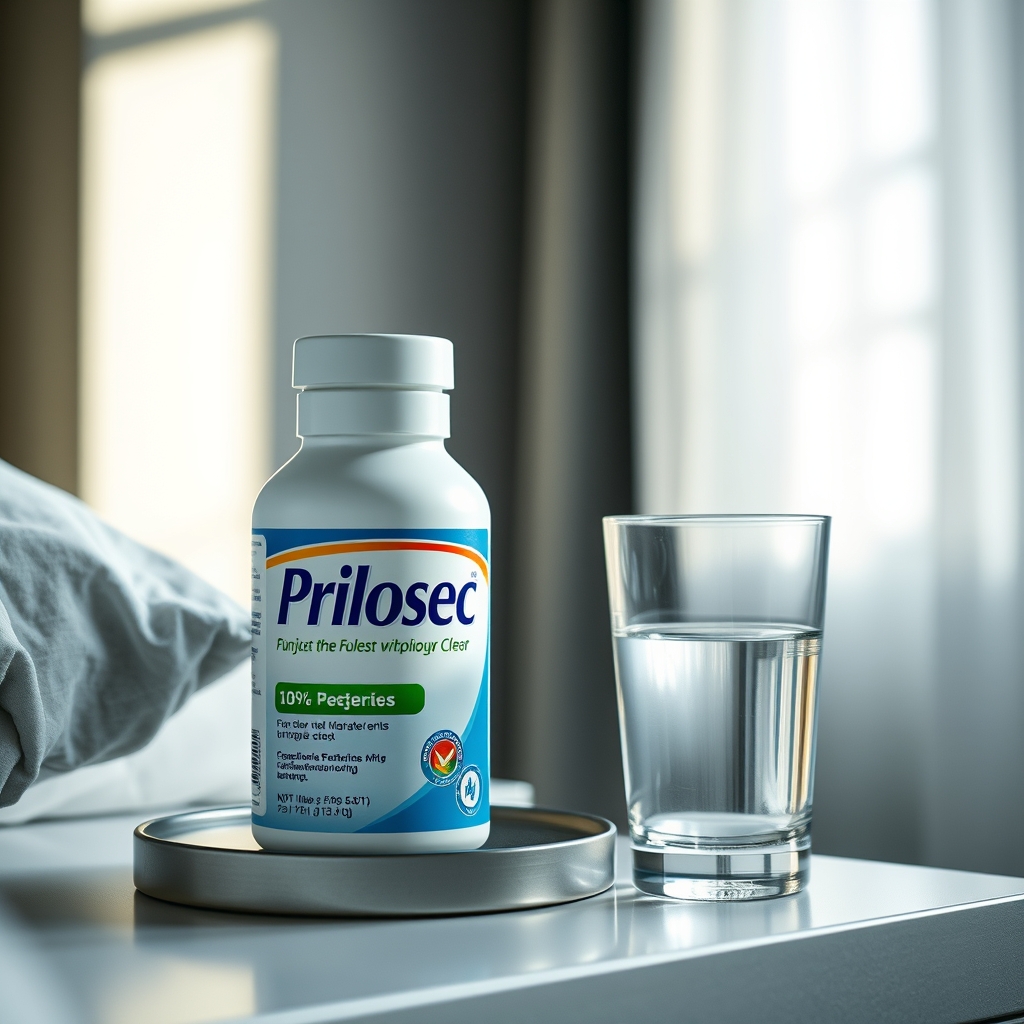
Safe: Prilosec can be used during pregnancy at the standard 20 mg daily dose, but only after the first trimester and under a doctor's supervision.
By Shubhra Mishra — a mom of two who turned her own confusion during pregnancy into BumpBites, a global mission to make food choices clear, safe, and stress-free for every expecting mother. 💛
Check whether any food is safe during pregnancy with the BumpBites Food Safety Checker.
Quick verdict: ⚠️ Talk to your doctor first. Prilosec (omeprazole) can be used during pregnancy when the benefit outweighs potential risk, but it’s not the first‑line choice for heartburn. Talk with your provider to confirm it’s right for you.
It’s 2 a.m., you’re scrolling through the pharmacy aisle, and you spot a pink bottle of Prilosec. “Is Prilosec safe during pregnancy?” you wonder, feeling a knot in your stomach that isn’t just heartburn. You’re not alone—many expectant parents reach for a quick answer when they discover they’ve already taken a dose or are considering it for the first time.
In short, the answer to “is Prilosec safe during pregnancy” isn’t a simple yes or no. The drug is classified as a Category C medication by the FDA, meaning animal studies have shown some risk, but human data are limited and the drug may be prescribed if the potential benefits justify the risks. Below you’ll find a detailed look at trimester‑specific safety, recommended dosing, safer alternatives, and how Prilosec compares to other proton‑pump inhibitors (PPIs) like Nexium.
We’ll walk through the evidence from ACOG, the NHS, and the FDA, outline what most obstetricians recommend, and give you clear, actionable guidance—so you can stop the 3 a.m. worry and feel confident about the next step.
Seeing the bottle can trigger worry—knowing the facts helps you make an informed choice.
Stage
Verdict
Notes
First trimester
⚠️ Use only if needed
Limited human data; discuss with provider.
Second trimester
⚠️ Use only if needed
Most studies show no increase in major birth defects.
Third trimester
⚠️ Use only if needed
Potential for neonatal adaptation issues; monitor newborn.
Breastfeeding
⚠️ Caution
Small amounts pass into milk; infant exposure generally considered low.
What is Prilosec?
Prilosec is the brand name for omeprazole, a proton‑pump inhibitor (PPI) that reduces stomach acid by blocking the H⁺/K⁺‑ATPase enzyme in gastric parietal cells. It’s available over the counter (OTC) and by prescription, typically in 20 mg tablets. By lowering acid production, Prilosec provides relief from heartburn, gastroesophageal reflux disease (GERD), and ulcers. The drug works systemically, meaning it circulates throughout the body after ingestion, which is why safety during pregnancy and breastfeeding is carefully evaluated.
PPIs are often chosen when antacids or H2‑blockers don’t provide sufficient relief. Omeprazole’s effects last up to 24 hours, making it a convenient once‑daily option for persistent symptoms. However, because it crosses the placenta and appears in breast milk, obstetric guidelines advise using the lowest effective dose for the shortest time possible.
Consider safer, non‑medication options alongside any drug you may need.
Is Prilosec safe during pregnancy?
C
urrent guidance from the American College of Obstetricians and Gynecologists (ACOG) states that PPIs, including omeprazole, can be used during pregnancy when the benefit outweighs the potential risk. The FDA classifies omeprazole as Category C, reflecting limited human data but no clear evidence of teratogenicity. The UK’s NHS notes that occasional use appears safe, though they recommend trying antacids first.
Large cohort studies, such as those reviewed by the CDC, have not found a statistically significant increase in major congenital malformations among infants whose mothers used PPIs in any trimester. However, a few smaller studies suggest a possible association with low birth weight when PPIs are used extensively in the third trimester. Because the data are not definitive, most clinicians advise using the lowest effective dose and limiting duration.
In practice, many obstetricians reserve Prilosec for cases where heartburn is severe, persistent, or causing complications like esophagitis. If you have mild symptoms, they often suggest lifestyle modifications, antacids, or H2‑blockers before moving to a PPI.
Is Prilosec safe to take during the first trimester of pregnancy?
The first trimester (weeks 1‑13) is the period of organogenesis, when the fetus’s major organs are forming. Because the embryo is most vulnerable to teratogens during this window, clinicians exercise caution with any medication that crosses the placenta. While animal studies of omeprazole have shown no teratogenic effects, human data remain limited.
ACOG’s Committee Opinion (2020) advises that Prilosec may be prescribed in the first trimester only after a thorough risk‑benefit discussion. The NHS similarly recommends trying antacids or dietary changes first. If you already took a single dose before knowing you were pregnant, the consensus is that a one‑time exposure is unlikely to cause harm, but you should still inform your provider.
Can I use Prilosec in the second trimester of pregnancy?
During the second trimester (weeks 14‑27), the risk of major structural defects declines, and many clinicians feel more comfortable prescribing PPIs if needed. Several observational studies involving thousands of pregnant women have not identified a higher rate of birth defects linked to omeprazole use in this period.
Nevertheless, the recommendation remains to use the lowest effective dose and to consider non‑pharmacologic measures first. If heartburn is severe enough to affect sleep or nutrition, your provider may deem Prilosec appropriate after confirming that lifestyle changes have been tried.
What is the recommended dosage of Prilosec for pregnant women?
The standard adult dose of Prilosec is 20 mg taken once daily before a meal. For pregnant patients, obstetric guidelines suggest staying at this dose and not exceeding it without medical supervision. If a higher dose is required, it should be prescribed and monitored by a healthcare professional.
Because the drug is available OTC, many women self‑medicate. We recommend discussing any OTC use with your prenatal care provider, especially if you plan to use it for more than a couple of weeks. The FDA’s labeling notes that prolonged use (beyond 14 days) should be under physician guidance.
Are there safer alternatives to Prilosec for heartburn during pregnancy?
If you’re looking for options that carry less systemic exposure, consider these alternatives:
Tums (calcium carbonate) – an antacid that works locally in the stomach and is classified as safe throughout pregnancy.
Gaviscon – a combination of alginate and antacid that creates a protective barrier on top of stomach contents.
Maalox – contains aluminum hydroxide and magnesium hydroxide; safe for occasional use.
Milk of Magnesia – a magnesium hydroxide suspension that neutralizes acid and is considered safe.
Ranitidine (Zantac) – an H2‑blocker previously used widely; if still available, it is generally regarded as safe, though recent recalls have limited its accessibility.
Nauzene – a chewable antacid with calcium carbonate and magnesium hydroxide, safe for pregnant women.
These options act locally and have a long safety record in pregnancy, making them first‑line choices before turning to a PPI like Prilosec.
How does Nexium compare to Prilosec for safety in pregnancy?
Nexium is the brand name for esomeprazole, another PPI. Like omeprazole, it is classified as Category C by the FDA. Direct head‑to‑head studies are scarce, but existing data suggest similar safety profiles. ACOG does not differentiate between PPIs when making recommendations; the deciding factor is usually the lowest effective dose and patient tolerance.
Some clinicians prefer esomeprazole for its slightly longer half‑life, which can allow once‑daily dosing with potentially fewer missed doses. However, because both drugs cross the placenta, the same cautions apply: use only when needed and after other measures have failed.
What are the potential risks of taking Prilosec while pregnant?
Potential risks include:
Possible association with low birth weight when used extensively in the third trimester, though evidence is not conclusive.
Neonatal adaptation syndrome – rare reports of transient respiratory distress in newborns whose mothers used PPIs late in pregnancy.
Maternal side effects such as headache, diarrhea, or abdominal pain, which can be uncomfortable but are not typically dangerous.
Interaction with nutrient absorption – long‑term PPI use can reduce absorption of calcium, magnesium, and vitamin B12, which are already critical during pregnancy.
Because these risks are generally low and often mitigated by short‑term use, most obstetricians will prescribe Prilosec when the benefit outweighs the potential harm.
Is Prilosec safe for pregnant women with GERD?
GERD (gastroesophageal reflux disease) is common in pregnancy, affecting up to 50 % of expectant mothers due to hormonal relaxation of the lower esophageal sphincter. When lifestyle modifications—elevating the head of the bed, small frequent meals, and avoiding trigger foods—fail, a clinician may consider Prilosec.
ACOG’s practice bulletin (2021) notes that PPIs are an acceptable second‑line therapy for refractory GERD in pregnancy, provided the patient is monitored and the lowest effective dose is used. The NHS echoes this guidance, emphasizing that PPIs should not be the first step but are safe if needed.
Can I take over‑the‑counter Prilosec during pregnancy?
Prilosec is available OTC as a 20 mg tablet, making it easily accessible. While the OTC formulation is the same as the prescription version, the same safety considerations apply. The FDA’s label states that OTC use should not exceed 14 days without a doctor’s supervision. If you find yourself needing it beyond that timeframe, schedule a visit with your obstetric provider.
Self‑medicating without a professional review can mask underlying issues, such as an ulcer or severe GERD, that may require additional evaluation. Always inform your provider of any OTC medication you’re taking, even if it seems “harmless.”
Prilosec and nutrient absorption during pregnancy
Because PPIs like omeprazole reduce stomach acidity, they can impair the absorption of certain nutrients—most notably calcium, magnesium, and vitamin B12. These nutrients are essential for fetal bone development and neurological health. If you’re using Prilosec for more than a few weeks, your provider may recommend a prenatal vitamin with higher levels of these minerals or suggest a calcium‑rich snack (e.g., fortified orange juice) to offset any potential shortfall.
Research from the Mayo Clinic indicates that short‑term PPI use does not typically cause clinically significant deficiencies, but long‑term use should be monitored. Discuss any concerns with your obstetrician, who can order blood work if needed.
Prilosec use in multiple pregnancies (twins or more)
Carrying twins or higher-order multiples increases nutritional demands and the likelihood of severe heartburn due to greater uterine pressure. The safety profile of Prilosec does not change with multiple gestations; however, the threshold for “benefit outweighs risk” may be reached sooner because severe reflux can affect maternal nutrition and weight gain.
Obstetric guidelines from the Royal College of Obstetricians and Gynaecologists (RCOG) advise that clinicians consider PPIs earlier in twin pregnancies if lifestyle measures fail, but they still emphasize the lowest effective dose and close monitoring.
Prilosec and gestational diabetes
Gestational diabetes does not directly interact with omeprazole metabolism, so the drug itself is not contraindicated. However, some women with diabetes experience gastroparesis—a delayed stomach emptying—that can worsen heartburn. In such cases, a PPI may provide needed relief, but it should be prescribed alongside careful blood‑glucose monitoring.
The American Diabetes Association (ADA) notes that any medication in pregnancy should be evaluated for its impact on glucose control. If you have gestational diabetes, discuss with both your obstetrician and endocrinologist before starting Prilosec.
Understanding the details helps you feel more in control of your health choices.
Safe dosage / amount / brands
For pregnant women, the recommended dose is 20 mg once daily, taken before a meal. Do not exceed this dose unless a healthcare professional explicitly advises a higher regimen. Most OTC brands contain the same 20 mg strength; brand name variations (e.g., Prilosec OTC, Prilosec 20 mg) are equivalent.
If you need a higher dose, your provider may prescribe a 40 mg tablet or split a tablet, but this should be done under medical supervision. Always store medication out of reach of children and keep a list of all supplements and OTC drugs you’re taking to discuss at prenatal visits.
Trimester
Typical dose
Maximum duration without doctor
Notes
First
20 mg once daily
14 days
Use only if benefits outweigh potential risk.
Second
20 mg once daily
14 days
Consider after lifestyle changes fail.
Third
20 mg once daily
14 days
Monitor newborn for adaptation issues.
Breastfeeding
20 mg once daily
As advised by pediatrician
Low milk levels; watch infant for fussiness.
Side effects and risks
Common, non‑serious side effects include headache, nausea, diarrhea, and abdominal discomfort. These usually resolve after a few days or with dose adjustment. Rare but more concerning effects include:
Signs of low magnesium (muscle cramps, irregular heartbeat) – inform your provider.
Persistent diarrhea or black stools – could indicate gastrointestinal bleeding; call your doctor.
These warnings are not unique to pregnancy, but they become especially important when the mother’s health directly influences fetal well‑being.
Safer alternatives
Tums (calcium carbonate) – neutralizes acid quickly and supplies calcium, a nutrient needed for fetal bone development.
Gaviscon – forms a protective foam barrier; safe throughout pregnancy.
Maalox – combines aluminum hydroxide and magnesium hydroxide; safe for occasional use.
Milk of Magnesia – a gentle antacid that also helps with constipation, a common pregnancy complaint.
Ranitidine (Zantac) – an H2‑blocker with a long safety record; check local availability.
Nauzene – chewable antacid that is well‑tolerated and provides calcium.
Lifestyle changes – small frequent meals, avoiding spicy/fatty foods, staying upright after eating, and elevating the head of the bed.
Related items — safety at a glance
Item
Verdict
One‑line note
Nexium (esomeprazole)
⚠️ Use if needed
Same Category C status as Prilosec; similar dosing.
Prevacid (lansoprazole)
⚠️ Use if needed
Category C; limited data but no clear teratogenic signal.
Aciphex (rabeprazole)
⚠️ Use if needed
Category C; consider only after other options fail.
Zegerid (omeprazole with sodium bicarbonate)
⚠️ Use if needed
Combination product; same safety as omeprazole alone.
Pantoprazole (Protonix)
⚠️ Use if needed
Category C; data comparable to other PPIs.
Omeprazole generic
⚠️ Use if needed
Same safety profile as Prilosec; no brand advantage.
Lansoprazole (Prevacid)
⚠️ Use if needed
Category C; no major differences from other PPIs.
Myth vs. fact
Myth: “All PPIs cause birth defects.”
Fact: Large observational studies have not shown a consistent increase in major congenital anomalies with PPI use, including omeprazole.
Myth: “If I took Prilosec once before knowing I was pregnant, my baby is at risk.”
Fact: A single early exposure is unlikely to cause harm; inform your provider, but there’s no need for panic.
Myth: “OTC means it’s automatically safe for pregnancy.”
Fact: OTC status only reflects availability, not safety in pregnancy; always discuss with your obstetrician.
Key takeaways
Prilosec can be used during pregnancy when the benefit outweighs potential risk, but it’s not first‑line.
Stick to the standard 20 mg once‑daily dose and avoid prolonged use without medical supervision.
Consider antacids (Tums, Gaviscon, Maalox) or H2‑blockers as safer first‑line options.
Discuss any OTC use with your prenatal provider, especially if symptoms persist beyond two weeks.
Monitor for side effects like severe allergic reactions or persistent gastrointestinal bleeding.
If you’re breastfeeding, omeprazole appears safe, but watch your infant for any unusual fussiness.
Frequently asked questions
Can I take Prilosec while pregnant?
Yes, but only after a risk‑benefit discussion with your provider. It’s considered safe for short‑term use when other treatments haven’t helped.
Is Prilosec safe in the first trimester?
Use with caution; the first trimester is the most sensitive period, so most clinicians reserve Prilosec for cases where benefits clearly outweigh potential risks.
What are the side effects of Prilosec for pregnant women?
Common side effects include headache, nausea, and diarrhea. Rarely, allergic reactions or severe gastrointestinal issues can occur and should be reported immediately.
How much Prilosec can I take during pregnancy?
The typical dose is 20 mg once daily. Do not exceed this amount unless your doctor prescribes a higher dose and monitors you closely.
Are there any risks associated with Prilosec use in pregnancy?
Potential risks include a possible association with low birth weight if used extensively in the third trimester and rare neonatal adaptation issues. Overall, the risk is low when used appropriately.
What are safe alternatives to Prilosec for heartburn during pregnancy?
Antacids such as Tums, Gaviscon, Maalox, Milk of Magnesia, and H2‑blockers like ranitidine (if available) are considered safe first‑line options.
Does Prilosec cross the placenta?
Yes, omeprazole does cross the placenta, which is why clinicians advise using the lowest effective dose and limiting duration.
Can Prilosec cause birth defects?
Current evidence does not show a clear link between Prilosec and birth defects, but it is still classified as Category C, so it should be used only when necessary.
What should I do if I miss a dose of Prilosec?
If you miss a dose, take it as soon as you remember unless it’s almost time for your next dose; then skip the missed one and resume your regular schedule. Do not double‑dose.
Can I take Prilosec with my prenatal vitamins?
Yes, Prilosec can be taken alongside prenatal vitamins, but because PPIs may affect absorption of certain minerals, you might be advised to separate dosing by a couple of hours or choose a vitamin with higher calcium and magnesium content.
When to call your doctor
Seek medical attention promptly if you experience any of the following while taking Prilosec: severe abdominal pain, vomiting blood, black or tarry stools, signs of an allergic reaction (hives, swelling, difficulty breathing), persistent diarrhea, or any concerning changes in fetal movement. Also, discuss any prolonged use beyond two weeks or any new symptoms with your obstetric provider.
Remember, this article provides general information and is not a substitute for personalized medical advice. Always consult your healthcare professional before starting, stopping, or changing any medication during pregnancy.
References
American College of Obstetricians and Gynecologists. Committee Opinion on the Use of Proton Pump Inhibitors in Pregnancy, 2020.
National Health Service (NHS). “Heartburn and reflux in pregnancy,” UK guidelines, 2021.
U.S. Food and Drug Administration. “Drug Safety Communication: Omeprazole (Prilosec) Pregnancy Category C,” FDA website, accessed 2024.
Centers for Disease Control and Prevention (CDC). “Maternal Medication Use and Birth Outcomes,” 2022.
American Academy of Pediatrics. “Breastfeeding and Medication Use,” 2021.
World Health Organization. “Safety of Medicines in Pregnancy,” WHO Publication, 2023.
Mayo Clinic. “Omeprazole: Uses, Side Effects, Interactions,” 2023.
National Institute for Health and Care Excellence (NICE). “Gastro‑oesophageal reflux disease (GERD) in pregnancy,” 2022.
Not sure about the label on Is Prilosec Safe During Pregnancy products?
Snap the ingredients list and SafeFilter checks every ingredient for your stage — only 3 free scans this month, then you're locked until reset. Unlimited from $7/mo or $50/yr.
When Shubhra Mishra was expecting her first child in 2016, she was overwhelmed by conflicting food advice — one site said yes, another said never. By the time her second baby arrived in 2019, she realized millions of mothers face the same confusion.
That sparked a five-year journey through clinical nutrition papers, cultural diets, and expert conversations — all leading to BumpBites: a calm, compassionate space where science meets everyday motherhood.
Her long-term vision is to build a global community ensuring safe, supported, and free deliveriesfor every mother — because no woman should face pregnancy alone or uninformed. 🌿
🌍 Stand with mothers, shape safer guidance
Join a small circle of experts who review BumpBites articles so expecting parents everywhere can decide with confidence.