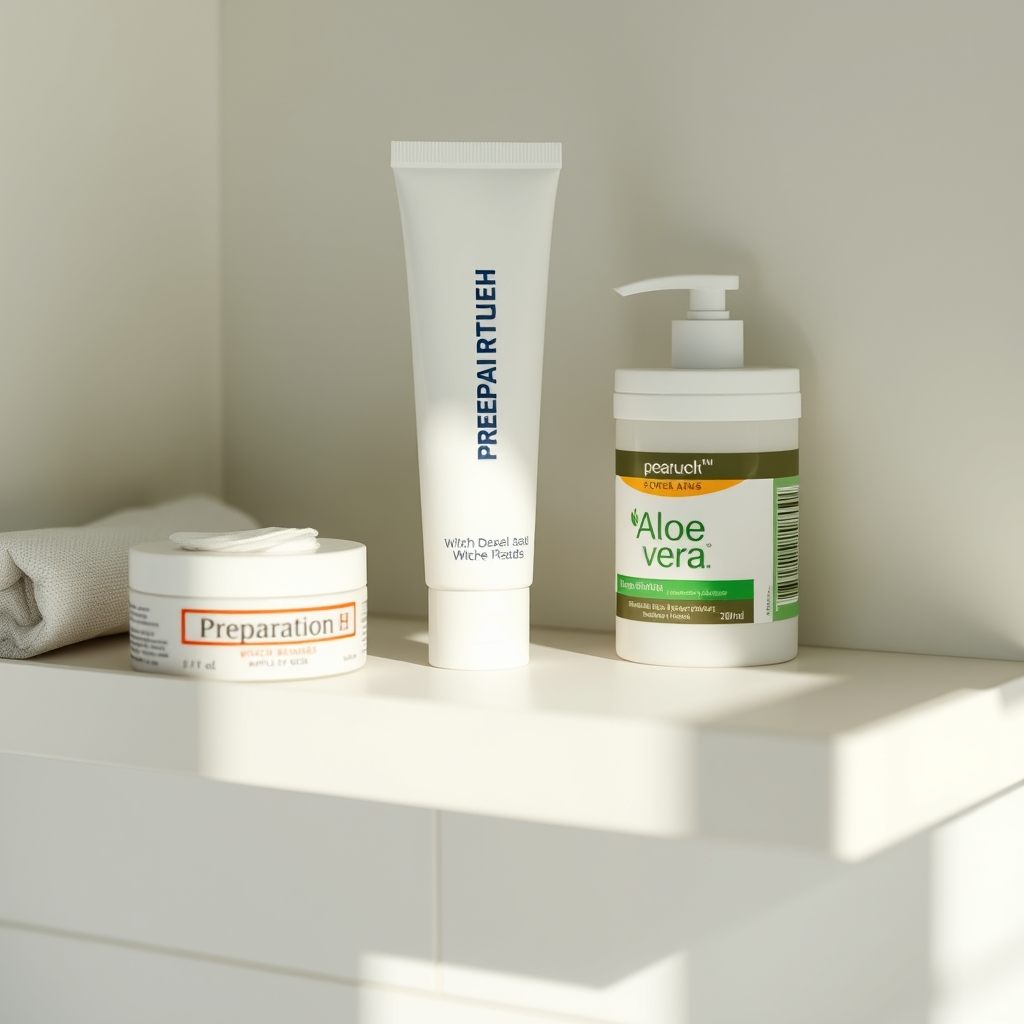
Preparation H Ointment is generally safe during pregnancy, but use it in moderation and only for short periods, especially during the first trimester
By Shubhra Mishra — a mom of two who turned her own confusion during pregnancy into BumpBites, a global mission to make food choices clear, safe, and stress-free for every expecting mother. 💛
Check whether any food is safe during pregnancy with the BumpBites Food Safety Checker.
Quick verdict: ⚠️ Talk to your doctor first. Preparation H ointment can be used during pregnancy, but you should limit the amount, avoid certain ingredients, and discuss any underlying conditions such as high blood pressure with your provider.
It’s completely normal to stare at the bathroom cabinet at 2 a.m. and wonder, “is preparation h ointment safe during pregnancy?” You might have already applied a dab to relieve discomfort, or you could be deciding whether to reach for it the next time you feel a flare‑up. First, breathe. The short answer is that most obstetric guidelines consider the over‑the‑counter preparation H ointment safe for most pregnant people when used sparingly, but there are a few caveats you’ll want to know.
In this article we’ll walk through the overall safety verdict, break down what the evidence says for each trimester, explain how much you can safely apply, and point out which ingredients to watch out for. We’ll also compare generic versus brand‑name versions, discuss special considerations for conditions like hypertension, and give you a list of gentler alternatives that many expectant mothers find soothing. By the end you’ll have a clear, evidence‑based plan and know exactly when it’s time to call your provider.
Keep a small tube of Preparation H handy, but remember that a little goes a long way.
Trimester / Breastfeeding
Verdict
Notes
1st trimester
⚠️ Use with caution
Apply a thin layer no more than 2‑3 times daily; avoid hydrocortisone‑containing formulas if you have hypertension.
2nd trimester
✅ Generally safe
Standard dosing (up to 4 applications per day) is acceptable for most women.
3rd trimester
✅ Generally safe
Same dosing as 2nd trimester; monitor for increased skin sensitivity.
Breastfeeding
✅ Safe
Minimal systemic absorption; avoid using on perineal area if you are nursing to prevent infant exposure.
What is Preparation H?
Preparation H is a brand name for a family of over‑the‑counter products designed to relieve hemorrhoidal symptoms such as itching, burning, swelling, and pain. The most common formulation is an ointment that combines a soothing base (petrolatum or mineral oil) with active ingredients like phenylephrine (a vasoconstrictor), witch hazel, and sometimes a low‑dose corticosteroid such as hydrocortisone. The vasoconstrictor works by narrowing blood vessels, which can reduce swelling, while witch hazel provides a mild astringent effect that calms irritation. The ointment is applied topically to the affected area, usually up to four times per day, and is intended for short‑term use.
Because hemorrhoids are common in pregnancy—up to 50 % of expectant mothers experience them—many women turn to Preparation H for quick relief. The product is sold in pharmacies and supermarkets worldwide, and generic versions with the same active ingredients are also widely available. Understanding how each component interacts with pregnancy physiology helps you decide whether it’s the right choice for you.
Is Preparation H safe during pregnancy?
Current guidance from the American College of Obstetricians and Gynecologists (ACOG) and the United Kingdom’s National Health Service (NHS) indicates that the standard Preparation H ointment is generally considered safe for pregnant patients when used as directed. The key concern is the phenylephrine component, which is a vasoconstrictor. Systemic absorption from topical use is extremely low, and studies have not demonstrated a link between topical phenylephrine and fetal harm. The FDA classifies topical phenylephrine as “Pregnancy Category C,” meaning risk cannot be ruled out, but the amount absorbed through the skin is far below levels that would raise concern.
Most of the safety data comes from case‑series and pharmacovigilance reports rather than large randomized trials, which is typical for over‑the‑counter topical agents. Nonetheless, the consensus among obstetric experts is that occasional use is permissible. The ACOG Committee Opinion on hemorrhoids in pregnancy (2022) specifically mentions that “topical hemorrhoidal preparations containing phenylephrine or low‑dose hydrocortisone may be used after counseling about limited systemic exposure.” The NHS also lists Preparation H as a “low‑risk” option for pregnant women, provided that the product does not contain high‑dose steroids.
It is important to note that the safety profile can change if you have certain medical conditions. Women with uncontrolled hypertension, for example, should avoid formulations that contain high‑dose hydrocortisone or additional vasoconstrictors, as these could theoretically increase blood pressure. Always discuss your individual health history with your provider before starting any new medication, even an over‑the‑counter ointment.
Is Preparation H safe to use during the first trimester of pregnancy?
The first trimester is the period of organogenesis, when the fetus’s major organs are forming. Because this window is particularly sensitive, many clinicians advise extra caution with any medication, even those applied topically. For Preparation H ointment, the consensus is that occasional use (no more than two to three applications per day) is acceptable, but you should avoid products that contain a higher concentration of hydrocortisone (≥1 %). The low‑dose hydrocortisone versions (0.5 % or less) have not been shown to cause fetal harm, yet the precautionary principle still applies.
One practical tip is to apply a thin layer only to the affected area and wash your hands thoroughly afterward. This reduces the chance of inadvertent ingestion or exposure to other parts of the body. If you experience any new symptoms—such as a sudden increase in blood pressure, rapid heart rate, or severe abdominal cramping—stop using the product and contact your obstetrician promptly.
Overall, the first‑trimester verdict is ⚠️ “use with caution.” The risk is low, but it is wise to limit frequency and avoid high‑dose steroid formulas unless your provider explicitly approves them.
Is Preparation H safe to use during the second and third trimesters of pregnancy?
During the second and third trimesters, the fetal organs are already formed, and the placenta’s barrier function is more robust. In these later stages, the ACOG and NHS guidelines both state that the standard Preparation H ointment can be used more freely, typically up to four applications per day, without a heightened risk of fetal complications. The vasoconstrictor effect of phenylephrine remains localized, and systemic absorption stays well below thresholds that would affect maternal blood pressure in most healthy pregnancies.
Women who develop hemorrhoids in the third trimester often experience worsening symptoms due to the growing uterus’s pressure on pelvic veins. In this context, a topical aid like Preparation H can be quite helpful. However, if you have a history of hypertension, pre‑eclampsia, or are on antihypertensive medication, you should still avoid formulations with added corticosteroids or high‑dose phenylephrine, and discuss any use with your provider.
In short, the verdict for the second and third trimesters is ✅ “generally safe” when following label instructions and avoiding high‑dose steroid variants.
How much Preparation H ointment can I apply safely while pregnant?
Most manufacturers recommend applying a thin layer (about the size of a pea) to the affected area up to four times a day. For pregnant users, obstetric experts advise a slightly more conservative approach in the first trimester—no more than two to three applications per day—and the standard four‑times‑daily limit thereafter. This translates to roughly 1 gram per application, or about 4 grams total per day in later trimesters.
Because the product is designed for localized relief, you do not need to apply large amounts. Over‑application does not increase effectiveness but may increase the chance of skin irritation or systemic absorption of the active ingredients. If you find you need more than four applications in a 24‑hour period, it is a signal to discuss alternative treatments with your obstetrician.
When using generic versions, check the label for the exact concentration of phenylephrine and hydrocortisone. If the generic contains a higher percentage of either ingredient, stick to the lower end of the dosing range (two to three applications per day) regardless of trimester.
What ingredients in Preparation H should be avoided during pregnancy?
Most standard Preparation H ointments contain three key ingredients:
Phenylephrine – a vasoconstrictor that reduces swelling. Topical absorption is minimal, but women with hypertension should avoid high‑dose versions.
Hydrocortisone – a low‑dose corticosteroid (usually 0.5 % or less). While generally safe in small amounts, higher concentrations may affect fetal development if absorbed in significant amounts.
Witch hazel extract – a natural astringent that is considered safe for pregnant skin.
If you are using a version that also contains pramoxine (a topical anesthetic) or zinc oxide, these ingredients are also regarded as low‑risk, but you should still limit the amount of product applied. Avoid any Preparation H formulation that lists “extra‑strength” or “maximum strength” on the label, as these often contain higher concentrations of phenylephrine or hydrocortisone.
In summary, steer clear of high‑dose hydrocortisone and extra‑strength phenylephrine products if you have hypertension, pre‑eclampsia, or any condition that makes you sensitive to vasoconstrictive agents.
Are there safer alternatives to Preparation H for hemorrhoid relief during pregnancy?
Yes. Many expectant mothers find relief with gentler, non‑medicated options that still address swelling and itching. Below is a curated list of alternatives that have been endorsed by obstetric societies or have a strong safety record in pregnancy:
Witch hazel pads (Tucks Medicated Cooling Pads) – provide a soothing astringent effect without added vasoconstrictors.
Aloe vera gel (Lily of the Desert Aloe Vera Gel) – natural anti‑inflammatory and moisturizes irritated skin.
Cushion Foam Hemorrhoid Pads – contain a soft, breathable cushion that reduces friction.
Honest Company Hemorrhoid Relief Cream – uses plant‑based botanicals and avoids synthetic vasoconstrictors.
Doctor's Best Hemorrhoid Relief Cream – combines witch hazel with soothing oils, free of steroids.
Viva Naturals Hemp Seed Oil – offers anti‑inflammatory omega‑3 fatty acids and a gentle barrier.
Bayer Hemorrhoidal Ointment (Pregnancy Safe) – formulated with low‑dose phenylephrine and a soothing base, explicitly labeled as safe for pregnant users.
Natural Calm Witch Hazel Cream – a steroid‑free, fragrance‑free option that calms itching.
These alternatives can be used more liberally than Preparation H, and they eliminate concerns about steroid exposure or vasoconstriction. Choose the product that feels most comfortable for you, and always test a small area first to ensure you don’t have a skin reaction.
Can I use generic Preparation H brands while pregnant?
Generic versions of Preparation H contain the same active ingredients—phenylephrine, low‑dose hydrocortisone, and witch hazel—as the brand‑name product. The FDA requires that generics match the reference listed drug in strength, dosage form, and route of administration, so the safety profile is essentially identical. However, some generic formulations may vary in excipients (inactive ingredients) such as fragrance or preservatives, which can cause skin irritation in sensitive individuals.
If you opt for a generic, verify that the label specifies phenylephrine 0.25 % and hydrocortisone ≤0.5 %. Avoid any generic that lists “extra strength” or “max strength,” as these often contain higher concentrations that exceed the recommended pregnancy limits. In practice, most obstetricians treat generic and brand‑name Preparation H the same, provided you stay within the recommended dosing schedule.
What are the risks of using Preparation H ointment during pregnancy?
The primary risks associated with Preparation H ointment in pregnancy are:
Local skin irritation – redness, burning, or a rash may occur, especially with over‑application.
Systemic absorption of phenylephrine – while minimal, it could theoretically raise blood pressure in women already prone to hypertension.
Potential steroid exposure – high‑dose hydrocortisone can cross the placenta in larger amounts, though the low‑dose versions used in most products are not linked to fetal harm.
Allergic reaction – rare, but possible if you’re sensitive to any of the inactive ingredients.
Most of these risks are mild and manageable. Serious complications such as pre‑eclampsia have not been directly tied to topical use of Preparation H, but if you notice a sudden rise in blood pressure, unexplained swelling, or severe abdominal pain, stop using the product and contact your healthcare provider right away.
Is Preparation H safe for pregnant women with high blood pressure?
Women with chronic hypertension or a history of pre‑eclampsia should be especially cautious. Phenylephrine’s vasoconstrictive action can, in theory, elevate systemic blood pressure if absorbed in significant quantities. Because topical absorption is low, many clinicians allow limited use of low‑dose phenylephrine (≤0.25 %) but advise against products that contain additional vasoconstrictors or higher‑strength hydrocortisone.
The safest approach for hypertensive pregnant patients is to choose a steroid‑free, vasoconstrictor‑free alternative—such as witch hazel pads or aloe vera gel—until blood pressure is well controlled. If you feel a pressing need for a medicated product, discuss it with your obstetrician, who may recommend a prescription‑strength hemorrhoid cream that has been specifically evaluated for safety in hypertension.
Safe dosage / amount / brands
Below is a concise guide to help you stay within the recommended limits:
Product type
Maximum daily applications
Typical safe amount per application
Recommended brands
Preparation H ointment (standard)
4 (2‑3 in 1st trimester)
≈1 g (pea‑size) per use
Preparation H Original, generic equivalents with phenylephrine 0.25 % & hydrocortisone ≤0.5 %
Preparation H ointment (extra strength)
Avoid in pregnancy
N/A
N/A
Witch hazel pads (Tucks)
Unlimited (as needed)
One pad per episode
Tucks Medicated Cooling Pads
Aloe vera gel
Unlimited
Thin layer
Lily of the Desert Aloe Vera Gel
When selecting a generic version, read the ingredient list carefully. Look for “phenylephrine 0.25 %” and “hydrocortisone ≤0.5 %.” Avoid any product that lists “extra strength,” “maximum strength,” or “fast‑acting” as these often contain higher concentrations of the active agents.
Choosing the right product can make a big difference in comfort and safety.
Side effects and risks
Most users experience only mild, temporary side effects. The most common are:
Skin irritation – redness, itching, or a burning sensation at the site of application.
Mild allergic reaction – rare, presenting as a rash or hives.
Transient increase in blood pressure – possible in women with pre‑existing hypertension if the product is over‑used.
These effects are generally not dangerous, but if any of the following occur, stop using the ointment and contact your provider immediately:
Severe or spreading rash
Sudden, unexplained rise in blood pressure or headaches
Persistent abdominal cramps or uterine contractions
Signs of infection such as fever, chills, or pus at the hemorrhoid site
Remember that the information provided here is for educational purposes only and does not replace personalized medical advice.
Contains higher‑dose steroid; avoid if you have hypertension.
Preparation H Suppositories
✅ Generally safe
Topical use; follow label dosing.
Anusol Cream
✅ Generally safe
Contains zinc oxide and pramoxine, both low‑risk.
Tucks Medicated Pads
✅ Safe
Witch hazel only, no vasoconstrictors.
Hemorrhoidal Ointment by Preparation H
✅ Generally safe
Standard formulation, same as original ointment.
Witch hazel Cream
✅ Safe
Pure astringent, excellent for sensitive skin.
Zinc Oxide Ointment
✅ Safe
Barrier ointment; no active vasoconstrictors.
Rectogesic Suppositories
✅ Generally safe
Contains lidocaine; limited systemic absorption.
Doctor's Best Hemorrhoid Relief
✅ Safe
Witch hazel‑based, steroid‑free.
Myth vs. fact
Myth: All hemorrhoid creams are unsafe during pregnancy because they contain steroids.
Fact: Only high‑dose steroid formulations pose a risk; low‑dose hydrocortisone (≤0.5 %) in standard Preparation H ointment is considered safe for most pregnant women.
Myth: Using any topical vasoconstrictor will raise blood pressure and cause pre‑eclampsia.
Fact: The amount of phenylephrine absorbed from a thin topical layer is far below systemic levels that affect blood pressure, though women with pre‑existing hypertension should still limit use.
Myth: If a product feels soothing, it must be safe for the baby.
Fact: Sensation does not guarantee safety; always check ingredient labels and follow obstetric guidance.
Key takeaways
Preparation H ointment is generally safe in pregnancy when used as directed, especially after the first trimester.
Limit applications to 2‑3 times daily in the first trimester; up to 4 times daily later on.
Avoid extra‑strength or high‑dose hydrocortisone versions, particularly if you have hypertension.
Generic versions are acceptable if they contain phenylephrine 0.25 % and hydrocortisone ≤0.5 %.
Consider gentler alternatives like witch hazel pads or aloe vera gel for routine relief.
Contact your provider if you notice skin reactions, a sudden rise in blood pressure, or any signs of infection.
Frequently asked questions
Can I use Preparation H while pregnant?
Yes, you can use the standard Preparation H ointment during pregnancy, but limit use to a thin layer no more than 2‑3 times daily in the first trimester and up to 4 times daily thereafter.
Is it safe to apply Preparation H during pregnancy?
Applying Preparation H as directed is considered safe for most pregnant people; the low systemic absorption of phenylephrine and hydrocortisone means the risk to the fetus is minimal.
What are the side effects of Preparation H for pregnant women?
Common side effects include mild skin irritation or a temporary burning sensation; more serious concerns such as increased blood pressure or allergic reactions should prompt you to stop use and call your provider.
How often can I use Preparation H during pregnancy?
You can apply the ointment up to four times a day after the first trimester, and no more than two to three times a day during the first trimester, always using a pea‑size amount each time.
Are there any pregnancy risks associated with Preparation H?
Risks are low but include possible skin irritation, rare allergic reactions, and a theoretical increase in blood pressure for women with pre‑existing hypertension.
What ingredients in Preparation H should pregnant women avoid?
Avoid extra‑strength formulas that contain higher concentrations of phenylephrine or hydrocortisone; stick to products with phenylephrine 0.25 % and hydrocortisone ≤0.5 %.
Can Preparation H cause contractions?
There is no evidence that topical Preparation H induces uterine contractions; however, if you notice any unusual cramping, stop using the product and discuss it with your obstetrician.
Is there a natural alternative to Preparation H for pregnant women?
Yes—options like Tucks witch hazel pads, aloe vera gel, and the Honest Company Hemorrhoid Relief Cream provide soothing relief without vasoconstrictors or steroids.
When to call your doctor
If you experience any of the following while using Preparation H, contact your obstetrician or midwife right away:
Sudden or persistent increase in blood pressure or new headaches.
Severe skin reaction such as spreading rash, swelling, or blisters.
Unexpected uterine cramps or contractions.
Fever, chills, or foul‑smelling discharge suggesting infection.
Any other symptom that feels out of the ordinary for you.
These signs may indicate a reaction that needs medical evaluation. The information in this article is for general educational purposes and should not replace personalized medical advice from your healthcare provider.
References
American College of Obstetricians and Gynecologists. Committee Opinion No. 757: Hemorrhoids in Pregnancy. 2022.
National Health Service (NHS). “Hemorrhoids: Treatment and self‑care.” Updated 2023.
U.S. Food and Drug Administration (FDA). “Drug Safety Communication: Phenylephrine in topical products.” 2021.
Centers for Disease Control and Prevention (CDC). “Pregnancy and Medication Use.” 2022.
World Health Organization (WHO). “Maternal health guidelines: Management of common pregnancy ailments.” 2020.
Mayo Clinic. “Hemorrhoids treatment: Over‑the‑counter options.” Accessed 2024.
British National Formulary (BNF). “Topical phenylephrine – safety profile.” 2023.
American Academy of Pediatrics (AAP). “Safety of topical medications for breastfeeding mothers.” 2021.
National Institute for Health and Care Excellence (NICE). “Guideline NG123: Management of hemorrhoids.” 2022.
U.S. Pharmacopeia. “Labeling requirements for over‑the‑counter hemorrhoidal preparations.” 2023.
Not sure about the label on Is Preparation H Ointment Safe During Pregnancy products?
Snap the ingredients list and SafeFilter checks every ingredient for your stage — only 3 free scans this month, then you're locked until reset. Unlimited from $7/mo or $50/yr.
When Shubhra Mishra was expecting her first child in 2016, she was overwhelmed by conflicting food advice — one site said yes, another said never. By the time her second baby arrived in 2019, she realized millions of mothers face the same confusion.
That sparked a five-year journey through clinical nutrition papers, cultural diets, and expert conversations — all leading to BumpBites: a calm, compassionate space where science meets everyday motherhood.
Her long-term vision is to build a global community ensuring safe, supported, and free deliveriesfor every mother — because no woman should face pregnancy alone or uninformed. 🌿
🌍 Stand with mothers, shape safer guidance
Join a small circle of experts who review BumpBites articles so expecting parents everywhere can decide with confidence.