

Quick verdict: ⚠️ Pop-Tarts are safe to eat during pregnancy in moderation, but they're not the healthiest choice. They're high in sugar, refined carbs, and artificial additives, which can contribute to excessive weight gain, blood sugar spikes, and gestational diabetes risk if eaten frequently. One occasional Pop-Tart is unlikely to harm you or your baby, but they shouldn't be a daily breakfast or snack. If you're craving one, opt for a whole-grain or lower-sugar flavor and pair it with protein or fiber to balance the sugar rush.
You're standing in the grocery aisle at 11 p.m., staring at the Pop-Tarts box like it holds the answers to the universe. Maybe you already ate two before remembering you're pregnant. Maybe you're just wondering if that childhood favorite is still okay now that you're growing a tiny human. Is Pop-Tarts safe during pregnancy? The short answer: yes, but with some big caveats—and some much better options.
Let's be real: Pop-Tarts aren't exactly a health food. They're a processed, sugary pastry designed for convenience, not nutrition. But pregnancy cravings are real, and sometimes you just want that frosted strawberry goodness. The good news? You don’t have to swear them off entirely. The key is moderation, smart choices, and knowing what to watch out for. Below, we’ll break down exactly how many Pop-Tarts are safe, which flavors to pick, what the risks actually are, and—most importantly—what to eat instead if you want something that’ll actually fuel you and your baby.
| Trimester | Verdict | Notes |
|---|---|---|
| First trimester | ⚠️ Safe in moderation | High sugar content may worsen nausea or fatigue. Stick to 1 Pop-Tart max, and pair with protein (e.g., Greek yogurt) to stabilize blood sugar. |
| Second trimester | ⚠️ Safe in moderation | Gestational diabetes risk increases. Limit to 1-2 Pop-Tarts per week, and choose lower-sugar flavors like Frosted Brown Sugar or Unfrosted Blueberry. |
| Third trimester | ⚠️ Safe in moderation | Watch for heartburn—high sugar and fat can trigger it. Opt for smaller portions (e.g., half a Pop-Tart) and avoid flavors with artificial colors if you're sensitive. |
| Breastfeeding | ⚠️ Safe in moderation | Sugar and artificial additives can pass into breast milk, potentially causing fussiness in some babies. Stick to 1 Pop-Tart occasionally, and monitor your baby’s reaction. |
What Are Pop-Tarts, Anyway?
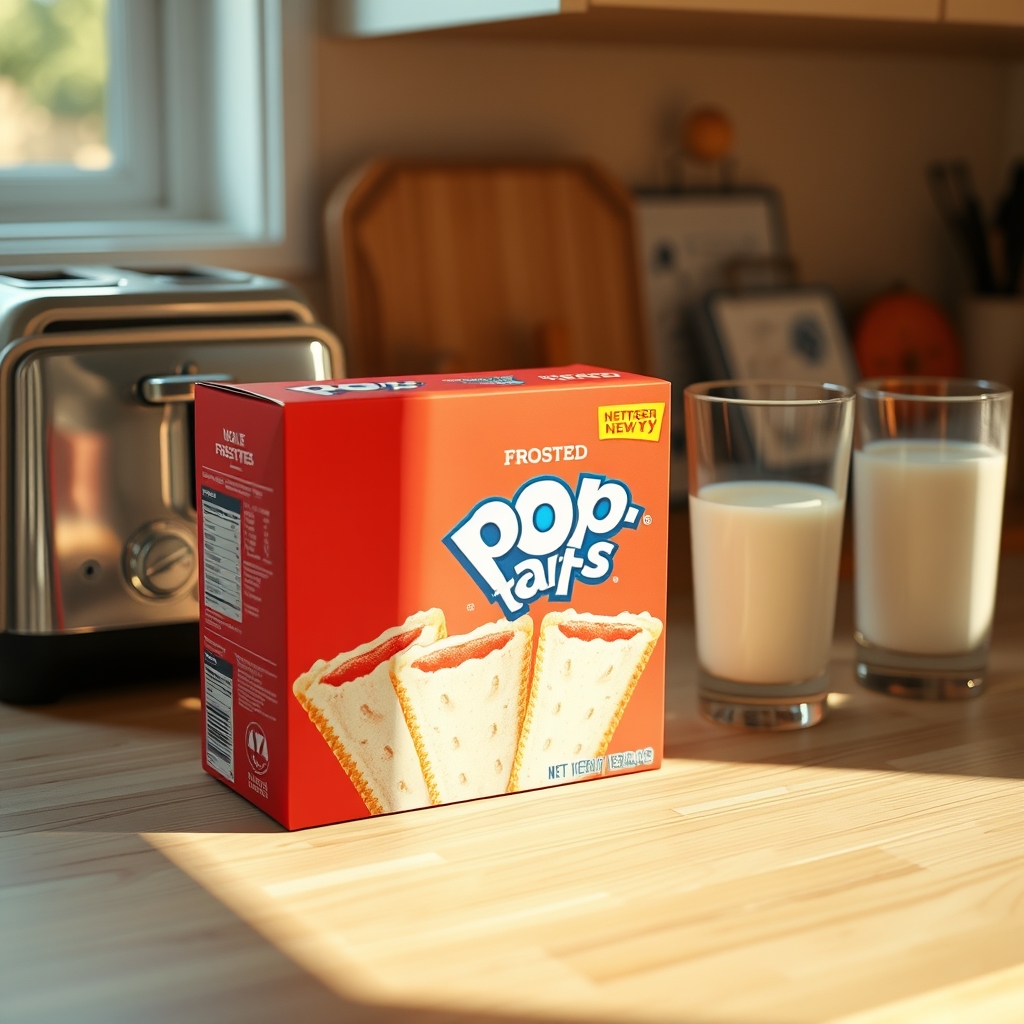
Pop-Tarts are a brand of toaster pastries made by Kellogg’s. They consist of a rectangular, flaky pastry crust filled with sweet fruit or dessert-inspired fillings, often topped with frosting and sprinkles. They’re designed to be heated in a toaster or eaten straight from the package, making them a popular quick breakfast or snack—especially for kids and busy adults.
Each Pop-Tart typically contains around 200 calories, 6-8 grams of fat, 30-40 grams of carbohydrates (mostly from sugar and refined flour), and minimal protein or fiber. They also contain artificial flavors, colors, and preservatives like TBHQ (tertiary butylhydroquinone), which helps extend shelf life. While these additives are generally recognized as safe by the FDA, their long-term effects—especially during pregnancy—aren’t well studied.
Pop-Tarts come in a variety of flavors, from classic Frosted Strawberry to more indulgent options like S’mores or Cookies & Creme. Some flavors are higher in sugar or artificial ingredients than others, which can influence their safety and nutritional value during pregnancy. We’ll dive into that later.
Is Pop-Tarts Safe During Pregnancy?
Let’s break down the concerns:
- High sugar content: Most Pop-Tarts contain 14-18 grams of sugar per pastry (that’s about 3-4 teaspoons). The American Heart Association recommends limiting added sugar to no more than 25 grams per day for women, and pregnancy doesn’t increase that need. Excess sugar can lead to excessive weight gain, gestational diabetes, and even increase your baby’s risk of obesity later in life. A 2017 study in JAMA Internal Medicine found that high sugar intake during pregnancy was associated with a higher risk of preterm birth and preeclampsia.
- Refined carbohydrates: Pop-Tarts are made with enriched wheat flour, which is stripped of fiber and nutrients. Refined carbs digest quickly, causing blood sugar spikes and crashes. This can leave you feeling tired, hungry, and moody—none of which you need more of during pregnancy. The NHS recommends choosing whole-grain options whenever possible to support stable blood sugar and digestion.
- Artificial additives: Pop-Tarts contain artificial flavors, colors (like Red 40 and Blue 1), and preservatives (like TBHQ). While the FDA considers these safe in small amounts, some studies suggest that artificial colors may contribute to hyperactivity in children, and TBHQ has been linked to potential liver effects in animal studies. The European Food Safety Authority (EFSA) has stricter regulations on artificial colors than the U.S., requiring warning labels on products containing them. While the evidence isn’t conclusive, many obstetricians recommend minimizing artificial additives during pregnancy when possible.
- Low nutritional value: Pop-Tarts provide almost no protein, fiber, vitamins, or minerals. During pregnancy, your body needs extra nutrients like folate, iron, calcium, and choline to support your baby’s growth. ACOG emphasizes that pregnancy is a time to focus on nutrient-dense foods, not empty calories.
That said, an occasional Pop-Tart isn’t going to harm you or your baby. The risks come from making them a regular part of your diet. If you’re eating Pop-Tarts daily or multiple times a week, it’s time to rethink your snack choices. But if you’re craving one every now and then? Go ahead—just balance it with something healthier.
Are Pop-Tarts Safe to Eat During the First Trimester of Pregnancy?
The first trimester is a critical time for your baby’s development. Their organs, brain, and nervous system are forming, and your nutrition plays a huge role in supporting this process. So, is Pop-Tarts safe during pregnancy in the first trimester? The answer is yes, but with extra caution.
Here’s what to consider:
- Nausea and food aversions: Many women experience morning sickness during the first trimester, and high-sugar, high-fat foods like Pop-Tarts can worsen nausea or trigger vomiting. If you’re struggling with morning sickness, you might find that bland, easy-to-digest foods (like crackers or toast) sit better with your stomach.
- Blood sugar swings: The first trimester can be a rollercoaster of fatigue and mood swings, and refined carbs like Pop-Tarts can make these worse. Eating a Pop-Tart on an empty stomach can cause a rapid spike in blood sugar, followed by a crash that leaves you feeling exhausted and irritable. If you do eat one, pair it with a source of protein or healthy fat (like a handful of nuts or a glass of milk) to slow down digestion and stabilize your blood sugar.
- Nutrient needs: Your baby’s neural tube (which becomes their brain and spinal cord) is forming during the first few weeks of pregnancy. This process requires folate, a B vitamin found in leafy greens, beans, and fortified grains. Pop-Tarts don’t provide folate, so relying on them for breakfast could mean missing out on this critical nutrient. If you’re eating Pop-Tarts, make sure the rest of your diet is rich in folate and other prenatal nutrients.
Bottom line: One Pop-Tart in the first trimester is fine, but don’t make it a habit. If you’re craving something sweet, try a piece of fruit with nut butter or a small smoothie instead. And if you’ve already eaten a few Pop-Tarts before realizing you were pregnant? Don’t stress—your baby is resilient, and one indulgence won’t undo a healthy diet.
Can I Eat Pop-Tarts in the Second Trimester of Pregnancy?
The second trimester is often called the "honeymoon phase" of pregnancy. For many women, nausea fades, energy returns, and cravings kick into high gear. So, can you eat Pop-Tarts in the second trimester? Yes, but this is also the time to be extra mindful of your sugar intake.
Here’s why:
- Gestational diabetes risk: The second trimester is when gestational diabetes (GD) typically develops. GD is a temporary form of diabetes that occurs during pregnancy and can increase your risk of complications like preeclampsia, preterm birth, and having a large baby. While Pop-Tarts alone won’t cause GD, their high sugar content can contribute to excessive weight gain and blood sugar spikes, which are risk factors. The American Diabetes Association recommends that pregnant women limit added sugars to reduce their risk of GD.
- Weight gain: The second trimester is when many women start to show, and it’s also when healthy weight gain becomes important. ACOG recommends gaining about 1 pound per week during the second and third trimesters if you started pregnancy at a normal weight. Eating high-sugar, low-nutrient foods like Pop-Tarts can lead to excessive weight gain, which increases your risk of complications like gestational diabetes, high blood pressure, and a difficult delivery.
- Heartburn: As your baby grows, they put pressure on your stomach, which can cause heartburn. High-fat and high-sugar foods (like frosted Pop-Tarts) can trigger or worsen heartburn. If you’re prone to it, you might want to skip the frosted flavors and opt for something less greasy.
Bottom line: You can eat Pop-Tarts in the second trimester, but limit them to 1-2 per week. Choose lower-sugar flavors (like Frosted Brown Sugar or Unfrosted Blueberry) and pair them with protein or fiber to balance the sugar. If you have gestational diabetes or are at risk for it, it’s best to avoid Pop-Tarts altogether and opt for snacks with a lower glycemic index.
Can I Eat Pop-Tarts in the Third Trimester of Pregnancy?
The third trimester is all about preparing for birth—and fueling your body for the marathon ahead. So, is Pop-Tarts safe during pregnancy in the third trimester? Yes, but this is the time to be most cautious about your sugar and nutrient intake.
Here’s what to keep in mind:
- Energy levels: The third trimester can be exhausting. Your baby is growing rapidly, and you might feel like you’re running on empty. Refined carbs like Pop-Tarts can give you a quick energy boost, but they’ll also cause a crash that leaves you feeling even more tired. Instead, focus on complex carbs (like whole grains) and protein to sustain your energy levels.
- Heartburn and indigestion: Heartburn is common in the third trimester, and high-sugar, high-fat foods can make it worse. If you’re struggling with heartburn, you might want to avoid frosted Pop-Tarts, which are higher in fat and sugar. Unfrosted flavors or half a Pop-Tart might be easier on your stomach.
- Gestational diabetes: If you developed gestational diabetes in the second trimester, you’ll need to continue monitoring your blood sugar in the third trimester. Pop-Tarts are high on the glycemic index, meaning they can cause rapid blood sugar spikes. If you have GD, it’s best to avoid them and choose snacks with a lower glycemic impact.
- Nutrient needs: In the third trimester, your baby’s brain is growing rapidly, and they’re putting on weight in preparation for birth. This means your body needs extra nutrients like iron, calcium, and omega-3 fatty acids. Pop-Tarts don’t provide these nutrients, so relying on them for snacks or breakfast could leave you and your baby deficient. Focus on nutrient-dense foods like lean proteins, whole grains, and leafy greens.
Bottom line: You can eat Pop-Tarts in the third trimester, but limit them to 1 per week. Choose lower-sugar, lower-fat flavors, and pair them with protein or fiber to balance the sugar. If you have gestational diabetes or are at risk for complications, it’s best to avoid them altogether.
How Many Pop-Tarts Can a Pregnant Woman Safely Consume Per Day?
So, how many Pop-Tarts is safe during pregnancy? The answer depends on your overall diet, health, and pregnancy stage, but here’s a general guideline:
- Occasional treat: If you’re eating a balanced diet and have no pregnancy complications, 1 Pop-Tart occasionally (e.g., once a week) is fine. Think of it as a dessert, not a breakfast or daily snack.
- Moderation: If you’re craving Pop-Tarts more often, limit yourself to 1 Pop-Tart, 1-2 times per week. Choose lower-sugar flavors (like Frosted Brown Sugar or Unfrosted Blueberry) and pair them with protein or fiber to balance the sugar. For example, eat half a Pop-Tart with a handful of nuts or a glass of milk.
- Avoid daily consumption: Eating Pop-Tarts daily or multiple times a day can contribute to excessive weight gain, blood sugar spikes, and nutrient deficiencies. If you find yourself reaching for them often, it’s time to explore healthier alternatives (more on those below).
Here’s a quick comparison of sugar content in different Pop-Tarts flavors to help you make smarter choices:
| Flavor | Sugar per Pop-Tart (grams) | Notes |
|---|---|---|
| Frosted Strawberry | 16g | One of the highest-sugar flavors. Contains artificial colors (Red 40, Blue 1). |
| Frosted Brown Sugar | 14g | Lower in sugar than frosted fruit flavors. No artificial colors. |
| Unfrosted Blueberry | 12g | Lower in sugar and fat than frosted flavors. Still contains artificial flavors. |
| Frosted S’mores | 18g | Highest sugar content. Contains artificial flavors and colors. |
| Low-Sugar Frosted Strawberry | 8g | Sweetened with stevia and sucralose. Lower in sugar but still processed. |
Pro tip: If you’re going to eat a Pop-Tart, opt for the unfrosted or low-sugar versions. And always check the nutrition label—some flavors have more sugar, fat, or artificial additives than others.
What Are Healthier Alternatives to Pop-Tarts for Pregnant Women?
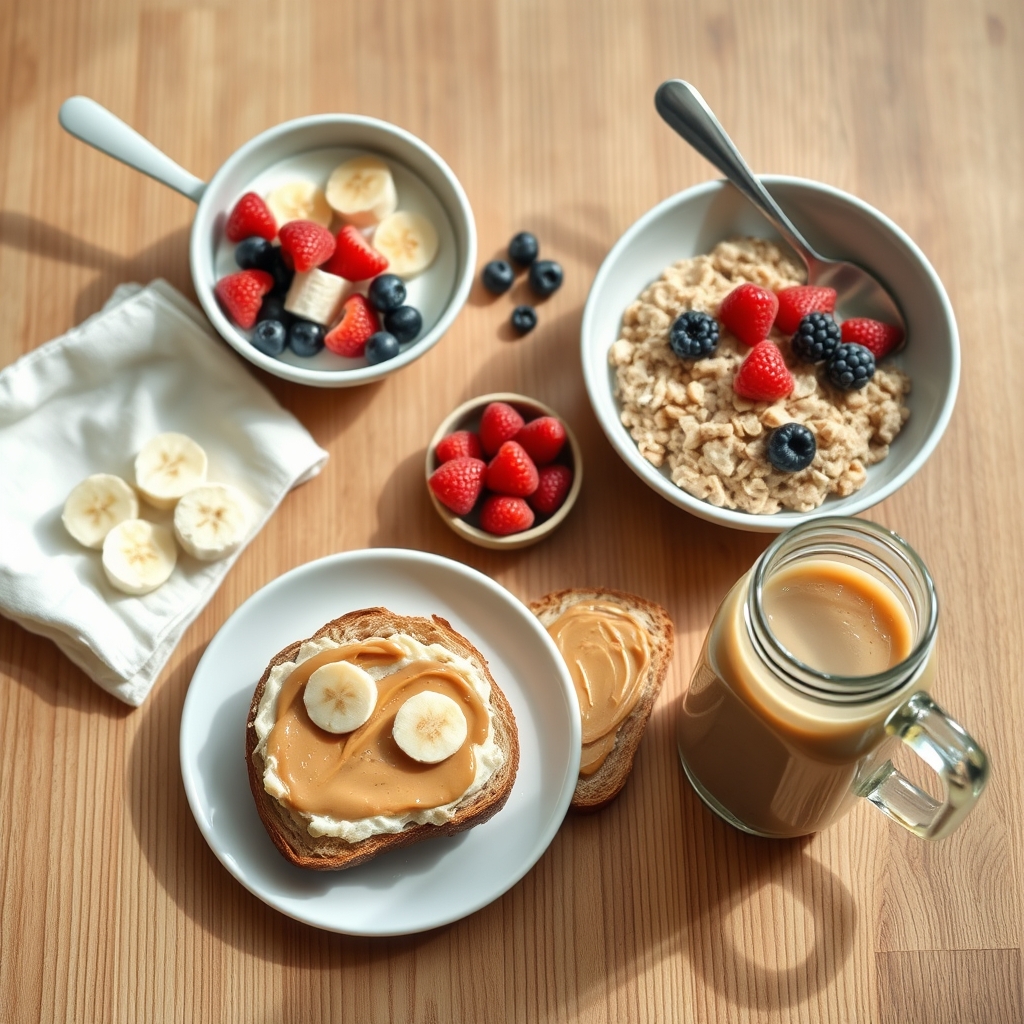
We get it: sometimes you just want something quick, sweet, and nostalgic. But if you’re looking for safer, more nutritious alternatives to Pop-Tarts during pregnancy, we’ve got you covered. These options are lower in sugar, higher in fiber and protein, and packed with nutrients to support you and your baby.
Here are 8 healthier swaps for your Pop-Tart cravings:
- Whole grain toast with almond butter: Spread 1-2 tablespoons of almond butter on a slice of whole-grain toast for a balance of healthy fats, protein, and fiber. Add a sprinkle of cinnamon or a drizzle of honey for sweetness. This combo will keep you full and stabilize your blood sugar.
- Greek yogurt with fresh berries: Mix ½ cup of plain Greek yogurt with a handful of fresh berries (like strawberries, blueberries, or raspberries). Greek yogurt is high in protein and calcium, while berries provide fiber, vitamins, and antioxidants. Add a teaspoon of honey if you need extra sweetness.
- Oatmeal topped with sliced banana: Cook ½ cup of rolled oats with water or milk, then top with sliced banana, a sprinkle of cinnamon, and a drizzle of peanut butter. Oatmeal is a whole grain that provides fiber and slow-digesting carbs, while banana adds natural sweetness and potassium.
- Whole grain cereal with low-fat milk: Choose a cereal with at least 3 grams of fiber and less than 5 grams of sugar per serving (e.g., shredded wheat, bran flakes, or plain Cheerios). Top with low-fat milk and a handful of nuts or seeds for extra protein and healthy fats.
- Fresh fruit smoothie with spinach: Blend 1 cup of frozen fruit (like mango or berries), ½ banana, a handful of spinach, and 1 cup of milk or a milk alternative. Add a scoop of protein powder or Greek yogurt for extra protein. This smoothie is packed with vitamins, minerals, and fiber to keep you energized.
- Egg muffins with vegetables: Whisk 6 eggs with a splash of milk, then mix in diced vegetables (like spinach, bell peppers, or mushrooms) and shredded cheese. Pour into a muffin tin and bake at 350°F for 20 minutes. These portable muffins are high in protein, choline, and iron—all critical nutrients during pregnancy.
- Homemade granola bars: Make your own granola bars with oats, nuts, seeds, and a touch of honey or maple syrup. Store-bought granola bars are often just as sugary as Pop-Tarts, but homemade versions let you control the ingredients. Try this recipe: mix 2 cups of oats, ½ cup of almond butter, ¼ cup of honey, and ½ cup of dark chocolate chips or dried fruit. Press into a pan and refrigerate until firm.
- Whole wheat English muffin with avocado: Toast a whole wheat English muffin and top with ¼ of an avocado, mashed. Sprinkle with salt, pepper, and red pepper flakes for a savory, satisfying snack. Avocado provides healthy fats, while the English muffin offers fiber and complex carbs.
These alternatives aren’t just healthier—they’ll also keep you fuller for longer and provide the nutrients your body needs during pregnancy. Plus, they’re easy to prep ahead of time, so you’ll always have a quick snack on hand.
Do Different Pop-Tarts Flavors Have Different Safety Levels During Pregnancy?
Not all Pop-Tarts are created equal. Some flavors are higher in sugar, fat, or artificial additives than others, which can influence their safety and nutritional value during pregnancy. So, do different Pop-Tarts flavors have different safety levels? Yes—and here’s what to look out for.
Here’s a breakdown of how different flavors compare:
- Frosted vs. unfrosted: Frosted Pop-Tarts are higher in sugar and fat than unfrosted versions. For example, Frosted Strawberry has 16 grams of sugar and 5 grams of fat, while Unfrosted Blueberry has 12 grams of sugar and 3 grams of fat. If you’re watching your sugar or fat intake, unfrosted flavors are the better choice.
- Fruit vs. dessert flavors: Fruit-flavored Pop-Tarts (like Strawberry or Blueberry) tend to be lower in sugar than dessert-inspired flavors (like S’mores or Cookies & Creme). For example, Frosted S’mores has 18 grams of sugar, while Frosted Brown Sugar has 14 grams. If you’re craving something sweet, fruit flavors are usually the smarter pick.
- Artificial colors: Some Pop-Tarts flavors contain artificial colors like Red 40, Blue 1, or Yellow 6. These are FDA-approved, but some studies suggest they may contribute to hyperactivity in children. If you’re concerned about artificial additives, opt for flavors without artificial colors (like Frosted Brown Sugar or Unfrosted Blueberry).
- Low-sugar options: Kellogg’s offers a "Low-Sugar" line of Pop-Tarts, sweetened with stevia and sucralose. These flavors have about half the sugar of regular Pop-Tarts (e.g., 8 grams vs. 16 grams). While they’re still processed, they’re a better choice if you’re trying to limit your sugar intake. Just be aware that they contain artificial sweeteners, which some women prefer to avoid during pregnancy.
- Whole grain options: Kellogg’s also offers a "Whole Grain" line of Pop-Tarts, which are made with whole wheat flour and contain 3 grams of fiber per pastry. While they’re still high in sugar (14-16 grams), the fiber can help slow down digestion and stabilize blood sugar. If you’re going to eat a Pop-Tart, whole grain versions are the best choice.
Here’s a quick guide to help you choose the safest Pop-Tarts flavors during pregnancy:
| Flavor | Sugar (grams) | Fat (grams) | Artificial Colors? | Verdict |
|---|---|---|---|---|
| Unfrosted Blueberry | 12g | 3g | No | ✅ Best choice |
| Frosted Brown Sugar | 14g | 5g | No | ✅ Good choice |
| Whole Grain Frosted Strawberry | 16g | 5g | Yes (Red 40, Blue 1) | ⚠️ Moderate choice (fiber helps, but artificial colors are a downside) |
| Low-Sugar Frosted Strawberry | 8g | 4g | No | ⚠️ Moderate choice (lower sugar, but contains artificial sweeteners) |
| Frosted S’mores | 18g | 6g | Yes (Yellow 6, Red 40) | ❌ Avoid (highest sugar and fat, plus artificial colors) |
Bottom line: If you’re going to eat Pop-Tarts, choose unfrosted, low-sugar, or whole grain flavors whenever possible. Avoid flavors with artificial colors or excessive sugar. And remember—even the "healthier" Pop-Tarts should still be an occasional treat, not a daily habit.
What Are the Risks of Eating Pop-Tarts While Pregnant?
Pop-Tarts aren’t going to poison you or your baby, but eating them regularly can pose some risks during pregnancy. Here’s what you need to know about the potential risks of eating Pop-Tarts while pregnant:
- Excessive weight gain: Pop-Tarts are calorie-dense but nutrient-poor. Eating them frequently can contribute to excessive weight gain, which increases your risk of complications like gestational diabetes, preeclampsia, and a difficult delivery. ACOG recommends gaining weight gradually and steadily during pregnancy, and focusing on nutrient-dense foods to support your baby’s growth.
- Gestational diabetes: Pop-Tarts are high in sugar and refined carbs, which can cause rapid spikes in blood sugar. Over time, this can increase your risk of developing gestational diabetes, especially if you’re already at risk (e.g., overweight, over 25, or have a family history of diabetes). Gestational diabetes can lead to complications like preterm birth, preeclampsia, and a large baby, so it’s important to manage your sugar intake.
- Blood sugar crashes: The sugar and refined carbs in Pop-Tarts digest quickly, causing a rapid rise in blood sugar followed by a crash. This can leave you feeling tired, irritable, and hungry soon after eating. During pregnancy, stable blood sugar is key for maintaining your energy levels and avoiding mood swings.
- Nutrient deficiencies: Pop-Tarts provide almost no protein, fiber, vitamins, or minerals. If you’re eating them regularly, you might be missing out on critical nutrients like folate, iron, calcium, and choline, which are essential for your baby’s growth and development. ACOG emphasizes that pregnancy is a time to focus on nutrient-dense foods, not empty calories.
- Heartburn and indigestion: Pop-Tarts are high in fat and sugar, which can trigger or worsen heartburn—especially in the second and third trimesters. If you’re prone to heartburn, you might want to avoid frosted flavors or limit your portion size.
- Artificial additives: Pop-Tarts contain artificial flavors, colors, and preservatives like TBHQ. While the FDA considers these safe in small amounts, their long-term effects during pregnancy aren’t well studied. Some artificial colors (like Red 40 and Blue 1) have been linked to hyperactivity in children, and TBHQ has been associated with potential liver effects in animal studies. While the evidence isn’t conclusive, many obstetricians recommend minimizing artificial additives during pregnancy when possible.
- Food aversions and nausea: In the first trimester, many women experience food aversions or morning sickness. High-sugar, high-fat foods like Pop-Tarts can worsen nausea or trigger vomiting. If you’re struggling with morning sickness, you might find that bland, easy-to-digest foods sit better with your stomach.
Bottom line: The risks of eating Pop-Tarts during pregnancy come from overconsumption, not occasional indulgence. One Pop-Tart every now and then is unlikely to harm you or your baby, but making them a daily habit can contribute to weight gain, blood sugar issues, and nutrient deficiencies. If you’re eating Pop-Tarts regularly, it’s time to explore healthier alternatives.
Are There Any Pregnancy Conditions That Make Pop-Tarts Unsafe?
For most women, Pop-Tarts are safe during pregnancy in moderation. But if you have certain pregnancy-related conditions, you might need to avoid them altogether. Here’s what to watch out for:
- Gestational diabetes (GD): If you’ve been diagnosed with gestational diabetes, your provider will likely recommend limiting your intake of high-sugar, high-carb foods like Pop-Tarts. These can cause rapid spikes in blood sugar, making it harder to manage your condition. Instead, opt for snacks with a lower glycemic index, like nuts, cheese, or whole-grain crackers.
- Gestational hypertension or preeclampsia: If you have high blood pressure during pregnancy, your provider may recommend limiting your intake of processed foods, which are often high in sodium and additives. While Pop-Tarts aren’t particularly high in sodium, they’re still a processed food with little nutritional value. Focus on whole, unprocessed foods to support your blood pressure and overall health.
- Excessive weight gain: If you’re gaining weight too quickly, your provider may recommend cutting back on high-calorie, low-nutrient foods like Pop-Tarts. Excessive weight gain increases your risk of complications like gestational diabetes, preeclampsia, and a difficult delivery. Instead, focus on nutrient-dense foods that will keep you full and support your baby’s growth.
- Food allergies or sensitivities: Pop-Tarts contain wheat, soy, and sometimes milk—all common allergens. If you have a food allergy or sensitivity, check the ingredient label carefully. Kellogg’s also offers gluten-free Pop-Tarts (more on those below), which may be a safer option if you have celiac disease or gluten sensitivity.
- Severe morning sickness: If you’re struggling with nausea and vomiting in the first trimester, high-sugar, high-fat foods like Pop-Tarts can worsen your symptoms. Instead, opt for bland, easy-to-digest foods like crackers, toast, or rice.
Bottom line: If you have gestational diabetes, gestational hypertension, or are gaining weight too quickly, it’s best to avoid Pop-Tarts and opt for healthier snacks. If you have food allergies or severe morning sickness, check the ingredient label or choose a different snack. When in doubt, talk to your provider about what’s safe for you.
Is Gluten-Free Pop-Tarts Safe During Pregnancy?
Kellogg’s offers a line of gluten-free Pop-Tarts, which are made with rice flour and cornstarch instead of wheat. So, is gluten-free Pop-Tarts safe during pregnancy? Yes, but with the same caveats as regular Pop-Tarts.
Here’s what to know:
- Gluten-free ≠ healthier: Gluten-free Pop-Tarts are still high in sugar and refined carbs, and they provide little nutritional value. They’re made with rice flour and cornstarch, which are low in fiber and protein. If you don’t have celiac disease or gluten sensitivity, there’s no need to choose gluten-free Pop-Tarts—they’re not a healthier option.
- Same sugar content: Gluten-free Pop-Tarts have about the same amount of sugar as regular Pop-Tarts (14-16 grams per pastry). If you’re watching your sugar intake, gluten-free Pop-Tarts aren’t a better choice.
- Artificial additives: Like regular Pop-Tarts, gluten-free versions contain artificial flavors, colors, and preservatives. If you’re trying to minimize artificial additives, gluten-free Pop-Tarts aren’t the answer.
- Safe for celiac disease: If you have celiac disease or gluten sensitivity, gluten-free Pop-Tarts are a safe option. Just be aware that they’re still a processed food with little nutritional value. If you’re craving a gluten-free toaster pastry, try making your own with almond flour, oats, and natural sweeteners for a healthier alternative.

