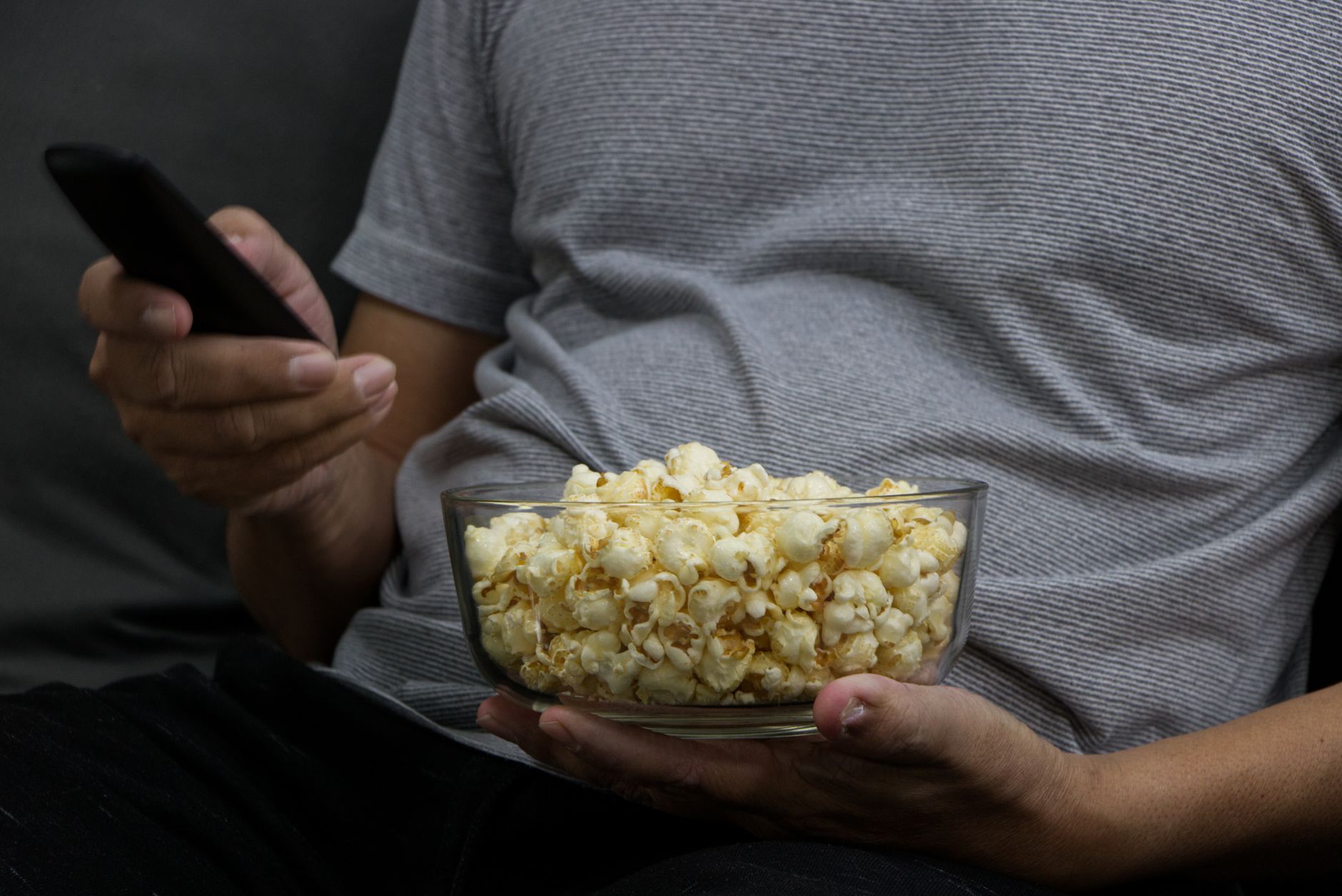
Safe: Microwave popcorn is generally safe during pregnancy, but limit intake in the first trimester due to potential chemical exposure
By Shubhra Mishra — a mom of two who turned her own confusion during pregnancy into BumpBites, a global mission to make food choices clear, safe, and stress-free for every expecting mother. 💛
Check whether any food is safe during pregnancy with the BumpBites Food Safety Checker.
Quick verdict: ⚠️ Microwave popcorn is generally safe in moderation during pregnancy, but it’s best to limit your intake. The main concerns are additives like diacetyl (a butter-flavoring chemical) and excessive salt or artificial ingredients, which may pose risks in large amounts. Opt for plain, low-sodium, or organic brands, and keep portions small—about 1 serving (3–4 cups popped) per day. If you’re craving popcorn, air-popped or stovetop versions with minimal additives are safer choices.
You’re curled up on the couch, craving something crunchy, and the microwave popcorn bag is calling your name. But then the doubt creeps in: Is popcorn microwave safe during pregnancy? Maybe you’ve already eaten a bowl and now you’re Googling at midnight, heart pounding. Or maybe you’re just trying to decide whether to toss the box in your grocery cart. Either way, you’re not alone—this is one of the most common snack questions expecting parents ask.
Here’s the good news: you don’t need to ban microwave popcorn entirely. But there are a few things to keep in mind—like what’s actually in that buttery, salty bag, how much is safe to eat, and which brands are the least risky. We’ll break it all down: trimester by trimester, portion sizes, safer alternatives, and what to watch out for. By the end, you’ll know exactly how to satisfy your popcorn craving without the worry.
Microwave popcorn safety during pregnancy: trimester-by-trimester
Trimester
Verdict
Notes
First trimester
⚠️ Safe with limits
Organ development is most sensitive now. Limit to 1 small serving (3–4 cups popped) per day, and choose plain or low-additive brands to avoid unnecessary chemicals.
Second trimester
⚠️ Safe with limits
Cravings may increase, but stick to 1 serving per day. Avoid heavily flavored or artificial varieties to minimize exposure to additives like diacetyl.
Third trimester
⚠️ Safe with limits
Watch for excessive salt, which can worsen swelling. Opt for low-sodium or unsalted options, and keep portions small to avoid heartburn.
Breastfeeding
⚠️ Safe with limits
Additives like artificial flavors may pass into breast milk. Stick to plain or organic brands, and limit to 1 serving per day.
What is microwave popcorn?
Microwave popcorn is a pre-packaged snack designed to pop in your microwave in just a few minutes. The bag contains popcorn kernels, oil, salt, and often flavorings like butter, cheese, or caramel. Some brands also include preservatives, artificial colors, or chemicals like diacetyl (a butter-flavoring agent) to enhance taste. The convenience factor makes it a go-to for movie nights or quick cravings, but the additives are what make many pregnant people pause.
Unlike air-popped or stovetop popcorn, microwave popcorn is highly processed. The bags themselves are lined with chemicals like perfluorooctanoic acid (PFOA) to prevent burning, though many brands have phased this out due to health concerns. The real debate, though, is what’s inside the bag—especially the artificial flavors and excessive salt, which can add up quickly if you’re snacking often.
Is microwave popcorn safe during pregnancy?
Most obstetricians and health authorities, including the American College of Obstetricians and Gynecologists (ACOG) and the NHS, agree that microwave popcorn is not inherently dangerous during pregnancy—but it’s not risk-free either. The primary concerns aren’t the popcorn itself, but the additives, artificial flavors, and chemicals used in flavoring and packaging. Here’s what the evidence says:
Diacetyl: This chemical, used for artificial butter flavoring, has been linked to respiratory issues in factory workers exposed to high levels. While the amounts in microwave popcorn are much lower, some studies suggest that frequent exposure might pose risks during pregnancy. The FDA considers it safe in small amounts, but many experts recommend minimizing intake as a precaution.
Salt and sodium: A single bag of microwave popcorn can contain up to 500 mg of sodium—about a quarter of the recommended daily limit for pregnant women. Excessive salt intake can contribute to swelling, high blood pressure, and even preeclampsia in some cases.
Artificial additives: Ingredients like monosodium glutamate (MSG), artificial colors, and preservatives are common in flavored popcorn. While the FDA deems these safe, some studies suggest they may cause headaches, nausea, or digestive discomfort—symptoms many pregnant people already deal with.
Packaging chemicals: Older microwave popcorn bags contained PFOA, a chemical linked to developmental issues in animal studies. While most brands have removed PFOA, some may still use similar compounds. The Environmental Protection Agency (EPA) advises minimizing exposure to these chemicals during pregnancy.
The bottom line? Occasional microwave popcorn is unlikely to harm you or your baby, but it’s not something you should eat daily—especially not the heavily flavored or artificial varieties. If you’re going to indulge, opt for plain, low-sodium, or organic brands, and keep portions small.
Is microwave popcorn safe to eat in the first trimester of pregnancy?
The first trimester is the most critical window for fetal development, as organs and systems begin to form. This is why many pregnant people are extra cautious about what they eat. The good news is that microwave popcorn is not a high-risk food during this time, but there are still a few things to consider:
Additives and chemicals: While the risk from diacetyl or other additives is low, some experts recommend minimizing exposure to artificial ingredients during the first trimester as a precaution. If you’re sensitive to strong flavors or chemicals, you might notice more nausea or headaches from flavored popcorn.
Nausea and digestion: The smell of buttery microwave popcorn can be overwhelming if you’re dealing with morning sickness. If strong odors trigger nausea, you might want to skip it—or opt for a plain, unsalted variety.
Portion control: Stick to one small serving (about 3–4 cups popped) per day. Overeating, even of safe foods, can lead to discomfort or heartburn, which is already common in early pregnancy.
If you’ve already eaten microwave popcorn a few times in your first trimester, don’t panic. The occasional serving is unlikely to cause harm. But if you’re looking for a safer alternative, air-popped or stovetop popcorn with a light sprinkle of salt or nutritional yeast is a great option.
How many servings of microwave popcorn can a pregnant woman have per day?
The key to enjoying microwave popcorn during pregnancy is moderation. Most experts recommend limiting your intake to one small serving per day, which is about 3–4 cups of popped popcorn. Here’s why:
Sodium intake: Pregnant women are advised to consume no more than 2,300 mg of sodium per day (and even less if you have high blood pressure). A single bag of microwave popcorn can contain 300–500 mg of sodium—so eating more than one serving could quickly push you over your daily limit.
Additives and chemicals: While the amounts of diacetyl and other additives in microwave popcorn are small, frequent exposure may not be ideal during pregnancy. Sticking to one serving per day minimizes any potential risks.
Calories and nutrition: Microwave popcorn is often high in calories and low in nutrients. Eating too much can displace healthier snacks, like fruits, vegetables, or nuts, which provide the vitamins and minerals you and your baby need.
If you’re craving popcorn often, try mixing it up with other crunchy snacks like air-popped popcorn, roasted chickpeas, or whole-grain crackers. And if you do indulge in microwave popcorn, opt for plain or lightly salted varieties to keep sodium and additives in check.
What are the risks of chemicals in microwave popcorn for pregnant women?
Microwave popcorn has come under scrutiny over the years due to concerns about certain chemicals used in its production. While the risks are generally low for occasional consumers, pregnant women may want to be extra cautious. Here’s what you need to know about the most talked-about chemicals:
Diacetyl
Diacetyl is a chemical used to give microwave popcorn its buttery flavor. While it’s generally recognized as safe (GRAS) by the FDA, some studies have raised concerns about its potential effects on lung health—particularly for factory workers exposed to high levels. For pregnant women, the main concern is whether frequent exposure could pose risks to the developing fetus.
Current research suggests that the amount of diacetyl in microwave popcorn is too small to cause harm in most people. However, some experts recommend minimizing exposure during pregnancy as a precaution, especially if you’re eating flavored popcorn regularly. If you’re concerned, opt for plain or "natural" brands that don’t use artificial butter flavoring.
Perfluorooctanoic Acid (PFOA) and PFAS
PFOA is a chemical once used to line microwave popcorn bags to prevent burning. It’s part of a larger group of chemicals called per- and polyfluoroalkyl substances (PFAS), which have been linked to developmental issues in animal studies. While most major brands have phased out PFOA, some may still use similar compounds.
The EPA advises minimizing exposure to PFAS during pregnancy, as these chemicals can accumulate in the body over time. To reduce your risk, choose brands that explicitly state they are PFOA-free or opt for popcorn that’s air-popped or made on the stovetop.
Artificial Flavors and Preservatives
Many microwave popcorn brands contain artificial flavors, colors, and preservatives like tert-butylhydroquinone (TBHQ). While these ingredients are approved by the FDA, some studies suggest they may cause headaches, nausea, or digestive issues—symptoms that are already common during pregnancy.
If you’re sensitive to artificial ingredients, you might notice more discomfort after eating flavored microwave popcorn. To avoid this, look for brands with simple, natural ingredient lists or make your own popcorn at home.
Excessive Salt
While not a "chemical" in the traditional sense, the high sodium content in microwave popcorn is worth mentioning. Excessive salt intake can contribute to swelling, high blood pressure, and even preeclampsia—a serious pregnancy complication. Pregnant women are advised to limit sodium to 2,300 mg per day, and a single bag of microwave popcorn can contain up to 500 mg.
If you’re watching your salt intake, opt for low-sodium or unsalted varieties, and avoid adding extra salt after popping.
Are there any microwave popcorn brands that are safe for pregnancy?
If you’re going to eat microwave popcorn during pregnancy, choosing the right brand can make a big difference. Look for options that are low in sodium, free of artificial flavors, and made with simple ingredients. Here are some brands that are generally considered safer for pregnant women:
SkinnyPop Microwave Popcorn: This brand offers plain and lightly salted varieties with no artificial flavors or preservatives. It’s also non-GMO and gluten-free, making it a good choice for health-conscious moms-to-be.
Newman’s Own Organic Microwave Popcorn: Available in plain and lightly salted options, this brand uses organic ingredients and avoids artificial additives. It’s also PFOA-free and non-GMO.
365 by Whole Foods Market Organic Microwave Popcorn: This brand offers plain and lightly salted varieties with simple, organic ingredients. It’s a great option if you’re looking to avoid artificial flavors and excessive sodium.
LesserEvil Organic Microwave Popcorn: Made with organic ingredients and no artificial flavors, this brand offers a variety of flavors, including plain, sea salt, and Himalayan pink salt. It’s also PFOA-free and non-GMO.
Orville Redenbacher’s Natural Simply Salted: While not organic, this brand offers a simple ingredient list with no artificial flavors or preservatives. It’s a good middle-ground option if you’re looking for a widely available brand.
When choosing a microwave popcorn brand, always check the ingredient list. Avoid products with artificial flavors, colors, or preservatives, and opt for those labeled as "natural," "organic," or "low-sodium." If you’re unsure, air-popped or stovetop popcorn is always the safest bet.
Is it safe to eat microwave popcorn during each trimester of pregnancy?
Microwave popcorn can be enjoyed in all trimesters of pregnancy, but the considerations change slightly as your body and baby grow. Here’s what to keep in mind during each stage:
First Trimester
The first trimester is all about caution, as this is when your baby’s organs and systems are forming. While microwave popcorn isn’t a high-risk food, it’s best to limit your intake to one small serving per day and choose plain or low-additive brands. Strong flavors or artificial ingredients might worsen nausea, which is already common in early pregnancy. If you’re sensitive to smells, the buttery aroma of microwave popcorn could trigger morning sickness, so opt for unsalted or lightly flavored varieties.
Second Trimester
By the second trimester, many women find their nausea subsides, and cravings kick in. This is a great time to enjoy microwave popcorn—in moderation. Stick to one serving per day, and be mindful of sodium intake, as swelling can start to become an issue. If you’re dealing with heartburn (a common second-trimester complaint), avoid heavily buttered or spicy flavors, which can aggravate it. Plain or lightly salted popcorn is your best bet.
Third Trimester
In the third trimester, your body is working overtime, and issues like swelling, high blood pressure, and heartburn can become more pronounced. Microwave popcorn is still safe, but you’ll want to be extra cautious about sodium and additives. Opt for low-sodium or unsalted varieties, and avoid eating popcorn too close to bedtime, as it can trigger heartburn. If you’re dealing with gestational diabetes, be mindful of flavored popcorn with added sugars, like caramel or cheese varieties.
Breastfeeding
After your baby arrives, you might be wondering if microwave popcorn is safe while breastfeeding. The good news is that occasional microwave popcorn is fine, but it’s still best to limit your intake. Artificial flavors and additives can pass into breast milk, which might upset your baby’s stomach or cause fussiness. Stick to plain or organic brands, and keep portions small—about one serving per day.
Can microwave popcorn cause pregnancy complications for women with hypertension?
If you have hypertension (high blood pressure) or preeclampsia during pregnancy, you’ll need to be extra cautious about your sodium intake—and microwave popcorn is one snack that can quickly push you over your daily limit. Here’s what you need to know:
Sodium content: A single bag of microwave popcorn can contain 300–500 mg of sodium, which is about 13–22% of the recommended daily limit for pregnant women with hypertension. Eating multiple servings or adding extra salt can contribute to swelling, fluid retention, and increased blood pressure.
Preeclampsia risk: Excessive sodium intake is a known risk factor for preeclampsia, a serious pregnancy complication characterized by high blood pressure and organ damage. If you’re already at risk for preeclampsia, your doctor may advise you to limit sodium to 1,500 mg per day or less.
Safe alternatives: If you’re craving popcorn but need to watch your sodium, opt for unsalted or low-sodium varieties. Air-popped or stovetop popcorn with a light sprinkle of herbs (like garlic powder or nutritional yeast) is a great alternative. You can also try other low-sodium snacks, like unsalted nuts, fresh fruit, or whole-grain crackers.
If you have hypertension or preeclampsia, always follow your doctor’s advice about sodium intake. They may recommend a specific daily limit based on your individual health needs.
Side effects and risks
While microwave popcorn is generally safe in moderation, there are a few side effects and risks to be aware of during pregnancy. Most of these are mild, but it’s good to know what to watch for:
Nausea and digestive discomfort: The strong smell and artificial flavors in microwave popcorn can trigger nausea, especially in the first trimester. If you’re sensitive to smells or flavors, you might also experience bloating, gas, or heartburn after eating it.
Headaches: Some artificial additives, like monosodium glutamate (MSG), have been linked to headaches in sensitive individuals. If you notice a headache after eating flavored microwave popcorn, it might be worth switching to a plain variety.
Swelling and high blood pressure: The high sodium content in microwave popcorn can contribute to swelling (edema) and increased blood pressure, especially in the third trimester. If you’re already dealing with these issues, opt for low-sodium or unsalted popcorn.
Heartburn: Greasy or heavily flavored popcorn can relax the lower esophageal sphincter, leading to heartburn—a common complaint during pregnancy. To minimize this, avoid eating popcorn too close to bedtime and opt for plain or lightly salted varieties.
Allergic reactions: While rare, some people may be allergic to ingredients in microwave popcorn, such as corn, dairy (in butter-flavored varieties), or artificial additives. Symptoms of an allergic reaction include itching, swelling, hives, or difficulty breathing. If you experience any of these, seek medical attention immediately.
If you notice any of these side effects after eating microwave popcorn, try switching to a plain or air-popped variety. If symptoms persist or worsen, talk to your doctor.
Safer alternatives to microwave popcorn for pregnant women
If you’re looking to satisfy your popcorn craving without the additives, sodium, or chemicals in microwave popcorn, there are plenty of safer and healthier alternatives. Here are some of the best options for pregnant women:
Air-popped popcorn: This is the gold standard for pregnancy-safe popcorn. You can make it at home with an air popper or even in a brown paper bag in the microwave. Add a light sprinkle of salt, nutritional yeast, or herbs for flavor without the excess sodium or additives.
Stovetop popcorn with olive oil: Popping popcorn on the stovetop with a little olive oil and salt is a great way to control what goes into your snack. Olive oil is a healthy fat that can help with nutrient absorption, and you can adjust the salt to your liking.
Plain popcorn kernels: If you don’t have an air popper or stovetop pan, you can pop plain kernels in the microwave using a microwave-safe bowl covered with a plate. This method avoids the chemicals in microwave popcorn bags and lets you season the popcorn yourself.
Unsalted roasted almonds: If you’re craving something crunchy but want to avoid popcorn altogether, unsalted roasted almonds are a great alternative. They’re packed with protein, healthy fats, and fiber, which can help keep you full and energized.
Fresh fruit slices: For a sweet and crunchy snack, try apple slices, pear slices, or grapes. These are naturally sweet, hydrating, and packed with vitamins and fiber. Pair them with a little nut butter for extra protein.
Vegetable sticks with hummus: Crunchy veggies like carrots, cucumbers, or bell peppers paired with hummus make a satisfying and nutritious snack. Hummus provides protein and healthy fats, while the veggies add fiber and vitamins.
Whole grain crackers: Look for crackers made with whole grains and minimal additives. Pair them with cheese, avocado, or a healthy dip for a balanced snack that’s easy to customize.
These alternatives are not only safer but also more nutritious, providing the vitamins, minerals, and fiber you and your baby need during pregnancy. Plus, they’re easy to prepare and can be tailored to your cravings!
Popcorn and related snacks: pregnancy safety at a glance
Item
Verdict
Notes
Butter popcorn
⚠️ Safe with limits
Butter-flavored popcorn often contains diacetyl or artificial flavors. Limit to 1 small serving per day, and opt for natural or organic brands.
Caramel popcorn
⚠️ Safe with limits
High in sugar, which can contribute to excessive weight gain or gestational diabetes. Limit to occasional small servings.
Cheese popcorn
⚠️ Safe with limits
Cheese-flavored popcorn often contains artificial flavors and excessive sodium. Opt for plain popcorn with a sprinkle of real cheese instead.
Pre-popped popcorn bags
⚠️ Safe with limits
Pre-popped popcorn is often high in sodium and preservatives. Check the ingredient list and opt for plain or low-sodium varieties.
Popcorn kernels
✅ Generally safe
Plain popcorn kernels are the safest option, as they contain no additives. Pop them on the stovetop or in an air popper for a healthy snack.
Popcorn seasoning mixes
⚠️ Safe with limits
Many seasoning mixes contain excessive salt, artificial flavors, or MSG. Look for natural or low-sodium options, or make your own with herbs and spices.
Microwave popcorn (different brands)
⚠️ Safe with limits
Safety varies by brand. Opt for plain, low-sodium, or organic varieties, and limit to 1 serving per day.
Myth vs. fact
When it comes to microwave popcorn and pregnancy, there’s a lot of misinformation floating around. Let’s separate fact from fiction:
Myth: Microwave popcorn is completely unsafe during pregnancy because of the chemicals in the bag.
Fact: While older microwave popcorn bags contained PFOA (a chemical linked to health risks), most major brands have phased it out. The bigger concern is the additives and sodium in the popcorn itself. Occasional microwave popcorn is generally safe, but it’s best to limit your intake and choose plain or low-additive brands.
Myth: Eating microwave popcorn will give your baby a taste for junk food.
Fact: There’s no evidence that eating microwave popcorn (or any specific food) during pregnancy will influence your baby’s future food preferences. However, eating a balanced diet rich in whole foods is always a good idea for both you and your baby’s health.
Myth: You should avoid all flavored popcorn during pregnancy because of diacetyl.
Fact: Diacetyl is a chemical used in artificial butter flavoring, and while high exposure has been linked to respiratory issues in factory workers, the amount in microwave popcorn is considered safe by the FDA. That said, if you’re concerned, opt for plain or naturally flavored popcorn to minimize exposure.
Key takeaways
Microwave popcorn is generally safe in moderation during pregnancy, but it’s best to limit your intake to 1 small serving (3–4 cups popped) per day.
Choose plain, low-sodium, or organic brands to minimize exposure to additives, artificial flavors, and excessive salt.
Avoid heavily flavored or artificial varieties, especially if you’re sensitive to strong smells or flavors, as these can trigger nausea or headaches.
Watch your sodium intake, as excessive salt can contribute to swelling, high blood pressure, and preeclampsia, especially in the third trimester.
Safer alternatives include air-popped popcorn, stovetop popcorn with olive oil, unsalted nuts, fresh fruit, and vegetable sticks with hummus.
If you have hypertension, preeclampsia, or gestational diabetes, talk to your doctor about your popcorn intake and opt for low-sodium or unsweetened varieties.
Frequently asked questions
Can I eat microwave popcorn while pregnant?
Yes, you can eat microwave popcorn while pregnant, but it’s best to limit your intake to one small serving per day. Choose plain, low-sodium, or organic brands to minimize exposure to additives and excessive salt. If you’re concerned about chemicals like diacetyl, opt for air-popped or stovetop popcorn instead.
What are the ingredients in microwave popcorn that could harm a baby?
The main ingredients to watch out for in microwave popcorn are diacetyl (a butter-flavoring chemical), artificial flavors, preservatives, and excessive sodium. While the amounts of these ingredients are generally small, frequent exposure may not be ideal during pregnancy. Some older microwave popcorn bags also contained PFOA, a chemical linked to developmental issues, though most brands have phased it out.
Is there a safe amount of microwave popcorn for pregnant women?
Most experts recommend limiting microwave popcorn to one small serving (3–4 cups popped) per day during pregnancy. This helps minimize exposure to additives, sodium, and artificial ingredients while still allowing you to enjoy the snack. If you’re eating popcorn often, try mixing it up with healthier alternatives like air-popped popcorn or fresh fruit.
Do I need to avoid microwave popcorn if I have gestational diabetes?
If you have gestational diabetes, you don’t need to avoid microwave popcorn entirely, but you should be mindful of flavored varieties that contain added sugars, like caramel or cheese popcorn. Opt for plain or lightly salted popcorn, and keep portions small to avoid spiking your blood sugar. Air-popped or stovetop popcorn with minimal seasoning is a safer choice.
Which microwave popcorn brands are recommended for pregnancy?
Some of the safest microwave popcorn brands for pregnancy include SkinnyPop, Newman’s Own Organic, 365 by Whole Foods Market, LesserEvil, and Orville Redenbacher’s Natural Simply Salted. These brands are low in sodium, free of artificial flavors, and made with simple ingredients. Always check the ingredient list to avoid additives and excessive salt.
Can microwave popcorn cause nausea during pregnancy?
Yes, the strong smell and artificial flavors in microwave popcorn can trigger nausea, especially in the first trimester. If you’re sensitive to smells or flavors, you might find that buttery or heavily flavored popcorn worsens morning sickness. Opt for plain or unsalted varieties, or try air-popped popcorn with minimal seasoning.
Is the butter flavor in microwave popcorn harmful to the fetus?
The butter flavor in microwave popcorn often contains diacetyl, a chemical used to mimic butter taste. While the FDA considers diacetyl safe in small amounts, some studies suggest that frequent exposure may pose risks during pregnancy. To minimize exposure, opt for plain or naturally flavored popcorn, or make your own at home with real butter.
Are there any pregnancy-safe popcorn alternatives?
Yes! Some of the best pregnancy-safe popcorn alternatives include air-popped popcorn, stovetop popcorn with olive oil, unsalted roasted almonds, fresh fruit slices, vegetable sticks with hummus, and whole-grain crackers. These options are lower in sodium, free of artificial additives, and packed with nutrients to support a healthy pregnancy.
When to call your doctor
While microwave popcorn is generally safe during pregnancy, there are a few situations where you should check in with your healthcare provider:
You experience severe nausea, vomiting, or headaches after eating microwave popcorn, which could indicate a sensitivity to additives or artificial flavors.
You notice increased swelling, high blood pressure, or sudden weight gain, which could be a sign of preeclampsia—especially if you’ve been eating high-sodium snacks like microwave popcorn frequently.
You develop itching, hives, or difficulty breathing after eating popcorn, which could indicate an allergic reaction to corn, dairy (in butter-flavored varieties), or other ingredients.
You have gestational diabetes or hypertension and are unsure how much popcorn is safe for your specific condition.
You’ve eaten multiple servings of microwave popcorn daily and are concerned about your sodium or additive intake.
Remember, this article is for informational purposes only and is not a substitute for professional medical advice. Always talk to your doctor or midwife about your diet and any concerns you have during pregnancy.
References
American College of Obstetricians and Gynecologists (ACOG). (2021). Nutrition During Pregnancy.
National Health Service (NHS). (2023). Foods to Avoid in Pregnancy.
U.S. Food and Drug Administration (FDA). (2022). Food Additives & Ingredients.
Environmental Protection Agency (EPA). (2021). Per- and Polyfluoroalkyl Substances (PFAS).
Mayo Clinic. (2023). Pregnancy Nutrition: Foods to Avoid During Pregnancy.
American Pregnancy Association. (2022). Eating Popcorn During Pregnancy.
National Institute of Environmental Health Sciences (NIEHS). (2020). Diacetyl and Food Flavorings.
Air-popped popcorn is a simple, additive-free alternative to microwave popcorn—just add a pinch of salt or your favorite herbs for flavor.Enjoying a small bowl
Not sure about the label on Is Popcorn Microwave Safe During Pregnancy products?
Snap the ingredients list and SafeFilter checks every ingredient for your stage — only 3 free scans this month, then you're locked until reset. Unlimited from $7/mo or $50/yr.
When Shubhra Mishra was expecting her first child in 2016, she was overwhelmed by conflicting food advice — one site said yes, another said never. By the time her second baby arrived in 2019, she realized millions of mothers face the same confusion.
That sparked a five-year journey through clinical nutrition papers, cultural diets, and expert conversations — all leading to BumpBites: a calm, compassionate space where science meets everyday motherhood.
Her long-term vision is to build a global community ensuring safe, supported, and free deliveriesfor every mother — because no woman should face pregnancy alone or uninformed. 🌿
🌍 Stand with mothers, shape safer guidance
Join a small circle of experts who review BumpBites articles so expecting parents everywhere can decide with confidence.