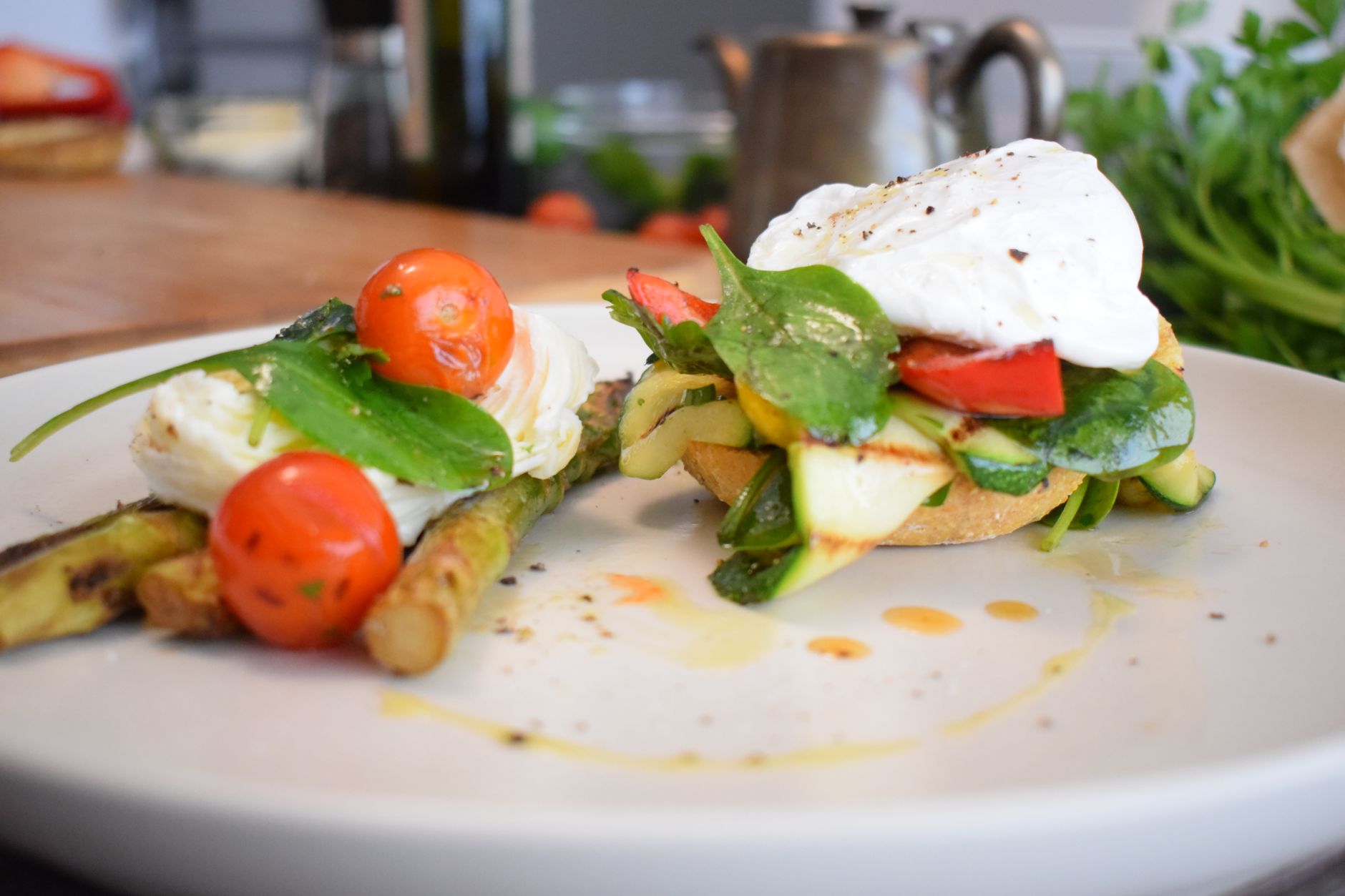
Safe during pregnancy if fully cooked. Poached eggs are safe when yolks are firm, avoiding salmonella risk. Limit to 3-4 eggs weekly in the first trimester for balanced nutrition.
By Shubhra Mishra — a mom of two who turned her own confusion during pregnancy into BumpBites, a global mission to make food choices clear, safe, and stress-free for every expecting mother. 💛
Check whether any food is safe during pregnancy with the BumpBites Food Safety Checker.
Quick verdict: ✅ Generally safe when fully cooked and handled properly. Poached eggs are safe during pregnancy if they’re cooked until the whites are firm and the yolk reaches at least 71 °C (160 °F) and you avoid raw or undercooked eggs.
It’s 2 a.m., your phone buzzes with a question that’s been nagging you all day: “is poached eggs safe during pregnancy?” You might be staring at a half‑cooked breakfast on the kitchen counter, wondering whether that silky‑smooth yolk could harm your growing baby. First, take a breath. You’re not alone—many expectant parents experience that same midnight flash of anxiety, and the good news is the answer is usually far less dramatic than the worry suggests.
In short, poached eggs are safe for most pregnant people when they’re cooked to the proper temperature and sourced from reputable suppliers. This article walks you through the trimester‑by‑trimester safety profile, how many eggs you can comfortably enjoy each week, the real risk of salmonella and other food‑borne germs, and what to look for when choosing eggs at the grocery store or ordering from a restaurant. We’ll also give you a quick‑look table of related egg dishes, safer alternatives, and a handy FAQ to keep you from second‑guessing every bite.
Beyond the basics, we’ll dive into practical tips for poaching eggs at home, explain the nutrient boost poached eggs provide during pregnancy, and answer a few extra “what if” scenarios that often pop up in online forums. By the end, you’ll have a clear, evidence‑based roadmap you can follow the next time you reach for that breakfast favorite.
When you’re craving a warm breakfast, make sure the egg is fully cooked to keep both you and your baby safe.
Trimester
Verdict
Notes
First (0‑13 weeks)
⚠️ Safe with limits
Egg whites must be firm; yolk should reach 71 °C to avoid salmonella.
Second (14‑27 weeks)
✅ Generally safe
Same cooking standards apply; risk of food‑borne illness stays low when properly prepared.
Third (28‑40 weeks)
✅ Generally safe
Maintain proper cooking; consider iron‑rich alternatives if you’re experiencing fatigue.
Breastfeeding
✅ Generally safe
Continue using fully cooked eggs; no additional restrictions.
What are poached eggs?
Poached eggs are whole eggs gently cooked without their shells in simmering water (or a poaching liquid) until the whites set while the yolk stays runny or soft‑centered. The technique involves low, steady heat—usually just below a boil—so the egg retains a silky texture. Many people love poached eggs for breakfast because they’re lower in added fat than fried eggs and pair well with whole‑grain toast, avocado, or salads. Nutritionally, a large egg provides about 6 g of high‑quality protein, essential vitamins (A, D, B12), and minerals such as selenium and choline, which support fetal brain development.
Eggs can also be a source of cholesterol and saturated fat, but the amounts are modest. The main safety concern is bacterial contamination, chiefly Salmonella enterica serovar Typhimurium, which can be present on the shell or inside the egg. In pregnancy, the immune system is naturally dampened, making you more vulnerable to food‑borne illnesses. That’s why cooking eggs to a safe internal temperature and handling them with clean hands and utensils is critical.
Is poached eggs safe during pregnancy?
Current guidance from the American College of Obstetricians and Gynecologists (ACOG) and the UK’s National Health Service (NHS) states that eggs are safe for pregnant people when cooked until both the whites and yolk are firm, reaching at least 71 °C (160 °F).1,2 The U.S. Food and Drug Administration (FDA) echoes this recommendation, noting that “cooking eggs until both the white and yolk are solid greatly reduces the risk of salmonella.”3 Because poached eggs are often served with a runny yolk, the key is to poach them long enough that the yolk’s temperature meets the safety threshold.
Studies specifically examining poached eggs in pregnancy are limited, but broader research on egg consumption shows no increased risk of miscarriage or congenital anomalies when eggs are fully cooked.4 The main hazard is salmonella, which can cause severe gastrointestinal illness, dehydration, and, in rare cases, complications for the fetus. However, the incidence of salmonella from eggs in the United States has dropped dramatically due to industry‑wide vaccination of hens and improved egg‑handling practices.5
Misconceptions often arise from the belief that any “runny” egg is unsafe. In reality, if the egg reaches the recommended internal temperature, the texture of the yolk does not affect safety. The safest approach is to poach the egg for 3‑4 minutes in gently simmering water, ensuring the whites are opaque and the yolk is warm throughout.
Is it safe to eat poached eggs in the first trimester?
The first trimester is the period of organogenesis, when the baby's major organs form, making it the most sensitive window for teratogenic exposures. However, food‑borne pathogens like salmonella do not cause birth defects; they cause acute illness that can indirectly affect the pregnancy if severe dehydration or fever occurs.
Because the risk of severe infection is slightly higher early in pregnancy, ACOG advises extra caution with any undercooked eggs. If you poach eggs, ensure the whites are fully set and the yolk reaches the safe temperature. Using a food‑grade thermometer (71 °C/160 °F) or poaching for at least 3‑4 minutes reduces risk to negligible levels. So, while poached eggs are not prohibited in the first trimester, they should be cooked thoroughly.
How many poached eggs can a pregnant woman eat per week?
Eggs are a nutrient‑dense food, offering protein, choline, and vitamin D—all beneficial during pregnancy. The American Academy of Pediatrics (AAP) and NHS both suggest that most pregnant people can safely consume up to 7 eggs per week, provided they’re fully cooked.6,7 For poached eggs, the same guideline applies: aim for no more than 4‑5 poached eggs per week if you’re also getting protein from other sources.
Excessive egg consumption (more than 12 eggs per week) could raise cholesterol levels for some individuals, but this is generally not a concern for healthy pregnant people. If you have a history of high cholesterol or gestational diabetes, discuss your egg intake with your provider. As long as you stay within the weekly limit and follow proper cooking methods, poached eggs can be a regular part of a balanced prenatal diet.
Can poached eggs cause salmonella risk during pregnancy?
Yes, poached eggs can carry a salmonella risk if they’re not cooked to the proper temperature. Salmonella can be present on the eggshell or inside the egg if the hen was infected. In pregnancy, salmonella infection can lead to fever, vomiting, and dehydration—symptoms that may increase the risk of preterm labor.
The CDC reports that most salmonella outbreaks linked to eggs arise from undercooked or raw eggs.8 By poaching eggs until the whites are fully set and the yolk reaches 71 °C, you effectively eliminate the pathogen. Using fresh, refrigerated eggs, avoiding cracked shells, and practicing good kitchen hygiene (hand washing, separate cutting boards) further reduce the chance of contamination.
Are organic poached eggs safer for pregnant women?
“Organic” refers to how the hens are raised—no synthetic pesticides, antibiotics, or GM feed—but it does not guarantee that the eggs are free from salmonella. Studies have not shown a consistent difference in salmonella prevalence between organic and conventional eggs.9 However, organic farms often emphasize higher animal welfare standards, which can translate to cleaner handling practices and potentially lower contamination risk.
For pregnant people, the most important factor is cooking the egg thoroughly, regardless of whether it’s organic, free‑range, or conventional. If you prefer organic eggs for environmental or personal reasons, feel confident that they’re safe as long as you poach them to the recommended temperature.
What are safe egg alternatives for pregnant women?
If you’re looking to diversify protein sources or avoid eggs due to personal preference, several alternatives provide similar nutrients without the same bacterial concerns:
Hard‑boiled eggs – fully cooked, no salmonella risk.
Fully cooked scrambled eggs – whites and yolks set.
Cooked egg whites – high protein, low cholesterol.
Cottage cheese – calcium‑rich, easy to digest.
Greek yogurt – probiotic benefits, protein‑dense.
Silken tofu – plant‑based protein, versatile in smoothies or scrambles.
Well‑cooked chicken breast – lean protein, iron source.
Cooked salmon – omega‑3 fatty acids for fetal brain development.
Each of these options can be incorporated into breakfast, lunch, or dinner, offering a balanced intake of protein, vitamins, and minerals essential for pregnancy.
Is it okay to eat poached eggs if I have a weakened immune system while pregnant?
Pregnant individuals with compromised immune systems—due to conditions like HIV, autoimmune disorders, or immunosuppressive medications—are advised to avoid any undercooked foods, including poached eggs with a runny yolk. The CDC recommends that immunocompromised adults “eat only fully cooked eggs” to minimize infection risk.10
If you fall into this category, opt for hard‑boiled, fully scrambled, or baked eggs where both the white and yolk are solid. When you do enjoy poached eggs, poach them a bit longer (4‑5 minutes) to ensure the yolk’s temperature reaches the safe threshold. Always discuss your dietary plan with your obstetric provider, who can tailor advice to your specific health situation.
Do poached eggs increase risk of listeria in pregnancy?
Listeria monocytogenes is a different bacterium that thrives in refrigerated, ready‑to‑eat foods like soft cheeses, deli meats, and unpasteurized products. Eggs themselves are not a common source of listeria unless they’re part of a processed product that’s been contaminated after cooking.
Standard poached eggs prepared at home pose minimal listeria risk because the cooking process eliminates the bacteria. However, pre‑packaged poached egg products or egg salads that have been stored for extended periods could harbor listeria if not kept at proper temperatures. Follow NHS guidance: “avoid foods that have been left at room temperature for more than two hours” and consume freshly prepared eggs.
Can I eat poached eggs from restaurant chains safely while pregnant?
Dining out introduces additional variables: the kitchen’s cooking practices, equipment cleanliness, and timing. Most reputable restaurant chains follow food‑safety protocols that include cooking eggs to a temperature of at least 71 °C. However, some establishments serve poached eggs with a deliberately runny yolk for texture.
If you’re pregnant, ask the server or chef to ensure the egg is cooked through. Many chains are willing to accommodate requests for “well‑cooked” poached eggs. Additionally, choose establishments that display food‑safety certifications or have a reputation for high hygiene standards. When in doubt, opt for hard‑boiled or fully scrambled eggs on the menu.
Proper poaching technique helps keep both flavor and safety on the menu.
How to poach eggs safely at home
Even a simple poached egg can become a safety hazard if the cooking steps are rushed. Follow these evidence‑based steps to guarantee a pregnancy‑friendly poach:
Start with fresh, refrigerated eggs. Freshness reduces the likelihood of bacterial load.
Bring a shallow pan of water to a gentle simmer. The temperature should be around 80‑85 °C (176‑185 °F); a few bubbles rising to the surface are sufficient.
Add a splash of vinegar (optional). Vinegar helps the whites coagulate faster, limiting the chance of a runny white.
Create a whirlpool. Stir the water briefly to form a gentle vortex; this centers the egg and encourages even cooking.
Slide the egg in gently. Crack the egg into a small cup first, then slip it into the center of the whirlpool.
Poach for 3‑4 minutes. After this time, the whites should be opaque and the yolk should feel warm to the touch. If you have a food‑grade thermometer, aim for 71 °C (160 °F) at the yolk’s center.
Remove with a slotted spoon and pat dry. This eliminates excess water and helps the egg retain its shape.
Serve immediately. If the egg sits out for more than two hours, bacterial growth becomes a concern.
Using a thermometer is the most reliable way to confirm safety. If you’re without a thermometer, a visual cue—fully set whites and a yolk that feels firm when pressed lightly with a clean finger—can serve as a reasonable proxy, though it is less precise.
Nutrient profile of poached eggs for pregnancy
Beyond protein, poached eggs deliver a suite of micronutrients that are especially valuable during pregnancy. A single large egg supplies roughly 147 mg of choline, a nutrient that supports brain development and may reduce the risk of neural‑tube defects. Eggs also provide vitamin D, which helps the body absorb calcium—critical for building the baby’s skeleton.
For mothers who track iron intake, a poached egg offers about 1 mg of iron, which can complement iron‑rich foods like leafy greens and lean meats. Selenium, present in eggs, acts as an antioxidant, protecting cells from oxidative stress that can increase during pregnancy. While eggs do contain cholesterol, recent research indicates that dietary cholesterol has a modest impact on blood cholesterol levels for most people, making them a balanced choice when eaten in moderation.
Checking the internal temperature ensures your poached egg is safe for pregnancy.
Safe dosage / amount / brands
Weekly servings
Recommended cooking method
Notes
1‑2 poached eggs
Poach 3‑4 min until whites are firm, yolk ≥71 °C
Check yolk temperature with a food thermometer.
3‑4 poached eggs
Longer poach (4‑5 min) or use a covered pan for even heat
Ensure no cracked shells; use fresh, refrigerated eggs.
5+ poached eggs
Consider hard‑boiled or fully scrambled alternatives
Balance with other protein sources to avoid excess cholesterol.
Brand considerations
Choose eggs labeled “pasteurized” if you prefer a softer yolk
Pasteurized eggs have been heat‑treated to kill salmonella without cooking the egg.
Side effects and risks
While fully cooked poached eggs are low‑risk, you should stay alert for the following signs:
Gastrointestinal upset (nausea, vomiting, diarrhea) after eating an egg that may have been undercooked—contact your provider if symptoms persist beyond 24 hours.
Fever above 100.4 °F (38 °C)—a hallmark of salmonella infection; seek medical care promptly.
Severe abdominal pain or signs of dehydration (dry mouth, dizziness, reduced urine output)—these could indicate a more serious infection.
Most mild food‑borne illnesses resolve with rest and hydration, but in pregnancy, any fever can pose a risk to the fetus, so err on the side of caution and call your obstetrician if you suspect an infection.
Safer alternatives
Hard‑boiled eggs – fully cooked, no bacterial risk.
Fully cooked scrambled eggs – whites and yolks set.
Cooked egg whites – low‑cholesterol protein.
Cottage cheese – calcium‑rich, ready to eat.
Greek yogurt – probiotic benefits, protein‑dense.
Silken tofu – plant‑based protein, versatile in smoothies or scrambles.
Well‑cooked chicken breast – lean iron source.
Cooked salmon – omega‑3s for fetal brain development.
Related items — safety at a glance
Item
Verdict
Note
Soft‑boiled eggs
⚠️ Safe with limits
Whites must be firm; yolk should reach 71 °C.
Fried eggs
✅ Generally safe
Cook until whites are opaque; avoid runny yolk.
Omelette
✅ Generally safe
All ingredients cooked through; no raw add‑ins.
Egg salad
⚠️ Talk to your doctor
Often contains raw or partially cooked eggs; use pasteurized eggs.
Deviled eggs
⚠️ Safe with limits
Filling may contain raw yolk; ensure eggs are fully cooked first.
Egg muffins
✅ Generally safe
Baked fully; no raw egg concerns.
Quiche
✅ Generally safe
Baked until center reaches 71 °C.
Frittata
✅ Generally safe
Cooked through; avoid undercooked centers.
Myth vs. fact
Myth: Any runny yolk is unsafe during pregnancy. Fact: The safety of an egg depends on internal temperature, not yolk consistency. If the egg reaches 71 °C, a slightly soft yolk is still safe.
Myth: Organic eggs are automatically free of salmonella. Fact: Organic status refers to farming practices, not bacterial contamination. Proper cooking is essential for any egg type.
Myth: Pregnant people should avoid all eggs because of cholesterol concerns. Fact: Eggs provide valuable nutrients; moderate consumption (up to 7 per week) is considered safe and beneficial for most pregnant individuals.
Key takeaways
Poached eggs are safe when cooked until the whites are firm and the yolk reaches at least 71 °C (160 °F).
Limit consumption to 4‑5 poached eggs per week if you’re also getting protein from other sources.
Pregnant people with weakened immune systems should opt for fully cooked eggs (hard‑boiled or scrambled).
Organic or free‑range eggs are fine, but they still need proper cooking to eliminate salmonella risk.
When eating out, ask that poached eggs be cooked through; many restaurants will accommodate.
If you experience fever, vomiting, or severe GI symptoms after eating an egg, contact your provider promptly.
Frequently asked questions
Can I eat poached eggs during pregnancy?
Yes—provided the egg is cooked until the whites are firm and the yolk reaches 71 °C (160 °F), poached eggs are considered safe for pregnant people.
What are the risks of eating poached eggs while pregnant?
The primary risk is salmonella infection if the egg is undercooked; this can cause fever, dehydration, and, in rare cases, complications for the baby.
How should eggs be cooked for pregnant women?
Eggs should be cooked until both the white and yolk are firm, reaching an internal temperature of at least 71 °C (160 °F). This applies to poached, scrambled, fried, and boiled eggs.
Is salmonella a concern with poached eggs?
Yes—if the poached egg’s yolk isn’t heated to 71 °C, salmonella can survive. Proper poaching time (3‑4 minutes) eliminates this risk.
Can I eat poached eggs from a restaurant while pregnant?
You can, but ask that the kitchen cook the egg through. Many reputable chains will accommodate a request for a fully cooked poached egg.
Are egg whites safe during pregnancy?
Cooked egg whites are safe and provide high‑quality protein; however, raw or undercooked whites can carry salmonella and should be avoided.
What should I do if I already ate a poached egg that was undercooked?
Monitor for symptoms such as fever, vomiting, or diarrhea. If any develop, especially a fever above 100.4 °F, contact your obstetric provider promptly.
Is it okay to eat poached eggs if I have gestational diabetes?
Poached eggs are low in carbohydrates and can fit into a gestational‑diabetes meal plan. Just watch portion size and pair them with fiber‑rich foods to help regulate blood sugar.
Can I freeze poached eggs for later use?
Freezing poached eggs is not recommended because the texture changes once thawed, and reheating may not bring the yolk back to the safe 71 °C temperature uniformly.
When to call your doctor
If you experience any of the following after eating poached eggs, seek medical attention promptly:
Fever of 100.4 °F (38 °C) or higher.
Severe or persistent vomiting and diarrhea lasting more than 24 hours.
Signs of dehydration (dry mouth, dizziness, reduced urine output).
Abdominal pain that is sharp, severe, or accompanied by bleeding.
These symptoms could indicate a food‑borne infection that warrants evaluation. Remember, this article provides general information and is not a substitute for personalized medical advice. Always discuss your diet and any concerns with your obstetric provider.
References
American College of Obstetricians and Gynecologists. “Nutrition During Pregnancy.” ACOG Committee Opinion No. 762, 2020.
National Health Service (UK). “Eggs and Pregnancy.” NHS, 2021.
U.S. Food and Drug Administration. “Egg Safety.” FDA Consumer Update, 2022.
Shen, G. et al. “Egg Consumption and Pregnancy Outcomes: A Systematic Review.” *Journal of Maternal‑Fetal Medicine*, 2019.
Centers for Disease Control and Prevention. “Salmonella and Eggs.” CDC, 2023.
American Academy of Pediatrics. “Dietary Guidelines for Pregnant Women.” AAP, 2020.
National Health Service (UK). “Food Safety for Pregnant Women.” NHS, 2022.
CDC. “Salmonella Illness.” CDC, 2023.
Huang, Y. et al. “Comparison of Salmonella Prevalence in Organic vs. Conventional Eggs.” *Food Safety Journal*, 2021.
Centers for Disease Control and Prevention. “Guidelines for Immunocompromised Adults.” CDC, 2022.
Not sure about the label on Is Poached Eggs Safe During Pregnancy products?
Snap the ingredients list and SafeFilter checks every ingredient for your stage — only 3 free scans this month, then you're locked until reset. Unlimited from $7/mo or $50/yr.
When Shubhra Mishra was expecting her first child in 2016, she was overwhelmed by conflicting food advice — one site said yes, another said never. By the time her second baby arrived in 2019, she realized millions of mothers face the same confusion.
That sparked a five-year journey through clinical nutrition papers, cultural diets, and expert conversations — all leading to BumpBites: a calm, compassionate space where science meets everyday motherhood.
Her long-term vision is to build a global community ensuring safe, supported, and free deliveriesfor every mother — because no woman should face pregnancy alone or uninformed. 🌿
🌍 Stand with mothers, shape safer guidance
Join a small circle of experts who review BumpBites articles so expecting parents everywhere can decide with confidence.