Is Pinesol safe during pregnancy? Experts say **limit use in first trimester**—here’s what the research says and safer alternatives for cleaning.
By Shubhra Mishra — a mom of two who turned her own confusion during pregnancy into BumpBites, a global mission to make food choices clear, safe, and stress-free for every expecting mother. 💛
Check whether any food is safe during pregnancy with the BumpBites Food Safety Checker.
Quick verdict: ❌ Best avoided. Pinesol contains pine oil and other chemicals that can irritate your respiratory system and may pose risks to fetal development, especially in the first trimester. If you’ve already used it, there’s no need to panic—take a deep breath and focus on safer cleaning methods moving forward.
You’re scrubbing the kitchen counter at 2 am, the baby’s first birthday party decorations still scattered on the floor, and suddenly you realize: is Pinesol safe during pregnancy? Your hands are soapy, your mind is racing, and the bottle of Pinesol—your go-to for years—suddenly feels like a ticking time bomb. Maybe you’ve already sprayed it without realizing you were pregnant, or maybe you’re deciding whether to keep using it now. Either way, you’re not alone in this worry.
Pinesol has been a staple in households for decades, but pregnancy changes everything—even the products you’ve trusted for years. The good news? There are safer, equally effective alternatives. The bad news? Pinesol isn’t one of them. We’ll break down why, what the science says, and how to keep your home clean without risking your little one’s health. Because let’s be honest: you don’t need to choose between a spotless home and peace of mind.
Below, you’ll find a clear safety snapshot, ingredient-by-ingredient analysis, trimester-specific guidance, and a list of pregnancy-safe cleaning products that actually work. We’ll also debunk myths, answer your burning questions, and give you the tools to clean confidently—no panic required.
Trimester/Use
Verdict
Notes
1st Trimester
❌ Avoid
Highest risk of birth defects during organ development. Pine oil and other ingredients may irritate your respiratory system and potentially affect fetal growth.
2nd Trimester
⚠️ Use with extreme caution
Still not recommended. If used, ensure proper ventilation and limit exposure. Consider safer alternatives.
3rd Trimester
⚠️ Use with extreme caution
Same precautions as the 2nd trimester. Avoid direct inhalation and use sparingly.
Breastfeeding
⚠️ Avoid
Pine oil and other chemicals may transfer through breast milk. Opt for safer, non-toxic cleaners.
---
What is Pinesol?
Pinesol is a popular all-purpose cleaner that’s been around since the 1940s, marketed as a natural, pine-scented disinfectant. It’s designed to kill bacteria, remove stains, and leave surfaces smelling fresh—thanks to its signature pine oil fragrance. Over the years, Pinesol has become a household name, often used in kitchens, bathrooms, and even laundry rooms.
But what’s actually in it? Pinesol contains a blend of pine oil (derived from pine trees), terpenes, and other solvents like isopropyl alcohol and surfactants. While the pine scent might remind you of a forest hike, the chemical composition is far from natural. The product is also classified as a disinfectant, which means it’s formulated to kill germs—but that also means it contains ingredients that can be harsh on your body and your baby’s developing system.
Many people love Pinesol for its strong cleaning power and pleasant aroma, but pregnancy changes the way your body processes chemicals. What was once safe might now pose risks—especially when it comes to inhalation or skin contact. Understanding exactly what’s in Pinesol helps you make an informed decision about whether to keep using it (or find a safer alternative).
---
Is Pinesol safe during pregnancy?
T
he short answer? No, Pinesol is not considered safe during pregnancy. The American College of Obstetricians and Gynecologists (ACOG) and the U.S. Food and Drug Administration (FDA) recommend avoiding unnecessary exposure to strong cleaning chemicals, especially during the first trimester when your baby’s organs are forming. While there aren’t extensive studies specifically on Pinesol and pregnancy, its ingredients—particularly pine oil and terpenes—have been linked to respiratory irritation and potential developmental concerns.
The National Health Service (NHS) in the UK advises pregnant women to avoid products with strong fragrances or volatile organic compounds (VOCs), as these can trigger headaches, nausea, or even preterm labor in some cases. Pinesol contains both pine oil (a VOC) and other solvents that can exacerbate these symptoms. Additionally, the Environmental Protection Agency (EPA) classifies some of its ingredients as potential irritants, which is a red flag for anyone trying to minimize risks during pregnancy.
One of the biggest concerns with Pinesol is its respiratory impact. The strong scent and fumes can cause dizziness, coughing, or even asthma attacks—especially if you have pre-existing conditions like asthma or allergies. For pregnant women, this isn’t just an inconvenience; it can stress your body and potentially affect your baby’s oxygen supply. The CDC emphasizes that exposure to airborne chemicals during pregnancy can increase the risk of complications like preterm birth or low birth weight.
Another factor to consider is the lack of long-term safety data for pregnant women. While Pinesol has been on the market for decades, most studies focus on its effectiveness as a cleaner rather than its safety during pregnancy. This leaves a gap in evidence that many obstetricians fill by defaulting to the precautionary principle: when in doubt, avoid it.
That said, if you’ve already used Pinesol before realizing you were pregnant, there’s no need to panic. A single exposure—especially if you’re not experiencing any symptoms—is unlikely to cause harm. However, it’s best to switch to safer alternatives moving forward. Your baby’s health is worth the small effort to find a cleaner that’s just as effective without the risks.
---
Is Pinesol safe to use during the first trimester?
The first trimester is the most critical window for fetal development, as your baby’s organs, brain, and major systems are forming. This is why ACOG strongly advises avoiding unnecessary exposure to teratogens—substances that can cause birth defects—during this period. Pinesol, with its blend of pine oil and other solvents, falls into this category of concern.
Pine oil, the star ingredient in Pinesol, is a terpene—a natural compound found in pine trees, but when concentrated and inhaled, it can irritate your lungs and throat. Studies suggest that terpenes may also have hormone-like effects, which could theoretically disrupt early pregnancy hormones. While the evidence isn’t definitive, it’s better to err on the side of caution when your baby’s development is so fragile.
Additionally, the fragrance and fumes from Pinesol can trigger nausea or headaches, which are already common in early pregnancy. If you’re already feeling queasy, the last thing you need is a chemical irritant making it worse. The FDA recommends minimizing exposure to strong odors during pregnancy, as they can exacerbate morning sickness and other discomforts.
If you’ve already used Pinesol in your first trimester, focus on staying hydrated and monitoring your symptoms. If you experience dizziness, coughing, or persistent nausea after use, it’s worth mentioning to your provider at your next appointment. Otherwise, the priority is switching to safer cleaning methods.
---
Can I use Pinesol in the second trimester of pregnancy?
While the risks are slightly lower in the second trimester (as your baby’s organs have mostly formed), Pinesol is still not recommended. The second trimester is a time of rapid growth, and your baby’s systems are becoming more sensitive to external influences. The NHS suggests avoiding unnecessary exposure to cleaning chemicals, even in this stage, to reduce the risk of complications like preterm labor or developmental issues.
The biggest concern in the second trimester is respiratory irritation. If you have asthma or allergies, Pinesol’s fumes can trigger flare-ups, which may require medication that isn’t ideal during pregnancy. The American Lung Association advises pregnant women with respiratory conditions to avoid strong cleaning products, as they can worsen symptoms and increase the need for asthma inhalers or other treatments.
If you must use Pinesol in the second trimester, follow these precautions:
Use in a well-ventilated area—open windows or use a fan to dilute fumes.
Avoid direct inhalation—spray onto a surface first, then wipe with a damp cloth.
Wear a mask if you’re sensitive to strong scents or have respiratory issues.
Limit use to non-food surfaces—avoid spraying near food prep areas.
However, even with these precautions, safer alternatives exist, and they’re often just as effective. Your goal should be to minimize exposure entirely.
---
What is the safe amount of Pinesol to use while pregnant?
Technically, there is no safe amount of Pinesol to use during pregnancy. The ACOG and FDA both advise against using cleaning products with strong fragrances or solvents unless absolutely necessary. The more you use Pinesol, the higher your risk of inhaling its fumes or coming into contact with its irritating ingredients.
If you’re wondering about diluted use, even mixing Pinesol with water doesn’t eliminate its risks. The pine oil and other chemicals remain active, and dilution doesn’t significantly reduce their potential to irritate your respiratory system or skin. The EPA warns that even diluted forms of cleaning products can pose health risks, especially for pregnant women.
Instead of focusing on how much you can safely use, the better approach is to avoid Pinesol entirely and switch to non-toxic, fragrance-free cleaners. Many pregnancy-safe alternatives are just as effective and come with labels that clearly state they’re safe for expectant mothers. We’ll cover those in detail later in this article.
---
Are there safer cleaning alternatives to Pinesol for pregnant women?
Luckily, you don’t have to sacrifice cleanliness for safety. There are plenty of pregnancy-safe cleaning products that are just as effective as Pinesol—without the harsh chemicals or strong fragrances. Here are some of the best options:
Method Antibacterial All-Purpose Cleaner — Free of synthetic fragrances, phthalates, and parabens, and certified by the EcoLogo program for safety.
Mrs. Meyer’s Clean Day All-Purpose Cleaner — Made with plant-based ingredients and essential oils, offering a fresh scent without harsh chemicals.
Seventh Generation Disinfecting Multi-Surface Cleaner — A trusted brand with EPA-approved disinfectants and no synthetic dyes or fragrances.
Ecover All-Purpose Cleaner — A plant-based, biodegradable cleaner that’s safe for both your home and your baby.
Biokleen All-Purpose Cleaner — A non-toxic, plant-derived cleaner that’s great for sensitive skin and respiratory systems.
Clorox Clean-Up Cleaner + Bleach (used sparingly) — While bleach can be harsh, using it occasionally in a well-ventilated area with proper dilution is less risky than Pinesol’s regular use.
For those who prefer DIY cleaning solutions, vinegar and water (1:1 ratio) or baking soda and water make excellent non-toxic cleaners for most surfaces. Just be sure to avoid mixing them with bleach, as this creates toxic fumes.
---
Which brands of Pine-scented cleaners are safe during pregnancy?
If you love the pine scent but want a safer option, look for cleaners that use natural pine oil or essential oils instead of synthetic chemicals. Here are a few brands to consider:
Eco-Me Pine Oil Cleaner — Uses natural pine oil and is free of synthetic fragrances and phthalates.
Attitude Pine Fresh All-Purpose Cleaner — Plant-based and certified by the USDA BioPreferred program for safety.
Dr. Bronner’s Pine-Scented All-Purpose Cleaner — Made with organic ingredients and essential oils, avoiding harsh solvents.
Even these natural pine-scented cleaners should be used with caution during pregnancy, as pine oil can still irritate your respiratory system. Always ensure proper ventilation and limit exposure.
---
What are the potential risks of using Pinesol while pregnant?
The primary risks of using Pinesol during pregnancy stem from its chemical composition and how your body processes it. Here’s what to watch for:
Respiratory irritation — Pine oil and other solvents in Pinesol can trigger coughing, wheezing, or asthma attacks, especially if you have pre-existing respiratory conditions. The American Lung Association warns that these symptoms can increase stress on your body and potentially affect your baby’s oxygen supply.
Nausea and headaches — The strong fragrance and fumes can worsen morning sickness or cause dizziness, which is already common in early pregnancy. The FDA advises minimizing exposure to strong odors to reduce these symptoms.
Developmental concerns — While there’s no direct evidence linking Pinesol to birth defects, the terpenes and solvents in it may have hormone-like effects that could theoretically disrupt fetal development. The ACOG recommends avoiding unnecessary exposure to chemicals during the first trimester.
Skin irritation — Direct contact with Pinesol can cause redness, itching, or rashes, particularly if you have sensitive skin. This is especially problematic if you’re prone to eczema or allergies.
Preterm labor risk — Some studies suggest that exposure to cleaning chemicals may increase the risk of preterm birth, though the link isn’t definitive. The CDC advises reducing exposure to airborne chemicals to lower this risk.
If you experience any of these symptoms after using Pinesol, it’s a sign to switch to a safer alternative immediately. Your comfort—and your baby’s health—should always come first.
---
Can Pinesol cause complications in pregnancy?
While Pinesol hasn’t been directly linked to major pregnancy complications in large-scale studies, its ingredients raise concerns that warrant caution. Here’s how it could potentially affect your pregnancy:
1. Increased risk of preterm labor
The CDC notes that exposure to certain cleaning chemicals may be associated with a higher risk of preterm birth. While Pinesol isn’t as strongly linked as bleach or ammonia, its pine oil and solvents still fall into the category of chemicals that obstetricians advise minimizing during pregnancy.
2. Birth defects or developmental delays
The first trimester is when your baby’s organs are forming, and exposure to teratogens—substances that can cause birth defects—is a major concern. While Pinesol isn’t classified as a strong teratogen like thalidomide or misoprostol, its pine oil and other ingredients may have subtle effects on development. The ACOG recommends avoiding unnecessary exposure to chemicals during this period to reduce these risks.
3. Low birth weight
Some studies suggest that exposure to cleaning chemicals may be linked to lower birth weights. This could be due to increased stress on the mother’s respiratory system or other physiological effects. The NHS advises pregnant women to use non-toxic cleaners to minimize this risk.
If you’re concerned about these potential risks, the safest approach is to avoid Pinesol entirely and opt for cleaning products that are explicitly labeled as safe for pregnant women. When in doubt, your provider can offer personalized advice based on your health history and any specific concerns.
---
Is Pinesol safe for pregnant women with asthma?
If you have asthma, Pinesol is especially risky during pregnancy. The strong fragrance and fumes can trigger asthma attacks, which may require medication that isn’t ideal for expectant mothers. The American Lung Association strongly advises pregnant women with asthma to avoid strong cleaning products, as they can exacerbate symptoms and increase the need for rescue inhalers.
For pregnant women with asthma, the best course of action is to:
Use fragrance-free, non-toxic cleaners like Method or Seventh Generation.
Avoid spraying cleaners directly—opt for wipeable or spray-and-wipe methods to minimize inhalation.
Keep your home well-ventilated at all times to reduce airborne irritants.
Consider DIY cleaning solutions like vinegar and water or baking soda, which are gentle on the lungs.
If you’ve already used Pinesol and notice increased asthma symptoms, contact your provider immediately. They may recommend adjusting your asthma medication or switching to a safer cleaning routine.
---
How to safely clean surfaces during pregnancy without Pinesol
Cleaning doesn’t have to be a chore—especially when you’re pregnant. With a few simple swaps, you can keep your home spotless without the risks of Pinesol. Here’s how:
1. Switch to non-toxic cleaners
Replace Pinesol with pregnancy-safe alternatives like:
A 1:1 mix of white vinegar and water is a powerful, non-toxic cleaner for most surfaces. It’s great for countertops, sinks, and even some bathroom tiles. Just avoid using it on natural stone (like granite) or surfaces with a waxy finish.
3. Baking soda for tough stains and scrubbing
Baking soda is a gentle abrasive that’s perfect for scrubbing sinks, tubs, and stovetops. Mix it with water to form a paste for extra scrubbing power.
4. Essential oils (with caution)
If you love the pine scent, try a few drops of tea tree or eucalyptus essential oil in a spray bottle with water. However, always dilute essential oils properly and avoid inhaling them directly, as they can still irritate your respiratory system.
5. Keep your home ventilated
Even with safe cleaners, proper ventilation is key. Open windows or use fans to circulate air while cleaning, reducing the risk of inhaling any fumes—even from non-toxic products.
With these simple swaps, you can maintain a clean home without worrying about the safety of your little one.
---
Myth vs. Fact
Myth: "Pinesol is natural because it has a pine scent."
Fact: While Pinesol contains pine oil, it also includes synthetic solvents, fragrances, and other chemicals that are not natural. The scent alone doesn’t make it safe—it’s the chemical composition that matters.
Myth: "A little Pinesol won’t hurt my baby."
Fact: There’s no safe amount of Pinesol during pregnancy. Even small exposures can irritate your respiratory system and potentially affect fetal development. The ACOG recommends avoiding unnecessary chemical exposure.
Myth: "I’ve used Pinesol for years, so it’s safe now."
Fact: Pregnancy changes how your body processes chemicals. What was safe before may not be safe now, especially during the first trimester when your baby’s organs are forming.
---
Key takeaways
Pinesol is best avoided during pregnancy due to its pine oil and solvent content, which can irritate your respiratory system and potentially affect fetal development.
The first trimester is the highest-risk period for chemical exposure, as your baby’s organs are forming. Switch to safer cleaners immediately.
Safer alternatives exist—look for non-toxic, fragrance-free cleaners like Method, Mrs. Meyer’s, or Seventh Generation.
Ventilation is key—even with safe cleaners, ensure your home is well-ventilated to reduce airborne irritants.
If you’ve already used Pinesol, don’t panic—focus on switching to safer methods and monitoring your symptoms.
Consult your provider if you have concerns—they can offer personalized advice based on your health history.
---
Frequently asked questions
Is Pine Sol safe for pregnant women?
No, Pine Sol is not considered safe for pregnant women. It contains pine oil and other solvents that can irritate your respiratory system and potentially affect fetal development, especially in the first trimester. The ACOG and FDA recommend avoiding unnecessary exposure to strong cleaning chemicals during pregnancy.
Can Pine Sol cause birth defects?
There’s no direct evidence that Pine Sol causes birth defects, but its ingredients—particularly pine oil—may have hormone-like effects that could theoretically disrupt fetal development. The ACOG advises avoiding unnecessary chemical exposure during the first trimester to minimize risks. If you’re concerned, switch to safer, non-toxic cleaners.
What are the ingredients in Pine Sol?
Pine Sol contains a blend of pine oil (derived from pine trees), terpenes, isopropyl alcohol, surfactants, and synthetic fragrances. While the pine scent might sound natural, the chemical composition includes solvents and irritants that can be harmful during pregnancy. Always check the label for a full list of ingredients.
How to clean with Pine Sol safely during pregnancy?
If you must use Pine Sol (though we don’t recommend it), follow these precautions: use in a well-ventilated area, avoid direct inhalation, wear a mask if sensitive to scents, and limit use to non-food surfaces. However, the safest approach is to switch to non-toxic cleaners like Method or Seventh Generation, which are explicitly labeled for pregnancy safety.
Are there any alternatives to Pine Sol for pregnant women?
Yes! There are plenty of pregnancy-safe alternatives to Pine Sol, including:
These options are just as effective and free of harsh chemicals.
Is Pine Sol safe for babies?
Pine Sol is not safe for babies or young children, either. The pine oil and solvents can irritate their developing respiratory systems and skin. Opt for non-toxic, baby-safe cleaners like those made with plant-based ingredients or vinegar and water solutions.
Does Pine Sol contain harmful chemicals for pregnancy?
Yes, Pine Sol contains chemicals that can be harmful during pregnancy. The pine oil and solvents in it can irritate your respiratory system, worsen nausea, and potentially affect fetal development. The EPA and ACOG advise minimizing exposure to these types of chemicals when possible.
What are the health risks of using Pine Sol during pregnancy?
The main health risks of using Pine Sol during pregnancy include:
Increased nausea or headaches due to strong fragrances
Potential developmental concerns if used in the first trimester
Higher risk of preterm labor or low birth weight with repeated exposure
If you experience any of these symptoms after using Pine Sol, switch to safer cleaners immediately.
---
When to call your doctor
While occasional exposure to Pinesol is unlikely to cause harm, contact your provider if you experience any of the following after using it during pregnancy:
Persistent coughing, wheezing, or shortness of breath (especially if you have asthma)
Severe nausea, dizziness, or headaches that don’t improve
Skin rashes, redness, or irritation after direct contact
Vaginal bleeding, contractions, or fluid leakage (these could indicate preterm labor)
Any symptoms of infection (fever, chills, or unusual fatigue) after using Pinesol
If you’ve accidentally ingested Pinesol or sprayed it directly into your face, seek immediate medical attention. While rare, accidental exposure can be serious.
This information is not a substitute for professional medical advice. Always consult your healthcare provider with any questions or concerns about your pregnancy and the products you use.
---
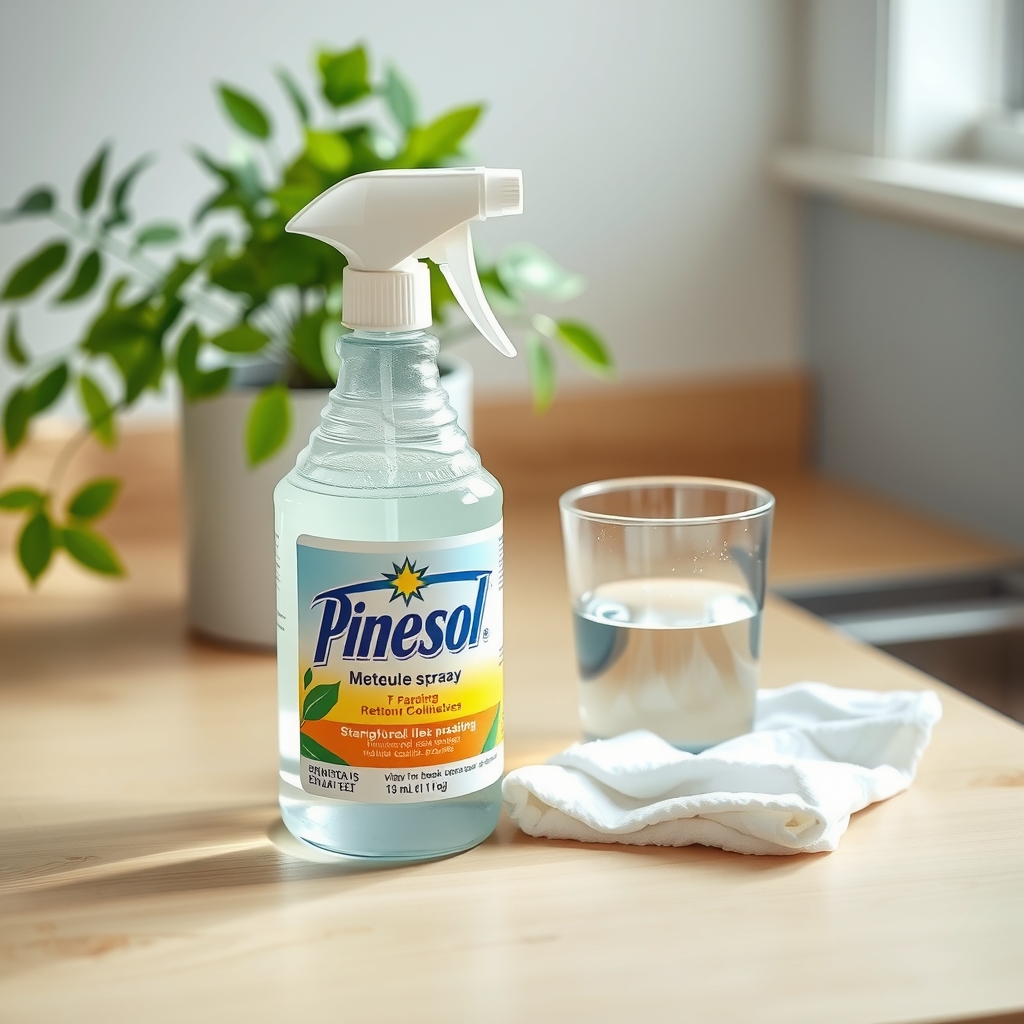
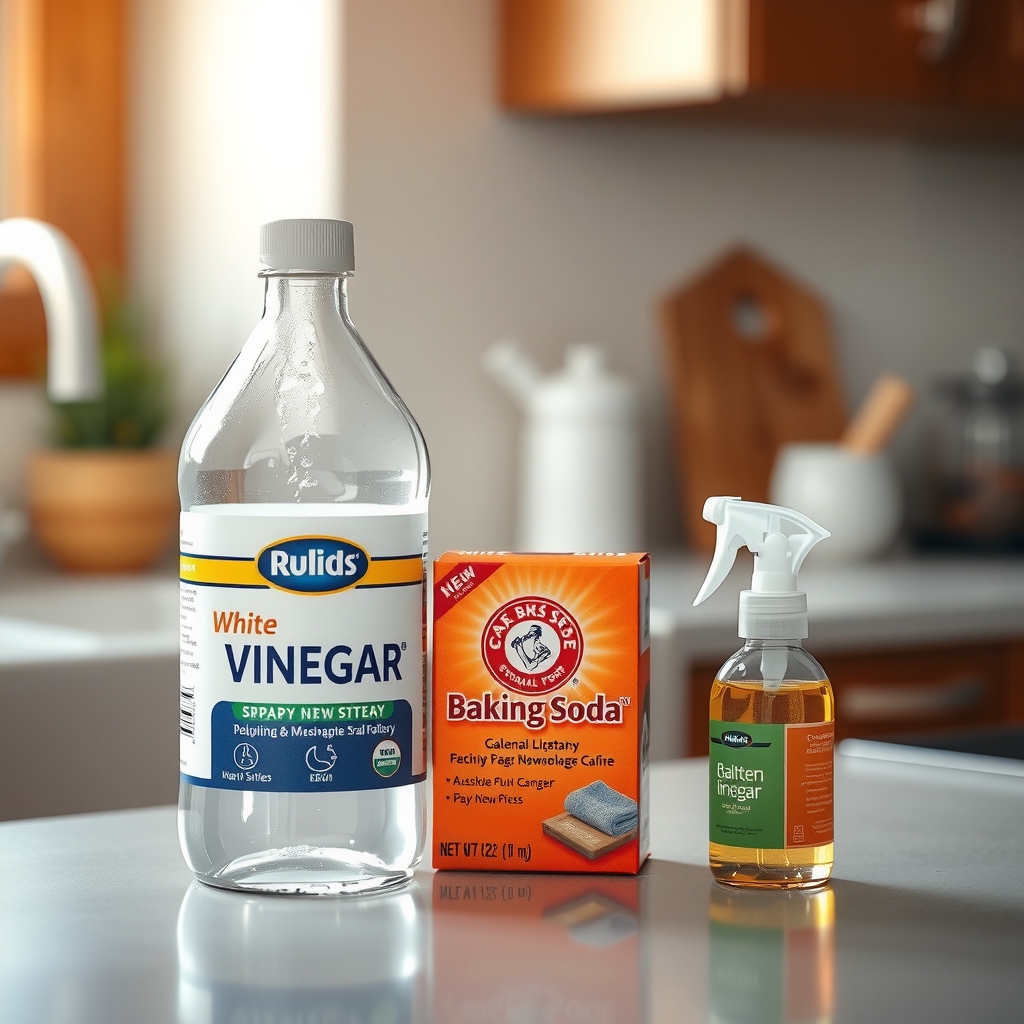
Pinesol spray bottle on a countertop—what you might reach for, but safer alternatives exist.Switching to safer cleaners like Method is an easy way to keep your home spotless without the risks.Simple, natural ingredients like vinegar and baking soda can replace harsh cleaners safely.
---
Related Cleaning Product
Verdict
Note
Lysol Disinfectant Spray
❌ Avoid
Contains strong disinfectants and fragrances that can irritate your respiratory system.
Clorox Disinfecting Wipes
⚠️ Use with caution
Bleach-based; use sparingly in well-ventilated areas and avoid direct contact with skin.
Microban 24 Hour Disinfectant Spray
❌ Avoid
Contains harsh chemicals and strong fragrances; not recommended during pregnancy.
Purell Hand Sanitizer
✅ Generally safe
Alcohol-based; use sparingly and avoid inhaling fumes. Opt for fragrance-free versions.
Bounty Paper Towels
✅ Generally safe
No chemicals; safe for cleaning surfaces, but avoid heavily scented versions.
Windex Glass Cleaner
⚠️ Use with caution
Contains alcohol and solvents; use in a well-ventilated area and limit exposure.
Method Antibacterial All-Purpose Cleaner
✅ Safe
Non-toxic, fragrance-free, and certified for pregnancy safety.
Mrs. Meyer’s Clean Day All-Purpose Cleaner
✅ Safe
Plant-based, essential oil-scented, and free of synthetic fragrances.
Not sure about the label on Is Pinesol Safe During Pregnancy products?
Snap the ingredients list and SafeFilter checks every ingredient for your stage — only 3 free scans this month, then you're locked until reset. Unlimited from $7/mo or $50/yr.
When Shubhra Mishra was expecting her first child in 2016, she was overwhelmed by conflicting food advice — one site said yes, another said never. By the time her second baby arrived in 2019, she realized millions of mothers face the same confusion.
That sparked a five-year journey through clinical nutrition papers, cultural diets, and expert conversations — all leading to BumpBites: a calm, compassionate space where science meets everyday motherhood.
Her long-term vision is to build a global community ensuring safe, supported, and free deliveriesfor every mother — because no woman should face pregnancy alone or uninformed. 🌿
🌍 Stand with mothers, shape safer guidance
Join a small circle of experts who review BumpBites articles so expecting parents everywhere can decide with confidence.