Safe: Philly roll is generally safe during pregnancy, but consume in moderation, especially in the first trimester
By Shubhra Mishra — a mom of two who turned her own confusion during pregnancy into BumpBites, a global mission to make food choices clear, safe, and stress-free for every expecting mother. 💛
Check whether any food is safe during pregnancy with the BumpBites Food Safety Checker.
Quick verdict: ⚠️ Safe with limits. A Philly roll can be part of a balanced pregnancy diet if the fish is fully cooked, the cream cheese is pasteurized, and you keep portions modest.
Raw or undercooked seafood, unpasteurized dairy, and excess mercury are the main concerns. Choose reputable sources and follow the frequency guidelines below.
It’s 3 a.m., your phone buzzes with a text: “Did you just eat a Philly roll? I’m pregnant!” You stare at the sushi roll on your plate, wondering if that creamy bite could harm your baby. You’re not alone—many expecting parents search “is philly roll safe during pregnancy?” the moment they spot a sushi menu.
The good news is that a Philly roll isn’t automatically off‑limits. The key factors are the type of fish, the dairy component, and how often you indulge. In this article we’ll break down the safety snapshot by trimester, explain the ingredients, outline how many rolls you can enjoy each week, and suggest safer sushi alternatives. We’ll also look at brand considerations, risks for gestational diabetes, and answer the most common questions you might be Googling right now.
By the end of this guide you’ll have a clear, evidence‑based answer to the question “is philly roll safe during pregnancy,” plus practical tips so you can stop worrying and enjoy your sushi responsibly.
Trimester / Breastfeeding
Verdict
Notes
First trimester
⚠️ Safe with limits
Avoid raw fish; ensure cream cheese is pasteurized. Limit to 1 roll per week.
Second trimester
⚠️ Safe with limits
Cooked fish is fine; watch mercury intake. Up to 2 rolls per week if fully cooked.
Third trimester
⚠️ Safe with limits
Same guidelines as second trimester; avoid excessive sodium.
Breastfeeding
⚠️ Safe with limits
Continue to choose cooked fish and pasteurized dairy; limit to 2 rolls per week.
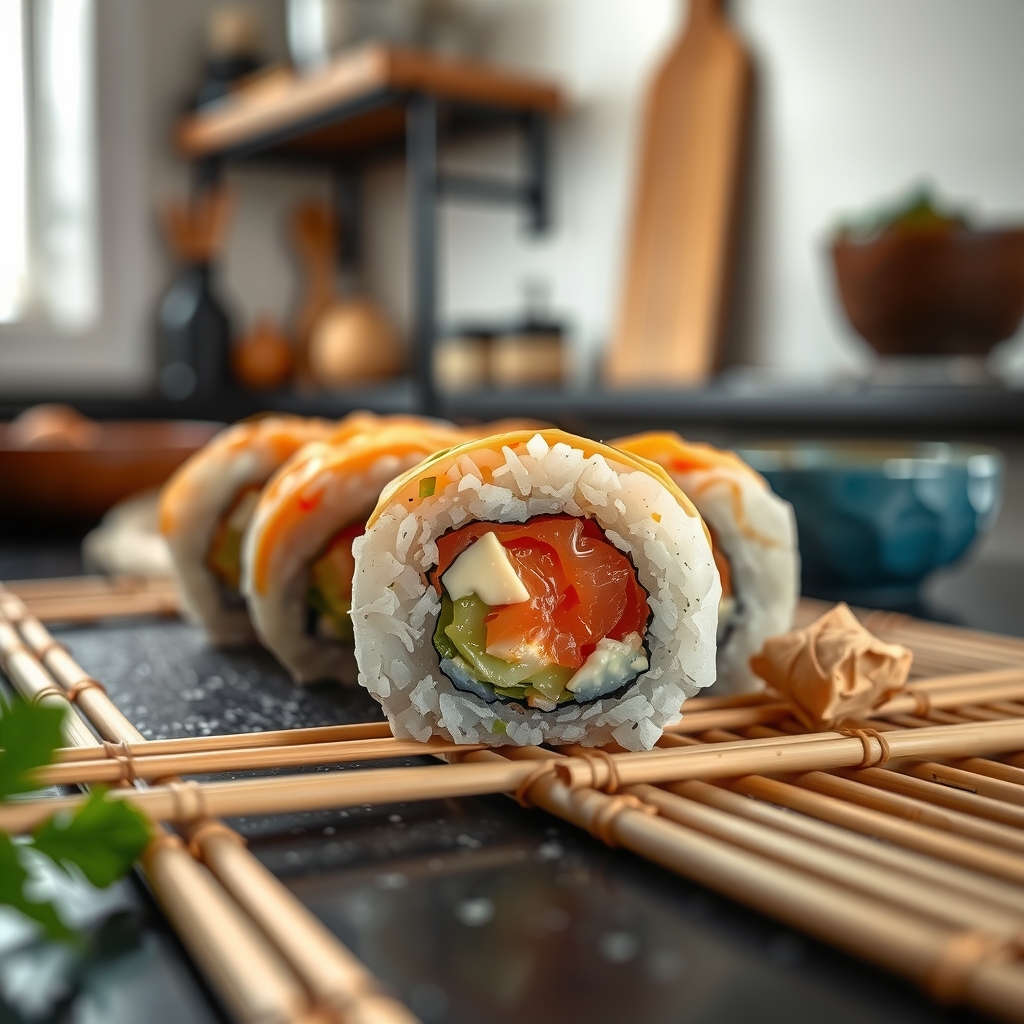
Philadelphia (Philly) roll is a popular American‑style sushi roll that typically combines smoked salmon (or sometimes raw salmon), cream cheese, cucumber, and sometimes avocado, all wrapped in seasoned rice and nori seaweed. The roll gets its name from the classic “Philadelphia” bagel, echoing the creamy, tangy flavor of the cheese. Restaurants may vary the recipe—some use imitation crab, others add spicy mayo—so the exact ingredient list can differ from place to place.
People reach for a Philly roll because it offers a familiar, mild flavor profile that bridges the gap between traditional sushi and comfort foods. The creamy texture of the cheese, the cool crunch of cucumber, and the rich taste of salmon make it an appealing choice for sushi newcomers and seasoned fans alike. Understanding each component’s safety profile is essential when you’re pregnant.
Is a Philly roll safe to eat during the first trimester of pregnancy?
The first trimester is the period of organogenesis, when the baby’s major organs are forming. Because this window is especially sensitive, many obstetric guidelines—such as those from the American College of Obstetricians and Gynecologists (ACOG) and the UK’s NHS—recommend avoiding raw or undercooked seafood to reduce the risk of listeria, salmonella, and parasites.
If the Philly roll contains smoked salmon that has been fully cooked (heated to an internal temperature of 165 °F/74 °C) or uses a fully cooked alternative like cooked crab, the risk is minimal. However, many establishments serve smoked salmon that is only cured, not heated, which still carries a small risk of bacterial contamination.
Cream cheese is another focal point. Most commercial cream cheese in the United States and United Kingdom is pasteurized, which eliminates the risk of Listeria monocytogenes. The NHS specifically lists pasteurized dairy as safe during pregnancy. If you’re unsure whether the cheese is pasteurized, it’s safest to skip the roll or ask the chef.
Overall, during the first trimester you can enjoy a Philly roll once a week *only if* the fish is fully cooked and the cheese is confirmed pasteurized. Stick to a modest portion—typically one 6‑inch roll—while you focus on nutrient‑dense foods like leafy greens, fortified cereals, and lean proteins.
Can I eat a Philly roll in the second trimester without risk?
B
y the second trimester, the baby’s organ systems are maturing, and the strictest dietary restrictions ease slightly. ACOG still advises pregnant people to avoid raw fish, but cooked seafood is considered safe and provides valuable omega‑3 fatty acids that support fetal brain development.
If you order a Philly roll with cooked salmon, shrimp, or crab, the roll aligns with the second‑trimester recommendations. The FDA’s guidance on mercury suggests that pregnant people limit high‑mercury fish (like swordfish, king mackerel, and tilefish) to less than 0.5 µg/kg body weight per week. Salmon, even when smoked, is a low‑mercury fish, so a couple of rolls per week stay well within safe limits.
Pasteurized cream cheese remains safe, and the cucumber adds hydration and fiber. The main caution is sodium—sushi rice and soy sauce can be high in salt, which may contribute to swelling or elevated blood pressure. Opt for low‑sodium soy sauce or use less sauce overall.
In short, a Philly roll with fully cooked fish and pasteurized cheese is generally safe in the second trimester, provided you keep intake to two rolls per week and watch your sodium intake.
How many Philly rolls can a pregnant woman safely consume per week?
Frequency guidelines for sushi during pregnancy are guided by two concerns: mercury exposure and bacterial contamination. The FDA’s “Advice about Eating Fish” recommends that pregnant people eat up to 2‑3 servings (8‑12 oz total) of low‑mercury fish per week. A standard 6‑inch Philly roll contains roughly 4‑5 oz of fish, so one roll counts as about half a serving.
Based on these recommendations, most obstetric experts advise limiting Philly roll consumption to **1‑2 rolls per week**, assuming the fish is fully cooked and the dairy is pasteurized. This frequency balances the nutritional benefits of omega‑3s with the need to keep mercury and sodium intake low.
If you’re also eating other fish or seafood dishes, adjust your total weekly intake accordingly. For example, a pregnant person who enjoys a grilled salmon dinner should reduce sushi consumption to stay within the low‑mercury limit.
Remember that portion size matters. A typical Philly roll is 6 inches long; a larger 8‑inch roll would contain more fish and should be counted as two servings.
What are safer sushi roll alternatives for pregnant women?
California roll (cooked crab): Uses fully cooked crab or imitation crab, eliminating raw‑fish risks while offering a familiar creamy texture.
Vegetable sushi roll: Packed with cucumber, avocado, and pickled radish; no animal protein, so no mercury or bacterial concerns.
Tempura shrimp roll (cooked shrimp): The shrimp is deep‑fried, ensuring it’s fully cooked; pair with avocado for healthy fats.
Cooked eel roll: Eel is always served grilled, providing iron and omega‑3s without raw‑fish hazards.
Avocado roll: Simple, nutrient‑dense, and free of animal products—great for added folate and healthy fats.
Cucumber roll: Low‑calorie, hydrating, and safe; perfect for a light snack.
Cooked salmon roll (fully cooked): Offers the benefits of salmon without the raw‑fish risk; ensure it’s baked or grilled.
Does the brand of Philly roll affect its safety during pregnancy?
Yes, brand and source matter. Reputable sushi restaurants that follow strict food‑safety protocols—such as maintaining proper refrigeration, using pasteurized dairy, and cooking fish to safe temperatures—reduce the risk of listeria and parasites. The FDA’s Food Safety Modernization Act (FSMA) encourages establishments to have a written food‑safety plan, which many higher‑end chains publish.
Takeout or grocery‑store sushi can be more variable. Some pre‑packaged rolls are made with raw fish that has not been previously frozen, which is a key step in killing parasites. Look for labels that state “fully cooked” or “pasteurized” and check the expiration date.
When in doubt, ask the staff whether the salmon is smoked (cured) or cooked, and whether the cream cheese is pasteurized. If the information isn’t readily available, it’s safest to choose an alternative roll that meets the cooked‑fish criteria.
What are the potential risks of eating a Philly roll while pregnant?
The primary risks stem from three components:
Raw or undercooked fish: May contain Listeria monocytogenes, salmonella, or parasites such as Anisakis. Listeria infection can lead to miscarriage, stillbirth, or severe neonatal illness.
Unpasteurized dairy: While most cream cheese in the U.S. is pasteurized, some artisanal varieties may not be. Unpasteurized dairy can also carry Listeria.
Mercury: Salmon is low‑mercury, but excessive consumption of any fish can increase mercury exposure, potentially affecting fetal brain development.
Additional considerations include high sodium from soy sauce, which can exacerbate swelling or raise blood pressure, and the possibility of foodborne illness if the sushi is left at unsafe temperatures for too long.
Is a Philly roll safe for pregnant women with gestational diabetes?
Gestational diabetes management focuses on controlling carbohydrate intake and glycemic load. A Philly roll contains rice (high‑glycemic) and sometimes a sweetened sauce, which can raise blood sugar. However, the portion size of a single roll is modest—usually 1‑2 carb servings.
For those monitoring glucose, it’s advisable to pair the roll with a protein‑rich side (like edamame) and limit soy sauce. Choosing a roll with brown rice or a “low‑carb” sushi option can further reduce glycemic impact. Consulting a registered dietitian is the best way to tailor sushi choices to individual glucose goals.
Tip: Ask the chef if the salmon is fully cooked and the cheese is pasteurized before ordering.
Safety by trimester
First trimester
During weeks 1‑13, the embryo is most vulnerable to teratogens. Raw fish is the biggest concern, so a Philly roll should contain only fully cooked fish and pasteurized cheese. If you’re unsure about the cooking method, it’s safest to skip the roll and opt for a cooked‑fish alternative.
Second trimester
Weeks 14‑27 bring rapid growth. Omega‑3 fatty acids from cooked salmon support brain development, so a properly prepared Philly roll can be a beneficial addition. Keep the intake to no more than two rolls per week and monitor sodium.
Third trimester
Weeks 28‑40 focus on fat accumulation and preparing for birth. The same guidelines from the second trimester apply. Excessive sodium can worsen swelling, so consider low‑sodium soy sauce or a light drizzle of ponzu.
Breastfeeding
Post‑delivery, the nutrients you consume affect your milk. Cooked fish and pasteurized dairy remain safe, and the omega‑3s can improve infant visual development. Continue to limit rolls to two per week to keep mercury exposure low.
Safe dosage / amount / brands
Because a Philly roll is a single serving, the “dosage” is essentially the number of rolls you eat per week. The consensus from ACOG and the FDA is:
First trimester: ≤ 1 roll per week, fully cooked fish, pasteurized cheese.
Second & third trimesters: ≤ 2 rolls per week, same cooking criteria.
If you purchase pre‑packaged sushi, look for labels that state “cooked” or “pasteurized.” Brands such as Whole Foods 365, Trader Joe’s, and Safeway often indicate cooking status on the packaging. Avoid generic “fresh” rolls that do not specify cooking method.
Safer sushi alternatives include fully cooked eel, avocado, and cucumber rolls.
Side effects and risks
Most side effects from a properly prepared Philly roll are mild, such as a temporary feeling of fullness or mild heartburn from soy sauce. However, watch for these red‑flag symptoms that require prompt medical attention:
Fever, chills, or flu‑like symptoms within 24‑48 hours after eating (possible listeria infection).
Severe abdominal cramps, vomiting, or diarrhea lasting more than a day (food‑borne illness).
Sudden swelling, headache, or visual changes (possible high blood pressure related to excess sodium).
If any of these occur, contact your obstetric provider or seek emergency care. Most mild reactions resolve with rest and hydration.
Safer alternatives
California roll (cooked crab) – eliminates raw‑fish risk while keeping the creamy texture.
Vegetable sushi roll – entirely plant‑based, no mercury or bacterial concerns.
Tempura shrimp roll (cooked shrimp) – shrimp is fully cooked, providing protein without raw‑fish hazards.
Cooked eel roll – grilled eel offers iron and omega‑3s safely.
Avocado roll – rich in folate and healthy fats, completely free of animal proteins.
Cucumber roll – low‑calorie, hydrating, and safe for all trimesters.
Cooked salmon roll (fully cooked) – retains salmon’s benefits without raw‑fish risk.
Related items — safety at a glance
Item
Verdict
One‑line note
Philadelphia roll
⚠️ Safe with limits
Requires fully cooked fish and pasteurized cheese.
Spicy tuna roll
❌ Best avoided
Contains raw tuna, high mercury risk.
Rainbow roll
❌ Best avoided
Features multiple raw fish varieties.
Dragon roll
❌ Best avoided
Typically includes raw eel and avocado.
Eel avocado roll
⚠️ Safe with limits
Eel is usually cooked; avocado is safe.
Tempura roll
✅ Generally safe
Tempura ingredients are fried, not raw.
Salmon nigiri
❌ Best avoided
Raw salmon carries listeria and parasite risk.
Myth vs. fact
Myth: All sushi is unsafe during pregnancy.
Fact: Sushi made with fully cooked fish, pasteurized dairy, and low‑mercury ingredients can be part of a balanced pregnancy diet, according to ACOG and the NHS.
Myth: Cream cheese in a Philly roll always contains harmful bacteria.
Fact: In the United States and United Kingdom, commercially sold cream cheese is pasteurized, which eliminates Listeria risk. Only unpasteurized, artisanal cheeses pose a concern.
Myth: One Philly roll will cause miscarriage.
Fact: A single properly prepared roll does not pose a miscarriage risk; the concern lies with repeated exposure to raw fish or unpasteurized dairy.
Key takeaways
✅ A Philly roll is safe with limits if the fish is fully cooked and the cheese is pasteurized.
⚖️ Limit intake to 1 roll in the first trimester and up to 2 rolls per week thereafter.
🥢 Choose reputable sushi establishments that follow food‑safety guidelines.
🛑 Avoid raw fish, unpasteurized dairy, and high‑mercury fish in any sushi during pregnancy.
💡 Safer alternatives include California rolls, vegetable rolls, and cooked eel rolls.
Frequently asked questions
Can pregnant women eat sushi with raw fish?
Most experts advise against consuming raw fish during pregnancy because of listeria and parasite risks. Cooked or fully heated fish is considered safe.
Is cream cheese safe during pregnancy?
Commercial cream cheese sold in the U.S. and U.K. is pasteurized, making it safe for pregnant people. Only unpasteurized varieties carry a listeria risk.
What is the mercury level in sushi rolls?
Mercury varies by fish species. Salmon, the typical fish in a Philly roll, is low in mercury (<0.022 ppm), well within FDA guidelines for pregnant women.
How many sushi rolls are safe to eat while pregnant?
For low‑mercury rolls like those with salmon or cooked shrimp, the FDA recommends up to 2‑3 servings (8‑12 oz) per week, which translates to about 1‑2 standard rolls.
Are there any sushi rolls that are completely safe for pregnant women?
Rolls made entirely with cooked ingredients (e.g., California roll with cooked crab, vegetable rolls, or cooked eel rolls) are considered safe when consumed in moderation.
Does cooking sushi eliminate pregnancy risks?
Cooking fish to an internal temperature of 165 °F (74 °C) kills most bacteria and parasites, making it safe for pregnancy. However, other factors like sodium and mercury still need monitoring.
Can I eat sushi from a grocery store while pregnant?
Only if the sushi is clearly labeled as “fully cooked” and the dairy components are pasteurized. When in doubt, choose a cooked‑fish or vegetable roll.
When to call your doctor
If you experience fever, severe abdominal pain, persistent vomiting, diarrhea lasting more than 24 hours, or any signs of listeria infection (such as flu‑like symptoms), contact your obstetric provider immediately. Also reach out if you develop sudden swelling, headaches, or visual changes, as these could signal high blood pressure.
These guidelines are informational only and do not replace personalized medical advice. Always discuss any dietary concerns with your healthcare provider.
References
American College of Obstetricians and Gynecologists (ACOG). “Nutrition During Pregnancy.” 2023.
National Health Service (NHS). “Food safety for pregnant women.” 2022.
U.S. Food and Drug Administration (FDA). “Advice About Eating Fish.” Updated 2023.
Centers for Disease Control and Prevention (CDC). “Listeria (Listeriosis).” 2023.
World Health Organization (WHO). “Guidelines on mercury exposure in pregnancy.” 2021.
Mayo Clinic. “Sushi and pregnancy: What you need to know.” 2022.
U.S. Department of Agriculture (USDA). “Food Safety and Inspection Service: Safe Food Handling.” 2023.
National Institute for Health and Care Excellence (NICE). “Pregnancy and diet.” 2022.
American Academy of Pediatrics (AAP). “Nutrition for infants and toddlers.” 2023.
Food Standards Agency (UK). “Guidance on pasteurised dairy products.” 2022.
Not sure about the label on Is Philly Roll Safe During Pregnancy products?
Snap the ingredients list and SafeFilter checks every ingredient for your stage — only 3 free scans this month, then you're locked until reset. Unlimited from $7/mo or $50/yr.
When Shubhra Mishra was expecting her first child in 2016, she was overwhelmed by conflicting food advice — one site said yes, another said never. By the time her second baby arrived in 2019, she realized millions of mothers face the same confusion.
That sparked a five-year journey through clinical nutrition papers, cultural diets, and expert conversations — all leading to BumpBites: a calm, compassionate space where science meets everyday motherhood.
Her long-term vision is to build a global community ensuring safe, supported, and free deliveriesfor every mother — because no woman should face pregnancy alone or uninformed. 🌿
🌍 Stand with mothers, shape safer guidance
Join a small circle of experts who review BumpBites articles so expecting parents everywhere can decide with confidence.