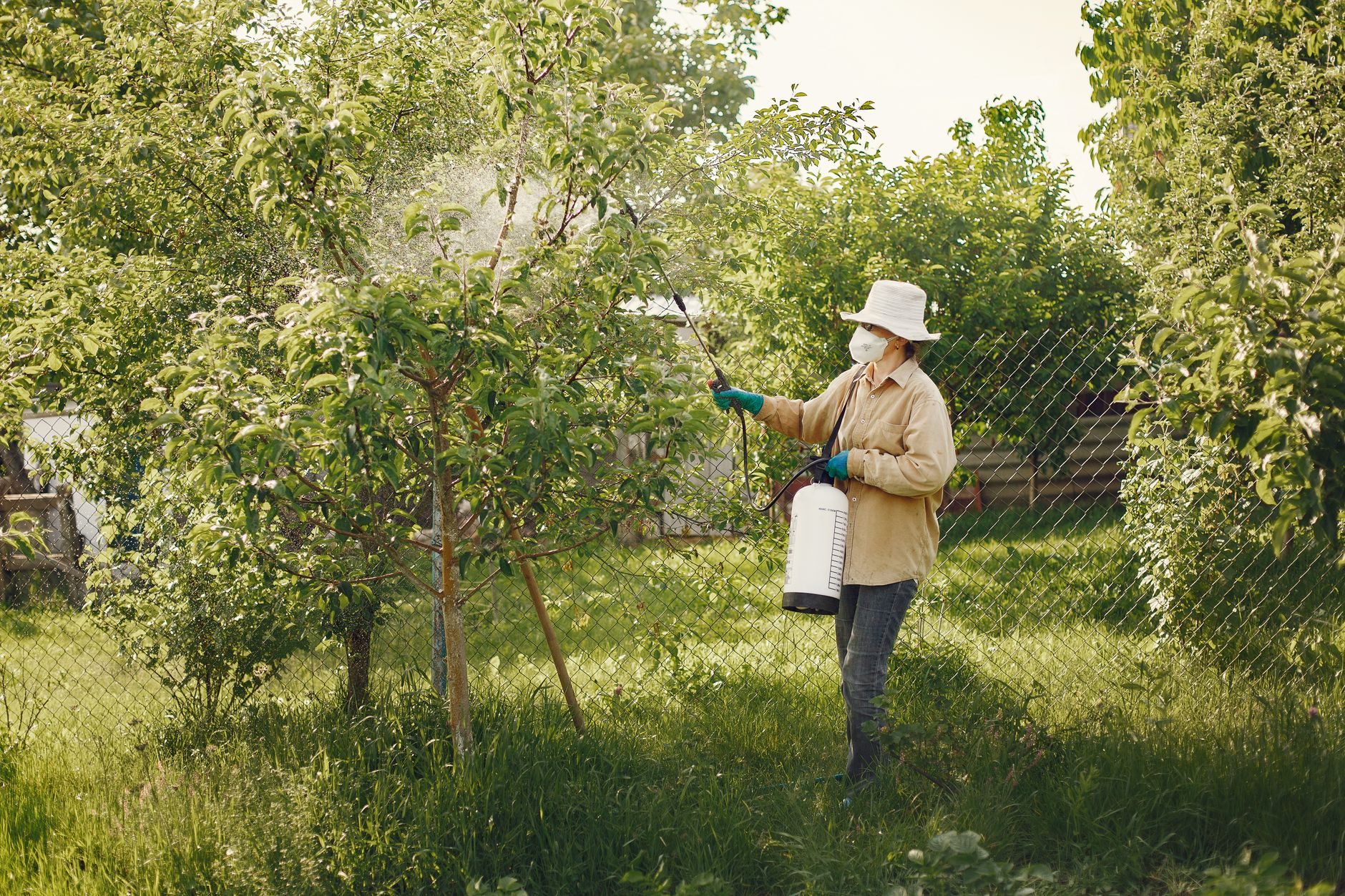
Limit pesticides during pregnancy – keep exposure below 0.01 mg/kg body weight, especially in the first trimester, and consider safer organic alternatives.
By Shubhra Mishra — a mom of two who turned her own confusion during pregnancy into BumpBites, a global mission to make food choices clear, safe, and stress-free for every expecting mother. 💛
Check whether any food is safe during pregnancy with the BumpBites Food Safety Checker.
Quick verdict: ❌ Best avoided. Current guidance from obstetric and public‑health authorities recommends minimizing any pesticide exposure during pregnancy because even low‑level contact may affect fetal development.
It’s completely normal to feel a knot in your stomach the moment you realize you’ve been using a garden spray, handling a freshly‑treated fruit, or wondering whether the lettuce you just washed is truly “clean.” The question is pesticides safe during pregnancy pops up at 2 a.m., in the pharmacy aisle, and during a grocery run. The short answer is that most chemical pesticides are not considered safe for an expectant mother, and the safest route is to limit exposure as much as possible.
In this article we’ll walk through exactly what the evidence says about pesticide safety, how the risk changes from the first to the third trimester, what amount (if any) might be considered low risk, and which organic or non‑chemical options you can turn to instead. We’ll also compare common pesticide ingredients, give you practical tips for reducing residues on food, and outline the warning signs that mean you should call your provider right away.
By the end of this guide you’ll have a clear, evidence‑based picture of why most pesticides are best avoided, how to protect yourself and your baby, and where to find safer alternatives that keep your garden thriving without compromising pregnancy health.
We understand that many expectant parents have already taken a few steps—maybe a quick wipe with a garden hose or a spray of insecticide on a balcony plant—before learning they are pregnant. Take a breath. Most low‑level exposures are unlikely to cause immediate harm, but the precautionary principle tells us that reducing any further contact is the smartest move for you and your developing baby.
Trimester / Breastfeeding
Verdict
Notes
First trimester
❌ Best avoided
Organ formation (organogenesis) is most vulnerable; even low‑level exposure may affect development.
Second trimester
❌ Best avoided
Rapid fetal growth continues; pesticide metabolites can cross the placenta.
Third trimester
❌ Best avoided
Brain development is ongoing; exposure may impact neurobehavioral outcomes.
Breastfeeding
❌ Best avoided
Many pesticides are excreted in breast milk; minimizing exposure protects infant.
While the term “pesticide” sounds generic, it actually covers a huge range of chemicals—herbicides, insecticides, fungicides, and rodenticides—each with its own chemistry and toxicology profile. In the United States, the Environmental Protection Agency (EPA) registers each active ingredient and sets a reference dose (RfD) that represents the amount unlikely to cause adverse effects over a lifetime. However, those limits are based on the general adult population and do not specifically account for the heightened sensitivity of a developing fetus. In practice, most obstetric guidelines, such as those from the American College of Obstetricians and Gynecologists (ACOG) and the UK’s National Health Service (NHS), advise pregnant people to treat any pesticide exposure as a potential risk and to keep contact to an absolute minimum.
Pregnant women are often exposed to pesticides in three main ways: direct contact while gardening or applying sprays, inhalation of airborne particles, and ingestion of residues that linger on fruits, vegetables, and meat. The route of exposure matters because inhaled or dermally absorbed chemicals can enter the bloodstream quickly and cross the placenta, whereas dietary intake may be reduced by thorough washing and peeling. Nonetheless, because many modern pesticides are designed to be persistent—remaining active in soil and on plant surfaces for weeks—a “once‑off” exposure can translate into ongoing low‑level contact.
Given the lack of a universally accepted “safe” threshold for pregnant individuals, the most prudent recommendation from ACOG, the Centers for Disease Control and Prevention (CDC), and the World Health Organization (WHO) is to avoid pesticide use altogether during pregnancy. If you must be around treated areas, use protective gloves, long sleeves, and a mask, and keep the exposure time as short as possible. For those who already have some exposure, the key is not to panic—most low‑level exposures do not automatically result in harm, but reducing further contact is wise.
Keep protective gear handy and store chemicals out of reach to limit accidental exposure.
Are pesticides safe to use in the first trimester?
The first trimester is the period of organogenesis, when the baby’s major organs are forming. Because this window is highly sensitive to external chemicals, ACOG explicitly recommends avoiding any pesticide exposure during this time. Studies cited by the NHS have linked first‑trimester exposure to certain organophosphate insecticides with increased rates of neural tube defects and other congenital anomalies. Even “low‑toxicity” products can cross the placenta, so the safest approach is to postpone any garden spraying, indoor pest control, or handling of treated produce until after delivery.
If you already used a pesticide in the first few weeks before knowing you were pregnant, try not to panic. Most incidental, low‑dose exposures do not automatically cause birth defects, but you should discuss the specific product with your obstetric provider to assess any need for monitoring.
Because the embryo’s cells are dividing rapidly, even minimal amounts of chemicals that interfere with signaling pathways can have outsized effects. Researchers have observed that certain pyrethroid residues can alter gene expression related to heart development when exposure occurs before week 8. This mechanistic insight reinforces why the first trimester remains the most critical period for avoidance.
What amount of pesticide exposure is considered safe during pregnancy?
Regulatory agencies such as the EPA publish reference doses (RfDs) for individual active ingredients. For example, glyphosate’s RfD is 1.75 mg per kilogram of body weight per day. However, these values are derived from adult toxicity data and include large safety margins. No official “pregnancy‑specific” RfD exists, and professional bodies like ACOG advise treating any detectable exposure as potentially unsafe.
In practice, the safest guideline is to keep pesticide residues below the limit of detection (LOD) on food, and to avoid direct skin contact or inhalation whenever possible. If you work in agriculture or horticulture, a personal protective equipment (PPE) plan that limits exposure to less than 0.1 mg/kg/day—well under the EPA’s RfD—is often suggested as a conservative target, but even this may be too high for a developing fetus.
Because pesticide mixtures can have additive or synergistic effects, it’s not enough to look at a single ingredient in isolation. The CDC’s guidance on cumulative exposure emphasizes that multiple low‑level contacts across a day can add up to a meaningful internal dose, especially for chemicals that accumulate in fat tissue. Therefore, the most reliable strategy is to keep overall exposure as close to zero as possible.
Can I use organic pesticide brands safely while pregnant?
“Organic” pesticides—often derived from botanical sources like neem or pyrethrins—are generally less persistent than synthetic chemicals, but they are not automatically risk‑free. The FDA does not distinguish organic from conventional pesticide residues in its safety assessments, and the NHS notes that some organic insecticides can still cause irritation or endocrine disruption at high doses.
If you choose an organic product, look for those that are specifically labeled “pregnancy‑safe” or “non‑toxic to mammals.” Even then, use gloves, a mask, and ensure proper ventilation. The safest route remains to avoid any pesticide spray and instead adopt non‑chemical pest‑management strategies.
It’s also worth noting that “organic” refers to how the pesticide is produced, not its toxicity profile. For instance, neem oil can be safe when applied sparingly, but concentrated formulations may still cause skin sensitization. Always read the label, follow dilution instructions, and treat the product with the same caution you would a synthetic pesticide.
What are the risks of pesticide exposure for pregnant women?
Research compiled by the CDC and WHO indicates several potential risks:
Birth defects: Certain organophosphate and carbamate insecticides have been linked to neural tube defects and facial malformations.
Preterm birth: Epidemiological studies have observed higher rates of early delivery among women with higher urinary pesticide metabolite levels.
Neurodevelopmental delays: Post‑natal follow‑up of children whose mothers were exposed to pyrethroids suggests possible impacts on attention and IQ.
Gestational diabetes: Emerging data, reviewed by the National Institute of Environmental Health Sciences (NIEHS), suggest that some endocrine‑disrupting pesticides may interfere with glucose metabolism, increasing the risk of gestational diabetes.
Most of these associations are based on population‑level data; individual risk varies with the amount, timing, and type of pesticide. Nonetheless, the precautionary principle—especially during pregnancy—advocates minimizing exposure wherever feasible.
Beyond the direct fetal effects, pesticide exposure can also exacerbate maternal health conditions. For example, studies have linked organophosphate exposure to heightened oxidative stress, which may worsen hypertension—a known risk factor for preeclampsia. Understanding these broader pathways helps explain why obstetric societies emphasize avoidance across all trimesters.
What are safer alternatives to chemical pesticides during pregnancy?
When you’re looking to protect your garden or home without compromising pregnancy health, the best approach is to rely on physical, biological, and botanical methods that have little to no toxicity. These alternatives work by deterring pests rather than killing them with chemicals, and they can be just as effective when applied correctly.
Neem oil – a botanical oil that deters many insects without persisting in the environment.
Diatomaceous earth – fine fossilized algae that physically abrades insect exoskeletons.
Bacillus thuringiensis (Bt) spray – a bacterial larvicide that targets caterpillars but spares mammals.
Soap and water solution – simple surfactant that removes soft‑bodied pests.
Vinegar spray – acidic solution that repels ants and some aphids.
Horticultural oil – mineral oil that smothers insects while being low‑toxicity for humans.
Companion planting – using plants like marigold or basil to naturally deter pests.
Row covers – physical barriers that keep insects away without chemicals.
Many of these methods can be combined for synergistic protection. For instance, a garden bed covered with row cloths and seeded with basil can dramatically reduce aphid pressure, eliminating the need for any spray. The following sections will dive deeper into how each technique works and how to apply it safely during pregnancy.
How do pesticides affect pregnancy complications like gestational diabetes?
While the exact mechanisms are still under investigation, several studies cited by the CDC suggest that certain pesticides act as endocrine disruptors. They can interfere with insulin signaling pathways, potentially elevating blood‑glucose levels and contributing to gestational diabetes. A 2021 systematic review in the journal Environmental Health Perspectives found a modest but statistically significant association between high urinary organophosphate metabolites and increased odds of gestational diabetes. Reducing pesticide exposure, therefore, may be a proactive step for women already at risk for glucose intolerance.
Endocrine‑disrupting chemicals (EDCs) can also affect the placenta’s ability to regulate hormone production, which in turn may influence maternal metabolic balance. Although more research is needed to pinpoint causality, the consensus among endocrinologists is that limiting exposure to known EDCs—including many pesticides—supports overall metabolic health during pregnancy.
Is there a safe pesticide limit for pregnant gardeners?
Professional horticultural guidelines often reference a “acceptable daily intake” (ADI) for each active ingredient, but these values are not tailored for pregnancy. The safest recommendation from the British Columbia Ministry of Agriculture is that pregnant gardeners avoid any direct application of chemical sprays. If you must apply a product, keep the exposure to less than 5 minutes, use full protective gear, and wait at least 24 hours before entering the treated area. Even then, many experts advise postponing any pesticide use until after delivery.
For those who cannot avoid exposure due to occupational requirements, a risk‑assessment plan should be created in partnership with an occupational‑health specialist. This plan typically includes routine biomonitoring (e.g., urine tests for pesticide metabolites) and strict adherence to PPE protocols. Such individualized strategies are essential because the standard ADI does not account for the heightened vulnerability of a fetus.
Do pesticide residues in food pose a risk to my unborn baby?
Yes, although the risk level depends on the type and amount of residue. The FDA’s Food Safety Modernization Act (FSMA) sets maximum residue limits (MRLs) for each pesticide on specific foods. The NHS notes that most residues fall well below these limits, but cumulative exposure from multiple foods can add up. Washing produce under running water, peeling where appropriate, and choosing organic options for “high‑pesticide” fruits and vegetables (such as strawberries, apples, and leafy greens) can further reduce intake.
In addition to washing, using a solution of baking soda and water (1 tsp per cup of water) has been shown to remove up to 80 % of certain pesticide residues from the surface of produce. For items that are known to absorb systemic pesticides—like berries and tomatoes—peeling or cooking can also lower residue levels, though it may reduce some nutrients. Balancing food safety with nutritional needs is key, and a varied diet helps dilute any single pesticide exposure.
Choosing organic or thoroughly washed produce helps keep pesticide residues low.
Safety by trimester
First trimester
During weeks 1–12, the embryo’s organs are forming. Even minimal pesticide contact can cross the placenta and interfere with cellular signaling. ACOG advises that pregnant people avoid all pesticide exposure in this stage, including indoor pest sprays and garden treatments. If you work in a setting where exposure is unavoidable, use double gloves, a NIOSH‑approved respirator, and wash hands thoroughly before eating.
Recent animal‑model research suggests that organophosphate exposure during this window can alter neural crest cell migration, a process essential for heart and facial development. While human data are still emerging, the biological plausibility reinforces the recommendation to stay completely clear of pesticides during early pregnancy.
Second trimester
From weeks 13–27, fetal growth accelerates, and the brain begins rapid development. While the baby is slightly less vulnerable than in the first trimester, pesticide metabolites still circulate in maternal blood. The NHS recommends continuing to avoid direct application of sprays and to prioritize non‑chemical pest control methods.
During this period, the placenta becomes more efficient at filtering some toxins, yet studies have shown that certain lipophilic pesticides can still accumulate in fetal tissue. Therefore, maintaining a pesticide‑free environment remains the most protective strategy, especially for neurodevelopmental health.
Third trimester
In the final months (weeks 28–40), the baby’s organs are largely formed, but the nervous system continues to mature. Studies have linked late‑pregnancy pesticide exposure to lower birth weight and subtle neurobehavioral changes. Maintaining a pesticide‑free environment remains the most protective strategy.
Because the fetus’s weight gain is rapid, any residual chemicals in maternal circulation can affect growth trajectories. ACOG notes that minimizing exposure to endocrine‑disrupting pesticides during this stage may help reduce the risk of post‑natal metabolic issues such as childhood obesity.
Breastfeeding
Many pesticides are lipophilic, meaning they accumulate in fatty tissues—and breast milk contains a high proportion of fat. The CDC notes that certain organochlorine pesticides have been detected in breast milk samples. While breastfeeding offers overwhelming benefits, minimizing pesticide exposure during lactation helps keep infant intake low.
For nursing mothers, the same precautionary measures used during pregnancy apply: wash produce thoroughly, avoid using sprays in the home, and store any necessary chemicals out of reach. If you must use a pesticide for a household pest, opt for a product that is explicitly labeled as safe for use around infants and follow ventilation guidelines.
Safe dosage / amount / brands
Because there is no universally accepted “safe” dose for pregnant people, the best practice is to avoid any intentional exposure. If you work in agriculture and must handle pesticides, aim to keep occupational exposure below 0.1 mg/kg/day—a figure used by some occupational‑health guidelines as a conservative threshold, but even this may be too high for a developing fetus.
When choosing products, look for those that list the active ingredient clearly, have third‑party certifications for low toxicity (e.g., “EPA‑approved for organic use”), and avoid formulations that contain chlorpyrifos, atrazine, or malathion, which have been flagged by the WHO for reproductive toxicity.
Some brands have developed “pregnancy‑friendly” lines that emphasize low‑toxicity botanicals and transparent labeling. While these can be a better choice than conventional sprays, they still require the same protective measures—gloves, ventilation, and limited exposure time—to ensure maternal and fetal safety.
Side effects and risks
Acute pesticide poisoning can cause:
Skin irritation or chemical burns
Headache, dizziness, or nausea
Respiratory distress if inhaled
Muscle weakness or tremors with organophosphate exposure
These symptoms usually resolve with prompt decontamination, but persistent or severe signs—such as difficulty breathing, seizures, or unexplained vomiting—require immediate medical attention. Chronic low‑level exposure may not produce obvious symptoms yet can still impact fetal development, which is why the precautionary approach is recommended.
In addition to the acute effects listed, some pesticides have been associated with subtle hormonal changes that can manifest as fatigue, mood swings, or altered glucose tolerance later in pregnancy. While these effects are harder to detect, they underscore the importance of minimizing any exposure, even when you feel fine.
Safer alternatives
Neem oil – Works as an insect repellent and growth regulator; safe for mammals when used as directed.
Diatomaceous earth – Physical barrier that kills insects by desiccation; non‑toxic to humans.
Bacillus thuringiensis (Bt) spray – Targets caterpillars and mosquito larvae without harming vertebrates.
Soap and water solution – Simple homemade spray that removes soft‑bodied pests.
Vinegar spray – Acidic solution deters ants and some aphids; safe for household use.
Horticultural oil – Smothers insects; low toxicity when applied with proper ventilation.
Companion planting – Using marigolds, basil, or garlic to naturally repel pests.
Row covers – Physical fabric barriers that keep insects away without chemicals.
All of these options have a track record of being low‑risk for pregnant users, and many can be combined for a comprehensive integrated pest‑management plan. For example, a garden that uses row covers and companion planting may need only occasional applications of neem oil, dramatically cutting overall chemical exposure.
Related items — safety at a glance
Item
Verdict
One‑line note
Roundup (glyphosate)
❌ Best avoided
Linked to potential developmental toxicity; avoid during pregnancy.
Atrazine
❌ Best avoided
Endocrine disruptor associated with birth‑defect risk.
Chlorpyrifos
❌ Best avoided
Organophosphate linked to neurodevelopmental delays.
DDT
❌ Best avoided
Persistent organic pollutant with strong reproductive toxicity.
Malathion
❌ Best avoided
Organophosphate; can cross placenta and affect fetal brain.
Carbaryl
❌ Best avoided
Carbamate insecticide associated with developmental effects.
2,4‑D
❌ Best avoided
Herbicide with possible endocrine‑disrupting properties.
Paraquat
❌ Best avoided
Highly toxic herbicide; acute poisoning risk.
Myth vs. fact
Myth: “All organic pesticides are automatically safe for pregnant women.”
Fact: Organic labels denote source, not toxicity. Some botanical insecticides can still cause irritation or endocrine effects; always read the label and use protective gear.
Myth: “A small amount of pesticide on a fruit is harmless because washing removes it.”
Fact: Washing reduces but does not always eliminate residues, especially for systemic pesticides that are absorbed into the fruit’s interior.
Myth: “If I’m not feeling ill, the pesticide exposure can’t be a problem.”
Fact: Many pesticides act silently, affecting fetal development without causing immediate maternal symptoms. Precaution is essential even in the absence of overt signs.
Key takeaways
❌ Most chemical pesticides are best avoided throughout pregnancy and while breastfeeding.
First‑trimester exposure carries the highest risk for birth defects; avoid all sprays.
Even “organic” pesticides can pose risks; use non‑chemical pest control whenever possible.
Reduce dietary residues by washing, peeling, and choosing organic produce for high‑pesticide items.
If you work with pesticides, wear gloves, a mask, and limit exposure time; discuss any occupational risks with your provider.
Watch for symptoms like unexplained nausea, dizziness, or skin irritation and seek medical care promptly.
Frequently asked questions
Can pregnant women be exposed to pesticides?
Yes, but exposure should be minimized. ACOG advises pregnant individuals to avoid direct contact with any pesticide, as even low‑level exposure may affect fetal development.
What are the symptoms of pesticide poisoning in pregnancy?
Common signs include skin irritation, headache, nausea, dizziness, and respiratory difficulty. Severe symptoms—such as seizures, loss of consciousness, or persistent vomiting—require immediate medical attention.
How can I reduce pesticide exposure while pregnant?
Choose organic produce for items known to have high residue levels, wash fruits and vegetables thoroughly, use non‑chemical pest control (e.g., neem oil or row covers), and wear protective gear if you must handle chemicals.
Are organic pesticides safe during pregnancy?
Not necessarily. While many organic options are less persistent, some can still cause irritation or endocrine disruption. The safest route is to avoid all pesticide sprays and rely on natural pest‑management methods.
What foods should I avoid due to pesticide residues while pregnant?
Focus on the “Dirty Dozen” list—strawberries, apples, grapes, cherries, peaches, nectarines, pears, tomatoes, celery, and leafy greens—by choosing organic versions or thoroughly washing them to limit residue intake.
Does pesticide exposure increase risk of birth defects?
Yes. Epidemiological studies cited by the CDC have linked certain organophosphate and carbamate pesticides to higher rates of neural tube defects and other congenital anomalies.
Is it safe to garden during pregnancy?
Gardening is generally safe if you avoid applying chemical sprays, wear gloves, use a mask when handling soil, and wash hands before eating. Non‑chemical pest control methods are recommended.
Can I use natural pest control methods when pregnant?
Absolutely. Options like neem oil, diatomaceous earth, companion planting, and row covers are considered low‑risk and are encouraged as safer alternatives.
What should I do if I accidentally ingest a pesticide?
If ingestion occurs, rinse your mouth, drink water, and call your poison control center or obstetric provider immediately. Even small amounts can be absorbed, so professional guidance is essential.
Are there any safe household insect repellents during pregnancy?
Products based on citronella, lemon eucalyptus, or lavender essential oils can be used in low concentrations, but avoid spray‑on formulations that contain synthetic chemicals. Always test a small area first and keep the room well‑ventilated.
When to call your doctor
If you experience any of the following after pesticide exposure, contact your obstetric provider or seek emergency care:
Severe or persistent headache, vision changes, or confusion
Difficulty breathing, wheezing, or chest tightness
Rapid heartbeat or palpitations
Unexplained vomiting, abdominal pain, or signs of dehydration
Skin blistering, burns, or widespread rash
Any sudden change in fetal movement patterns
These symptoms may indicate acute poisoning or a reaction that could affect both you and your baby. Remember, this article provides general information and is not a substitute for personalized medical advice. Always discuss any specific concerns with your health‑care provider.
References
American College of Obstetricians and Gynecologists. “Environmental Health and Pregnancy.” ACOG Committee Opinion, 2023.
National Health Service (NHS). “Pesticides and Pregnancy.” UK Public Health Guidance, 2022.
U.S. Environmental Protection Agency (EPA). “Pesticide Reference Doses.” EPA Office of Pesticide Programs, 2021.
Centers for Disease Control and Prevention (CDC). “Pesticide Exposure and Pregnancy Outcomes.” CDC Environmental Health, 2020.
World Health Organization (WHO). “Safety Evaluation of Pesticides.” WHO Technical Report Series, 2021.
National Institute of Environmental Health Sciences (NIEHS). “Endocrine Disruptors and Gestational Diabetes.” NIEHS Review, 2021.
Not sure about the label on Is Pesticides Safe During Pregnancy products?
Snap the ingredients list and SafeFilter checks every ingredient for your stage — only 3 free scans this month, then you're locked until reset. Unlimited from $7/mo or $50/yr.
When Shubhra Mishra was expecting her first child in 2016, she was overwhelmed by conflicting food advice — one site said yes, another said never. By the time her second baby arrived in 2019, she realized millions of mothers face the same confusion.
That sparked a five-year journey through clinical nutrition papers, cultural diets, and expert conversations — all leading to BumpBites: a calm, compassionate space where science meets everyday motherhood.
Her long-term vision is to build a global community ensuring safe, supported, and free deliveriesfor every mother — because no woman should face pregnancy alone or uninformed. 🌿
🌍 Stand with mothers, shape safer guidance
Join a small circle of experts who review BumpBites articles so expecting parents everywhere can decide with confidence.