Limit perm use during pregnancy. Experts recommend avoiding chemical treatments in the first trimester and opting for gentler, ammonia-free alternatives instead.
By Shubhra Mishra — a mom of two who turned her own confusion during pregnancy into BumpBites, a global mission to make food choices clear, safe, and stress-free for every expecting mother. 💛
Check whether any food is safe during pregnancy with the BumpBites Food Safety Checker.
Quick verdict: ⚠️ Talk to your doctor first. Perms are not outright forbidden, but the chemicals used can be absorbed through the scalp and there isn’t enough solid safety data to call them “generally safe” for a developing baby. If you decide to go ahead, keep exposure minimal, choose a well‑ventilated salon, and follow a provider’s guidance.
It’s 2 a.m., you’re scrolling through a beauty forum, and a fellow mom‑to‑be asks, “Is perm safe during pregnancy?” You’ve probably already booked a salon appointment or are wondering whether to postpone the curl‑boosting treatment you’ve been dreaming about. The short answer is that most obstetric experts, including ACOG and the NHS, recommend caution because perm solutions contain chemicals such as ammonium thioglycolate and hydrogen peroxide, which can be absorbed through the skin.
In this article we answer the question is perm safe during pregnancy from every angle: what a perm actually does, how the ingredients might affect you and your baby, trimester‑specific guidance, how much product is considered low‑risk, and what safer styling alternatives you can try instead. We’ll also compare perm safety with other common hair‑care procedures so you can make an informed decision without the 3 a.m. panic.
Whether you’re in your first trimester, juggling twins, or have asthma, the information below will give you a clear, evidence‑based picture and help you decide when (or if) to walk into the salon.
Before you book your appointment, consider the ingredients and the environment where the perm will be applied.
Trimester / Breastfeeding
Verdict
Notes
First trimester
⚠️ Talk to your doctor
Highest risk period for organ formation; limited data on chemical absorption.
Second trimester
⚠️ Possible with precautions
If the salon is well‑ventilated and you limit exposure time.
Third trimester
⚠️ Possible with precautions
Same guidelines as second trimester; monitor for skin irritation.
Breastfeeding
✅ Generally safe
Small amounts of chemicals are unlikely to affect breastmilk, but avoid prolonged exposure.
What is a perm and how does it work?
A perm (short for “permanent wave”) is a chemical hair treatment that reshapes the hair’s protein structure to create curls or waves that last for weeks or months. The process typically involves two steps: first, a reducing agent—most commonly ammonium thioglycolate or a similar thiol compound—breaks the disulfide bonds that give hair its natural shape. Second, a neutralizer (usually hydrogen peroxide) reforms those bonds while the hair is held in a curl‑setting rod or roller, locking in the new pattern.
Salon‑grade perm solutions are mixed on the spot, and the concentration can vary from mild (about 5 % thioglycolate) to strong (up to 15 %). The chemicals are applied to the scalp and hair, left on for 10–30 minutes, then rinsed and neutralized. Because the scalp is a porous organ, some of the active ingredients can be absorbed into the bloodstream, which is why pregnant people often wonder if the exposure could affect the fetus.
Is perm safe during pregnancy?
C
urrent guidance from the American College of Obstetricians and Gynecologists (ACOG) states that “there is insufficient evidence to declare perm solutions teratogenic, but the potential for systemic absorption warrants a cautious approach.” The UK’s National Health Service (NHS) echoes this sentiment, recommending that pregnant women discuss any chemical hair treatment with their provider and consider postponing it until after the first trimester.
Both the U.S. Food and Drug Administration (FDA) and the Centers for Disease Control and Prevention (CDC) classify the main perm ingredients as “generally recognized as safe” for topical use in non‑pregnant adults, but they do not provide specific pregnancy labeling. A 2021 review in the International Journal of Dermatology found no definitive link between perm chemicals and birth defects, yet the authors cautioned that most studies were small and often excluded pregnant participants.
In practice, most obstetricians advise pregnant patients to avoid perm treatments during the first trimester—when organogenesis is occurring—and to ensure excellent ventilation, short exposure times, and possibly a patch test if you have sensitive skin. If you have asthma, eczema, or a history of allergic reactions, the risk of irritation may be higher, making a conservative approach even more prudent.
is perm safe during first trimester
The first trimester (weeks 1–13) is the period of rapid organ development, also known as organogenesis. Because the fetus is most vulnerable to teratogens during this window, ACOG recommends limiting exposure to any non‑essential chemicals, including perm solutions. If a perm is absolutely necessary, the safest strategy is to:
Choose a salon with strong ventilation or request an outdoor setup.
Ask the stylist to use a low‑concentration formula and keep the solution off the scalp as much as possible.
Limit the processing time to the shortest effective duration.
Even with these precautions, many clinicians suggest postponing the perm until after the first trimester to eliminate any theoretical risk.
perm hair treatment during pregnancy second trimester
By the second trimester (weeks 14–27), the major organ systems have formed, and the risk of structural birth defects from chemical exposure drops. ACOG and NHS both note that “if a pregnant woman wishes to have a perm after the first trimester, it can be considered safe provided the salon follows strict safety measures.” These include well‑ventilated spaces, a thorough rinse, and a gentle neutralizer that does not contain excessive peroxide.
Some dermatologists also recommend a pre‑appointment skin‑patch test, especially if you have a history of allergic reactions. The second trimester is generally the most acceptable window for a perm, but you should still discuss it with your obstetric provider and confirm that your personal health conditions (e.g., asthma) are stable.
how much perm is safe during pregnancy
There is no official “dose” for perm solutions because they are applied topically, not ingested. Safety experts instead focus on the concentration of the active chemicals and the duration of scalp contact. A typical salon perm uses a solution containing 5–15 % ammonium thioglycolate and 3–6 % hydrogen peroxide. To keep exposure low, aim for the lowest effective concentration and a processing time under 20 minutes.
In practical terms, this translates to:
One standard perm bottle (≈250 ml) per session.
Maximum of two perm sessions per pregnancy, spaced at least 3 months apart.
Ensuring the solution is rinsed thoroughly and the neutralizer is applied for the minimum required time.
If you notice scalp irritation, itching, or a burning sensation, ask the stylist to stop immediately and rinse the area with plenty of water.
alternatives to perm for pregnant women
Hair straightening: A heat‑based method that avoids chemicals; use a ceramic flat iron on a low setting to reduce heat exposure.
Hair relaxing: Similar chemicals to perms but often lower in concentration; discuss with your provider before use.
Keratin treatment: A protein‑infused smoothing treatment that typically uses lower levels of formaldehyde‑free formulas.
Balayage: A free‑hand highlighting technique that adds dimension without harsh chemicals.
Ombre hair: Gradual color transition that can be achieved with pregnancy‑safe dyes.
Henna hair dye: Natural plant‑based color that rarely causes allergic reactions and is considered safe in pregnancy.
l'oreal perm safety during pregnancy
L’Oréal’s “Perm & Style” line is marketed as a professional‑grade product, but it still contains ammonium thioglycolate and hydrogen peroxide. The company’s safety data sheet does not list pregnancy as a contraindication, yet the FDA does not classify it as “pregnancy‑approved.” Because the formulation is comparable to other salon perms, the same precautionary advice applies: discuss with your obstetrician, ensure good ventilation, and limit exposure time.
perm pregnancy risks and side effects
The primary concerns revolve around skin irritation, allergic reactions, and the theoretical risk of systemic absorption of chemicals. Documented side effects include:
Scalp irritation: Redness, itching, or a burning sensation, which can be more uncomfortable during pregnancy.
Allergic contact dermatitis: Rare but possible; a patch test can help identify sensitivity before a full application.
Hair breakage: Over‑processing can weaken hair, leading to split ends—a concern if you’re already experiencing pregnancy‑related hair thinning.
Potential fetal exposure: No conclusive evidence, but the precautionary principle advises minimizing exposure, especially in the first trimester.
Most of these issues are manageable with proper salon techniques, but any severe reaction should prompt immediate medical attention.
is perm safe for pregnancy with asthma
Pregnant women with asthma are advised to avoid strong chemical fumes, as they can trigger bronchospasm. Perm solutions release volatile compounds that may irritate the respiratory tract. The American Lung Association recommends that asthmatic patients steer clear of salons lacking adequate ventilation. If you have well‑controlled asthma and still wish to get a perm, coordinate with both your obstetrician and pulmonologist, and request a salon that uses an exhaust system or open windows.
perm and pregnancy hair loss
Hair loss is common in pregnancy, especially in the postpartum period, due to hormonal shifts. Chemical treatments like perms can further weaken hair shafts, potentially exacerbating shedding. If you’re already noticing increased thinning, a gentler styling method (e.g., low‑heat curling or natural waves) may be kinder to your hair while still giving you the desired look.
can i get a perm while pregnant with twins
Carrying twins does not inherently change the safety profile of perm chemicals, but the increased physiological demands of a multiple pregnancy may make you more sensitive to irritation and stress. ACOG advises extra caution with any elective cosmetic procedures in multiple pregnancies, suggesting you postpone non‑essential chemical treatments until after the first trimester and ensure the salon follows strict safety protocols.
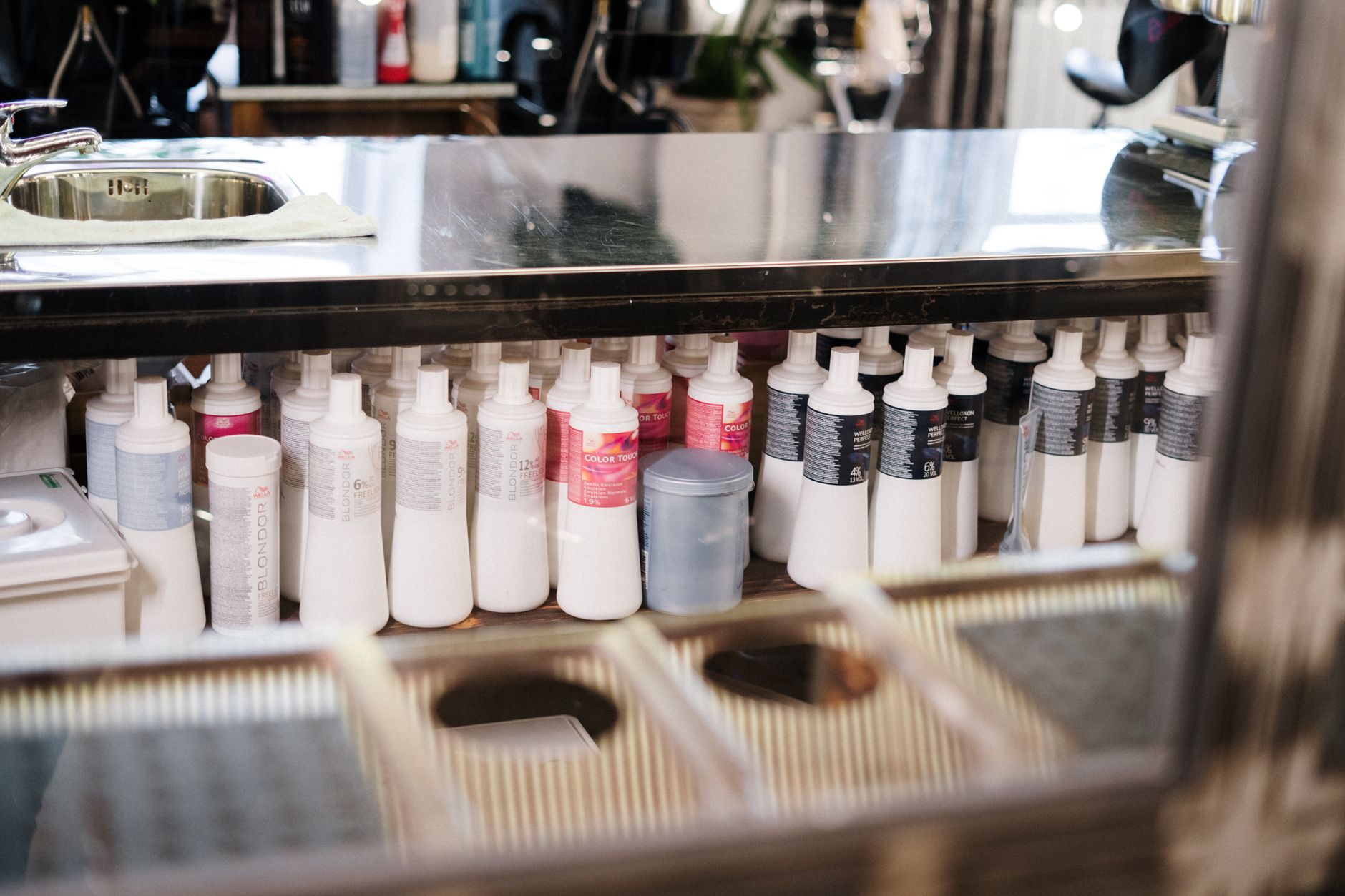
Choosing pregnancy‑friendly hair products can reduce the need for harsh chemical treatments.
Safe dosage / amount / brands
Because perm solutions are applied topically, the “dose” is measured in the amount of solution that contacts the scalp. The safest approach is to request a low‑strength formula (≈5 % thioglycolate) and limit the processing time to no more than 15 minutes. Reputable salon brands such as Wella Professionals, Schwarzkopf, and L’Oréal all offer “gentle” perm kits; however, the safety of any brand ultimately depends on the concentration and how it’s applied.
If you prefer to do a perm at home (which is not generally recommended during pregnancy), follow these guidelines:
Use a product specifically labeled “pregnancy‑safe” or “low‑chemical” if available.
Wear disposable gloves and keep the solution away from your face and eyes.
Rinse thoroughly with lukewarm water for at least 5 minutes.
Never exceed the manufacturer’s recommended processing time.
Most professionals advise against at‑home perms for pregnant individuals because you cannot control ventilation or ensure a proper neutralization step.
Side effects and risks
While most people tolerate a perm without serious issues, pregnant users should be especially vigilant for the following:
Skin irritation or burning: If you feel a sharp sting, ask the stylist to rinse immediately. Persistent redness should be evaluated by a dermatologist.
Allergic reactions: Hives, swelling, or difficulty breathing are signs of a severe allergy and require emergency medical care.
Respiratory irritation: Coughing or wheezing during or after the treatment may indicate inhalation of fumes—seek medical advice promptly.
Hair breakage: Over‑processing can lead to brittleness, which may be more noticeable if you already have pregnancy‑related hair thinning.
Most side effects are mild and resolve with proper after‑care, but any symptom that feels “out of the ordinary” should prompt a call to your health care provider.
Safer alternatives
Heat‑less curling rods or flexi‑rods – create waves without chemicals.
Soft wave sprays formulated for pregnancy – contain only botanical humectants.
Professional blow‑dry techniques – a stylist can add volume and curl using air and a round brush.
Natural texture enhancement with sea salt spray – safe, low‑irritation option.
Temporary clip‑in curls – easy to apply and remove, no scalp contact.
Henna hair dye – adds a subtle tint and can enhance natural curls without harsh chemicals.
Related items — safety at a glance
Item
Verdict
One‑line note
Hair dye
✅ Generally safe
Use ammonia‑free, semi‑permanent colors; avoid strong oxidizing agents.
Hair bleach
⚠️ Talk to your doctor
High peroxide levels can be absorbed; best postponed until after first trimester.
Relaxer
⚠️ Talk to your doctor
Contains similar thioglycolates as perms; same cautions apply.
Keratin treatment
✅ Generally safe
Choose formaldehyde‑free formulas and ensure good ventilation.
Temporary rollers or hot tools are low‑risk when used briefly.
Hair smoothing
⚠️ Talk to your doctor
Some smoothing products contain formaldehyde or similar agents.
Hair texturizing
⚠️ Talk to your doctor
Often uses chemical agents similar to perms; consult your provider.
Myth vs. fact
Myth: A perm will definitely cause birth defects. Fact: No conclusive studies link perm chemicals to birth defects, but limited data mean clinicians advise caution, especially in the first trimester.
Myth: You can safely perm your hair at any time during pregnancy if the salon smells good. Fact: The smell of a salon does not guarantee low exposure; proper ventilation and low‑concentration formulas are essential.
Myth: All hair‑care chemicals are unsafe for pregnant people. Fact: Many hair products, such as gentle shampoos and silicone‑based conditioners, are considered safe; risk varies by ingredient and exposure level.
Key takeaways
There is no definitive evidence that perm chemicals cause fetal harm, but the first trimester is the most sensitive period.
Consult your obstetrician before scheduling a perm, especially if you have asthma, eczema, or a history of allergic reactions.
If you proceed, ask for a low‑strength formula, ensure excellent salon ventilation, and keep scalp contact under 20 minutes.
Consider safer, non‑chemical styling options such as heat‑less curls, keratin smoothing (formaldehyde‑free), or natural henna.
Watch for scalp irritation, respiratory symptoms, or allergic reactions and seek medical care if they occur.
Frequently asked questions
can you get a perm while breastfeeding
Yes, most experts consider perming safe while breastfeeding because the small amount of chemicals absorbed through the scalp is unlikely to affect breastmilk. However, you should still request a well‑ventilated salon and low‑concentration solution.
how long after pregnancy can i get a perm
You can typically schedule a perm any time after the first trimester, but many women wait until after delivery to avoid any uncertainty. If you choose to wait, a 6‑week postpartum buffer allows your hormonal levels and scalp sensitivity to stabilize.
what are the risks of getting a perm during pregnancy
The primary risks are scalp irritation, allergic reactions, and the theoretical possibility of chemical absorption during the first trimester. No strong evidence links perms to birth defects, but caution is advised.
can i use perm at home while pregnant
Home perm kits are not recommended during pregnancy because you cannot control ventilation, concentration, or neutralization as precisely as a professional salon.
is it safe to get a perm during early pregnancy
Early pregnancy (first trimester) is the most vulnerable period for fetal development, so most clinicians advise postponing a perm until after week 13 unless you have a compelling reason and take strict safety measures.
can perm cause birth defects
Current research does not show a direct link between perm chemicals and birth defects, but the lack of large‑scale studies means doctors prefer a precautionary approach, especially in the first trimester.
how often can i get a perm while pregnant
If you and your provider decide a perm is appropriate, limit treatments to no more than two sessions per pregnancy, spaced at least three months apart, and always use the lowest effective chemical concentration.
what is a safe alternative to perm for curly hair
Heat‑less curling rods or gentle sea‑salt sprays provide temporary curl without exposing you to chemicals, making them a pregnancy‑friendly option for achieving waves.
When to call your doctor
Seek medical attention right away if you experience any of the following after a perm: severe scalp burning, swelling, hives, difficulty breathing, persistent coughing or wheezing, or a sudden rash that spreads beyond the scalp. Also contact your provider if you notice unusual fetal movements or any concerning symptoms unrelated to the hair treatment. Remember, this article is for informational purposes only and does not replace personalized medical advice.
References
American College of Obstetricians and Gynecologists (ACOG). “Guidance on Chemical Exposures During Pregnancy.” 2023.
National Health Service (NHS). “Hair Treatments and Pregnancy.” Updated 2022.
U.S. Food and Drug Administration (FDA). “Cosmetic Ingredient Review: Ammonium Thioglycolate.” 2021.
Centers for Disease Control and Prevention (CDC). “Pregnancy and Chemical Safety.” 2022.
International Journal of Dermatology. “Hair Perms and Pregnancy: A Review of the Literature.” 2021.
American Lung Association. “Asthma Management During Pregnancy.” 2023.
Mayo Clinic. “Hair Loss During Pregnancy.” Accessed July 2024.
Not sure about the label on Is Perm Safe During Pregnancy products?
Snap the ingredients list and SafeFilter checks every ingredient for your stage — only 3 free scans this month, then you're locked until reset. Unlimited from $7/mo or $50/yr.
When Shubhra Mishra was expecting her first child in 2016, she was overwhelmed by conflicting food advice — one site said yes, another said never. By the time her second baby arrived in 2019, she realized millions of mothers face the same confusion.
That sparked a five-year journey through clinical nutrition papers, cultural diets, and expert conversations — all leading to BumpBites: a calm, compassionate space where science meets everyday motherhood.
Her long-term vision is to build a global community ensuring safe, supported, and free deliveriesfor every mother — because no woman should face pregnancy alone or uninformed. 🌿
🌍 Stand with mothers, shape safer guidance
Join a small circle of experts who review BumpBites articles so expecting parents everywhere can decide with confidence.